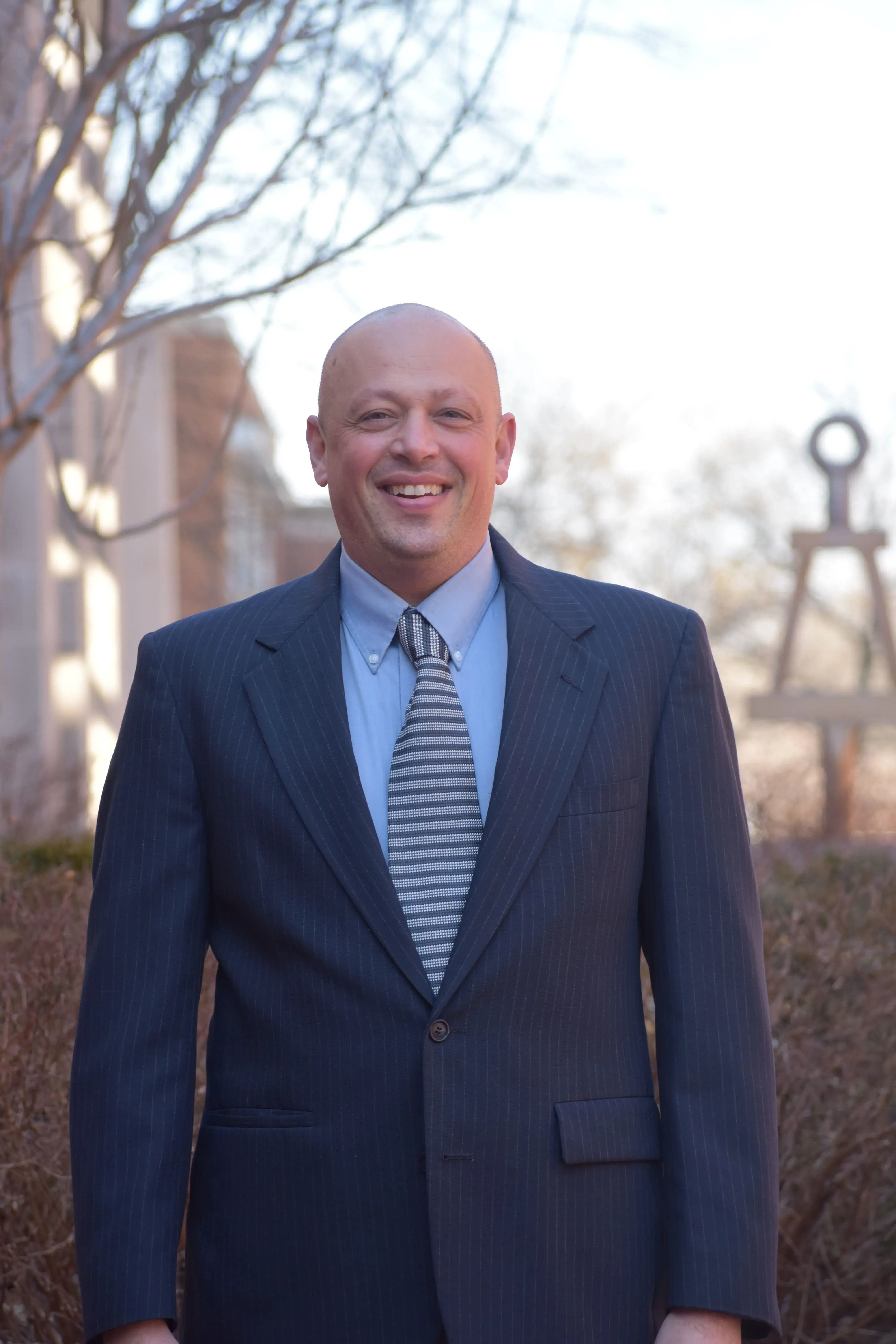
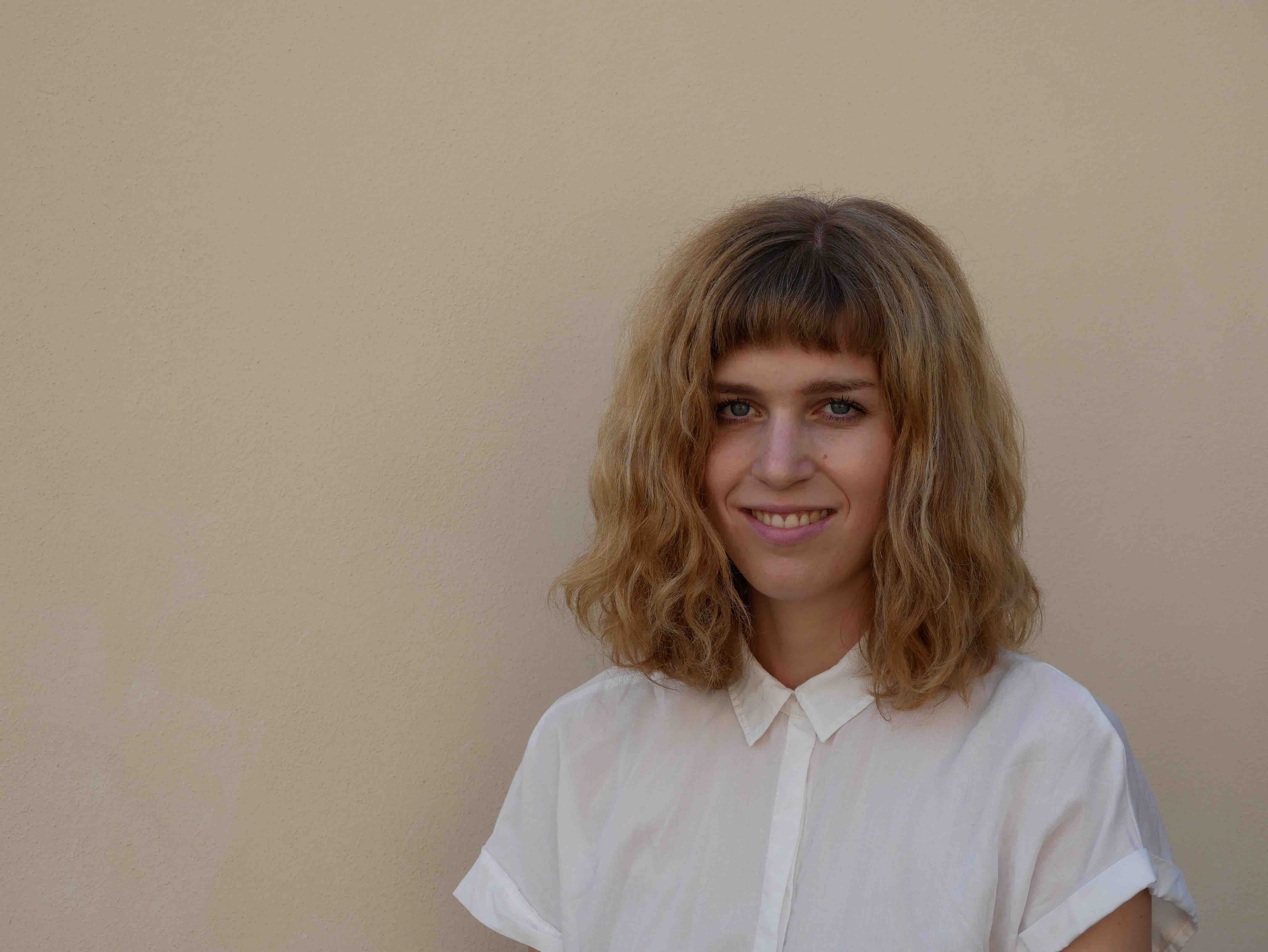
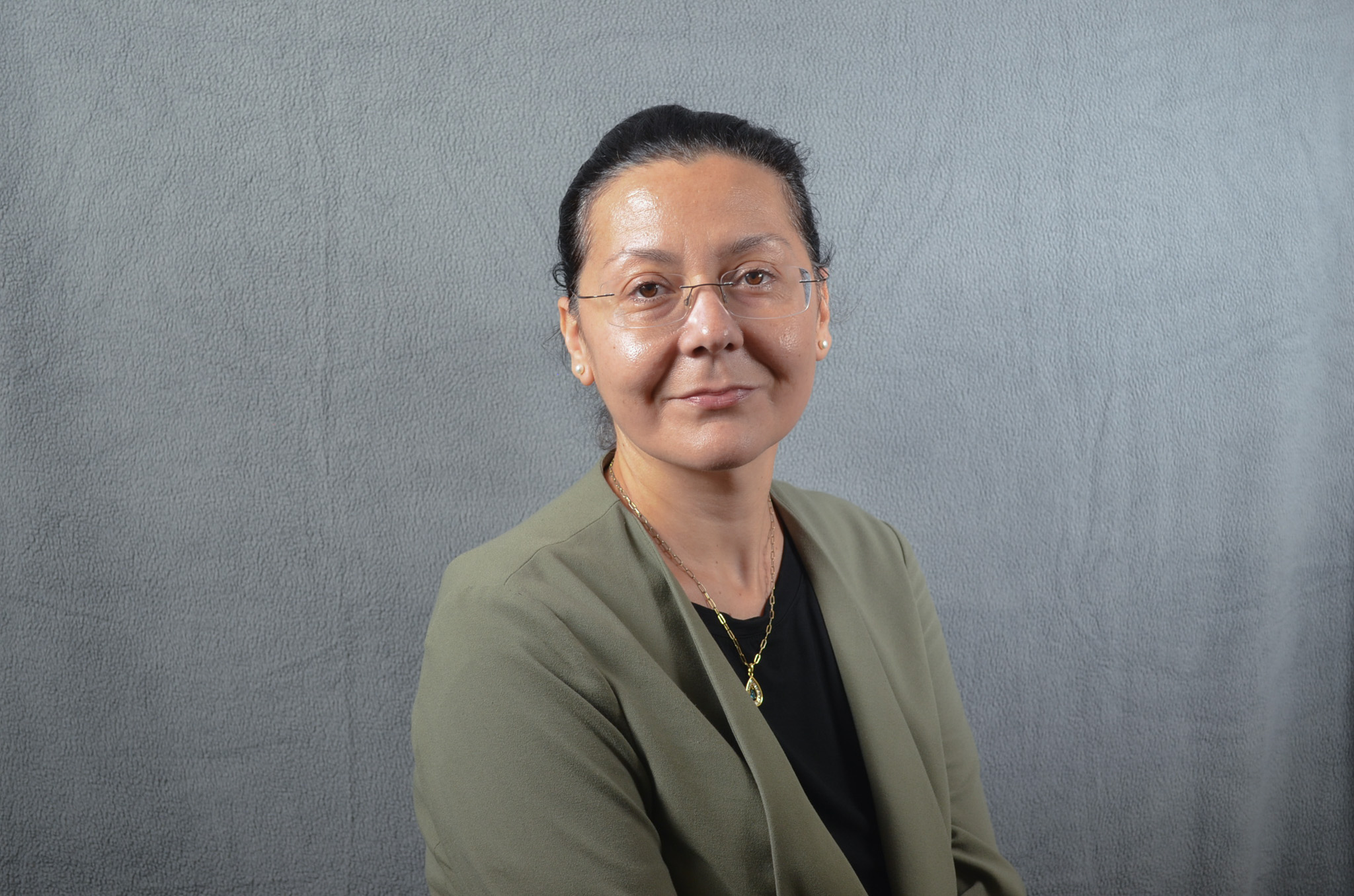
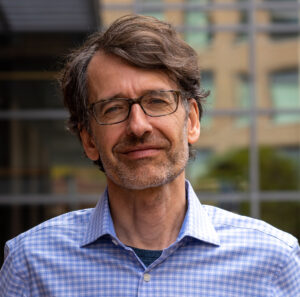
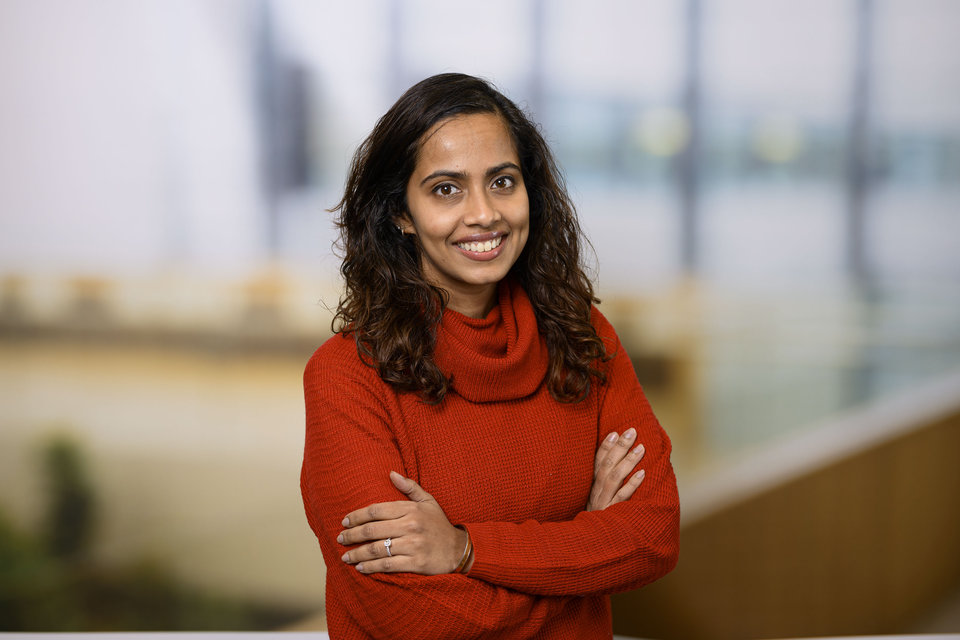
Eric Green is an Adjunct Assistant Professor in the Department of Civil Engineering at the University of Kentucky , affiliated with the Kentucky Transportation Center . He holds a Ph.D., M.S., and B.S. in Civil Engineering from the same institution. Ph.D., Department of Civil Engineering, University of Kentucky M.S., Department of Civil Engineering, University of Kentucky B.S., Department of Civil Engineering, University of Kentucky His research focuses on highway safety , spatial analysis (GIS) , crash modeling , and software development for traffic safety . Recent work includes text mining for secondary crash detection and GPS-based horizontal curve analysis. Publications highlight trends in crash analysis , Highway Safety Manual methodologies , and data integration for asset management . Key subfields include GIS applications, safety modeling, and automated regression techniques.
Irina Oleinikova is a Professor at the Norwegian University of Science and Technology (NTNU) in the Department of Electric Energy, Faculty of Information Technology and Electrical Engineering. She leads the Power System Operation and Analysis research group and serves as the NTNU Smart Grid Team Leader. She is a steering committee member of the European Energy Research Alliance (EERA) Joint Programme on Smart Grids and an expert in the International Smart Grid Action Network (ISGAN) WG6. Research Interests : Power System Operation, Digital Power System Protection and Control, Grid Resilience, Energy Flexibility, Cybersecurity in Power Systems, and Hydrogen Technology Integration. Her work focuses on advancing smart grids, grid flexibility, and cybersecurity through projects like FME CINELDI, HONOR, ASAP, and ZeroKyst. Key Projects : CINELDI : Developing intelligent electricity distribution grids. HONOR : Cross-sectoral energy flexibility markets. ASAP : Next-generation system protection schemes. ZeroKyst : Hydrogen and charging infrastructure along Norway’s coast. COSPAT : Stability of AC/DC transmission grids via co-simulation. Advising & Grants : Supervises PhD students in digital protection and cybersecurity. Active in projects funded by RCN, STATNETT, and EU Horizon 2020. Leads the Power System Operation and Analysis group and collaborates with SINTEF and industry partners. Labs/Teams : NTNU Smart Grid Team and the Power System Operation research group.
Sean Lubner is Core Faculty at the Boston University Institute for Global Sustainability (IGS) and Assistant Professor in Mechanical Engineering within the College of Engineering. He holds a PhD from UC Berkeley and BS degrees in Mechanical Engineering and Applied Physics from Carnegie Mellon University. His research focuses on energy transport and storage systems, including thermal energy storage, battery diagnostics, and CO₂ capture technologies. Education: PhD in Mechanical Engineering, UC Berkeley (NSF Fellow) BS in Mechanical Engineering & Applied Physics, Carnegie Mellon University Research Interests: Lubner specializes in grid-scale thermal energy storage, non-invasive sensors for harsh environments, and decarbonization strategies. His work integrates machine learning with materials science to develop advanced energy systems. He collaborates with industry on patents involving battery safety, photonic surfaces, and phase change materials. Article Trends: Recent publications emphasize high-temperature materials, battery failure prediction via thermal signatures, and femtosecond laser processing for photonic surfaces. His work bridges nanoscale phenomena with macro-scale energy systems, leveraging interdisciplinary methods. Awards: Lubner was an NSF Graduate Research Fellow during his PhD. Advising & Grants: While no advisees are listed, his research is supported by industry partnerships and grants focusing on energy storage innovation. He leads the Lubner Group, which develops novel sensing and storage technologies. Labs/Teams: The Lubner Group at BU focuses on sustainable energy solutions, combining experimental and computational approaches to address climate challenges.
Laureate Professor Behdad Moghtaderi is a globally recognized chemical engineer at The University of Newcastle's School of Engineering. He leads research in clean energy technologies, including the GRANEX heat engine, greenhouse gas abatement, and chemical looping processes. His work addresses critical challenges in energy efficiency, renewable energy systems, and reducing fugitive methane emissions from coal mines. With over $48M in research funding and 220+ publications, he directs the Newcastle Institute for Energy and Resources (NIER) and holds leadership roles in national and international energy initiatives. Education: PhD (University of Sydney), MEng (University of Sydney), BSc (Shiraz University) Administrative Roles: Director of NIER, former Head of School of Engineering, and member of global energy advisory bodies Research interests span energy systems, combustion science, and sustainable technologies. Notable innovations include the VAMCO system for methane abatement and solar thermal GRANEX installations. Awards include the Carrick Teaching Citation and multiple engineering excellence recognitions. Scientific contributions include 14 PhD completions and over 20 funded projects. Current focus areas include hydrogen safety, carbon capture, and thermochemical energy storage. His labs (NIER) collaborate with industry partners like Siemens Energy and the Australian Hydrogen Council.
Professor Louis Schmidt is a leading academic in the Department of Psychology, Neuroscience & Behaviour at McMaster University , with a research focus on developmental psychophysiology, temperament, and the long-term effects of early adversity. His work bridges neuroscience, psychology, and behavioral science, emphasizing the interplay between brain function and socio-emotional development across the lifespan. Key research themes: Shyness, social anxiety, autism spectrum disorder, schizophrenia, and outcomes of extremely low birth weight. Recognized for mentoring postdoctoral fellow Kristie Poole, who was celebrated as a role model in the Child Emotion Laboratory. Scientific Awards : Royal Society of Canada recognition for contributions to research and scholarship. Research Trends from 15 recent publications include: Neurophysiological mechanisms of shyness (EEG, ERP, RSA) Impact of antenatal corticosteroids on adult brain function Intergenerational effects of maternal mental health interventions Cross-cultural comparisons of temperamental shyness Developmental consequences of preterm birth Behavioral and neural correlates of social anxiety in diverse populations Grants & Collaborations : Led the SNACS randomized controlled trial on antenatal corticosteroids, with applications in obstetrics and developmental neuroscience. Collaborates extensively on topics like autism spectrum disorder, schizophrenia, and emotion regulation. Labs & Teams : Directs the Child Emotion Laboratory at McMaster University, fostering interdisciplinary research on developmental psychopathology and neural mechanisms of temperament.
Dr. Sarah A.M. Loos is a Research Fellow at the Department of Applied Mathematics and Theoretical Physics (DAMTP) at the University of Cambridge and a Research Fellow at Corpus Christi College, Cambridge. She holds a PhD in Physics (summa cum laude) from TU Berlin (2020), with postdoctoral research at ICTP (Trieste) and Leipzig University. Her research focuses on stochastic thermodynamics, non-Markovian processes, and nonreciprocal systems. She has received major awards including the Royal Society of Chemistry Early Career Award (2024) and Marie Skłodowska Curie Fellowship (2023). Education: PhD in Physics (2020, TU Berlin), Master's in Physics (2015, TU Berlin), Bachelor's in Physics (2012, TU Berlin). Research interests include entropy production in nonreciprocal systems, active matter, and control theory. She has organized workshops on adaptive dynamical systems and contributed to KITP programs on active solids. Publications span topics like optimal control at microscale, PT symmetry in non-Hermitian systems, and nonreciprocal heat transfer. Her work bridges statistical physics and nonlinear dynamics, with applications in biological and nanoscale systems. Awards: 8 major prizes including DPG and RSC recognitions Grants: MSCA Fellowship (€200k), DFG Walter-Benjamin Fellowship Labs/Teams: Active Matter Group at DAMTP, collaborations with Édgar Roldán and Klaus Kroy
Professor Gregor Verbic is a faculty member at the University of Sydney in the School of Electrical and Computer Engineering , where he serves as Director of the Centre for Future Energy Networks . Previously, he held an assistant professor position at the University of Ljubljana and was a NATO-NSERC Postdoctoral Fellow at the University of Waterloo. His career spans academic research, industry leadership as Head of Interenergo's Investment Department, and extensive collaboration with IEEE. PhD in Electrical Engineering (University of Ljubljana) Senior IEEE Member Research Interests focus on transforming power systems to zero-carbon grids through: Aggregation and control of distributed energy resources (DERs) Frequency control with wind generation and electric vehicles Stochastic optimization for multi-energy systems Smart home energy management with phase change materials Notable Contributions include: 2006 IEEE prize paper for voltage instability prediction 2010-2024: 15 recent publications on DER coordination, network tariffs, and low-inertia grid stability Teaching includes courses on: ELEC3203/ELEC9203: Electricity Networks ELEC5213: Engineering Optimisation ELEC5206: Sustainable Energy Systems Labs & Initiatives Centre for Future Energy Networks The Net Zero Institute
Dr. Laura L. Van Eerd is a Professor of Sustainable Soil Management at the University of Guelph Ridgetown Campus, affiliated with the School of Environmental Sciences. Her research focuses on biogeochemical cycling of nitrogen and carbon in agroecosystems, emphasizing cover crops, soil health, and sustainable agriculture. She holds a BSc (Env), MSc, and PhD from the University of Guelph. Her research addresses: (1) cover crop roles in soil health and productivity, (2) nitrogen use efficiency, and (3) mitigating environmental impacts of agricultural practices. Current projects include cover crop nitrogen losses, remote sensing for crop nitrogen deficiency, and pest control product environmental impacts. She has published over 50 peer-reviewed articles, including the 2018 Best Paper in the Canadian Journal of Plant Science. Education: BSc (Environmental Science), University of Guelph MSc, University of Guelph PhD, University of Guelph Her awards include recognition as one of Canada’s Influential Women in Agriculture (2020), the Dr. Ron Pitblado Teaching Excellence Award (2016), and the OAC Distinguished Extension Award (2011). Her work bridges research, teaching, and extension to support Ontario’s agricultural sector. Advising and grants: Laura leads research teams at Ridgetown Campus, focusing on vegetable production systems and sustainable soil management. Her grants include funding for cover crop nitrogen dynamics and soil health indicator studies. Labs/teams: Active in Ridgetown Campus’s agricultural research initiatives, collaborating with growers and government to develop practical solutions for soil health and environmental sustainability.
Pelin Berik Giwa is a Lecturer in the Department of Mechanical and Aerospace Engineering at the University of Central Florida (UCF). She holds a doctorate in mechatronics engineering from Johannes Kepler University and a Diplom degree in mechanical engineering from Vienna University of Technology. Her postdoctoral research spanned California State University, North Carolina State University, and Virginia Tech, with visiting roles at UCLA and Loyola Marymount University. Education : Ph.D., Mechatronics Engineering, Johannes Kepler University Diplom, Mechanical Engineering, Vienna University of Technology Research Interests : Focuses on piezoelectric actuators, nanotechnology applications in aerospace, and vibration control in aerospace structures. Her work integrates experimental benchmarking, finite element simulations, and material characterization to advance smart materials and actuator designs. Article Trends : Her publications emphasize piezoelectric crystal actuation, shear-mode sensors, and lead-free materials. Key themes include torsional actuation, nonlinear response analysis, and material optimization for aerospace applications. Awards : Erwin Schrödinger Fellowship, Austrian Academy of Sciences Max Kade Fellowship Teaching & Advising : Instructs courses like Engineering Analysis – Dynamics and Modeling Methods in MAE. While no formal advisees are listed, her roles reflect mentorship in academic and postdoctoral settings.
Jean-Pierre Fouque is a Professor in the Department of Statistics and Applied Probability (PSTAT) at the University of California, Santa Barbara. His research focuses on stochastic processes, financial mathematics, systemic risk, and reinforcement learning, with a particular emphasis on mean field games and multi-scale stochastic models. He explores applications in portfolio optimization, risk management, and algorithmic finance. His work combines theoretical advancements in stochastic analysis with practical applications in economics and finance. Notable contributions include developing models for systemic risk in financial networks, analyzing reinforcement learning algorithms in mean-field frameworks, and studying stochastic volatility effects in derivatives pricing. Recent research trends include integrating deep learning techniques for systemic risk quantification, advancing multi-scale asymptotic methods for portfolio optimization, and investigating strategic interactions in financial systems using game-theoretic approaches. His publications frequently address topics such as stochastic volatility calibration, optimal investment strategies under uncertainty, and the dynamics of financial markets under stress scenarios. Dr. Fouque has contributed to foundational textbooks and edited volumes on systemic risk and mean field games. His interdisciplinary work bridges probability theory, mathematical finance, and computational methods, impacting both academic research and practical risk management practices.
Max Lau is an Assistant Professor in the Department of Biostatistics and Bioinformatics and the Department of Epidemiology at Emory University. His research focuses on integrating machine learning and computational methods with epidemiological and genomic data to study infectious disease dynamics. He teaches courses such as BIOS 790R (Advanced Seminar in Biostatistics) and DATA 534 (Applied Machine Learning). Dr. Lau's work emphasizes scalable Bayesian inference, graph neural networks, and stochastic modeling to address challenges in disease transmission, outbreak control, and pathogen evolution. His recent research includes developing tools like ScITree and Epilearn, and he has contributed to understanding measles dynamics, tuberculosis treatment, and livestock disease management. His academic contributions span over 30 publications since 2010, with a particular focus on phylodynamics, epidemic modeling, and vaccine strategy evaluation. His interdisciplinary approach bridges computational methods with public health applications, aiming to enhance disease prediction and intervention efficacy.
Professor Raja Ayyanar is a faculty member in the School of Electrical, Computer and Energy Engineering at Arizona State University (ASU), where he has served since 2000. He holds a Ph.D. in Power Electronics from the University of Minnesota (2000), an M.S. from the Indian Institute of Science (1995), and a B.E. in Electrical Engineering from PSG College of Technology (1989). His research focuses on power electronics, renewable energy systems (including PV and wind integration), electric vehicles, motor drives, and wide bandgap devices. Notable contributions include advancements in DC-DC converters, power conversion for renewable energy interfaces, and high-frequency power electronics. He has published over 200 journal/conference papers and holds 8 U.S. patents. Ayyanar is a Fellow of the IEEE and has received the Office of Naval Research Young Investigator Award (2005). He leads or participates in major research initiatives, including the ACEPS Center and the Power Systems Engineering Research Center (PSERC). His work spans industry collaborations with entities like Sandia National Labs, Intel, and BP Solar. He teaches advanced courses in power electronics and has advised numerous students. His grants include projects on smart grid technologies, inverter reliability standards, and high-penetration renewable integration. He is affiliated with ASU’s Center for Efficient Vehicles and Sustainable Transportation Systems (EV-STS). Education: Ph.D. Power Electronics, University of Minnesota, 2000 M.S. Power Electronics, Indian Institute of Science, 1995 B.E. Electrical Engineering, PSG College of Technology, 1989 Affiliations: Professor, Ira A. Fulton Schools of Engineering Professor, PSERC and EV-STS Centers Grants & Projects: Over 60 grants from NSF, DOE, ONR, and industry partners Recent projects include dynamic sub-transmission-distribution co-simulation and EV/HEV traction drives
Stanislaw Jarecki is an Associate Professor of Computer Science at the Donald Bren School of Information and Computer Sciences (ICS) at the University of California, Irvine (UCI). He joined UCI in 2003 after earning his Ph.D. in Computer Science from MIT in 2001 under Prof. Shafi Goldwasser. His research focuses on applied and distributed cryptography, with significant contributions to threshold cryptography, secure computation, and password-authenticated key exchange (PAKE) protocols such as OPAQUE, which secures 2 billion WhatsApp users. He also worked at Intertrust’s StarLab and Stanford’s applied cryptography group under Prof. Dan Boneh. Education: Ph.D., Massachusetts Institute of Technology, 2001. Research Interests: Distributed cryptography, secure multi-party computation, privacy-preserving protocols, threshold security, blockchain applications, and efficient cryptographic primitives. His work emphasizes practical solutions for real-world systems, including protocols resilient to server compromises and scalable encryption methods. Awards: 2023 IACR Fellow for contributions to distributed cryptography and efficient secure computation. Advising and Grants: Jarecki’s research has been supported by grants including NSF SaTC programs. He advises students on cryptographic protocol design and security mechanisms. His work on OPAQUE and CHIC protocols exemplifies his focus on bridging theoretical cryptography with practical implementation. Labs/Teams: Leads a research group focused on applied cryptography and security within ICS at UCI, collaborating on projects like secure computation, privacy-preserving data processing, and cryptographic protocol development.
Samarpita Roy is an Assistant Professor at TU Delft's Faculty of Applied Sciences, leading the Environmental Biotechnology department's Samarpita Roy Group. Her research focuses on microbial ecology in engineered bioprocesses, integrating metagenomics and quantitative physiology to study microbial metabolisms and community interactions. Key projects include exploring phototrophic and polyphosphate-accumulating organisms in wastewater treatment for nutrient/resource recovery. She actively seeks industrial collaborations and is hiring PhD candidates in metagenomics/microbial ecology. Research emphasizes understanding microbial community dynamics under fluctuating conditions, developing sequencing/data analysis workflows, and applying findings to enhance bioprocess efficiency. Her work aims to advance circular bioeconomy solutions through innovative biotechnology approaches.
Dr. Justin Belsky is an Assistant Professor of Emergency Medicine at Yale School of Medicine, serving as the COVID-19 Safety Officer and Co-Director of Resident Research in Emergency Medicine. He holds an MD from Wayne State University School of Medicine (2011) and an MPH from Harvard School of Public Health (2016). His research focuses on sepsis diagnosis and treatment, including biomarkers, clinical trials, and risk stratification tools. He led the Yale site for the VICTAS trial evaluating vitamin C, thiamine, and hydrocortisone in septic shock. Dr. Belsky directs the Yale Emergency Medicine Specimen Biobank, collecting samples from critically ill patients for future research. His awards include the Partners in Excellence Team Award (2016) and an Outstanding Poster Award (2015). He is actively involved in resident research training and clinical guideline adherence studies. Education: MD: Wayne State University School of Medicine (2011) Emergency Medicine Residency: Henry Ford Hospital (2014) Research Fellowship: Massachusetts General Hospital (2016) MPH: Harvard School of Public Health (2016) Research Interests: Early sepsis identification and treatment Biomarker development for critical illness Fluid management strategies in septic shock Micronutrient therapies in sepsis Emergency department quality improvement Recent Work Focus: Fluid resuscitation protocols and guideline adherence Long-term outcomes of sepsis therapies Actin cytoskeleton as a sepsis biomarker Antibiotic timing in sepsis Awards: 2016: Sepsis Care Redesign, Partners in Excellence Team Award 2015: Outstanding Poster Award (Shock Symposium) Grants & Mentorship: Principal investigator for CLOVERS trial (fluid management in sepsis) Co-Director of Yale’s Emergency Medicine Research Training Program Leadership in resident research mentorship and biobank initiatives