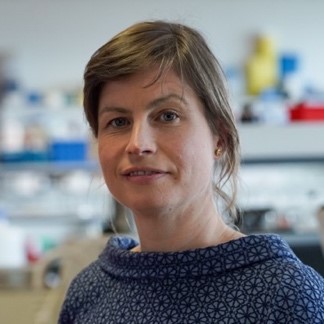
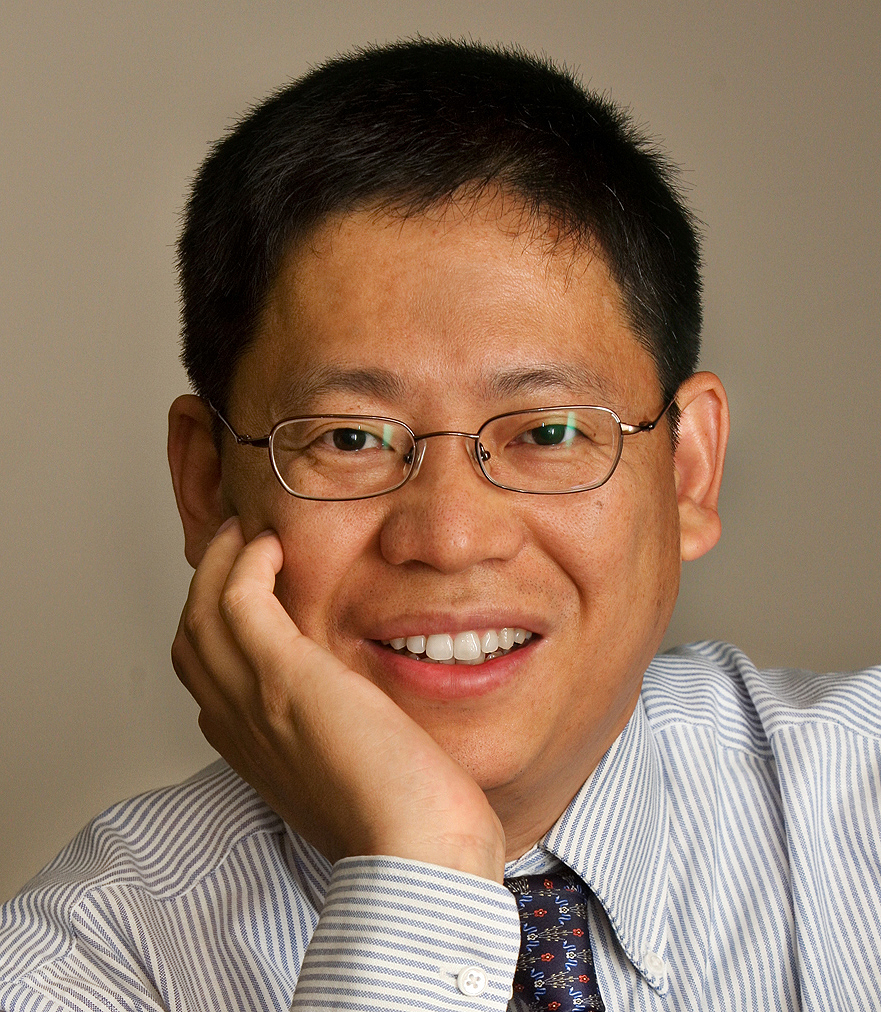
Piet Demeester is a distinguished researcher in the Department of Information Technology at Ghent University (Universiteit Gent) in Belgium. With a continuous publication record from 1994 through 2024, he has established himself as a leading expert in optical communications, wireless networking, and network virtualization technologies. His work bridges the gap between fundamental research and practical implementation in next-generation communication systems. Dr. Demeester's research spans several critical areas in modern telecommunications: Advanced optical communication systems and radio-over-fiber technologies 5G/6G wireless networks and massive MIMO implementations Network function virtualization and software-defined networking Millimeter wave and terahertz communication systems Network management and performance optimization His recent publications demonstrate a strong focus on integrating optical and wireless technologies to address capacity challenges in next-generation networks. The research shows particular emphasis on sigma-delta modulation techniques, distributed antenna systems, and realistic human exposure modeling for emerging wireless technologies. His work consistently appears in top-tier journals including IEEE Communications Magazine, IEEE Access, and IEEE Journal on Selected Areas in Communications. Dr. Demeester maintains extensive collaborations within Ghent University and with international partners, frequently working with researchers such as Filip De Turck, Bart Dhoedt, Mario Pickavet, and Didier Colle. These collaborations have resulted in numerous high-impact publications addressing critical challenges in telecommunications infrastructure.
David Côté is an academic researcher with significant contributions to the application of machine learning and artificial intelligence in network operations and optical communications. His work focuses on automating network decision-making, fault localization, and predictive maintenance using advanced AI techniques. He has collaborated with researchers like S. Shirmohammadi and Ayşe Rumeysa Mohammed. Research Interests Machine learning for network anomaly detection Reinforcement learning in network automation Deep learning for video QoE forecasting Optical network monitoring Stateless action recommenders Publications Overview His research spans from 2018 to 2023, showcasing applications of supervised, unsupervised, and deep learning in real-world network environments. Key areas include network automation, fault detection, and predictive analytics.
Mary A. Johnson, PhD is an Associate Professor in the Department of Ophthalmology and Visual Sciences at the University of Maryland School of Medicine. She serves as Director of the Visual Electrodiagnostics Laboratory, where she applies her expertise in clinical electrophysiology and psychophysics directly to patient care and research. Education: B.A. with Distinction in Biology & Psychology, University of Delaware (1977) M.A. in Physiological Psychology, Johns Hopkins University (1980) Ph.D. in Physiological Psychology, Johns Hopkins University (1982) Post-doctoral fellowship in Ophthalmology, Wilmer Eye Institute, Johns Hopkins University School of Medicine (1982-1983) Dr. Johnson is a renowned vision scientist specializing in the clinical applications of electrophysiology and psychophysics to study how disease affects visual function. Her groundbreaking work focuses on retinal diseases caused by poor blood flow to the eye, including diabetic retinopathy, central retinal vein and artery occlusions, and carotid artery occlusion. She developed the unifying concept explaining the mechanism behind blinding complications in these disorders. Her research also includes studies on drug toxicity (particularly vigabatrin), traumatic brain injury effects on vision, and biomarkers for Huntington's disease. Dr. Johnson has developed several diagnostic protocols now used worldwide, including an ERG protocol for assessing visual field loss in patients taking vigabatrin who cannot perform visual field tests. Dr. Johnson's publication record demonstrates a consistent focus on advancing diagnostic techniques in visual electrophysiology. Her research spans from basic mechanisms of retinal function to clinical applications, with a particular emphasis on ischemic disorders and neuroprotective strategies. Over her career, she has developed numerous electrophysiological protocols that have become standard in clinical practice, particularly for assessing retinal sensitivity in ischemic conditions and monitoring drug toxicity. Scientific Awards and Honors: Fellow, Optical Society of America (1993) Research to Prevent Blindness Disney Award (2003) Fellow (silver), Association for Research in Vision and Ophthalmology (2010) Member, Board of Directors of the International Society for the Clinical Electrophysiology of Vision (2014-present) Editorial Board Member, Documenta Ophthalmologica (2012-present) Dr. Johnson has held numerous leadership positions in professional organizations and has served on editorial boards for major optics and ophthalmology journals. Her work has been supported by various research grants focused on understanding mechanisms of visual function loss and developing improved diagnostic techniques. She offers a "boutique" visual electrophysiology service where she personally performs all testing using detailed history and personalized protocols to better interpret results. As Director of the Visual Electrodiagnostics Laboratory, Dr. Johnson oversees a comprehensive service offering pattern-reversal and flash visual evoked potentials (VEPs), ganzfeld full-field flash electroretinograms (ERGs), electro-oculograms (EOGs), and color vision testing. Her laboratory serves as both a clinical diagnostic facility and a research center investigating new methods for detecting and monitoring visual system disorders, with current studies focusing on traumatic brain injury, NAION, and Huntington's disease biomarkers.
Luigi Maria Galantucci serves as a Full Professor in the Department of Mechanics, Mathematics and Management at the Polytechnic of Bari, Italy, specializing in manufacturing technology and systems (ING-IND/16). His research spans industrial engineering, materials science, and biomedical applications through advanced manufacturing methodologies. His primary research domains include Additive Manufacturing (particularly metal extrusion, binder jetting, and laser metal deposition), Photogrammetry-based 3D scanning , and Reverse Engineering . He pioneers in-process monitoring techniques for defect detection in metal additive manufacturing and develops novel metrology solutions for micro-scale features. His biomedical work applies 3D facial scanning to orthodontics and forensic bite-mark analysis, demonstrating cross-disciplinary innovation. Analysis of his 2023-2025 publications reveals three dominant trends: (1) Off-axis optical monitoring systems for real-time melt pool analysis in laser metal deposition, (2) Material extrusion-debinding-sintering process chains for metal/ceramic parts with emphasis on microstructure-property relationships, and (3) Photogrammetry applications in additive manufacturing repair and forensic engineering. His work bridges industrial manufacturing with medical diagnostics through precision metrology. Professor Galantucci maintains active student engagement through scheduled reception hours via Microsoft Bookings and publishes extensively in high-impact manufacturing journals. His departmental leadership supports the Polytechnic of Bari's strategic focus on Industry 4.0 technologies and advanced materials processing.
Alireza Eivazi is an Adjunct Assistant Professor at Mid Sweden University's Department of Engineering, Mathematics and Subject Didactics (IMD), specializing in hydrometallurgy, materials science, and environmental engineering. His research focuses on cellulose-based hybrid materials for triboelectric applications, novel separation processes, and sustainable waste management. Ongoing projects: Cellulose-based triboelectric filters, molecular cellulose design, TransTech2Horizon, Foodtech fermentation Completed projects: BioRem Energy & Metal, BioRem Fiber, Cello His work explores aqueous chemistry, electrochemistry, chemical thermodynamics, and mass transfer mechanisms in cellulose regeneration. He develops metal/metal oxide nanoparticle-cellulose hybrids and investigates bioaccumulation of metals in white-rot fungi. Recent publications analyze triboelectric nanogenerators using wastepaper, lignin-furanic foams for pollutant removal, and cellulose II films with enhanced properties. He contributes to methodologies for lignocellulosic sediment remediation and molecularly designed triboelectric materials.
Claes Mattsson is an Associate Professor at the Department of Engineering, Mathematics and Subject Didactics at Mid Sweden University . His work spans sensor technology, nanomaterials, and environmental monitoring, with a focus on methane and hydrogen sulfide detection. He serves as Head of Department and teaches in areas such as semiconductor sensors and digital electronics. Research Interests : Radiation detectors Thermal/infrared sensor manufacturing Gas sensing (particularly methane and H2S) Nanomaterials for sensor applications Pressure compensation in NDIR sensors Integration of multilayered absorber structures Notable Research Trends : Recent publications emphasize nanocomposite materials (ZnO/SnO2) for ultra-sensitive gas detection, data-driven prediction models for hazardous emissions, and multispectral NDIR systems to mitigate water vapor interference in methane sensing. Work also explores silicon nanowires and MoS2 thin films for thermoelectric applications.
Frank Pernett is a researcher affiliated with the Department of Health Sciences at Mid Sweden University. His work focuses on physiological responses to extreme conditions, particularly in freediving and sports medicine. He has contributed to understanding hypoxia mechanisms, splenic contraction, and hemoglobin dynamics. Doctoral thesis (2024): "Hypoxic Blackout in Serial Freediving – Protective Mechanisms and Risk Factors" Research collaborations with E. Schagatay, P. Holmström, and E. Mulder His research interests include: Applied physiology in extreme environments Human adaptation to hypoxia Diving safety and blackout prevention Ultrasonography for physiological assessment Mathematical modeling of cardiovascular systems Article trends show expertise in freediving safety, oxygen conservation mechanisms, and interdisciplinary applications of nonlinear mathematics to physiological systems. Recent work includes breath-hold diving risk factors, splenic contraction dynamics, and hypoxia-related hemoglobin studies. Collaborations span elite athlete research, clinical medicine (including pandemic response studies), and biomedical engineering applications like sensor technology in diving environments.
Dimitris Kalogeras is a Researcher at the National Technical University of Athens (NTUA) , affiliated with the School of Electrical and Computer Engineering and the EPISEY research institute. He has been a key contributor to advanced networking initiatives, including the NTUA Network, EDET optical network, and University School Network. His work spans national and European projects like GEANT, 6net, and NOVI, and he pioneered IPv6 and multicast deployment in Greece and Europe. His research focuses on Network security Internet of Things (IoT) Artificial intelligence in networking Cyber-physical systems Robotics Medical image processing Recent work involves federated learning, UAV-based localization, and privacy-preserving frameworks in IoT environments. An analysis of his 15 most recent publications reveals strong emphasis on applications of machine learning in network security, robotic infrastructure maintenance, and lightweight AI for IoT. His projects include thethingsNetwork deployment in Athens, the HERON robotic platform, and the FELICE collaboration framework. He has contributed to global IoT initiatives through multi-channel LoRAWAN gateways and 6LowPAN mesh networks. His work on blockchain-based DDoS mitigation and semantic-aware policy management demonstrates leadership in cyber infrastructure resilience.
Maria Vitalievna Talakh serves as an Assistant Professor in the Department of Computer Science at Yuriy Fedkovych Chernivtsi National University. Holding a Candidate of Biological Sciences degree, she bridges the gap between biological sciences and computer science with her unique interdisciplinary expertise. Education: Bohdan Khmelnytskyi National University of Cherkasy (2018): Systems Analysis, Qualification: Systems Analyst (Diploma with honors) Yuriy Fedkovych Chernivtsi National University (2004): Ecology and Environmental Protection, Qualification: Master of Ecology (Diploma with honors) Candidate of Biological Sciences (2009): Specialty 03.00.16 – ecology, dissertation on 'The role of the forest beech as an edificator species in the forest ecosystem' Research Interests: Dr. Talakh's research spans machine learning algorithms (particularly ensemble models), big data analytics, computer vision, and their applications in life sciences and ecological modeling. Her work demonstrates how computational methods can solve complex problems in environmental monitoring, medical diagnostics, and software engineering. She has developed intelligent monitoring systems for climate, air temperature, plant health, and software test automation, showing the versatility of her methodological approaches. Publication Trends: Her recent scholarly output reveals a strong focus on practical applications of machine learning across diverse domains. The majority of her publications from 2020-2024 explore convolutional neural networks, ensemble methods, and big data processing techniques applied to environmental monitoring, medical diagnostics, and software quality assurance. She frequently collaborates with researchers across disciplines, particularly with colleagues at her institution on projects involving satellite data analysis and ecological monitoring systems. Professional Activities: Member of the Bukovina Information Technology Cluster named after Joseph Schumpeter (Chernivtsi IT Cluster, Cluster Bit Association) since 2019 Scientific consultant for Limited Liability Company 'KM TRADE: Security Systems' (2019) Teaching: Dr. Talakh teaches courses related to data mining, intelligent data analysis, ensemble architectures, geoinformation systems, and big data technologies. She has authored numerous textbooks and teaching materials in these areas, demonstrating her commitment to both research and education in computational methods.
Світлана Львівна Воропаєва serves as an Assistant Professor at the Department of Computer Systems and Networks within the Faculty of Physics at Yuriy Fedkovych Chernivtsi National University. Holding a Candidate of Technical Sciences degree (2012) with her dissertation on 'Computerized system of UV sources monitoring', she teaches Engineering Graphics, Computer Graphics, and Technology of Designing Computer Systems while maintaining active research in applied computer engineering. Education: Chernivtsi National University named after Yuriy Fedkovych, Faculty of Physics, Department of Electronic Computing Machines (2000) Her research centers on data compression and protection in telemetry reconfigurable information systems, with significant contributions across computer vision (handwritten text recognition, video parameter optimization), image processing (scanned document enhancement), UV radiation monitoring (Tensor-31M radiometer-dosimeter), and semiconductor photodetector systems. She specializes in hardware-software integration for real-time control applications, particularly in UV source management and smart home technologies, while developing advanced signal processing algorithms for spectral coordination and parameter stabilization. Analysis of her 15 most recent publications (2005-2018) reveals consistent focus on applied solutions bridging computer science and physical instrumentation. Her work demonstrates strong interdisciplinary collaboration, particularly with Vorobets and Dobrovolskyi teams, evolving from semiconductor interface modeling (2005-2007) toward practical implementations in computer vision (2018) and smart systems. Key thematic progression shows increasing emphasis on neural networks, parallel computing, and IoT-integrated hardware solutions while maintaining core expertise in radiation physics and optoelectronics. Professional development is evidenced by 15+ certificates (2019-2023) in digital competencies including Adobe Photoshop, project planning, active learning methods, and international conference participation (Austria, Czech Republic, Romania). Her technical leadership spans hardware-software co-design for UV monitoring systems, photodetector optimization, and embedded control modules, with consistent publication output in Ukrainian and international engineering venues.
Dr. Aoife Morrin is an Associate Professor at the School of Chemical Sciences, Dublin City University (DCU), and Director of the National Centre for Sensor Research (NCSR) at DCU. She leads the 'Sample & Sense' research strand within the Insight Centre for Data Analytics, focusing on biochemical sensor platform development. Her work integrates electrochemical and optical transduction mechanisms with soft responsive materials to create wearable sensors for skin surface applications. She has published over 60 peer-reviewed papers (H-index 29, 4000+ citations), edited a book, and contributed to three book chapters. Dr. Morrin’s research spans wearable sensor formats, skin volatile emission profiling for disease biomarker discovery, and educational technology innovations in chemical education. Her recent publications highlight advancements in mobile phone-based sensors, volatilomic analysis of infections, and green chemistry approaches to sensor fabrication. She actively explores the intersection of analytical chemistry, biomedical diagnostics, and environmental monitoring through printed electronics and flexible sensor platforms. Her work also addresses the integration of digital tools like virtual laboratories and micro-skill badging for chemical sciences education. Dr. Morrin collaborates across disciplines to develop non-invasive diagnostic technologies, including for diabetic foot ulcer infections and skin pH monitoring. She contributes to environmental sensor development for pollutants like PFAS and cooking oil VOCs, as well as emerging applications in honey characterization and aging research via skin volatiles.
J. Rock Hadley is a researcher in the Department of Radiology and Imaging Sciences at the University of Utah , specializing in Advanced MRI Imaging and Custom RF Coil Design . His work focuses on Image-Guided High-Intensity Focused Ultrasound Therapy , Neurovascular Imaging , and Breast-Specific MRI Devices . Education: PhD, University of Utah ME, University of Utah BS, University of Utah Hadley's research spans MRI Technology Development , including RF Coil Design , Gradient Coil Systems , and Image-Guided Robotic Procedures . His recent work emphasizes Transcranial MRgHIFU , Carotid Artery Imaging , and High-SNR MRI Coils for organs like the Pituitary Gland and Optic Nerve . The 15 most recent publications highlight his contributions to 3T MRI Systems , MR Thermometry , and Phased Array Coil Decoupling . Articles from 2025–2020 demonstrate sustained innovation in Medical Robotics , Breast Imaging , and Neurovascular MRI . Hadley holds a patent for an Anatomical Positioning System (2009) and has collaborated extensively in Carotid Bifurcation Studies and Optic Nerve Imaging . His work is supported by grants and partnerships with institutions like the Coil Lab at the University of Utah.
Dr. Jarle André Johansen serves as an Associate Professor in the Department of Automation and Process Technology within the Faculty of Engineering Science and Technology at UiT The Arctic University of Norway. His academic profile demonstrates sustained research activity from 2000 through 2021, with recent publications indicating ongoing scholarly work. His institutional affiliation appears consistently across university platforms, with contact information listing his office at Teknologibygget Tromsø 4.011 and direct communication channels including email and telephone. Professor Johansen's research focuses primarily on semiconductor physics and sensor technology, with particular expertise in low-frequency noise analysis in silicon-germanium heterojunction bipolar transistors (SiGe HBTs). His work spans fundamental device physics, noise characterization methodologies, and more recent applications in maritime navigation systems. The evolution of his research shows progression from pure semiconductor device analysis toward applied sensor systems, including biosignal processing for maritime applications as evidenced by his 2021 publication. His publication record reveals consistent scholarly output with particular concentration between 2003-2004 and 2015, suggesting periods of intensive research activity. The articles collectively demonstrate expertise in both theoretical modeling and experimental characterization of electronic devices, with strong international collaboration patterns evident in the author lists. His work bridges fundamental semiconductor physics with practical engineering applications, particularly in harsh environments as suggested by maritime-focused research. Professor Johansen's teaching responsibilities include Electronics, Control Engineering, Industrial Data Communication, and LabVIEW Programming, indicating a well-rounded engineering education profile that complements his research specialties. His position within the Automation and Process Technology department suggests integration of his semiconductor expertise with broader automation systems engineering.
Younan Xia is a Professor and holds the Brock Family Chair and Georgia Research Alliance Eminent Scholar in Nanomedicine at the Georgia Institute of Technology, Department of Biomedical Engineering. His research spans across nanocrystal synthesis, nanomedicine, regenerative medicine, and catalysis, with significant contributions to the understanding of structure-property relationships in nanomaterials. Education: B.S. in Chemistry, University of Science and Technology of China (1987) M.S. in Chemistry, University of Pennsylvania (1993) Ph.D. in Chemistry, Harvard University (1996) Research Interests: Professor Xia's research is organized into five major thrusts: 1) Nanocrystal synthesis focusing on mechanistic understanding and biomedical applications including optical sensing, cancer diagnosis, and catalysis. 2) Nanomedicine development using gold nanocages for theranostic applications and investigating cell-nanocrystal interactions. 3) Regenerative medicine through bio-inspired design of scaffolds for stem cell differentiation and tissue regeneration. 4) Structure-property relationships in shape-controlled nanocrystals, particularly in plasmonics and light-matter interactions. 5) Catalysis research including facet-dependent activity and fuel cell applications. Recent Research Trends: His 2025 publications demonstrate a strong focus on cancer nanomedicine with advanced theranostic applications, including photoacoustic-guided immunotherapy and multifunctional cellular engineering. The work shows significant advancement in understanding nanocrystal surface evolution during synthesis, development of biomimetic scaffolds for tissue repair, and rational design of noble-metal nanostructures for enhanced catalytic performance. Scientific Awards: Professor Xia has received numerous prestigious awards including: ACS National Award in the Chemistry of Materials (2013) NIH Director's Pioneer Award (2006) Camille Dreyfus Teacher Scholar Award (2002) Fellow of AIMBE (2011) and MRS (2009) Alfred P. Sloan Research Fellow (2000) NSF CAREER Award (1999) Packard Fellow in Science and Engineering (2000) Laboratory and Research Group: Professor Xia leads the Xia Research Group based at Georgia Tech, which focuses on cutting-edge research in nanomaterials synthesis and their applications in biomedicine and catalysis. The group operates from the MoSE (Molecular Science and Engineering) building and maintains an active online presence through their research website nanocages.com and various publication platforms.
Per Lundgren is a Professor at the Electronics Material and Systems department of Chalmers University of Technology. His research focuses on energy storage technologies, carbon-based composites, and nanoelectromechanical systems (NEMS), with applications in microtechnology, millimeter-wave engineering, and sustainable materials. His recent work includes advancements in supercapacitor design using lignin-cellulose composites, plasma-treated carbon fibers, and hybrid electrode materials. He has contributed to high-frequency gap waveguide fabrication and waste heat energy harvesting systems. Notable Projects : Artificial Intelligence for Nanoparticle Emission Analysis (2018) Smart-MEMPHIS: Piezoelectric Energy Harvesting with Supercapacitors (2014-2018) CarPolCap: Hybrid CNT/CNF Electroactive Polymers (2012-2015) Lundgren also emphasizes educational innovation, particularly in adaptive teaching methods and interactive learning tools for semiconductor physics courses.