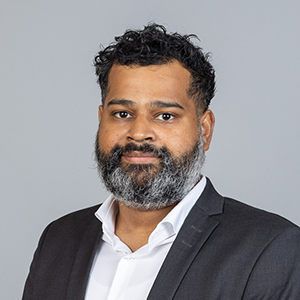
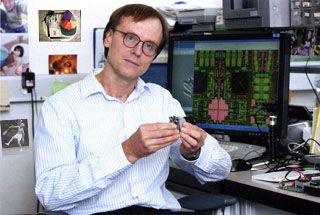
Ambuj Varshney is an Assistant Professor at the National University of Singapore (NUS) School of Computing , leading the WEISER research group . His work bridges electronics, wireless communication, computer science, and AI with a focus on creating ultra-low-power embedded systems for sustainable IoT deployments. University of California, Berkeley: Postdoctoral Scholar (2020-2022) Uppsala University: PhD in Sustainable Networked Systems NXP Semiconductors: Software Engineer (prior to PhD) Bachelors in Information & Communication Technology Research interests center on overcoming wireless systems' energy asymmetry through tunnel diode oscillators , LiFi-RF hybrid networks , and battery-free communication architectures . His group develops STICORS —sticker-like computers for industrial and medical monitoring. Recent publications demonstrate AudioCast 's FM-band utilization for 130m transmission, TunnelSense 's vital monitoring, and PixelGen 's diffusion model cameras. These works combine IoT sustainability, spectrum efficiency, and hardware innovation . 2024: Google Research Scholar Award 2023: MobiSys Best Demonstration 2021: Berkeley FORM+FUND Fellowship 2019: ABB's $300K Research Award As an educator, he teaches CS4222 Wireless Networking and CS5272 Embedded Software Design . Past students include Wenqing Yan (NUS/UCB PhD), Qiao Yukai , and Kunjun Li . His team collaborates with Prabal Dutta (UCB), Christian Rohner (Uppsala), and Prateek Saxena (NUS).
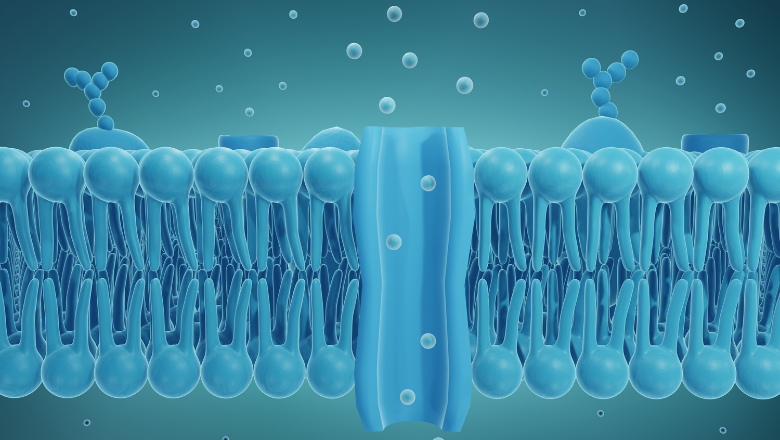
Mark Wallace is a Professor of Chemistry at King's College London, affiliated with the Department of Chemistry and the Faculty of Natural, Mathematical & Engineering Sciences. He holds a Royal Society University Research Fellowship (2005–2016) and has been a lecturer at Oxford University before joining King's in 2016. His research focuses on membrane protein function and artificial membrane mimics, combining optical microscopy and nanotechnology. He earned a PhD from the University of Cambridge (2002) and postdoctoral training at Stanford University and the National Institute for Medical Research. Key research interests include membrane protein dynamics, lipid bilayer engineering, and single-molecule imaging. He has pioneered techniques like droplet interface bilayers and interferometric scattering microscopy. His work has led to patents and applications in molecular sensing and medical research. Awards include the 2002 Gregorio Weber Prize and the 2015 RSC Norman Heatley Award. He is actively involved in public outreach, including video podcasts and educational competitions. Recent publications emphasize artificial ion channels, nanoparticle formation monitoring, and mitochondrial protein dynamics. His lab collaborates with institutions like the London Centre for Nanotechnology and the Rosalind Franklin Institute. Over 30 students and researchers have been mentored, with active grants from EPSRC, Wellcome Trust, and BBSRC.
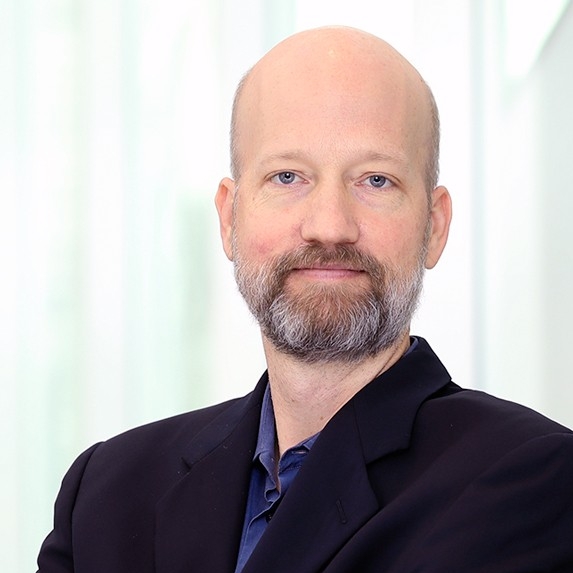
Professor Peter F. Driessen is a faculty member in the Department of Electrical and Computer Engineering at the University of Victoria, with a cross-appointment in the School of Music. He holds a BSc and PhD from the University of Victoria and is a Professional Engineer (PEng). His research focuses on communication systems, signal processing, control, and interdisciplinary projects in computer music and wireless technologies. Key areas include audio/video signal processing, radio propagation, sound recording, and multimedia systems. He leads the University of Victoria Propagation Laboratory, which explores radio wave propagation and Amateur radio integration with engineering education. His work spans theoretical research and applied projects like ECOSat satellite systems, software-defined radio (SDR), and innovative musical instruments such as the Radio Drum. He supervises undergraduate and graduate projects in these domains through ELEC 499 courses. Notable contributions include the APEGBC Editorial Board Award for Best Paper (2002) and patents in wireless networking and signal processing. His teaching includes courses in signal analysis and electromagnetics, and he collaborates on interdisciplinary programs like the Music/Computer Science degree. Education: BSc in Electrical Engineering, University of Victoria PhD in Electrical Engineering, University of Victoria Research Interests: Audio and video signal processing for music and media Software-defined radio and Amateur radio technologies Satellite communication and ground station development Gesture-based interfaces and musical instrument design Error mitigation in streaming audio/video Optical and microwave-photonic systems Labs & Collaborations: Propagation Laboratory (radio wave research) UVic Experimental Radio Group (Amateur radio club) UVic Satellite Design Team (ECOSat projects) UVic Centre for Aerospace Research Grants & Awards: APEGBC Editorial Board Award (2002) Multiple US patents in wireless systems and signal processing
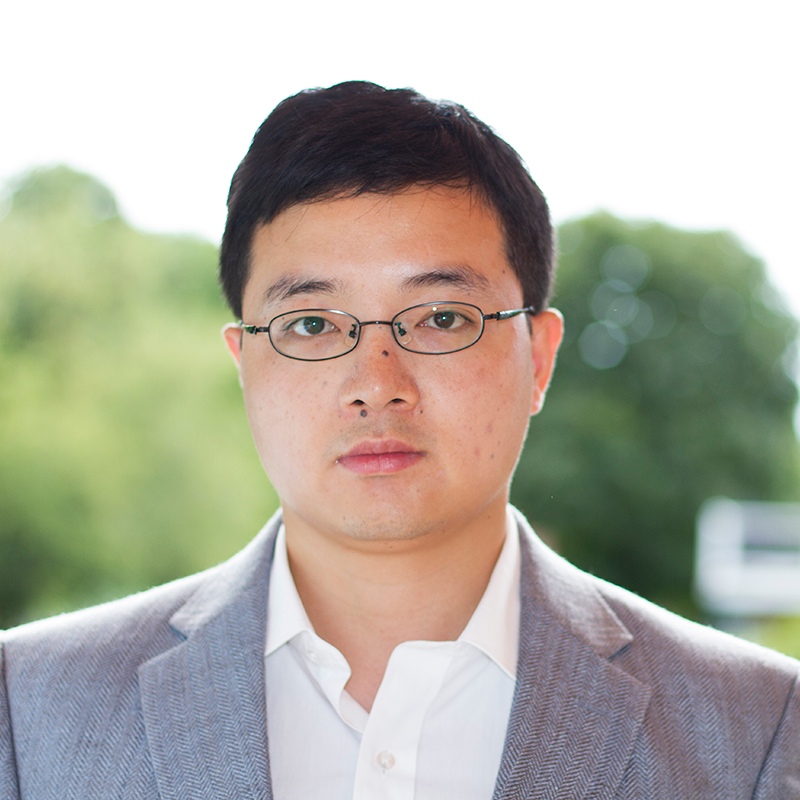
David Melcher is Professor of Psychology and Program Head in Psychology at New York University Abu Dhabi (NYUAD), where he also serves as a Global Network Professor. He is affiliated with the Division of Science and leads the Perception and Active Cognition Lab, focusing on the integration of perception, attention, memory, and action within a cognitive neuroscience framework. PhD in Psychology and Cognitive Science, Rutgers University (2001) Former researcher and professor in Italy and the UK Current leadership: Program Head, Psychology, NYUAD David Melcher's research centers on cognitive neuroscience , particularly how perception, attention, working memory, eye movements, and self-motion interact to shape cognition and behavior. His lab emphasizes active cognition —the idea that perception is not passive but dynamically shaped by action, context, and goals. He investigates how temporal dynamics in neural processing organize perceptual experiences and guide decision-making. His work spans both healthy and clinical populations, exploring individual differences in spatial and temporal processing across the lifespan. The 15 most recent publications reflect a consistent focus on temporal organization in cognition , perception-action coupling , and neural mechanisms of attention and memory . Keywords across these works include cognitive neuroscience, perception, and neuroimaging, with subfields ranging from eye movement research and neural synchrony to computational modeling and clinical neuropsychology. Collectively, they demonstrate a trajectory toward integrative models of brain function that bridge behavioral, neuroimaging, and computational approaches. Among his notable recognitions is the Distinguished Scientific Award for Early Career Contribution to Psychology from the American Psychological Association (2011), highlighting the early impact of his work in cognitive neuroscience. Distinguished Scientific Award for Early Career Contribution to Psychology, APA (2011) David Melcher has advised numerous students through capstone projects in psychology and computer science, fostering interdisciplinary research at the intersection of cognitive science and technology. His research has been generously supported by major funding agencies including the European Research Council , the US National Institutes of Health , the Italian Ministry of Research and Education , and the Chinese Ministry of Foreign Expert Affairs . He also contributes to the academic community as a member of the editorial boards of Journal of Vision , Psychonomic Bulletin & Review , Perception , and iPerception . He leads the Perception and Active Cognition Lab at NYUAD, which employs a multidisciplinary approach combining behavioral experiments, neuroimaging (fMRI, EEG, MEG), eye-tracking, computational modeling, and clinical assessments. The lab’s research aims to understand how the brain constructs stable percepts from dynamic sensory input, particularly during active engagement with the environment.
Qing Li is an Associate Professor in the Department of Electrical and Computer Engineering at Carnegie Mellon University (CMU), part of the College of Engineering. He holds a B.E. in Electronics Engineering from Tsinghua University (2006) and a Ph.D. in Electrical and Computer Engineering from Georgia Institute of Technology (2013). Prior to CMU, he worked as a postdoctoral researcher at the National Institute of Standards and Technology (NIST), where he developed quantum frequency conversion and microresonator-based optical systems. His research focuses on light-matter interactions in integrated photonics, emphasizing nonlinear optics and quantum information processing. He has pioneered silicon carbide and aluminum nitride platforms for chip-scale quantum technologies and optical metrology. Dr. Li has been recognized with prestigious awards including the Darpa Young Faculty Award (2019), OSA Paul F. Forman Team Engineering Excellence Award (2020), and Sigma Xi Best Ph.D. Thesis Award (Georgia Tech). His work bridges classical and quantum information systems, with applications in secure communication, atomic systems interrogation, and high-precision frequency synthesis. He actively contributes to the Pittsburgh Quantum Institute (PQI), advancing regional quantum engineering initiatives. His research group’s key projects include developing compact optical frequency synthesizers, soliton microcombs for communication grids, and entangled photon pair sources for quantum networks. Grants and collaborations support his exploration of novel photonic materials and devices, targeting advancements in both fundamental science and applied technologies.
Professor Hala Zreiqat AM is a leading biomedical engineer at The University of Sydney , serving as the Director of the ARC Training Centre for Innovative BioEngineering . A Fellow of all major Australian academies (AAS, ATSE, FAHMS, FRSN), she develops 3D printed bioceramics for bone regeneration while championing diversity through initiatives like the IDEAL Society and BIOTech Futures mentorship program. Her work bridges academia, clinical practice, and industry in musculoskeletal research . Research Focus: Her lab creates synthetic bone scaffolds that mimic natural bone architecture, strength, and porosity, enabling non-rejected bone regeneration via patient-matched implants. Key applications include orthopaedic, dental, and maxillofacial repair , with over $18M in competitive funding and multiple patents. Current projects explore AI-driven scaffold performance prediction and anti-senescence strategies for aging-related bone loss. Scientific Trends: Recent publications highlight 3D printed nanovoxelated ceramics , antisenescence biomaterials , and multifunctional theranostic platforms . Her team integrates machine learning for scaffold design, atom probe tomography for interface analysis, and two-photon imaging for cellular monitoring in 3D environments. 2021-2022 Fulbright Senior Scholar 2018 NSW Premier's Woman of the Year 2019 Eureka Prize for Innovative Use of Technology Fellow of Australian Academy of Science (2021) Over $18M in research funding Teaching & Leadership: She designed core courses like Tissue Engineering and Nanomaterials in Medicine , mentoring 158 students in 2020 alone. As Chair of CAAR (2020-2023), she strengthens Australia-Arab collaborations. Her lab trains early-career researchers , with alumni now in academia and industry.
Marc Erich Latoschik is a Professor in the Department of Human-Computer Interaction at the University of Würzburg, Germany. He previously held roles at Bayreuth University, Bielefeld University, and FHTW Berlin. His research focuses on virtual and augmented reality, embodiment, human-computer interaction, and applications in health, education, and social systems. Education: Completed his PhD in 2001 at Bielefeld University with a thesis on multimodal interaction in virtual reality. Research Interests: Embodied interaction, virtual embodiment, presence and plausibility in VR/AR, avatar design, social virtual reality, health applications (e.g., VR therapy for body image issues), and XR security/privacy. Active in developing frameworks like Reality Stack I/O and MAIL for VR/AR research. Key Projects: ViTraS study on body image exercises in VR, avatars for mass use via smartphone reconstruction, and motion-based biometrics in XR. Collaborates with medical teams on cybersickness detection and emergency training simulations. Labs/Teams: Leads research groups on immersive technologies and social VR applications. Involved in interdisciplinary projects combining HCI, AI, and healthcare.
Minghao Qi is a Professor in the Department of Electrical and Computer Engineering at Purdue University's College of Engineering, West Lafayette. His research focuses on integrated photonics systems for optical communications, quantum information, and precision metrology applications. Professor Qi's work spans several critical photonics domains: Design and application of microresonator-based optical frequency combs (Kerr combs) Silicon and silicon nitride integrated photonic circuits Thin-film lithium niobate devices for nonlinear optics Quantum information processing using frequency-bin entangled photons Photonic neuromorphic computing with machine learning co-design Optical sensors and time-of-flight ranging systems Analysis of his 2022-2025 publications reveals three dominant research vectors: (1) Vernier microcombs for optical atomic clocks and RF stabilization, (2) Trident edge coupler architectures for octave-spanning nonlinear processes on lithium niobate, and (3) Physics-informed neural networks applied to photonic device design and signal processing. His recent work demonstrates strong convergence between integrated photonics, quantum technologies, and machine learning.
Zoran Cenev holds a Tenure Track Assistant Professor position within the Mechatronics and Dynamics section of the Department of Mechanical and Production Engineering at the School of Engineering, Aarhus University. His primary institutional affiliation is with AU Engineering, and contact details include email zoran.cenev@mpe.au.dk and telephone +45 20 64 75 44, with office location Aarhus N, 5128-140. Research interests focus on interdisciplinary applications of magnetic and robotic systems: Robotic micromanipulation via electromagnetic needles Ferrofluid-based biofabrication for skeletal muscle engineering Laser-induced photothermal droplet control Theoretical modeling of particle dynamics at fluid interfaces Surface engineering for underwater metallic stability Nanostructure formation through ion bombardment His recent publications (2023-2025) reveal a dominant trend in adapting ferrofluids for biomedical automation, particularly 3D bioprinting of magnetically responsive tissues and droplet manipulation on engineered surfaces. This work bridges mechanical engineering with regenerative medicine, emphasizing practical implementations of theoretical models for microscale precision. Scientific awards are not documented in the provided information. As a faculty member, Dr. Cenev likely mentors graduate students and pursues research grants, though specific advisees or funding details are absent. Departmental laboratories and workshops support his experimental work in mechatronics, with emphasis on magnetic manipulation systems and surface characterization.
Tobi Delbruck is a titular professor of physics and electrical engineering at ETH Zurich, where he leads the Sensors Group at the Institute for Neuroinformatics (INI) in Zurich, Switzerland. He collaborates closely with Shih-Chii Liu and Giacomo Indiveri as part of the 'hardware groups' at INI. Delbruck has also served as visiting faculty at Caltech and is a Fellow of the IEEE. His work focuses on bio-inspired and neuromorphic event-based sensory processing systems. Professor Delbruck's research spans multiple areas of neuromorphic engineering, with particular emphasis on event-based vision systems and low-power analog VLSI circuits. His work has significantly advanced the field of Dynamic Vision Sensors (DVS), which mimic the human retina's response to changes in brightness rather than capturing full frames. This approach enables extremely low-latency vision processing with minimal power consumption, making it ideal for high-speed applications and robotics. His research has applications in robotics, autonomous systems, and low-power embedded vision. Delbruck is an active contributor to the neuromorphic engineering community, co-organizing the annual Telluride Workshop on Neuromorphic Engineering and serving in leadership roles with IEEE. He has authored numerous influential publications and co-authored books including "Event-Based Neuromorphic Systems" and "Analog VLSI: Circuits and Principles." His jAER (Java Address-Event Representation) project provides open-source tools for real-time event-based sensory processing. Analysis of his recent publications shows a clear trend toward integrating event-based vision with deep learning techniques and applying these systems to practical robotics problems. His scientific achievements have been recognized with multiple awards including: IEEE Fellow Winner of Best Live Demonstration award at ISCAS 2012 Honorable Mention Award from Sensory Systems Technical Committee at ISCAS 2012 Overall Best Student Paper Award and Best Paper Award from Sensory Systems Technical Committee at ISCAS 2010 Winner of the 2006 ISSCC Jan Van Vessem Outstanding European Paper Award Professor Delbruck actively mentors students and has supervised numerous PhD and Master's theses in the areas of neuromorphic engineering and event-based vision systems. His group has secured significant research funding from various sources to support their innovative work in bio-inspired sensory processing. He teaches courses on "Electronics for Physicists II (Digital)" and "Neuromorphic Engineering," helping to train the next generation of researchers in this field. The Sensors Group at INI, which Delbruck leads, operates state-of-the-art facilities for designing and testing neuromorphic vision systems. The group maintains close collaborations with researchers worldwide and has developed several important open-source resources including the jAER project and bias generator design kits. Their work continues to push the boundaries of what's possible with event-based sensory processing, with applications ranging from high-speed robotics to low-power embedded vision systems.
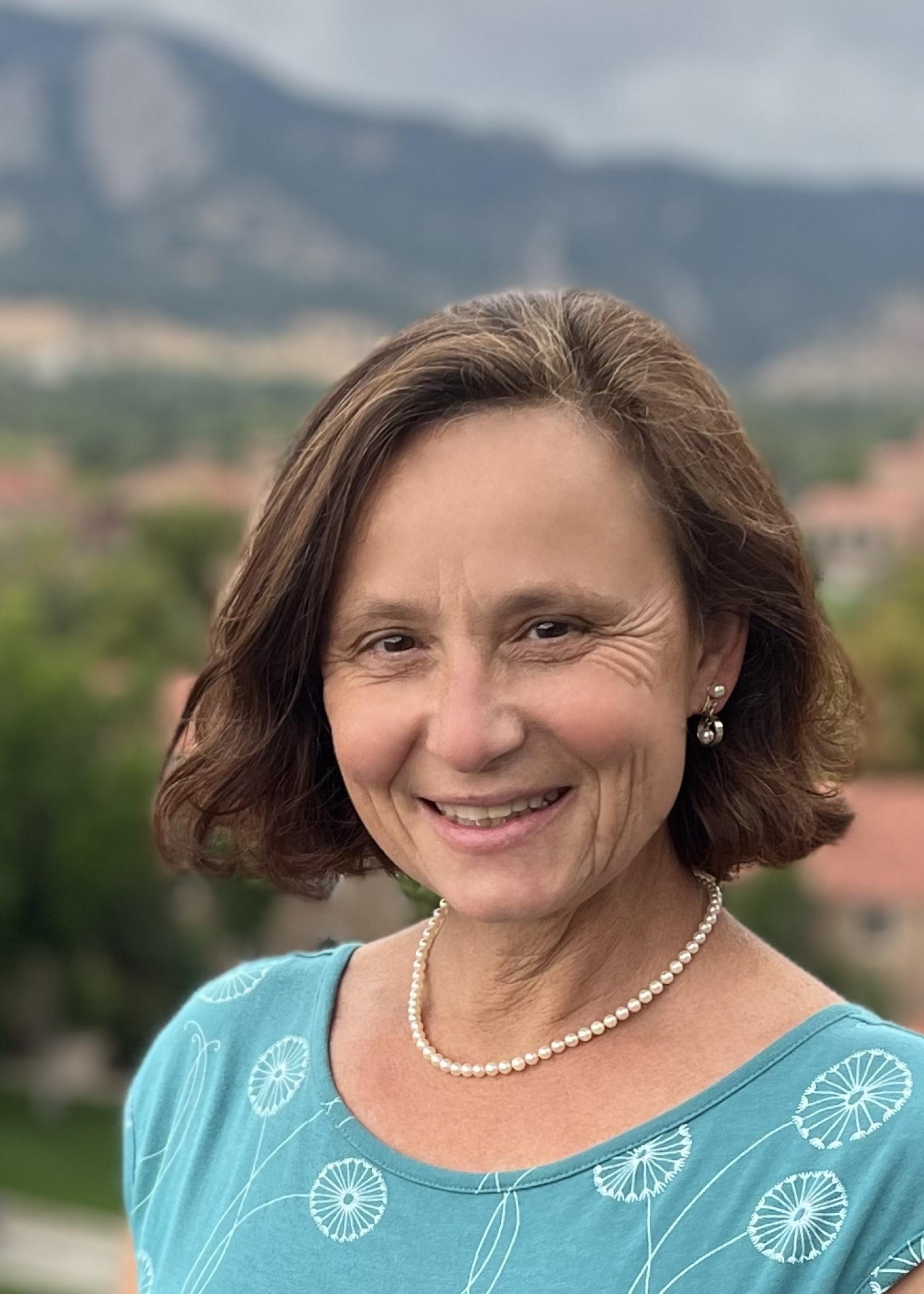
Zoya Popovic is a Distinguished Professor and holds the Lockheed Martin Endowed Chair in RF Engineering at the University of Colorado Boulder's Department of Electrical, Computer, and Energy Engineering. She earned a Dipl.Ing. from the University of Belgrade (1985) and a PhD from Caltech (1990). She has advised over 50 PhD students and was a visiting professor at Technical University of Munich (2001). Her research focuses on high-efficiency microwave/millimeter-wave circuits, smart antenna arrays, wireless powering systems, and biomedical microwave applications. Notable contributions include quasi-optical imaging techniques and low-noise amplifier designs. Key awards: IEEE Microwave Prizes (1993/2006), Humboldt Research Award (2000), Terman Medal (2001) Lab Group Website: [Link] Recent work emphasizes in-band full-duplex systems, GaN MMICs, and quantum-based waveform modulation. Her group maintains advanced facilities for millimeter-wave and terahertz research.
Angela Pitenis is an Associate Professor in the Department of Materials at the University of California, Santa Barbara (UCSB), within the College of Engineering. Her research focuses on interfacial phenomena in soft materials, particularly friction, adhesion, wear, and deformation of complex surfaces ranging from living cells to polymer nanocomposites. She employs advanced experimental techniques such as microscopy, spectroscopy, and interferometry to study these interfaces under extreme conditions and within buried environments. Her work has direct applications in healthcare, energy sustainability, and engineering design. Prof. Pitenis holds a Ph.D., M.Sc., and B.S. in Mechanical Engineering from the University of Florida. Her research group investigates biomaterials, hydrogel lubrication, and bioinspired materials, with recent studies addressing implant-associated inflammation, tumor cell dynamics in 3D microgels, and pH-responsive hydrogel friction. She is affiliated with the Materials Research Lab at UCSB and contributes to interdisciplinary projects at the intersection of materials science and biology. Notable research trends in her work include the development of biocompatible lubricious surfaces, understanding friction-induced biological responses, and designing smart materials with tunable mechanical properties. Her studies on photoresponsive hydrogels and superlubricious materials highlight innovations in responsive and adaptive material systems. Pitenis emphasizes in situ experimental methods and has pioneered techniques for analyzing dynamically evolving material interfaces. Her research also extends to marine biomaterials, such as the mechanical resilience of sessile tunicates, and explores applications in medical implants, bioreactors, and energy systems. While specific awards are not listed here, her contributions reflect a commitment to advancing soft matter tribology and biomaterials science.
Azita Emami serves as the Andrew and Peggy Cherng Professor of Electrical Engineering and Medical Engineering at the California Institute of Technology (Caltech), where she concurrently holds leadership roles as Executive Officer for Electrical Engineering and Director of the Center for Sensing to Intelligence. Appointed to Caltech's faculty in 2007, she progressed from Assistant Professor to her current endowed professorship through demonstrated scholarly excellence. Her academic foundation includes: B.S. in Electrical Engineering from Sharif University of Technology (1996) M.S. in Electrical Engineering from Stanford University (1999) Ph.D. in Electrical Engineering from Stanford University (2004) Professor Emami pioneers mixed-mode integrated circuit systems that bridge theoretical innovation with practical applications. Her research emphasizes ultra-low power consumption and high reliability in scalable semiconductor technologies, targeting transformative solutions across multiple domains. Key thrusts include: Biomedical implantables for neural recording/stimulation and gastrointestinal monitoring Photonics-electronics co-design for energy-efficient optical interconnects Machine learning-enhanced signal processing for brain-computer interfaces Miniaturized magnetic sensors with unprecedented noise performance Her work consistently demonstrates how circuit-level innovations enable breakthrough capabilities in medical diagnostics and high-speed computing. Analysis of her 2021-2024 publications reveals a strategic convergence of biomedical sensing and intelligent signal processing . While maintaining strong contributions to optical interconnects (accounting for ~40% of recent output), her lab increasingly focuses on closed-loop medical systems where low-power analog neural networks interpret physiological signals. This evolution reflects growing NIH and industry interest in implantable/wearable health technologies, with her group leading in CMOS-based sensor miniaturization and energy efficiency. Her professional recognition includes: IEEE Solid-State Circuits Society Distinguished Lecturer appointment Mentorship excellence is evidenced by students receiving prestigious awards including the Jakob van Zyl Predoctoral Research Award (Saransh Sharma, Ryoto Sekine) and Charles Wilts Prize (Kuan-Chang Chen). Her research program leverages strategic partnerships with Heritage Medical Research Institute and industry collaborators, supported through center-based funding like the Center for Sensing to Intelligence. Administrative leadership spans departmental governance (as Executive Officer) and conference organization (ISSCC technical committees). She directs Caltech's Mixed-mode Integrated Circuits and Systems Lab (MICS) , which operates as a nexus for cross-disciplinary innovation between electrical engineering and medical applications. The lab's industry-collaborative framework accelerates translation of circuit concepts into real-world biomedical solutions through the Center for Sensing to Intelligence.
LIN Meng is an Associate Professor at the Department of Mechanical and Energy Engineering , Southern University of Science and Technology (SUSTech) . He holds a Ph.D. in Mechanical Engineering from Swiss Federal Institute of Technology in Lausanne (EPFL) (2018) and has held postdoctoral positions at Caltech's Joint Center for Artificial Photosynthesis (2018-2019). Research Interests include solar thermal/thermochemical/(photo)electrochemical energy conversion devices , CO2 capture and utilization , and multi-scale modeling and simulation . His work focuses on optimizing energy systems through advanced computational models and cross-disciplinary integration of physics. Recent Publications highlight his contributions to solar fuel processing, CO2 conversion technologies, and hybrid electrochemical systems, with articles in Nature Communications , Joule , and Energy & Environmental Science . His research emphasizes scalable solutions for sustainable energy and carbon management. Scientific Awards ASME Graduate Student Award (2018) Outstanding Reviewer of Solar Energy (2018, 2015) Swiss National Science Foundation Postdoc Fellowship (2017) Shanghai Outstanding Master Thesis (2016) Shanghai Jiao Tong University Outstanding Graduate (2013)
Dr. Ruzan Sokhoyan is a Nanophotonics Research Scientist specializing in plasmonics and active metasurfaces. Her work focuses on advancing optical imaging, communication, and computation through tunable photonic structures. Core research in metasurface design for beam steering and polarization control Collaborative contributions with Harry A. Atwater and other leading researchers Publications in high-impact journals like ACS Nano and Advanced Optical Materials Her research explores electro-optic modulation , high-power laser beam manipulation , and dynamic photonic devices , with applications in optical communication and imaging. Recent work emphasizes inverse design approaches and liquid crystal-based tunable metasurfaces , reflecting trends toward reconfigurable and multifunctional photonic systems.