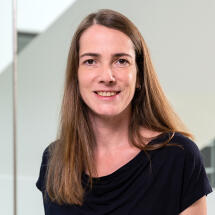
Özüm Asirim is a Researcher at the Technical University of Munich (TUM) under the Associate Professorship of Computational Photonics led by Prof. Christian Jirauschek. Her work focuses on computational photonics , quantum optics , and nonlinear optical phenomena , particularly in micro-resonators and semiconductor devices. Education: Ph.D. in Electrical Engineering from Middle East Technical University (Ankara, Turkey). Research spans optical parametric amplification , Fourier domain mode-locked lasers , self-phase modulation , and machine learning applications in photonics . Her studies include optimizing gain factors, enhancing harmonic generation, and modeling supercontinuum sources via carrier injection. Recent publications (2019–2023) highlight interdisciplinary approaches, merging photonics with computational finance and nonlinear dynamics . She contributes to EU Project QOMBS and teaches courses like Python for Engineering Data Analysis and Quantum Engineering and Machine Learning seminars. Collaborations include Prof. Christian Jirauschek (TUM), Prof. Mustafa Kuzuoğlu (Middle East Technical University), and teams in computational photonics and quantum optics. Her work impacts semiconductor physics , laser technology , and adaptive optical systems .
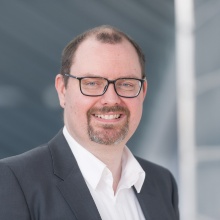
Yongjie Yuan is a Researcher at the Technical University of Munich under the Associate Professorship of Computational Photonics within the TUM School of Computation, Information and Technology. His research focuses on quantum cascade devices, Josephson traveling-wave parametric amplifiers, and noise modeling in superconducting circuits. Institution: Technical University of Munich School: TUM School of Computation, Information and Technology Academic Rank: Researcher Email: yongjie.yuan@tum.de Yuan's work integrates quantum mechanics with computational photonics , emphasizing the modeling of superconducting circuits and microwave parametric amplifiers . He investigates dissipative-dispersive systems , flux-driven amplifiers , and nonlinear junction topologies to enhance quantum device performance. Recent publications highlight his contributions to quantum amplifier design , Josephson junction modeling , and noise dissipation analysis in microwave photonics. His research is associated with the EU Project QOMBS, focusing on quantum cascade devices and parametric amplification. Quantum Cascade Devices Josephson Traveling-Wave Parametric Amplifiers Quantum Noise Modeling Nonlinear Circuit Analysis Microwave Photonics Yuan actively participates in teaching and supervising activities, contributing to courses on computational photonics , quantum engineering , and partial differential equations for electrical engineering. He collaborates with researchers like Christian Jirauschek and Michael Haider on quantum device simulations.
Max Born Institute for Nonlinear Optics and Short Pulse SpectroscopyGermany
Prof. Stefan Eisebitt is a Director at the Max-Born-Institut für Nichtlineare Optik und Kurzzeitspektroskopie and holds a Professorship in Experimental Physics at the Technische Universität Berlin. His research focuses on ultrafast magnetization dynamics, nanoscale structure analysis, and novel imaging techniques using coherent XUV/X-ray spectroscopy. He leads the Transient Electronic Structure and Nanoscience group and is involved in cutting-edge projects involving femtosecond laser-driven X-ray sources and spintronic materials. Education and Career: He obtained his Diplom (1992) and Ph.D. (1996) from Cologne University, followed by postdoctoral research at the University of British Columbia and Forschungszentrum Jülich. He became a Privatdozent at Humboldt-Universität Berlin (2005) and held professorships at TU Berlin (2008–2015) and Lund University (2012–2015) before his current role since 2015. He leads the Functional Nanomaterials joint research group between Helmholtz-Zentrum Berlin and TU Berlin. Research Interests: His work spans transient electronic structure, ultrafast optical manipulation of magnetization, nanoscale material characterization, and advanced coherent imaging methods. Key techniques include XUV/X-ray spectroscopy, laser-driven plasma sources, and femtosecond time-resolved studies. Professional Roles: He chairs the Physikalische Gesellschaft zu Berlin and the Elettra Scientific Advisory Council. He has held leadership roles in the European XFEL Scientific Advisory Committee and the Komitee für Forschung mit Synchrotronstrahlung (KFS). His lab develops state-of-the-art setups for ultrafast X-ray scattering and holography.
F. Ömer Ilday is a distinguished physicist and Alexander von Humboldt Professor at Ruhr University Bochum since July 2023, holding a joint appointment in the Faculty of Electrical Engineering and Information Technology and Faculty of Physics and Astronomy. His pioneering work in ultrafast laser technology has transformed non-linear laser-matter interactions, with applications spanning precision manufacturing, medical surgery, and nanofabrication. Education: PhD in Physics, Cornell University (2003) Postdoctoral Research Scientist, Massachusetts Institute of Technology (2003-2005) Ilday's research centers on ultrafast laser development and materials science, focusing on GHz-repetition-rate burst-mode systems, nonlinear laser lithography, and self-organization phenomena. His interdisciplinary approach bridges photonics, plasma physics, and materials engineering to enable breakthroughs in nanostructuring, silicon processing, and laser-based manufacturing. Current work emphasizes developing high-power laser sources and exploring fundamental laser-matter interaction mechanisms for next-generation applications. His recent publications (2023-2025) reveal dominant trends in high-repetition-rate burst-mode lasers (up to 50 GHz), ablation efficiency optimization, and nonlinear laser lithography for 3D silicon structuring. These works demonstrate strong convergence between fundamental physics and industrial applications, particularly in medical surgery, nanofabrication, and materials synthesis, with increasing emphasis on self-organization principles in laser systems. Scientific awards: Turkish Academy of Sciences Outstanding Young Scientist Award (2006) Marie Curie International Reintegration Grant (2006) ERC Consolidator Grant (2014) - Turkey's first ERC Advanced Grant (2022) Election to Academia Europaea Election to Turkish Academy of Sciences Membership in Turkish and American Physical Societies Ilday has secured major competitive grants including two ERC awards and a Marie Curie fellowship, directing research teams at Bilkent University's Ultrafast Optics & Lasers Laboratory (UFOLAB) which developed technologies adopted globally. At RUB, he is establishing the Center for Complex Laser-Matter Interactions as an interdisciplinary hub fostering collaborations between photonics, plasma research, and materials science, with explicit goals for spin-off company formation and transdisciplinary innovation in manufacturing technologies. As founding director of UFOLAB at Bilkent University, Ilday developed laser systems deployed by research institutions worldwide and established Turkey's first laser company. His RUB center integrates electrical engineering and physics expertise to advance complex laser-matter interaction research, focusing on self-organizing laser systems, nanostructuring techniques, and applications in semiconductor manufacturing and medical technology through close industry partnerships.
Ana Filipa Sequeira is a researcher affiliated with INESC TEC, Porto, Portugal, and the University of Porto. Her work spans biometrics, fairness in AI, and explainable artificial intelligence. She has contributed to advancements in face recognition, synthetic data applications, and bias mitigation through techniques like knowledge distillation and model compression. Institution: INESC TEC (Porto, Portugal) Research Themes: Face recognition, fairness, explainability, synthetic data, biometric security Her recent publications focus on addressing demographic biases in face recognition systems, developing privacy-preserving explainable methods, and evaluating synthetic data's impact. She collaborates extensively with researchers like Pedro C. Neto, Jaime S. Cardoso, and Naser Damer. Sequeira has participated in organizing and analyzing competitions such as FRCSyn, BIOSIG, and SYN-MAD, emphasizing robust evaluation frameworks. Her work intersects technical innovation with ethical considerations, advocating for responsible AI applications in biometrics.
Yasuhiko Arakawa is a Professor at the Research Center for Advanced Science and Technology and Director of the Institute for Nano Quantum Information Electronics at the University of Tokyo. He holds the Hans Fischer Senior Fellowship at the TUM Institute for Advanced Study (TUM-IAS) since 2008, hosted by Gerhard Abstreiter, with a focus on Nano Photonics. His academic journey includes B.S., M.S., and Ph.D. degrees in Electrical Engineering from the University of Tokyo (1975–1980). Dr. Arakawa’s research has revolutionized semiconductor quantum dot lasers, including their theoretical prediction and high-performance demonstration. His contributions also include advancements in single photon emitters at telecom wavelengths and high-temperature semiconductor devices. He has led national projects for METI and MEXT and organized major conferences like the 1998 IEEE Semiconductor Laser Conference and the 2005 International Quantum Electronics Conference. His work spans photonics, nanotechnology, and optoelectronics, with notable publications in Applied Physics Letters , Physical Review B , and IEEE Photonics Technology Letters . Awards include the Fujiwara Prize (2007), IEEE William Streifer Award (2004), and IBM Science Award. Arakawa’s affiliations include leadership roles in quantum information science and collaborations with institutions like TUM-IAS. His labs and research groups focus on nanophotonics, semiconductor nanostructures, and quantum device engineering, advancing fields from optical communications to quantum computing.
Max Planck Institute for the Science of LightGermany
Vishal Choudhury is a Research Fellow at the Max Planck Institute for the Science of Light (MPL), focusing on advanced optical technologies and nonlinear phenomena in fiber lasers. His work contributes to the development of high-power lasers, supercontinuum generation, and optical feedback systems. He is affiliated with the MPL’s core research areas in nonlinear optics, quantum optics, and photonics technology. Choudhury’s research explores cutting-edge applications such as Fourier spectral shapers for laser wavelength control, computational ellipsometry for material characterization, and the mitigation of stimulated Brillouin scattering effects in fiber systems. His studies bridge fundamental optical physics with practical advancements in laser engineering and high-power light sources. His publications emphasize innovations in cascaded Raman lasers, broadband supercontinuum generation, and the optimization of fiber laser performance. Choudhury’s contributions highlight advancements in spectral shaping, polarization maintenance, and the integration of distributed feedback mechanisms to enhance laser stability and tunability.
Paul Repgen is a Researcher in the Department of Nonlinearity Engineering at Ruhr University Bochum's Faculty of Electrical Engineering and Information Technology. His research focuses on ultrafast laser systems, fiber optics, and nonlinear amplification techniques, with a particular emphasis on high-repetition-rate pulse generation and environmental stability of laser systems. He collaborates closely with Prof. Dr. Ömer Ilday and contributes to advancing applications in industrial laser technology and photonics. His work integrates theoretical and experimental approaches to optimize laser performance, including harmonic mode-locking mechanisms and pulse stabilization strategies inspired by Brownian particle dynamics. Key contributions include record GHz repetition rate systems in burst mode and high-energy pulse generation through controlled Kerr nonlinearity. Paul Repgen's research has led to innovations in all-fiber laser oscillators, Mamyshev-based regenerators, and thulium-doped fiber systems, demonstrating exceptional stability and power scalability. His articles reflect a strong focus on advancing ultrafast laser technology for applications in materials processing, telecommunications, and fundamental optics research.
Prof. Can Dincer is a Professor of Sensors and Wearables for Healthcare at the TUM School of Computation, Information and Technology, Technische Universität München (TUM). His research focuses on bioanalytical materials, wearable sensors, and AI-driven diagnostics for One-Health applications, integrating disposable sensor technology with data science. He holds a doctorate from the University of Freiburg (summa cum laude, 2016) and worked as a visiting scientist at Imperial College London before joining TUM in 2024. He is a member of the Munich Institute of Biomedical Engineering (MIBE). Key research interests include: Development of wearable biosensors for real-time health monitoring CRISPR-based diagnostics for nucleic acids and proteins AI integration for therapeutic drug monitoring in sepsis and other critical conditions Environmental health connections via point-of-need diagnostics Notable achievements include the 2021 Biosensors & Bioelectronics Best Paper Award and inclusion in Stanford's World's Top 2% Scientists since 2022. His work spans clinical applications, microfluidic platforms, and nanotechnology-based solutions for healthcare challenges. Publications highlight innovations like optogenetic bioassays (Science Advances, 2024), CRISPR-powered multiplexed biosensors, and wearable systems for continuous biomarker monitoring. His research bridges material science, electrical engineering, and biomedicine to create practical diagnostic tools. Prof. Dincer collaborates across disciplines, focusing on translating lab innovations into clinical and commercial applications through advanced sensor technologies.
Prof. Lev Vaidman is a theoretical physicist at the School of Physics and Astronomy , Tel Aviv University , where he holds the Alex Maguy-Glass Chair in Physics of Complex Systems. His research focuses on the foundations of quantum mechanics and quantum information , with significant contributions to many-worlds interpretation , weak measurements , and quantum paradoxes . He actively collaborates with institutions like Chapman University and the John Bell Institute. Academic Roles: Professor at Tel Aviv University, Fellow at Chapman University, Honorary Fellow at John Bell Institute Leadership: Moderator of quant-ph arXiv, Editorial Board member of International Journal of Quantum Information, Managing Editor of Quantum Studies: Mathematics and Foundations Research Themes: Vaidman’s work bridges quantum foundations (e.g., resolving paradoxes in interferometry) and applied quantum information (e.g., counterfactual communication protocols). He pioneered concepts like teleportation of continuous variables and interaction-free measurements , influencing experimental implementations worldwide. Scientific Recognition: Holds prestigious fellowships and contributes to major quantum mechanics encyclopedias. His recent publications analyze quantum particle trajectories and weak value controversies , often co-authored with experimental collaborators.
Apl. Prof. Dr. Felix von Stetten is an Associate Professor and Senior Scientist at the Laboratory for MEMS Applications within the Department of Microsystems Engineering (IMTEK) at the University of Freiburg. He also serves as an Executive Board Member at the Hahn-Schickard Institute of Microanalysis Systems. His work bridges academia and industry, focusing on lab-on-a-chip technologies, microfluidics, and energy harvesting for biomedical applications. Education: Studied Agricultural Sciences and Biotechnology at the Technical University of Munich, earned a PhD in Microbiology there. Post-2004, he joined IMTEK’s MEMS Applications Lab, later co-founding Hahn-Schickard’s Lab-on-a-Chip division in 2008, which became an independent institute in 2016 under his leadership. Research Interests: His work centers on miniaturized diagnostic systems (e.g., Lab-on-a-Disk platforms), energy harvesting for medical implants, and microfluidic applications. Key innovations include centrifugal microfluidic systems, smartphone-integrated diagnostic tools, and glucose fuel cell technologies. Publications: Over 1200 citations highlight contributions to microfluidic unit operations, digital PCR, and field-deployable diagnostics. Recent work emphasizes automation in pathogen detection and flexible lab-on-foil platforms. Awards: Not explicitly listed in provided texts. However, his leadership roles and impactful research suggest significant recognition in microsystems engineering. Advising/Grants: Leads major projects like BrainLinks–BrainTools and contributes to initiatives such as FRIAS and PlanOS. Manages interdisciplinary teams and collaborates with industry partners like Endress+Hauser and TwistDx. Labs/Teams: Oversees the Hahn-Schickard Institute for Microanalysis Systems and collaborates with IMTEK’s Application Development group. Active in spin-off ventures such as SpinDiag GmbH.
Sonja Schelhaas is a researcher affiliated with the European Institute for Molecular Imaging (EIMI) at the University of Münster. Her work focuses on molecular imaging technologies, particularly in oncology and neurological contexts. PhD in Medical Biochemistry (2007-2010) Postdoc at EIMI since 2010 Research Fellow in Anaesthesiology (2005-2006) Her research spans: PET tracer development for ion channels Molecular imaging of tumor microenvironments Applications of small animal PET in disease models Bacterial and inflammatory imaging Radiochemistry and multimodal imaging techniques Epigenetic regulation in cancer Recent publications highlight her contributions to: P2X4 receptor antagonists for PET tracers KCa31 channel imaging in cancer Bacterial detection via radiolabeled compounds FLT PET for tumor proliferation analysis Neurogenesis and blood-brain barrier studies PEGylated nanoparticle characterization Schelhaas has collaborated extensively in preclinical imaging projects, contributing to cancer research, infection monitoring, and neurodegenerative disease modeling. Her work appears in journals like Journal of Medical Chemistry , Cancer Research , and Molecular Imaging and Biology .
Andrés Bruhn is a Professor for Intelligent Systems and Dean of Computer Science Studies at the University of Stuttgart, where he leads research in the Institute for Visualization and Interactive Systems (VIS). His academic career spans over a decade with significant contributions to computer vision, particularly in optical flow, scene flow, and motion estimation. As Dean of Studies, he oversees academic programs while maintaining an active research agenda focused on cutting-edge computer vision problems. Bruhn's research interests center around computer vision with emphasis on optical flow estimation, scene flow, motion analysis, and adversarial machine learning. His work bridges theoretical foundations with practical applications, developing algorithms that address real-world challenges in motion estimation, image processing, and visual understanding. His research group has pioneered approaches that combine variational methods with deep learning, creating robust systems for motion analysis that can withstand adversarial attacks and challenging environmental conditions. The publication record demonstrates a strong focus on advancing the state-of-the-art in motion estimation, with recent work exploring adversarial attacks on optical flow systems, high-resolution datasets for benchmarking, and multi-frame fusion techniques. His research shows consistent innovation, moving from traditional variational methods to modern deep learning approaches while maintaining mathematical rigor. The work spans both theoretical contributions and practical implementations with real-world applicability. Bruhn has mentored numerous researchers who appear as first authors on publications, including Jenny Schmalfuss, Lukas Mehl, and Azin Jahedi, indicating his commitment to developing the next generation of computer vision researchers. His leadership role as Dean of Studies demonstrates institutional recognition of his expertise and administrative capabilities.
Dr. Matthias Jäger is a Researcher in the Department of Fiber Photonics at the Leibniz Institute for Photonic Technology (IPHT) . His work focuses on advanced optical fiber development, particularly in doped materials and nonlinear laser dynamics. Core technologies: Thulium/Yb/Ho-doped fibers, periodic shadowing for stray light suppression, nonlinear loss management Instrumentation: High peak power laser systems, fluorescence lifetime analysis, multicore emission profiling Research interests span laser physics, materials science, and optical engineering. Recent publications highlight breakthroughs in: Directional stability control for fiber ring lasers (2021-2024) Hybrid Tm:YAG crystal-derived fiber fabrication (2022) Nanoparticle-doped optical fibers (2024) 2 µm eye-safe laser systems (2024) Pr3+-doped nanocrystal fiber integration (2024) Thulium concentration optimization for laser efficiency (2025) His work demonstrates expertise in fiber fabrication methods including: Modified Chemical Vapor Deposition (MCVD) Powder-sinter technology Molten-core processing REPUSIL fiber drawing
Prof. Ömer Ilday is a distinguished physicist holding dual appointments at Ruhr University Bochum in the Faculty of Electrical Engineering and Information Technology and the Faculty of Physics and Astronomy since July 2023. Awarded Germany's most prestigious research prize—the Alexander von Humboldt Professorship in May 2024—he leads cutting-edge research in ultrafast laser technology and laser-matter interactions. His work bridges photonics, plasma research, materials science, and manufacturing engineering. His research focuses on ultrafast laser development and laser-matter interactions , with transformative applications in precision machining, laser surgery, nanostructuring, and material property modification. Recent work explores self-organization of laser light, burst-mode laser systems, and nonlinear laser lithography for 3D material sculpting. His publications reveal strong trends in GHz-repetition-rate pulse bursts, ablation efficiency optimization, and feedback-controlled pattern formation. Alexander von Humboldt Professorship (2024, €5M) ERC Advanced Grant (2022) ERC Consolidator Grant (2014, first to Turkey) Marie Curie International Reintegration Grant Outstanding Young Scientist Award (Turkish Academy of Sciences, 2006) Elected Member: Academia Europaea, Turkish Academy of Sciences Ilday directs the Ultrafast Optics & Lasers Laboratory (UFOLAB) at Bilkent University and founded Turkey's first laser company. At RUB, he is establishing the Center for Complex Laser-Matter Interactions as an interdisciplinary hub for photonics, plasma research, and materials science. His strategic vision includes developing startup ventures from research outputs while advancing fundamental understanding of dissipative self-assembly phenomena from quantum dots to biological systems.