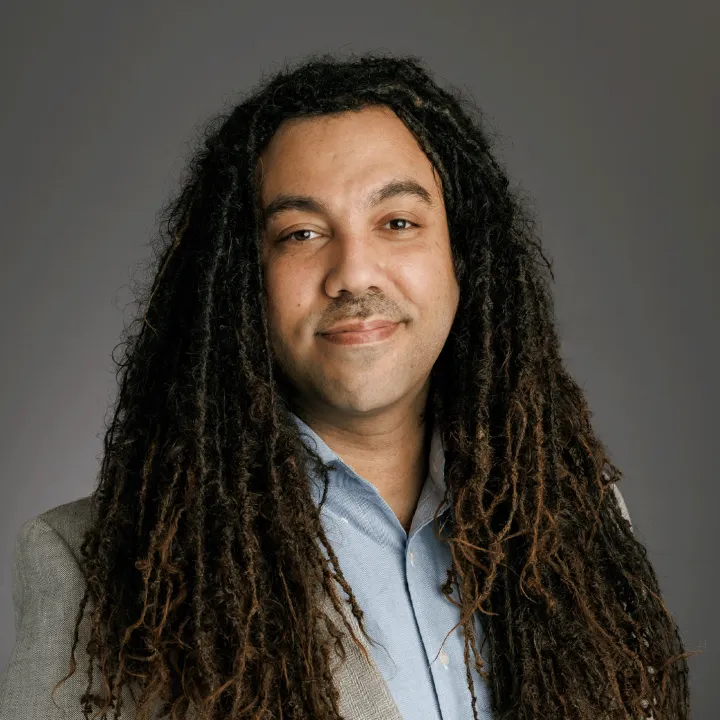
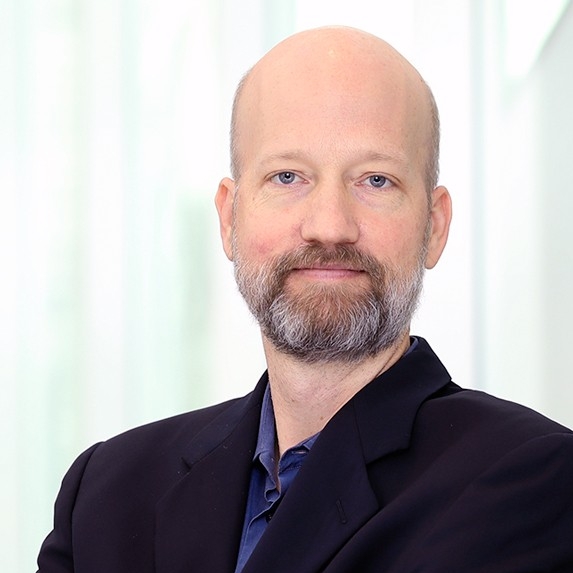
Steven Rogak is a Professor in the Department of Mechanical Engineering at the University of British Columbia's Faculty of Applied Science. He holds a P.Eng. license and degrees including a B.A.Sc. in Mechanical Engineering from UBC, and M.Sc. and Ph.D. from Caltech. P.Eng., University of British Columbia B.A.Sc., University of British Columbia M.Sc., Ph.D., California Institute of Technology His research focuses on aerosol science, particularly solid nanoparticles from combustion processes, their climate and health impacts, and mitigation strategies. Key areas include: Soot morphology and transport properties Engine emission reduction via fuel injectors Indoor air filtration systems Membrane-based energy exchangers Atmospheric particulate analysis The 15 most recent articles span experimental and theoretical studies on soot characterization, membrane technologies, and aerosol dynamics, with applications in climate modeling, healthcare ventilation, and sustainable materials. Collaborations include Westport Innovations and interdisciplinary teams. Rogak leads the Aerosol Laboratory at UBC, where he applies fluid mechanics and heat transfer fundamentals to address environmental and health challenges. He emphasizes experimental rigor and welcomes graduate students with expertise in these areas.
Xiaojing (Ruby) Fu is an Assistant Professor of Mechanical and Civil Engineering at the California Institute of Technology and a William H. Hurt Scholar (2024-present). Her research focuses on multiphase fluid mechanics in porous media, integrating theory, computation, experiments, and field observations to address geoscience and engineering challenges. Her educational background includes: B.S. in Engineering from Clarkson University (2011) M.S. from Massachusetts Institute of Technology (2015) Ph.D. from Massachusetts Institute of Technology (2017) Professor Fu's research centers on cryosphere hydrology, subsurface engineering, and phase transitions in porous media. She investigates multiphase flow dynamics in contexts like permafrost thaw, snow metamorphism, and carbon sequestration using phase-field modeling and experimental techniques. Her work bridges fundamental physics with applications in environmental resilience and energy systems, emphasizing predictive capabilities for large-scale phenomena through simplified multiscale theories. Analysis of her 15 most recent publications reveals intense focus on cryosphere processes (snow, permafrost) using advanced phase-field modeling and fiber-optic sensing. Key trends include freezing infiltration patterns, meltwater transport in layered snow, and seismic monitoring of soil moisture. Her work increasingly integrates field validation with computational models for environmental applications like drought monitoring and carbon sequestration. Her scientific recognition includes: William H. Hurt Scholar (2024) Professor Fu actively mentors graduate students, as evidenced by qualified students in her research group. She teaches core courses including Thermal Science (ME 11 abc) and Computational Methods for Flow in Porous Media (ME/CE/Ge/ESE 146), training students in both theoretical foundations and applied techniques for subsurface flow problems. She leads the Fu Research Group on Mechanics and Physics of Porous Media Flow, which develops multiscale theories to predict large-scale environmental and energy system behaviors. The group combines mathematical modeling, laboratory experiments, and field observations to address problems in geologic carbon storage, cryosphere dynamics, and subsurface resource management, with recent emphasis on climate change impacts and monitoring technologies.
Ralph H. Colby serves as Professor of Materials Science and Engineering and Chemical Engineering at Pennsylvania State University's College of Earth and Mineral Sciences, holding the Corning Faculty Fellowship. His research focuses on molecular-level dynamics in complex fluids, particularly polymers, ionomers, and liquid crystalline systems. With over 130 publications and authorship of the textbook Polymer Physics (2003), he directs an active research program examining structure-property relationships in soft matter. B.S. in Materials Science and Engineering, Cornell University (1979) M.S. in Chemical Engineering, Northwestern University (1983) Ph.D. in Chemical Engineering, Northwestern University (1985) Professor Colby's research spans polymer physics, rheology, and materials for energy applications. His group employs mechanical rheology, dielectric spectroscopy, and scattering techniques to investigate ion transport in single-ion conductors for batteries, dynamics of glass-forming liquids, and self-assembly in polyelectrolyte systems. Current work emphasizes structure-property relationships in ionomers, liquid crystalline polymers, and branched architectures. Analysis of recent publications reveals consistent focus on ionomer membranes for energy applications, processing-structure relationships in advanced polymers, and fundamental dynamics of complex fluids. Key trends include increasing integration of computational modeling with experimental characterization, expansion into sustainable materials processing, and growing emphasis on applications in battery technology and biomedical materials. Penn State Faculty Scholar Medal for Outstanding Achievement (2022) Bingham Medal, Society of Rheology (2012) American Chemical Society Fellowship Corning Faculty Fellowship in Materials Science and Engineering Professor Colby leads multiple federally funded projects including NSF's 'Fundamental Studies of Flow-Induced Polymer Crystallization' and DOE's 'Conduction mechanisms and structure of ionomeric single-ion conductors'. His group maintains strong industry partnerships with Corning Incorporated and participates in interdisciplinary initiatives like the Penn State Intercollege Graduate Degree Program in Materials Science and Engineering. Current research includes collaborations on breast cancer adherence interventions in Rwanda and conjugated polymer development for flexible electronics. The Colby Research Group operates specialized facilities for rheological characterization, dielectric spectroscopy, and X-ray scattering at Penn State's Materials Research Institute. The team maintains active collaborations with national laboratories and international research groups, focusing on translating fundamental polymer physics discoveries into practical applications for energy storage and advanced manufacturing.
Tim Q. Duong, Ph.D., is a Professor at Albert Einstein College of Medicine, affiliated with the Departments of Radiology, Biochemistry, Ophthalmology & Visual Sciences, and Neuroscience. His research focuses on medical imaging, MRI, image analysis, machine learning, and predictive modeling for studying diseases like COVID-19 , neurodegeneration (Alzheimer's, multiple sclerosis), brain injuries , and breast cancer . Develops AI-driven MRI techniques for early disease detection Investigates neuroplasticity in glaucoma and diabetic retinopathy Leads grants from NIH and National Eye Institute Research Trends : Recent publications emphasize AI integration in medical imaging, long-term effects of SARS-CoV-2, and advanced MRI applications for ocular and neurological disorders. Grants include multiple R01 awards for diabetic retinopathy and glaucoma studies. Training Opportunities : Actively recruits postdocs, research coordinators, and faculty. Offers research positions for graduate, medical, and high school students, including Regeneron Scholar programs. Labs & Teams : Leads the Duong Lab at Montefiore Medical Center, focusing on translational research for clinical imaging solutions.
Morteza Fayazi is an Assistant Professor in the Department of Electrical and Computer Engineering at the University of Utah, with an adjunct position in the Kahlert School of Computing. His research focuses on Electronic Design Automation (EDA), applying machine learning to automate analog and mixed-signal circuit design, and developing high-performance computing systems. He holds a B.Sc. from Sharif University of Technology, and M.S.E./Ph.D. degrees from the University of Michigan. His research interests include AI-driven EDA, RF/circuit automation, and energy-efficient processors. Key achievements include the MEDAL lab’s work on terahertz radars, systolic-array processors (e.g., DAP and Versa), and open-source frameworks like FASCINET and Tablext. He has received awards such as the 2024 College of Engineering Dean’s ETR Fund and the 2017 Outstanding Undergraduate Thesis Award. Teaching responsibilities include multiple iterations of the Digital System Design course (ECE/CS 3700). His work spans over 15 peer-reviewed articles in IEEE Transactions, ACM, and top conferences like ICCAD and VLSI-SOC, emphasizing automation, efficiency, and AI integration in hardware design.
Changhuei Yang is the Thomas G. Myers Professor of Electrical Engineering, Bioengineering, and Medical Engineering at California Institute of Technology, serving as Executive Officer for Electrical Engineering and Investigator at Heritage Medical Research Institute. He holds a Ph.D. and three master's degrees from MIT, with appointments at Caltech since 2003. Research focuses on: Advanced microscopy techniques including Fourier Ptychography Wavefront shaping for biological tissue imaging Optical phase conjugation for deep-tissue applications Compact medical devices for cerebral monitoring Publications demonstrate leadership in computational imaging, with recent advances in stain-free embryo analysis, portable cerebral blood flow monitors, and high-resolution volumetric imaging techniques using neural representations. Honored as National Academy of Inventors member. Research applications span deep-tissue biochemical imaging, incisionless surgery, and optogenetic activation systems.
Dr. Yunjie Yang is an Associate Professor at the University of Edinburgh's School of Engineering, with affiliations at the Edinburgh Futures Institute (EFI), the Edinburgh Generative AI Laboratory (GAIL), and the Edinburgh Centre for Robotics. He previously held the Chancellor's Fellow in Data Driven Innovation (2018-2023) and Bayes Innovation Fellow (2023-2024) positions. His research focuses on AI-powered sensing and imaging, machine learning, and soft sensors & electronics for robotics. Yang received his PhD in Engineering Electronics from the University of Edinburgh, MSc in Control Science & Engineering from Tsinghua University, and BEng in Measurement & Control Engineering from Anhui University. After his PhD, he worked as a Postdoctoral Research Associate in Chemical Species Tomography before securing his lectureship. His research interests center on developing intelligent sensing systems that replicate human perception capabilities for robotics and intelligent systems. He pioneers flexible sensing and imaging technologies across various scales through innovative multi-modal sensors, soft electronics, and their modeling using machine learning approaches. His work aims to enable autonomous physical artificial intelligence by bridging the gap between robotic systems and human-like perception. Analysis of his recent publications reveals a strong focus on soft robotics perception, particularly through electrical impedance tomography (EIT) and transformer-based architectures. His research spans medical imaging applications, digital twin modeling for industrial processes, and machine learning approaches for sensor data interpretation. The trend shows increasing integration of physics-informed deep learning with traditional tomographic techniques to achieve higher accuracy and efficiency. European Research Council (ERC) Starting Grant (2024) IEEE J. Barry Oakes Advancement Award (2024) IEEE I&M Society Graduate Fellowship Award (2015) Multiple Best Paper Awards Senior Member of IEEE Fellow of the International Society for Industrial Process Tomography Fellow of the Higher Education Academy ESI highly cited papers Dr. Yang serves as Associate Editor for IEEE Transactions on Instrumentation and Measurement and holds editorial positions with Scientific Reports and IEEE Sensors Journal. His research has been licensed to overseas research institutes and industry partners and received wide media coverage including BBC, EFE, USA Today, and STV. He has secured significant grant funding including the prestigious ERC Starting Grant. He leads the Edinburgh SMART Lab (Sensing/imaging + Machine Learning + Robotics), which aims to replicate human perception capabilities for robotics and advance flexible sensing technologies through innovative multi-modal sensors and machine learning approaches. The lab focuses on enabling autonomous physical artificial intelligence with applications spanning medical diagnostics, industrial monitoring, and advanced robotics systems.
Dylan Campbell is a Lecturer in Computing at the Australian National University (ANU), affiliated with the ANU College of Systems & Society. His research focuses on computer vision, optimization, and robotics, particularly in 3D vision and deep learning applications. He has held prior roles as a Research Fellow at the University of Oxford’s Visual Geometry Group and ANU’s Australian Centre for Robotic Vision. Campbell holds a PhD from ANU (2018) and a BE in Mechatronic Engineering from UNSW (2012). Research interests include geometric sensor alignment, neural radiance fields, and differentiable optimization layers. He actively supervises students (7 PhD/DPhil, 3 MEng, 9 honours) and teaches advanced courses in computer vision and robotics. Notable awards include the Marr Prize Honourable Mention (2017) and the IEEE Australia Council Postgraduate Student Paper Competition (2018). He has organized workshops at ECCV and CVPR, served as a reviewer for top conferences like CVPR/ICCV/ECCV, and contributed to datasets like SEED4D and RefRef. His work emphasizes efficient training of neural networks and leveraging symmetries in data for long-range connections.
Michael J. Black is a Professor and Director at the Max Planck Institute for Intelligent Systems in Tübingen, Germany, where he leads the Perceiving Systems department and serves as Managing Director . He is also an Honorarprofessor at the University of Tübingen 's Faculty of Science . His career spans roles at Brown University (2000-2010), Xerox PARC, and academic-industry collaborations with Amazon and Meshcapade.
Oscar P. Bruno is a Professor of Applied and Computational Mathematics at the California Institute of Technology (Caltech). He holds a Licenciado from the University of Buenos Aires (1982) and a Ph.D. in Mathematics from New York University's Courant Institute (1989). Since 1998, he has been a Professor at Caltech, previously serving as Associate Professor (1995–98) and Executive Officer for Applied Mathematics (1998–2000). His research focuses on developing high-performance numerical methods for solving partial differential equations (PDEs), addressing challenges in complex geometries, singularities, and high-frequency phenomena. Key contributions include the Fourier Continuation (FC) method and integral-equation techniques, enabling solutions to previously intractable PDE problems in science and engineering. Prof. Bruno's expertise spans computational electromagnetics, computational fluid dynamics (CFD), solid mechanics, and mathematical physics. His work integrates numerical analysis, multiphysics modeling, and computational science to solve real-world problems in geophysics, optics, and fluid dynamics. He has received numerous awards, including membership in the National Academy of Sciences of Argentina (2020), the Vannevar Bush National Security Science and Engineering Fellowship (2016), and SIAM Fellow (2013). Bruno serves on editorial boards for journals like SIAM Journal on Scientific Computing and SIAM Journal on Applied Mathematics, and participates in national science advisory roles. His teaching includes advanced courses on applied mathematics methods (ACM/IDS 101 ab), emphasizing theoretical foundations and numerical techniques for PDEs. His research group develops cutting-edge solvers with applications in shock dynamics, optical tomography, and geophysical fluid dynamics.
Assoc Prof Ng Teng Yong is an Associate Professor at the School of Mechanical & Aerospace Engineering (NTU), specializing in numerical modeling and simulation. With a background as Research Manager at A*STAR Institute of High Performance Computing, his work spans materials science, nanotechnology, and aerospace engineering. Current focus on graphene-based desalination membranes Expertise in molecular dynamics simulations Investigates nanoscale fluid mechanics and structural dynamics Recent publications highlight advancements in energy-efficient electrodialysis, smart robotics, and nonlinear vibration analysis. His interdisciplinary approach integrates computational methods with experimental validation in additive manufacturing and soft material mechanics.
Jeremy Dahl is a Professor of Radiology (Pediatric Radiology) at Stanford University School of Medicine. He directs the Ultrasound Imaging & Instrumentation Lab and serves as Director of Research Academic Affairs in the Department of Radiology since 2020. He holds multiple affiliations across Stanford including Bio-X, the Cardiovascular Institute, Wu Tsai Human Performance Alliance, Maternal & Child Health Research Institute, Stanford Cancer Institute, and Wu Tsai Neurosciences Institute. Dr. Dahl received his B.S. in Electrical Engineering from the University of Cincinnati (1999) and Ph.D. in Biomedical Engineering from Duke University (2004). His research focuses on developing ultrasonic beamforming and image reconstruction methods for diagnostic imaging applications, particularly techniques that generate high-quality images in difficult-to-image patients. His laboratory specializes in B-mode and Doppler imaging techniques that utilize additional information from ultrasonic wavefields to improve image quality and develop real-time imaging systems for clinical applications including cardiac, liver, and fetal imaging. Dr. Dahl's research has led to significant advancements in ultrasound molecular imaging platforms, sound speed estimation, aberration correction, and reverberation noise suppression. His work often bridges engineering innovation with clinical applications for cancer detection and other diseases. His recent publications demonstrate strong focus on machine learning applications in ultrasound, distributed aberration correction, and molecular imaging techniques. Fellow, American Institute of Ultrasound in Medicine (2021) Senior Member, Institute of Electrical and Electronics Engineers (2020) Distinguished Investigator Award, The Academy for Radiology & Biomedical Imaging Research (2018) Outstanding Paper Award, IEEE Ultrasonics, Ferroelectrics, and Frequency Control Society (2011) Dr. Dahl serves in editorial roles for major journals including IEEE Transactions on Medical Imaging (2017-2024) and IEEE Transactions on Ultrasonics, Ferroelectrics, and Frequency Control (2013-Present). His laboratory has successfully translated numerous innovations into clinical applications, with multiple patents including recent developments in pulsed focused ultrasound therapy and speed of sound quantification.
Michael Murrell is an Associate Professor of Biomedical Engineering at Yale University, with additional appointments in the Physics Department and the Molecular, Cellular and Developmental Biology Track. He holds a B.S. from Johns Hopkins University and a Ph.D. from MIT. His research focuses on understanding cellular mechanics through biomimetic systems and soft matter physics, aiming to bridge biological principles with technological innovation. Key interests include the mechanical basis of cell division, migration, and energy dynamics in cytoskeletal networks. Selected honors include the Postdoctoral Fellowship from the Institute for Complex Adaptive Matter (2010–2012), an NIH Biotechnology Training Grant (2005–2008), and the MIT Presidential Fellowship (2004). His lab, the Laboratory of Living Matter, investigates how physical properties of cells drive life processes, using tools from synthetic biology and computational modeling. Recent work explores energy localization in cytoskeletal networks and mechanical memory in actin systems. Publications highlight advancements in actomyosin contractility, cortical flows, and biophysical energy conversion. The lab actively seeks PhD students and postdocs to join interdisciplinary projects at the Yale Systems Biology Institute and the Physical Engineering and Biology Program.
David Melcher is Professor of Psychology and Program Head in Psychology at New York University Abu Dhabi (NYUAD), where he also serves as a Global Network Professor. He is affiliated with the Division of Science and leads the Perception and Active Cognition Lab, focusing on the integration of perception, attention, memory, and action within a cognitive neuroscience framework. PhD in Psychology and Cognitive Science, Rutgers University (2001) Former researcher and professor in Italy and the UK Current leadership: Program Head, Psychology, NYUAD David Melcher's research centers on cognitive neuroscience , particularly how perception, attention, working memory, eye movements, and self-motion interact to shape cognition and behavior. His lab emphasizes active cognition —the idea that perception is not passive but dynamically shaped by action, context, and goals. He investigates how temporal dynamics in neural processing organize perceptual experiences and guide decision-making. His work spans both healthy and clinical populations, exploring individual differences in spatial and temporal processing across the lifespan. The 15 most recent publications reflect a consistent focus on temporal organization in cognition , perception-action coupling , and neural mechanisms of attention and memory . Keywords across these works include cognitive neuroscience, perception, and neuroimaging, with subfields ranging from eye movement research and neural synchrony to computational modeling and clinical neuropsychology. Collectively, they demonstrate a trajectory toward integrative models of brain function that bridge behavioral, neuroimaging, and computational approaches. Among his notable recognitions is the Distinguished Scientific Award for Early Career Contribution to Psychology from the American Psychological Association (2011), highlighting the early impact of his work in cognitive neuroscience. Distinguished Scientific Award for Early Career Contribution to Psychology, APA (2011) David Melcher has advised numerous students through capstone projects in psychology and computer science, fostering interdisciplinary research at the intersection of cognitive science and technology. His research has been generously supported by major funding agencies including the European Research Council , the US National Institutes of Health , the Italian Ministry of Research and Education , and the Chinese Ministry of Foreign Expert Affairs . He also contributes to the academic community as a member of the editorial boards of Journal of Vision , Psychonomic Bulletin & Review , Perception , and iPerception . He leads the Perception and Active Cognition Lab at NYUAD, which employs a multidisciplinary approach combining behavioral experiments, neuroimaging (fMRI, EEG, MEG), eye-tracking, computational modeling, and clinical assessments. The lab’s research aims to understand how the brain constructs stable percepts from dynamic sensory input, particularly during active engagement with the environment.
James Tinjum is a Professor in the Department of Civil & Environmental Engineering at the University of Wisconsin-Madison, College of Engineering. His interdisciplinary expertise spans geotechnical, geological, environmental, transportation, and sustainable energy engineering. Education PhD 2006, University of Wisconsin-Madison MS 1995, University of Wisconsin-Madison BS 1993, University of Wisconsin-Madison Research Interests Professor Tinjum’s research integrates energy geotechnics with environmental sustainability. He investigates wind energy site design, district-scale geothermal heating/cooling systems, beneficial reuse of industrial byproducts (e.g., coal-combustion residuals, cement kiln dust), life-cycle environmental analysis, and remediation of contaminated sites. Additional focus areas include thermal conduction in unsaturated soils, landfill liner performance, and PFAS management in Wisconsin. Recent Research Directions His 2020–2024 publications reveal a strong emphasis on geothermal system performance , wind-turbine foundation–soil interaction , and emerging contaminant transport (PFAS, chromium). Fiber-optic distributed temperature sensing (FO-DTS) is a recurring enabling technology, applied to both geothermal borefields and landfill covers. Life-cycle assessment methodologies are consistently employed to quantify environmental benefits of renewable energy and waste-reuse strategies. Scientific Awards 2018 Fellow, American Society of Civil Engineers (ASCE) 2003 ASCE Zone III Practitioner Advisor of the Year 2002 ASCE Wisconsin Section Outstanding Young Engineer Teaching & Mentoring Professor Tinjum teaches core geotechnical courses (Soil Mechanics, Foundation Systems) alongside specialized offerings in wind-energy balance-of-plant design and sustainable systems engineering capstone. He supervises numerous master’s and doctoral students through GLE 790/890 research credits each semester. Labs & Teams He directs field-scale instrumentation campaigns at two wind-turbine sites and multiple campus/district geothermal installations, leveraging fiber-optic sensing networks and thermal response testing to advance energy geotechnics.