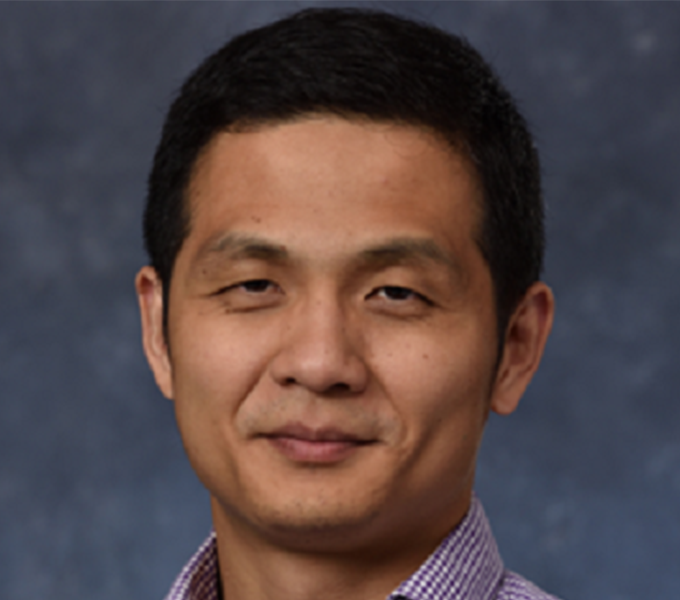
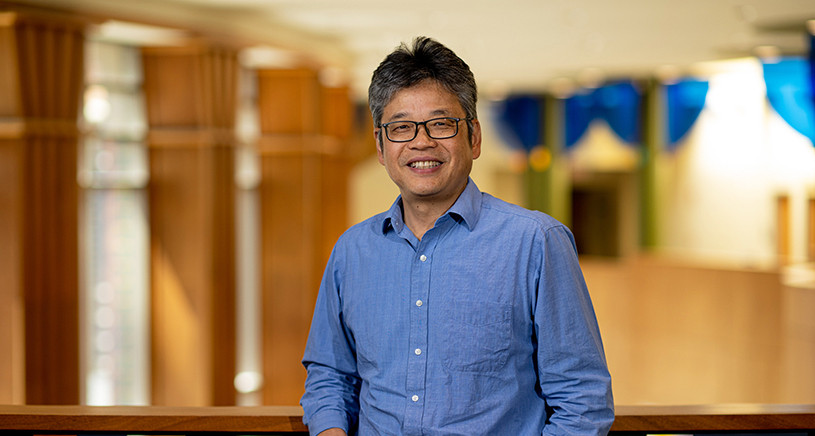
Tarmo Lipping is a Professor in the Department of Computer Science and Engineering at the Faculty of Information Technology and Electrical Engineering, University of Oulu. His work bridges computing sciences with biomedical engineering, environmental modelling, and data-driven societal applications. Doctor of Science (Technology), Information Technology – Awarded 14 Feb 2001 Master of Science (Technology), Information Technology – Awarded 10 Sept 1993 His research focuses on electroencephalography (EEG) , mental workload assessment , depth of anesthesia monitoring , and machine learning applications in healthcare and human-computer interaction. He also contributes to environmental informatics , particularly in land uplift modelling and radionuclide transport , aligning with UN Sustainable Development Goals. Recent publications highlight trends in transformer networks for EEG analysis , wearable HCI systems , data-driven food safety , and participatory municipal governance . His work integrates deep learning, signal processing, and real-world deployment. Scientific awards include: CIMO opettajavaihto (2017) Lipping has supervised numerous master’s students and served as an examiner in diverse topics including data vault modelling , telecom revenue estimation , and EEG hyperscanning . He has evaluated funding applications, acted as a journal reviewer (65 times), and contributed to editorial work. His activities reflect strong engagement in academic service and interdisciplinary research mentorship. He has contributed datasets on Fennoscandian land uplift , lake isolation , and archaeological shorelines to PANGAEA, supporting open science in geosciences and environmental history.
Elena Niculina Dragoi is a Lecturer at the Faculty of Chemical Engineering and Environmental Protection 'Cristofor Simionescu' at Gheorghe Asachi Technical University in Iasi, Romania. Her academic work integrates Artificial Intelligence and Machine Learning tools for solving complex problems in Chemical Engineering and Environmental Protection . With over 30 published papers and six active research projects, her contributions span process optimization, nanomaterials, and sustainable technologies. Teaches Applied Informatics (Years 1 & 4) and Artificial Intelligence at the Faculty of Chemical Engineering Contributes to Programming Engineering at the Faculty of Computer Science, University 'Alexandru Ioan Cuza' Engaged in interdisciplinary courses at the Faculty of Automatic Control and Computer Engineering Research Interests : Elena's work focuses on modelling and optimization (90% emphasis) of chemical processes using AI methodologies, with cross-disciplinary applications in environmental engineering (70%) and chemical engineering (95%). Her recent publications highlight innovations in: 3D-printed nanocomposite adsorbents for pollutant removal Metaheuristic optimization algorithms for industrial processes Hydrogen generation via nanocatalysts Electrochemical biosensors for environmental and health monitoring AI-driven wastewater treatment systems Green chemistry applications in pharmaceutical and dye removal
Dr. Richard Segall is a Professor in the Department of Information Systems and Business Analytics at Arkansas State University , affiliated with the Beck College of Sciences & Mathematics . He is also affiliated faculty in the Master of Engineering Management (MEM) Program , the Environmental Sciences Program , and serves on thesis committees at the University of Arkansas at Little Rock (UALR) . Education: Ph.D. in Operations Research, University of Massachusetts at Amherst (1984) M.S. in Operations Research and Statistics, Rensselaer Polytechnic Institute (1975) M.S. in Mathematics, Rensselaer Polytechnic Institute (1973) B.S. in Mathematics, Rensselaer Polytechnic Institute (1971) Dr. Segall's research spans data mining, text mining, web mining, big data analytics, bioinformatics, supercomputing applications, and mathematical modeling . His work bridges business analytics and computational biology , with a focus on transdisciplinary applications in agriculture, healthcare, and space systems. His recent publications emphasize genomic data analysis , plant disease diagnostics , AI-driven healthcare solutions , and space technology forecasting . The integration of machine learning , data visualization , and open-source tools is a recurring theme across domains. Scientific Awards & Grants: Three research awards from the National Research Council (NRC) Software grants from Oracle Corporation and SAS Institute, Inc. Dr. Segall has served on the editorial boards of the International Journal of Data Science , International Journal of Data Mining, Modelling and Management , and International Journal of Fog Computing . He previously contributed to the Arkansas Center for Plant-Powered Production (P3) and currently participates in the Center for No-Boundary Thinking (CNBT) .
Stephen Rowe serves as an Associate Professor in the Accounting Department at the Walton College of Business, University of Arkansas. With extensive industry experience including nine years at KPMG culminating as Audit Manager, he maintains an active CPA license in Washington State while teaching intermediate accounting at graduate and undergraduate levels. His scholarly work focuses on auditing and financial reporting, published in premier journals including The Accounting Review and Review of Accounting Studies . Rowe holds a PhD from the University of Illinois at Urbana-Champaign, a Master's degree from Loyola University Chicago, and a Bachelor's degree from Covenant College. His educational journey bridges rigorous academic training with practical industry experience, informing his teaching approach that emphasizes conceptual understanding through real-world case studies. Research interests span auditing quality, financial reporting practices, and capital market interactions. Recent investigations examine index fund ownership effects, auditor switching dynamics, and media influence on audit markets. His methodological toolkit combines traditional econometric analysis with machine learning techniques, particularly evident in predictive models for auditor behavior. Rowe's work consistently addresses regulatory concerns while exploring market-driven phenomena in accounting ecosystems. Analysis of his publication trajectory reveals increasing focus on market-based audit quality indicators, with growing emphasis on passive investing impacts and regulatory compliance mechanisms. The 2021-2025 period shows heightened attention to technological disruption (machine learning applications) and non-traditional monitoring forces (media scrutiny, index fund activism) within audit markets. Professional recognition includes multiple teaching awards and extensive litigation support consulting engagements. Rowe leverages his expertise as a founding member and CFO of White River Capital Advisors LLC (2020-present), providing expert witness services that connect academic research with real-world accounting disputes. His industry background enables practical translation of complex accounting concepts for diverse audiences. Rowe maintains active engagement with professional practice through ongoing litigation consulting since 2016 and continuous CPA licensure. His balanced commitment to academic rigor and professional relevance exemplifies the practitioner-scholar model, with research directly addressing contemporary challenges in financial reporting and auditing ecosystems.
Wei Gao is an Associate Professor at the Swanson School of Engineering, University of Pittsburgh. His research focuses on the design, deployment, analysis and measurement of on-device AI architectures and algorithms on mobile, embedded and networked systems. He has strong interests in unveiling analytical principles underneath practical AI deployment problems, and designing systems based on these principles. The developed AI and system solutions are widely applied to various application scenarios, including Internet of Things, edge computing and smart health. Dr. Gao received his PhD from Pennsylvania State University in 2012 and his B.E. from the University of Science and Technology of China in 2005. Dr. Gao's research spans across Cyber-Physical Systems , Infrastructure Security , High Performance Computing , and the Distributed Governance of Information . His work particularly emphasizes on-device AI architectures and algorithms for mobile and embedded systems. He explores how to deploy AI efficiently on resource-constrained devices, with applications in Internet of Things, edge computing, and smart health. His research aims to bridge theoretical principles with practical system implementations, focusing on creating efficient, secure, and reliable AI solutions for real-world deployment scenarios. His recent work has increasingly focused on bringing Large Language Models to edge devices while maintaining performance and security. Analysis of Dr. Gao's recent publications (2021-2025) reveals a strong focus on on-device AI, particularly around Large Language Models for resource-constrained environments. His work addresses critical challenges including model personalization, security against illegal adaptation, sparse activation techniques, and physics-grounded generation. Much of his research targets making AI more efficient, secure, and practical for deployment on edge devices with limited computational resources, while also exploring applications in health monitoring and power systems. Dr. Gao has received significant recognition for his research, including: NSF Faculty Early Career Development (CAREER) Award (2016) Dr. Gao mentors numerous graduate students who contribute to his research in mobile computing, embedded systems, and on-device AI. His research has been supported by various grants, most notably the NSF CAREER award, enabling his team to explore innovative approaches to mobile and embedded AI systems. His lab investigates how to optimize AI for resource-constrained environments while maintaining performance and security, with particular focus on balancing computational efficiency with model accuracy. Dr. Gao leads a research group focused on mobile and embedded AI systems, with particular emphasis on making AI practical for deployment on everyday devices. His team explores novel techniques for model compression, efficient inference, and secure deployment of AI models on edge devices, with applications ranging from health monitoring to smart infrastructure.
Peter X. K. Song is a Professor in the Department of Biostatistics at the University of Michigan School of Public Health. With expertise spanning statistical methodology development and interdisciplinary applications, Dr. Song maintains active collaborations across Nutritional Sciences, Environmental Health Sciences, Chronic Disease research, and Nephrology. His work bridges theoretical statistics with practical healthcare solutions, focusing on innovative approaches to complex data challenges in public health and medicine. Based at the M4140 SPH II building in Ann Arbor, he leads the Song Lab and contributes significantly to the academic community through teaching, research mentorship, and scholarly publications. PhD, University of British Columbia, Vancouver, 1996 BS, Jilin University, Changchun, 1985 Dr. Song's research focuses on the statistical foundation of big data analytics, with particular emphasis on data integration, distributed inference, high-dimensional data analysis, longitudinal data analysis, mediation analysis, and spatiotemporal modeling. His methodological innovations address critical challenges in smart health applications, including organ exchange programs, children's health, chronic disease management, environmental health assessment, and nutritional sciences. His approach combines statistical theory, integer optimization, and algorithm development to create practical tools that help researchers understand complex relationships between environmental exposures and health outcomes. Dr. Song's publication record demonstrates a consistent trajectory of methodological innovation applied to pressing health challenges. His recent work shows increasing focus on sleep classification using AI techniques, personalized treatment effect analysis, distributed statistical methods for high-dimensional data, and epigenetic applications in adolescent health. The interdisciplinary nature of his research is evident in publications spanning biostatistics journals, computer science venues, and domain-specific medical publications. His work increasingly addresses the challenges of integrating diverse data sources while maintaining statistical rigor in the era of big data. IMS Fellow ASA Fellow Elected Member of the International Statistical Institute 2017 ENAR John Van Ryzin Award Dr. Song has mentored an impressive 22 PhD students and 6 postdoctoral trainees throughout his career, with many now holding faculty positions at prestigious institutions or working as data scientists in leading technology companies. His lab, the Song Lab, currently supports two postdoctoral research fellows and eight doctoral students working on cutting-edge statistical methodology development. His collaborative research extends across numerous grants that support interdisciplinary projects in kidney paired donation programs, environmental health studies, nutritional sciences, and chronic disease research, demonstrating his commitment to translating statistical innovation into practical health solutions. The Song Lab serves as a hub for interdisciplinary statistical research at the University of Michigan, bringing together experts from statistics, operations research, and machine learning to address complex challenges in medical and public health sciences. Current lab members include eight doctoral students and three postdoctoral fellows working on projects related to optimal organ matching strategies, causal mediation pathways of omics biomarkers, and statistical methods for big data integration. The lab maintains strong connections with clinical researchers across nephrology, pediatrics, environmental health sciences, and nutritional sciences, ensuring that methodological developments remain grounded in real-world applications.
Christian A Parkinson is an Assistant Professor at Michigan State University , affiliated with the Departments of Mathematics and Computational Mathematics, Science and Engineering. His research spans mathematical modeling, computational methods, and interdisciplinary applications in epidemiology, control theory, and differential geometry. Research Interests : Mathematical epidemiology, path planning algorithms, reaction-diffusion systems, stochastic modeling, differential geometry, and network science. Email : chparkin@msu.edu His recent publications focus on: Hamilton-Jacobi equations for optimal path planning in multi-agent systems Reaction-diffusion models for epidemics with human behavior Differential geometry approaches to hyperbolic surfaces Network models for disease-opinion coevolution Environmental crime modeling using level sets He teaches MTH 890: Readings in Mathematics , emphasizing advanced computational and theoretical frameworks.
Professor Trina Myers serves as the Head of School for the School of Information Technology at Deakin University's Faculty of Science Engineering and Built Environment. With extensive experience in academia and research leadership, she plays a pivotal role in shaping IT education and research directions at Deakin. She is also an active member of the Australian Council of Deans of ICT (ACDICT), having served as its immediate past President. Her educational background includes: Doctor of Philosophy in Computer Science from James Cook University Master of Business Administration from James Cook University Master of Information Technology from James Cook University Professor Myers' research focuses on semantic technologies, ontology engineering, Internet of Things, knowledge management, natural language processing, and human-computer interaction . Her work emphasizes interdisciplinary collaboration, bridging technology with fields such as healthcare, marine science, environmental conservation, and business. She has pioneered approaches in academagogy (academic gamification) to enhance online learning engagement, particularly for adult learners. Her IoT research has significant applications in healthcare space optimization, environmental monitoring, and resource management. Her recent publications demonstrate a strong trajectory in applying AI and IoT technologies to solve real-world problems, particularly in healthcare, education, and resource optimization. There's a clear pattern of interdisciplinary work connecting computer science with healthcare, education, and environmental science. Her research increasingly focuses on human-centered technology design, especially for vulnerable populations like adolescents with autism spectrum disorder. Her notable achievements include: Fellow of the Australian Computer Society (2023) Australian Awards for University Teaching (AAUT) Teaching Award (2020) Women in IT Professional Leadership Award Finalist (2020) Asia-Pacific International Triple E Entrepreneurial Educator of the Year Award (1st runner-up, 2020) Australian Computer Society, National Digital Disruptor ICT Educator of the Year (2019) Professor Myers actively supervises doctoral students across diverse research areas including gamification in language learning, brain tumor analysis using deep learning, AI in higher education, AI for refugee resilience, data integrity in edge environments, and quantum-driven satellite networking. She has secured significant research funding, including a recent grant for "Indiginizing ICT Curriculum: A Starter Framework for the Community of Practice" through the Australian Council of Deans of ICT. Her teaching philosophy emphasizes active learning methodologies, Process Oriented Guided Inquiry Learning (POGIL), blended learning, and collective intelligence approaches.
Anna Corinna Cagliano is a Full Professor at the Department of Management and Production Engineering (DIGEP) , Polytechnic University of Turin . She is a member of the CARS@PoliTO Interdepartmental Center for Automotive Research and Sustainable Mobility, and serves as Deputy Coordinator of the Doctoral College in Management and Production Engineering . Research Interests: Industrial and manufacturing engineering, logistics, supply chain management, project risk analysis, healthcare logistics, and ICT applications in logistics. Scientific Affiliation: AIDI Italian Association of Industrial Plant Teachers since 2016. Research Trends: Her publications focus on the intersection of Industry 4.0 , lean manufacturing , and sustainability in logistics. Key areas include automated storage systems , digital twins in intra-logistics , and COVID-19 impacts on supply chains . She emphasizes ICT tools and risk management across industrial and healthcare contexts. Teaching Roles: She lectures on Industry 4.0 for Production Systems and Plants and Manufacturing Systems at the Master’s and Bachelor’s levels in Automotive and Management Engineering. She also supervises PhD students in Management and Production Engineering . PhD Students: Simone Preziosa (2024–ongoing) Abror Hoshimov (2019–2023) Mahsa Mahdavisharif (2019–2023)
Zhenyu Yang is a Lecturer and Postdoctoral Researcher at École Polytechnique Fédérale de Lausanne (EPFL), affiliated with the College of Engineering through the Department of Civil Engineering and the Urban Transport Systems Laboratory (LUTS) . He holds a PhD in Industrial System Engineering from the National University of Singapore (2022), an M.Eng from Beijing Jiaotong University, and a Diploma in Transportation Engineering from Huazhong University of Science and Technology. PhD, Industrial System Engineering, National University of Singapore (2022) M.Eng, Beijing Jiaotong University Diploma, Transportation Engineering, Huazhong University of Science and Technology His research focuses on urban transportation network modeling , travel demand management , and traffic information provision , with a strong emphasis on handling uncertainty and optimizing shared mobility systems. Recent work explores reinforcement learning applications, vehicle-drone cooperative delivery , and dynamic incident-responsive traffic systems . His publications highlight advancements in ridesourcing algorithms , congestion pricing , and multi-modal transport regulation . As a lecturer, he teaches Transportation Economics , covering demand-supply dynamics, welfare analysis, and environmental policy in transport systems. He is affiliated with EPFL's Urban Transport Systems Laboratory (LUTS) and contributes to the SGC-ENS teaching unit.
Marylyn D Ritchie, PhD, is the Edward Rose, M.D. and Elizabeth Kirk Rose, M.D. Professor at the Perelman School of Medicine, University of Pennsylvania. She concurrently serves as Director of the Institute for Biomedical Informatics, Vice President for Research Informatics for the University of Pennsylvania Health System, Director of the Division of Informatics in the Department of Biostatistics, Epidemiology, and Informatics, and Vice Dean of Artificial Intelligence and Computing. Education: BS in Biology, University of Pittsburgh at Johnstown, 1999 MS in Applied Statistics, Vanderbilt University, 2002 PhD in Statistical Genetics, Vanderbilt University, 2004 Research Interests Dr Ritchie’s work integrates computational genomics , bioinformatics , pharmacogenomics , and systems genomics to advance precision medicine. She develops statistical and machine-learning approaches to dissect epistasis , genetic epidemiology , and evolutionary computation in large-scale biobanks, with a special focus on cardiovascular disease and Alzheimer’s disease . Her group is also pioneering translational informatics methods that incorporate social determinants of health and fairness metrics into AI-driven clinical decision support. Publication Trends In 2025 alone, Dr Ritchie co-authored more than fifteen high-impact studies spanning vision-language models for 3D CT , multi-omics Alzheimer’s risk prediction , fairness in neuroimaging AI , ancestry-specific pharmacogenomics , and cloud-based polygenic risk score platforms . The collective work highlights a shift from single-omics discovery to integrative, equitable, and clinically actionable models across diverse ancestries. Awards & Honors While specific named awards were not detailed in the text, Dr Ritchie’s endowed professorship and multi-institutional leadership roles signify sustained recognition. Grants & Advising Dr Ritchie leads large NIH, foundation, and industry-funded initiatives that support interdisciplinary teams of postdocs, graduate students, and data scientists. Her lab actively mentors trainees from UPenn’s Cell and Molecular Biology and Genomics and Computational Biology graduate groups. Laboratories & Teams She directs the Ritchie Lab (ritchielab.org), which develops open-source visualization tools such as PhenoGram , PheWAS-View , and Synthesis-View for genome-wide and phenome-wide data exploration. The lab operates within the Institute for Biomedical Informatics and collaborates closely with the Penn Medicine BioBank and multiple clinical departments to translate big-data discoveries into precision medicine workflows.
Dr. Barbara E. Jones serves as an Associate Professor in the Department of Internal Medicine at the University of Utah School of Medicine, with dual appointments in Pulmonary and Critical Care Medicine. Her clinical practice spans diverse healthcare settings within the Veterans Affairs system and academic medical centers, focusing on evidence-based adaptation of care to varied patient populations. Her educational background includes: M.D. from University of Washington School of Medicine B.A. in Philosophy from Dartmouth College Master of Science in Clinical Investigation (M.S.C.I) from University of Utah Postdoctoral Fellowship in Pulmonary and Critical Care Medicine at University of Utah Residency in Internal Medicine at University of Utah Dr. Jones' research centers on decision-making processes in pneumonia diagnosis and treatment, employing a tripartite informatics approach combining population analytics, cognitive behavior analysis, and clinical decision support systems. Her work specifically targets reducing diagnostic uncertainty and treatment variation across healthcare systems, with emphasis on equitable care delivery for diverse patient populations. Current projects investigate diagnostic discordance in community-acquired pneumonia, electronic surveillance for hospital-acquired infections, and machine learning applications for diagnostic error detection. Analysis of her 15 most recent publications reveals consistent focus on pneumonia management systems, with emerging emphasis on pandemic impacts on diagnostic practices and AI-driven quality improvement. Her work predominantly utilizes large VA healthcare datasets spanning 100+ medical centers, featuring mixed-methods approaches that integrate quantitative analytics with qualitative clinician experience assessment. Dr. Jones actively contributes to clinical guideline development and medical education through editorial work in major journals including Chest and Annals of Internal Medicine , where she frequently addresses controversies in pneumonia diagnosis and antibiotic stewardship. Her research program operates at the intersection of the University of Utah Health system and the Veterans Affairs national healthcare network, leveraging electronic clinical decision support implementations across diverse hospital settings including rural and critical access facilities. Current initiatives focus on real-time feedback systems for diagnostic performance improvement and automated surveillance for healthcare-associated infections.
Eleni Stai is an Assistant Professor at the School of Electrical and Computer Engineering, National Technical University of Athens (NTUA), affiliated with the Division of Communication, Electronic and Information Engineering. She holds advanced degrees in Electrical Engineering, Mathematics, and Applied Mathematical Sciences from NTUA and the National and Kapodistrian University of Athens. Her academic credentials include: Diploma in Electrical and Computer Engineering, NTUA (2009) B.Sc. in Mathematics, National and Kapodistrian University of Athens (2013) M.Sc. in Applied Mathematical Sciences, NTUA (2014) Ph.D. in Electrical Engineering, NTUA (2015) Dr. Stai's research integrates advanced optimization techniques with communications networks and energy systems. She develops stochastic and deterministic optimization frameworks for network resource allocation, data analytics on complex topologies, and smart-grid control applications. Her work bridges theoretical foundations with practical implementations in energy-harvesting networks, network slicing, and reinforcement learning for distributed systems. Analysis of her recent publications reveals dominant research thrusts in AI-driven network management (particularly O-RAN and network slicing), energy-integrated communications, and optimization of energy communities. A significant portion of her work addresses the convergence of 5G/6G networking with power systems, emphasizing real-time control and sustainability. Her scientific contributions have been recognized through prestigious awards: Chorafas Foundation Best Ph.D. Thesis award Thomaidis Foundation Best M.Sc. Thesis award Best Paper Award at ICT 2016 Best Presenter Award at IEEE ENERGYCON 2022 Dr. Stai serves on technical program committees for major international conferences and has co-authored the book "Evolutionary Dynamics of Complex Communications Networks". She teaches undergraduate courses in Queuing Systems, Computer Networks, and Social Network Analysis, reflecting her expertise in network theory and applications. Her research trajectory demonstrates continuous evolution from fundamental network optimization to AI-enhanced solutions for next-generation communication-energy systems. Her work builds upon her postdoctoral experience at EPFL (2016-2020) and ETH Zurich (2020-2023), where she developed advanced frameworks for communications networks and energy systems.
Indranil Chowdhury is an Assistant Professor in the Department of Mathematics and Statistics at the Indian Institute of Technology Kanpur. He holds a Ph.D. from Tata Institute of Fundamental Research, Centre for Applicable Mathematics in Bengaluru (2017) and has previously served as a Postdoctoral Researcher at University of Zagreb, Croatia (2020-2022) and Norwegian University of Science and Technology, Trondheim, Norway (2018-2020). Ph.D: Tata Institute of Fundamental Research, Centre for Applicable Mathematics, Bengaluru, India (2017) PG: Tata Institute of Fundamental Research, Centre for Applicable Mathematics, Bengaluru, India (2012) UG: St. Xavier's College, Kolkata, India (2010) Dr. Chowdhury's research focuses on the theory and numerical analysis of partial differential equations, with particular expertise in nonlocal and fractional order problems and fully nonlinear equations. His work bridges theoretical mathematics with practical applications in areas such as mean field games, optimal control, and mathematical modeling. His research program demonstrates a consistent trajectory of advancing the mathematical understanding of complex nonlocal phenomena through rigorous analytical techniques and innovative numerical methods. His publication record reveals a strong focus on fractional calculus, nonlocal diffusion processes, and mean field games. The research shows progression from foundational work on fractional Poincaré inequalities to increasingly sophisticated studies of fully nonlinear mean field games with both local and nonlocal diffusions. His recent work (2023-2025) demonstrates continued innovation in the field, particularly in addressing strongly degenerate cases and establishing precise error bounds for numerical approximations. Dr. Chowdhury maintains an active research program with consistent publication output in high-impact journals such as Foundations of Computational Mathematics, SIAM Journal on Numerical Analysis, and Discrete and Continuous Dynamical Systems. His collaborative work with researchers across international institutions reflects the global significance of his contributions to the field of nonlocal partial differential equations.
Chi Jin is a Researcher in Sociology at the John F. Kennedy Institute, Department of Sociology, Freie Universität Berlin since March 2024, supervised by Prof. Sebastian Kohl. Concurrently, Jin is completing a PhD in Housing Systems at Delft University of Technology (expected April 2025) under Prof. Peter Boelhouwer, with prior industry experience at Shimao Real Estate in Shenzhen. Education: PhD in Housing Systems, Delft University of Technology, Netherlands (2020-2025) MS in Architecture and Civil Engineering, Chongqing University, China (2015-2018) BS in Engineering Management, Yangtze University, China (2011-2015) Research spans urban sociology, housing studies, migration, behavioral economics, and sustainable development, with focus on young talents' housing and migration decisions in Chinese metropolises. Jin integrates sociological, geographical, and economic perspectives to analyze residential mobility, satisfaction, and urban policy impacts, particularly in Shenzhen. Publications reveal consistent interdisciplinary focus on Chinese urban dynamics, housing systems, and talent migration. Recent work extends to sustainable small-town development using big data and city attribute effects on student retention, demonstrating methodological evolution from behavioral economics to spatial analytics while maintaining China-specific urbanization themes. Academic service includes coordinating the ENHR Conference 2024 and Sustainable Housing Summer School 2023, plus reviewing for Cities, Journal of Housing and the Built Environment, and International Journal of Housing Policy.