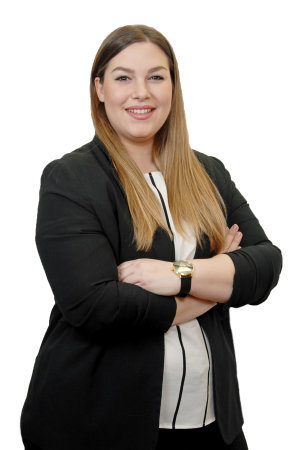
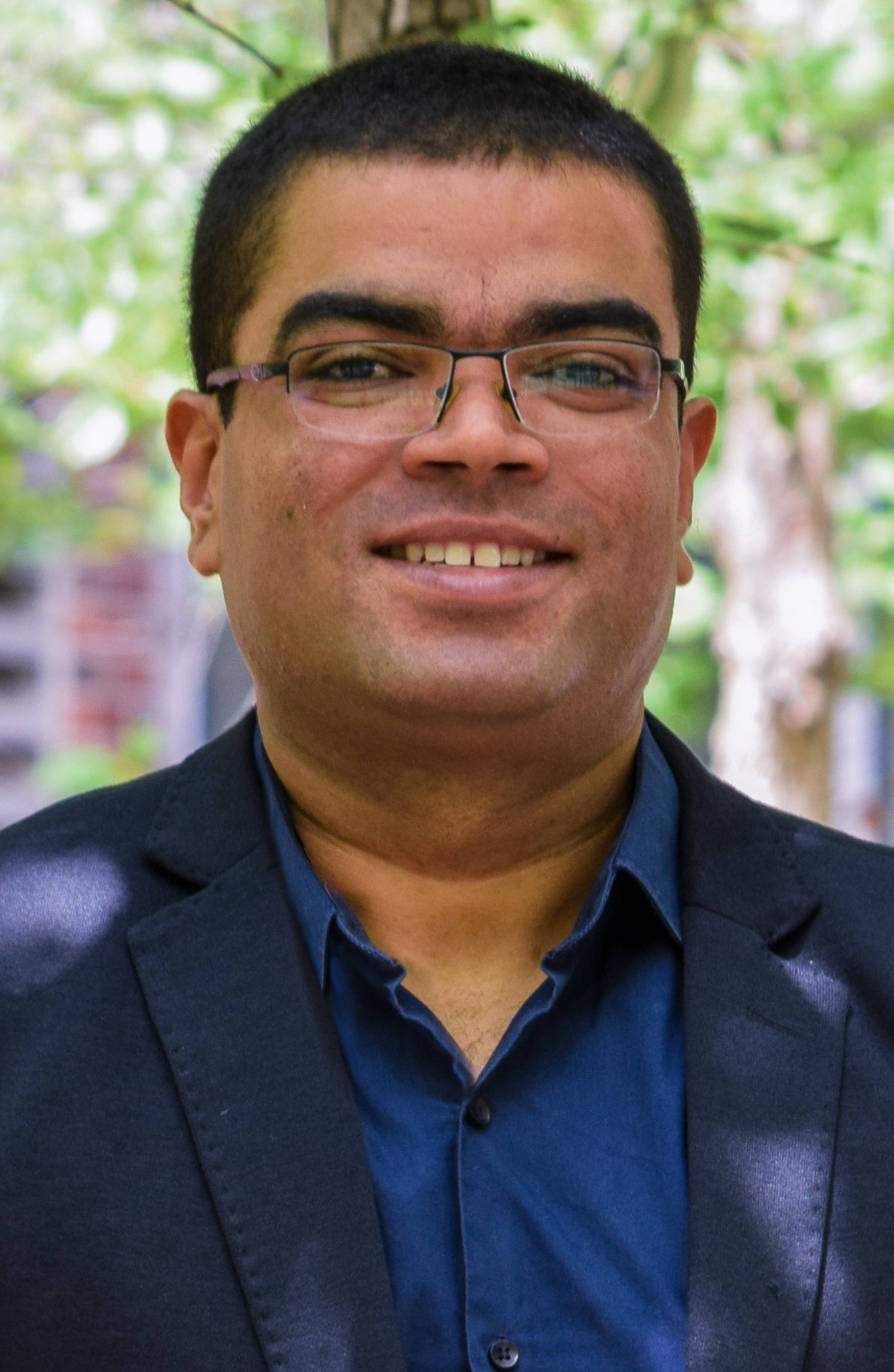
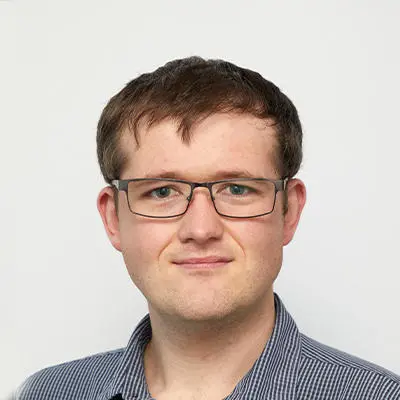
Dr. Ema Petakovic serves as an Assistant Professor at the Faculty of Tourism and Hospitality Management, University of Rijeka, where she holds the position of senior assistant. Based in room 108 with contact number +385 51 294 236, she teaches Quality Management in undergraduate programs and Quality Management and Sustainable Development within the Postgraduate Doctoral Study in Sustainable Development Management. Her research critically examines quality management frameworks through the lens of sustainable development in tourism contexts. Specialized interests include implementing eco-certification systems in hospitality operations, measuring service quality against UN Sustainable Development Goals, and developing circular economy models for tourist destinations. This work bridges theoretical management principles with practical environmental stewardship challenges in Croatia's tourism-dependent economy. Consultation hours are maintained Tuesdays 11:00–13:00 and Thursdays 15:00–17:00 at ABBEY. Her scholarly presence is documented through Google Scholar, CroRIS, and UNIRI portfolio profiles.
Gerard Cornuejols is a Professor at Carnegie Mellon University's Tepper School of Business, where he maintains an active research program in integer programming and combinatorial optimization. His office is located in Tepper School Room 4107 at 5000 Forbes Avenue, Pittsburgh, PA 15213. Professor Cornuejols' research focuses on integer programming and combinatorial optimization, particularly packing and covering problems. His work bridges theoretical mathematics with practical applications in financial optimization and network design. He has made significant contributions to polyhedral combinatorics, developing fundamental insights into the structure of integer programs and their relaxations. His research often explores the connections between graph theory, linear programming, and discrete optimization, with applications ranging from financial portfolio management to network flow problems. His publication record demonstrates consistent high-impact contributions across both theoretical and applied optimization. Recent work shows a strong trend toward dyadic programming, fractional packings, and the study of ideal clutters, while maintaining connections to practical financial applications. The research spans pure combinatorial theory to applied financial optimization, reflecting his ability to connect abstract mathematical structures with real-world problems. Fulkerson prize 2000 for best paper in Discrete Mathematics SIAM Outstanding Paper Prize 2004 Most frequently cited paper published in Discrete Optimization 2005-2010 Professor Cornuejols has established himself as a leading figure in optimization through his influential books, extensive publication record, and collaborative research with prominent mathematicians including Michele Conforti, Giacomo Zambelli, and Ahmad Abdi. His work on the strong perfect graph theorem and ideal clutters has shaped modern combinatorial optimization theory.
Susan Mahan, MD, MPH is an Associate Professor of Orthopedic Surgery at Harvard Medical School and serves as an Orthopedic Surgeon in the Orthopedics and Sports Medicine Department at Boston Children's Hospital. She also holds the position of Director of Quality and Safety within the department. Dr. Mahan completed her undergraduate education at Harvard University in 1991, medical school at Albany Medical College in 1999, orthopedic surgery internship and residency at University of Massachusetts Medical Center (2000-2004), and pediatric orthopedic fellowship at Boston Children's Hospital in 2005. She is board certified by the American Board of Orthopedic Surgery. Dr. Mahan's research focuses on clinical outcomes and quality improvement in pediatric orthopedics, with particular expertise in lower extremity disorders. She leads the Lower Extremity Clinical Research Group and serves as physician leader of the Department of Orthopedics Quality Improvement Program. Her clinical practice specializes in the treatment of clubfoot and other lower extremity conditions in children. She has published extensively on topics including pes planovalgus, tarsal coalition, pediatric trauma, and quality improvement initiatives in orthopedic care. Her recent publications demonstrate a strong focus on comparative effectiveness research, particularly evaluating novel techniques like subtalar extra-articular screw arthroereisis against traditional approaches for pediatric flatfoot. She has also contributed significantly to understanding clinical outcomes in tarsal coalition excision, accessory navicular management, and fracture care in children. Her work spans clinical research, quality improvement, and health services research in pediatric orthopedics. Dr. Mahan is actively involved in medical education, providing clinical teaching to medical students, residents, and fellows during clinics and operating room procedures. She delivers didactic teaching to orthopedic residents at Boston Children's and participates annually in teaching the musculoskeletal physical exam unit for Harvard medical students. Her commitment to education extends to helping train the next generation of orthopedic surgeons through structured teaching sessions and mentorship.
Nadia Lahrichi is a Full Professor in the Department of Mathematics and Industrial Engineering at Polytechnique Montréal, where she holds a Tier 1 Canada Research Chair in Healthcare Analytics and Logistics (HANALOG). She serves as Deputy Director at CIRRELT and is an active member of multiple research centers including IVADO (Institute for Data Valorization) and the Interuniversity Research Center on Enterprise Networks, Logistics and Transport. Her research focuses on applying operational research and mathematical modeling techniques to healthcare systems, with particular emphasis on patient flow optimization, resource allocation, scheduling, and logistics. She has developed innovative approaches that integrate machine learning with traditional optimization methods to address complex healthcare challenges. Her work spans multiple healthcare domains including radiology, chemotherapy scheduling, emergency department operations, and pandemic response systems. Professor Lahrichi's publications demonstrate consistent growth in applying advanced analytics to healthcare problems, with recent work focusing on pandemic response systems (particularly related to COVID-19 testing in Nepal), integration of machine learning with optimization techniques, and resilience planning for healthcare systems. Her research bridges theoretical operations research with practical healthcare applications, resulting in tangible improvements to healthcare delivery systems. Tier 1 Canada Research Chair in Healthcare Analytics and Logistics (HANALOG) Deputy Director at CIRRELT Member of CIRRELT (Interuniversity Research Center on Enterprise Networks, Logistics and Transport) Member of IVADO (Institute for Data Valorization) Professor Lahrichi has supervised an impressive number of graduate students throughout her career, including 5 PhD students and 34 Master's students, demonstrating her commitment to training the next generation of researchers in healthcare analytics. Her research has been supported by significant grants that have enabled large-scale projects addressing critical healthcare system challenges. She collaborates extensively with healthcare institutions to ensure her research has direct practical applications and impacts real-world healthcare delivery systems.
Danilo de Camargo Branco is an Assistant Professor in the Department of Aerospace, Physics and Space Sciences at the College of Engineering and Science, Florida Institute of Technology. His research focuses on advanced materials processing and characterization, particularly in laser-based additive manufacturing, 2D materials engineering, and aerospace design applications. Current research aligns with expertise in materials science , nanotechnology , and physics . Recent work explores phase transitions in topological superconductors, defect control in laser-fabricated alloys, and magnetic heterojunctions for memory devices. His publications highlight experimental and computational approaches to materials strengthening, 2D material fabrication, and aerospace systems optimization. Contact: ddecamargobranco@fit.edu | Office: F.W. Olin Engineering Complex, Room 244
Dr. Donja Aßbichler is a Postdoctoral Scientist in Geology at the Department of Earth and Environmental Sciences, Ludwig-Maximilians-Universität München (LMU). Her academic role aligns with the College of Geology at LMU, where she contributes to geochemical and petrological research. Research Interests: Geochemistry Petrology Fluid-Rock Interaction Environmental Geology Responsibilities: She manages the Geological Laboratory Facility, overseeing its operations and resources. Contact Details: Room A 047, Luisenstr. 37, 80333 München, Germany Phone: +49 (0) 89 / 2180 6585 Email: d.assbichler@lmu.de
Dr. David Busch is an Assistant Professor at the University of Texas Southwestern Medical Center (UTSW), holding appointments in the Department of Anesthesiology and Pain Management (primary), and secondary appointments in Neurology and Biomedical Engineering. He is a member of the Biomedical Engineering and Neuroscience Graduate Programs. Dr. Busch earned his Ph.D. in Physics from the University of Pennsylvania in 2011 and completed a postdoctoral fellowship in Neurology at the Children's Hospital of Philadelphia. He joined UTSW in 2018 and leads the Busch Lab, which develops non-invasive and minimally invasive optical tools for monitoring cerebral and spinal cord hemodynamics in critical care settings. His research focuses on translating physical science techniques into clinical applications, particularly for patients on extracorporeal membrane oxygenation (ECMO), neonates with congenital heart disease, and stroke patients. He employs diffuse optical spectroscopy, diffuse correlation spectroscopy, and multimodal neuromonitoring to assess cerebral blood flow, oxygenation, autoregulation, and metabolism. His work bridges physics, engineering, and clinical medicine, with strong applications in neurocritical care and pediatric intensive care. Dr. Busch's recent publications (2022–2025) show a strong trend in advancing non-invasive optical monitoring for pediatric and adult ECMO, placental health, spinal cord ischemia, and cancer therapy response. The articles span high-impact journals in neurology, critical care, biomedical optics, and imaging, reflecting interdisciplinary innovation and clinical translation. Fulbright Commission Institute of International Education Whitaker Fellowship Thrasher Research Foundation Hartwell Foundation Dr. Busch has been funded by NIH-NINDS, NIH-NIBIB, the McDermott Chair at UTSW, and the Women's Auxiliary (Children's Medical Center Foundation). He mentors a diverse team of postdoctoral fellows, graduate students, and medical students. His lab collaborates with institutions including Children’s Health Center, University of Kentucky, NYMC, and University of Rochester. He advises on projects related to cerebral autoregulation, spinal cord monitoring, and microvascular dysfunction in critical illness. Dr. Busch leads the Busch Lab, which is dedicated to developing and validating optical technologies for continuous, bedside monitoring of brain and spinal cord health. The lab focuses on improving patient outcomes through real-time neuromonitoring in intensive care and operating room settings.
Christian Hakert is a Researcher in the Department of Computer Science 12 at TU Dortmund University's Faculty of Computer Science. He is part of the Design Automation for Embedded Systems research group, located in Room E20 at Otto-Hahn-Str. 16, 44227 Dortmund. Dr. Hakert's research focuses on computer systems with particular expertise in: Non-volatile memory technologies Operating Systems design and implementation System Design methodologies Hardware-Software Codesign approaches Extreme Resource Constrained Systems Software-Only Hardware Management techniques His work appears to focus on the intersection of hardware and software systems, particularly in embedded contexts where resource constraints are critical factors in system design. The research has significant implications for developing efficient computing solutions in environments with severe limitations on processing power, memory, or energy.
Heather A Ballard, MD is an Associate Professor at Northwestern University Feinberg School of Medicine , holding appointments in both the Department of Anesthesiology (Pediatric Anesthesiology) and Medical Education . Board-certified in Anesthesiology and Pediatric Anesthesiology, her clinical work involves affiliations with Ann & Robert H. Lurie Children's Hospital of Chicago and Northwestern Memorial Hospital . MD: Northwestern University Feinberg School of Medicine (2006) Intern: Saint Francis Hospital, Evanston (2007) Resident: Beth Israel Deaconess Medical Center (2010) Fellow: Boston Children's Hospital (2011) Her research spans Anesthesiology , Medical Education , and AI applications in clinical communication. Recent publications examine burnout in healthcare , incivility in surgical reviews , and AI-driven empathy training . She specializes in pediatric anesthesiology and ultrasound-guided vascular access techniques. As a faculty member, she contributes to Northwestern University Clinical and Translational Sciences Institute (NUCATS) and maintains active clinical and teaching roles. Disclosures note industry relationships related to medical record consultation and expert testimony.
Panu Kari Mustakallio is a Professor of Practice at Aalto University's Department of Energy and Mechanical Engineering. His work focuses on HVAC systems, indoor climate design, and energy-efficient ventilation solutions. Research areas: Energy Conversion and Systems Key topics: Thermal comfort, Chilled beam systems, Indoor air quality Recent research explores localized cooling systems , ventilation performance , and air quality management in various building contexts. His publications analyze technical implementations and operational challenges in modern HVAC systems. Current affiliations include active research collaborations with international experts in building technology and environmental engineering.
Barry Linnert is a researcher at Freie Universität Berlin, affiliated with the Software Engineering research group. His work focuses on resource management in cluster and grid environments, high-performance computing (HPC), and operating systems. He also has additional interests in parallel and distributed simulations. Email: barry.linnert@fu-berlin.de | Office: Takustr. 9, Room 008, Berlin, Germany | Phone: +49 30 838 50953 Research Areas: Resource Management in Cluster/Grid, HPC, Operating Systems, Parallel/Distributed Simulations Teaching: Cluster Computing, Non-sequential Programming, Operating Systems, Software Engineering Publications (Selected): Dynamic resource allocation in HPC, Advance reservations in grid systems, Failure recovery in distributed environments, Workflow management for large-scale grids Barry Linnert actively contributes to the development of resource scheduling algorithms and grid computing architectures. His recent publications (2024-2023) address deadline-oriented job management and dynamic allocation policies in HPC systems, while earlier works (2014-2004) explore advance reservation protocols, Manhattan distance mapping, and distributed recovery mechanisms. Research spans both theoretical frameworks and practical implementations for cluster management. He holds positions in academic advisory bodies: Advisory board member of Berlin University Alliance's cooperation platform Board member of Landesvertretung Akademischer Mittelbau Berlin (LAMB)
Craig Allison serves as a Lecturer in Psychology within the Department of Social Sciences and Nursing at Solent University, a position he has held since November 2019. He earned his PhD in Web Science (Psychology) from the University of Southampton in 2016, building upon an MSc in Web Science (2011) and BSc in Psychology (2009) from the same institution. His academic journey includes: PhD in Web Science (Psychology), University of Southampton, 2016 MSc in Web Science, University of Southampton, 2011 BSc (Hons) in Psychology, University of Southampton, 2009 Dr. Allison's research bridges spatial cognition with practical human factors applications, focusing on orientation mechanisms in virtual environments and safety-critical systems in aviation and automotive contexts. His aviation work examines cockpit display design, single-pilot operations, and safety protocols through frameworks like STAMP (Systems Theoretic Accident Model and Process). In sustainable transportation, he develops eco-driving assistance systems that reduce emissions through behavioral feedback and predictive interfaces, with publications spanning driver psychology, vehicle interface design, and real-world implementation challenges. Analysis of his 2020-2024 publications reveals three dominant research streams: virtual reality applications for spatial orientation (15% of output), aviation human factors (40%), and eco-driving systems (45%). His work consistently applies mixed-methods approaches—combining cognitive modeling, simulator studies, and naturalistic driving data—to translate psychological principles into engineering solutions. Notably, his eco-driving research demonstrates how real-time feedback interfaces can reduce fuel consumption by 12-18% while maintaining driver acceptance. At Solent University, Dr. Allison contributes to four BPS-accredited undergraduate programs: BSc Psychology, Psychology with Sociology, Sport and Exercise Psychology, and Psychology with Counselling and Mental Health. His teaching leverages industry experience from four years of post-doctoral research at Southampton, where he instructed courses in human factors, air traffic management, and avionics. Though specific grant funding isn't documented in available sources, his collaborative publications with aviation and automotive partners indicate active industry engagement. His research trajectory shows increasing focus on sustainable transportation solutions, with eco-driving publications doubling between 2019-2024.
Georgia Broni serves as Associate Professor at the University of Western Macedonia, within the Department of International and European Economic Studies at the School of Economic Sciences based in Kozani. She holds a prominent position in the academic staff and contributes significantly to the university's research and teaching missions. Dr. Broni received her academic training at Aristotle University of Thessaloniki, where she earned her undergraduate degree, followed by a Master's degree in Systematic and Political Philosophy, and ultimately her doctorate with a dissertation on "Reason and Power in the early and late Stoic philosophers." She further enhanced her expertise through a postdoctoral research scholarship in Philosophy of Education from the State Scholarship Foundation, focusing on "The investigation of the triptych: knowledge - value - idea in education systems in public administration." Her research interests span Business Ethics, Corporate Social Responsibility, Marketing Ethics, and the intersection of philosophical frameworks with business practices. Dr. Broni explores how ethical principles can guide business decisions during crises and how philosophical concepts can inform modern business strategies. Her work frequently examines the relationship between government administration and business ethics, particularly in the Greek and European contexts. Dr. Broni's publication record reveals a consistent scholarly output from 2009 to 2023, with a notable acceleration in recent years. Her work demonstrates considerable evolution from traditional business ethics toward more innovative domains including quantum marketing concepts, digital transformation, and the integration of advanced technologies in business contexts. A significant portion of her research addresses contemporary challenges such as pandemic impacts, war-related economic disruptions, and environmental sustainability within business frameworks. Dr. Broni collaborates extensively with colleagues, particularly John Velentzas and Nick Kartalis, reflecting strong interdisciplinary connections across philosophy, economics, and business disciplines. Her Google Scholar profile shows 479 citations and an h-index of 9, indicating substantial academic impact in her field. At the University of Western Macedonia, Dr. Broni teaches several courses including Methodology of writing a scientific paper, Government and Strategic management, Business Ethics, Corporate Social Responsibility and Leadership, Advertising and Technology, Operational Management, and Communication and Propaganda. Her teaching appears to closely align with her research interests, particularly in methodology and business ethics domains. Dr. Broni is affiliated with the Laboratory of International and Greek Standards – Economic and Digital Transformation of Private and Public Enterprises, contributing to the university's research infrastructure focused on contemporary business challenges and digital transformation.
Christoph Parhofer, M.Sc. in Mechanical Engineering from FAU Erlangen, is a Group Leader for Rescue Robotics at the Chair of Microtechnology and Medical Device Technology at Technical University of Munich since December 2023. He has been a member of the MiMed Chair since February 2021, working in Room MW 1110 with contact number +49 (89) 289 - 151 81. His research focuses on Rescue Robotics , Low-Cost Lightweight Robots , and Medical Robotics applications . Parhofer leads the iMEDCAP project (intelligent military capabilities for monitoring, medical care and evacuation) and the LCL Robots project (demand-oriented design of task-specific robots). His work bridges robotics engineering with practical medical and emergency response applications, emphasizing affordability and accessibility in robotic systems. His recent publications demonstrate expertise in workspace-specific robot arm design, automated design systems, and 3D-printed medical robotics solutions. The research trends show increasing focus on practical implementation of robotics in emergency medical scenarios and custom robot design for specific tasks. Parhofer supervises multiple academic courses including Automation Technology in Medicine (AIM), Measurement technology and medical assistance systems (MMA), and Real-time Devices and Robots (EGR) internship. He has guided numerous Master's and Bachelor's theses on topics ranging from robot-assisted surgery to automated robot design. His research group works within the broader MiMed Chair environment led by Prof. Tim C. Lueth, collaborating on various robotics and medical device projects that combine mechanical engineering with medical applications.
Karl-Ludwig Krämer serves as a Researcher at the Chair of Product Development and Lightweight Design, Technical University of Munich (TUM), actively contributing to the Laboratory for Product Development and Lightweight Design under Prof. Dr. Markus Zimmermann. Based at Boltzmannstr. 15, Garching, he holds room 5506.EG.660 and manages critical laboratory operations. His research focuses on Product Development, Lightweight Structures, and Composite Materials manufacturing, directly supporting the department's key initiatives in Solution Space Engineering and Robot Systems. Krämer's work integrates with major ongoing projects including KREATIVE, BUENA, TuWAs, and SOLID, emphasizing advanced methodologies in structural design and production processes. As Safety Officer for composite materials and autoclave fabrication, he ensures compliance in high-risk laboratory environments. His teaching responsibilities include co-instructing the Laboratory Course Composite Materials and Laboratory Course Lightweight Structures for both Winter Semester 2024/25 and Summer Semester 2025, providing students with hands-on expertise in material processing and structural testing. Krämer's operational role bridges research execution and educational training within TUM's engineering framework.