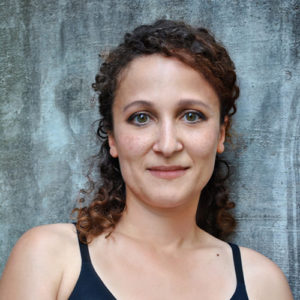
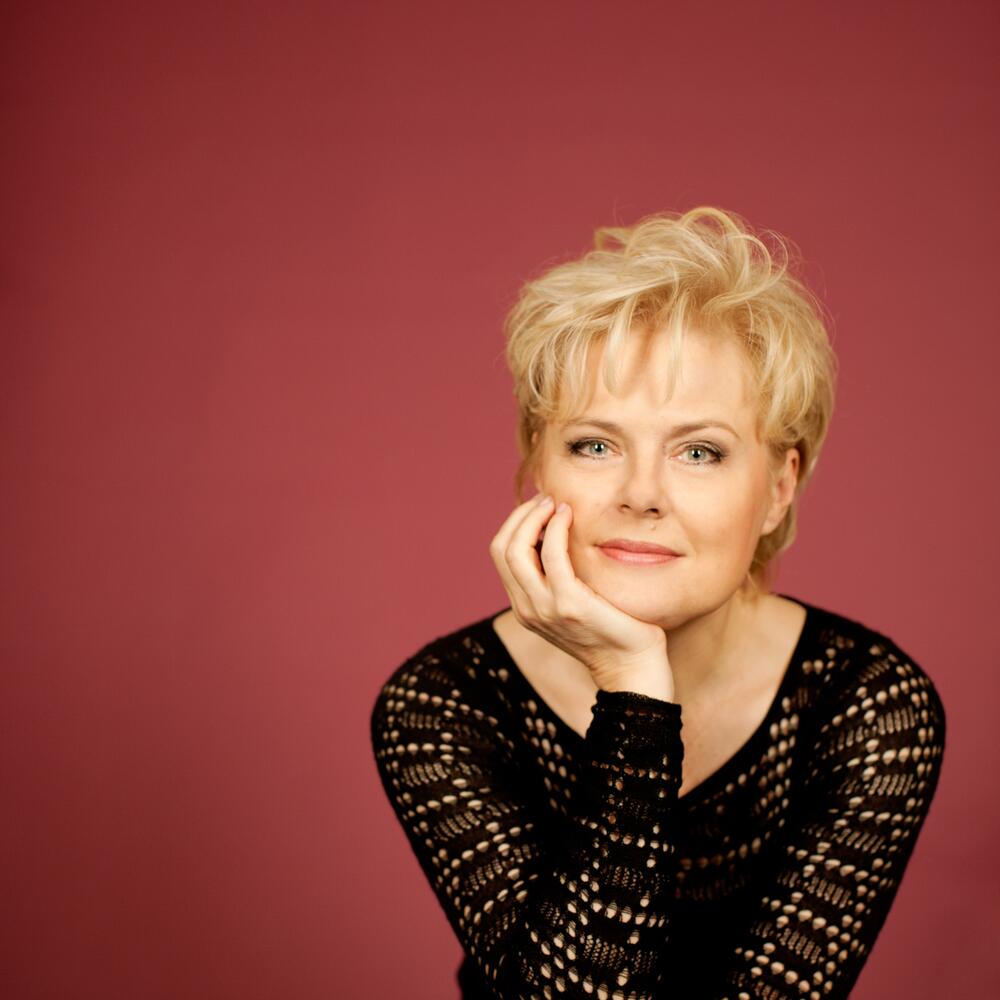
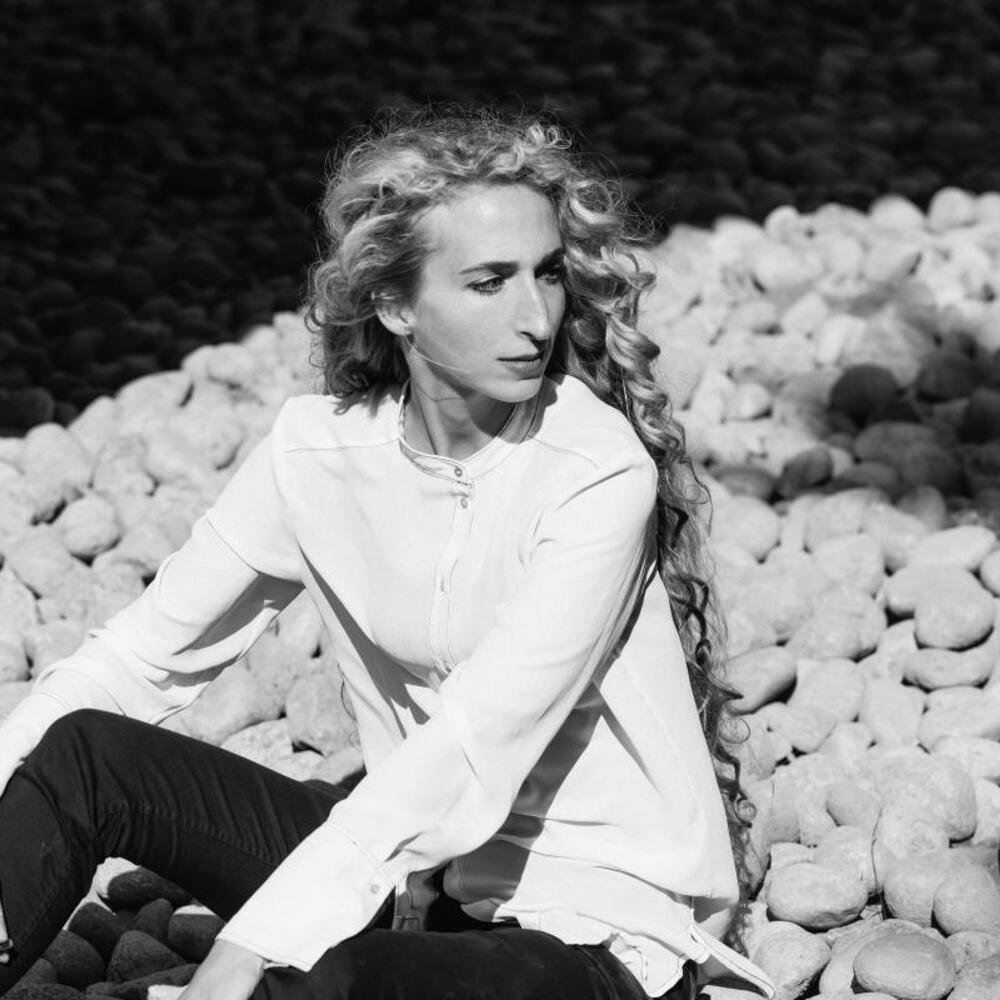
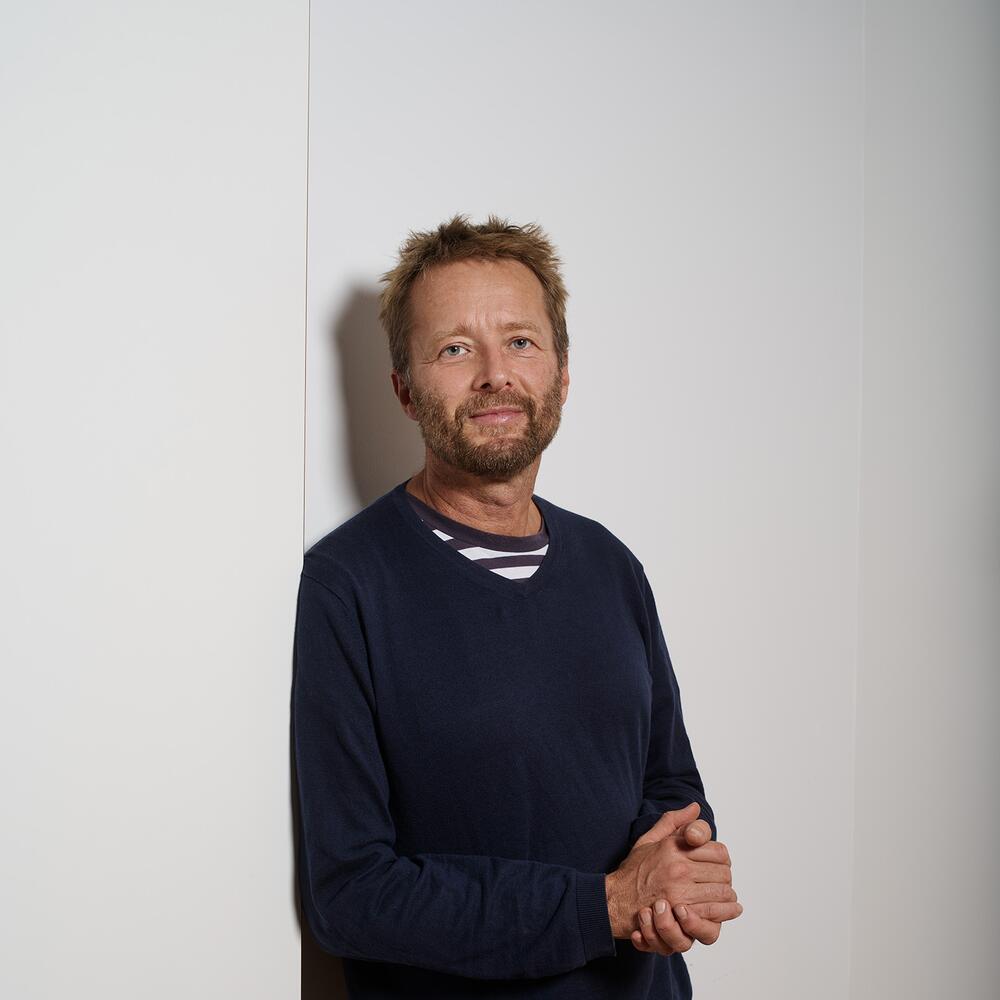
Linda Boianova is an Instructor of Collaborative Piano at the Eastman School of Music, University of Rochester. Her multifaceted career encompasses concert pianism, vocal coaching, opera conducting, and ensemble direction. She holds degrees in Performance, Theory, Vocal Coaching, and Stage Direction from Eastman. Her research interests include Russian romantic song traditions, Arab musical heritage, Baroque performance using primary sources, and contemporary composition premieres. She has collaborated with prominent institutions such as the Deutsche Oper Berlin and Royal Opera House Muscat, as well as artists like Chick Corea and Barbara Frittoli. Prior teaching appointments include Alfred University, Nazareth College, SUNY Geneseo, and the Sultan of Oman's court orchestra. Her work bridges historical interpretation with modern performance practices, emphasizing linguistic precision in operatic roles.
Eduardo Frigatti is an Adjunct Professor at the Department of Musical Education and Instrumental Pedagogy , Faculty of Arts , University of Maria Curie-Skłodowska . He is a composer, arranger, and guitarist specializing in operas, symphonic works, chamber music, and solo instrumental pieces. PhD in Composition from University of São Paulo (USP), supervised by Silvio Ferraz Master’s in Composition from Federal University of Paraná (UFPR), supervised by Maurício Dottori Studied music at EMBAP/Unespar and music therapy at FAP/Unespar Refined skills at São Paulo State School of Music (EMESP) and Academy of Music in Kraków as a Mozarteum Brasileiro fellow His research and creative work spans music composition , orchestration for symphonic and chamber ensembles , and contemporary operatic forms . His compositions have been performed globally, including in Brazil, Poland, USA, Germany, and Italy. Recipient of the 2015 III Concurso de Composição da Bienal de Música Hoje for 'Campina de Vidro' Awarded for his string quartet 'Morriña' at the I Concurso Edino Krieger (2017)
Prof. Dr. Elisabeth Schmierer is a distinguished academic in musicology, currently serving as a teaching lecturer at Folkwang Universität der Künste in Essen-Werden, Germany, affiliated with Faculty 2 (Musicology). She has been a lecturer there since 2000 and also taught in Tours, France, under the Erasmus program in 2015. She holds the academic title of Professor, awarded in 2008 by Technische Universität Berlin as an außerplanmäßige Professorin, and has held academic positions at Kiel University, Berlin University of the Arts, and substitute professorships at Marburg and Erlangen. Her educational background includes: Studies in Music Education and School Music (Hochschule für Musik und Darstellende Kunst, Stuttgart) Studies in Musicology, History, and Art History (Christian-Albrechts-Universität Kiel) Ph.D. (1989), dissertation on Die Orchesterlieder Gustav Mahlers Habilitation (1996), Die Tragédies lyriques Niccolò Piccinnis , Technische Universität Berlin Her research focuses on historical musicology, especially 18th-century opera and the interplay between French and Italian operatic traditions. She has contributed significantly as a book author and editor, with numerous publications in her field. She regularly presents lectures internationally in France, Italy, and China, demonstrating her active engagement in global academic discourse. She has been a private lecturer at Technische Universität Berlin since 1997 and continues to contribute to musicological education and scholarship. While she holds the rank of Professor, her current role at Folkwang is as a teaching lecturer, which is explicitly indicated as a continuing appointment, suggesting ongoing academic involvement. No awards or specific research grants are mentioned in the text. She advises students in musicology and pedagogy, though no named students are listed. She has no listed scientific awards. Her work bridges academic research and practical music education, particularly in historical and theoretical contexts. She is associated with Faculty 2 at Folkwang Universität der Künste, which focuses on musicology and music education, supporting interdisciplinary research and teaching in music. Her contributions are primarily in scholarly publication and international academic exchange rather than lab-based or team-led research initiatives.
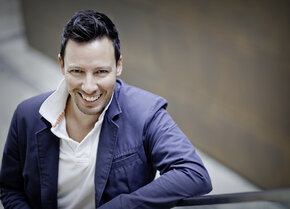
Dr. Andrew Synnott is a prominent figure in Irish opera as a conductor, vocal coach, and composer. He holds roles at the Royal Irish Academy of Music (RIAM) in the Vocal Studies department, specializing in opera conducting and vocal coaching. His work spans conducting orchestras like the National Symphony Orchestra of Ireland and leading Ireland’s major opera companies including Wexford Festival Opera and Irish National Opera. His compositional career includes four operas, notably La cucina (2019)—the first opera by a living Irish composer staged on Wexford Festival’s main stage—and Dubliners (2017), which reimagines James Joyce’s stories. He has conducted over 200 opera performances and collaborated with leading Irish vocalists for three decades. As an educator, Synnott mentors RIAM students through vocal coaching and operatic productions. His research includes a 2016 doctoral thesis on methodology in operatic composition. Notable works include orchestral and choral pieces, with commissions from prestigious institutions. He co-founded the Crash Ensemble in 1997 and served as its artistic director.
Ryszard Minkiewicz is a Professor of Musical Arts at the Stanisław Moniuszko Academy of Music in Gdańsk, where he has served since 1992. He currently holds the position of Rector, following roles as Vice-Dean (1996–2002), Dean of the Faculty of Vocal Performance and Acting (2008–2012), and Vice-Rector for Artistic Affairs and International Cooperation (2012–2020). Education: Graduate of the Composition and Music Theory Department and the Vocal and Acting Department at his alma mater, both with distinction. Specializes in vocal performance, particularly 20th-century repertoire, including works by Karol Szymanowski, Krzysztof Penderecki, Benjamin Britten, and others. Research Interests: Mastery of vocal techniques for operatic and art song performance, with a focus on Polish and European classical music. Renowned for his interpretations of roles in operas like Szymanowski's King Roger and Penderecki's Black Mask . Collaborates extensively with major orchestras and opera houses globally, including the Royal Albert Hall (London), Théâtre des Champs-Élysées (Paris), and Salzburg Festival. Awards: Recipient of the Gloria Artis Medal, Gdańsk Theatre Award, and multiple Merit Crosses. Notable recordings include Szymanowski's King Roger (EMI, 1998) and monographic works of Szymanowski's orchestral compositions. Teaching & Leadership: Teaches singing with specializations in 'solo singing' and 'musical' at the Academy. Has been a pivotal figure in shaping artistic education and international collaborations for the institution.
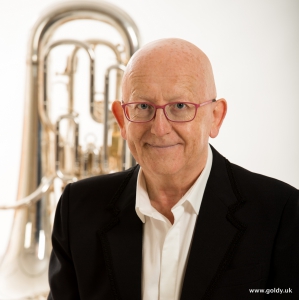
Steven Mead is a renowned Professor of Euphonium and Senior Tutor at the Royal Northern College of Music (RNCM), where he has taught since 1989. His roles include chamber music coaching, conducting, and serving as Artistic Director of the Jeju International Wind Ensemble Festival and Bolsover International Brass Band Summer School. He holds a BA from Bristol University, ALCM (Associate of the London College of Music), and was honored as a Fellow of the RNCM in 2008. Dr. Mead’s research and performance focus on brass pedagogy, euphonium innovation, and cross-cultural collaborations. His work spans solo performances with orchestras worldwide, premiering over 500 works, and recordings on his Bocchino Music label. Notable achievements include winning four National Brass Band Championships at London’s Royal Albert Hall, two Euphonium Player of the Year titles, and Best Soloist in BBC’s Best of Brass (twice). He has led workshops globally, designed instruments with Besson, and pioneered criteria-based adjudication in brass competitions. His discography includes over 75 CDs, with releases like Rococo Variations (2016) and Audacious (2008), showcasing his technical mastery and artistic vision. Collaborations include Sound-Inn-Brass, Spanish Brass Quintet, and the National Youth Brass Band of Scotland. His contributions extend to educational materials, instrument consulting, and advocacy for low brass music. Current projects include directing international festivals and advancing brass pedagogy through innovative teaching methods and global outreach.
Lorenz C. Aichner Lorenz C. Aichner is a Salzburg-born conductor and academic lecturer at the Music and Arts University of the City of Vienna (MUK), where he has been affiliated since February 2023. He holds a position in the Faculty of Music's Department of Conducting, specializing in orchestral and operatic performance. His career includes roles such as Kapellmeister at Theater Erfurt and Theater Hof/Saale, and deputy chorus director at the Hamburg State Opera. Education Studied conducting, choral conducting, composition, and accompaniment at the University of Music and Performing Arts Vienna (2003). Early piano training at the Mozarteum University Salzburg during elementary school. Research & Performance Aichner's artistic work focuses on a broad repertoire spanning classical operas (e.g., Verdi's Macbeth , Strauss's Daphne ), ballets ( Coppélia , Cendrillon ), and musical theatre productions ( My Fair Lady , Guys and Dolls ). He has conducted major orchestras including the Vienna Volksoper Orchestra, Tonkünstler Orchestra of Lower Austria, and Vienna Radio Symphony Orchestra. International Engagement Recognized internationally, Aichner has performed in South Korea, Japan, and across Europe. His expertise bridges operatic, symphonic, and theatrical music, with a focus on collaborative ensemble performance and artistic direction. Academic Contributions At MUK, he contributes to pedagogical programs in conducting and performance, reflecting his extensive experience in training ensembles and leading productions across diverse genres.
Ildiko Raimondi is a Professor of Solo Singing at the Mozarteum University's Department of Vocal Studies since 2015, concurrently serving as Deputy Department Head. A celebrated Austrian soprano, she specializes in classical and contemporary repertoires, particularly 20th-century works. She holds a prominent position at the Vienna State Opera since 1991, performing over 50 roles across major opera houses like the Deutsche Oper Berlin and Zurich Opera House. Her research focuses on vocal performance techniques, historically informed interpretation of art songs, and contemporary music. Notable projects include the scholarly edition of Wenzel Tomaschek's Goethe Lieder collection and the CD Encounters , featuring works by Friedrich Cerha and Franz Liszt. She regularly performs at festivals such as the Salzburg Festival and Edinburgh Festival, blending concert, opera, and recital formats. Recipient of international acclaim for her interpretive depth and technical mastery, Raimondi's pedagogical work emphasizes bridging historical and modern vocal traditions. She leads masterclasses and summer programs, including the Talent Music Summer Opera & Courses Festival in Brescia.
Sarah Nemtsov is a renowned Professor of Composition at the Mozarteum University since 2022, leading the Department of Composition & Music Theory. She holds a dual academic role as Deputy Department Head and Full Professor. Previously, she taught as a guest lecturer at the Hochschule für Musik Köln (2014) and Haifa University (2018). Her compositional work spans over 150 pieces across genres, including orchestral works, operas, and interdisciplinary projects. Key influences include literature, social themes, and avant-garde experimentation. Notable collaborations involve ensembles like Ensemble Intercontemporain, Klangforum Wien, and the WDR Orchestra. Research interests focus on electroacoustic integration, instrumental timbre exploration, and narrative-driven music theater. Awards include the Busoni Composition Prize and memberships in the Saxon and Berlin Academies of Arts. Her works are published by Ricordi since 2016. Education: Master's in Composition (Dipl.-Mus.-Päd.) from Hannover and Berlin Universities Studies in Oboe Performance with Klaus Becker and Burkhard Glaetzner Key Works and Themes: Known for complex textures, electronic/acoustic interplay, and socially engaged compositions like the opera Sacrifice . Recent projects include the orchestral tetralogy TZIMTZUM (2020–2023) and chamber works such as K'lipot (2023). Awards and Recognition: Busoni Composition Prize GEMA German Music Author Prize DAAD Short-Term Lectureship (2018) Member of Berlin Academy of Arts (2021) Teaching and Mentorship: Advises students in composition and electroacoustic practices at Mozarteum University. Her pedagogical focus emphasizes creativity and interdisciplinary approaches. Labs/Initiatives: Engaged with the Interstring Project and collaborates with ensembles like Nikel and Ensemble Adapter to innovate in contemporary performance practices.
Johannes Maria Staud is a University Professor (Univ.-Prof.) of Composition at the Department of Composition & Music Theory, Mozarteum University in Salzburg. His work integrates interdisciplinary influences from literature, film, and visual arts, often addressing philosophical, social, and political themes through structured dramaturgical compositions. Education: Studied composition, musicology, and philosophy in Vienna, followed by composition studies in Berlin under Hanspeter Kyburz. Joined Mozarteum University in 2015/16 as composition professor, becoming Univ.-Prof. in 2018. Research interests focus on cross-artistic collaborations and socio-political narratives in music, exemplified by works like Die Weiden (2018 opera addressing European political fragmentation) and Contrebande (inspired by Bruno Schulz's writings). Notable commissions include pieces for Berlin Philharmonic, Vienna Philharmonic, and Cleveland Orchestra. Key awards: Erste Bank Composition Prize (2002), International Rostrum of Composers Prize (2003), Ernst von Siemens Music Foundation Prize (2004), and Paul Hindemith Prize (2009). Teaching & Legacy: Succeeds former teacher Michael Jarrell at Mozarteum, mentoring composition students while maintaining active commission relationships with major orchestras. His works explore avant-garde techniques while retaining narrative cohesion.
Kremena Angelova is a researcher and academic affiliated with the National Music Academy, specializing in musicology, psychoacoustics, and historical music studies. Her work bridges artistic creation with technical analysis, particularly in music composition, audio production, and pedagogy. Her research interests span ancient music theory (e.g., Aristides Quintilianus), 19th-century instrumental development (cello pedagogy), Bulgarian folk music traditions, and interdisciplinary studies like jazz dance improvisation. She has also explored the intersection of literature and opera through analyses of Verdi’s Falstaff . Angelova’s publications reflect a focus on both practical applications (e.g., psychoacoustic principles in audio production) and historical preservation (e.g., Svishtov’s 19th-century musical life). She has contributed to studies on citation dynamics in academic publications, highlighting her engagement with scholarly methodologies. Her articles emphasize innovative approaches to music education, such as solfège pedagogy and ensemble collaboration. Despite no listed awards, her extensive bibliography underscores her role as a scholar committed to advancing music theory and practice.
Girgina Girginova is a researcher specializing in musicology, opera studies, and pedagogical approaches to music education. Her work focuses on intersections between literature, theater, and music, particularly in operatic composition and historical performance practices. She has contributed significantly to understanding the creative processes behind masterpieces like Verdi's Falstaff , analyzing the synergy between Shakespearean texts and musical innovation. Her research spans diverse areas including ancient Greek music theory (via Aristides Quintilianus), Jewish folk song arrangements by Prof. Nikolay Kaufman, and psychoacoustic principles in audio production. She has explored Bulgarian choral traditions, chamber music pedagogy, and the evolution of cello techniques in 19th-century German schools. Key research themes: operatic libretto analysis, historical musicology, cultural identity in music, and interdisciplinary artistic collaboration. Publications include analyses of Verdi/Boito collaborations, pedagogical frameworks in antiquity, and technical innovations in audio production.
Prof. Mati Pinkas is a distinguished Bulgarian vocalist and vocal pedagogue affiliated with the National Academy of Music. Her career is marked by innovative theme-oriented concerts, particularly emphasizing Bulgarian composers such as Parashkev Hadjiev and Pancho Vladigerov, alongside works by Ravel and Poulenc. She is renowned for premiering numerous compositions in Bulgaria, including Poulenc’s monodrama La Voix Humaine . Her pedagogical approach integrates chamber singing techniques with historical performance practices. Research focuses on vocal pedagogy, classical performance traditions, and the cultural significance of Bulgarian musical heritage. Her articles in NAMES AND TRADITIONS IN NMA explore topics like Aristides Quintilianus’ educational theories and the dramaturgical aspects of music performance. Despite lacking formal awards listed, her work has garnered critical acclaim through concert testimonials and academic publications. Prof. Pinkas has not disclosed student advisees or grant details in the provided materials. Her contributions extend to ensemble training, particularly in vocal duet configurations and collaboration with orchestral elements in musical dramaturgy.
Dr. Sarah Farr is an Associate Professor of Music at Wayne State College (WSC), where she teaches voice classes. She previously taught at Doane College and Concordia University in Nebraska. Her operatic roles include Gertrude in Gounod’s Romeo et Juliette , Countess Ceprano in Verdi’s Rigoletto , and others. She has performed in Handel’s Messiah , Bach’s Magnificat , and Schütz’s Requiem . Additionally, she has served as a guest lecturer for the Live From the Met Movie Talks and the Osher Lifelong Learning Institute. Education: Doctor of Musical Arts (DMA) in Vocal Performance, University of Nebraska-Lincoln Master of Music in Vocal Performance, Cleveland Institute of Music Bachelor of Music in Vocal Music Performance and Bachelor of Arts in English Literature, Viterbo University Her research focuses on the intersection of literature and opera, particularly in contemporary works. She actively engages in performance and academic outreach, bridging classical music with broader cultural contexts.
Stephen Barlow serves as a Vocal Coach at the Royal Birmingham Conservatoire, Birmingham City University. His distinguished career includes Artistic Directorships at Queensland Philharmonic (1996-99) and Opera Northern Ireland (1997-99), along with conducting roles at Glyndebourne Festival Opera (Associate Conductor 1981-83) and English National Opera (Resident Conductor 1980-83). Education Organ Scholar, Trinity College Cambridge Artistic Expertise Specializing in Mozart, Rossini, Verdi, and Puccini, Barlow maintains a vast repertoire spanning Monteverdi to contemporary composers like Takemitsu. His conducting credits encompass major UK orchestras including London Philharmonic and Royal Philharmonic, plus international engagements across 25+ cities from Berlin to Sydney. As a composer, he creates operatic and chamber works including the opera KING and string quartet The Rainbow Bear . Current Practice He actively coaches vocal students while maintaining a global schedule of conducting engagements, composition projects, and chamber music performances, reflecting his multifaceted contribution to classical music education and performance.