Matthew R. Jones is an Associate Professor in the Department of Chemistry at Rice University and holds the Gene and Norman Hackerman Junior Chair and Norman Hackerman-Welch Young Investigator titles. He joined Rice in 2017 after postdoctoral research at UC Berkeley under Paul Alivisatos and a PhD at Northwestern University under Chad Mirkin. His research focuses on systems-level nanoparticle assembly, plasmonics, and metamaterials, with applications in energy storage and biomedicine. Jones has pioneered techniques like 4D-STEM for catalytic nanoparticles and developed adaptive materials via strain-controlled synthesis. Education: B.S. in Materials Science and Biomedical Engineering (Carnegie Mellon University), Ph.D. in Chemistry (Northwestern University as an NSF Fellow). Key awards include the Packard Fellowship (2018) and NSF CAREER Award (2022). His lab hosts over 20 graduate students and postdocs, with notable advisees including Bukky, Zhihua Cheng, and Saxton. Research emphasizes interdisciplinary approaches: combining in-situ microscopy, ligand engineering, and computational modeling to control nanoparticle behavior. Recent studies include strain-preserved nanocatalysts (2024) and chiral superlattices (2024). Collaborations span Rice’s Center for Nanoscale Imaging Sciences and the Electrochemical Society. Lab: Jones Research Group Grants: NSF CAREER, Packard Fellowship, Rice Seed Award Publications: Over 50 peer-reviewed articles, including Science Advances (2024) and Nature Communications (2023)
Christopher Parlett is a **Lecturer** in the **CE - Academic & Research** division at the University of Manchester, concurrently serving as a **University of Manchester-Diamond Light Source Research Fellow in Catalysis**. He leads research at the **University of Manchester at Harwell group**, focusing on heterogeneous catalytic systems and operando X-ray spectroscopy to study catalytic active sites. His work emphasizes sustainable chemical conversions, including selective oxidations and biomass upgrading, alongside functional nanomaterials for applications in gas storage and healthcare. **Education**: PhD in Chemistry from Cardiff University (under Professors Adam F. Lee and Karen Wilson), MSc in Green Chemistry from the University of York, and BSc in Chemistry from Anglia Ruskin University. **Research Themes**: Catalyst design, metal-support interactions, porous oxide materials, and operando X-ray absorption spectroscopy. His projects aim to develop nano-engineered materials for industrial applications, replacing costly and environmentally harmful reagents. **Key Activities**: Organized the 25th Annual Green Chemistry & Engineering Conference (2021), co-edits the *Emergent Materials* journal, and chairs the SCI Early Careers Materials Committee. Active in professional organizations like the Institution of Chemical Engineers. **Grants & Projects**: Principal Investigator for the ongoing *UoMaH: The University of Manchester at Harwell* project (since 2018), exploring nanoparticles, catalytic reactions, and advanced materials. **Labs/Teams**: Part of the Manchester at Harwell research hub, collaborating on synchrotron-based studies and catalytic material development.
John Kilner is a Senior Research Investigator at Imperial College London, formerly holding the BCH Steele Professorship of Energy Materials and serving as Head of the Department of Materials and Dean of the Royal School of Mines. His research focuses on ionic and mixed-conducting ceramics, particularly for applications in fuel cells, oxygen separators, and sensors. He pioneered isotopic exchange SIMS techniques to study oxygen exchange and diffusion in oxide ceramics, with recent work centered on intermediate-temperature fuel cells and interfacial phenomena in solid electrolytes. Prof. Kilner's academic background includes over 30 years of research in materials science, leading to over 250 publications and multiple patents in fuel cell and gas separation technologies. He co-founded CeresPower Ltd, a successful spinout company. His work bridges fundamental materials science with applied energy technologies, emphasizing solid-state ionics and ceramic electrolyte development. Publications span advancements in garnet solid electrolytes, lithium-ion conductivity enhancement strategies, and in-operando microscopy analysis of battery materials. His contributions to the Journal of Solid State Ionics as European Editor highlight his role in shaping the field's academic discourse. Notably, Kilner advises doctoral research such as William Manalastas Wang’s thesis on ceramic lithium-ion electrolytes. His research team actively explores next-generation battery materials with a focus on improving energy density and stability through advanced ceramic engineering and surface analysis techniques.
Thomas Justus Schmidt is a Professor and Chair for Electrochemistry at ETH Zürich and Head of the PSI Center for Energy & Environmental Sciences at the Paul Scherrer Institute (PSI) in Switzerland. He also directs the Swiss Center of Excellence for NetZero Emissions. His research focuses on electrochemical energy conversion and storage, including fuel cells, electrolyzers, and catalyst development. Schmidt received his University Diploma (1996) and PhD (2000) in Chemistry from the University of Ulm, followed by postdoctoral work at Lawrence Berkeley National Laboratory. He has held leadership roles in industry (BASF Fuel Cell GmbH) and academia, including directing the Swiss Competence Center for Energy Research. His awards include the Charles W. Tobias Young Investigator Award and the CW Schönbein Gold Medal. He advises PhD students and leads interdisciplinary teams at ETH and PSI, with a focus on advancing sustainable energy technologies. Education: University of Ulm (Diploma 1996, PhD 2000) Industry Experience: BASF Fuel Cell GmbH (2002–2010) Key Roles: Director of Swiss NetZero Center, Head of PSI Energy & Environmental Sciences His research bridges fundamental electrochemistry with practical applications, emphasizing catalyst design, operando spectroscopy, and sustainable energy systems. Notable projects include high-temperature membrane electrode assemblies and CO₂ electroreduction technologies. Collaborations leverage PSI’s large-scale facilities for advanced material characterization. Scientific contributions include over 200 publications in journals like Nature Chemistry and Advanced Energy Materials . His team explores electrocatalysts for oxygen evolution/reduction reactions and novel materials for energy storage. Current work addresses scalability of electrochemical processes and low-carbon technologies.
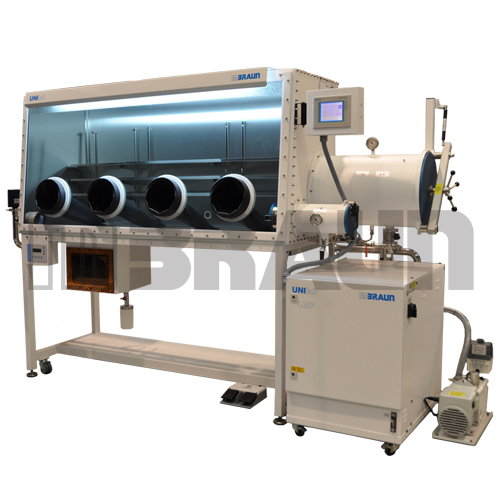
Dr. Likun Zhu is a Professor of Mechanical Engineering at Purdue University's School of Mechanical Engineering in Indianapolis. His research focuses on advanced battery technologies, including lithium-ion and solid-state batteries, with an emphasis on in situ and operando characterization, modeling, and micro/nano fabrication. Dr. Zhu's work addresses critical challenges in battery energy density, safety, and longevity through innovative materials and manufacturing processes. Education: Ph.D. Mechanical Engineering, University of Maryland (2006); M.S./B.S., Tsinghua University (2001/1998). His lab is affiliated with the Birck Nanotechnology Center and equipped with advanced facilities such as gloveboxes, electrochemical analyzers, and microscopy systems. Recent milestones include securing an NSF grant for solid-state battery research (2023) and advising over 30 graduate students. Research Interests: Solid-state batteries, micro/nano fabrication, operando characterization, and sustainable energy materials. His group develops novel electrode materials and designs for high-performance batteries, leveraging cutting-edge in situ techniques to study dynamic processes during cycling. Grants & Awards: NSF grant (2023) for solid-state battery research. Advising: Notable students include Hua Wang (Ph.D. 2024), Xintong Li, and Tianyi Li. Collaborations include work with Professors Hazim El-Mounayri and Andres Tovar on Bayesian optimization of battery materials. Labs & Facilities: The lab, located at ET 118, houses equipment like Arbin battery cyclers, FIB-SEM systems, and Comsol Multiphysics software. Dr. Zhu teaches courses including ME 330 (Dynamic Systems), ME 509 (Fluid Mechanics), and ME 597 (Renewable Energy).
Wenjing Zhang is a Professor and Head of the Section for Water Technology and Processes at the Department of Environmental and Resource Engineering, Technical University of Denmark (DTU). She is also affiliated with the DTU Microbes Initiative, contributing to interdisciplinary research in sustainable water technologies and environmental nanomaterials. Professor, DTU Head of Section, Water Technology & Processes Member, DTU Microbes Initiative Her research spans nanofiber technology, electrospinning, membrane processes, and catalytic materials for environmental applications. She focuses on innovative solutions for water purification, plastic waste recycling, CO2 photoreduction, and green hydrogen production, aligning with UN Sustainable Development Goals. The recent publications highlight a strong trend in advanced materials for environmental sustainability, particularly electrospun nanofibers, heterojunction photocatalysts, and ceramic membranes. These works emphasize applications in microplastic degradation, solid oxide cells, and chemical recycling of plastics, reflecting a multidisciplinary approach combining materials science, electrochemistry, and environmental engineering. Researcher at DTU Energy becomes honorary professor in China Wenjing Zhang actively supervises PhD students and leads multiple research projects, including EU and nationally funded initiatives on decentralized wastewater treatment and biocatalytic membrane systems. She collaborates with leading researchers and institutions, securing funding for high-impact environmental technologies. Her lab focuses on nanostructured membrane design and advanced fabrication of porous ceramics for industrial and municipal applications.
Professor Peter Wells is an Associate Professor at the University of Southampton, with a joint appointment at Diamond Light Source. His research focuses on operando spectroscopy, heterogeneous catalysis, and nanoparticle design. He coordinates the CHEM3054 module on Inorganic Materials Chemistry and holds a Fellow accreditation from the Higher Education Academy. Education: MChem in Chemistry (University of Surrey, 2003) PhD in tailored metal nanoparticle preparation and characterization (University of Southampton, 2007) His research integrates advanced X-ray techniques (e.g., X-ray absorption spectroscopy) with computational methods like DFT simulations to study catalyst dynamics. Key areas include stabilizing structural changes in palladium nanoparticles and designing nanoparticle catalysts for sustainable chemical production from waste biomass. He collaborates with the UK Catalysis Hub and serves on peer-review panels for Diamond Light Source and the Swiss Light Source. Active Research Projects (EPSRC): Core Equipment 2024 (£1.26M, PI) Nitridic and Carbidic Pd Nanoparticles for Directed Catalysis Peter supervises multiple PhD students in Chemistry and actively mentors researchers through collaborative grants. His work bridges experimental and theoretical approaches to catalysis, emphasizing real-time structural analysis under operational conditions.
Giuliana Di Martino is an Associate Professor in Device Materials at the Department of Materials Science & Metallurgy, University of Cambridge. She leads the Di Martino Lab, which focuses on sustainable power solutions for non-volatile memory (NVM) and brain-like computing systems. Education : Bachelor and Master degrees from Università di Catania and Scuola Superiore di Eccellenza di Catania; PhD in Nanoplasmonics for Materials Innovation at Imperial College London (2014). Her research bridges plasmon-enhanced light-matter interactions and optically-accessible memristive devices , leveraging ultra-concentrated light in plasmonic nanocavities to study atomic-scale dynamics in memory nano-devices. Recent work includes self-assembly of nanomaterials , surface-enhanced Raman spectroscopy (SERS) , and low-power electronics for sustainable IT. Scientific Awards : Winton Advanced Research Fellowship (2018) Her grants include funding from EPSRC , Leverhulme Trust , Isaac Newton Trust , Royal Society , and ERC Starting Grant . The Di Martino Lab collaborates within the Device Materials Group (DMG), which includes three Principal Investigators.
Cameron L. Bentley is a Senior Lecturer in the School of Chemistry at Monash University, Australia. He holds a PhD in Chemistry from Monash University (2015), focusing on electroanalysis in ionic liquids. After completing his doctorate, he worked at the University of Warwick (UK) through prestigious fellowships including Endeavour, Marie Skłodowska-Curie, and Ramsay Memorial. In November 2020, he returned to Monash to lead an independent research group funded by a DECRA Fellowship. Affiliations: School of Chemistry (Monash University), Warwick Electrochemistry and Interfaces Group (former) Research Focus: Nanoscale electrochemistry, electrocatalyst design for renewable energy (water splitting, CO₂ reduction), and single nanoparticle electrochemistry. Bentley’s research innovatively combines scanning electrochemical cell microscopy (SECCM) with correlative microscopy/spectroscopy to study structure-activity relationships in electrochemical materials. Key projects include nanoscale imaging of water-splitting electrodes and developing platforms to probe individual nanoparticles for battery materials. Research Outputs: Over 77 publications since 2013, with recent focus on SECCM advancements, electrocatalyst optimization, and nanoscale reaction imaging. His work addresses pressing challenges in renewable energy storage and nanomaterials. Awards: A.M. Bond Medal (2023), Early Career Analytical Electrochemistry Prize (ISE Division 1, 2020) Grants: ARC DECRA Fellowship, CSIRO collaboration (2023–2027) He supervises PhD students in nanoscale reaction imaging and single nanoparticle electrochemistry, requiring competitive scholarships for international candidates.
Dr. Hongli (Julie) Zhu is an Associate Professor in the Department of Mechanical and Industrial Engineering at Northeastern University's College of Engineering. Her research focuses on sustainable energy storage, multifunctional materials, and advanced manufacturing, with emphasis on developing environmentally friendly biomass-derived materials, all solid-state batteries, and flow batteries. She leads the ZHU Lab at Northeastern University, which is dedicated to creating safer, cheaper, and higher performance energy storage solutions while exploring multifunctional materials derived from nature. Dr. Zhu received her PhD from South China University of Technology and Western Michigan University (2004-2009). She conducted postdoctoral research at KTH Royal Institute of Technology in Sweden (2009-2011), focusing on biodegradable and renewable biomaterials from natural wood, followed by additional postdoctoral work at the University of Maryland (2012-2015), where she researched nanocellulose and energy storage. Dr. Zhu's research spans multiple disciplines at the intersection of materials science, energy storage, and sustainable manufacturing. Her work addresses critical challenges in energy storage technology, including developing all solid-state batteries, flow batteries, and high energy density battery systems. She has pioneered research in sustainable biomass-derived materials, particularly investigating cellulose, hemicellulose, and lignin for applications in bendable, implantable, and biocompatible electronics. Her lab also focuses on advanced manufacturing techniques, including high-speed roll-to-roll processing for emerging advanced materials and devices. Analysis of Dr. Zhu's publication record reveals a strong focus on next-generation battery technologies, particularly solid-state systems. Her research demonstrates significant contributions to understanding and improving lithium dendrite suppression, electrode architecture optimization, and interface stabilization in solid-state batteries. She has also made substantial advances in sustainable materials derived from natural resources, developing applications for cellulose nanostructured fibers, paper, and aerogel/hydrogel systems. MRS Communications Early Career Distinguished Presenters and JMR Distinguished Invited Speakers (2024) Selected in Stanford University List of Top 2% Scientists Worldwide (2021-2024) College of Engineering Faculty Fellow (2023) Soren Buus Outstanding Research Award (2022) Women in Materials Science, Advanced Materials (2021 and 2022) Women Scientists at the Forefront of Energy Research, ACS Energy Letters (2020) Innovator of the Year 2013, Maryland Jakob Wallenberg Scholarship, Sweden Dr. Zhu has secured significant research funding from various sources, including the National Science Foundation and Department of Energy. Her current projects include "Uncovering the mechano-electro-chemo mechanism of fresh Li in sulfide based all solid-state batteries through operando studies" (NSF), "Enabling Advanced Electrode Architecture through Printing Technique" (DOE), and "Engineering the Metal Sulfide Interface in All Solid State Batteries through Operando Study" (NSF). She collaborates with industry partners including Rogers Corporation and has developed patented technologies related to sustainable materials and energy storage. Dr. Zhu serves as Codirector of Advanced & Intelligent Manufacturing, Editor of Progress in Materials Science, and on the Editorial Advisory Board of Chemical Society Reviews. The ZHU Lab at Northeastern University is a highly interdisciplinary research group that bridges scales from the nanoscopic to macroscopic and system level. The lab's work has led to numerous patents, including "Natural fiber composites as a low-cost plastic alternative" and "Fire-retardant Nanocellulose Aerogel, and Methods of Preparation and Uses Thereof." The group focuses on making energy storage safer, cheaper, and higher performing while exploring multifunctional materials derived from nature, with particular emphasis on applying high-speed roll-to-roll manufacturing to emerging advanced materials and devices.
Juan-Pablo Correa-Baena is an Associate Professor at the Georgia Institute of Technology , holding the Goizueta Early Career Faculty Chair in the School of Materials Science and Engineering. He leads the Materials for Solar Energy Harvesting and Conversion research initiative at the Institute for Materials (IMat) and Strategic Energy Institute, aiming to consolidate Georgia Tech's expertise in photovoltaics and interdisciplinary energy research. Education: PhD in Environmental Engineering, University of Connecticut (2014) MS in Environmental Engineering, University of Connecticut (2011) BS in Management and Engineering for Manufacturing, University of Connecticut (2008) His research focuses on the chemistry-structure-property relationships of low-cost semiconductors for optoelectronic applications. Key areas include halide perovskites , nanoscale control , and advanced deposition/characterization techniques . He develops atomic layer deposition and synchrotron-based imaging to address metastable material behavior. Recent publications highlight innovations in dimensional control , machine learning for thermal stability , and flexible photovoltaic devices . His work integrates materials synthesis , quantum phenomena , and industrial scalability . Scientific recognition: Highly Cited Researcher (Web of Science, 2019–2021) Nature Index Leading Early Career Researcher in Materials Science (2019) NSF, DoE, and industry-funded projects Students and team: He advises 14 graduate students and postdocs, including Sanggyun Kim, Diana LaFollette, and Leonardo Josué Lugo Salas, fostering interdisciplinary collaboration through workshops and symposia.
Unni Olsbye is a Professor in the Department of Chemistry at the University of Oslo, Faculty of Mathematics and Natural Sciences. Her research focuses on catalytic processes in micro- and nanoporous materials, with particular emphasis on structure-composition-function correlations in catalytic reactions and mechanistic studies of product formation. She is affiliated with several research groups including the Catalysis Section, SMN (Center for Materials Science and Nanotechnology), ProfMOF A/S, and iCSI (industrial Catalysis, Science and Technology). Professor Olsbye's research interests center on heterogeneous catalysis, particularly examining how the chemical composition of catalytic sites, their immediate environment, and steric factors influence reaction rates and selectivity in porous materials. Her work spans zeolites, zeotypes, and metal-organic frameworks (MOFs) for applications in CO 2 conversion, methane activation, methanol-to-hydrocarbons processes, and light alkane dehydrogenation. She investigates confinement effects in micro- and nanoporous materials, with processes studied including C-H activation, C-O activation, methane partial oxidation to methanol and syngas, methyl halide conversion, and ethene oxychlorination. Analysis of her recent publications reveals a strong focus on energy-related catalysis for sustainability, particularly CO 2 conversion to fuels and chemicals, methane activation to methanol, and olefin production. Her work frequently employs copper-based catalysts in zeolites and MOFs, with increasing attention to bio-inspired catalytic systems. The research combines experimental approaches with advanced characterization techniques to understand reaction mechanisms at the molecular level. Professor Olsbye leads or participates in several significant research projects including BIZEOLCAT (bifunctional catalysts for alkane activation), CCU-NET (Nordic mobility network), CO 2 LO (CO 2 hydrogenation, TRL1-3), COZMOS (CO 2 hydrogenation, TRL3-5), CUBE (C-H activation, ERC Synergy), and ProfMOF (MOF scale-up and testing). These projects address critical challenges in catalysis for sustainable energy and chemical production. Her laboratory work focuses on advanced characterization of catalytic materials, particularly using in situ and operando techniques to monitor reactions as they occur. The research group collaborates extensively with experts in organic and inorganic synthesis, advanced spectroscopy, and theoretical calculations to develop a comprehensive understanding of catalytic processes in confined environments.
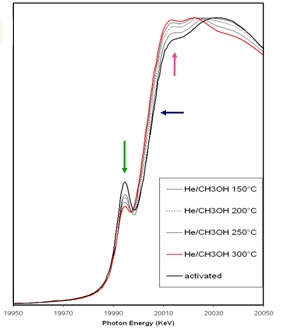
Sylvain Cristol is a Professor at the University of Lille within the Heterogeneous Catalysis department and the Modeling and Spectroscopy (MODSPEC) group. He teaches quantum chemistry, chemical bonding, statistical physics , and X-ray absorption spectroscopy at the university’s European Master’s program. PhD in Molecular and Organic Chemistry (1997-2000, Université de Provence) Postdoctoral work at Davy-Faraday Research Lab, Royal Institution of Great Britain (2000-2002) His research focuses on modeling hydrodesulfurization and hydrodeoxygenation catalysts for biomass valorization, supported by ANR-PNRB project ECOHDOC (with Caen, Poitiers, and TOTAL). He pioneered operando X-ray absorption spectroscopy for characterizing supported oxides (Mo/Re on alumina/anatase) via the ANR SAXO project (Paris VI, Grenoble, SOLEIL). Collaborative work with Francesco Mauri (Paris VI) advanced NMR parameter modeling in solids. Publications span DFT studies , XANES spectroscopy , and solid-state NMR applied to catalysis. Scientific awards include the UCCS Thesis Prize (highest honors) for his work on dibenzothiophene reactivity on molybdenum sulfide.
Ceri Hammond is a Senior Lecturer and Reader in Catalysis at Imperial College London's Department of Chemical Engineering, Faculty of Engineering. He leads the Hammond Lab, focusing on catalytic processes, biomedical engineering, and sustainable chemistry. His research integrates materials design, in situ spectroscopy, and reaction engineering. Key areas include biomass upgrading, C1 chemistry, and nanotechnology-driven cancer therapies. Education: PhD from Cardiff Catalysis Institute under Prof. Graham J. Hutchings. Postdoctoral work at ETH Zürich and Stanford University. Affiliations: Hammond Lab, Institute for Molecular Science and Engineering. Funding: Royal Society, Leverhulme Trust, RSC, EPSRC, and industry partners. Research Interests: Catalysis: Development of heterogeneous catalysts for biomass conversion, CO 2 methanation, and C1 chemistry. Innovations in catalyst stability and process intensification. Bio-medical Engineering: Nanoparticle-based targeted cancer therapies, leveraging expertise in nanotechnology. Publications: Over 50 peer-reviewed articles, with notable work on Sn-Beta catalysts, methane oxidation, and photocatalytic fluorination. Recent trends emphasize sustainable catalytic processes and biomedical applications. Awards: Harrison-Meldola Memorial Award, Royal Society University Research Fellowship. Lab Team: 1 PI, 2 PDRA, 7 PhD students, and undergraduate researchers. Labs/Teams: Hammond Lab at Imperial's South Kensington Campus, collaborating with multidisciplinary groups like the Institute for Molecular Science and Engineering.
Gary Koenig is Associate Professor of Chemical Engineering at the University of Virginia. His research program focuses on advanced materials for energy storage systems, particularly lithium-ion batteries and flow batteries. He holds a PhD from University of Wisconsin-Madison and completed postdoctoral research at Argonne National Laboratory. His group develops novel electrode architectures, including thick sintered electrodes and all-active-material designs, to improve battery energy density and rate capability. Research spans materials synthesis, electrochemical characterization, and transport modeling to overcome limitations in current energy storage technologies. Honors include the NSF CAREER Award (2017) and Fulbright Research Fellowship (2020). Recent publications examine electrode processing techniques, lithium extraction methods, and transport phenomena in battery systems. His work demonstrates innovations in electrode design that enable higher energy densities while maintaining cycling stability. He has taught courses including Applied Statistics, Chemical Reaction Engineering, and Energy Technology Options.