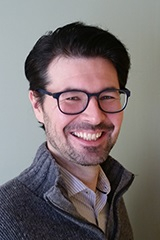
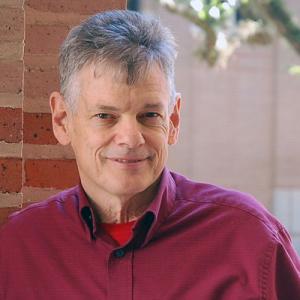
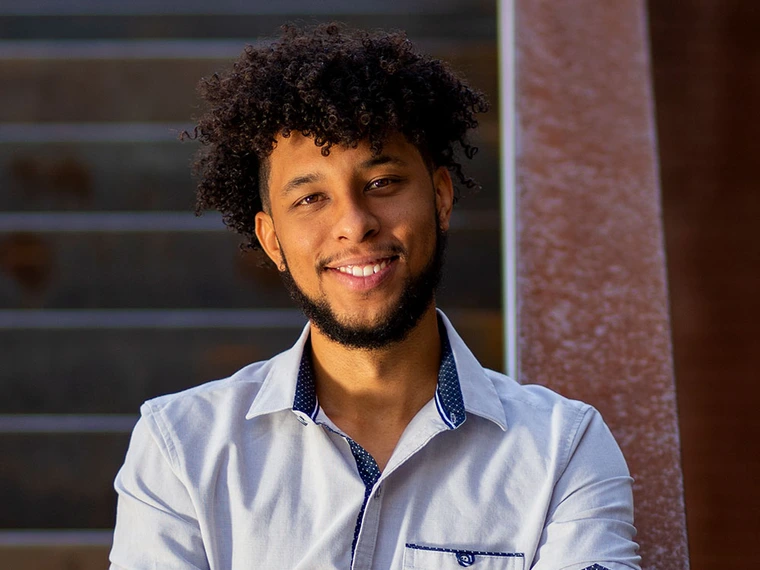
Manuel Rigger is an Assistant Professor at the National University of Singapore in the School of Computing and leads the Trustworthy Engineering of Software Technologies (TEST) Lab . His research focuses on improving data-centric systems , particularly their reliability, having found over 1,000 unique bugs in database systems. Education : PhD in Computer Science (2019) and MSc in Software Engineering (2015) from Johannes Kepler University Linz; MPhil in Chinese Philosophy (2015) from Xiamen University Research Highlights : Developed SQLancer – an automated testing framework that found 500+ bugs in DBMSs; created Query Plan Guidance (QPG) for efficient logic bug detection; received best paper awards at ICSE '23 and EuroSys '24 Scientific Awards : Recipient of 6 distinguished artifact/reviewer awards Major industry support from Google, AWS, and Microsoft Developed tools adopted by Oracle GraalVM and SQLite Teaching : Lecturer for CS3213 Foundations of Software Engineering and CS6223 Advanced Topics in Software Testing . Supervises multiple PhD/MSc theses on database testing and compiler reliability.
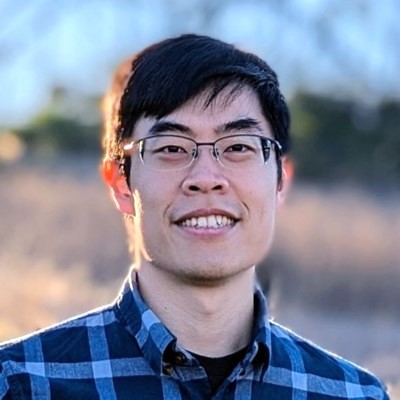
Rustam Z. Khaliullin is an Associate Professor in the Department of Chemistry at McGill University. He holds a B.S. from Higher Chemical College RAS (2002), a Ph.D. from the University of California Berkeley (2007), and completed postdoctoral research at ETH Zurich (2008-2011), the University of Zurich (2011-2012), and the Swiss National Science Foundation Fellowship (2012-2015). His research focuses on theoretical and computational chemistry, including quantum chemistry method development, scientific software implementation (Q-Chem and CP2K), and applications in materials, chemical physics, and green organic reactions. He teaches CHEM 505: Computer Modeling of Molecules and Materials. Research interests span: 1) novel quantum chemistry methods exploiting electron locality principles, 2) advancing computational tools for molecular and materials modeling, and 3) interdisciplinary studies of chemical processes in solids, solutions, and surfaces. Collaborations emphasize green chemistry and microscopic mechanism discovery. He has received prestigious funding including the Swiss National Science Foundation Fellowship. His contributions to open-source software (Q-Chem/CP2K) enable global scientific innovation. Current teaching emphasizes computational methods for graduate/advanced undergraduate students, covering electronic structure and statistical mechanics simulations.
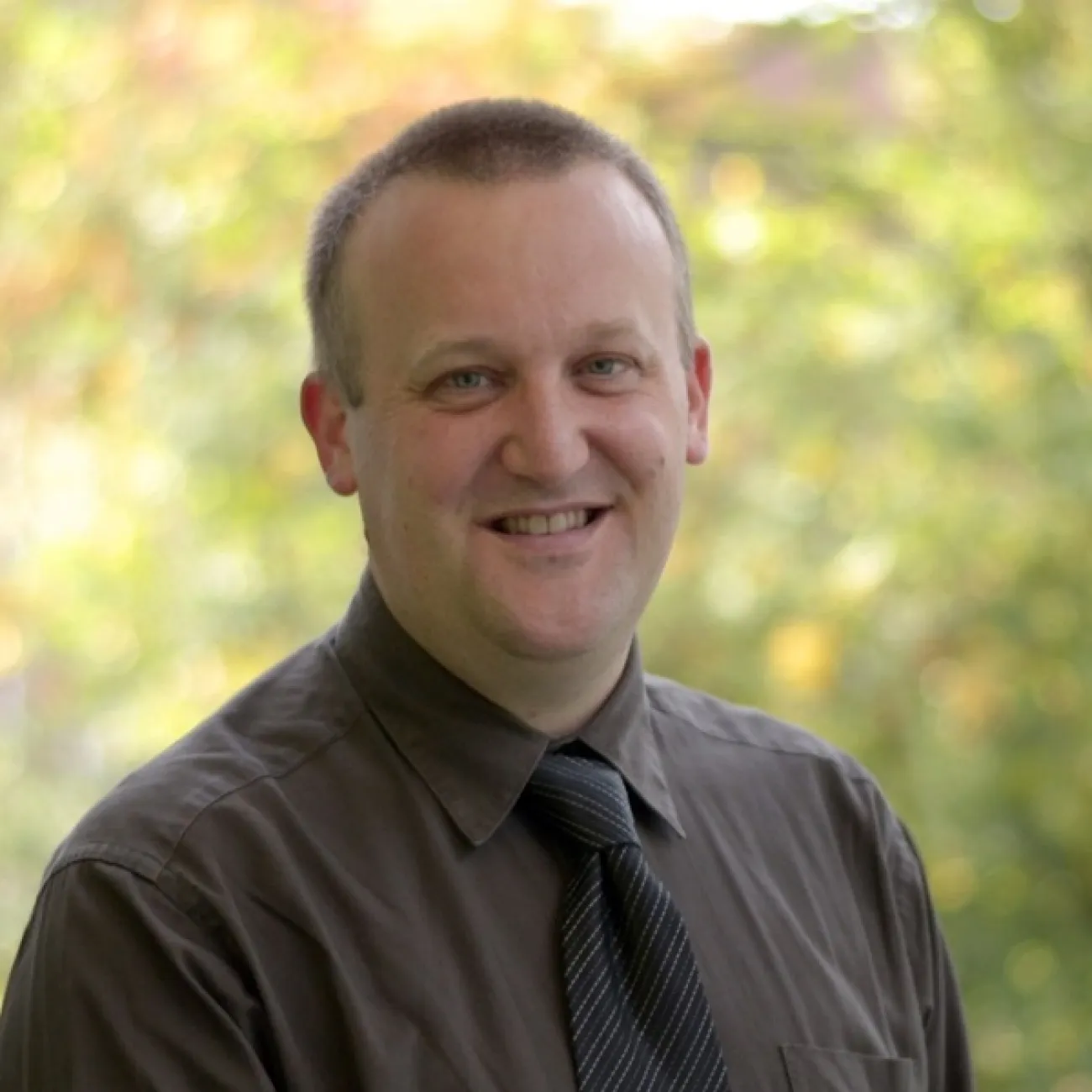
Jonathan Skelton is a Senior Lecturer in Computational and Theoretical Chemistry at the University of Manchester's School of Chemistry. He holds a Ph.D. in Computational Chemistry from the University of Cambridge (2010–2013) and a B.A. and M.Sc. in Natural Sciences from Trinity College, Cambridge (2006–2010). His research focuses on lattice dynamics and computational modeling of materials, particularly thermoelectrics, to enhance energy efficiency and sustainability. Education Ph.D. in Computational Chemistry, University of Cambridge (2010–2013) M.Sc. and B.A. Natural Sciences, Trinity College, University of Cambridge (2006–2010) Research Interests : Lattice dynamics, density-functional theory (DFT), thermoelectric materials, thermal transport, and computational materials design. His work emphasizes structural dynamics' role in material properties and the development of open-source tools for broader accessibility. Recent Research Trends : Recent publications explore thermoelectric properties of oxides (e.g., LaCoO₃), lanthanide frameworks, and 2D materials. His studies highlight advances in thermal conductivity reduction and phonon engineering for energy applications. Awards & Memberships : Associate Fellow of the UK Higher Education Academy, Member of the Royal Society of Chemistry. Grants & Supervision : Advised multiple PhD theses on topics like actinide systems and functional perovskites. Active in reviewing and conference participation. Labs & Collaborations : Works on open-source software development and collaborates globally on energy materials research.
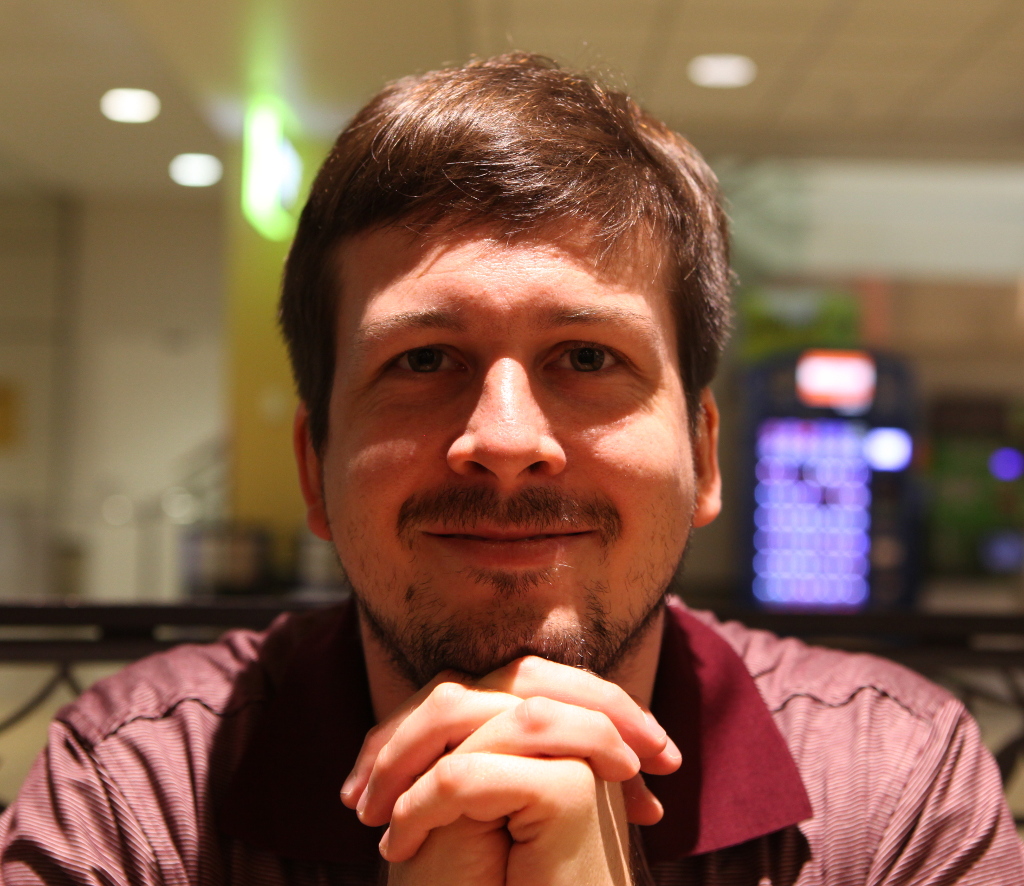
Hao-Wen Dong is an Assistant Professor in the Department of Performing Arts Technology at the University of Michigan, with an affiliation to the Computer Science and Engineering Department. His research focuses on Human-Centered Generative AI for content creation, emphasizing music, audio, and video domains. He holds a Ph.D. in Computer Science from UCSD, advised by Julian McAuley and Taylor Berg-Kirkpatrick. Affiliations: University of Michigan (Primary), UCSD (Ph.D.), National Taiwan University (B.S.) Research Pillars: Generative AI models for new domains, AI-assisted creative tools, and multimodal content creation His work spans music generation (e.g., MuseGAN), audio synthesis (e.g., ViolinDiff), and multimodal systems (e.g., TeaserGen). He has led over 25+ publications in top venues like ISMIR, ICASSP, and ICLR. He advises students in interdisciplinary projects and teaches courses on AI Music and Generative AI for Music/Audio Creation. Notable awards include the Doctoral Award for Excellence in Research (2024) and Rising Stars in AI (2024).
Professor Mark Weal is a faculty member in the Department of Electronics and Computer Science at the University of Southampton. He holds roles as Co-Director of the Web Science Institute, Director of the Centre for Doctoral Training in Web Science Innovation, and Web Science Trust Fellow. His research focuses on digital health interventions, behavioral change technologies, and semantic web applications. Notably, he co-leads the LifeGuide project, a £45M initiative developing online health interventions for conditions like diabetes, cancer, and respiratory illnesses. Research interests include social media analytics for disaster management, semantic web infrastructures, and information systems design. He has supervised multiple PhD students in web science and digital health domains. Professor Weal has received significant grant funding from bodies like MRC, EPSRC, and the European Commission. Key achievements include over 45 million pounds in research funding and leadership in interdisciplinary projects. His work spans technical innovation and societal impact, addressing challenges in healthcare accessibility and digital infrastructure governance.
Carlos Cámara-Menoyo is a Senior Research Software Engineer at the University of Warwick's Centre for Interdisciplinary Methodologies, where he bridges technical expertise with urban research. He holds a PhD in Information and Knowledge Society from the Universitat Oberta de Catalunya (2018), awarded the IND+I Science Prize. His academic roles include Lecturer at Universidad San Jorge and Associate Lecturer at Oxford Brookes University and Universitat Oberta de Catalunya. Education : PhD in Information and Knowledge Society (2018), Universitat Oberta de Catalunya MSc in Information and Knowledge Society (2012), Universitat Oberta de Catalunya MSc Architecture (2004), Universitat Politècnica de Catalunya Research Interests : Urban Studies, Open Science, Spatial Justice, Data Visualization, and Urban Commons. His work explores commodifications between cities, technology, and society, focusing on equitable urban development and participatory methods. Articles : His recent work addresses the Food-Water-Energy Nexus, participatory urban governance, and inclusive GIS applications. Key themes include sustainability transformations and co-design processes. Awards : IND+I Science Prize (2018), Cum Laude PhD distinction. Advising & Grants : Supervised Master’s theses on urban commons and co-production. Active in collaborative projects like Zaragoza Accesible and the Creating Interfaces initiative. Labs & Teams : Leads research software engineering efforts at CIM, promoting open science and reproducible workflows.
David Wishart is a Distinguished University Professor at the University of Alberta, holding dual appointments in the Faculty of Science (Biological Sciences) and the Faculty of Medicine & Dentistry (Department of Laboratory Medicine & Pathology) . He specializes in bioinformatics, metabolomics, and computational biology, with a focus on developing tools and databases such as PathBank, DrugBank, and MetaboAnalyst. His research interests include biomarker discovery for diseases like cancer and neurological disorders, metabolomics-driven precision medicine, and the development of standardized analytical protocols for NMR-based metabolomics. He teaches advanced courses in bioinformatics (BIOIN 301/401 and BIOL 501) and collaborates across disciplines, including computing science and veterinary medicine. Recent work emphasizes clinical validation of metabolite markers for early cancer detection, metabolomic analysis of animal health, and integration of metabolomic data with digital health systems. His contributions to open-source bioinformatics tools have been pivotal in advancing metabolomics research globally.
Dr Steve Maddock is a Senior Lecturer in Computer Graphics and Acting Head of the Visual Computing research group at the University of Sheffield's School of Computer Science. He holds a Class I Degree in Computer Science (University of Sheffield), a PGCE in Mathematics (11-18), and a PhD in computer graphics modeling and animation, all from the University of Sheffield. With over 30 years of experience in computer graphics software development, he has contributed to the computer games industry through a six-month secondment at Gremlin/Infogrames. His research focuses on facial modeling and animation, augmented/virtual/mixed reality applications, and sketch-based interfaces. Key areas include 3D computer graphics, real-time rendering, and human-robot collaboration systems. Maddock has led and co-led several grants, including projects on game software engineering, rail network surveillance, and heritage visualization using immersive technologies. He is a member of INSIGNEO, Sheffield Robotics, and the Cultural Industries Research Network. Publications highlight contributions to facial analysis for medical diagnostics, style transfer techniques for games, and safety zone visualization in robotics. His work integrates interdisciplinary approaches, combining computer science with fields like biology and robotics. Maddock's Visual Computing research group explores cutting-edge solutions in graphics, virtual environments, and computational tools for real-world applications.
Matthias S. Maier is an Associate Professor in the Department of Mathematics at Texas A&M University, affiliated with the College of Arts & Sciences. His research focuses on multiscale methods, computational fluid dynamics, and finite element software development, particularly with the deal.II library. He organizes an annual undergraduate summer school on PDE modeling and simulation. Research Interests: Multiscale effects in Maxwell’s equations, computational fluid dynamics, finite element methods, and numerical analysis. His work includes studies on surface plasmon-polaritons, homogenization theory, and high-performance computing for hyperbolic systems. Developed ryujin, a high-performance finite-element solver for compressible flows. Contributed to deal.II, a widely used open-source finite element library. Recipient of NSF awards (DMS 1912847, DMS 2045636) and AFOSR funding. Teaching includes courses on numerical methods (Math 417, 610), mathematical modeling (Math 442), and finite element methods (Math 676). He advises graduate students in applied mathematics and computational science. Labs/Teams: Core developer of deal.II and contributor to the ryujin framework. Collaborates with interdisciplinary teams in physics and engineering.
Robert 'Corky' Cartwright is a Professor of Computer Science at Rice University, specializing in programming languages and software engineering. His research focuses on parallel programming extensions for Java/Scala/Swift, smart programming environments for error-free code, pedagogic tools like DrJava, and intent-driven programming in the FAST language. He has contributed to cyber-physical systems modeling through frameworks like Acumen and DrHJ. Education: PhD (Computer Science, Stanford University, 1976), BA (Applied Mathematics, Harvard College, 1971). Awards include ACM Fellow (1998). Teaching emphasizes principles of programming languages and program design. His work bridges theoretical foundations (domain theory, formal semantics) with practical tools for education and industry.
Dr. Takahiro Yabe is an Assistant Professor at the Department of Technology Management and Innovation (TMI) and the Center for Urban Science + Progress (CUSP) within New York University's Tandon School of Engineering. His research focuses on computational social science and network science approaches to model urban resilience against disasters, pandemics, and technological disruptions. He holds a Ph.D. from Purdue University (2021) and degrees from the University of Tokyo (BS 2015, MS 2017). Previously, he was a Postdoctoral Associate at MIT's IDSS and Media Lab under Sandy Pentland and Esteban Moro. Research interests include urban resilience, human mobility, socioeconomic networks, inequality, and computational modeling. He leads the Resilient Urban Networks (RUN) Lab, an interdisciplinary group developing data-driven tools for urban systems analysis. His work has been published in top journals like Nature Human Behaviour, PNAS, and Nature Machine Intelligence. Recent grants include NSF funding for EV charging infrastructure planning (SAI 2024) and post-disaster mobility governance (HDBE 2024). Notable awards include the NICE STEP Researchers recognition (2024). His lab collaborates with urban planners, policymakers, and global institutions to advance equitable urban resilience strategies. Current projects involve open mobility data standards, disaster recovery policy assessment, and AI-driven urban modeling. Students supervised include PhD candidates Vaidehi Raipat (urban policy), Callie Clark (mobility equity), and DongHak Lee (socioeconomic networks). The lab also hosts visiting scholars like Mavin De Silva (EV charging systems) and supports master's students in mobility analysis and disaster response.
Dr. Steven Kleinstein is the Anthony N. Brady Professor of Pathology at the Yale School of Medicine, with secondary appointments in Immunobiology and Biomedical Informatics. He is Co-Director of Graduate Studies in Computational Biology and Biomedical Informatics, and leads the Kleinstein Lab. His research focuses on computational immunology, integrating big data analysis with immunology to study immune responses, including B cell receptor (BCR) repertoire profiling via AIRR-seq and multi-omic studies of infection/vaccination responses. Dr. Kleinstein holds a BAS in Computer Science from the University of Pennsylvania (1994) and a PhD in Computer Science from Princeton (2002). He is a member of the Computational Biology and Bioinformatics Program and the Human and Translational Immunology Program. Education: B.A.S. in Computer Science, University of Pennsylvania, 1994 Ph.D. in Computer Science, Princeton University, 2002 Research Interests: His lab develops computational tools (e.g., Immcantation framework) for analyzing BCR repertoires and immune responses to pathogens like SARS-CoV-2, HIV, and influenza. Key projects include understanding germinal center B cell maturation, antibody specificity prediction via language models, and immune correlates of disease severity in hospitalized patients. Collaborations span clinical and basic science groups to apply these methods to autoimmune diseases, allergies, and cancer. Grants & Collaborations: Active in NIH/NIAID initiatives (e.g., HIPC, PRIME) and industry partnerships. Lab members collaborate with institutions globally on projects like the IMPACC study and malaria vaccine research. Labs/Teams: The Kleinstein Lab at Yale is part of the Center for Biomedical Data Science and the Yale Cancer Center, emphasizing computational and experimental immunology integration.
Cristian Román-Palacios is an Assistant Professor in the Department of Ecology and Evolutionary Biology at the University of Arizona, where he also serves as Coordinator and Advisor for the Master of Science in Data Science (MSDS) and Master of Science in Information Systems (MSIS) programs. He is a core faculty member in Artificial Intelligence and Machine Learning, Data Management, Analysis and Visualization, and Environmental, Health and Biological Sciences. Education: PhD in Ecology and Evolutionary Biology, University of Arizona (2020) BS in Biology, Universidad del Valle, Colombia (2015) His research lies at the intersection of phylogenetics, biodiversity modeling, and machine learning, focusing on large-scale biodiversity patterns, the impacts of climate change on species survival, and the development of statistical tools for paleoclimatic reconstructions. He employs computational and data-intensive methods to explore evolutionary and ecological questions across diverse taxa. His recent publications (2024–2025) demonstrate a strong trend toward interdisciplinary research, combining computational biology, geochemistry, climate science, and open-source software development. Key themes include biodiversity informatics (e.g., Animal Culture Database), paleoclimatic modeling (e.g., clumped isotope thermometry), reproducibility in science, and tools for collaborative research (e.g., LabOps, SSARP). His work increasingly integrates data science with biological and environmental applications. Scientific Contributions: Published over 25 peer-reviewed papers, many as first author Research featured in Science News, Popular Science, CNN, USA Today Developed open-source tools: phruta , treedata.table , SSARP , LabOps Cristian advises graduate students through the infosci-msadvise@arizona.edu email and Calendly appointments. He was previously a staff researcher at UCLA’s Tripati Lab. He leads initiatives such as the Southwest Center on Resilience for Climate Change and Health and promotes inclusive, collaborative science through online toolkits and leadership ecosystems aimed at addressing climate and social inequities. His lab, the Román-Palacios Lab, and involvement with the Data Diversity Lab reflect his commitment to open, reproducible, and equitable research practices in data-intensive biology.
Melissa J. Moore, PhD, is Professor at the University of Massachusetts Chan Medical School, where she holds the Eleanor Eustis Farrington Chair of Cancer Research and serves in the RNA Therapeutics Institute. She also holds appointments in the T. H. Chan School of Medicine (Department of Chemical Biology) and the Morningside Graduate School of Biomedical Sciences (Departments of Biochemistry & Molecular Biotechnology, Interdisciplinary Graduate Program, and Translational Science). Additional affiliations include campus-wide programs in Bioinformatics & Integrative Biology and Chemical Biology. Education: BS in Chemistry/Biology, College of William and Mary PhD in Biological Chemistry, Massachusetts Institute of Technology Research Focus: Melissa Moore’s laboratory investigates post-transcriptional gene regulation in eukaryotes, with emphasis on three interconnected themes: (1) spliceosome structure and catalytic mechanism, (2) nuclear-to-cytoplasmic control of mRNA metabolism, and (3) quality control and clearance of defective ribosomal and messenger RNAs. The group combines biochemistry, single-molecule biophysics, RNA structural biology, and cell biology to dissect these processes at molecular and systems levels. Scientific Awards & Honors: Eleanor Eustis Farrington Chair of Cancer Research Funding & Collaborations: Work is supported by grants from the National Institutes of Health and involves ongoing collaborations with investigators at Brandeis University, MIT, University of Rochester, and other institutions. Rotation projects for graduate students are available in all active research areas. Laboratory & Team: The Moore laboratory is located in the RNA Therapeutics Institute at UMass Chan Medical School, 364 Plantation Street, Worcester, MA. The team employs state-of-the-art single-molecule imaging, mass spectrometry, and high-throughput sequencing to advance understanding of RNA biology and to translate insights into therapeutic RNA technologies.
Professor Massimiliano Gubinelli is the Wallis Professor of Mathematics at the University of Oxford and a Professorial Fellow at St. Anne's College. He leads the Stochastic Analysis Group within the Mathematical Institute, where his research focuses on stochastic analysis, constructive quantum field theory, and the intersection of probability theory with partial differential equations (PDEs) and renormalization group methods. His work spans statistical mechanics of multiscale systems, analysis of PDEs with random terms, homogenisation theory, mathematical quantum mechanics, path-integral formalisms, and non-commutative probability/geometry. He has pioneered paracontrolled distribution techniques to study singular stochastic PDEs and explored rough paths in ramification and transport equations. Recent publications highlight advancements in the sine-Gordon model via stochastic quantization, nonlinear PDEs with modulated dispersion, and ρ-irregularity in stochastic systems. His research bridges stochastic analysis, quantum field theory, and PDEs, emphasizing pathwise behavior and renormalization. Scientific Awards Junior member of the Institut Universitaire de France (2013–2018) Invited session speaker at the 2018 International Congress of Mathematicians (ICM) in Rio He contributes to scientific software development as a lead developer of TeXmacs , an open-source platform for technical documents, and teaches courses such as C8.1 Stochastic Differential Equations (MT22). No formal student advisement or grant details are provided.