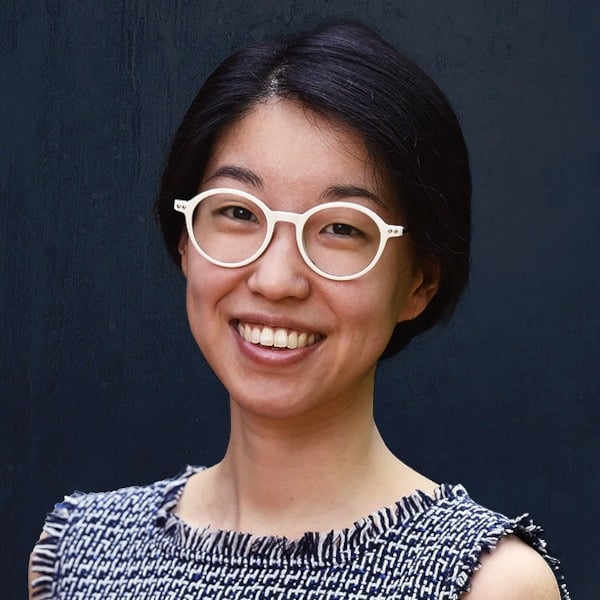
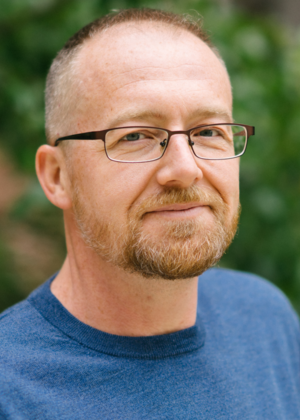
Paolo Guarda is an Assistant Professor in Comparative Private Law at the University of Trento's Faculty of Law . He leads research in Data Protection, Privacy Law , and E-Health Technologies , with a focus on GDPR compliance and legal frameworks for emerging tech like AI. Key Contributions: Authored over 100 publications, including books on privacy and medical data governance Organized international conferences on AI ethics and privacy in healthcare Coordinated EU-funded projects like reCreating Europe and NATHCARE Research Themes: Privacy by design in telemedicine Intellectual property challenges in robotics GDPR implementation in global health research Affiliations: Member of the Trento Law and Technology Research Group Collaborates with scholars such as Roberto Caso and Thomas Margoni
Matt Sienkiewicz is a Professor and Chair of the Communication Department at Boston College, where he also serves as Director of the Jewish Studies Program and Faculty Advisor to Hillel. He holds a Ph.D. and specializes in global media cultures, Jewish civilization, and comedy studies. His research explores intersections between media, politics, and identity, with a focus on satire, conservative media strategies, and digital content dynamics. Dr. Sienkiewicz has authored influential books such as That's Not Funny: How the Right Makes Comedy Work for Them (2022) and The Other Air Force: U.S. Efforts to Reshape Middle Eastern Media Since 9/11 (2016). His work appears in journals like Journal of Cinema and Media Studies , Media, Culture & Society , and Columbia Journalism Review . He is also an Emmy-nominated media producer, with credits including the documentary Live From Bethlehem and the TV series Windy Acres . His research interests span right-wing media ecosystems, streaming content representation, and the role of comedy in political discourse. Recent projects analyze niche streaming platforms, podcasting’s cultural impact, and counter-narratives in conflict zones like Syria and Ukraine. Awards include recognition for his Emmy-nominated media projects. Awards: Emmy Nomination (Media Production) Media Work: Documentaries, TV series, and open-source journalism initiatives Leadership Roles: Department Chair, Jewish Studies Director, and advisor to campus organizations His academic contributions bridge scholarly rigor and creative media practice, emphasizing the societal role of humor and media in shaping cultural and political landscapes.
Dr Preeti Raghunath is a Lecturer in Digital Media and Society at the University of Sheffield's School of Sociological Studies, Politics and International Relations. She holds a PhD from the University of Hyderabad and has prior academic roles at Monash University. Her research focuses on global media policy, sustainable technology governance, and AI/ data policies in the Global South. She co-leads the STeMiS research theme and is a Fellow at the Institute for Global Sustainable Development. Her education includes a PhD in Communication (2019) and MPhil in International Relations (2011). Before academia, she worked in journalism, corporate communications, and research. Her work integrates critical policy ethnography and deliberative frameworks, with a focus on South Asia and Southeast Asia. Research highlights include the Deliberative Policy Ecology Approach for media governance, studies on AI policy gender dimensions, and analysis of digital state assemblages. She's contributed to UN-funded projects on AI and women's rights, and her work is part of Columbia University's Global Freedom of Expression curriculum. Teaching includes modules on digital society, research methods, and global data industries. She's secured grants from entities like UN Women, Ford Foundation, and the Open Society Foundations. Awards include the 2018 IAMCR Best Paper Award. Professional roles include Co-Editor of Palgrave's Global Media Policy series and Editorial Board member of Journal of Digital Media & Policy . She collaborates internationally, including partnerships with UNU Macau and India's National Media Policy consultations.
Aaqib Saeed is an Assistant Professor in the Department of Industrial Design at Eindhoven University of Technology. His research focuses on Human-Centric AI, Federated Learning, Self-Supervised Learning, and Audio Understanding, with applications in Personal Health. He holds a PhD (cum laude) from TU/e and an MSc (cum laude) from the University of Twente. Education: PhD in Computer Science (cum laude), TU/e (2021) MSc in Computer Science (cum laude), University of Twente (2018) Research Interests: Development of robust federated learning frameworks for decentralized data Self-supervised learning for audio and physiological signal analysis AI-driven solutions for healthcare monitoring Key Contributions: DeltaMask: Reducing communication overhead in federated fine-tuning FedNS: Mitigating noisy decentralized data in federated learning Labeling Chaos to Learning Harmony: Handling label noise in FL Professional Experience: Visiting Industrial Fellow, University of Cambridge (2023) Research Scientist, Philips Research (2019–2023) Research Internships: Google Research, TNO/EIT Digital Awards: UT Scholarship (MSc) Cum Laude awards for both PhD and MSc Labs/Teams: EAISI Health, EAISI Foundational, Computational Design Systems.
Ying-Cheng Lai is a Regents' Professor in the School of Electrical, Computer and Energy Engineering at Arizona State University (ASU), where he has been a full-time faculty member since 2005. He holds affiliations with the Center for Biodiversity Outcomes and the Center for Biological Physics. Previously, he served as the Sixth Century Chair in Electrical Engineering at the University of Aberdeen (2009–2017) and returned to ASU as the ISS Endowed Professor (2014–present). His academic journey includes a BS and MS in Optical Engineering from Zhejiang University (1982–1985), followed by MS and PhD in Physics from the University of Maryland, College Park (1989–1992). He completed a postdoctoral fellowship in Biomedical Engineering at Johns Hopkins University School of Medicine (1992–1994). His research focuses on Nonlinear Dynamics and Chaos , Machine Learning applied to complex systems, Relativistic Quantum Chaos , Complex Networks , Mathematical Biology , and Theoretical Ecology . He explores topics such as quantum scars in Dirac materials, synchronization control in networks, and early warning signals for ecological tipping points. His work integrates data analysis techniques with interdisciplinary applications in healthcare, climate science, and cybersecurity. His recent publications highlight advancements in machine learning-driven predictions for critical transitions, quantum transport modeling in graphene, and cybersecurity strategies for power grids. These trends reflect his commitment to bridging theoretical physics with applied engineering solutions. Awards: Regents Professor (ASU's highest faculty honor, 2021) Vannevar Bush Faculty Fellowship (DoD, 2016) Corresponding Fellow of the Royal Society of Edinburgh (2018) Foreign Member of Academia Europaea (2020) Fellow of AAAS (2020) Fellow of the American Physical Society (1999) Ying-Cheng Lai has advised 24 PhD and 20 MS students, supported 15 postdocs, and secured funding from agencies like DOD (AFOSR, ARO, Navy-ONR), NSF, and the National Academies. His grants include projects on quantum billiard systems, sensor applications, and network resilience in multilayer ecological frameworks. He runs a research group focused on advanced topics in electrical engineering and interdisciplinary physics.
Monika Kuffer is a Full Professor at the University of Twente's Faculty of Geo-Information Science and Earth Observation (ITC), holding additional roles as Associate Professor in the Department of Urban and Regional Planning and Geo-Information Management. She leads research in urban remote sensing, deprived area monitoring, and sustainable urban development. Her work integrates spatial statistics, machine learning, and citizen science to inform inclusive city planning. Education: PhD in Human Geography & GIS from the University of Twente MSc in Human Geography (TU Munich) MSc in Geographic Information Science (University of London) Research Interests: Urban Remote Sensing Slum and Deprivation Mapping Climate Adaptation Strategies Citizen Science for Urban Inequalities Earth Observation Policy Support Articles Trends: Recent work emphasizes multi-city climate adaptation analyses, thermal inequality assessments in African slums, and scalable deprivation modelling frameworks like IDEAMAPS. Projects like ONEKANA and NightWatch highlight fusion of EO data with community-driven methods. Awards: 2022 EO4all Prize for innovative Earth Observation applications Advising & Grants: Supervised 3 PhD/MSc projects. Active in global initiatives like the EU's Knowledge Centre on EO and the UN's SDG frameworks. Leads datasets on deprivation (e.g., IDeAMapSudan). Labs/Teams: Core member of ITC's Urban Remote Sensing and GeoAI teams. Collaborates with the Digital Society Institute for interdisciplinary urban research.
David Weisblat is a Professor in the Department of Molecular and Cell Biology at UC Berkeley's College of Letters & Science. His research focuses on developmental and evolutionary processes in glossiphoniid leeches (e.g., Helobdella ), particularly their segmentation mechanisms and molecular phylogeny within Lophotrochozoa. He leads studies integrating embryological, genomic, and genetic approaches to understand how developmental pathways evolved across bilaterian animals. Research Interests: Weisblat’s work addresses how cell fates and signaling pathways (WNT, NOTCH, TGFβ) shape leech development, with emphasis on the evolutionary origins of segmentation. His lab combines microinjection techniques, transcriptome analysis, and CRISPR mutagenesis to explore stem cell dynamics and conserved developmental programs. Key Projects: Current efforts investigate grandparental stem cell divisions in segmentation and intercellular signaling during early embryogenesis. The lab’s genomic resources—including BAC libraries and EST databases—facilitate comparative studies across Lophotrochozoan taxa. Lab Contributions: The Weisblat lab pioneered Helobdella as a model organism, enabling breakthroughs in Evo-Devo. Their findings bridge developmental plasticity and evolutionary innovation, particularly in annelids versus arthropods/deuterostomes.
Gaétan de Rassenfosse is an Associate Professor at EPFL's School of Management of Technology (CDM), specializing in Science, Technology, and Innovation Policies. He joined EPFL in 2014 and holds a PhD in Economics from the Solvay Business School (Université Libre de Bruxelles). His research focuses on crafting evidence-based policies for knowledge economies, particularly in intellectual property, intangible capital measurement, and 'science of science.' He has published in top journals like Journal of Industrial Economics and Research Policy , secured over CHF 2.5M in research grants, and advised governments and international organizations such as the European Commission and Swiss Federal Office for Education and Research (SERI). He teaches courses on innovation economics and intellectual property management. Professional roles include membership in the CDM Management Board, the Conference of Section Directors (CDS), and doctoral program committees. His advising includes guiding 5 PhD students focusing on policy impacts in clean technology, innovation incentives, and science organization. Key research themes span patent systems, innovation policy efficacy, and cross-border knowledge flows. He actively engages with media and policymakers to translate academic insights into actionable public strategies.
Associate Professor Zohra Lassi is an internationally recognized epidemiologist affiliated with the University of Adelaide’s School of Public Health and Robinson Research Institute. Her work focuses on improving reproductive, maternal, newborn, child, and adolescent health in low-resource settings, with expertise in evidence synthesis and global health policy. She holds an NHMRC Ext-Funded Emerging Leader-2 Fellowship. Education: PhD (2015). Professional roles include Feedback Editor for Cochrane’s Acute Respiratory Infections Group and Technical Advisor to the WHO. Awards include Cochrane’s Kenneth Warren Prize (2011) for exceptional systematic review work. Key research interests: scaling evidence-based interventions, community health worker strategies, and implementation research in health systems. Her work contributed to global maternal and newborn policies, including contributions to Lancet series and WHO guidelines. Publications: Over 200 peer-reviewed articles in top journals (e.g., Lancet, BMJ, PLOS Medicine) plus 10 Cochrane reviews and 11 book chapters. Current studies include preconception health interventions in LMICs, CVD risks in mothers/children with pregnancy complications, and Aboriginal youth health in SA. Awards: Kenneth Warren Prize (Cochrane, 2011), NHMRC Fellowship, invited contributions to five Lancet review groups. Supervision: Currently at capacity for PhD/Masters supervision but open to discussions. Active in mentoring global health researchers and policy advisors.
Giuseppe Colangelo is an Associate Professor of Law and Economics at the University of Basilicata and holds adjunct roles at LUISS Guido Carli (Rome, Italy) and the Transatlantic Technology Law Forum (TTLF). He specializes in innovation policy, competition law, and economic analysis of legal frameworks. His research bridges EU and U.S. antitrust approaches, focusing on digital markets, data governance, and transnational litigation. Education includes a Law degree from LUISS Guido Carli, an LL.M. in Competition Law from Erasmus University Rotterdam, and a Ph.D. in Law and Economics from LUISS. He has been a TTLF Affiliate since 2017. Key research interests include AI-driven collusion, antitrust implications of data accumulation, and interoperability policies. Over 15 publications analyze topics like anti-suit injunctions in SEP litigation, EU-US regulatory divergence in digital platforms, and privacy-antitrust intersections. His work emphasizes transatlantic comparative law and policy recommendations for addressing market power in tech sectors.
Babak Akhgar serves as Professor of Informatics and Director of CENTRIC (Centre of Excellence in Terrorism, Resilience, Intelligence and Organised Crime Research) at Sheffield Hallam University's College of Business, Technology and Engineering, with additional affiliation to the Culture and Creativity Research Institute. Recognized as a Fellow of the British Computer Society (FBCS), he maintains active leadership in security informatics research and education. His academic foundation includes a Software Engineering degree from Sheffield Hallam University, complemented by a Master's degree with distinction in Information Systems in Management and a PhD in Information Systems. This academic trajectory followed substantial industry experience as a Strategy Analyst and Methodology Director for multiple organizations. Professor Akhgar's research program bridges theoretical knowledge management with practical security applications, focusing on cyber security, counter-terrorism, intelligence frameworks, and big data analytics for national security. His scholarly output demonstrates consistent evolution from foundational knowledge management systems toward contemporary security challenges including cryptocurrency tracing, AI accountability in law enforcement, and smart city security frameworks. Recent work shows particular emphasis on ethical considerations, citizen acceptance of security technologies, and practical implementation of security solutions. Fellow of the British Computer Society (FBCS) Co-editor of influential security publications including 'Intelligence Management: Knowledge Driven Frameworks for Combating Terrorism and Organised Crime' Member of editorial boards for three international journals Chair and program committee member for numerous international security conferences As a doctoral supervisor, Professor Akhgar has guided research on cyber situational awareness, digital music ontology, and e-government services. His leadership extends to major EU-funded security initiatives including the MIICT project for migrant integration and development of the AP4AI accountability framework for artificial intelligence in security contexts. Through CENTRIC, he directs a research ecosystem that connects academic inquiry with real-world security challenges while addressing ethical, legal, and societal implications of security technologies.
Jean Fan, PhD is an Assistant Professor of Biomedical Engineering at Johns Hopkins University, affiliated with the Center for Computational Biology and Institute for Computational Medicine. Her research focuses on developing machine learning methods to analyze spatially resolved and single-cell omics data. Her team, the JEFworks Lab, creates open-source tools for analyzing high-dimensional biological data to understand cellular identity, tissue organization, and disease progression. Dr. Fan's work bridges computational biology with clinical applications, particularly in leukemia and pediatric brain cancers. Education: BS in Biomedical Engineering & Applied Math from Johns Hopkins (2013); PhD in Bioinformatics from Harvard Medical School (2018); Postdoc in Chemical Biology/Physics at Harvard (2018–2020) under Xiaowei Zhuang, focusing on spatial transcriptomics. Research emphasizes spatial genomics and computational tool development, with key contributions to spatial alignment algorithms (STalign), normalization techniques, and cell-type deconvolution methods. Her lab's work has advanced understanding of kidney ischemic injury, glioblastoma spatial dynamics, and CLL pathogenesis. Awards include Forbes 30 Under 30, NSF CAREER Award, and 2025 PECASE. She founded CuSTEMized, a nonprofit providing STEM storybooks for girls. Recent collaborative projects include HuBMAP 3D reference atlas construction and Discovery Award-funded interdisciplinary initiatives. Labs/Teams: JEFworks Lab (primary); active collaborations with Dana-Farber Cancer Institute and Harvard Medical School. Current efforts focus on spatially resolved multi-omic integration and clinical translation of computational tools.
Roles & Affiliations: Distinguished Research Professor in Statistical Science at Queensland University of Technology (QUT), Director of QUT Centre for Data Science, and Associate Member of University of Oxford's Department of Statistics. Served as Deputy Director of ARC Centre of Excellence in Mathematical and Statistical Frontiers (2015–2021) and ARC Laureate Fellow (2015–2021). Education: BA (Hons) and PhD in Mathematical Statistics from University of New England, Australia. Completed post-doctoral roles at multiple Australian universities. Research Interests: Specializes in Bayesian statistical modelling, computational methods, and their applications in environmental science, genetics, healthcare, and industry. Leads projects on coral reef recovery, cancer epidemiology (Australian Cancer Atlas), and virtual citizen science platforms like Virtual Reef Diver. Her work emphasizes interdisciplinary collaboration, integrating complex data sources with advanced statistical techniques to address real-world challenges. Publications & Grants: Over 350 refereed journal publications and attracted >30 major grants. Recent focus areas include influenza epidemiology, spatial health disparities, and AI-driven early warning systems for climate-sensitive diseases. Active in developing methodologies for spatial statistics, small-area estimation, and federated learning. Awards & Recognition: 2024 Ruby Payne-Scott Medal (Australian Academy of Science), Pitman Medal (2016), first female recipient of this award in 35 years. Elected Fellow of Australian Academy of Science (2018), Academy of Social Sciences (2018), and Queensland Academy of Arts and Sciences (2018). Holds international roles including Vice-President of International Statistical Institute (2021–2025) and Scientific Council Member at Centre International de Rencontres Mathématiques (France). Supervision & Leadership: Supervised over 36 PhD students and leads teams in >50 collaborative projects. Current supervision includes 5 PhD and 4 Masters students at QUT. Founded the QUT Centre for Data Science and previously led the Collaborative Centre for Data Analysis, Modelling and Computation. Labs & Initiatives: Core contributor to the Australian Cancer Atlas 2.0, Virtual Reef Diver project, and Queensland's Learning Potential Fund. Active in global initiatives like the World of Statistics campaign and UN Big Data Task Teams.
Scott Forbes is a Professor in the Department of Biology at the University of Winnipeg, affiliated with the Richardson College for the Environment and Science Complex. His research focuses on behavioral ecology, particularly family dynamics in birds, and fisheries management in Manitoba. He has conducted long-term studies on marsh-nesting blackbirds, exploring conflict and cooperation within families. Recent work investigates commercial potential of non-traditional freshwater fish species and bioproduct development. Forbes actively mentors graduate students and postdocs with funding opportunities. Research interests include avian behavior, reproductive strategies, and ecological impacts of fisheries. Theoretical work combines portfolio theory to model parental investment risks. Field studies emphasize red-winged blackbirds and brood parasitism in host-parasite systems. Publications span avian ecology, evolutionary biology, and environmental science. No scientific awards were explicitly noted in the provided texts. Advising and grants: Open to accepting funded graduate students. Research focuses on wetland birds and resource management, with field studies in Manitoba's freshwater ecosystems. Projects combine empirical and theoretical approaches to understand family conflict resolution, offspring competition, and ecological sustainability.
Christopher Brooks is an Assistant Professor at the University of Michigan's School of Information, specializing in educational technologies and data science education. He directs the Educational Technology Collective (etc), a multidisciplinary research group focused on learning analytics, educational data mining, and collaborative learning systems. His work bridges computer science and education, with a focus on improving teaching methods through AI-driven tools and platforms. Research Interests: Development and impact assessment of educational technologies Predictive modeling for student success Data science pedagogy Privacy in smart home technologies Publications reflect a focus on learning analytics, MOOC design, and educational AI, with notable contributions to conferences like CHI, LAK, and AIED. Awards include multiple best paper recognitions. Teaching includes applied data science courses at UMich and Coursera. He leads the Master of Applied Data Science (MADS) program and collaborates with institutions like Microsoft to build AI-driven educational tools.