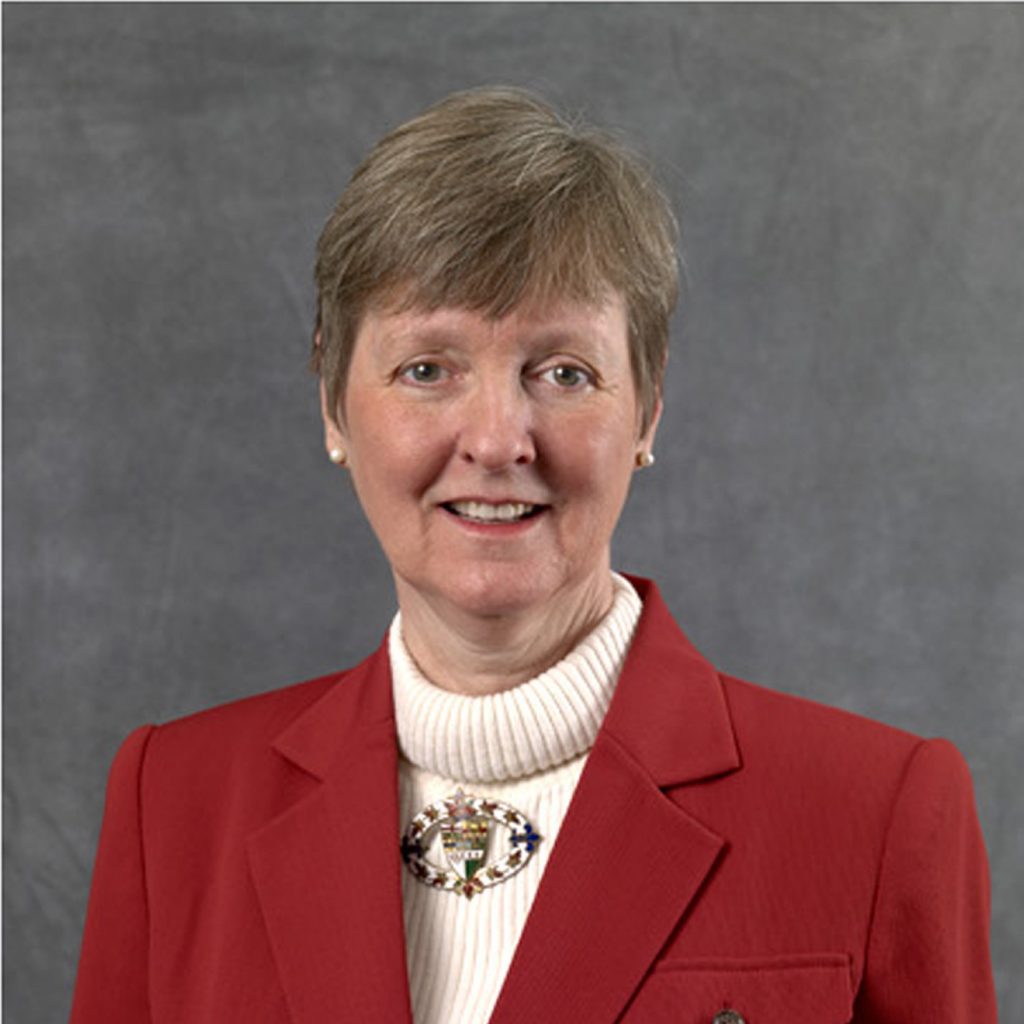
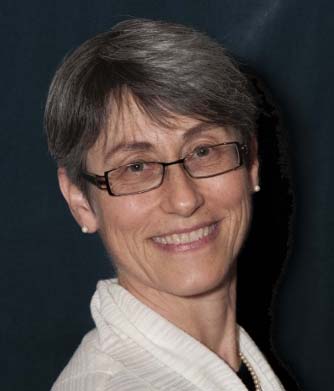
Barbara J. Evans is a Stephen C. O’Connell Chair Professor of Law and Professor of Engineering at the University of Florida, with joint appointments in the Levin College of Law and Herbert Wertheim College of Engineering. She focuses on data privacy, AI/ML medical software regulation, genomic technologies, and diagnostic testing, and is a key member of the NIH Bridge2AI project. Education : J.D. from Yale Law School, LL.M. in Health Law from the University of Houston, postdoctoral training in clinical ethics at MD Anderson, and a Ph.D. in Earth Sciences from Stanford. Her research bridges law and engineering, emphasizing ethical and regulatory challenges in AI/ML medical applications, genomic data governance, and DIY biotechnology. She has led initiatives like the LawSeq SM project to standardize genomic analysis policies. The 15 most recent works highlight her interdisciplinary focus on AI ethics in healthcare, genomic privacy, and regulatory frameworks for emerging technologies. Key subfields include biomedical data sharing, FDA compliance, and equitable access to health data infrastructure. Scientific Awards : American Law Institute membership, IEEE Senior Membership, Greenwall Foundation Faculty Scholar. Evans has collaborated with institutions like the American College of Medical Genetics and Genomics (ACMG) and contributed to guidelines for genomic medicine. Her grants include NIH funding for Bridge2AI and LawSeq SM projects.
Jana Cason, DHSc, OTR/L is a Professor in the Department of Occupational Therapy at the Graduate College of Health Sciences, Hawai'i Pacific University. With a career spanning diverse practice settings—including hand therapy, outpatient rehabilitation, and telehealth—she has significantly advanced the use of telehealth in occupational therapy through research, policy development, and international collaboration. Doctorate in Health Science (DHSc) from the University of Indianapolis MHS and BS in Occupational Therapy from the University of Indianapolis and University of Alabama at Birmingham Her research focuses on telehealth implementation, compassionate care, and early intervention. She has authored peer-reviewed articles, book chapters, and standards for telehealth practice, and serves as Senior Associate Editor for the International Journal of Telerehabilitation . Dr. Cason has presented globally and contributed to resolving licensure portability challenges for telerehabilitation professionals. Fellow of the American Occupational Therapy Association (FAOTA) Developer of telehealth protocols and frameworks Advocate for uniform state licensure requirements She integrates clinical practice, research, and education, emphasizing cultural competence in Hawaiian and Pacific Asian contexts while maintaining three rescue dogs and cats with her family.
Dr. Abby Haynes is a Research Fellow at the Sydney School of Public Health, University of Sydney, affiliated with the Institute for Musculoskeletal Health and Faculty of Medicine and Health. Her work focuses on physical activity for healthy ageing and people with disability, employing qualitative research, systems thinking, and realist evaluation. Key research themes include: Healthy Ageing Disability and Physical Activity Implementation Science Knowledge Mobilisation Her recent publications analyze: Inclusive sports programs for children with disability Fall prevention in acute hospitals Telehealth physiotherapy for aged care Realist evaluations of yoga and dance interventions Systems thinking in public health policy These emphasize public health, gerontology, and health equity approaches. Grants include MRFF-funded projects on traumatic brain injury rehabilitation (2024), fall prevention (2023), and aged care mobility (2022).
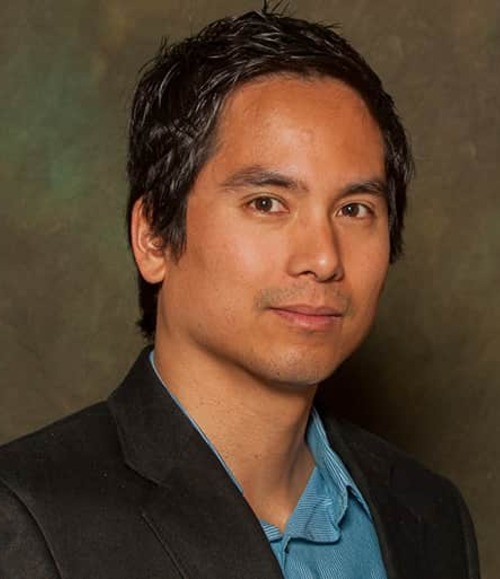
Bruno Takahashi is the Brandt Endowed Professor of Environmental Communication at Michigan State University, holding a joint appointment in the School of Journalism and AgBioResearch. He serves as Research Director of the Knight Center for Environmental Journalism and maintains affiliations with the Health and Risk Communication Center, the Environmental Science and Policy Program, and the Center for Latin American and Caribbean Studies at MSU. Born and raised in Lima, Peru, Dr. Takahashi earned his bachelor's degree in communication from Universidad de Lima, followed by M.S. and Ph.D. degrees in Environmental Science from SUNY ESF. Bachelor's in Communication, Universidad de Lima, Peru M.S. in Environmental Science, SUNY ESF Ph.D. in Environmental Science (specializing in environmental communication and participatory processes), SUNY ESF Dr. Takahashi's research program focuses on news coverage of environmental issues, environmental journalism practices in Latin America and U.S. Latino media, and identity in science communication. His work emphasizes counter-hegemonic environmental discourses in Latin American contexts, examining complex networks of actors, media, and communication processes embedded in post-colonial and social and environmental justice dynamics. He has conducted extensive field research in Peru, Bolivia, and Puerto Rico, with particular attention to environmental communication during disasters and in Indigenous communities. His recent scholarly output reveals a strong trend toward examining climate change communication through diverse cultural lenses, with significant attention to Latin American perspectives, immigrant experiences in the United States, and identity factors in science communication. His publications frequently address decolonial approaches to environmental communication and the need for more inclusive international scholarship that centers Global South perspectives. Scientific awards and recognitions include: 2024 AEJMC First Place in Latin American Communication Research 2021 Fellow of the Institute for Diverse Leadership, AEJMC 2019 Knudson Latin America Book Prize Multiple top paper awards from ICA and AEJMC conferences Dr. Takahashi actively mentors a diverse research team of Ph.D. students, post-doctoral associates, and MA students, with former students now holding positions at universities including University of Nevada, University of Minnesota, and Emory University. His research is supported by significant grants including a $2.8 million NSF grant for the SciComm Identities Project, funding from the Climate and Land Use Alliance, and multiple State Department and Embassy grants for environmental journalism training in Latin America. He has developed and led education abroad programs to Peru (2018, 2024) and the Netherlands/Belgium (2022), providing experiential learning opportunities for students in environmental communication. As Research Director of the Knight Center for Environmental Journalism, Dr. Takahashi leads initiatives supporting environmental journalists globally. His current projects include examining environmental discourses in the Peruvian Amazon related to oil spills affecting Indigenous communities, studying decolonial environmental journalism practices in Bolivia and Peru, and co-leading Working Group 5 on Public Engagement and Governance for The Lancet Countdown Latin America, which has generated significant media coverage in outlets like CNN and El País.
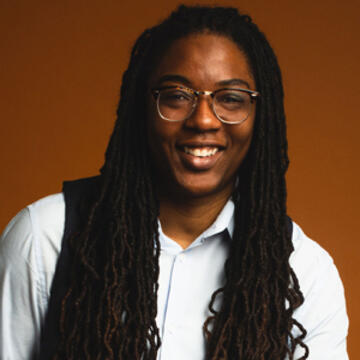
Academic Profile Christina Harrington is an Assistant Professor at Carnegie Mellon University with dual appointments in the School of Computer Science (Human Computer Interaction Institute) and School of Design. She directs the Equity and Health Innovations Design Research Lab , focusing on community-centered technology design. Her work bridges industrial design, interactive systems, and human factors psychology to advance health equity through technology. Research Focus Harrington's research employs participatory and speculative design methods to address systemic inequities in technology. She examines how design can support health autonomy for older adults, people with disabilities, and historically excluded communities (particularly Black and Latinx populations). Her work actively challenges corporate design paradigms through frameworks like design justice and community collectivism , with recent emphasis on ethical AI and conversational technologies. Research methodologies include: Community-based participatory research Speculative co-design Critical race and disability frameworks Intersectional analysis of technology impacts Publications Focus Her recent publications (2023-2025) demonstrate strong focus on equity-centered design with three dominant themes: 1) Health technology disparities affecting Black older adults, 2) Participatory AI and algorithmic justice, and 3) Design justice pedagogy. Over 60% of recent works explicitly examine racial equity in AI systems, health interfaces, and design education. Honors & Recognition Google Award for Inclusive Research (2022) for "Transforming theory into practice: eliciting cultural imaginaries and design thinking to understand Black-Centered Design" Skip Ellis Early Career Award (2022) Data & Society Faculty Fellow (2022-2023) Leadership & Impact As lab director, Harrington leads community-engaged projects that translate design justice principles into practice. She serves on committees for community tech initiatives and has industry experience at Apple, Lenovo, and Motorola. Her work influences both academic discourse (ACM CHI, CSCW, DIS) and industry practices in ethical design.
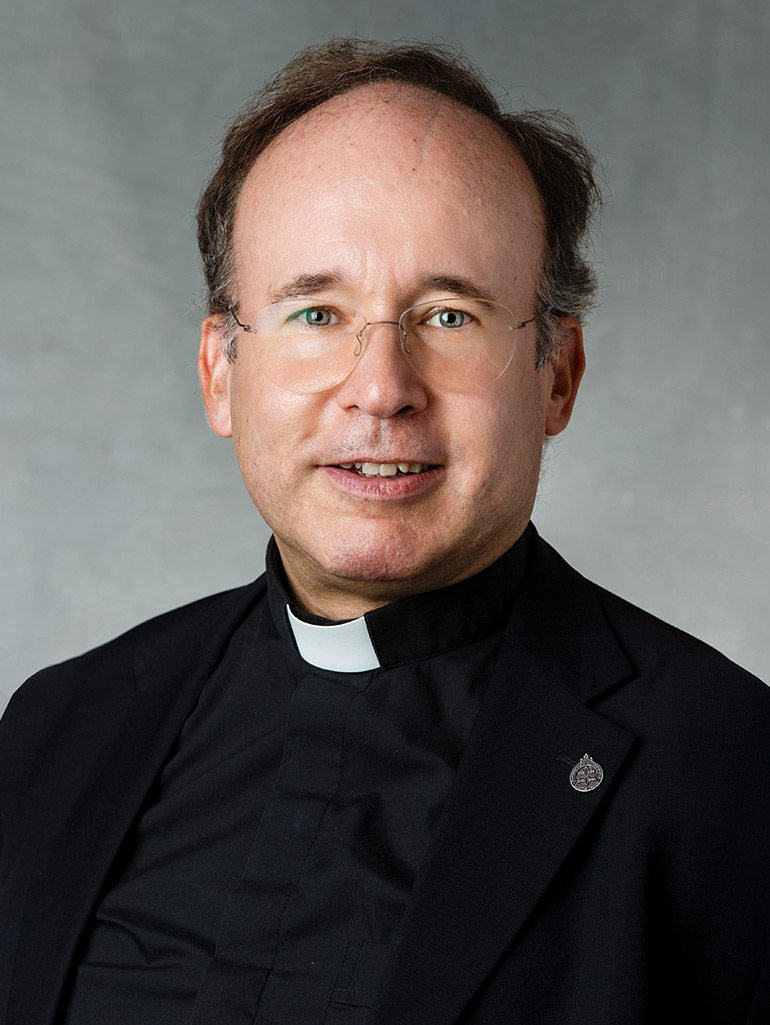
Martin Schlag is Professor at the University of St. Thomas holding the Alan W. Moss Endowed Chair for Catholic Social Thought and serving as Co-director of the Terrence J. Murphy Institute for Catholic Thought, Law, and Business within the Opus College of Business's Department of Ethics and Business Law. His educational background includes: JD from University of Vienna Licentiate in Theology (Lic. Theol.) from Pontifical University of the Holy Cross, Rome Doctorate in Sacred Theology (STD) from Pontifical University of the Holy Cross, Rome Schlag's research centers on Catholic social thought's application to political and economic systems, examining historical Christian perspectives on markets, trade, money, private property, and social justice. He advocates for principled business leadership that promotes the common good and integrates the poor into market economies through Christian humanism. His work emphasizes truth, goodness, and beauty as foundational to business as a noble vocation. Analysis of his 2022-2025 publications reveals dominant trends in subsidiarity theory, gift economies in business, digital ethics, and pandemic policy through theological frameworks. His scholarship consistently connects Catholic social teaching to contemporary challenges including e-commerce morality, technological unemployment, diversity initiatives, and integral ecology of work. As Co-director of the Terrence J. Murphy Institute, Schlag leads interdisciplinary initiatives bridging Catholic thought with business practice, organizing global conferences that inform his research and publications. No information is available regarding student advising or research grants.
Dr. Daniel Carrión is an Assistant Professor of Epidemiology at the Yale School of Public Health, Department of Environmental Health Sciences. His work bridges climate science , energy transitions , and health equity , focusing on structural inequality’s role in exposure and health disparities. Education: PhD in Environmental Health Sciences (Columbia University, 2019); MPH in Environmental Health Sciences (New York Medical College, 2011); BA in Environmental Studies (Ithaca College, 2008). His research examines how home and neighborhood environments serve as intervention points for climate and health equity . Recent studies include modeling heat vulnerability in U.S. housing, geospatial analysis of lead water lines, and clean cooking interventions in Ghana. Articles span climate change , air pollution , and social determinants , with methodological focus on exposure science and case-crossover designs . Scientific honors include: Senior Fellow, Agents of Change in Environmental Justice (2022) Fellow, New York Academy of Medicine (2022) Senior Fellow, Environmental Leadership Program (2019) He contributes to community service as a member of the New York State Minority Health Council (2016–present) and the International Society for Environmental Epidemiology (2018–present). His work integrates satellite data , machine learning , and policy evaluation to address energy insecurity , racial segregation , and climate justice .
Prof. Dr. Michael Schloter serves as Director of the Research Unit for Comparative Microbiome Analysis at Helmholtz Munich since 2011 and holds a Professorship in Microbiology at the Technical University of Munich since 2010. He concurrently acts as Principal Investigator at both the German Center for Lung Diseases (DZL) and the Central for Food and Nutrition (ZIEL) at TU Munich, driving interdisciplinary research at the intersection of environmental and human health through the "Planetary Health" framework. His educational foundation was built through diploma studies at Ludwig Maximilian University Munich and doctoral research at the University of Bayreuth, followed by formative work in Brazil and the United States where he pioneered bioinocula development for stress-resilient agriculture. At Helmholtz Munich (formerly GSF), he evolved from group leader in soil microbial ecology (2001) to Research Unit Director, expanding his focus from agricultural systems to human microbiome-health connections. Dr. Schloter's research program centers on microbiome-host crosstalk across ecological scales, investigating how environmental microbiota interact with human and plant microbiomes to influence health outcomes. His work integrates ecological theory with microbiome analysis to decode host-microbe co-evolution patterns, with applications spanning sustainable agriculture, allergy prevention, and infection control. Key thematic pillars include holobiont theory, probiotic development, and microbiome-mediated disease prevention through environmental quality improvement. Analysis of his 2025 publications reveals a strategic research portfolio bridging fundamental and applied microbiome science. Agricultural studies dominate (maize, potato, apple systems), examining microbial inoculants and soil management, while human health investigations explore preterm birth complications and Antarctic mammal microbiomes. Computational approaches for antimicrobial resistance assessment and ecosystem-scale projects like JenaTron demonstrate methodological breadth, all converging on translating microbiome functionality into real-world sustainability solutions. Major recognitions include: Election to the Bavarian Academy of Science (2021) Consistent placement among the top 1% of highly cited global researchers (2019-2021) Heinrich Baur Research Award (2011) for agricultural microbiology contributions As Research Unit Director, Schloter leads large-scale collaborative initiatives including the DZL and ZIEL consortia, securing major funding for microbiome standardization projects and international research networks. His leadership extends to developing analytical frameworks for cross-ecosystem microbiome comparisons and establishing protocols for translating microbial ecology principles into clinical and agricultural applications. The Comparative Microbiome Analysis unit operates as a nexus for multi-host microbiome research, employing comparative genomics, field-scale agricultural trials, and clinical cohort studies to investigate microbiome dynamics across environmental, plant, and human systems. Current infrastructure includes advanced sequencing facilities and experimental platforms for plant-microbe and host-microbe interaction studies under controlled and natural conditions.
Matt Ratto is a full Professor in the Faculty of Information at the University of Toronto , where he also serves as Associate Dean, Research . He is a faculty affiliate of the Climate Positive Energy Institute , the Schwartz Reisman Institute for Technology and Society , and an SDG Fellow with the Sustainable Development Goals Institute . His work bridges critical theory and digital innovation , focusing on the social production of knowledge through emerging technologies. His research explores critical making and socio-technical systems , with applications in 3D-printed prosthetics (deployed in Cambodia, Tanzania, and Uganda), AI-driven healthcare solutions , and climate justice in computing . He has received over $6 million in funding, including two Canada Grand Challenge grants , and founded organizations advancing equitable technology access. Ontario Minister of College and Universities’ Award of Excellence (2020) Bell Canada Usability Labs Chair in Human-Computer Interaction (2018–2023) He supervises students such as Olivia Doggett and Sarah Gram , with past advisees including Brian Sutherland and Dan Southwick . His Critical Making Lab fosters interdisciplinary collaboration, and he teaches courses like INF2241: Critical Making and INF351: Information Design Studio .
Miriam Diamond is a Professor at the Department of Earth Sciences and School of the Environment, University of Toronto. She holds cross-appointments in Chemical Engineering, Dalla Lana School of Public Health, and Physical & Environmental Sciences. PhD in Chemical Engineering (University of Toronto, 1990) MSc in Mining Engineering (Queen’s University, 1984) MSc in Zoology (University of Alberta, 1980) Her research focuses on chemical contaminant fate, transport, and exposure in indoor and urban environments, Arctic regions, and Great Lakes systems. She develops mathematical models , passive sampling methods , and policy frameworks to address pollution from flame retardants, phthalates, PFAS, and microplastics. Recent publications highlight microplastic extraction techniques , sleeping children’s exposure , and polymeric flame retardant risks . Key awards include the Royal Society of Canada Fellowship and 2025 President’s Impact Award . She supervises PhD candidates Anna Shalin , Lin Boynton , and others. Her policy contributions include serving on the Canadian Chemical Management Plan Science Committee and co-chairing the Earth Commissioner initiative.
Iona Murphy is a Lecturer in Humanities at the University of Huddersfield, affiliated with the School of Arts and Humanities and the Department of Media, Humanities and the Arts. Her research focuses on disability studies, twentieth-century poetry, Plath studies, and Queer studies. Her recent publications explore intersections of intellectual disability and creative health, auditory experiences in poetry, normalization of queer identities in education, and ableist psychiatric frameworks in Sylvia Plath’s work. Notable trends include interdisciplinary approaches to literary analysis and advocacy for inclusive pedagogical practices. She has presented at academic events, including a 2024 oral presentation on reading Taylor Swift’s lyrics as poetry at Birmingham University. Media coverage highlights her role as a Taylor Swift advisor and public engagement activities through the Victoria and Albert Museum.
Jennifer Pfeifer is a Professor at the University of Oregon and co-Director of the Center for Translational Neuroscience within the College of Arts and Sciences, Department of Psychology. Her research spans developmental cognitive neuroscience, focusing on adolescence, puberty, self-concept, social cognition, emotion, motivation, and mental health. Her work integrates neuroimaging with behavioral and hormonal data to examine normative and atypical brain development, particularly how social processes and early adversity influence neurobiological models of adolescence. She has secured funding from NIMH, NICHD, NIDA, NSF, and other institutions. Recent publications analyze adolescent social reorientation, pubertal timing, self-disclosure mechanisms, and affective reactivity. Awards and student lists are not explicitly mentioned in the provided text. Her lab emphasizes translational neuroscience applications for mental health prevention and well-being promotion across the lifespan.
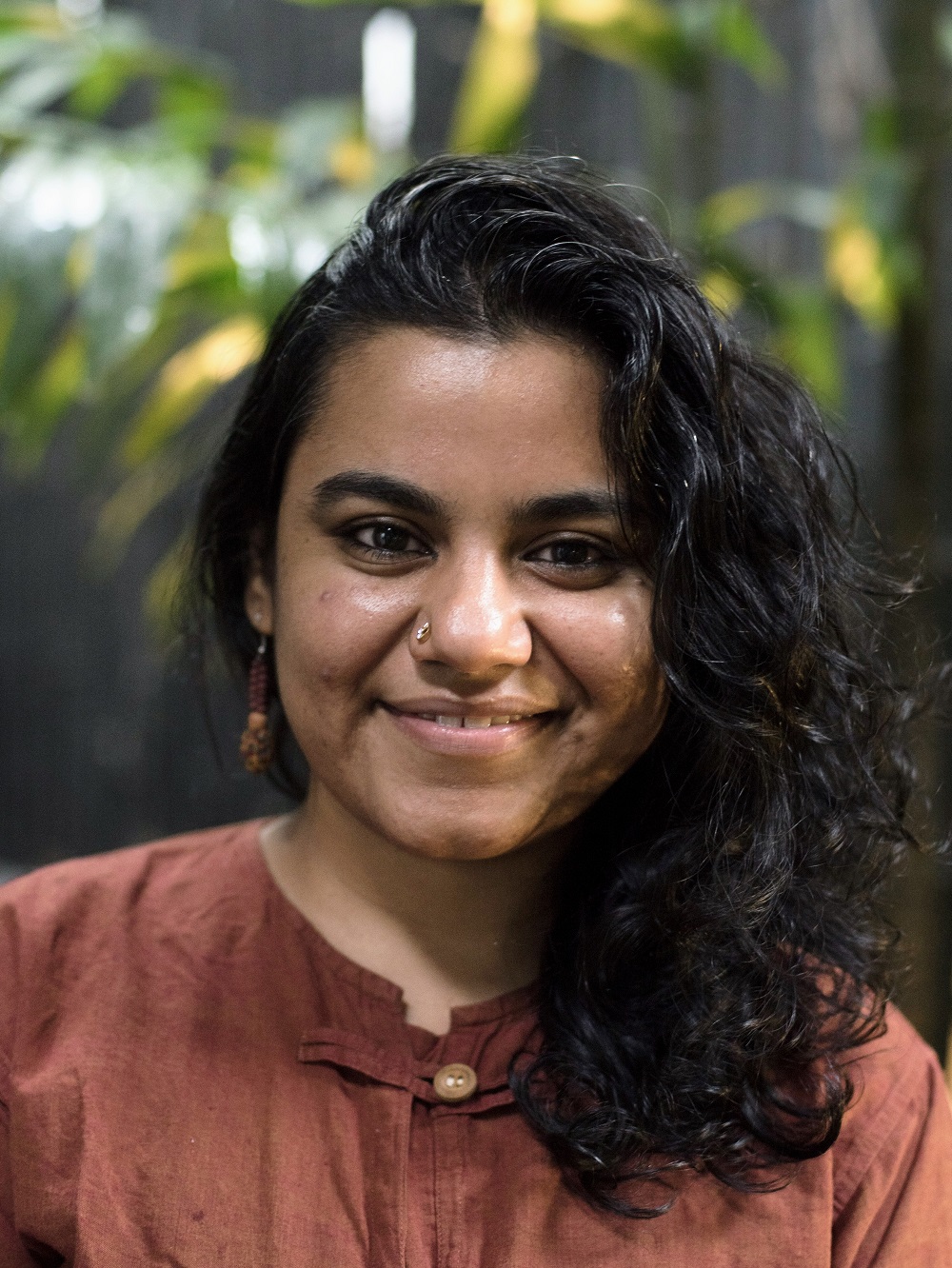
Priti Narayan is an Assistant Professor in the Department of Geography at the University of British Columbia (UBC), Faculty of Arts. Her research and teaching focus on urban processes and politics in India, with an emphasis on state-society relations, feminist methodologies, and public scholarship. Prior to joining UBC, she was a postdoctoral fellow at Princeton University’s Mellon Initiative in Architecture, Urbanism, and the Humanities. PhD in Geography, Rutgers University (2019) Narayan’s research explores how marginalized communities in Chennai, India, negotiate slum evictions through collective action. She collaborates with the Pennurimai Iyakkam (“Women’s Rights Movement”) to document working-class activists’ lived experiences and theorize their contributions to urban studies. Her work bridges academic and activist knowledge, advocating for interdisciplinary approaches to environmental justice and labor rights. Recent projects examine urban development in Tamil Nadu, labor codes, and occupational health for construction workers. Her academic publications span journals like Gender, Place & Culture , Urban Studies , and Environment and Planning D: Society and Space , often co-authored with local activists. She emphasizes ethnography, archival analysis, and collaborative methods. Scientific Awards : SSHRC Insight Development Grant (2023) UBC PRE Fund Award (2023) CIHR Operating Grant (Co-PI, 2021-23) Hampton New Faculty Research Grant Narayan supervises graduate students in Geography and Interdisciplinary Studies, including Varun Panickar and Paroma Wagle (postdoctoral). She currently does not accept new supervisees. Her courses at UBC include topics like urban environmental politics and climate change.
Ana Antic is a Professor in the Department of English, Germanic and Romance Studies at the University of Copenhagen, Faculty of Humanities. She is also affiliated with the Centre for Culture and the Mind, where she leads an ERC-funded project titled Decolonising madness: Transcultural psychiatry, international order and the birth of a ‘global psyche’ . Her academic journey includes a PhD in Modern European History from Columbia University (2012) and prior appointments at universities in the UK and US before joining the University of Copenhagen in August 2020. PhD in Modern European History, Columbia University (2012) Ana Antic’s research lies at the intersection of social and cultural history, focusing on the history of modern Europe, war and violence, and the 'psy' sciences—particularly psychiatry and psychoanalysis. Her work critically explores the decolonisation of psychiatric practices and concepts in the second half of the 20th century, examining how transcultural psychiatry emerged in the aftermath of WWII and during decolonisation. She investigates how Western and non-Western experts redefined the relationship between culture, race, and the individual psyche, and whether new frameworks succeeded in moving beyond colonial legacies. Her recent publications reflect a strong trend in global and transnational history, especially in the fields of transcultural psychiatry, Cold War science, and postcolonial mental health. The articles span interdisciplinary journals in history, global health, and medical humanities, often emphasizing decolonial critique and the politics of knowledge. A recurring theme is the role of experts from the Global South and Eastern Europe in shaping global psychiatric discourse. She has received multiple prestigious awards, including: Fraenkel Prize for Contemporary History (2016) British Academy Rising Star Engagement Award (2017) ERC Starting Grant (2019) Dan David Prize (March 2023) Ana Antic is actively involved in research leadership and academic collaboration. She currently heads the DNRF Centre for Culture and the Mind and leads a major ERC-funded project. She has organized international conferences and workshops, including the DECOLMAD Workshop and New Perspectives in Transcultural and Postcolonial Psychiatry . While no direct list of PhD students is provided, her leadership roles suggest active supervision and mentorship. Her work bridges history, psychiatry, and global health, contributing to a deeper understanding of the cultural and political dimensions of mental health. She is involved with the Centre for Culture and the Mind, a research environment that fosters interdisciplinary work on the intersections of culture, cognition, and history. Her project Decolonising madness brings together historians, anthropologists, and mental health professionals to re-examine the foundations of global psychiatric knowledge.
Dr. Eiko Fried is an Associate Professor at Leiden University's Faculty of Social and Behavioural Sciences, where he works at the intersection of clinical psychology, psychiatry, epidemiology, methodology, and complexity science. His research focuses on improving psychological science through open science practices and innovative measurement approaches. PhD in clinical psychology, Free University of Berlin Postdoctoral training at KU Leuven and University of Amsterdam Promoted to Associate Professor at Leiden University in 2021 Key research areas include: Psychopathology measurement and classification Network analysis in mental health research Ecological momentary assessment (EMA) methodology Open science advocacy and implementation Dynamic systems modeling in psychology Transdiagnostic approaches to mental disorders Recent publications demonstrate expertise in: Symptom network analysis across disorders Improving depression measurement standards Transdiagnostic assessment protocols Mental health data integration challenges Psychological theory construction Methodological innovations in clinical research