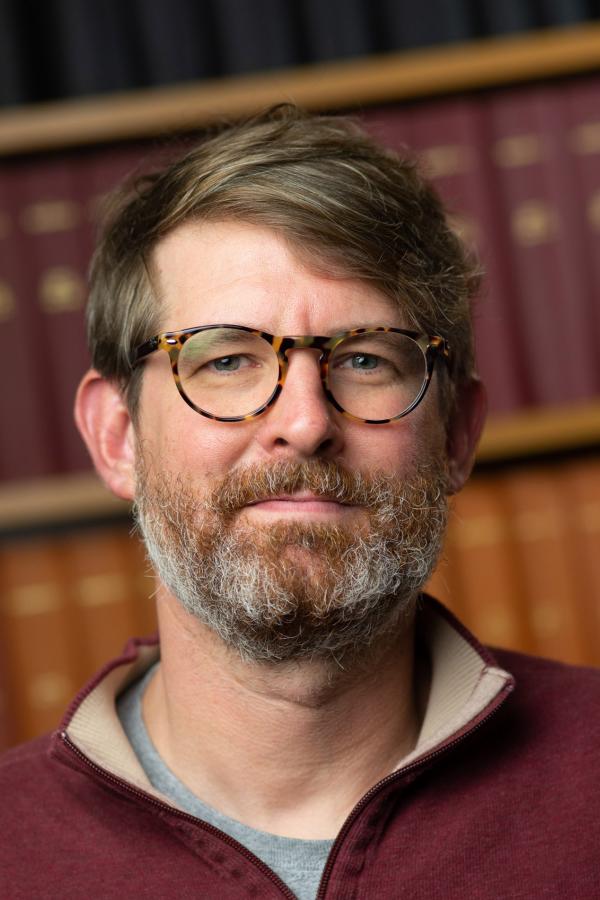
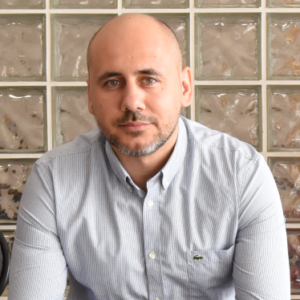
Teresa Cheung is an Adjunct Professor in the Department of Engineering Science at Simon Fraser University’s Faculty of Applied Sciences. Her research focuses on neuroimaging techniques, particularly magnetoencephalography (MEG), and their applications to understanding brain networks in health and disease. She holds a Ph.D. in Physics from SFU (2012) and completed a postdoctoral fellowship at the University of Cambridge (2012–2013). Research interests include: MEG instrumentation and optically pumped magnetometers (OPM) Cortical-cerebellar networks and cerebellar activity localization Neuroimaging of neurological disorders like major depressive disorder and epilepsy Functional and structural connectome analysis across the human lifespan Multimodal integration of MEG, MRI, fMRI, and DTI data Recent work emphasizes the relationship between cardiovascular health, brain aging, and cognitive resilience. Her studies span clinical applications (e.g., depression biomarkers) and technical advancements in neuroimaging systems. Collaborations include multi-site studies on depression and aging cohorts like the Cam-CAN project. Publications highlight innovative methods in MEG system design, neural network dysfunction analysis, and lifespan brain dynamics. Her work bridges engineering, neuroscience, and clinical research to advance non-invasive brain imaging and neurophysiological understanding.
Rikky Muller is an Associate Professor of Electrical Engineering and Computer Sciences at UC Berkeley, holding the S. Shankar Sastry Professorship in Emerging Technologies. She is Co-director of the Berkeley Wireless Research Center (BWRC), a Core Member of the Center for Neural Engineering and Prostheses (CNEP), and an Investigator at the Chan-Zuckerberg Biohub. Her research focuses on implantable/wearable medical devices, low-power wireless systems, and neurotechnology for neurological applications. Education: PhD (2013), UC Berkeley; BS and M.Eng. (2004), MIT, all in EECS. Prior roles include IC designer at Analog Devices and co-founder of Cortera Neurotechnologies (acquired). Research interests include neural interfaces, closed-loop neuromodulation, and biomedical microelectronics. Notable contributions include Neural Dust (ultrasonic implants), wireless EEG systems, and seizure prediction hardware. Awards: MIT TR35 Innovator, NAE Gilbreth Lectureship, NSF CAREER Award, IEEE SSCS New Frontier Award Grants: Bakar Fellows, Hellman Fellowship, NSF CAREER Labs: Muller Lab (UC Berkeley EECS), Chan-Zuckerberg Biohub collaborations
Hari Nair is an Assistant Professor in the Department of Materials Science and Engineering at Cornell University, part of the College of Engineering. His research focuses on the synthesis and characterization of complex oxide thin films using molecular beam epitaxy (MBE), with applications in power electronics, quantum materials, and optoelectronics. B.Tech. in Engineering Physics, Indian Institute of Technology Madras, 2006 M.S. in Electrical and Computer Engineering, The University of Texas at Austin, 2008 Ph.D. in Electrical and Computer Engineering, The University of Texas at Austin, 2013 His research interests lie at the intersection of semiconductor physics, materials synthesis, and advanced functional materials. He specializes in epitaxial strain engineering, heterostructure design, and the control of electronic and magnetic properties in oxide thin films. His vision is to leverage novel materials to enable revolutionary advances in electronic and optoelectronic devices. Analysis of his recent publications reveals a strong focus on β-Ga₂O₃ for high-power devices and ruthenate-based quantum materials such as Sr₂RuO₄ and SrRuO₃. His work spans ultra-wide bandgap semiconductors, strain-engineered phase transitions, superconductivity, and spin-orbit phenomena. Techniques include MBE growth, THz spectroscopy, and advanced electron microscopy. Notable scientific awards include: Student Paper Award, Device Research Conference (DRC), 2013 The Ben Streetman Prize for Outstanding Research in Electronic and Photonic Materials and Devices, 2013 Student Paper Award, Electronics Materials Conference (EMC), 2012 Hari Nair has advised several graduate students and postdoctoral researchers, though specific names are not listed in the provided text. His work has been supported by grants from federal agencies and institutional programs focused on advanced materials and quantum science. He is actively involved in collaborative research through centers and labs at Cornell, particularly those related to materials synthesis and characterization. He leads a research group focused on the growth and study of epitaxial thin films, working closely with the D.G. Schlom group and other collaborators in the Kavli Institute at Cornell. His lab utilizes state-of-the-art MBE systems and advanced characterization tools for probing electronic, magnetic, and structural properties at the nanoscale.
Professor Denis Doorly is a Professor of Fluid Mechanics in the Department of Aeronautics at Imperial College London's Faculty of Engineering. His research focuses on biomedical fluid mechanics, particularly respiratory and cardiovascular systems, with expertise in computational fluid dynamics (CFD) and aerosol transport. He has published extensively on nasal airflow modeling, cardiovascular MRI simulations, and aerosol dynamics in medical contexts. Key contributions include CFD cohort studies on nasal decongestion effects, benchmarking models for SARS-CoV-2 transmission, and ventilator strategies during the pandemic. Research interests span biological fluid mechanics, biomedical flows, and medical device design. His work integrates computational modeling with clinical applications, addressing issues like tracheal compression, myocardial perfusion, and aerosol extraction during surgeries. Collaborations include studies on isolated heart models and particle deposition in respiratory systems. Affiliations include the Biological Fluid Mechanics and Biomedical Flows groups at Imperial. His publications (139+ articles) highlight interdisciplinary applications of fluid mechanics to healthcare challenges.
Güneş Acar is a tenured Assistant Professor in the Digital Security group at Radboud University's Faculty of Science. He is also affiliated with iHub, Radboud's interdisciplinary research hub on digitalization and society. His research focuses on security and privacy threats from websites, mobile apps, and IoT devices, with special emphasis on online tracking mechanisms, anonymous communication networks like Tor, and deceptive design patterns. Dr. Acar completed his PhD at KU Leuven under the supervision of Claudia Diaz and Bart Preneel. Prior to joining Radboud University, he was a Postdoctoral Research Fellow at KU Leuven's COSIC group and a Postdoctoral Research Associate at Princeton University's Center for Information Technology Policy. His research spans web security, privacy, online tracking, IoT security, Tor network analysis, and dark patterns. He investigates how websites, mobile apps, and IoT devices compromise user privacy through various tracking mechanisms and deceptive interface designs. His work combines large-scale measurements with user studies to understand both technical vulnerabilities and their real-world impact on users. Dr. Acar's publications reveal an evolving research trajectory from foundational web tracking mechanisms to increasingly sophisticated privacy threats. His work has expanded from browser fingerprinting to IoT privacy, children's online safety, and manipulative design patterns in subscription interfaces. A consistent theme across his research is the examination of how third-party trackers operate and circumvent privacy protections. 2022 CNIL-Inria Award for Privacy Protection (for Leaky Forms paper) Top Reviewer Award, Privacy Enhancing Technologies Symposium (2022) Future of Privacy Forum's Annual Privacy Papers for Policymakers Award (2020) Runner-up for multiple Caspar Bowden Awards for Outstanding Research in Privacy Enhancing Technologies Dutch Research Council (NWO) Vidi Grant (2025-2030) for "A Web Security and Privacy Observatory" Dr. Acar actively supervises PhD students including Zahra Moti, Tim Vlummens, and Luqman Zagi, with Asuman Senol recently completing her PhD in 2024. He has secured significant research funding including the NWO Vidi Grant and a project grant from armasuisse for the Mobile Web Inspector project. His research has influenced policy discussions with organizations including the OECD, US Federal Trade Commission, and European consumer protection authorities. As part of the Digital Security group at Radboud University, Dr. Acar contributes to a vibrant research ecosystem focused on practical security and privacy solutions. His work bridges technical security research with human-centered perspectives, often collaborating across disciplines to address complex privacy challenges in real-world contexts.
Sang Bok Lee is a Professor of Chemistry & Biochemistry at the University of Maryland. His research focuses on electrochemistry of heterogeneous nanomaterials for energy storage systems, nanopore transport properties, and biosensor development. He specializes in advanced materials for high-power batteries and electrochromic devices, with a strong emphasis on solid-state electrolyte interfaces and protective coatings. Research Interests: Electrochemistry of nanomaterials for energy storage Transport properties of nanopores Solid-state battery interfaces Biosensor design and nanoparticle toxicology Targeted drug delivery systems Chemical and biochemical separation techniques Recent work highlights include developing aluminum nitride protective layers for solid electrolytes, optimizing hot-pressed argyrodite electrolytes, and advancing in situ Raman diagnostics for battery materials. His studies on magnesium anode protection and lithium metal anode engineering have significantly impacted rechargeable battery technologies. Publications reflect a focus on nanomaterial synthesis, electrochemical stability, and energy storage innovations. No academic awards or student advisement details were explicitly cited in the text.
Professor Chee Yew Wong is a leading academic in supply chain management at Leeds University Business School (LUBS), where he holds the position of Professor and serves as Director for Research & Innovation in the Analytics, Technology and Operations department. He previously held a Chair in Logistics and Supply Chain Management at Hull University Business School and has served as a visiting professor in Thailand and China. His work bridges academia and industry, with over nine years of professional experience in operations and supply chain roles across multinational corporations and SMEs. His educational background includes a PhD in Supply Chain Management from Aalborg University, Denmark; an MSc in Manufacturing Management from Linköping University, Sweden; a BEng in Mechanical Engineering from the University of Technology, Malaysia; and a PG Certificate in Higher Education from Hull University, UK. Professor Wong's research centers on intelligent, responsible, and sustainable solutions for global supply chains. Key interests include digital supply chains, supply chain analytics, green logistics, human rights in supply chains, resilience, and circular economy models. He leverages technologies such as blockchain, machine learning, and IoT to enhance transparency, integration, and performance in complex supply networks. The analysis of his recent publications reveals a strong trend toward digital transformation, sustainability, and ethical governance in supply chains. His work increasingly emphasizes data-driven decision-making, environmental and social risk assessment, and the role of technology in enabling responsible global sourcing. Many projects focus on real-world applications in industries such as healthcare, fashion, retail, and manufacturing, often through Knowledge Transfer Partnerships with industry leaders. Best Reviewer Award, Operations and Supply Chain Management Division, Academy of Management Conference, Chicago, USA (2018) Prof. Xiande Zhao's Best Paper Award, International Conference on Operations and Supply Chain Management, Kaifeng, China (2017) Finalist for the Jack Meredith Best Paper Award, Academy of Management Conference, Anaheim, USA (2016) Emerald Best Paper Award, Supply Chain Management: an International Journal (2006) Professor Wong has successfully supervised 10 PhD students and 4 post-doctoral researchers, and has examined over 15 PhD dissertations internationally. He leads multiple research grants, including projects funded by Innovate UK, UKRI, ESRC, and the British Council, focusing on digital transformation, human rights, and green supply chain innovation. His collaborations span academia, government, and industry, demonstrating a strong commitment to impactful, applied research. He is actively involved in the Centre for Operations and Supply Chain Research, the Adaptation Information Management and Technology group, and the Centre for Decision Research at LUBS. These research groups support interdisciplinary work in analytics, digital technologies, and sustainable operations, fostering innovation and knowledge exchange across sectors.
Professor Tim Denison FREng holds a joint appointment in the Department of Engineering Science and Nuffield Department of Clinical Neurosciences at the University of Oxford, where he serves as the Royal Academy of Engineering Chair in Emerging Technologies and an MRC Investigator. His research focuses on the fundamentals of physiologic closed-loop systems and developing next-generation neural interface technologies for treating chronic neurological diseases. Professor Denison received his A.B. in Physics from The University of Chicago, followed by M.S. and Ph.D. degrees in Electrical Engineering from MIT. He later completed an MBA at The University of Chicago, where he was named a Wallman Scholar. His research spans neural engineering, closed-loop neuromodulation systems, and computational neuroscience, with particular emphasis on deep brain stimulation, neural oscillations, and adaptive neurostimulation techniques. His work integrates engineering principles with clinical neuroscience to develop innovative treatments for neurological disorders. Professor Denison's approach combines computational modeling with experimental validation to optimize brain stimulation parameters for individual patients. Professor Denison has received numerous prestigious awards, including membership in the Bakken Society (2012, Medtronic's highest technical honor), the Wallin leadership award (2014), election to the College of Fellows for the American Institute of Medical and Biological Engineering (2015), and recognition as a Fellow of the Royal Academy of Engineering (FREng). As a former Technical Fellow at Medtronic PLC and Vice President of Research & Core Technology for the Restorative Therapies Group, Professor Denison brings significant industry experience to his academic work. His research group focuses on developing advanced neurostimulation technologies that incorporate chronobiology principles and adaptive algorithms to improve treatment outcomes for neurological conditions.
Professor Andrew Jackson of Newcastle University is a leading researcher in neuroscience and neuroengineering, focusing on neural interfaces, optogenetics, and epilepsy. His work spans brain-computer interfaces, spinal cord stimulation, and sleep-dependent memory processes. Key research areas: closed-loop optogenetic systems, motor cortex dynamics, cerebellar-neocortical communication, and seizure pathway analysis. Collaborations with experts like Dr. Boubker Zaaimi, Professor Yujiang Wang, and Dr. Wei Xu. Develops implantable low-power platforms for real-time neural monitoring and stimulation. His recent publications highlight advancements in neuroprosthetics for motor recovery post-stroke/spinal injury, cortical chloride homeostasis in epilepsy, and mechanisms of brain self-regulation during movement and sleep. Technologies pioneered include flexible neural electrodes, temperature self-monitoring optoelectronics, and wearable bioelectrical signal systems. His work integrates computational neuroscience with clinical applications in motor disorders and epilepsy.
Christof Lutteroth is a Professor in the Department of Computer Science at the University of Bath and Director of the REal and Virtual Environments Augmentation Labs (REVEAL). His work focuses on Human-Computer Interaction (HCI) with emphasis on eye-gaze interaction and virtual reality (VR), particularly for health, exercise, and learning applications. He leads multiple research projects funded by organizations like EPSRC, The British Academy, and The Royal Society. Research Interests include developing gaze-controlled interfaces, immersive VR systems, and adaptive UI/UX for fitness and cognitive training. He explores affective design tools, emotion recognition in VR exergaming, and biometric data analysis for health applications. Recent Publications highlight advancements in gaze-based text entry, emotion measurement in VR, AI-driven UI development, and cross-European XR innovation networks. His work spans from foundational HCI methodologies to applied projects in rehabilitation and immersive learning. Grants include EPSRC IAA, British Academy, and Royal Society funding for projects like TapGazer, Hyper-immersive XR, and Affective Design Tools for VR. He collaborates with institutions across Europe through the EMIL project. Laboratory : REVEAL Lab at the University of Bath drives research in immersive technologies, motion analysis, and augmentation of human interaction with digital environments.
Yinzhi Cao is an Associate Professor at the Johns Hopkins University Department of Computer Science . He serves as Technical Director of the Johns Hopkins Information Security Institute and is affiliated with the Data Science and Artificial Intelligence Institute and the Institute for Assured Autonomy . Cao joined JHU in 2018 from Lehigh University, where he was an Assistant Professor. Doctor of Philosophy (PhD) in Computer Science, Northwestern University (2014) Bachelor of Engineering (BE) in Electronic Engineering, Tsinghua University (2008) Research Interests focus on security and privacy of web, mobile, and machine learning systems . Key projects include Vulnerability Analysis of Web Applications and Security, Privacy, and Fairness Analysis of ML Systems . His work addresses prototype pollution in JavaScript, node.js vulnerabilities, browser fingerprinting, federated learning privacy, and automated exploit generation. Scientific Recognition includes the NSF CAREER Award (2021) DARPA Young Faculty Award (2022) & Director's Fellowship (2024) Amazon Research Awards (2022, 2017) IEEE Security & Privacy Test of Time Award (2025) Distinguished Paper Awards at IEEE S&P 2025, CCS 2023, USENIX Security 2022 Advising & Grants highlight mentorship of 20+ PhD and Master’s students across institutions. Major grants include $1.2M collaborative CICI TCR grant (2024-2026) with Dr. John Aucott $750K DARPA YFA grant (2022-2025) $500K NSF SaTC grant (2022-2025) NSF EAGER grant (2016-2017) Labs & Teams : Affiliated with Johns Hopkins Information Security Institute , Data Science AI Institute , and Institute for Assured Autonomy . Collaborates with institutions like Columbia, UC Santa Barbara, and SRI International. His group investigates real-world vulnerabilities in over 2,500 websites and NPM packages, uncovering 80+ zero-day issues.
Dr. Caitlin Wilson is a Senior Paramedic Research Fellow at the University of Hertfordshire's School of Health and Social Work, affiliated with the Centre for Applied Clinical, Health and Care Research (CACHE). Her research focuses on improving ambulance service practices through feedback mechanisms, staff wellbeing, and patient safety initiatives. Education: PhD in Psychology (2019–2023) Current Roles: Senior Paramedic Research Fellow (NHS - Yorkshire Ambulance Service NHS Trust, 2022–present); Associate Editor, British Paramedic Journal (2021–present) Wilson’s research spans clinical education frameworks, public health conversations in ambulance services, and prehospital analgesia optimization. Her recent projects include PRE-IMPACT (2023–2026) and AS USUAL (2023–2026), addressing health inequalities and pediatric trauma care. She has published extensively in paramedic science, focusing on ventilation monitoring, overdose management, and feedback systems. Key collaborations include partnerships with Yorkshire Ambulance Service NHS Trust, with network connections in clinical research, public health, and emergency medicine. Her awards include a PhD in Psychology and editorial roles advancing paramedic literature.
Professor Ali Yapar is a faculty member at Istanbul Technical University in the Electronics and Communication Engineering department. His research focuses on Electromagnetics , Microwave Engineering , and Antenna Technologies , with a particular emphasis on inverse scattering problems and microwave imaging for biomedical applications. He has supervised numerous graduate students and led projects related to breast cancer treatment and rough surface imaging. PhD in Electronics and Communication Engineering from Istanbul Technical University (1997) MSc in Electronics and Communication Engineering (1995) His recent publications analyze advanced techniques for microwave hyperthermia systems, reverse time migration methods, and Newton-based solutions for electromagnetic inverse scattering. Key projects include TUBITAK-funded initiatives on microwave tomography and brain stroke imaging. He serves as a project investigator and executive for electromagnetic research programs. Research areas span Electromagnetic Wave Propagation , Green's Function Applications , and Dielectric Material Analysis . Collaborations include IEEE members and international researchers in computational electromagnetics.
Professor Ioannis Katakis is a Faculty Member at the University of Nicosia, where he is affiliated with the School of Sciences and Engineering and the Department of Computer Science. He has held various academic positions across multiple institutions including Aristotle University of Thessaloniki, University of Cyprus, Cyprus University of Technology, Open University of Cyprus, Hellenic Open University, Athens University of Economics and Business, and National and Kapodistrian University of Athens. His educational background includes a PhD in Machine Learning for Automated Text Classification (2005-2009), a Master's in Information Systems (2005-2007), and a Bachelor's in Computer Science (2000-2004), all from Aristotle University of Thessaloniki. Professor Katakis specializes in several cutting-edge areas of computer science and data analysis. His primary research interests include Mining Social, Web and Urban Data , Sentiment Analysis and Opinion Mining , Data Streams , and Multi-label Learning . His work bridges theoretical machine learning approaches with practical applications in social media analysis, healthcare informatics, privacy protection, and smart city technologies. He has published extensively in top venues including CIKM, ECML/PKDD, IEEE TKDE, and ECAI. His recent publications demonstrate a clear trend toward applying machine learning techniques to real-world problems with societal impact. He has focused on areas such as GDPR compliance in smart devices, sentiment analysis in crowd-sourced content, healthcare applications including drug reaction classification and brain disease monitoring, and privacy protection in wearable technologies. His work often involves multi-modal data analysis and addresses challenges in data streams and multi-label classification. Professor Katakis has made significant contributions to his field, with his research cited over 4,200 times. He serves as an Editor for the journal Information Systems and has edited four special issues in journals such as DAMI and InfSys. He regularly contributes to the academic community by serving on program committees for major conferences including ECML/PKDD, WSDM, DEBS, and IJCAI, and by reviewing for prestigious journals like TPAMI, DMKD, TKDE, TKDD, JMLR, TWEB, and ML. He has been actively involved in European research projects, notably serving as Quality Assurance Coordinator and Senior Researcher for projects such as VAVEL (www.vavel-project.eu) and INSIGHT (www.insight-ict.eu). His grant activities demonstrate a strong focus on collaborative, interdisciplinary research with practical applications in urban data management, social media analysis, and healthcare informatics. He has organized three workshops at major conferences (ICML, ECML/PKDD, EDBT/ICDT) and has extensive experience translating research into practical applications through his involvement in European projects.
Andréanne Sharp, PhD, is Assistant Professor at Université Laval’s Faculty of Medicine, Department of Rehabilitation, where she leads the Clinical and Cognitive Neuroscience research axis. Her program explores auditory and multisensory processing across the lifespan, with emphasis on music perception, hearing loss, cochlear implants and vibrotactile technologies. Research interests: Auditory-vibrotactile interactions and sensory substitution Music cognition and neural plasticity in musicians Aging, hearing impairment and rehabilitation Temporal processing and EEG correlates of perception Clinical translation toward improved prosthetic and therapeutic devices Recent work (2023-2025) combines psychophysics, electrophysiology and qualitative methods to understand how musical experience protects perceptual skills in older adults with hearing loss, how frequency cues modulate auditory illusions, and how COVID-19 public-health measures affected communication in the hearing-impaired community. Sharp’s output appears in high-impact journals including Brain Research , Cerebral Cortex , Ear & Hearing , JSLHR and Psychological Research , demonstrating a trajectory that bridges basic cognitive neuroscience and clinical audiology. She maintains an active interdisciplinary laboratory, mentoring numerous graduate students and collaborating with engineering and rehabilitation teams to develop vibrotactile gloves and other sensory-augmentation devices. Grant and funding details are not disclosed in the supplied text.