University of Illinois Urbana-ChampaignUnited States
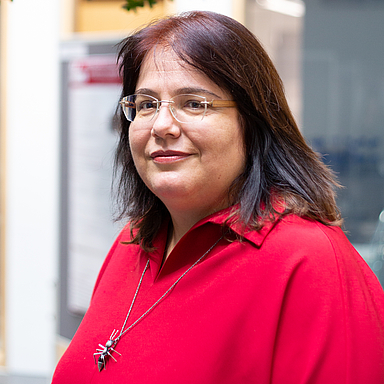
Rakesh Kumar is a Professor and John Bardeen Faculty Scholar in the Electrical and Computer Engineering Department at the University of Illinois at Urbana-Champaign. His work focuses on computer architecture, system-level design automation, and low-power computing. PhD in Computer Engineering from University of California, San Diego BS in Electrical Engineering from IIT Kharagpur His research spans all layers of the computing stack, with key contributions to flexible computer systems , waferscale computing , error-resilient architectures , and approximate computing . He has pioneered work on voltage-reliability tradeoffs and peak power management techniques. Recent publications highlight trends in space microdatacenters , printed microprocessors , and neural graph accelerators . His work on plastic chips was recognized as one of the three biggest semiconductor headlines of 2022 by IEEE Spectrum. IEEE Fellow (2024) ISCA Influential Paper Award MICRO Test-of-Time Award ICCAD Ten Year Retrospective Most Influential Paper Award Best Paper Awards at CASES, SELSE, HPCA He has received teaching accolades including the Stanley H. Pierce Faculty Award and Ronald W. Pratt Outstanding Teaching Award . His research group explores hardware-software co-design for emerging applications in AI, IoT, and sustainable computing.
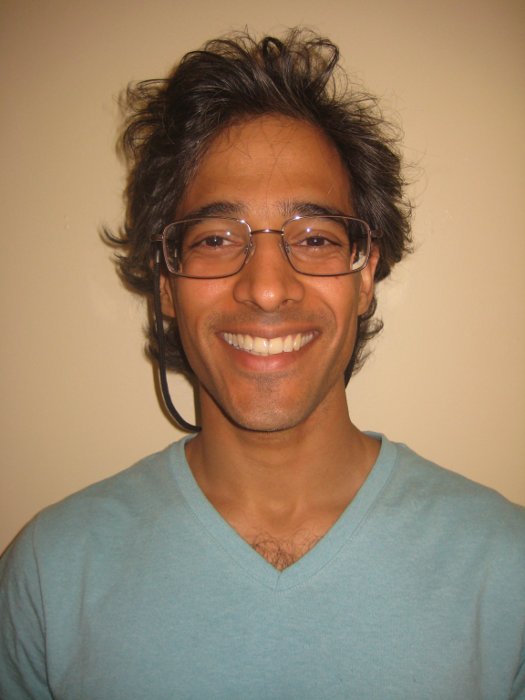
Marc V Fuccillo is an Associate Professor of Neuroscience at the Perelman School of Medicine, University of Pennsylvania, where he leads a research laboratory focused on understanding the neural circuit mechanisms underlying behavioral control. His work bridges molecular, synaptic, and behavioral approaches to investigate how striatal circuits regulate mouse behavior from simple motor patterns to complex goal-directed actions. Fuccillo holds dual appointments in the Neuroscience and Cell and Molecular Biology Graduate Groups at Penn and maintains an active laboratory investigating the synaptic and circuit basis of neuropsychiatric disorders. Education: B.A. in Molecular and Cellular Biology and Music Performance (Violin) from Brown University (1998) Ph.D. in Developmental Genetics from New York University School of Medicine (2007) M.D. from New York University School of Medicine (2008) Fuccillo's research centers on the synaptic and circuit mechanisms of behavioral control, with particular emphasis on striatal circuits. His laboratory employs a range of technologies including mouse genetics, in vitro electrophysiology, in vivo imaging, and quantitative behavioral analysis to explore how neural circuits of the striatum regulate behavior and how disruptions in these circuits contribute to neuropsychiatric disorders. His work has particularly focused on autism-associated abnormalities in behavioral control, examining how synaptic adhesion molecules like neuroligins and neurexins shape circuit function and behavior, with significant findings regarding D1 dopamine receptor positive medium spiny neurons in the nucleus accumbens. Analysis of Fuccillo's recent publications reveals a strong focus on striatal circuit function across multiple dimensions. His work spans molecular neuroscience (examining synaptic adhesion molecules), cellular physiology (studying specific neuron types in striatal circuits), systems neuroscience (mapping circuit connectivity), and behavioral neuroscience (quantifying motor learning and decision-making). A unifying theme is how disruptions in specific molecular pathways lead to circuit-level abnormalities that manifest as behavioral phenotypes relevant to neuropsychiatric disorders, with particular attention to autism, OCD, and schizophrenia models. Scientific Recognition: Publications in high-impact journals including Nature Neuroscience, Current Biology, Cell Reports, and Neuron Research supported by multiple NIH grants including NIMH F32, NIMH K01, and HHMI Gilliam Fellowship awards for lab members Fuccillo actively mentors a diverse group of trainees including postdoctoral fellows, graduate students, and undergraduates. His laboratory has produced numerous successful alumni who have gone on to faculty positions, medical residencies, and graduate programs at prestigious institutions. His mentoring approach emphasizes technical skill development across multiple neuroscience disciplines while fostering independent scientific thinking. Current research in his lab is supported by NIH funding focused on understanding the molecular architecture of striatal circuits and their role in behavioral control, with three major research directions exploring molecular logic of striatal circuits, circuit mechanisms of behavioral control, and striatal dysfunction in neuropsychiatric disease models. The Fuccillo Laboratory operates within the Department of Neuroscience at the University of Pennsylvania, with access to state-of-the-art facilities for molecular, electrophysiological, imaging, and behavioral neuroscience research. The lab maintains active collaborations with other neuroscience research groups at Penn and beyond, creating a rich intellectual environment for studying the neural basis of behavior. Current research directions include investigating whether there is a molecular logic to striatal circuit composition, how striatal circuits shape behavioral control, and what mouse models of autism, schizophrenia, and OCD can reveal about striatal circuit dysfunction in disease pathophysiology.
Jason Ritt is an Associate Professor of Brain Science (Research) and Scientific Director of Quantitative Neuroscience at the Robert J. and Nancy D. Carney Institute for Brain Science, Brown University. He holds affiliations with the Data Science Institute and collaborates across disciplines on quantitative research methods. Education : B.S., M.A., and Ph.D. in Neuroscience from Boston University (1997–2003). Research : Focuses on neural processing during active sensing and neuroengineering for neurostimulation. Combines electrophysiology, optogenetics, and theoretical approaches in rodent models. Develops closed-loop systems for studying sensory neural prosthetics and brain-machine interfaces. Key areas include synaptic diversity, neurocontrol algorithms, and sensory restoration. Teaching : Instructs NEUR 2100 NeuroPracticum, integrating hands-on neuroscience research training.
Professor John Pickett serves as Chair of the School of Chemistry at Cardiff University, where he holds the position of Professor of Biological Chemistry. His research program has established him as a leading figure in chemical ecology with significant contributions to understanding chemically mediated interactions between organisms. Professor Pickett's research focuses on chemical ecology involving chemically mediated interactions between various organisms, particularly pests attacking plants and animals. His work encompasses the chemical characterisation of pheromones and other semiochemicals across plants and animals, including insect pests and beneficial organisms. He investigates stress-related chemical signalling by plants and vertebrates (including humans and farm animals), elucidates biosynthetic pathways to pheromones and other semiochemicals, and explores how these compounds can be exploited in pest management through ecological approaches and genetic modification. Analysis of Professor Pickett's recent publications reveals a sustained and impactful research trajectory spanning chemical ecology, agricultural science, and sustainable development. His work demonstrates remarkable continuity in investigating semiochemicals and pheromones while expanding into interdisciplinary areas including AI applications for sustainable futures and the economic impacts of agricultural innovations. A consistent theme throughout his career is the practical application of chemical ecology principles to develop sustainable pest management solutions, particularly through the development and refinement of push-pull farming systems that have transformed agricultural practices in Africa.
Kevin M. Franks is an Associate Professor of Neurobiology at Duke University, where he investigates how the olfactory system forms neural representations of sensory environments. His work focuses on functional neural circuits in the olfactory bulb and piriform cortex, using techniques like in vivo recordings, optogenetics, and behavioral assays. His research explores Neural circuit dynamics and plasticity Odor coding mechanisms Role of recurrent circuitry Integration of sensory modalities Recent publications highlight his contributions to understanding cortical odor representations, developmental neural connectivity, and cross-modal interactions. Awards include the 2024 Don Tucker Finalist recognition. He teaches advanced neuroscience courses at Duke, including Neurobiology research and concepts in neuronal systems.
Dr. Frances Chen is a Professor and Area Coordinator in the Department of Psychology at the University of British Columbia (UBC), located on the traditional, ancestral, and unceded territory of the Musqueam People. She holds a PhD from Stanford University (2009). Her research integrates health psychology, social psychology, and neuroendocrinology to explore how social experiences influence mental and physical health. Key areas include the physiological impacts of loneliness, social support, and hormonal changes during puberty on adolescent development. Education: PhD, Psychology, Stanford University, 2009 Research Focus: Dr. Chen investigates how social interactions 'get under the skin' through studies on loneliness, stress, conflict negotiation, and hormonal mechanisms. Her work emphasizes interventions to enhance social connection and reduce health disparities. Recent Article Trends: Recent publications highlight interdisciplinary approaches, including genetic influences on depression, effects of near-infrared lighting on cognition, and longitudinal studies on adolescent hormonal contraceptive use. Her work bridges basic science and applied health outcomes. Awards & Grants: Michael Smith Health Research BC C2 Award (2022) Killam Faculty Research Fellowship (2019) Teaching & Learning Enhancement Fund Grant (2025) SSHRC Prosociality Project Funding (2023) Lab & Mentorship: Director of the Social Health Lab, she mentors graduate and undergraduate students, prioritizing equity and inclusion. Recent lab achievements include studies on teen health development and interventions to improve student success in psychology programs. Lab Initiatives: UBC Teen Health and Development Study (longitudinal hormonal/mental health tracking) NIR lighting health impact research (collaborative interdisciplinary project) Prosociality 'in the Wild' SSHRC project
Jonny Kohl is a Group Leader at the Francis Crick Institute , where he established the State-dependent Neural Processing Laboratory in 2019. His work bridges neural circuits and internal physiological states (e.g., hunger, pregnancy) to decode instinctive behaviors like parenting and aggression in mice. PhD: MRC Laboratory of Molecular Biology, Cambridge (2013) Postdoc: Harvard University (2014–2019) with support from EMBO, HFSP, and Wellcome Trust fellowships Research Interests : Kohl investigates how hormonal and metabolic states dynamically rewire neural circuits to drive adaptive behaviors. His lab combines circuit neuroscience , molecular biology , and behavioral profiling to study: State-dependent neural processing in parental behavior Chemosensory dominance hierarchies in mice Plasticity mechanisms in aggression circuits Development of ultrafast tissue labeling and cryoanesthesia tools Scientific Trends : His recent publications highlight hormone-mediated synaptic remodeling (2023), cost-effective lab tools (2023), and brain-wide activity mapping (2016). Collaborative work spans computational biology , metabolism , and imaging disciplines. Honors: NARSAD Young Investigator Award (2019), ERC Starting Grant (2019), Wellcome Trust Discovery Award (2025) Grants: BBSRC Research Grant (2025), BBSRC Pioneer Grant (2023) His lab mentors PhD and MSc students and has developed open-source neuroscience tools (e.g., cryoanesthesia device, 2023). Kohl's research has been featured in Nature , Science , and Cell .
Xiaoyu Cai is an Assistant Professor at the Department of Medicine, Loyola University Chicago, specializing in lung regeneration, aging biology, and stem cell plasticity. Her research focuses on the molecular mechanisms governing alveolar type 2 (AT2) stem cell dynamics during aging and chronic lung diseases. Education: Bachelor of Medicine (Peking University, 2012), Master of Science (Peking University, 2015), PhD in Biology of Aging (USC & Buck Institute, 2021) Key Research Areas: Lung regeneration, inflammation resolution, stem cell aging, 3D organoid cultures Methodologies: Single-cell multiome, mouse genetics, multicellular organoid systems Collaborations: Translational partnerships with clinical teams for bench-to-bedside applications Dr. Cai's recent work explores lineage plasticity in aged lung stem cells, ferroptosis suppression via CRISPR screens, and cellular aging atlases across species. She previously held a postdoctoral position at Genentech Inc. and maintains a professional lab website. Contact: xcai2@luc.edu | Office: CTRE 123
Robert Likamwa is an Associate Professor at Arizona State University, affiliated with the School of Arts, Media and Engineering and the School of Electrical, Computer and Energy Engineering. His research focuses on the intersection of mobile computing, augmented reality, and sensor design through Meteor Studio. Ph.D., Rice University M.S., Rice University B.S., Rice University His work spans three core research arcs: (i) advanced visual capture systems, (ii) hybrid virtual-physical immersion through sensory augmentation, and (iii) data-driven frameworks for AR/VR storytelling. He explores mobile operating systems, low-power architectures, computational imaging, and holographic computing. Recent publications analyze multi-resolution visual sensing, geospatial cross-virtuality collaboration, planetary data visualization, spatial audio optimization, and multi-sensory virtual environments. His 2013 paper on energy-proportional image sensors received the Best Paper Award at ACM MobiSys. Best Paper Award, ACM MobiSys 2013 LiKamWa advises graduate students through research and thesis courses and leads grants related to mobile vision systems, haptic interfaces, and energy-efficient sensor design. He directs Meteor Studio, a research group focused on immersive technology innovation.
Amanda Giang serves as Assistant Professor at the University of British Columbia's Faculty of Applied Science, Department of Mechanical Engineering, holding a Canada Research Chair in Environmental Modelling for Policy. She maintains a joint appointment with the Institute for Resources, Environment and Sustainability (IRES). Her educational background includes a B.A.Sc. from the University of Toronto, followed by M.S. and Ph.D. degrees from MIT, with postdoctoral training at MIT and Harvard. Dr. Giang's research employs interdisciplinary approaches to develop modeling tools for environmental policy analysis, focusing on pollution assessment, environmental injustice, and the intersection of air quality, decarbonization, and equity. Her work emphasizes action-oriented partnerships with community organizations and government health/environment agencies. Current projects address freight transport decarbonization equity, cumulative impact assessment methodologies for overburdened communities, and holistic environmental impact evaluation in technology design. Her recent publications demonstrate expertise across environmental modeling, policy analysis, and justice frameworks, with significant contributions to understanding spatial inequities in environmental risk distribution and developing community-engaged research methodologies. UBC Killam Research Prize, 2023 Dr. Giang actively collaborates with community groups and government authorities through her LEAP (Learning, Environmental Assessment, and Policy) research group. Her work integrates technical modeling with real-world policy applications, particularly in urban environmental planning contexts where equity considerations are paramount. She has developed innovative frameworks for cumulative impact assessment and environmental justice analysis that directly inform regulatory decision-making processes. Her research laboratory focuses on developing open-source modeling tools for environmental policy analysis while maintaining strong community partnerships that ensure research addresses pressing local environmental justice concerns.
Mischa Billing is a Senior Lecturer at Örebro University specializing in Culinary Arts and Meal Science. She is actively involved in research on sensory experiences, wine studies, and food pairing. Her work spans across multiple disciplines including haptics, olfaction, and culinary traditions. Her research interests focus on the intersection of sensory perception and culinary practices. Billing explores how sound affects taste perception, develops haptic attribute models for food design, and investigates improved sensory experiences for the elderly. Her work in sommelier training and critical attribute techniques bridges traditional culinary knowledge with scientific approaches to sensory evaluation. Analysis of her publications reveals a strong focus on practical applications of sensory science in culinary contexts. Her work spans from theoretical explorations of wine tasting as embodied knowledge to practical guides for food and beverage pairing. The recurring themes include sensory integration, cultural contexts of food consumption, and innovative methods for enhancing meal experiences. Gastronomic Academy's Silver Medal Wine Profile of the Year Nose of the Year Honorary Truffle of the Year Billing has served as general secretary of the International Sommelier Association (ASI) and is a member of the Wine Academy in Sweden. She has extensive experience in evaluating diverse products including Swedish tap water and apple juice. Her media presence includes serving as a jury member on TV4's Sweden's Master Chef and delivering radio talks for Sveriges Radio. She leads several research initiatives including the Sense Lab, which focuses on future sensory experiences, and participates in research groups examining meals from social and cultural perspectives. Her projects like 'Rewine The World' demonstrate interdisciplinary approaches to reducing food waste through innovative culinary methods.
Prof. Dr. Susanne Foitzik is a Professor of Evolutionary Biology at Johannes Gutenberg University Mainz since 2010, where she leads the Evolution & Behavioral Ecology of Ants research group at the Institute of Organismic and Molecular Evolution (IOME). Previously, she was Professor in Behavioral Ecology at LMU Munich (2004-2010) and Assistant Professor in Zoology at the University of Regensburg (2000-2004). She earned her PhD in Biology from Julius Maximilian University, Würzburg in 1998. Her research integrates approaches from behavioral ecology through genomics to epigenetics, focusing on ants as model organisms to study complex social behaviors. Host-parasite coevolution and social parasitism in ants Molecular mechanisms underlying division of labor Reversal of the fecundity-longevity trade-off in social insects Gene regulation in phenotypic plasticity Evolution of chemical communication systems Analysis of her recent publications (2022-2025) reveals a strong focus on molecular mechanisms of social behavior, with particular emphasis on host-parasite interactions, epigenetic regulation of behavior, and genomic adaptations in social insects. Her work increasingly combines transcriptomic, proteomic, and functional genomic approaches to understand the molecular basis of social evolution. Among her notable scientific achievements: Speaker of Research Training Group 2626 GenEvo: Gene Regulation in Evolution (2019-present) Speaker of EES Master Program funded by VW foundation (2007-2010) DAAD Fellow at State University of New York (1992-93) Prof. Foitzik has supervised numerous PhD students and postdocs, including Maide Macit, Tom Sistermans, and Marcel Caminer. Her research is supported by multiple DFG-funded projects investigating host-parasite coevolution, the role of gene regulation in division of labor, and parasite interference in host gene expression. She serves as Handling Editor for Biology Letters and previously served on the editorial board of Insectes Sociaux. Her research group operates within the Institute of Organismic and Molecular Evolution (IOME) at Mainz, with laboratory facilities at the Biozentrum I. The group collaborates extensively with researchers across Germany and internationally, including partnerships with institutions in Frankfurt, Freiburg, Bristol, and Tel Aviv.
Aaditya Rangan is an Associate Professor of Mathematics at the Courant Institute of Mathematical Sciences, New York University. He holds a Ph.D. from UC Berkeley (2003) and a B.A. from Dartmouth College (1999). His research focuses on applying numerical analysis and scientific computing to biological systems, including neuronal network dynamics in the insect olfactory system and mammalian visual cortex. He also develops computational tools for genomic data analysis, particularly biclustering methods for gene expression and SNP datasets. Rangan currently directs NYU's master's program in mathematics. Key contributions include models of synaptic depression in neural systems and algorithms for cryo-EM data processing. His work is published in journals like the Journal of Computational Neuroscience and PLoS Computational Biology , and his software tools are available on GitHub.
University of California, Los AngelesUnited States
Joel Zylberberg is an Adjunct Assistant Professor at the University of California, Los Angeles (UCLA), affiliated with the Department of Ophthalmology within the School of Medicine . His research bridges Computational Neuroscience , Neural Networks , and Machine Learning , focusing on how neural activity and biological mechanisms inform artificial intelligence and visual cortex dynamics . Joel's work explores retinal computation , population coding , and neural adaptation , often analyzing mouse visual cortex and neurophysiological data . His recent publications highlight trends in dynamic retinal processes , stimulus-driven network topology , and brain-inspired machine learning , emphasizing the interplay between biophysics and computational modeling . Collaborators include Greg Field (UCLA), Richard Born (Harvard), and Michael DeWeese (UC Berkeley), with affiliations spanning institutions like University of Washington and University of California, San Diego (UCSD). His work appears in journals such as Nature Neuroscience , Neuron , and PLOS Computational Biology .
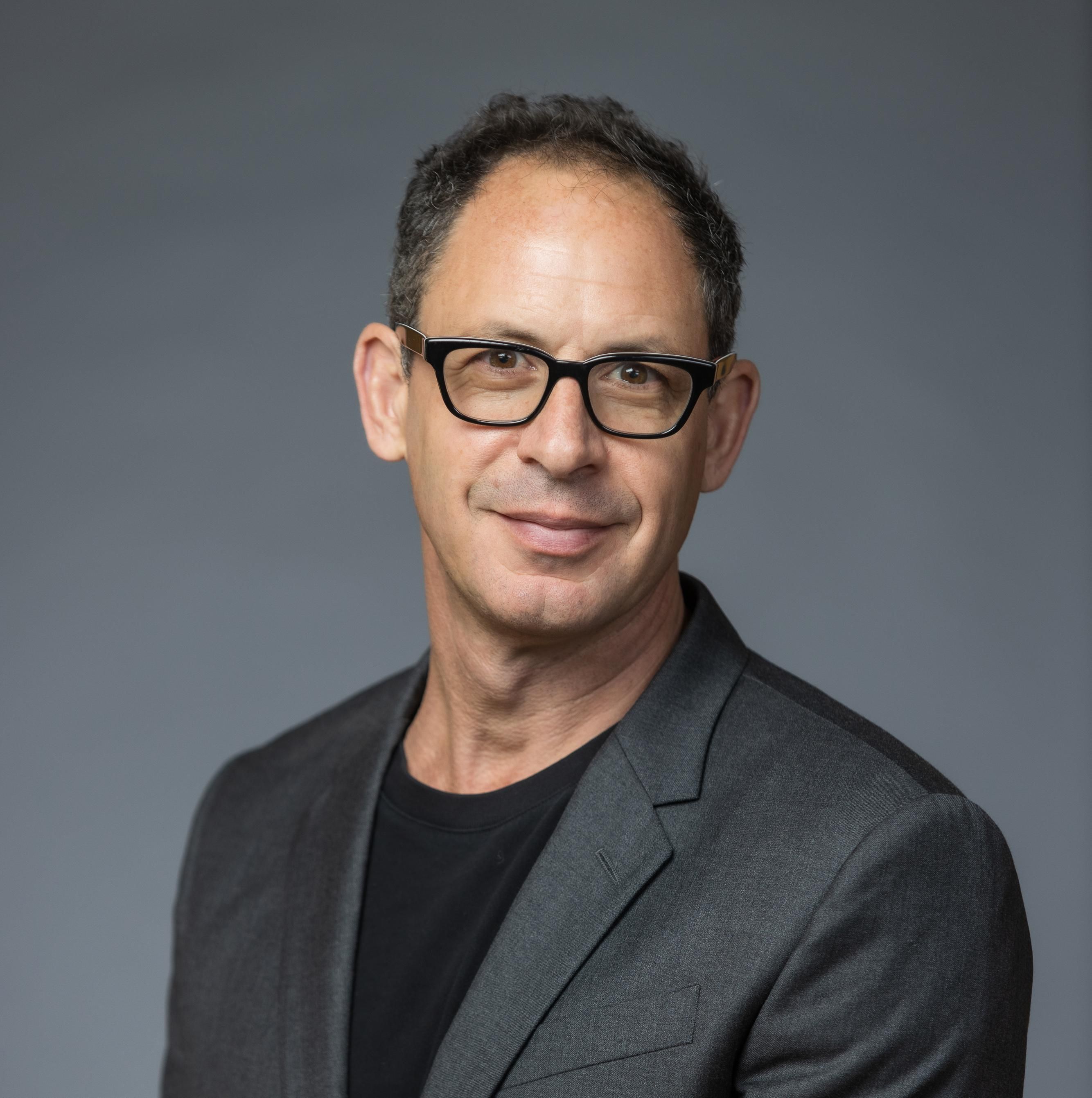
Joanna Aizenberg is the Amy Smith Berylson Professor of Materials Science and Professor of Chemistry and Chemical Biology at Harvard University’s School of Engineering and Applied Sciences (SEAS). She is a Core Faculty Member at the Wyss Institute for Biologically Inspired Engineering and Co-Director of the Kavli Institute for Bionano Science and Technology. Her research focuses on understanding biological architectures and applying these principles to develop advanced synthetic materials and devices. Current Positions: Amy Smith Berylson Professor of Materials Science, Harvard SEAS Professor of Chemistry and Chemical Biology, Harvard Core Faculty Member, Wyss Institute Co-Director, Kavli Institute for Bionano Science and Technology Research Interests: Joanna Aizenberg’s lab explores adaptive materials, biomineralization, surface science, bio-inspired optics, self-assembly, and bio-nano interfaces. The group investigates how biological systems economically design multifunctional, adaptive materials to inspire new synthetic routes and nanofabrication strategies. These advancements aim to impact fields such as architecture, energy efficiency, and medicine. Recent Article Trends: Her recent publications emphasize bio-inspired materials, catalysis, surface engineering, and fluid dynamics. Topics include superhydrophobic coatings, PdAu alloy catalysts, liquid crystal elastomers, and microbial contamination reduction. The interdisciplinary work integrates nanofabrication, computational modeling, and environmental applications. Research Group Members: Kathy Liu Gurminder Paink Haritosh Patel Atalaya Wilborn Garrick Lim





.png)