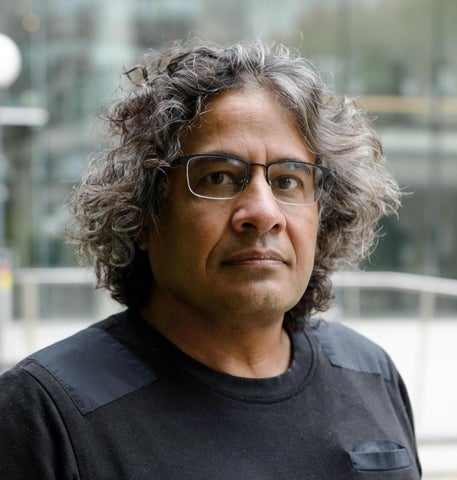
Sachdev Sidhu is a Research Professor and Entrepreneur in Residence at the University of Waterloo. His research focuses on synthetic antibodies, protein engineering, and biotechnological applications. He leads efforts in developing novel therapeutic antibodies, engineered protein systems, and molecular tools for biomedical research. His work spans cancer therapy, viral infection countermeasures, and regenerative medicine. Sidhu is also involved in translational research, bridging academic discoveries with commercial applications through entrepreneurial ventures. Key research interests include synthetic antibody libraries, CAR T-cell engineering, ubiquitin-based therapeutics, and phage display technologies. He has contributed to advancements in targeted therapies for glioblastoma, leukemia, and ocular diseases. His team develops innovative methods for protein design, such as engineered ubiquitin variants and modular antibody architectures. Publications highlight breakthroughs in antibody-based treatments, including synNotch CAR T cells for glioblastoma and neutralizing antibodies against SARS-CoV-2. His work integrates structural biology, molecular biology, and computational approaches to address complex biomedical challenges. Sidhu collaborates with industry partners to advance technologies into clinical and commercial settings.
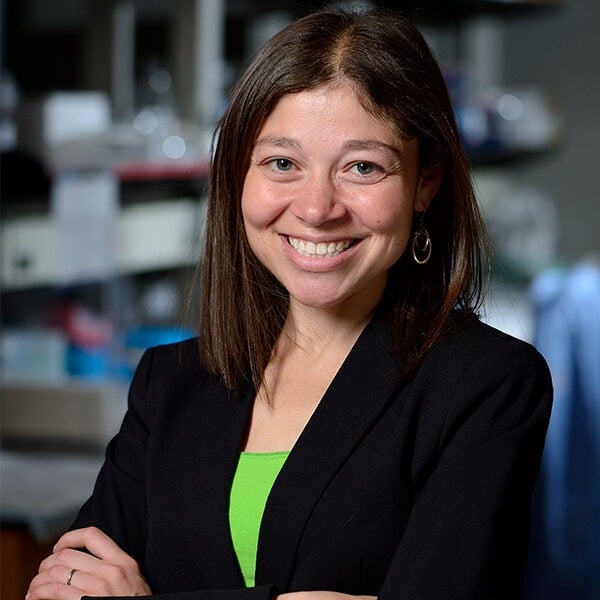
Maria Pau Ginebra Molins is a Professor in the Department of Materials Science and Engineering at the Barcelona East School of Engineering (EEBE), Polytechnic University of Catalonia (UPC). She leads the BBT Research Group focused on Biomaterials, Biomechanics and Tissue Engineering and is affiliated with the Institute of Research and Innovation in Health. Her educational background, while not explicitly detailed in the provided text, reflects extensive expertise in materials science with a specialization in biomaterials, evidenced by her substantial research portfolio spanning over three decades. Professor Ginebra Molins' research spans biomaterials development, bone tissue engineering, and advanced manufacturing techniques. Her work focuses on calcium phosphate-based materials, 3D printing technologies for bone scaffolds, hydrogel systems, and surface modifications of biomaterials to enhance biological responses. She has pioneered approaches in vat photopolymerization, direct ink writing, and the development of stimuli-responsive biomaterials. Analysis of her recent publications (2024-2025) reveals a strong emphasis on translational research with clinical applications. Her work bridges fundamental materials science with practical medical solutions, particularly in bone regeneration, dental implants, and antimicrobial biomaterials. The publications demonstrate expertise in advanced characterization techniques, including spectroscopy and nanoindentation for biomaterial evaluation. Multiple competitive R&D projects including CEX2023-001300-M Maria Maetzu Centre Ciència i Enginyeria Multiescala 17 documented awards and recognitions Leadership in the Inspiring the next generation of innovators project Patents related to 3D-printed bone grafts Professor Ginebra Molins actively supervises doctoral students, with Johansson, L. completing a thesis on 3D-printed biomimetic bone grafts. Her research group (BBT) collaborates extensively with industry and clinical partners to translate laboratory findings into medical applications. She participates in numerous competitive research projects funded by national and European programs, demonstrating the high impact and relevance of her work in the biomaterials field.
Malin Malmsjö is a Professor and Consultant at Lund University's Ophthalmology Department , affiliated with the Faculty of Engineering (LTH) . She leads the Ophthalmology Imaging Research Group and contributes to Photon Science and Technology and Light and Materials profile areas. Key Research Focus: Development of laser speckle contrast imaging , diffuse reflectance spectroscopy , and photoacoustic imaging for periorbital tumor margin analysis and reconstructive surgery optimization. Clinical Applications: Non-invasive diagnostics for giant cell arteritis , diabetic retinopathy , and breast cancer through interdisciplinary collaborations. Infrastructure: Manager of Vevo-LAZR-X , a laser-based imaging system for tissue analysis. Her work intersects ophthalmology , biophotonics , and medical imaging , addressing challenges in tumor excision, flap survival, and ocular reconstruction. She actively supervises PhD students and contributes to technology implementation in clinical settings.
Nathan Gianneschi is the Jacob & Rosaline Cohn Professor of Chemistry, Materials Science & Engineering, and Biomedical Engineering at Northwestern University’s McCormick School of Engineering. His research focuses on biomaterials, polymers, and nanomaterials, integrating chemical biology and biomimicry to develop therapeutics, diagnostics, and functional materials. His interdisciplinary group uses advanced techniques like liquid-cell TEM to study material dynamics. Education: PhD (Northwestern University), Postdoc (Scripps Research Institute). Research interests include synthetic melanin for tissue repair, proteomimetic polymers for targeted therapy, and nanomaterial characterization. Notable achievements include pioneering enzyme-responsive nanoparticles and biomimetic materials. Key awards: 2017 Blavatnik Young Scientist finalist, 2016 Royal Society of Chemistry Fellow, and multiple NIH awards. His work bridges chemistry, engineering, and medicine, with applications in cancer therapy, regenerative medicine, and drug delivery.
Prof. Philip K. Maini is a Professor at the University of Oxford in the Mathematical Institute , specializing in Mathematical Biology. His research spans cancer evolution, angiogenesis, and ocular pharmacokinetics. Research Focus: Mathematical modeling of biological systems, particularly tumor dynamics, pattern formation, and biomedical applications. Publications Trends: Recent work emphasizes reducing complex PDE models to ODE systems for cancer evolution, tumor response to therapies, and nonlocal models of pattern formation. Scientific Awards: FRS (Fellow of the Royal Society) FMedSci (Fellow of the Academy of Medical Sciences) FRSB (Fellow of the Royal Society of Biology) Labs & Teams: Leads research within the Mathematical Biology group at the Mathematical Institute, focusing on interdisciplinary collaborations.
Prof. Dr. med. Andreas Stahl is a faculty member at the University of Greifswald , serving as the Director of the University Eye Clinic . His work integrates clinical practice and research in ophthalmology, with a focus on retinal diseases. University: University of Greifswald Role: Director of the Clinic Contact: clinic-management-eyes@med.uni-greifswald.de Research Interests: Stahl’s research centers on retinopathy of prematurity (ROP) , anti-VEGF therapies , angiogenesis , and diabetic retinopathy . He explores pathophysiological mechanisms and innovative treatments for retinal vascular disorders, collaborating across disciplines to improve neonatal and adult ophthalmological outcomes. Recent Publications: His 2021–2022 work includes clinical decision support tools for ROP screening, comparative studies of ranibizumab and laser therapy, and analyses of retinal vascular occlusion post-COVID vaccination. These reflect his commitment to advancing treatment protocols and understanding disease mechanisms. Teaching: Involved in student education and e-learning development for ophthalmology. Projects: Participates in the INTERREG European Region Pomerania (INT118) initiative.
Professor Reinhold J. Medina serves as Chair Professor of Vision and Vascular Science and Head of the Department of Eye and Vision Science at the University of Liverpool's Institute of Life Course and Medical Sciences, leading research in vascular biology with emphasis on vascular ageing, diabetes complications, and regenerative mechanisms. Educational milestones include an MD from San Agustin University-Arequipa (2000) and a PhD in Stem Cell Biology from Okayama University Medical School (2006), followed by clinical training in Peru and postdoctoral work in Japan before joining Queen's University Belfast. His research program integrates cell and molecular biology to investigate endothelial progenitor cell function in diabetic retinopathy, vascular repair mechanisms, and ageing-related pathologies, with international recognition for advancing understanding of vascular dysfunction in ocular diseases. Current work focuses on metabolic regulation in endothelial cells and senescence pathways in age-related macular degeneration. Recent publications demonstrate strong interdisciplinary convergence across ophthalmology, vascular biology, and gerontology, with recurring themes in metabolic dysregulation (glycolysis), oxidative stress (NOX4), cellular senescence, and translational applications for diabetic complications and retinal diseases. Key scientific awards include: Juvenile Diabetes Research Foundation International Postdoctoral Fellowship (2008) Fight for Sight Postdoctoral Fellowship (2010) Active research grants drive innovation in dry AMD treatment through choriocapillaris senescence targeting (Macular Disease Society), RNA sensing in endothelial ageing (Leverhulme Trust), and stem cell-microengineering approaches for perfused organoids (BBSRC), reflecting strategic collaborations across vascular science, engineering, and clinical ophthalmology. He directs a multidisciplinary research team advancing vascular repair strategies through stem cell biology and molecular pathway analysis, with particular focus on translating basic discoveries into therapeutic interventions for diabetic vascular complications and age-related eye diseases.
Xinyan Zhang is a Researcher in the Department of Cell Biology at Yale School of Medicine, Yale University. Her research focuses on understanding the molecular mechanisms of viral infections, particularly cytomegalovirus (CMV), and their interactions with host cellular processes such as autophagy and apoptosis. She investigates how viral infections trigger inflammatory responses and contribute to pathologies in organs like the retina and liver. Her work includes studies on the role of caspase-12 in retinal cell death during CMV retinitis, the impact of autophagy inhibition on viral replication, and the long-term ocular pathologies caused by neonatal CMV infection in mice models. She also explored adipokine involvement in Kawasaki disease and meta-inflammation in obese children during her graduate studies. Zhang collaborates with mentors Dr. Feng Fang (pediatric infectious disease expert) and Dr. Ming Zhang, contributing to interdisciplinary projects at the Su Lab. Her research integrates molecular biology, immunology, and clinical insights to address translational challenges in virology and infectious diseases.
Judith West-Mays is a Professor in the Department of Pathology & Molecular Medicine at McMaster University . Her research focuses on: Molecular mechanisms of eye development and disease Role of transcription factors (AP-2β, AP-2α) in ocular morphogenesis Transforming Growth Factor Beta (TGF-β) signaling in epithelial-mesenchymal transition (EMT) Matrix Metalloproteinases (MMPs) in vision disorders Biomaterials for intraocular pressure management Key scientific contributions include: Elucidating AP-2β's role in trabecular meshwork formation and glaucoma Characterizing MMP-9's impact on aqueous humor drainage Developing conditional knockout mouse models for vision research Investigating YAP signaling in lens fibrosis Creating mucoadhesive micelles for glaucoma therapy Scientific awards : Brockhouse Canada Prize (2025) for interdisciplinary vision health research Teaching : Biomedical Engineering II (2018) at McMaster University. Collaborators include Taiyab, Sheardown, and Ball. Research hubs involve McMaster's interdisciplinary vision science team.
Nicholas J Volpe, MD is the Chair of the Department of Ophthalmology and George W. and Edwina S. Tarry Professor of Ophthalmology at Northwestern University's Feinberg School of Medicine. He leads the Department of Ophthalmology within the Feinberg School of Medicine, overseeing clinical, educational, and research activities in ophthalmology. Dr. Volpe received his education from Stuyvesant High School (1980), Brooklyn College of CUNY (BS, 1983), and SUNY/State University of New York (MD, 1987). His postgraduate training included an internship in Medicine at Beth Israel Medical Center (1988), residency in Ophthalmology at Massachusetts Eye & Ear Infirmary, Harvard Medical School (1991), fellowship in Neuro-ophthalmology at Massachusetts Eye & Ear Infirmary, Harvard Medical School (1992), and served as Chief Resident in Ophthalmology at Massachusetts Eye & Ear Infirmary, Harvard Medical School (1993). He is board certified in Ophthalmology by the American Board of Ophthalmology. Dr. Volpe's research spans neuro-ophthalmology, retinal diseases, glaucoma, and medical education. His work includes investigations into optic nerve disorders, neurodegenerative diseases with ophthalmic manifestations, imaging technologies like Optical Coherence Tomography, and innovative approaches to ophthalmology education and surgical training. His recent publications show a trend toward integrating advanced imaging techniques, artificial intelligence applications in ophthalmic diagnosis, and exploring connections between systemic diseases and ocular manifestations. Dr. Volpe has received numerous awards and honors throughout his career: American Ophthalmological Society membership (2015) Honor for 'A.E. Finley Distinguished Visiting Professor', University of North Carolina (2014) Dubins Professor, Albany Medical College (2010) Silver Apple for Best Surgery Teacher, University of Pennsylvania (multiple years) Senior Achievement Award, American Academy of Ophthalmology (2008) Marianna Mead Lectureship, Massachusetts Eye and Ear Infirmary (2007) Robert Dunning Dripps Memorial Award for Excellence in Graduate Medical Education (2006) As an educator, Dr. Volpe has held numerous leadership positions in medical education, including Chair of the Residency Selection Committee at the Scheie Eye Institute, University of Pennsylvania, and various roles with the American Academy of Ophthalmology's education committees. He has been instrumental in developing surgical simulation programs and innovative approaches to ophthalmology residency training. His department has received significant research funding, including grants from Research to Prevent Blindness to support investigators advancing the field of ophthalmology and vision science. Dr. Volpe serves in numerous professional leadership roles and is actively involved with multiple ophthalmology and neuro-ophthalmology societies.
Timo Laaksonen is a Professor of Pharmaceutical Nanotechnology at the Faculty of Pharmacy, University of Helsinki , Finland. His research spans biomaterials, photo-activated systems, and controlled drug release mechanisms, with a focus on nanocellulose applications and photon upconversion technologies. Doctor of Science (Technology), Helsinki University of Technology (2007) Master of Science (Technology), Helsinki University of Technology (2002) Docent, University of Helsinki (2010) Research interests include: Utilizing nanofibrillar cellulose for sustained drug delivery Developing light-responsive hydrogels via triplet energy transfer Advancing photon upconversion for low-power drug release Modeling drug release kinetics from nanomaterials His recent publications highlight trends in DNA origami nanocarriers , liposomal photorelease , and 3D-printable hydrogels , blending nanophotonics and biomaterials engineering . Awards include the Young Researcher's Award 2012 and Gust. Komppa Prize 2008 for his doctoral thesis. He supervises doctoral research and leads projects like Bioblocks (Foundation for Pharmaceutical Sciences) and TARDIS (Academy of Finland).
Jamie Spangler, PhD, is an Associate Professor at Johns Hopkins University, holding joint appointments in Biomedical Engineering, Chemical & Biomolecular Engineering, Oncology, Ophthalmology, and Molecular Microbiology & Immunology. She leads the Spangler Lab, focused on engineering proteins to advance therapies for cancer, autoimmune disorders, and infectious diseases. Her work integrates structural biophysics, biomolecular engineering, and translational immunology to develop innovative protein-based treatments. Education : PhD in Biological Engineering, MIT (2011) BS in Biomedical Engineering, Johns Hopkins University (2006) Research Interests : Her lab engineers antibodies and cytokines to manipulate immune responses. Key areas include: Designing IL-2/IL-15 mimetics for T cell modulation Bispecific antibodies targeting VEGF pathways for ocular diseases Orally bioavailable Th17 antagonists Protein degradation platforms using endocytosis-inducing proteins Nanoparticle delivery systems for regulatory T cell expansion Awards : William R. Brody Faculty Scholar Award (Johns Hopkins) Melanoma Research Alliance Pilot Award (2024) Early Career Contributions Recognition (2025) Advancing Therapeutics : Dr. Spangler's lab collaborates with industry and clinical partners to translate engineered proteins into therapies. Recent work includes: CD25-biased IL-2 immunocytokines for cancer immunotherapy Anti-AML CAR-NK cell affinity optimization VEGF-A/C bispecific decoys for neovascular eye diseases Labs & Affiliations : Affiliated with the Translational Tissue Engineering Center and multiple interdisciplinary initiatives at Johns Hopkins. Her lab emphasizes cross-disciplinary approaches bridging engineering, immunology, and clinical medicine.
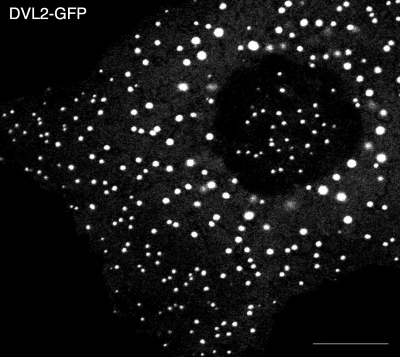
Melissa Gammons is a Researcher at the University of Cambridge , affiliated with the Cambridge Institute for Medical Research (CIMR) and the Department of Medical Genetics . Her work focuses on molecular mechanisms of Wnt signaling in health and disease, with strategic themes including Membrane Trafficking, Organelle Biology, Rare Genetic Diseases, and Neurological Diseases. Her research explores how Wnt signaling pathways regulate cellular processes like proliferation, differentiation, and polarity. She investigates misregulation of these pathways in diseases such as Robinow Syndrome, aiming to inform targeted therapies for rare genetic disorders, cancer, and neurological conditions. Her work often intersects with VEGF signaling in angiogenesis and ocular disease models. Funding : Wellcome Trust, MRC-AstraZeneca Blue-Sky collaboration Group Members : Dr. Miha Renko, Elisabeth Chapman, Christina Antoniou, Anton Venhuizen Contact : mg2128@cam.ac.uk Recent publications highlight her contributions to understanding Wnt signalosome assembly, feedback loops, and VEGF splicing regulation. She actively supervises PhD students and collaborates with industry partners for drug discovery.
Dr. Cecelia C. Yates is an Associate Professor in the Department of Nurse Anesthesia at the University of Pittsburgh's School of Nursing. She directs a cellular/molecular laboratory researching chemokine-matrix interactions in fibrosis (Systemic Sclerosis, Idiopathic Pulmonary Fibrosis) and develops small-molecule/cellular therapies for tissue remodeling. She teaches graduate Pathophysiology and undergraduate Anatomy & Physiology labs, mentors pre-doctoral/undergraduate researchers, and participates in the Undergraduate Research Mentorship Program (URMP). Her research explores: Chemokine/extracellular matrix dynamics in fibrotic diseases Genomic regulation of fibrosis progression Biomimetic therapeutics (e.g., FibroKine peptides) Stem cell applications in scar minimization Publications emphasize fibrosis mechanisms, wound healing, and therapeutic innovations, with recent focus on COVID-19/fibrosis convergence and macrophage polarization. Awarded: Prestigious Early Career Award NAI Senior Member recognition She secured a $250,000 CSL Behring grant (2020) for FibroKine development and a patent for anti-fibrotic technologies. Her lab collaborates nationally on projects like glaucoma fibrosis therapy and cardiac remodeling.
Professor Helen Byrne is a Professor of Applied Mathematics at the University of Oxford’s Mathematical Institute and a Tutorial Fellow at Keble College. She specializes in mathematical modeling of biomedical systems, with a focus on tumor growth, wound healing, and tissue engineering. Her research bridges applied mathematics, statistics, and data science to address fundamental biomedical questions. She has held roles including Associate Head of Department (Planning & Equality), Senior Mathematics Tutor at Keble College, and Director of Equality and Diversity in the Mathematical, Physical and Life Sciences Division. Her work has been recognized through prestigious awards such as the 2021 Australian Laureate Fellowship and the 2019 Leah Edelstein-Keshet Prize. Her publications emphasize interdisciplinary applications of mathematical biology, including tumor-immune interactions, vascular dynamics, and epigenetic landscapes. Key contributions include modeling tumor-induced angiogenesis, liver assembloids, and atherosclerotic plaques. Current projects aim to develop novel mathematical frameworks for interpreting complex biomedical data. Research Grants: $3,021,288 ARC Australian Laureate Fellowship (2021) for 'New Approaches to Understand How Form and Function Shape Complex Systems.' Awards: 2021 Australian Laureate Fellowship (ARC) 2019 Leah Edelstein-Keshet Prize (Senior Award) 2020 Fellow of the Society for Mathematical Biology Labs/Teams: Part of the Mathematical Biology research group at Oxford, contributing to collaborative projects in tumor modeling and biomedical systems.