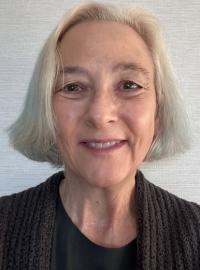
Onyedikachi U. Aligbe, MD is an Instructor in the Department of Obstetrics, Gynecology and Reproductive Sciences. While specific details about their current research focus or educational background are not explicitly stated in the provided text, their academic affiliation suggests expertise in reproductive medicine, maternal-fetal health, or related clinical disciplines. Research Interests likely align with the broad scope of obstetrics and gynecology, encompassing areas such as reproductive biology, prenatal care, and women's health innovations. Their role as an instructor indicates a commitment to academic teaching and clinical training within reproductive sciences.
The University of Texas Medical Branch at GalvestonUnited States
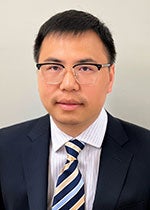
Bekir Unlu, MD is an Assistant Professor in the Department of Obstetrics and Gynecology at the University of Texas Medical Branch (UTMB). His clinical and research activities focus on surgical interventions in obstetrics and gynecology, particularly robotic-assisted procedures and postoperative care optimization. Education: MD from Hacettepe University School of Medicine, Turkey (1999). His research explores pelvic floor disorders , urinary incontinence , and cesarean delivery outcomes , with a strong emphasis on robotic surgery and minimally invasive techniques . Recent studies include comparative analyses of surgical methods for pelvic organ prolapse and stress urinary incontinence , as well as randomized trials on post-cesarean care. Key trends in his publications since 2011 highlight collaborations in urogynecology , robotic-assisted surgeries , and multicenter clinical trials . Notable co-authors include G. S. Kilic, M. Borahay, and F. Dursun.
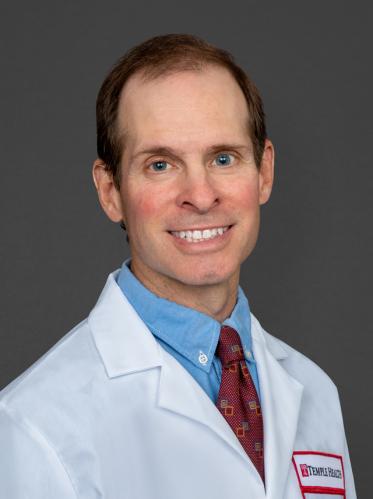
Dr. Charles Sidney Rittenberg is an Assistant Professor in the Department of Obstetrics and Gynecology at the Medical University of South Carolina (MUSC), affiliated with the College of Medicine. He specializes in Maternal-Fetal Medicine and practices at MUSC Women's Health locations in North Charleston and Charleston, SC. His research interests focus on preterm birth prevention, multi-fetal pregnancies, and healthcare delivery systems optimization. Education: Graduated from MIT with degrees in Political Science and Computer Science (undergraduate), earned a Master's in Mathematics from the University of Charleston, and completed medical school, residency, and a Maternal-Fetal Medicine fellowship at MUSC. Professional Affiliations: Board-certified in Obstetrics & Gynecology and Maternal-Fetal Medicine. Active in clinical care and academic initiatives at MUSC Health, contributing to advancing women's healthcare through research and clinical practice.
Dr. Nivee Pradip Amin serves as Clinical Assistant Professor of Medicine at Weill Cornell Medical College and Assistant Attending Physician at NewYork-Presbyterian Hospital, holding leadership roles as Associate Director for Consultative Cardiology and Director of the Women's Heart Program & Preventive Cardiology. Her clinical expertise spans general cardiology, preventive cardiology, and echocardiography with focus on high-risk cardiovascular prevention. Her educational credentials include: B.A., B.S. in International Studies and Business from University of Pennsylvania (2002) M.D. from Johns Hopkins University School of Medicine (2007) M.H.S. in Clinical Investigation from Johns Hopkins Bloomberg School of Public Health (2013) Research centers on sex-based disparities in cardiovascular outcomes, women's heart health across the lifespan, and preventive strategies for coronary/valvular disease. She investigates intersections between cardiology and obstetrics/oncology, emphasizing personalized risk assessment and early intervention to improve quality of life. Analysis of her publications reveals consistent focus on women's cardiovascular biomarkers (e.g., breast arterial calcium), obstetric complications as long-term risk factors, and disparities in revascularization outcomes. Her work leverages large-scale database analysis to address gaps in preventive care for high-risk populations including cancer patients and those with cirrhosis. Dr. Amin maintains active board certifications in Internal Medicine, Cardiovascular Diseases, Nuclear Cardiology, and Echocardiography through the American Board of Internal Medicine, and holds professional memberships in the American College of Cardiology, American Society for Preventive Cardiology, and American Heart Association. She provides inpatient consultative care on cardiac telemetry units while leading the Women's Heart Program, which integrates preventive cardiology services with gender-specific treatment protocols. Fluent in Spanish, she emphasizes culturally competent care tailored to individual patient needs across diverse populations.
University of California, San FranciscoUnited States
Charlah Robinson, MD is a Clinical Professor at the University of California San Francisco (UCSF) School of Medicine , affiliated with the Maternal-Fetal Medicine & Reproductive Genetics division. She completed her medical education at the University of Pennsylvania , earning a B.A. in Art History (1982), M.D. in Medicine (1990), followed by an Internship and Residency in Obstetrics and Gynecology (1994) and a Fellowship in Maternal-Fetal Medicine (1996). Her clinical and research focus centers on complex fetal abnormalities and maternal complications , with expertise in gestational diabetes and hypertension in pregnancy . Her work addresses critical challenges in high-risk pregnancies, including pharmacological interventions and obstetric outcomes. While her published research includes studies on fetal positioning during labor, neonatal risks of maternal treatments, and infectious disease implications in obstetrics, no scientific awards or students are explicitly mentioned in the provided text.
Samantha Beth Schon, MD, MTR is an Assistant Professor in the Department of Obstetrics and Gynecology at the University of Michigan Medical School, specializing in Reproductive Endocrinology & Infertility. She directs the Michigan Interdisciplinary Clinic for Obesity & Reproduction (MICOR), focusing on the intersection of obesity and fertility. Education: BS/MD from University of Michigan, Residency at Washington University in St. Louis, Fellowship in Reproductive Endocrinology & Infertility at University of Pennsylvania Her research explores translational studies of the human endometrium and oocyte microenvironment, biomarkers of infertility, and patient experiences in reproductive care. She is board-certified in Obstetrics & Gynecology, Reproductive Endocrinology & Infertility, and Obesity Medicine. Dr. Schon’s work emphasizes improving reproductive outcomes through interdisciplinary approaches combining clinical practice, translational research, and patient-centered care. She practices at multiple locations including Briarwood and Bloomfield Hills Centers for Reproductive Medicine.
Xian Wu, Ph.D., serves as a Research Assistant Professor in the Department of Pharmacology & Toxicology at East Carolina University's Brody School of Medicine. Her research leverages human stem cell models to investigate developmental vulnerabilities to environmental contaminants in cardiovascular and neural systems, with emphasis on epigenetic mechanisms and disease modeling. Dr. Wu's academic credentials include: Ph.D. in Toxicology from the University of Georgia M.S. in Biomedicine from East China Normal University B.S. in Biotechnology from Anhui University Her postdoctoral training comprised a Fellowship at the National Institute of Environmental Health Sciences and an ORISE Fellowship at the U.S. Food and Drug Administration. Research focuses on creating human stem cell-derived organoid systems to model developmental toxicology, particularly examining cardiac and neural development under chemical exposure. The laboratory employs fluorescence reporter systems and RNA-seq to identify critical vulnerability windows during early development, with recent work targeting Parkinson's disease mechanisms through dopaminergic neuron models and cardiac fibrosis via advanced organoids. Methodological innovations include high-content imaging for neurogenesis quantification and epigenetic pathway analysis. Publication trends (2016-2025) demonstrate consistent advancement in stem cell-based toxicology testing, with increasing emphasis on micro/nanoplastics risk assessment, arsenic neurotoxicity mechanisms, and doxorubicin cardiotoxicity modeling. The work bridges environmental health, epigenetics, and regenerative medicine through interdisciplinary approaches. Scientific recognition includes: 2025 SPARC Award (ECU) 2024 Top Abstract Award (Developmental Origins of Health and Disease Society) 2024 NIEHS P30 Center Travel Award 2023 ECU Research and Creative Activity Award Dr. Wu actively mentors graduate researchers including Ph.D. candidate Cate Duncan and M.S. students Kamilah Muhammad and Bailey Skeen, alongside undergraduate Bryce Tilghman. Former trainees McKyrah Brown and Monica Cross completed honors theses in the laboratory. Current grants include ECU's SPARC Award funding stem cell model development for environmental contaminant testing. The BSOM 6S-11 laboratory maintains specialized capabilities in cardiac and cerebral organoid generation, fluorescence-based toxicity screening, and RNA-seq epigenetic analysis. Collaborative networks include the National Institute of Environmental Health Sciences and ECU's Center for Human Health and the Environment, supporting translational research on developmental vulnerability periods.
Dr. Annalies Denoble is an Assistant Professor of Obstetrics, Gynecology & Reproductive Sciences at Yale School of Medicine. She specializes in maternal-fetal medicine, focusing on high-risk pregnancies, particularly those complicated by cardiovascular disease. Her research addresses gaps in understanding maternal heart disease, hypertension, and vaccine safety during pregnancy. Education: MD and MSc in Clinical Research, University of Michigan Medical School (2014) Bachelor of Arts in French Studies, Duke University (2008) Research Interests: Her work centers on cardiovascular complications in pregnancy, including hypertension, heart failure, and congenital heart disease. She collaborates with Yale's multi-disciplinary Pregnancy Heart Team to optimize care for patients with cardiac conditions. Her studies also investigate vaccine safety, preeclampsia, and maternal mortality reduction strategies. Recent Research Trends: Her publications highlight late-onset postpartum hypertension, vaccine safety in pregnancy, and hypertension progression during and after pregnancy. She emphasizes extending postpartum care and improving risk prediction models for adverse cardiac events. Awards: Recognized as a 'Top Doctor' in Yale Ob/Gyn Physicians for 2025. Collaborations & Clinics: Dr. Denoble works with the Pregnancy Heart Team and Yale Medicine's Maternal-Fetal Medicine unit. She sees patients at locations in New Haven, New London, and Waterbury, CT.
Dr. James Ashton-Miller is a prominent faculty member in the Department of Mechanical Engineering at the University of Michigan, where he directs the Biomechanics Research Laboratory. He serves as a Center Member of the University of Michigan Injury Prevention Center and maintains affiliations with the Institute of Gerontology. His interdisciplinary work bridges engineering principles with medical applications, focusing on injury prevention across sports medicine, obstetrics, and geriatrics. Dr. Ashton-Miller's educational background includes: PhD from the University of Oslo, Oslo, Norway (1978-1983) MSME from M.I.T., Cambridge, MA, U.S.A (1972-1974) B.SC. (Hons) from the University of Newcastle-upon-Tyne, Newcastle-upon-Tyne, England (1967-1972) His research focuses on the biomechanics of injury prevention across multiple critical domains. In sports medicine, he has demonstrated that some ACL injuries are overuse injuries resulting from too many sub-maximal loading cycles that prevent healing of collagen damage. In women's health, his work on childbirth injuries addresses conditions that affect more women than breast cancer. His research on fall-related injuries in older adults reveals the dual threat of physical and cognitive factors. He also investigates sciatica, disc degeneration, and develops new medical devices for screening, diagnosis and treatment. Dr. Ashton-Miller's recent publications show a strong trend toward developing practical clinical applications from fundamental biomechanical research, with emphasis on advanced imaging methods, wearable sensors, and computational modeling for pelvic floor function assessment. His work consistently aims to translate engineering insights into clinical solutions for injury prevention. His research insights have earned him numerous national and international research awards, though specific awards aren't detailed in the available information. His work involves close collaboration with clinicians and surgeons who meet weekly to discuss progress and next steps. Dr. Ashton-Miller is deeply committed to mentoring, working with NIH K-series fellows along with 1-2 post-doctoral fellows, 3-5 PhD students, 2-4 M.S. students, 4-5 undergraduate students, and 2-4 young clinicians. His research is generously supported by the National Institutes of Health, National Science Foundation, National Basketball Association, Fortune 500 companies, and startup companies including Procter & Gamble and Hologic, Inc. He directs the Biomechanics Research Laboratory and co-leads the Pelvic Floor Research Group, where his teams develop new medical devices to improve screening, diagnosis, and treatment of various biomechanical conditions. These laboratories maintain strong clinical connections, ensuring research remains grounded in real-world medical challenges.
A.T. Charlie Johnson serves as the Rebecca W. Bushnell Professor of Physics and Astronomy at the University of Pennsylvania's School of Arts & Sciences, where he has been a standing faculty member since 1994. His research program focuses on nanoscale systems and has established him as a leading figure in condensed matter physics, earning recognition from major scientific societies. His educational foundation includes: Ph.D. in Physics from Harvard University (1990) B.S. in Physics from Stanford University (1984) Professor Johnson's research centers on the development and application of atomic-layer nanomaterials, particularly graphene and transition metal dichalcogenides , for fundamental studies of transport phenomena and practical biosensor applications. His group employs advanced nanofabrication techniques at Penn's Singh Center for Nanotechnology to create devices that leverage biological molecules for chemical recognition in disease diagnosis, security screening, and environmental monitoring. This work bridges condensed matter physics with biomedical engineering , yielding innovative solutions for real-world detection challenges. Analysis of his 2023-2025 publications reveals three dominant research thrusts: (1) scalable graphene-based biosensor development for medical diagnostics, (2) exploration of quantum phenomena like Klein tunneling in novel nanoelectromechanical systems, and (3) interdisciplinary applications spanning oncology, planetary science, and fetal medicine. His work consistently emphasizes materials synthesis , device integration , and practical translation of nanoscale phenomena. His scientific contributions have been recognized with prestigious honors: Defense Science Study Group Fellow (2018-2019) Fellow of the American Association for the Advancement of Science (2017) Fellow of the American Physical Society (2011) Lindback Foundation Award for Distinguished Teaching (2003) David and Lucille Packard Foundation Fellowship (1994-1999) As an educator, Professor Johnson has mentored numerous graduate students and postdoctoral researchers, with notable alumni like Michael Biercuk (founder of Q-CTRL). His research has been supported through significant leadership roles including Director of the Nano/Bio Interface Center (2014-2017) and Packard Fellowship funding, enabling sustained innovation in nanotechnology. His group actively collaborates across disciplines to advance both fundamental understanding and practical applications of nanomaterials. Based at the Singh Center for Nanotechnology, Johnson leads a dynamic research team utilizing state-of-the-art facilities for nanofabrication and characterization. His laboratory maintains strong campus collaborations through secondary appointments in Electrical and Systems Engineering and Materials Science and Engineering, fostering an interdisciplinary environment for developing next-generation nanoscale devices.
Thomas G. Costantino, MD, is a Professor in the Department of Emergency Medicine at Lewis Katz School of Medicine at Temple University. He specializes in Emergency Medicine Ultrasound, with a focus on diagnostic imaging, vascular access, and musculoskeletal ultrasound. Dr. Costantino has held academic positions at multiple institutions, including Drexel University and Medical College of Pennsylvania, and has received numerous accolades for teaching excellence and research contributions. Education: MD from University of Michigan School of Medicine Training: Fellowship and Residency in Emergency Medicine at Medical College of Pennsylvania His research involves advancing point-of-care ultrasound (POCUS) techniques in emergency diagnostics, particularly for aortic dissections, pleural effusions, and acute visual complaints. His publications highlight the efficacy of ultrasound-guided procedures over traditional methods. Scientific Awards & Memberships National Alzheimer’s Federation Research Award University of Michigan Alumni Merit Scholarship Excellence in Teaching Awards at Temple, Drexel, and MCP/Hahnemann Medical Schools Fellow of American Academy of Emergency Medicine and American College of Emergency Physicians Dr. Costantino actively contributes to emergency medicine education, including associate editor roles in medical textbooks and ultrasound training programs. His work emphasizes improving diagnostic accuracy and patient outcomes through innovative imaging techniques.
Gary M. Shaw is the Rosemarie Hess Professor and Professor (Research) at Stanford University , with courtesy appointments in the Department of Epidemiology and Population Health and Department of Obstetrics & Gynecology - Maternal Fetal Medicine . He serves as Co-PI of the March of Dimes Prematurity Research Center at Stanford and PI of the California Center for Finding Causes and Preventives of Birth Defects . His research focuses on the Epidemiology of birth defects Gene-environment interactions in perinatal outcomes Nutritional factors in reproductive health . He has developed machine learning approaches for precision parenteral nutrition and predictive models for preterm birth, while investigating persistent metabolomic signatures following hypertensive pregnancy disorders. Shaw's recent work explores Climate change impacts on reproductive health Maternal-fetal immune interactions Epigenetic mechanisms in perinatal disease with applications of multiomics to neonatal intensive care units. As a member of Bio-X and the Maternal & Child Health Research Institute , he contributes to translational research networks while serving as Associate Editor for Birth Defects Research and American Journal of Medical Genetics . He supervises Med Scholar Project student Richard Liang Doctoral co-advisor for Saskia Comess and Richard Liang Master's advisor for Lenae Joe while leading the Division of Neonatology as Associate Chair for Clinical Research (2012-2025). His laboratory work integrates Metabolomic profiling Proteomic analysis Computational modeling Machine learning for biomedical data to advance neonatal care through precision medicine approaches.
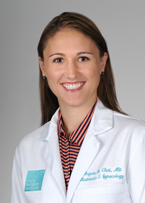
Dr. Angela Rank Choi is an Associate Professor in the Department of Obstetrics and Gynecology at the Medical University of South Carolina (MUSC). She joined MUSC Women's Care in 2013 after completing her undergraduate studies at Wake Forest University, medical school, and residency at MUSC. Her clinical and academic work focuses on contraception, family planning, preconception counseling, adolescent gynecology, obstetrics, and menopause, with a particular emphasis on preventative health strategies. Education: Bachelor's Degree: Wake Forest University Medical School: MUSC College of Medicine (2009) Residency: Medical University of South Carolina Medical Center (2013) Research & Clinical Interests: Dr. Choi specializes in menopause management (certified via the Menopause Society), contraception options, and adolescent gynecological care. She advocates for holistic preventative health approaches integrating nutrition and exercise into patient care. Awards: Menopause Society Certified Practitioner (MSCP) Advising & Grants: No formal advisee list or grants specified in available records. Her current professional activities focus on clinical care and academic contributions in obstetrics/gynecology. Labs/Teams: No specific research labs or collaborative teams explicitly mentioned in provided materials.
Overview Catherine O'Neill Buck is an Assistant Professor in the Department of Pediatrics, Division of Neonatal-Perinatal Medicine at Yale School of Medicine. She is a neonatologist and clinical researcher focused on maternal metabolic health during pregnancy and its influence on infant growth, body composition, and neurodevelopment. Her work bridges clinical care and translational research, with a particular emphasis on preterm infants and obesity prevention. Education & Training MD: University of Connecticut School of Medicine BS: University of Connecticut (Molecular/Cell Biology and Spanish) Pediatric Residency: University of Texas Southwestern Medical School (2015) Neonatal-Perinatal Medicine Fellowship: Brown University/Women and Infants Hospital (2019) MHS (Clinical Investigation): Yale School of Medicine (2025) Research Focus Dr. Buck's research investigates how maternal metabolic conditions (e.g., diabetes) and early neonatal nutrition affect preterm and term infants' growth trajectories, adiposity, and long-term cardiometabolic health. Key areas include: Adipokine and metabolite profiling in newborns Ultrasound-based body composition assessment in preterm infants Optimizing nutritional protocols for preterm growth Impact of maternal diabetes on neonatal morbidities Clinical Trial Principal Investigator for the trial Preventing Obesity in Preterm Infants (HIC ID 2000031084), exploring strategies to mitigate obesity risks in preterm populations. Labs/Teams Leads the Yale Neonatal NOuRISH Team , focusing on nutritional and metabolic interventions for neonates.
Lloyd D. Petty, DO, MPH, is a Clinical Assistant Professor in the Department of Internal Medicine at the University of Utah School of Medicine. He specializes in Endocrinology, Diabetes & Metabolism, providing clinical care while contributing to academic research. Education: D.O. and M.P.H. from Nova Southeastern University College of Osteopathic Medicine; B.S. in Physiology from University of Arizona Training: Chief Residency at University of New Mexico School of Medicine; Fellowship in Endocrinology at University of Utah School of Medicine His research focuses on endocrine disorders, particularly diabetes, osteoporosis, and thyroid diseases. Recent publications explore hormonal-gastrointestinal interactions, bone health in oncology patients, and minimally invasive endocrine procedures. Key publications span bone metabolism in chronic lymphocytic leukemia (2024), adrenal gland ablation techniques (2022), and endocrine-gastrointestinal case studies (2017-2023). The work demonstrates expertise in clinical endocrinology applications.