Jonathan Kingslake is an Associate Professor in the Department of Earth and Environmental Sciences at Columbia University and a member of the Lamont-Doherty Earth Observatory. His research focuses on glaciology, subglacial and supraglacial hydrology, and ice sheet dynamics. He holds a BSc in Physics from the University of York and a PhD in Glaciology from the University of Sheffield. Prior to Columbia, he worked as a Glacier Geophysicist at the British Antarctic Survey. His work integrates field observations, remote sensing, and mathematical modeling to improve understanding of glacial processes and climate impacts. Education: B.Sc. Physics, University of York (2009) Ph.D. Glaciology, University of Sheffield (2013) Key Research Themes: Subglacial and supraglacial water dynamics West Antarctic Ice Sheet evolution Ice shelf stability and meltwater mechanisms Glacial lake formation and drainage Fieldwork Experience: Antarctica (2013–2015): Radar and GPS measurements of ice flow Greenland (2017): Meltwater refreezing studies Juneau Icefield (2018): Firn compaction and ice core sampling Grants & Collaborations: NSF-funded projects on Antarctic ice shelf dynamics Lenfest Junior Faculty Development Grant (Juneau Icefield fieldwork) Part of the Polar Geophysics Group at Lamont Lab/Team: Advises a group of students and postdocs in the Polar Geophysics Group, focusing on interdisciplinary approaches to glacial processes.
Katie Marshall is an Assistant Professor in the Department of Zoology at the University of British Columbia’s Faculty of Science. Her research focuses on the physiological and ecological mechanisms underlying species’ survival in cold environments, particularly in intertidal invertebrates and forest pest insects. She explores how low-temperature adaptation affects population growth and geographic range limits, aiming to predict climate change impacts on species distributions. Dr. Marshall is affiliated with the Biodiversity Research Centre and the Comparative Physiology Group, emphasizing interdisciplinary collaboration in ecology and evolutionary biology. Her work integrates biological and environmental disciplines, combining molecular studies with ecological observations. For instance, she investigates ice-binding proteins in marine invertebrates and metabolic adaptations in insects and mussels exposed to freezing conditions. She also utilizes advanced technologies like machine learning and DNA metabarcoding for species classification and ecosystem monitoring. Dr. Marshall’s research addresses key questions about why species have specific geographic ranges and how they might respond to environmental changes. Recent studies highlight themes such as the evolutionary origins of cold tolerance, the effects of temperature fluctuations on insect survival, and the interplay between climate variables and organismal physiology. She emphasizes understanding functional traits and eco-evolutionary dynamics to improve predictive models for species range shifts and ecosystem management. Though no specific scientific awards or grants are listed in the provided texts, her contributions to biodiversity and physiological ecology are evident through her active research and lab leadership. The Marshall Lab collaborates broadly within the Zoology Department and across UBC’s Biodiversity Research Centre to advance knowledge in these critical areas.
Celeste Kidd is an Associate Professor at the University of California, Berkeley, leading the Kidd Lab. Her research bridges computational modeling and behavioral experiments to study knowledge acquisition in young children, drawing from foundational theories by Piaget, Montessori, and Vygotsky. Education: Ph.D. in Cognitive Psychology from the University of Rochester Her work focuses on attention, curiosity, and learning dynamics, particularly how children explore and attend to information during development. She employs eye-trackers, touchscreens, and observational play studies to quantify learning processes. Recent publications highlight her exploration of belief formation, social learning, and the intersection of AI with cognitive development. Her findings inform educational technologies and clinical practices. Her lab emphasizes cross-cultural studies and computational models of curiosity, with experiments spanning infancy to adolescence. She investigates how predictability, physical cues, and linguistic structures shape cognitive growth.
Dr Daniel Harris is a Senior Lecturer in the Department of Geography at the School of the Environment, University of Queensland (UQ). His research focuses on coastal and coral reef morphodynamics, integrating physical processes like waves and tides with ecological and geological systems. Prior to UQ, he held positions at the University of Sydney and the Leibniz Center for Tropical Marine Ecology (ZMT). He leads The BeachLab, dedicated to developing tools for coastal resilience in a warming world. Research interests include coral reef structural complexity, coastal protection under climate change, and surf zone processes. His work combines field data, remote sensing (e.g., LiDAR, drones), and numerical modeling to address both fundamental and applied questions. Notable projects involve quantifying coral rubble mobility, analyzing Holocene reef evolution, and assessing shoreline change via satellite imagery. His expertise spans marine geoscience, physical oceanography, and environmental adaptation strategies. Publications emphasize coral reef dynamics, coastal geomorphology, and climate impacts. He collaborates with ecologists, geologists, and coastal engineers to advance interdisciplinary solutions. Teaching focuses on geography and marine science, reflecting his commitment to educating future researchers and practitioners. Key contributions include advancing methods for shoreline monitoring using Bayesian networks and Google Earth Engine. His research highlights the critical role of coral reefs in coastal protection, particularly under rising sea levels and extreme weather events. The BeachLab’s work bridges academic inquiry with practical management strategies for vulnerable coastal ecosystems.
Timothy A. McKay serves as the Arthur F. Thurnau Professor of Physics, Astronomy, and Education at the University of Michigan's College of Literature, Science, and the Arts (LSA), where he also holds the administrative role of Associate Dean for Undergraduate Education. His dual expertise bridges astrophysics research and educational innovation, with significant contributions to both observational cosmology and learning analytics. His educational background includes: B.S. in Physics from Temple University (1986) Ph.D. in Physics from the University of Chicago (1992) McKay's research spans two interconnected domains. In observational cosmology, he pioneered work with major astronomical surveys including the Sloan Digital Sky Survey (SDSS), Robotic Optical Transient Search Experiment (ROTSE), and Dark Energy Survey (DES), focusing on galaxy clusters, cosmic rays, and large-scale structure. Since 2015, he has strategically shifted toward learning analytics, applying data science to transform STEM education. His innovative projects include E 2 Coach (a personalized student support system) and the NSF-funded REBUILD initiative, which creates intergenerational research teams to develop evidence-based teaching practices across physics, chemistry, astronomy, biology, and mathematics. Analysis of his publication trajectory reveals a deliberate pivot from astrophysics to educational research around 2015. While his early work centered on galaxy clusters and cosmological phenomena, recent publications (2020-2024) overwhelmingly focus on systemic equity gaps in STEM education, data-driven interventions, and multi-institutional collaborations. This evolution demonstrates how his data science methodology transitions seamlessly between cosmic structures and educational ecosystems. His scientific recognition includes: Prestigious Arthur F. Thurnau Professorship (awarded for exceptional undergraduate teaching) McKay directs the NSF-funded REBUILD project and the Digital Innovation Greenhouse, securing substantial research funding while mentoring undergraduate and graduate students in interdisciplinary teams. His work with the Big Ten Academic Alliance (CIC) has generated cross-institutional studies on grading patterns, performance disparities, and student support systems, with practical applications implemented across multiple universities. He actively collaborates with faculty across STEM disciplines to develop scalable educational technologies. His research infrastructure includes the Digital Innovation Greenhouse (an educational technology incubator) and REBUILD project teams, which integrate undergraduates, graduate students, postdocs, and faculty in evidence-based educational research. These teams operate at the intersection of data science and pedagogy, developing tools that analyze institutional datasets to personalize student support while maintaining rigorous scientific methodology.
Omid V. Ebrahimi is a Career Development Research Fellow at the University of Oxford’s Department of Experimental Psychology, affiliated with Magdalen College. His research focuses on the development and maintenance of mental health disorders, particularly depression and anxiety, using systems-based and network analytical approaches. He leads the Oxford Emotional Disorder Genesis and Evolution (EDGE) Lab and the Critical Incidents and Psychological Adaptation (CIPA) study, tracking 20,000+ individuals over 15 years to explore societal crises’ impacts on mental health. His work during the pandemic examined social containment policies’ effects on mental health and identified strategies to mitigate harm. Education: PhD and DClinPsy qualifications from institutions including the University of Oslo (with time at the University of Amsterdam), UC Berkeley, and The University of Hong Kong. He emphasizes mentoring, receiving a mentorship award, and advocates for clear scientific communication, featured in over 70 media outlets. Research Interests: Critical incidents (e.g., pandemics, climate change), depressive symptom dynamics, network analysis, and systems-based mental health science. Collaborations span global institutions like Harvard University and the University of Iceland. Key Projects: The CIPA study investigates long-term mental health trajectories post-critical incidents. His work integrates biopsychosocial variables to identify prevention and treatment targets for depression/anxiety. Awards: Mentorship Award for his student supervision efforts. Active in policy discussions, emphasizing conference accessibility and structural equity barriers.
Dr. Arwa Dabbech is an Assistant Professor at Heriot-Watt University's School of Engineering & Physical Sciences, affiliated with the Institute of Sensors, Signals & Systems. Her research focuses on radio interferometric imaging, combining machine learning, optimization algorithms, and computational methods to advance astronomical data analysis. Key areas include high-dynamic range imaging, algorithm scalability, and deep neural networks like R2D2 for precision imaging. Her work emphasizes innovative techniques such as Faceted HyperSARA and parallel processing frameworks, addressing challenges in wideband imaging and large-scale data handling. Collaborations involve advanced telescopes like the VLA and ASKAP, contributing to datasets that validate novel algorithms. Dr. Dabbech’s research bridges theoretical developments with practical applications, enhancing the resolution and accuracy of radio astronomical observations. Notable projects include R2D2’s application to Cygnus A imaging and uncertainty quantification, demonstrating real-time imaging capabilities. Her contributions span algorithm design, AI integration, and scalable solutions for modern radio interferometry, positioning her at the forefront of computational astrophysics.
Anirban Mondal is an Associate Professor and Director of Graduate Studies at Case Western Reserve University's Department of Mathematics, Applied Mathematics and Statistics, specializing in Bayesian Inference, Markov Chain Monte Carlo Methods, and Uncertainty Quantification. Holding a Ph.D. in Statistics from Texas A&M University, his research spans spatial statistics, inverse problems, and data mining applications across biomedical, materials science, and public health domains. Education: Ph.D. in Statistics, Texas A&M University His recent publications (2022-2024) demonstrate interdisciplinary applications including heart disease prediction via optimized machine learning, additive manufacturing defect analysis, and pandemic transmission modeling. While primarily focused on Bayesian frameworks and computational statistics, his work extends to geomechanics, remote sensing, and environmental risk assessment. Current research explores advanced sampling algorithms, functional data emulation, and multiscale hierarchical modeling for complex systems. Key trends include uncertainty quantification in machine learning systems (2024), Bayesian calibration methods (2023), and pandemic modeling (2022). His work balances methodological innovation with real-world applications in medical diagnostics, materials science, and climate science. Contact: anirban.mondal@case.edu
Dr. Natalia Efremova is a Senior Lecturer in Digital Economy at Queen Mary University of London (QMUL), School of Business and Management. She joined QMUL in November 2021 and is a member of the Centre for Globalisation Research (CGR) and a fellow of the Digital Environment Research Institute (DERI). Her research focuses on applying machine learning and deep neural networks to address sustainability challenges such as climate change, sustainable agriculture, and environmental monitoring. She holds a Ph.D. in Computer Science (Neural Networks for Computer Vision) from Kyoto University and an MBA from the University of Oxford, where she also worked as a Teradata Research Fellow at the Said Business School. Education: Ph.D. in Computer Science, Kyoto University, Japan (2012) MBA, University of Oxford, Said Business School (2021) Previous Roles: Associate Professor, Plekhanov University of Economics, Russia (2012–2016) Teradata Research Fellow, University of Oxford (2016–2021) Research Interests: Dr. Efremova’s work emphasizes developing transparent ML models for sustainable land-use and climate-related applications, as well as ethical AI frameworks for sustainable development goals. Her projects involve satellite data analysis (e.g., Sentinel imagery) for precision agriculture, soil moisture estimation, and crop monitoring. Teaching & Supervision: She teaches courses in Business Analytics (e.g., Group Projects in Business Analytics) and supervises PhD students in AI applications for sustainability. She is currently co-director of the MSc in Environmental Analytics program (2023). Key Themes in Publications: Her articles focus on AI-driven solutions for environmental challenges, including crop mapping, soil carbon estimation, and regenerative grazing monitoring. Methodologies include deep learning (e.g., Transformers, GANs) and remote sensing data fusion. Affiliations: Member of CGR and fellow of DERI, contributing to interdisciplinary research on globalization and environmental AI.
Yi-Zhuang You is an Associate Professor in the Department of Physics at the University of California, San Diego (UCSD). He holds a Ph.D. from Tsinghua University (2013). His research focuses on theoretical investigations of correlated topological phases, quantum entanglement dynamics, and machine learning applications in many-body systems. Key areas include deconfined quantum criticality, symmetry-protected topological (SPT) phases, and the interplay between topology and quantum matter. His work bridges condensed matter physics and high-energy physics, exploring topics such as topological responses in gauge theories, entanglement holography, and quantum machine learning. Recent studies involve machine learning-driven approaches to quantum state preparation, symmetry discovery, and tomographic reconstruction of quantum systems. His contributions span theoretical frameworks for understanding topological transitions, fractionalization in lattice models, and the role of symmetry in quantum critical phenomena. Notable research highlights include the study of symmetric mass generation as a deconfined quantum criticality mechanism, the application of classical shadow tomography for efficient quantum state estimation, and the development of algorithms for self-similar dynamics modeling. His publications frequently intersect with experimental proposals for observing topological phases in materials like graphene and iridates. Dr. You’s affiliations include the UCSD Physics Department, with collaborations extending to institutions globally. His research is supported by grants focusing on quantum information, topological materials, and machine learning applications in physics. While no specific awards are listed, his work has been widely cited in high-impact journals across condensed matter and theoretical physics.
Brandon Karchewski is an Associate Head (Undergraduate) and Teaching Professor in the Department of Earth, Energy and Environment at the University of Calgary. He earned his PhD in Civil Engineering from McMaster University and teaches courses including Engineering Geology, Computational Methods, and Natural Disasters. His research program focuses on: Computational methods in geophysics and geomechanics Geoscience education innovation Climate change impacts on frozen soils Inverse modeling applications Karchewski has pioneered virtual field experiences and developed open-source tools for modeling climate impacts on permafrost. His educational research examines metaphor use in geoscience communication and field pedagogy. Recent computational work includes Python-based permafrost modeling and stochastic inversion methods for biogeochemical transport. He leads the geophysics field school program emphasizing team-based learning. Award recognition includes: Geoscience Teaching Award (2019) Best Poster Award for teaching innovation research (2018) Team Teaching Excellence award (2016) Multiple teaching assistant awards
Milica Orlandic is an Associate Professor in the Department of Electronic Systems at NTNU. She holds an MSc from the University of Montenegro (2009) and a PhD from NTNU (2015). Her research focuses on hyperspectral imaging, remote sensing, FPGA-based systems, and embedded computing for aerospace applications. She is actively involved in the HYPSO CubeSat mission, developing onboard processing systems for Earth observation. Education: MSc in Electrical Engineering, University of Montenegro (2009) PhD in Electronics, NTNU (2015) Research Interests: Her work spans hyperspectral data processing , including compression, anomaly detection, and onboard computing for satellites. She also explores reconfigurable hardware (FPGAs) for real-time signal processing, cyber-physical systems, and spaceborne sensor systems. Publications Trends: Recent work emphasizes lightweight machine learning for anomaly detection, FPGA acceleration of hyperspectral compression (CCSDS 123), and algorithm co-design for CubeSat missions. Key contributions include robust onboard processing frameworks for HYPSO-1 and adaptive hardware-software systems. Advising & Teams: She supervises a dynamic team of over 40 PhD and MSc students working on FPGA implementations, satellite systems, and hyperspectral algorithms. Notable collaborations include the HYPSO CubeSat project, which aims to deliver high-resolution Earth observation data with low latency. Labs & Infrastructure: Her research leverages NTNU’s facilities for embedded systems prototyping, FPGA development, and CubeSat payload testing. The HYPSO mission integrates her team’s hardware-software co-design innovations for space applications.
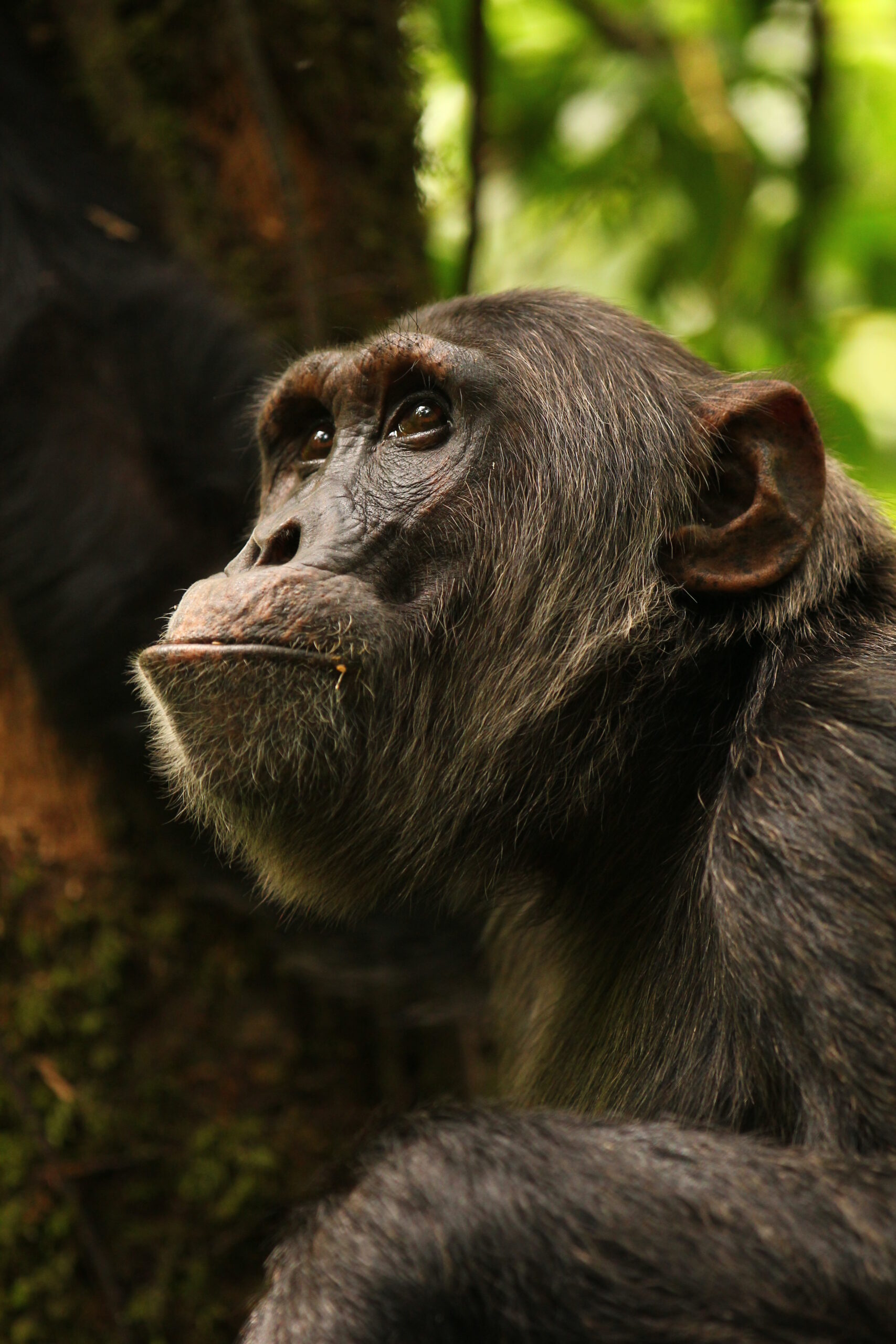
Dr. Kevin Langergraber is an Associate Professor at Arizona State University's School of Human Evolution and Social Change. His research focuses on primate behavior, conservation biology, and evolutionary anthropology, particularly through his leadership in the Ngogo Chimpanzee Project in Uganda's Kibale National Park. This long-term study examines chimpanzee social structures, health dynamics, and ecological interactions, with a strong emphasis on conservation strategies against poaching and disease transmission. Key research interests include genetic adaptation in primates, the impact of human activities on wildlife communities, and behavioral ecology across varying environmental conditions. He has pioneered methods combining genomic analysis, field observations, and machine learning to study ape behavior and biodiversity monitoring. His work integrates socioecological data with physiological measurements to understand aging patterns, reproductive strategies, and disease epidemiology in wild populations. Recent publications highlight advancements in wildlife conservation protocols, primate menopause studies, and innovative datasets for behavior recognition. Collaborations span global institutions to address challenges in primate conservation and evolutionary biology. Dr. Langergraber also engages in public outreach through documentaries and crowdfunding initiatives to fund anti-poaching patrols and support chimpanzee research.
Elizabeth Spelke is the Marshall L. Berkman Professor of Psychology at Harvard University and an investigator at the NSF-MIT Center for Brains, Minds and Machines. She leads the Spelke Lab, which conducts behavioral research on infants and preschool children to understand the origins of uniquely human cognitive capacities such as formal mathematics, symbolic representation, and object taxonomy. Education: B.A. in Social Relations from Radcliffe College (1971), Ph.D. in Psychology from Cornell University (1978). Professional Experience: Faculty positions at the University of Pennsylvania, Cornell University, MIT, and Harvard University since 2001. Her research focuses on core knowledge systems in infancy, including understanding of objects, actions, people, places, number, and geometry. She collaborates with computational cognitive scientists to model infant cognition and with economists to apply findings to educational interventions. Her work integrates developmental, comparative, and cross-cultural perspectives. Her recent publications span topics such as early math learning, social evaluation in toddlers, goal inference, and the interplay between language and conceptual development. Trends in her recent work include experimental field studies, interdisciplinary collaborations, and theoretical synthesis of core knowledge frameworks. National Academy of Sciences (USA), 1999 American Academy of Arts and Sciences, 1997 National Academy of Sciences Prize in Psychological and Cognitive Sciences, 2014 C.L. de Carvalho-Heineken Prize for Cognitive Sciences, 2016 George A. Miller Prize, Cognitive Neuroscience Society, 2018 Mentor Awards from APS and APA, 2021 Spelke has mentored numerous researchers and collaborated widely across disciplines. Her lab’s work is supported by major grants from the NSF and other institutions. She has pioneered the use of behavioral methods to study infant cognition and has been instrumental in translating cognitive science into educational practice. She directs the Spelke Lab at Harvard, which investigates core cognitive systems through behavioral experiments with infants and young children. The lab explores how innate knowledge structures interact with experience to produce complex human cognition.
Henning Bang is a Professor (50% part-time) at the Department of Psychology, University of Oslo , specializing in work, cultural, and social psychology. He concurrently serves as Managing Director of Henning Bang AS (50%) and has held leadership roles in consulting firms since 1989. His academic career includes teaching at UiO, NHH, and BI in areas like group psychology, organizational culture, and leadership. Education: PhD in Psychology (2010, University of Oslo) Master's in Psychology (1986, University of Oslo) Master of Science in Economics (1982, Norwegian School of Economics) Research Interests: Focuses on group processes, team effectiveness, leadership dynamics, organizational culture development, and conflict resolution. His work emphasizes practical applications in military, police, and corporate settings, often leveraging character strengths and psychological safety frameworks. Recent projects include predicting cadet performance, leadership team development, and organizational flexibility. Publications: Over 30 peer-reviewed articles and book chapters since 2008, with a focus on character strengths measurement, leadership effectiveness, and organizational behavior. Recent themes include psychological safety in teams and cultural flexibility in workplaces. Awards: 2010: Bjørn Christiansen Memorial Prize (Norwegian Psychological Association) 2004: Teaching Excellence Award (UiO Department of Psychology) Consulting & Teams: Leads Henning Bang AS, advising organizations on leadership development and culture change. Collaborates with military and police institutions on character strengths-based training programs.