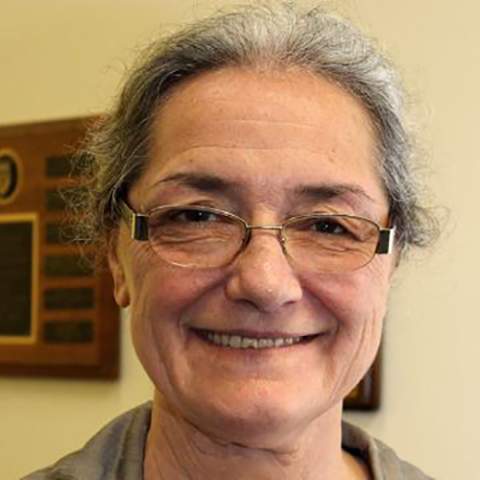
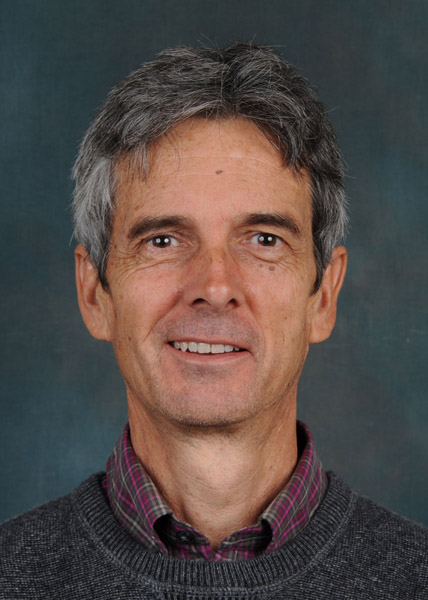
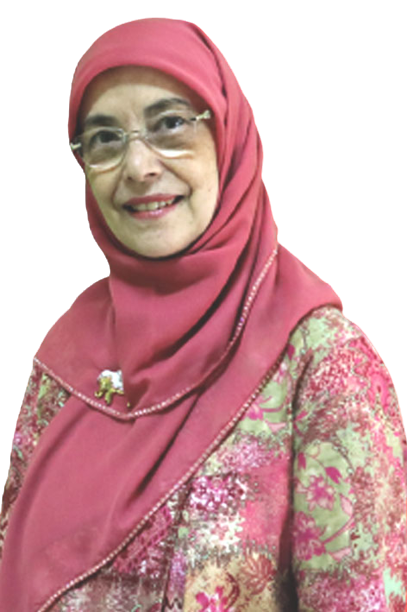
Nancy Mock is an Associate Professor in the Department of Global Health Systems and Development at Tulane University's School of Public Health & Tropical Medicine. She holds affiliated faculty status at the Stone Center for Latin American Studies. Her academic journey includes a B.S. in Biology from Yale University (1976), an M.P.H. in International Health from Tulane (1979), and a Dr.P.H. in International Health from Tulane (1985). Dr. Mock's research focuses on global health systems, evaluation methodologies, complex emergencies, and health systems in Latin America and Africa. Notable areas include Haiti's public health challenges and Rwanda's educational health programs. She has directed key institutions like the Center for International Resource Development and contributed to the Famine Early Warning System (FEWS). Her work is supported by major grants, including the Robert Wood Johnson Foundation Grant (2007), USAID's Regional Public Health Leadership Initiative (2006-2007), and Rwanda-focused projects (2000-2004). She has consulted for organizations such as the World Food Program, UNICEF, and the Pan American Health Organization. Fluent in French and Spanish, her overseas experience spans Honduras and extensive fieldwork in Africa and Asia.
Michael Kjær is a Clinical Professor at the Department of Clinical Medicine, University of Copenhagen, Faculty of Health and Medical Sciences. He specializes in Internal Medicine: Rheumatology and leads research groups focused on exercise physiology, sports injuries, and aging. His work addresses the impact of physical activity on the human organism, with particular emphasis on tissue damage and repair mechanisms. Dr. Kjær's primary research interests center around sports medicine, physiology, and exercise science. His work investigates tendon pathology, muscle physiology, sports injuries, and the effects of exercise on aging populations. He has made significant contributions to understanding sports-related injuries, particularly tendon overuse conditions, and the physiological responses to physical activity across different age groups. His recent publications (2025) demonstrate a strong focus on tendon research, sports injury treatment dilemmas, effects of anabolic steroid abuse, muscle physiology, and bone health in athletes and older adults. The research spans from basic science investigations of cellular mechanisms to clinical studies addressing practical sports medicine challenges. His work shows particular strength in connecting molecular and tissue-level changes with clinical outcomes in sports medicine. With 415 research outputs including 369 journal articles, 15 book chapters, and 15 reviews, Dr. Kjær maintains an active research program with substantial impact. His work has been referenced in Wikipedia pages, cited by Bluesky users, and picked up by news outlets, demonstrating its relevance to both academic and public discourse. Dr. Kjær leads multiple research groups within the Center for Healthy Aging Damage and Repair at the Department of Clinical Medicine. His laboratory work focuses on tissue response to injury and exercise, particularly examining tendon and muscle physiology using both in vivo and in vitro approaches. His research bridges basic science with clinical applications in sports medicine and rehabilitation.
Vilhelm Bohr is an Affiliate Professor at the Department of Cellular and Molecular Medicine , University of Copenhagen, affiliated with the Molecular Aging Program and Center for Healthy Aging . His research explores the interplay between DNA maintenance , mitochondrial biology , and aging , particularly in age-associated neurodegeneration and Alzheimer’s disease. Research Interests include: Molecular mechanisms linking NAD + metabolism to mitochondrial dysfunction and neurodegeneration Role of tau pathology in DNA damage and mitochondrial stress Impact of Aprataxin (APTX) and RECQL4 helicase defects on mitochondrial DNA integrity Pharmacological strategies to improve mitochondrial health via autophagy modulation Publications (2025-2024) span topics like NAD + biosynthesis, Werner/Rothmund-Thomson syndromes, tau nuclear functions, and mitochondrial turnover, with high citations and media attention. Collaborations extend to clinical tumor samples and CRISPR-based disease models.
Du Changwen is a Researcher (Professor) at the Nanjing Institute of Soil Science, Chinese Academy of Sciences, serving as Deputy Director of the National Engineering Laboratory for Soil Nutrient Management. He supervises doctoral and master's students in soil science and agricultural technology development. His academic journey includes: Bachelor's degree from Huazhong Agricultural University's College of Resources and Environmental Science (1997) Master's degree from Huazhong Agricultural University's Trace Element Laboratory (2000) PhD from Nanjing Institute of Soil Science, Chinese Academy of Sciences (joint program with Technion - Israel Institute of Technology) (2003) Dr. Du's pioneering research focuses on precision fertilization technologies, particularly polymer-coated controlled-release fertilizers developed through model membrane and water-based reaction film-forming techniques. His work integrates Fourier Transform Infrared spectroscopy (ATR and PAS modes) with engineering mathematics to monitor nutrient release dynamics, soil chemistry processes, and plant nutrition in real-time. This interdisciplinary approach bridges agricultural chemistry, materials science, and environmental engineering to optimize fertilizer efficiency while minimizing ecological impact. Analysis of his 2015-2017 publications reveals a consistent emphasis on spectroscopic methods for soil-plant system analysis, with dominant themes in controlled-release fertilizer development, soil organic matter characterization, and in-situ nutrient monitoring. His work demonstrates strong cross-disciplinary integration between agricultural technology, analytical chemistry, and environmental science. His scientific recognition includes: Special Award of the First China Agricultural Science and Technology Innovation and Entrepreneurship Competition First Prize of Jiangsu Science and Technology Award First Jiangsu Youth Entrepreneurship Award Second Prize of Chinese Academy of Sciences Science and Technology Contribution Award First Prize of China Agricultural Science and Technology Award Dr. Du has secured major research funding including National Natural Science Foundation projects (key, general, youth), National '973' Basic Research Program, '13th Five-Year' R&D Plan sub-projects, '863' High-tech Program sub-projects, and Jiangsu Provincial Science and Technology Support Plan initiatives. His leadership in the National Engineering Laboratory for Soil Nutrient Management drives innovation in fertilizer technology, with significant outputs including 198 academic papers (89 SCI, 35 EI), 6 monographs, 1 international patent, 8 national patents, and 2 software copyrights. His laboratory specializes in advanced spectral analysis of soil-plant systems, utilizing FTIR-ATR and FTIR-PAS technologies for real-time monitoring of nutrient dynamics and polymer membrane reactions. Current research focuses on next-generation controlled-release fertilizers, machine learning-enhanced spectral analysis, and precision nutrient management systems for sustainable agriculture.
Daniel Kreisman is an Associate Professor of Economics at Georgia State University and a faculty affiliate at the University of Milan. His research focuses on labor economics, education finance, and policy, particularly examining school funding, career and technical education (CTE), and student loan repayment systems. Kreisman founded the Career & Technical Education Policy Exchange (CTEx), a multi-state consortium under Georgia Policy Labs, which analyzes CTE policy impacts. He holds a Ph.D. in Public Policy from the University of Chicago and a B.A. in History and Philosophy from Tulane University. Prior to academia, he taught high school English in New Orleans. His education includes a PhD from the University of Chicago (Public Policy) and a BA from Tulane University (History and Philosophy). Research Interests: Educational Finance and School Funding Mechanisms CTE Program Design and Equity Student Loan Repayment Behaviors Labor Market Signaling and Economic Outcomes Public Policy Evaluation CTEx collaborations include state partners in Massachusetts, Michigan, Montana, Tennessee, Texas, Washington, and Atlanta, focusing on data-driven policy to enhance CTE programs. Advising & Grants: Kreisman’s work bridges academia and policy, with grants supporting research on CTE alignment, financial aid impacts, and loan repayment systems. His lab affiliations enable applied policy analysis. Labs/Teams: Director of CTEx and active member of Georgia Policy Labs, emphasizing evidence-based education policy.
Dr. Gary Brewer is a Professor in the Department of Entomology at the University of Nebraska-Lincoln, with a 60% research and 40% teaching appointment. He has served as department head at NDSU (1997-2006) and UNL (2006-2018). His research focuses on field crops entomology, IPM of pasture cattle flies, salt creek tiger beetle conservation, and pollinator health. He has pioneered a push-pull strategy using coconut oil-derived repellents and led curriculum design for Rwanda’s Conservation Agriculture program. Education: B.S. in Zoology, University of Nebraska-Lincoln (1974) M.S. in Entomology, University of Nebraska-Lincoln (1978) Ph.D. in Entomology, Kansas State University (1984) Research Interests: Brewer’s work spans insect ecology, pest management, and conservation. Key areas include stable fly and horn fly control, pollinator protection, and endangered species recovery (e.g., Salt Creek tiger beetle). His lab develops natural product-based pest repellents and evaluates biopesticides for sustainable agriculture. Grants & Contributions: $362,150 USDA grant for undergraduate research in beneficial insect protection (2018) $325,000 USDA grant for multi-tactic stable fly control (2017) NE Game and Parks funded salt creek tiger beetle reintroduction programs Labs & Teams: Brewer’s team collaborates with industry (e.g., Vestergaard Frandsen) and international partners to advance IPM strategies. His work bridges field research with applied solutions for farmers and conservationists.
Krishnendu Ray is a Professor of Food Studies and Director of the Food Studies PhD Program at New York University's Steinhardt School of Culture, Education, and Human Development. He holds a Ph.D. in Sociology from SUNY Binghamton (2001) and a master’s in Political Science from Delhi University, India. Prior to NYU, he served as faculty and Acting Associate Dean for Curriculum Development at The Culinary Institute of America. Roles: Professor, Director of Food Studies PhD Program, Chair of the Department of Nutrition, Food Studies, and Public Health (per external sources). Research Focus: Immigrant culinary practices, globalization of food, ethnic restaurants, urban food cultures, and the sociocultural dimensions of taste. His work bridges sociology, anthropology, and public health, examining how food shapes identity, migration, and urban spaces. Notable publications include The Ethnic Restaurateur (2016) and The Migrant’s Table (2004). He co-edits special issues on topics like street vending and global cities, highlighting food’s role in cultural exchange and urban transformation. Recent articles (2020–2025) explore global Asias, resilient immigrant cooking, and the intersection of food studies with contemporary crises. His research frequently engages interdisciplinary methods, including ethnography and historical analysis.
Professor Irena Koprinska is a faculty member at the School of Computer Science, University of Sydney, specializing in Machine Learning, Data Mining, and Neural Networks. Her research focuses on practical applications in education, health, and energy sectors. She has received multiple awards, including the Dean’s Award for Outstanding Teaching (2017, 2008) and Best Paper Awards at CHI 2019 and other conferences. Koprinska has supervised 11 PhD and over 60 Honours students, many of whom have won prestigious scholarships like the Google Fellowship. Education: PhD and MSc in Computer Science, MEd in Higher Education. Research Interests: Develops algorithms for pattern extraction and predictive modeling in healthcare (e.g., sleep apnea prediction), education (student behavior analysis), and energy (solar power forecasting). Her work bridges algorithmic innovation with multidisciplinary collaboration. Publications: Over 100 articles in top journals/conferences, emphasizing applications of machine learning in health, energy, and education. Recent works include deep learning for sleep apnea and ensemble methods for solar forecasting. Awards: Highlighted awards include the Dean’s Teaching Awards, Best Paper recognitions, and the Thompson Research Fellowship (2018). Advising & Grants: Currently supervises Hanxue Yao. Previously led initiatives like the Data Science for Social Good workshop at ECML PKDD. Served as Associate Head for Research Education and Sub-Dean for Teaching & Learning. Labs/Teams: Leads the Computer Human Adapted Interaction Research Group, focusing on human-centric technology solutions.
Philip Poole is a Professor of Plant Microbiology at the University of Oxford's Department of Plant Sciences and Senior Research Fellow at Somerville College. His research focuses on plant-microbe interactions, nitrogen fixation, and rhizosphere microbiology. He has led major international projects including the BBSRC-NSF Synthetic Symbioses program (2014-2019) and the India-UK Nitrogen Fixation Consortium (2016-2019). With 26 grants as PI from the UK's BBSRC, he has secured over £10.5 million in funding. His work includes pioneering bacterial Lux biosensors for metabolite analysis, transcriptomics under sterile conditions, and metatranscriptomics in soil to study microbiome-plant interactions. Current projects model nitrogen fixation biochemistry in legume nodules and investigate rhizobia lifecycle transitions from rhizosphere colonization to symbiotic bacteroid differentiation. He co-directs the Oxford Centre for Plants for the 21st Century and serves on editorial/advisory boards for Microbiology UK, The Journal of Bacteriology, and Pivot Bio. His contributions include elucidating the ammonia-alanine pathway for nitrogen secretion and demonstrating symbiotic auxotrophy dependencies in bacteroids. Key achievements include developing global mutagenesis strategies (INSeq) and advancing understanding of microbial community structures in the rhizosphere. His research integrates molecular, genetic, and systems biology approaches to address global challenges in sustainable agriculture.
Dr. Kris Beattie is a Lecturer in the Department of Sport and Health Science at Technological University Dublin (TU Dublin). He specializes in sports science education, coordinating modules such as Human Physiology 2, Sport & Exercise Physiology, and Applied Coaching Science. His research focuses on the physiological adaptations of strength, speed, and endurance training in athletes, particularly in endurance athletes and combat sports like boxing. Beattie holds a PhD from the University of Limerick (2012–2016), an MSc in Sports Physiology from Liverpool John Moores University (2008–2009), and a BSc (Hons) in Sport and Exercise Sciences from Ulster University (2005–2008). He is a UKSCA-accredited Strength & Conditioning coach. Beattie’s research interests include strength training modalities for sprint performance, physiological adaptations in Gaelic football and boxing, and the biomechanics of athletic movements. His work bridges theoretical and applied aspects of sports science, emphasizing practical applications in coaching and athlete development. Recent studies explore sprint testing methods in Gaelic games, strength characteristics of female athletes, and the role of maximal strength in punch impact force in boxing. His publications span peer-reviewed journals like the International Journal of Performance Analysis in Sport and Journal of Strength and Conditioning Research , with a focus on systematic reviews and empirical studies. Though no specific awards are listed, his h-index of 7 reflects growing recognition in sports physiology. Beattie actively collaborates with sports organizations and coaches to inform evidence-based training practices. He currently contributes to TU Dublin’s BSc (Hons) Sports Science with Exercise Physiology program, integrating his research into teaching. Future work likely continues exploring interdisciplinary approaches to athlete development and performance optimization.
Professor Louis Schmidt is a leading academic in the Department of Psychology, Neuroscience & Behaviour at McMaster University , with a research focus on developmental psychophysiology, temperament, and the long-term effects of early adversity. His work bridges neuroscience, psychology, and behavioral science, emphasizing the interplay between brain function and socio-emotional development across the lifespan. Key research themes: Shyness, social anxiety, autism spectrum disorder, schizophrenia, and outcomes of extremely low birth weight. Recognized for mentoring postdoctoral fellow Kristie Poole, who was celebrated as a role model in the Child Emotion Laboratory. Scientific Awards : Royal Society of Canada recognition for contributions to research and scholarship. Research Trends from 15 recent publications include: Neurophysiological mechanisms of shyness (EEG, ERP, RSA) Impact of antenatal corticosteroids on adult brain function Intergenerational effects of maternal mental health interventions Cross-cultural comparisons of temperamental shyness Developmental consequences of preterm birth Behavioral and neural correlates of social anxiety in diverse populations Grants & Collaborations : Led the SNACS randomized controlled trial on antenatal corticosteroids, with applications in obstetrics and developmental neuroscience. Collaborates extensively on topics like autism spectrum disorder, schizophrenia, and emotion regulation. Labs & Teams : Directs the Child Emotion Laboratory at McMaster University, fostering interdisciplinary research on developmental psychopathology and neural mechanisms of temperament.
Dr. John M. Ruter is the Allan M. Armitage Professor and Director of the UGA Trial Gardens within the College of Agricultural & Environmental Sciences at the University of Georgia. His work integrates plant breeding, genetics, and sustainable nursery crop production, focusing on ornamental plants for southeastern landscapes. Education: B.S. in Ornamental Horticulture, California Polytechnic State University (1984) M.S. in Ornamental Horticulture and Landscape Design, University of Tennessee (1986) Ph.D. in Horticultural Science, University of Florida (1989) Research interests include developing climate-resilient ornamental plants (e.g., Camellia oleifera , hibiscus, crape myrtle), mutation breeding via gamma irradiation, and optimizing nursery production systems. Recent projects focus on polyploid conifer evaluation and tea oil crop development for the southeastern U.S. Recent publications highlight advancements in induced mutagenesis (EMS, gamma irradiation), disease resistance screening (Cercospora leaf spot), and genetic characterization of native and ornamental species. Key subfields include ornamental breeding , genomic analysis , and sustainable production practices . As Director of the UGA Trial Gardens, he leads plant evaluation programs that inform regional landscaping decisions and cultivar development.
Paula Ravasco is an Associate Professor at the Católica Medical School , Catholic University of Portugal , and a Researcher at the Center for Interdisciplinary Research in Health (CIIS) . She is a Medical Doctor specializing in Immuno-haematology and Haemotherapy, a Nutritionist with expertise in Clinical Nutrition, and holds a PhD in 'Cancer: metabolic dysfunction, nutrition and Quality of Life'. International postgraduate studies in clinical nutrition, research methodologies, and immunity-nutrition interactions Coordinator of international advanced training programs in Nutrition, Metabolism, and Cancer Faculty member of the European Society for Clinical Nutrition and Metabolism (ESPEN) Her research focuses on nutritional interventions in oncology, with emphasis on vitamin D supplementation , sarcopenia in cancer patients , and synbiotics in colorectal cancer treatment . Recent work includes systematic reviews on nutritional biomarkers, patient outcomes, and quality of life improvements through noninvasive monitoring. Key projects include NutriCancerMonitor for multidimensional nutritional monitoring during cancer treatment and the Vulneráveis mais vulneráveis initiative addressing inflammatory risk in homeless populations during the COVID-19 pandemic. Her collaborations span national and international institutions, with a focus on nutrition-oncology intersections , geriatric nutritional care , and systematic review methodologies . She contributes to UN Sustainable Development Goals (SDGs) through educational programs and nutritional research.
Prof. Dr. Anja Meryandini is a Professor in the Department of Biology at IPB University (Bogor Agricultural University), Indonesia. She leads research in microbial biotechnology with a focus on enzyme technology, probiotics, prebiotics, and fermentation processes for food and agricultural applications. Her educational journey includes a Bachelor's degree in Biology from Padjadjaran University, a Master's degree in Biology from IPB University, and a PhD in Microbiology from Albert Ludwig Universitaet, Germany. This strong academic foundation has supported her extensive research career spanning over three decades. Professor Meryandini's research interests encompass: Microbial enzyme technology (protease, mannanase, xylanase) for animal feed processing Development of probiotics and prebiotics for food and animal applications Flour production using microbial technology Fermentation processes for various agricultural products Soil microbiome analysis in relation to land use changes Biodegradation of environmental pollutants Her recent publications reveal a consistent focus on lactic acid bacteria, yeast fermentation, enzyme characterization, and biodegradation processes, often utilizing Indonesian indigenous microorganisms. She has made significant contributions to understanding cocoa fermentation microbiology, tempeh processing, and agricultural waste valorization. Professor Meryandini has been actively involved in important research projects including 'Impact of rainforest transformation on phylogenetic and functional diversity of soil prokaryotic communities in Sumatra (Indonesia)' which is part of a larger CRC 990 program. Her work demonstrates strong interdisciplinary connections between microbiology, environmental science, and food technology. With over 100 publications documented from 1994 to 2024, Professor Meryandini maintains an active research program with significant contributions to microbial biotechnology in the Indonesian context and beyond.
Elizabeth Widen, Ph.D., RD, serves as a Courtesy Associate Professor in the Department of Pediatrics and Department of Women's Health at Dell Medical School, and as an Associate Professor in the Department of Nutritional Sciences within the School of Human Ecology at the College of Natural Sciences, The University of Texas at Austin. She maintains dual institutional affiliations as a faculty member at the Dell Pediatric Research Institute and faculty research associate at the Population Research Center. Her educational background includes: Ph.D. in Nutrition from the University of North Carolina at Chapel Hill As a nutritional and perinatal epidemiologist, Dr. Widen employs a life course approach intersecting nutrition, perinatal/pediatric epidemiology, behavioral nutrition, and human biology. Her methodology combines advanced analytics to elucidate early-life nutrition's impact on lifelong health outcomes with interdisciplinary intervention programs targeting pregnancy, infancy, and early childhood nutrition improvement. Her scientific recognition includes: Norman Kretchmer Award in Nutrition & Development American Society for Nutrition 2025 Mid-Career Award (Community & Public Health Nutrition Research Section) American Society for Nutrition 2023 Honors Professional society memberships reflect her research focus: American Society for Nutrition Society for Pediatric and Perinatal Epidemiologic Research The Obesity Society Through her Dell Pediatric Research Institute and Population Research Center affiliations, she contributes to integrated research frameworks addressing systemic health challenges in Central Texas with national implications for maternal-child health interventions.