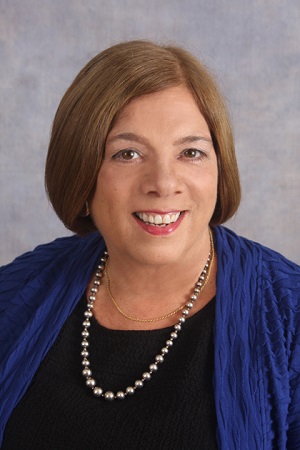
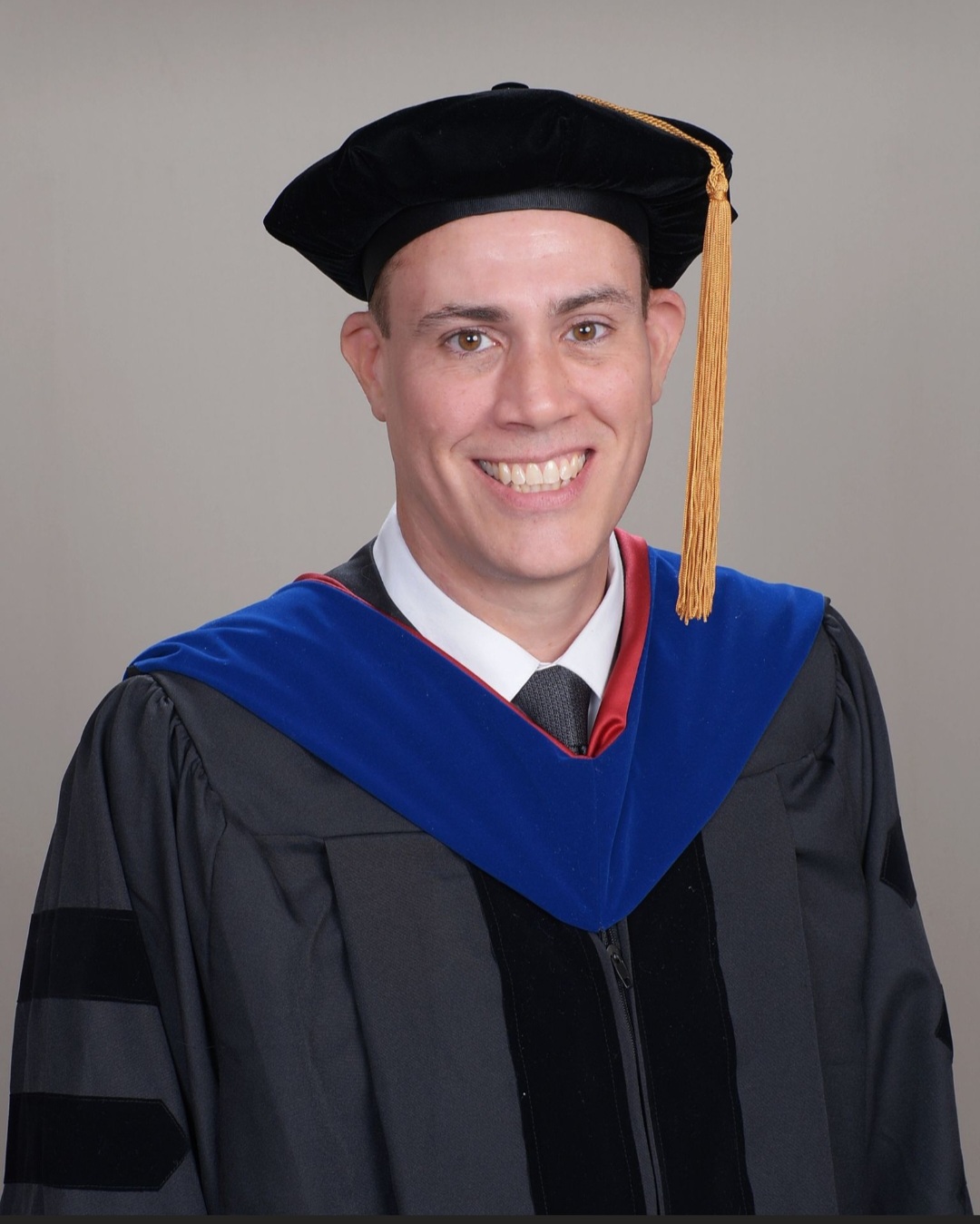
Pamela Baxter is a Professor at McMaster University's School of Nursing . Her work focuses on health systems , caregiving , gerontology , and qualitative research , with special attention to COVID-19 impacts , violence in healthcare , and organizational resilience . Recent publications highlight leadership frameworks during pandemics digital tools for dementia caregivers complexity in elderly care implementation of care models transition experiences for new nurses . Her methodological expertise includes qualitative descriptive studies mixed-methods research pragmatic trials scoping reviews .
Ruth Chen is an Associate Professor in the School of Nursing at McMaster University. Her work focuses on nursing education, faculty development, and leadership training in healthcare settings. With numerous publications in top-tier journals, she has established herself as a key researcher in educational methodologies within healthcare professions. Dr. Chen's research spans several key areas including cognitive load theory in nursing education, simulation-based learning, diversity in faculty development, and leadership training ecosystems in healthcare. Her work often examines how educational practices can be optimized to improve both teaching effectiveness and patient outcomes. She has particular expertise in evaluating innovative teaching methods and their impact on learner performance. Analysis of Dr. Chen's publications reveals a strong focus on educational innovation in healthcare settings. Her recent work (2023-2025) shows increasing attention to equity-focused education, international nurse integration, and digital health interventions. She frequently employs qualitative and mixed-methods approaches to explore complex educational phenomena in nursing and medical contexts. Dr. Chen has taught several graduate-level courses including Foundations of Nursing Leadership (NURSING 707), Pathophysiology for NPs (NURSING 761B), Advanced Practicum in Nursing (NURSING 711), and Management and Leadership in Health Professions Education (HSEDUC 706). Her teaching spans from 2017 to the present, demonstrating sustained engagement in nursing education. Dr. Chen has collaborated with numerous researchers across McMaster University, including Teresa Chan, Geoffrey Norman, Lawrence Grierson, and Ellen Olive Wahoush. While the VIVO database indicates no currently loaded grants, her extensive publication record suggests active research engagement.
Trine Ahlmann Pedersen is a researcher affiliated with the University of Southern Denmark (Faculty of Health Sciences) and the Institute for Regional Health Research , where she works at the Center for Shared Decision Making. Her research focuses on improving patient decision-making processes, particularly for individuals with hip and knee osteoarthritis. Education: PhD (2025, ongoing), Master in Clinical Nursing (2017), Bachelor in Nursing (2012), and specialized training in project management, change management, and humanistic research approaches. Research Interests: Shared decision-making, patient involvement, hip and knee osteoarthritis, orthopedic surgery, and health outcomes. She employs both qualitative and quantitative methodologies, including RCTs and psychometric analyses. Trends in Publications: Her work emphasizes the development and evaluation of patient decision aids (PtDAs), with a focus on decision quality, patient satisfaction, and clinical outcomes in orthopedic care. Key subfields include hip/knee osteoarthritis, RCTs, psychometrics, and qualitative research. Teaching and Guidance: She has co-supervised a Master’s student in Medicine and conducted teaching sessions on shared decision-making and RCT protocols.
Kim Eaton is a Senior Lecturer in Adult Nursing at the University of Wolverhampton, working within the Faculty of Education, Health & Wellbeing. She serves as a Practice Education Lead Link for Wolverhampton Health Economy, connecting academic instruction with clinical practice settings across the healthcare system. Her educational background includes an MSc in Health Studies from the University of Wolverhampton (completed September 2013), with a research focus on the transition of Year 1 student nurses from academic environments to clinical practice. Additional qualifications include a PGCE, RN DipHE in both Adult and Child Fields, and professional registration as both an Adult and Child Registered Nurse. Dr. Eaton's research interests center on nursing education, particularly the transition of student nurses into clinical practice. Her work emphasizes preparing nursing students to meet the 'fit for purpose, fit for practice' agenda required for 21st century healthcare provision, with attention to technological advancements and workforce diversity. She has expertise in both acute adult and pediatric clinical settings across various healthcare environments. Her recent scholarly work focuses on mentorship evaluation in nursing education, examining the role and effectiveness of sign-off mentors in clinical practice settings. This research contributes to understanding how clinical mentorship impacts student nurse development and readiness for professional practice. Higher Education Academy UKPSF Mapping Professional Accreditation As a Senior Lecturer in Adult Nursing, Dr. Eaton plays a crucial role in supporting and educating pre-registration student nurses. Her work focuses on ensuring students are prepared for the challenges, diversity, and technological demands of modern nursing practice, with emphasis on post-registration employability and workforce development for future healthcare needs. Dr. Eaton serves as Practice Education Lead Link for Wolverhampton Health Economy, working closely with healthcare providers to ensure quality practice education experiences for nursing students across clinical settings.
Shirley Girouard, PhD, RN, FAAN, is Professor and Associate Dean for Research and Community Partnerships at the SUNY Downstate College of Nursing. She co-directs the Brooklyn Initiative to Develop Geriatrics Education (BRIDGE), focusing on interprofessional geriatric training. Her career spans advanced clinical practice, health policy, and academic leadership across institutions including San Francisco State University and Southern Connecticut State University. Education: PhD in Health and Social Policy, Brandeis University MSN in Medical-Surgical Nursing, Yale University MA in Medical Sociology, University of Connecticut BA in Sociology, Eastern Connecticut State University Nursing Diploma, Hartford Hospital School of Nursing Her research examines nursing workforce development, healthcare evaluation, policy reform, and equity in geriatric care. She emphasizes community-engaged scholarship to address health disparities. Awards & Honors: Fellow of the American Academy of Nursing (FAAN) Major Grants: Co-directs a 5-year HRSA Geriatric Workforce Enhancement Program ($750,000/year) to advance geriatric care training in Brooklyn. Leadership: Directs BRIDGE, partnering with community providers to transform geriatric healthcare delivery through interdisciplinary education.
Tonya N. Taylor, PhD, MS is an Assistant Professor in the College of Medicine and Division of Infectious Disease Special Treatment and Research (STAR) Program at SUNY Downstate Health Sciences University. She serves as Co-Director of the BRooklyn Initiative to Develop Geriatrics Education (BRIDGE) and Geriatric Workforce Enhancement Program (GWEP), and is a co-investigator in the Multicenter AIDS Cohort Study (MACS)/Women's Interagency HIV Study (WIHS) Combined Cohort Study (MACS/WIHS-CCS). With over 20 years of experience in ethnographic, survey, and qualitative research in the United States and Southern and Eastern Africa, Dr. Taylor focuses on addressing health disparities among older adults and people living with HIV and AIDS. Dr. Taylor's educational background includes: Joint Doctorate in Anthropology and Folklore with a certificate in African Studies from the University of Pennsylvania (2005) MS in Biostatistics from the Mailman School of Public Health at Columbia University (2009) NIMH postdoctoral fellowship at the HIV Center for Clinical and Behavioral Studies at Columbia University (2009) Butler-William Scholar at the National Institute of Aging (2013) Advanced Research Institute fellowship in Geriatric Mental Health (2016) PRIDE Summer Institute fellowship in Behavioral Medicine and Sleep Disorders Research (2020) Dr. Taylor's research spans four interconnected areas focused on health disparities, HIV, and aging. Her work examines the prevention needs of older women living with HIV, HIV prevention to reduce health disparities in underserved communities, traditional medicine and HIV/AIDS in rural Zimbabwe, and qualitative community-based participatory research on health disparities. She employs mixed methods approaches to explore how structural inequalities undermine therapeutic choices among disenfranchised communities in the US and Africa. Her research has particularly focused on culturally appropriate, community-based approaches to address health disparities in care and treatment among older adults and people living with HIV and AIDS. Dr. Taylor's work bridges medical anthropology, linguistics, and public health to develop interventions that respect cultural contexts while improving health outcomes. Analysis of Dr. Taylor's recent publications reveals a strong focus on aging with HIV, particularly among women. Her work consistently addresses the intersection of HIV, aging, and health disparities, with increasing attention to geriatric HIV care as the HIV-positive population ages. There is a clear trajectory from her early work on traditional medicine in Zimbabwe to current research on culturally appropriate interventions for older adults with HIV in the US. Her publications demonstrate expertise in mixed methods research, with strong qualitative components examining sexual health, stigma, treatment adherence, and prevention needs among vulnerable populations. The research shows growing emphasis on community-based participatory approaches and the development of targeted interventions for specific populations including older women with HIV, Black heterosexual men, and immigrant communities. Dr. Taylor has received several notable awards: Kwame Nkrumah African Studies Prize for Best Dissertation from the University of Pennsylvania (2005) HIV Center Publication Award for Junior Investigators and Fellows for the article "Comparison of HIV/AIDS-Specific Quality of Life at Western Medicine versus Traditional African Medicine Care Sites" (2009) Dr. Taylor has secured significant research funding as both Principal Investigator and Co-Investigator. She was Principal Investigator on an NIH K01 MH095670 grant from 2011-2017 focusing on HIV Prevention Needs of Older Women with HIV, and on a President's Health Disparities Grant from 2015-2017. Currently, she serves as Co-Director on an HRSA Geriatrics Workforce Enhancement Program grant (2019-2024), Co-Investigator on the MACS/WIHS Combined Cohort Study (2019-2026), and Co-Investigator on multiple other NIH-funded studies examining HIV, aging, and health disparities. Her grant portfolio demonstrates expertise in securing funding across multiple NIH institutes including NIMH, NIA, NHLBI, and NINR, with a focus on community-based interventions and mixed methods approaches. Dr. Taylor also serves as a consultant on several projects, bringing her qualitative research expertise to diverse health issues including diabetes management in Hispanic/Latino populations. Dr. Taylor co-directs the BRooklyn Initiative to Develop Geriatrics Education (BRIDGE) and Geriatric Workforce Enhancement Program (GWEP), which focuses on developing interprofessional geriatric curriculum and training for healthcare providers in Brooklyn. She is also a co-convener of the HIV in Older Adults Special Interest Group at the Gerontological Society of America. Through her work with the Multicenter AIDS Cohort Study/Women's Interagency HIV Study Combined Cohort Study, she contributes to one of the largest longitudinal studies examining HIV and aging. Dr. Taylor's research teams often include interdisciplinary collaborators from anthropology, public health, medicine, and social work, reflecting her commitment to addressing complex health issues through multiple disciplinary lenses.
Melania Calestani is a Senior Lecturer and Department Lead for Research in the Department of Midwifery at Kingston University's School of Education, Midwifery and Social Work. A Fellow of the Higher Education Academy, she leads the 'Ways of Knowing' curriculum thread across all midwifery programs while serving as Chair of the Midwifery Tackling Racism Working Group and leader of the Inequalities and Critical Midwifery Studies Special Interest Group. PgCert, Learning and Teaching in Higher Education, Kingston University PhD, Anthropology, Goldsmiths (University of London) MRes, Anthropology, Goldsmiths (University of London) MSc, Anthropology and Ecology of Development, UCL MSc (3 years + 1), Geography, University of Genoa Her research centers on critical medical anthropology, with emphasis on health inequalities, race/ethnicity frameworks, and biosocial perspectives connecting macro-level structures to individual experiences. She employs qualitative/ethnographic methodologies across diverse contexts including the UK, Bolivia, Mexico, and Europe, consistently prioritizing marginalized perspectives through critical theory and social justice lenses. Her work challenges conventional paradigms in well-being studies, environmental health, and maternity care systems. Analysis of her recent publications reveals three dominant trajectories: (1) Critical examinations of structural racism in healthcare (weight stigma, indigenous pandemic responses); (2) Innovative methodologies for addressing health inequities (renal decision-making, neuroethics); and (3) Decolonial approaches to well-being and environmental health (Buen vivir, toxic legacies). These strands consistently integrate critical medical anthropology with actionable frameworks for clinical practice. 2017 Jim Lewis Prize for 'Doing the dirty work of the green economy' 2010 Ashby Prize for 'Inextinguishable Fibres: Demolition and the Vital Materialism of Asbestos' 2009 Best Dissertation Award from International Society for Quality-of-Life Studies Dr. Calestani actively supervises 9 doctoral students across PhD and EdD programs, with research spanning maternity care justice, refugee education, and clinical decision-making. Her leadership extends to the Inequalities and Critical Midwifery Studies Special Interest Group and the Midwifery Tackling Racism Working Group, where she develops anti-racist frameworks for clinical practice. Current projects include EU-funded studies on indigenous health sovereignty and NHS decision-making processes. Her research operates through international collaborations including the ATTOM transplant study consortium and EU environmental health initiatives, with fieldwork spanning Bolivia, Mexico, and UK healthcare settings. The Inequalities and Critical Midwifery Studies SIG serves as her primary platform for translating critical theory into clinical practice improvements.
Sarah Purdy is an Associate Professor in Midwifery at Kingston University's Faculty of Health, Science, Social Care and Education, serving as Postgraduate and Workforce Development Lead. With 20 years of NHS experience, she specializes in midwifery education, curriculum design, and workforce capacity planning. University of Brighton - Professional Doctorate (current) MA Midwifery MRes Education Senior Fellow - Higher Education Academy Her research focuses on midwifery leadership development and craft expertise. She pioneered the first direct-entry Master's level midwifery program in London, featuring inclusive design and authentic assessment principles. Key contributions include innovative teaching methods like filmed OSCE assessments, peer-led simulation sessions, and blended learning approaches. She maintains strong NHS partnerships for clinical placements and workforce development. As a Senior Fellow of the Higher Education Academy and NMC Registered Teacher, she emphasizes quality assurance through external examiner roles and curriculum validation panels. Her leadership philosophy prioritizes individual staff development and departmental sustainability.
Susie Pearce is an Associate Professor in Clinical Nursing at the University of Plymouth, School of Nursing and Midwifery. She serves as Co-Director of the South West Clinical School and the Torbay and South Devon Clinical School, playing a pivotal role in bridging academic research and clinical practice. Her work emphasizes nurse-led research, qualitative methodologies, and the integration of education, research, and healthcare delivery. Her primary research interests include compassionate, safe, and effective care cultures; patient and professional experiences; end-of-life and palliative care; person-centred care in care homes; and the development of nursing and multidisciplinary workforces. She is deeply involved in creating models for safe ICU nursing care and fostering research culture across care settings. Her recent publications highlight a strong focus on qualitative and mixed-methods studies exploring barriers to palliative care, person-centred care in care homes, and research implementation in long-term care. These works often involve collaboration with healthcare professionals and stakeholders across the South West of England. Member, NIHR Research for Patient Benefit SW Committee (2018–present) Member, NIHR RfPB Nursing and Midwifery Specialist Panel (2023) Member, NHIR/HEE SW Review Panel (2020–present) Editorial Board Member, European Journal of Cancer Care Regular reviewer for Cancer Nursing , EJON , EJCC , and others Susie Pearce supervises numerous doctoral students, particularly health and social care professionals pursuing part-time PhDs. Several of her supervisees have received TMRF Fellowship Awards, reflecting the quality and impact of her mentorship. She leads initiatives to develop a skilled research workforce across the South West region and contributes to national research strategy through her committee roles. She is actively involved in practice-based research, innovation, and workforce development, particularly in collaboration with Torbay and South Devon NHS Foundation Trust. Her work supports strategic nursing development and academic-practice integration.
Diane Seddon is a Reader in Social Care at the School of Health Sciences, Prifysgol Bangor University, where she also serves as Director of Research and Chair of the Academic Research Ethics Committee. She is actively involved in leading impactful social care research with policy applications, particularly in Wales, and contributes to international research networks. Her research focuses on social care for older people, especially those living with dementia, unpaid carers, and the social care workforce. Key interests include: Assessment and support planning for complex care needs Meaningful short breaks (respite care) Support needs of carers in employment or education Personal well-being outcomes such as voice, control, prevention, co-production, and integrated working Nursing and residential care home provision The recent body of her work, including publications from 2024, demonstrates a strong emphasis on qualitative and mixed-methods approaches, with recurring themes in caregiving, public involvement, multi-agency collaboration, and policy impact. Her research often involves co-production and participatory methods, particularly with vulnerable populations such as older adults, care leavers, and caregivers of those with brain injuries. Her scientific contributions and leadership are recognized through: Appointment as ESRC Wales Graduate School Pathway Lead Chairing key ethics committees Securing over £12.5 million in research funding Influencing national policy with Welsh Government investment Active participation in COST Action PAAR-Net Diane is deeply committed to mentoring doctoral students and early career researchers. She supervises PhD projects and has secured postgraduate scholarship funding. Her current research projects include the Centre for Vision Services Research and evaluation of the national Short Breaks Scheme in Wales, reflecting her responsiveness to emerging health and social care challenges. She is also engaged in research infrastructure development and leads initiatives that bridge research, policy, and practice, particularly through co-creation and integrated working models.
Bram Duffee, PhD, EMT-P is a part-time assistant professor of communication at Kennesaw State University , where he teaches interpersonal communication and leadership. As a 25-year paramedic, he specializes in hypothesizing how hypnotic communication improves emergency care outcomes , a focus detailed in his co-authored book Hypnotic Communication in Emergency Medical Settings (2023). He also serves as a Research Fellow at Fielding Graduate University’s Institute for Social Innovation. His research explores stress dynamics in EMS , communication during high-consequence emergencies , and cross-sector training . Media appearances span Spotify, YouTube, and Apple podcasts, including Therapy Unfiltered and The RSI Podcast . Duffee’s recent articles analyze sleep deprivation in EMS , racial healthcare disparities , and rapport-building techniques . Scientific Recognition : Institute for Social Innovation Research Fellow (Fielding Graduate University) Key Topics : Hypnosis in EMS, job stress, leadership, patient communication, differential diagnosis Current Projects : Research on paramedic-manager conflicts, Portugal’s EMS system reform, and emergency trance-state interventions
Sara Eastburn is the Acting Head of the Department of Allied Health Professions, Sport and Exercise in the School of Human and Health Sciences at the University of Huddersfield. She is also a member of the Centre for Applied Research in Health. A physiotherapist by training with a background in cardiovascular and respiratory care, she has held key leadership roles since joining the university in 2006, including Head of Division, School Director of Academic Quality and Professional Governance, and currently Acting Head of Department since 2021. Her research interests span healthcare education, assessment and feedback, rehabilitation, wound care, interprofessional collaboration, and qualitative methodologies. She has contributed to projects on the impact of digital technology in early childhood, homelessness and health, outdoor spaces during the pandemic, and competency frameworks in health and social care. The trends in her recent publications show a strong focus on qualitative and longitudinal methods, particularly in understanding human behavior, education, and health outcomes. Her work often intersects with policy and practice, contributing to UN Sustainable Development Goals related to health and well-being. Fellow of the Higher Education Academy (HEA) Chartered Manager (MCMI) Partner with the Health and Care Professions Council (HCPC) Extensive experience as an external examiner Sara Eastburn is actively involved in research supervision and accepts PhD students. She has contributed to collaborative research projects and presentations, including a 2024 oral presentation on housing and healthcare staff retention. While no specific grants are mentioned, her sustained research output and leadership roles indicate active engagement in academic and professional communities. She is not involved in part-time roles and remains an active faculty member. She is affiliated with the Centre for Applied Research in Health and has collaborated with multidisciplinary teams across institutions, focusing on improving healthcare delivery, education, and patient outcomes through evidence-based practice and policy-relevant research.
Rodnita Davis is an Assistant Professor at Notre Dame of Maryland University's School of Nursing, specializing in cardiac arrest care and nursing education curriculum development. She teaches in the Nursing Programs, including the Entry-Level BSN, RN to BSN, and Accelerated BSN tracks. Education: Bachelor of Science in Nursing, Duquesne University (2013) Master of Science in Nursing, Leadership in Nursing Education, Notre Dame of Maryland University (2018) Doctor of Nursing Practice, Duquesne University (2021) Her research focuses on clinical education assessment, simulation-based learning, and improving critical care outcomes during cardiac arrest. Recent publications highlight cohort-based clinical training models, preceptorship frameworks, and quality improvement initiatives in progressive care units. Professional certifications include CCRN (Critical Care Registered Nurse) and CNE (Certified Nurse Educator). She actively contributes to nursing leadership through affiliations with Sigma Theta Tau International, American Nurses Association, and specialized critical care organizations.
Rachael Crowe serves as Assistant Professor and Director of Graduate Nursing Programs at Notre Dame of Maryland University's School of Nursing, teaching in both the Entry-Level BSN and Accelerated 2nd Degree BSN programs. Her office is located in room 210 of the University Academic Building (UAB), with contact details rcrowe@ndm.edu and phone 410-532-5274. Her educational credentials include: Doctor of Nursing Practice from Georgetown University Master's in Nursing (Pediatric Acute Care Nurse Practitioner) from the University of Michigan Certificate in Nursing Education from the University of Michigan Bachelor's in Nursing from the University of Michigan Research interests center on novice nurse practitioner role transition and mentorship effects on career adaptation , with clinical expertise in pediatric critical care, vascular access techniques, and point-of-care ultrasound utilization. Her work bridges clinical innovation and professional development to enhance patient safety in high-acuity pediatric settings. Publication trends from 2018-2020 reveal intense focus on vascular access complications in pediatric critical care, featuring intracavitary ECG and ultrasound innovations. Concurrently, she developed measurement tools for nurse practitioner role transition , reflecting dual commitment to clinical procedural safety and workforce development. Scientific Awards No specific awards were documented in the source material. As Director of Graduate Nursing Programs, she oversees advanced nursing education while maintaining clinical research engagement. Her service as Expert Reviewer for the Journal of the American Association of Nurse Practitioners (2020) demonstrates scholarly impact, though grant details remain unspecified in the text. Collaborative work occurs within Children's Hospital of Philadelphia networks and University of Michigan clinical teams, particularly in anesthesia-critical care medicine departments. These partnerships drive vascular access service development and procedural safety initiatives in pediatric intensive care environments.
Wendy Pollock is a Professor at the School of Nursing and Midwifery, Monash University, where she contributes significantly to research, education, and policy in maternal and critical care. She joined Monash in 2021 after a distinguished career spanning clinical practice, research, and academic leadership. Education: PhD in Nursing, The University of Melbourne (awarded 2008) Graduate Diploma in Education (1994) Graduate Diploma in Critical Care Nursing (1992) Graduate Certificate in Advanced Learning & Leadership (2009) Her research focuses on severe maternal morbidity, maternal health, critical care, midwifery, workforce retention, and implementation science . She employs both quantitative and qualitative methodologies to improve health systems for critically ill pregnant and postnatal women. Her work aligns with the UN Sustainable Development Goals, particularly in health and education. The recent publications highlight a strong trend in maternal health system improvements, early warning systems, workforce studies in ICU, and innovative applications of AI and NLP in maternity care. Her research bridges clinical practice, education, and policy, with increasing emphasis on climate change impacts and digital health solutions. Scientific Awards: Life Membership of the Australian College of Critical Care Nurses (2023) Monash Nursing and Midwifery 2023 Excellence Award The Peter Hicks Fellowship Award (2023) Vice Chancellor's Education Excellence Award for Programs that Enhance Learning (2024) Wendy Pollock actively supervises Master’s and PhD students and leads major research projects, including national workforce surveys and educational innovations. She is a key contributor to the Australasian Maternity Outcomes Surveillance System (AMOSS) and frequently engages in public lectures and conference organization. Her work is supported by institutional and collaborative grants focused on improving ICU and maternity care systems. She is involved in research teams and networks focused on maternal health, critical care nursing, and healthcare education, contributing to both national and international collaborations.