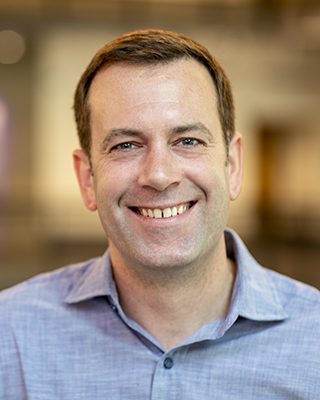
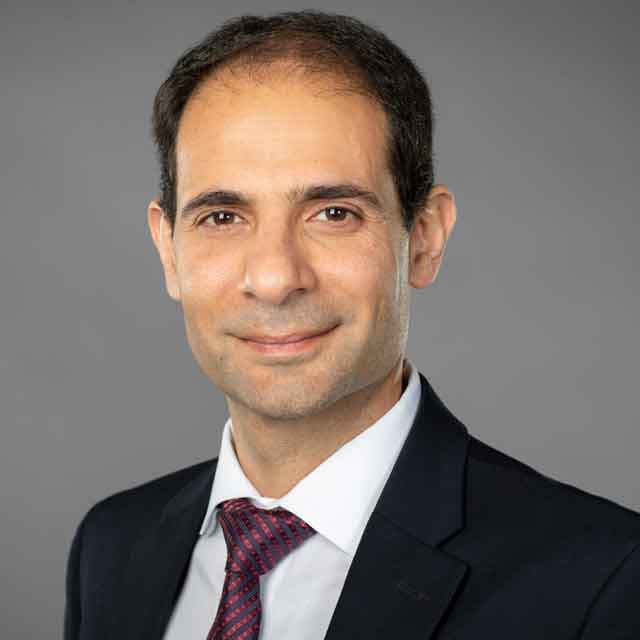
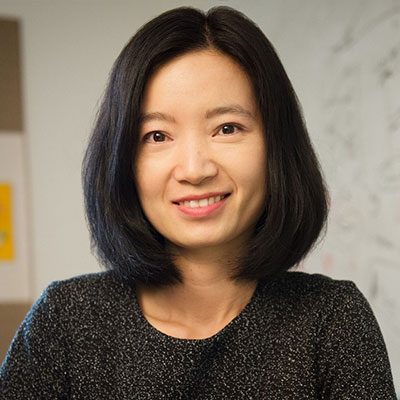
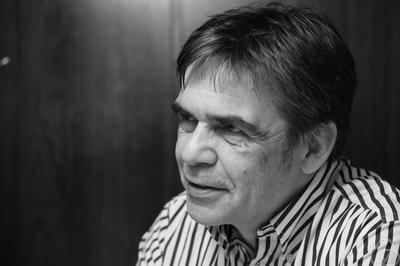
Jennifer Ryan is a Professor of Numerical Analysis and Division Head of Numerical Analysis, Optimization, and Systems Theory at the Department of Mathematics, KTH Royal Institute of Technology. Her research focuses on designing and developing numerical schemes to extract accuracy from simulations, particularly through superconvergence properties and computational efficiency improvements. She applies these techniques to applications such as imaging, fluid visualization, and plasma dynamics. Education: PhD in Applied Mathematics, Brown University; MS in Mathematics, Courant Institute; BA in Applied Mathematics, Rutgers University. Professional Activities: Member of editorial boards for BIT Numerical Mathematics, ESAIM:M2AN, and Communications on Applied Mathematics and Computation; Steering committee member of AWM's Women in Numerical Analysis and Scientific Computing (WINASc). Her publications emphasize discontinuous Galerkin methods, SIAC filtering, and applications in fluid dynamics. She has served on multiple grant review panels and received awards for diversity and inclusion initiatives. Grants: Principal Investigator for projects funded by the Swedish Research Council, NSF, and US Air Force Office of Scientific Research. Awards: Fellow of UK Higher Education Academy, DAAD Fellowship, and Householder Fellowship.
Professor Tony Shardlow is affiliated with the Department of Mathematical Sciences at the University of Bath , UK. His research spans Stochastic Differential Equations , Bayesian Inverse Problems , Statistical Shape Modelling , and Numerical Analysis , with applications in data science, medical imaging, and computational physics. Labs/Teams : IMI (Institute for Mathematical Innovation), Prob-L@b (Probability Laboratory at Bath), SAMBa (EPSRC Centre for Doctoral Training in Statistical Applied Mathematics). Recent Research Trends : Focus on geometric shape analysis using flow fields, stochastic PDEs for particle dynamics, and Bayesian inference techniques in industrial and medical contexts. Collaborative work bridges computational mathematics with applications in hip dysplasia assessment and pesticide delivery systems. Advising : Supervised Fengpei Wang's PhD thesis on dimension reduction and Sinkhorn algorithms. Collaborates with researchers like N. D. F. Campbell and C. Poon. Teaching : Offers MA30170 - Numerical Solution of Elliptic PDEs.
Byron Boots is the Amazon Professor of Machine Learning in the Paul G. Allen School of Computer Science and Engineering at the University of Washington, where he directs the UW Robot Learning Laboratory. He also serves as a Principal Research Scientist in the Seattle Robotics Lab at NVIDIA Research and co-chairs the IEEE Robotics and Automation Society Technical Committee on Robot Learning. Dr. Boots received his Ph.D. from the Machine Learning Department in the School of Computer Science at Carnegie Mellon University, where he was a member of the Sense, Learn, Act (SELECT) Lab co-directed by Carlos Guestrin and his advisor Geoff Gordon. Prior to joining the University of Washington faculty, he was an Assistant Professor in the School of Interactive Computing within the College of Computing at Georgia Tech, and before that, he completed a post-doc in the Robotics and State Estimation Lab directed by Dieter Fox at the University of Washington. Professor Boots' research focuses on the intersection of machine learning, artificial intelligence, and robotics, with particular emphasis on developing theory and systems that tightly integrate perception, learning, and control. His work spans computer vision, state estimation, localization and mapping, high-speed navigation, motion planning, and robotic manipulation. His group develops algorithms drawing from deep learning and neural networks, nonparametric statistics, graphical models, nonconvex optimization, quantum physics, online learning, reinforcement learning, and optimal control. The research demonstrates a strong theoretical foundation while maintaining practical relevance to real-world robotic systems. His recent publications reveal a clear trend toward integrating advanced machine learning techniques with robotics, particularly in model predictive control, motion planning, and learning-based approaches to robot control. His work shows increasing focus on developing theoretically grounded methods that can handle the complex, nonlinear dynamics of real-world robotic systems while maintaining computational efficiency. The publications span top venues including ICRA, CoRL, IROS, and NeurIPS, demonstrating broad impact across multiple subfields of robotics and AI. Finalist for Best Systems Paper at Conference on Robot Learning (CoRL-2021) Multiple papers selected for oral presentations at top robotics conferences Work recognized for theoretical contributions and practical applications in robot learning As director of the UW Robot Learning Laboratory, Boots leads a vibrant research group focused on fundamental and applied research in robot learning. The lab maintains strong collaborations with NVIDIA Research and has produced numerous high-impact publications that bridge theory and practice. Professor Boots teaches courses in autonomous robotics, machine learning, and reinforcement learning, contributing to both undergraduate and graduate education at the University of Washington.
Professor Soo-Yeun Lee is a leading Sensory Scientist and academic leader at Washington State University (WSU), serving as Director of the School of Food Science since 2023. She holds a Ph.D. in Food Science from the University of California, Davis, and a B.S. in Food Engineering from Yonsei University, Seoul. Previously, she served as a Professor at the University of Illinois, Urbana-Champaign (UIUC) from 2001-2022, with administrative roles including Assistant Dean and Associate Head. Her research focuses on sensory science and healthful eating, addressing challenges in sodium and sugar reduction, functional food development, and understanding consumer behavior. Notable projects include strategies to enhance taste retention in low-sodium foods and analyzing picky eating behaviors in children. She has published over 100 papers, with recent works exploring remote consumer testing methodologies and sodium reduction perceptions in the food industry. Lee has received numerous awards, including the Fred W. Tanner Lectureship (2021), Paul A. Funk Award (2018), and Samuel Cate Prescott Award (2011). She actively contributes to professional service roles, such as chairing USDA review panels and serving on the IFT Board of Directors. As a mentor, she has shaped food science education through teaching awards and leadership in curriculum development.
Professor Antonio Griffo holds the position of Professor of Power Electronics and Electric Drives at the University of Sheffield's School of Electrical and Electronic Engineering. He leads the Electrical Machines and Drives Research Group and is involved in the High Reliability Drives Group. His academic journey includes a MSc (2003) and PhD (2007) in Electrical Engineering from the University of Naples, followed by research roles at Bristol and Sheffield Universities before becoming a Lecturer in 2013 and later a Professor. His research focuses on advanced control of electric drives, SiC-based power electronics for aerospace/renewables, fault detection in machines, and thermal management. Key projects include modeling hybrid AC/DC power systems for 'More Electric Aircraft', sensorless control techniques, and real-time simulation methodologies. He has pioneered work on SiC converter reliability, insulation monitoring, and condition-based maintenance systems. Publications (15+ in top journals like IEEE Transactions) emphasize innovative solutions for power electronics challenges, including voltage stress mitigation, thermal modeling, and fault tolerance. His work bridges theory and application, addressing critical issues in aerospace, renewable energy, and electric vehicle systems. Griffo also contributes to educational advancements through modular training platforms for power electronics education. Labs/Teams: Active in the Electrical Machines and Drives Research Group, focusing on high-reliability drive systems and sustainable energy technologies. Collaborates with industry on projects like the EPSRC Offshore Wind Prosperity Partnership.
Gianmarco Pinton is an Associate Professor in the Department of Biomedical Engineering at the University of North Carolina at Chapel Hill. His research focuses on nonlinear ultrasound and mechanical wave propagation, with applications to medical imaging and therapy. He specializes in traumatic brain injury, shear shock waves, and ultrasound therapy. Ph.D., M.S., and B.S.E. in Biomedical Engineering/Physics from Duke University His lab develops physics and simulation tools for nonlinear wave propagation, aiming to create advanced diagnostic ultrasound methods. Key areas include traumatic brain injury, transcranial imaging, and therapeutic ultrasound. His recent work explores super-resolution imaging, brain motor circuits, and Alzheimer's disease vascular mapping using ultrasound. Article trends highlight innovations in transcranial ultrasound, super-resolution techniques, lung imaging, and neuromodulation. His publications address image degradation, contrast agents, and shear wave dynamics in neurological contexts.
Elie Hajj is a Professor in the Department of Civil & Environmental Engineering at the University of Nevada, Reno (UNR), serving as Associate Director of the Western Regional Superpave Center. His research focuses on asphalt pavement engineering, sustainable materials, and infrastructure resilience. He specializes in pavement rehabilitation, numerical modeling of dynamic load impacts, and economic analysis of pavement preservation strategies. Dr. Hajj has received recognition for his 2016 ASTM award for outstanding work on pavement rehabilitation economics. He actively engages in professional service, including TRB webinars and academic seminars on topics like pavement damage assessment and vehicle operating costs. His teaching spans graduate and undergraduate courses in pavement design, materials engineering, and advanced pavement analysis. His research integrates experimental and computational methods to address challenges in pavement performance under superheavy loads, recycled material utilization, and energy-efficient construction practices. Collaborations with industry and government agencies enhance the practical applicability of his findings.
Professor Yizhou Sun is affiliated with the University of California Los Angeles (UCLA) and the Henry Samueli School of Engineering and Applied Science . Her academic work focuses on Machine Learning , Artificial Intelligence , and Graph Neural Networks within the Computer Science department. Her research spans High-Level Synthesis , Causal Inference , and Computational Biology , with recent publications addressing neural network compression, language model safety, and dynamical system modeling. The trends in her recent 2025 and 2024 publications emphasize Deep Learning , Graph Theory , and Language Model Optimization , reflecting interdisciplinary applications in Biomedical Data , Hardware Design , and Physical Simulation .
Greg Haff is a Professor of Strength and Conditioning and Director of the Strength and Power Research Group at Edith Cowan University's School of Medical and Health Sciences. He holds a PhD from the United States (1999) and has extensive experience in strength and conditioning research, education, and professional practice. His work focuses on neuromuscular adaptations, training theory, velocity-based training methods, and recovery strategies. Haff has received numerous awards, including the National Strength and Conditioning Association’s Impact Award (2021) and the UK Strength and Conditioning Coach of the Year (2014). Affiliations: ECU School of Medical and Health Sciences, Strength and Power Research Group Education: PhD (1999), MS (1996), BS (1993) in Physical Education from the United States. Research Interests: Haff’s research explores optimal training methodologies, including periodization, eccentric loading, and velocity-based resistance training. He investigates how neuromuscular adaptations enhance athletic performance and reduce injury risk. His work spans sports science, biomechanics, and exercise physiology. Publications & Awards: Over 270 scientific papers, 9 books, and 28 book chapters. Notable awards include the William J. Kraemer Sport Scientist of the Year (2011) and the NSCA Young Investigator Award (2001). His research has been cited over 9,000 times (Scopus h-index 53). Grants & Labs: Leads the Strength and Power Research Group, focusing on applied strength training and performance optimization. Research spans athlete development, recovery strategies, and injury prevention.
Endre Süli is a Professor of Numerical Analysis at the University of Oxford, affiliated with Worcester College and Linacre College. He has held various academic roles since 1985, including Fellowships and Tutorships in Mathematics. University Education: B.Sc. in Mathematics, University of Belgrade (1974-1978) M.Sc. in Mathematics, University of Belgrade (1978-1980) Ph.D. in Mathematics, University of Belgrade (1985) M.A., University of Oxford (1985) British Council Visiting Student, Reading University and University of Oxford (1983/84) Süli's research focuses on numerical methods for partial differential equations (PDEs), with expertise in finite element methods, adaptive algorithms, error control, and computational modeling of fractures and non-Newtonian fluids. His work bridges mathematical theory and practical applications in fluid dynamics and material science. His recent publications emphasize finite element approximations, nonlinear PDEs, and stochastic models for polymer dynamics. Themes include multiscale methods, tensor-sparsity for high-dimensional problems, and compressible flow simulations. Scientific Awards: Fellow of the Royal Society (2021) London Mathematical Society Naylor Prize and Lectureship (2021) Pro Urbe Prize, City of Subotica (2021) SIAM Fellow (2016) Member, Academia Europaea (2020) Foreign Member, Serbian National Academy of Sciences and Arts (2009) IMA Service Award (2011) Fellow, European Academy of Sciences (EurASc) (2010) Fellow, Institute of Mathematics and its Applications (2007) London Mathematical Society/New Zealand Mathematical Society Forder Lecturer (2015) Professor Hospitus, Charles University, Prague (2012) Distinguished Visiting Chair Professor, Shanghai Jiao Tong University (2013) Invited Speaker, International Congress of Mathematicians, Madrid (2006) Süli has supervised numerous research projects and held visiting appointments globally. His contributions to numerical analysis span foundational work on error estimation, nonlinear stability, and advanced computational frameworks for complex physical systems.
Ebrahim Sarabi is an Associate Professor in the Department of Mathematics at Miami University, located in Oxford, Ohio. He holds a Ph.D. in Applied Mathematics from Wayne State University. His primary research interests focus on variational analysis, optimization, and parametric optimization, with an emphasis on numerical algorithms and applications in continuous optimization. Dr. Sarabi's research explores advanced topics such as tilt-stable minimizers, epi-differentiability, and the role of subgradients in polyhedral functions. His work often intersects with second-order variational analysis and composite optimization problems. His contributions span theoretical developments and practical algorithmic advancements in optimization. His publications from 2020–2025 highlight trends in augmented Lagrangian methods, smoothness of subgradient mappings, and primal-dual convergence analysis. Notable themes include the study of partly smooth functions, spectral functions, and generalized Newton algorithms. No scientific awards were explicitly mentioned in the provided texts. He advises no listed students or research teams, though his work involves collaborations in parametric optimization and variational systems. His office is located in Bachelor Hall, and he can be reached via email at sarabim@miamioh.edu .
Arthur Bousquet is an Associate Professor of Mathematics at Lake Forest College, affiliated with the Math and Computer Science department. He holds a PhD in Applied Mathematics from Indiana University (Bloomington, IN) and a MS in Engineering in applied mathematics and scientific computing from SuP Galilee Engineering School (Paris, France). His research focuses on numerical methods for partial differential equations, including finite volume and finite element techniques, with applications to geophysical fluid dynamics, climate modeling, and biomedical problems like viral shell mechanics. Notable areas include shallow water equations, phase field modeling, and computational methods for atmospheric dynamics. Bousquet has published extensively on topics such as numerical weather prediction, electrokinetic equations, and virus nanoindentation modeling. His work often combines theoretical analysis with computational simulations to address complex systems in fluid dynamics and materials science. He has received the Rothrock Award for teaching excellence (2014) and held research fellowships including an NSF Graduate Fellowship (2009-2013). His teaching includes courses like Computational Mathematics, Multivariable Calculus, and Real Analysis.
Susanne M. Jaeggi is a Professor of Psychology at Northeastern University, with additional affiliations in the Bouve College of Health Sciences and the College of Arts, Media, and Design. Her research focuses on cognitive training, executive functions, and individual differences in cognition across the lifespan. She holds PhDs in Cognitive Psychology and Neuroscience from the University of Bern (Switzerland), and completed postdoctoral work in Cognitive Neuroscience at the University of Michigan. Her work has been funded by NIH, NSF, IES, ONR, and the Advanced Education Research and Development Fund (AERDF). She leads the Working Memory & Plasticity Lab , which develops interventions to improve working memory and executive functions, and co-leads the Brain Game Center for Mental Fitness and Well-Being , creating evidence-based brain fitness tools. Jaeggi’s research emphasizes understanding mechanisms of cognitive improvement through training, including neuroplasticity and individual variability. Key areas include cognitive aging interventions, gamification, sensory-cognitive interactions, and the impact of socioeconomic factors on academic achievement. Her work integrates behavioral experiments, neuroimaging, and digital health technologies to address real-world challenges in education and healthcare. Recent studies explore music/art-based interventions, brain stimulation (e.g., tDCS), and scalable cognitive assessments. Collaborations span disciplines, with publications addressing topics like neural correlates of training, motivational features in interventions, and cross-modal perception. Her labs emphasize translating findings into public-facing tools, such as freely accessible brain fitness apps. Current projects include optimizing interventions for ADHD populations and leveraging digital platforms for global mental fitness.
Gauthier Gidel is an Associate Professor at the Department of Computer Science and Operations Research (DIRO) within the Faculty of Arts and Science at Université de Montréal, where he also holds the prestigious Canada CIFAR AI Chair position. He is a core faculty member of Mila, Quebec's AI research institute, and maintains active research collaborations with leading institutions. His academic journey includes a PhD in Computer Science under the supervision of Simon Lacoste-Julien, with internships at Sierra, ElementAI, and DeepMind during his doctoral studies. Dr. Gidel's research spans multiple critical areas in machine learning, with particular emphasis on generative modeling , adversarial machine learning , and variational inequalities for machine learning. His work explores the intersection of optimization theory and practical AI systems, focusing on challenges like LLM safety alignment, multi-agent cooperation, and robustness against adversarial attacks. He is particularly known for his contributions to understanding the theoretical foundations of generative adversarial networks through variational inequality frameworks. His recent publications reveal a strong trend toward addressing critical challenges in large language model safety and alignment, with numerous 2024-2025 papers focusing on adversarial robustness, safety evaluation methodologies, and alignment techniques for LLMs. Simultaneously, his foundational work continues in optimization theory, particularly in variational inequalities and performative prediction, demonstrating his dual focus on practical AI safety concerns and theoretical machine learning foundations. Canada CIFAR AI Chair Core member of Mila Organizer of popular NeurIPS workshops on smooth games Co-founder of the ICLR blog post track Dr. Gidel actively supervises an extensive research group with approximately 10 current graduate students and numerous alumni who have secured positions at leading institutions including Inria Lyon, Oxford, and industry research labs. His research is supported by multiple substantial grants from CRSNG, MITACS, and IVADO, including the prestigious CRSNG Discovery Grant program and MITACS Acceleration Québec projects focused on fraud detection in music streaming and conditional generation. His laboratory maintains strong connections with both academic and industry partners, fostering a collaborative environment focused on advancing AI safety and theoretical understanding.
Prof. Ioannis Anastasopoulos is a Full Professor and Head of the Department of Civil, Environmental and Geomatic Engineering at ETH Zurich. He leads the Chair of Geotechnical Engineering, focusing on advanced geotechnical modeling, seismic resilience, and infrastructure systems. His research integrates experimental and numerical methods to address challenges in tunnel engineering, offshore foundations, and seismic protection. Key research areas include seismic response of geotechnical structures, soil-structure interaction, metamaterial-based vibration mitigation, and innovative foundation technologies. He directs the Geotechnical Centrifuge Center and Soil Testing Laboratories at ETH Zurich, advancing physical modeling and material characterization. Recent work emphasizes earthquake engineering applications, including fault rupture interactions with tunnels, pile group dynamics under combined loading, and hybrid modeling of scour effects on bridge foundations. His contributions span geotechnical design methodologies, nuclear facility safety, and additive manufacturing for masonry structures. Prof. Anastasopoulos collaborates internationally on projects like the GEOLAB initiative, advancing Europe's geotechnical physical modeling infrastructure. His teaching includes courses on geotechnical design and theoretical soil mechanics, bridging academic research with practical engineering solutions.