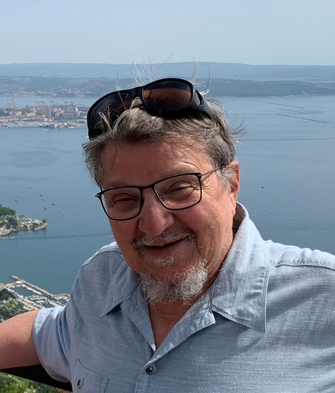
Askold Khovanskii is a Professor at the University of Toronto and the Independent University of Moscow. His research spans Algebra Geometry Theory of Singularities with a focus on Newton polyhedra, tropical geometry, and topological Galois theory. Dr. Khovanskii’s publications highlight trends in Algebraic Geometry Convex Polytopes Toric Varieties Equations Solvability Topological Obstructions His work bridges abstract algebra with geometric methods, emphasizing applications to differential equations and complexity. Scientific awards include: Fellow of the Royal Society of Canada (FRSC)
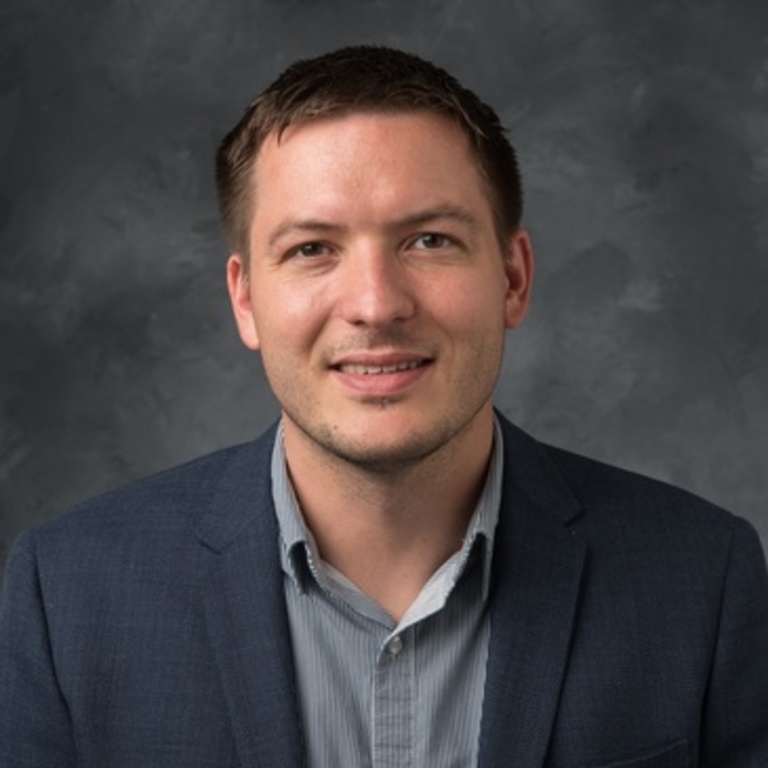
Gosse Tjipke Havinga serves as an Assistant Professor in Nonlinear Solid Mechanics at the University of Twente's Faculty of Engineering Technology. His research spans computational mechanics with emphasis on metal forming, optimization, and simulation techniques, leveraging advanced mathematical modeling for industrial applications. Research interests focus on computational homogenization , metal forming processes , and model order reduction . His work integrates asymptotic methods for magnetic composites, radial basis function interpolation for nonlinear simulations, and shell finite element modeling for sheet rolling instabilities. Recent publications demonstrate strong interdisciplinary connections between mechanical engineering and materials science. Publications since 2022 reveal a concentrated focus on Efficient thermomechanical modeling for additive manufacturing Homogenization techniques for magnetic composites Real-time optimization of metal forming processes with consistent application of numerical methods to solve industrial-scale engineering challenges. Professional activities include supervision of doctoral research and industry collaboration through invited talks on smart manufacturing, such as the 2020 presentation 'Smart factories: improving process models using real-time data'. His laboratory work centers on developing computational frameworks for Large-scale metal additive manufacturing Sheet metal forming simulations Magnetic property prediction in composites with practical applications in industrial production environments.
Phillip Deierling serves as an Associate Professor of Instruction in the Department of Mechanical Engineering at the University of Iowa's College of Engineering, where he has been a faculty member since 2018. His academic appointment focuses on teaching excellence and curriculum development within mechanical engineering education. His educational background includes a Ph.D. in Mechanical Engineering (2016), M.S. in Mechanical Engineering (2010), and B.S. in Mechanical Engineering (2009). Professional affiliations encompass the American Institute of Aeronautics and Astronautics (AIAA), American Society of Mechanical Engineers (ASME), American Society of Composites (ASC), and Society of Automotive Engineers (SAE). Dr. Deierling's research spans mechanics of materials with emphasis on spatially graded metal-ceramic composites, thermostructural analysis for aerospace applications, and robotics education innovation. His work addresses critical challenges in high-speed flight environments while developing novel pedagogical approaches for mechanical engineering instruction. This dual focus bridges advanced materials science with transformative educational methodologies. Analysis of his recent publications reveals two dominant research trajectories: computational modeling of composite materials under extreme thermal-mechanical loads, and development of hands-on robotics education frameworks. The materials research concentrates on spatial tailoring, microstructure uncertainties, and high-temperature degradation, while the education stream pioneers online laboratories and active learning strategies for undergraduate robotics courses. No scientific awards or major honors were documented in the available institutional records. His role as Professor of Instruction indicates significant involvement in student mentorship and curriculum design, though specific advising details and research grants were not specified in the source materials. The integration of robotics laboratories into mechanical engineering education represents a core contribution to pedagogical advancement.
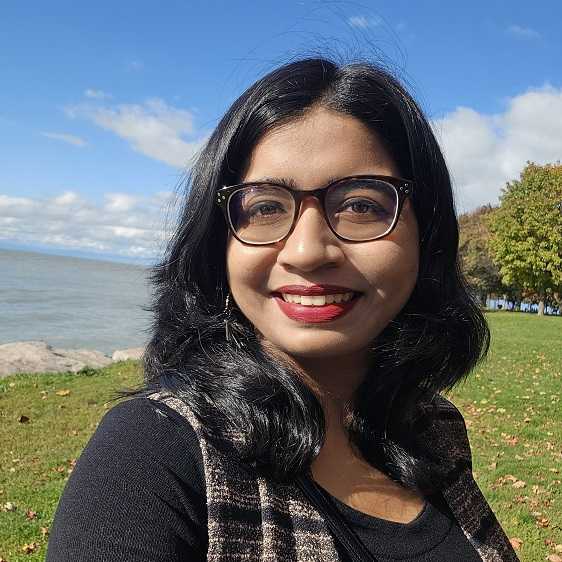
Srilena Kundu is a Postdoctoral Researcher at the Helmholtz Institute for Functional Marine Biodiversity (HIFMB) at the University of Oldenburg, Germany, since September 2024, focusing on spatial connectivity in ecological systems. Previously, she held postdoctoral positions at the University of Chicago (2022-2024) and Arizona State University (2020). Her educational background includes: Ph.D. in Applied Mathematics, University of Calcutta, India (2015-2022) M.Sc. in Mathematics with Computer Applications, National Institute of Technology Durgapur, India (2013-2015) B.Sc. in Mathematics, Vidyasagar University (via Midnapore College), India (2010-2013) Dr. Kundu's research integrates mathematical modeling and computational simulations to investigate ecological network dynamics , species persistence , and nonlinear phenomena in complex systems. Her work bridges theoretical ecology with physics, emphasizing how spatial structure and network topology influence biodiversity maintenance and community stability. Key methodological approaches include differential equations, agent-based modeling, and statistical analysis of dynamical systems. Analysis of her 15 most recent publications (2024-2019) reveals a cohesive research trajectory centered on chimera states in ecological networks , eco-evolutionary dynamics of cooperation , and robustness of spatially structured populations . These works consistently apply nonlinear dynamics and network theory to biological questions, with increasing focus on multidimensional systems (3D networks, multiplex structures) and real-world applications like harvested ecosystems. Her publications span high-impact journals in physics, ecology, and interdisciplinary sciences, reflecting strong cross-disciplinary integration. She actively contributes to the Biodiversity Theory research group at HIFMB, where her current work examines how spatial connectivity sustains populations across environmental gradients and temporal scales using advanced computational frameworks.
Xiaodong Huang is a Professor of Engineering Mechanics in the School of Engineering at Swinburne University of Technology. He earned his Master's from Shanghai Jiao Tong University (1999) and Ph.D. from Swinburne (2004), and previously held positions at RMIT University before returning to Swinburne in 2017. He is currently a member of the ARC College of Experts and has received numerous awards including the ARC Future Fellowship and Early-Career Research Award from the Australian Academy of Science. Master of Engineering, Shanghai Jiao Tong University, 1999 Ph.D., Swinburne University of Technology, 2004 Dr. Huang's research centers on topology optimization, particularly the development and application of the Bi-directional Evolutionary Structural Optimization (BESO) and Floating Projection Topology Optimization (FPTO) methods. His work spans diverse areas including structural mechanics, acoustic and photonic metamaterials, biomedical implants, and additive manufacturing. He has pioneered methodologies for buckling resistance, vibro-acoustic design, and multi-material optimization, with applications in aerospace, civil, and biomedical engineering. The recent publications highlight a consistent trend in advancing computational frameworks for multi-physics topology optimization—particularly in acoustic metamaterials, photonic crystals, and fracture-resistant lightweight structures. His work integrates advanced finite element formulations, homogenization techniques, and experimental validation, demonstrating both theoretical innovation and practical engineering impact. His scientific awards include: RMIT Research Award ARC APD Fellowship Early-Career Research Award by the Australian Academy of Science RMIT Teaching Award ARC Future Fellowship Dr. Huang has supervised numerous PhD and Master’s students and has secured extensive research funding from the Australian Research Council (ARC) and industry partners such as DMTC Limited and CSIRO. His grants include projects on 3D concrete printing, metallic additive manufacturing, and dynamic properties of mechanical metamaterials. He leads multidisciplinary teams focusing on sustainable and high-performance structural systems. He is actively involved in research groups working on mechanical metamaterials, topology optimization algorithms, and advanced manufacturing, with strong collaborations in both academia and industry.
Antonio DeSimone is a Professor of Structural Mechanics at the Scuola Internazionale Superiore di Studi Avanzati (SISSA) in Trieste, Italy, where he has been on faculty since 2002. He is affiliated with the SISSA mathLab and leads the SAMBA (Sensing and Moving Bio-inspired Artifacts) research group. His research spans applied mathematics, mechanics, and materials science, with a focus on multiscale modeling of soft and biological matter. He previously directed the Multiscale Phenomena in Materials group at the Max Planck Institute for Mathematics in the Sciences (1998–2003), was a researcher at Università di Roma 'Tor Vergata' (1990–1998), and held a postdoctoral position at Carnegie Mellon University (1993–1994). PhD in Mechanics, University of Minnesota, 1992 Laurea in Civil Engineering, Università di Napoli Federico II, 1987 His research interests lie at the intersection of mechanics, materials science, and applied mathematics. He investigates the mechanics of soft and biological matter , including liquid crystal elastomers , magnetic microstructures , multiscale phenomena in materials , nonlinear elasticity , plasticity , damage , and thin films . He also studies wetting of rough surfaces and cell motility . His work combines analytical techniques like gamma-convergence and variational methods with numerical simulations and experimental validation. The recent publications highlight a strong trend in modeling complex material responses across multiple scales. His work integrates applied mathematics , materials science , and computational mechanics to understand phenomena such as magnetic domain formation, wetting hysteresis, and the mechanical behavior of nematic elastomers. These studies often employ homogenization , energy relaxation , and finite element methods to derive effective models from microscale physics. His scientific recognition includes: ERC Advanced Grant 340685 MicroMotility He advises students and researchers through his leadership of the mathLab and SAMBA groups, and has secured competitive funding such as the ERC grant. His teaching includes courses on variational methods, finite element methods, and the mechanics of biological systems, indicating an active role in graduate education and scientific computing. He leads two research labs at SISSA: SISSA mathLab : focused on mathematical modeling and simulation in mechanics SAMBA : dedicated to bio-inspired sensing and locomotion systems
Werner Brack is a prominent Professor at the Helmholtz Centre for Environmental Research - UFZ in Leipzig, Germany, specializing in environmental chemistry and ecotoxicology. His research focuses on effect-directed analysis of complex environmental mixtures, particularly in water and sediment systems. He leads groundbreaking work in chemical risk assessment, mass spectrometry applications, and understanding the impacts of pollutants on aquatic ecosystems. His interdisciplinary approach bridges analytical chemistry, toxicology, and environmental science to address critical water quality issues. Brack's research interests span multiple critical areas of environmental science. His primary focus is on effect-directed analysis (EDA), which he has pioneered as a method to identify key toxicants in complex environmental mixtures. His work integrates advanced analytical techniques like LC-HRMS with biological testing to understand the real-world impacts of chemical mixtures. He has made significant contributions to understanding mutagenicity in surface waters, particularly the synergistic effects between different compound classes. His research also addresses practical environmental challenges including wastewater epidemiology, snow melt contamination, pesticide exposure in aquatic systems, and the identification of emerging contaminants in complex matrices. His publication record demonstrates a consistent focus on methodological development in environmental analysis. Brack has published extensively on novel approaches for compound identification in environmental samples, including the use of partition-based dosing techniques that better reflect real-world bioavailability. His work on gap-filling algorithms for mass spectrometry data has improved the reliability of non-target screening. Recent publications highlight his continued innovation in wastewater analysis, snow melt contamination patterns, and the relationship between chemical pollution and biological responses in freshwater ecosystems. Brack has supervised numerous researchers who have become established scientists in their own right, including Carolin Huber, Martin Krauss, Melis Muz, Erik Müller, and Tobias Schulze. His collaborative approach spans multiple institutions and disciplines, reflecting the complex nature of environmental pollution problems. While specific grant information isn't detailed in the available publications, his consistent output across multiple high-impact journals suggests substantial research funding supporting his work in environmental chemistry and ecotoxicology. His laboratory focuses on integrating chemical analysis with biological effects testing to understand the real-world impacts of environmental pollutants. The research group maintains expertise in advanced mass spectrometry techniques, effect-directed analysis methodologies, and the development of novel approaches for identifying unknown toxicants in complex environmental mixtures. Their work has particular relevance for understanding the impacts of wastewater effluents, agricultural runoff, and urban pollution on aquatic ecosystems.
Professor Michael North is a faculty member in the Department of Chemistry at Newcastle University, School of Natural and Environmental Sciences. He is a leading researcher in organic and catalytic chemistry, with a focus on sustainable and green chemical processes. His work centers on the development and mechanistic understanding of salen-based catalysts for asymmetric synthesis and CO 2 utilization. His research interests include asymmetric catalysis , cyclic carbonate synthesis from CO 2 , green solvents , and mechanistic organic chemistry . He employs bimetallic aluminium, titanium, and vanadium salen complexes to catalyze reactions such as epoxide ring-opening, cyanohydrin synthesis, and carbon–carbon bond formation. His group investigates the influence of catalyst structure, reactor design, and reaction conditions on catalytic efficiency and selectivity. The recent publications highlight a strong trend toward CO 2 valorization , catalyst immobilization , and process optimization for sustainable chemical production. His work bridges fundamental mechanistic studies with practical applications in green chemistry and industrial sustainability. Scientific Awards: No awards mentioned in the provided text. Professor North has advised numerous PhD students and early-career researchers, including Christopher Beattie, Dr. Carl Young, Dr. Pedro Villuendas, and others, who have co-authored multiple publications with him. His research has been supported by projects on CO 2 conversion, catalyst design, and green synthesis methodologies, though specific grant details are not listed. He frequently collaborates with colleagues such as Professor William Clegg and Dr. Ross Harrington. His research group functions as a collaborative team focused on catalyst development and sustainable synthesis. While no formal lab name is mentioned, the repeated use of bimetallic salen complexes suggests a specialized focus on polymetallic catalysis and CO 2 conversion technologies .
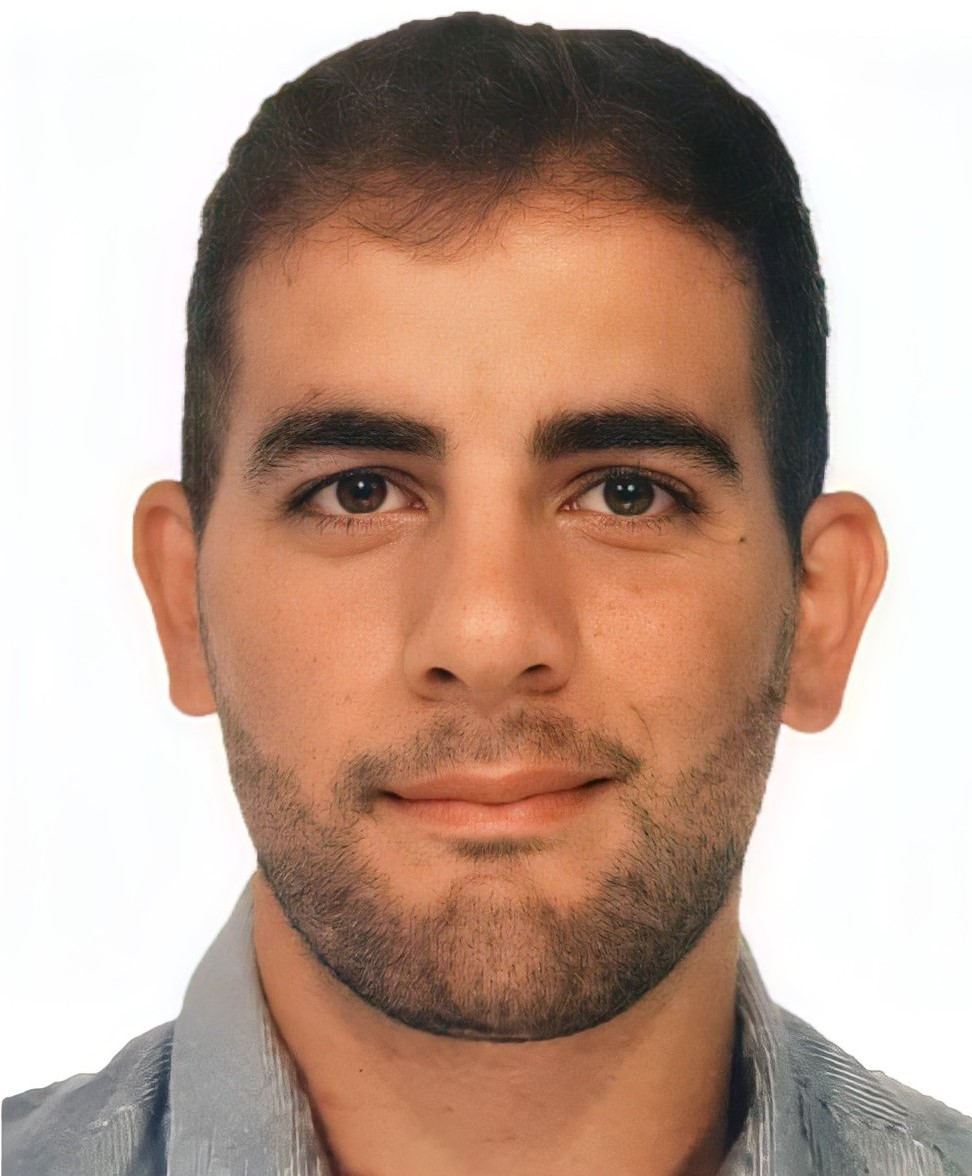
Dr. Christian Döding is a Research Fellow at the Institute for Numerical Simulation, University of Bonn, since 2023. Previously, he held a postdoctoral position at Ruhr University Bochum (2021-2023). His research focuses on numerical analysis of partial differential equations and applied dynamical systems, with applications in quantum physics and superconductivity. Education PhD in Mathematics, Bielefeld University, 2019 (Supervisor: Wolf-Jürgen Beyn) M.Sc. in Mathematics, Bielefeld University, 2015 B.Sc. in Mathematics and Physics, Bielefeld University, 2013 Research Interests His expertise spans multiscale finite element methods, structure-preserving time integration, and convergence analysis for nonlinear PDEs. He specializes in numerical solutions for nonlinear Schrödinger equations, Gross-Pitaevskii equations, and Ginzburg-Landau equations, with direct applications to Bose-Einstein condensates and superconductivity. His work also addresses stability analysis, pattern dynamics, and computational methods for nonlinear waves in evolution equations. Publication Trends Recent publications (2022-2025) demonstrate concentrated research on multiscale numerical techniques for quantum physics PDEs. Key themes include homogenization of wave propagation in time-varying media, vortex-capturing algorithms for superconductivity models, and energy-conserving integrators for rotating quantum systems. His methodology consistently emphasizes error estimation, stability analysis, and structure preservation, frequently utilizing localized orthogonal decomposition frameworks. Research Environment Dr. Döding is embedded in the research group at the Institute for Numerical Simulation (University of Bonn), which maintains active collaborations in computational mathematics and scientific computing, particularly in physics-driven PDE applications.
Alberto Ciampaglia is a Fixed-term Assistant Professor at the Department of Mechanical and Aerospace Engineering (DIMEAS), Politecnico di Torino. He is affiliated with the College of Mechanical, Aerospace, and Automotive Engineering and the Interdepartmental Center CARS@PoliTO for Automotive Research and Sustainable Mobility. His research focuses on composite structures, lightweight design, and mechanistic data science. Research Interests: Composite structures Multiscale modeling Structural health monitoring Machine learning for material characterization Additive manufacturing Lightweight design Publications and Research Trends: His recent articles emphasize physics-informed machine learning for composite materials, with a focus on fatigue analysis, defect modeling, and uncertainty quantification in additive manufacturing. Multiscale approaches bridge microstructural defects (e.g., voids in lattice structures) to macroscopic mechanical behavior, while his work on origami crash boxes optimizes energy absorption via experimental and numerical methods. Scientific Affiliations: Effective member, NAFEMS Engineering Data Science Working Group (2024–present) Effective member, SAE (2020–2022) Visiting Researcher, Northwestern University (2021–2022) Projects: He leads the UE-funded PLEIADES project on aerospace composites and serves as Scientific Responsible for commercial research contracts on polymer characterization and thermal-structural modeling.
Prof. Dr. Snezana Grujic is a Full Professor at the Department of Inorganic Chemical Technology, Faculty of Technology and Metallurgy, University of Belgrade. She has been holding this position since her election on September 20, 2017, and operates from office 040 in the large TMF building. Her primary research focus lies in Inorganic Chemical Engineering , particularly in glass and ceramics technology. Email: grujic@tmf.bg.ac.rs Phone: 011/3303723, 011/3303719 (ext. 723) Her research interests encompass: Glass-Ceramics and Advanced Glass Materials Combustion Process Optimization Waste Recycling and Sustainable Processing Thermal Analysis of Materials Environmental Impact of Combustion Processes Packaging Material Development Her recent articles highlight trends in: Developing eco-friendly glass-ceramics from industrial byproducts Optimizing combustion for reduced emissions Characterizing rare-earth-doped glasses for specialized applications Thermal analysis of crystallization mechanisms Recycling strategies for fly ash and coal combustion residues Improving flame temperature control in hydrogen-natural gas mixtures She has supervised numerous PhD and Master’s students in projects related to glass synthesis, combustion analysis, and materials recycling. Her work spans both fundamental research (e.g., crystallization kinetics) and applied studies (e.g., industrial furnace optimization).
Sabeur Msolli is an Associate Professor at the University of Technology of Belfort-Montbéliard (UTBM), affiliated with Laboratory ICB-PMDM-LERMPS (UMR 6303). His work focuses on computational solid mechanics with emphasis on numerical simulations of manufacturing processes. His educational background includes: BSc (2003) and MSc (2005) from National School of Engineering of Monastir (ENIM) PhD in Mechanics and Materials (2011) from Institut National Polytechnique de Toulouse (INPT) Dr. Msolli's research integrates advanced computational methods to solve complex materials engineering challenges. His expertise spans thermomechanical modeling of manufacturing processes with particular focus on material behavior under extreme conditions. Key research domains include: Numerical simulation of additive manufacturing (SLM) Surface enhancement techniques (thermal/cold spray, shot peening, laser shock peening) Forming process modeling for aluminum alloys and stainless steel Phase transformation prediction and homogenization methods Plasticity and damage modeling With 40 peer-reviewed journal publications and 30+ international conference presentations, his work demonstrates consistent contributions to computational materials engineering. His research bridges theoretical mechanics with industrial manufacturing applications. Dr. Msolli has established research collaborations across major international laboratories including LGP (ENIT), LEM3 (University of Lorraine), ENSAM ParisTech, Dongguk University, and IHPC/A*STAR in Singapore prior to his current position at UTBM.
Dr. Eng. Robert Owsiński is a Lecturer at the Department of Mechanics and Fundamentals of Machine Design , Faculty of Mechanical Engineering, Opole University of Technology. His research focuses on fatigue analysis, additive manufacturing, and computational modeling. Position: Lecturer Room: B-13 Email: r.owsinski@po.edu.pl Website: Personal Site Research Interests Dr. Owsiński specializes in: Multiaxial fatigue criteria development using FEM and experimental verification Additive manufacturing of metallic components (Ti6Al4V, MS1 steel, X3NiCoMoTi 18-9-5) Dynamic loading analysis with controlled kurtosis and phase shifts Development of MATLAB-based computational tools for mechanical systems Publication Trends Dr. Owsiński's recent work emphasizes: Integration of machine learning with fatigue life prediction Impact of manufacturing parameters on additively produced materials Advancements in vibration fatigue analysis methods Phase-shifted loading and residual stress quantification
Dr. KAPITÁNY Kristóf is an Associate Professor at the Department of Photogrammetry and Geoinformatics within the Faculty of Civil Engineering at Budapest University of Technology and Economics. His office is located in Room K. ép / I. em. 31/8, with consultation hours every Wednesday from 12:00-13:00. He teaches courses including Civil Engineering Informatics (BMEEOFTAT42) and Numerical Methods (BMEEOFTMK51, BMEEOAFMB51). His research centers on advanced imaging and computational techniques for civil engineering, with key focus areas: Object reconstruction from image series (CT/X-ray analysis of cerebral vasculature, concrete, asphalt, and artworks) Geospatial analysis of urban systems (e.g., bike-sharing networks) Material science applications (organic insulation via SEM, fiber-reinforced concrete) AI-driven efficiency in construction (algorithmic design, digital twins) Recent publications (2015-2024) demonstrate strong emphasis on computed tomography for material diagnostics, with growing exploration of AI strategies. Key domains include structural material degradation analysis, non-destructive testing, geospatial data processing, and heritage conservation, reflecting consistent innovation in imaging methodologies. Awards include the #építő250 Scholarship for academic merit. No information is currently available regarding student supervision, research grants, or laboratory affiliations.
Professor Duncan Wass serves as Professor of Catalysis and Director of the Cardiff Catalysis Institute (CCI) at Cardiff University, where he leads research in organometallic chemistry and homogeneous catalysis with applications for low carbon manufacturing and net zero goals. His work bridges fundamental science with practical sustainable applications across multiple domains. Wass completed his undergraduate studies at Durham University (1992-1995) followed by a PhD at Imperial College London (1995-1998) under Professor Vernon Gibson CB FRS, focusing on late transition metal olefin polymerisation catalysis. After working at BP Chemicals Ltd from 1999-2004, including positions at Sunbury-on-Thames laboratories and BP's Brussels research site, he joined the University of Bristol's School of Chemistry. Promoted to Professor of Catalysis in 2012, he moved to Cardiff University in 2018 to assume his current leadership role. His research portfolio demonstrates remarkable breadth and impact, with significant contributions in biofuel production through catalytic upgrading of alcohols, frustrated Lewis pair chemistry for small molecule activation, CO 2 conversion technologies, and catalytic approaches to waste valorization. The interdisciplinary nature of his work connects fundamental organometallic chemistry with practical applications in energy sustainability, as evidenced by his numerous high-impact publications in journals like Catalysis Science & Technology , ACS Catalysis , and Organometallics . As Director of the Cardiff Catalysis Institute, Wass has established a vibrant research community that fosters cross-disciplinary collaboration between chemists, engineers, and environmental scientists. His leadership positions him at the forefront of catalysis research addressing global sustainability challenges through innovative chemical solutions.