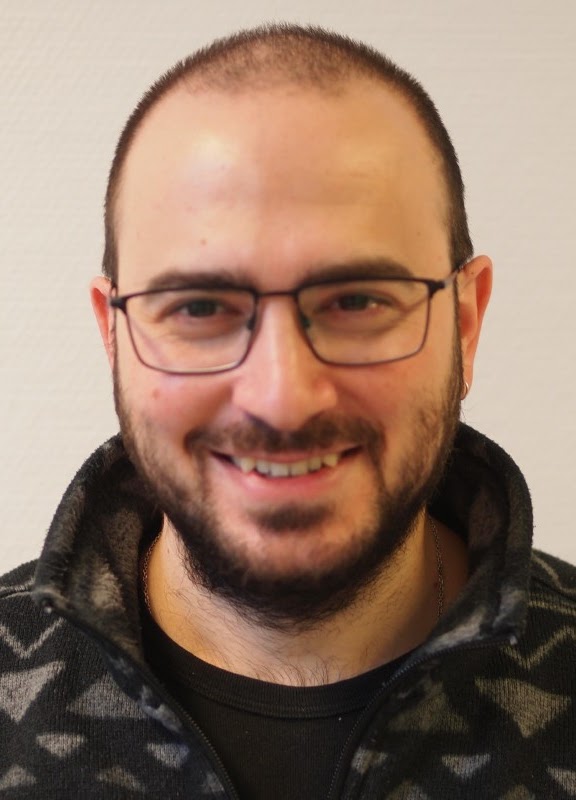
Mahler András , Associate Professor at the Faculty of Engineering (Budapest University of Technology and Economics), specializes in Geotechnical Engineering and Soil Mechanics within the Department of Engineering Geology and Geotechnics . His research integrates numerical modeling and empirical testing to address geotechnical challenges in infrastructure and construction materials. Department: Engineering Geology and Geotechnics Email: mahler.andras@emk.bme.hu Courses: Soil Mechanics, Geotechnical Finite Element Analysis, Numerical Methods in Geotechnics Research Focus Mahler's work emphasizes: Geotechnical Testing : CPT-Vs correlations, hypoplastic parameter calibration, and permeability studies. Material Behavior : Analysis of rolled asphalt, concrete seepage, and collapsible soils. Seismic Applications : Liquefaction hazard assessment and seismic fragility of embankments. His recent publications highlight advancements in soft clay characterization , asphalt modeling , and sustainable soil stabilization using sewage sludge ash. Awards Építő250 Scholarship
Philip Brunner is a Professor of Hydrogeology at the University of Neuchâtel's Faculty of Science since 2012. He is based at the Center for Hydrogeology and Geothermics (CHYN), leading the Laboratory of Hydrogeological Processes. His work centers on sustainable water resource management through quantitative tools. He earned his PhD from ETH Zurich, focusing on sustainable salt and water management in Western China's agricultural basins. Post-PhD, he conducted three years of postdoctoral research in Australia, developing new approaches for simulating river-aquifer interactions. Brunner's research spans surface water-groundwater interactions, numerical modeling, and remote sensing. He integrates methods from numerical modeling, remote sensing, scientific computing, and isotopic chemistry. His interdisciplinary collaborations with mathematicians, biologists, and physicists address challenges in agriculture, ecohydrology, engineering, and sustainable resource management. Recent publications highlight innovative tracer techniques (noble gases, microbes), low-cost monitoring systems, and advanced numerical models. His work tackles climate change impacts on ecosystems, groundwater in conflict zones, and sustainable practices in diverse environments including mountains and agricultural regions. He teaches courses such as Introduction to Hydrological Processes (Master), Numerical Modeling (Master), Remote Sensing (Master), and Introduction to Soil Physics (Bachelor, in French). His laboratory serves as a center for experimental and computational hydrogeological research.
Brian Kovak is an Associate Professor of Economics and Public Policy at Carnegie Mellon University's Heinz College of Information Systems and Public Policy. He holds the Dean's Career Development Professorship at Heinz College and maintains significant affiliations as a Faculty Research Fellow at the National Bureau of Economic Research (NBER) and a Research Fellow of the Institute for the Study of Labor (IZA). His scholarly contributions reach across multiple institutions and academic journals, reflecting his prominence in the field of labor economics and international trade. Ph.D., Economics, University of Michigan Master of Public Affairs, Indiana University B.S., Computer Engineering, Penn State University Brian Kovak's research examines the economic effects of international migration and trade with a focus on local labor markets. His work investigates how worker mobility responds to local labor market conditions, particularly the role of immigrants' geographic mobility in equalizing wage differences for native-born workers across U.S. local labor markets. He also studies the local labor market effects of trade liberalization, developing theoretically motivated empirical approaches based on specific-factors models of local economies. His research spans multiple countries, including extensive work using household survey and matched employer-employee data from Brazil to study the effects of liberalization on wages, employment, informality, and the skill premium. Analysis of Kovak's recent publications reveals a consistent focus on how migration and trade policies affect local labor market dynamics. His work demonstrates sophisticated methodological approaches that bridge theoretical economic models with empirical evidence from diverse contexts. The research shows particular attention to how economic shocks transmit across regions through migration networks and how trade liberalization affects different segments of the workforce. His publications in top economics journals demonstrate the significance of his contributions to understanding the intersection of international economics and labor market outcomes. IZA Young Labor Economist Award (2014) for best peer-reviewed journal publication in labor economics by authors under age 40 Beyond his research, Kovak serves as an Associate Editor of the Journal of Development Economics, contributing to scholarly discourse in his field. His work has attracted significant funding, including NSF grants (award #1851679) for research on wage insurance for displaced workers and another NSF grant (award #1854051) on emerging technologies, labor outcomes, and policy responses. His research has garnered substantial attention from both academic and policy communities, with coverage in major media outlets including the New York Times, Financial Times, Wall Street Journal, and Washington Post. Kovak's scholarly impact extends through his collaborations with numerous researchers across institutions, creating a substantial body of work that informs both academic understanding and policy development in international economics and labor markets.
Travis B. Thompson, Ph.D. is an Assistant Professor in the Department of Mathematics and Statistics at Texas Tech University, leading the TM4 (Texas Tech Translational and Theoretical Mathematical Modeling and Machine Learning in Medicine) research group. His academic journey includes postdoctoral work at Rice University, Simula Research Laboratory, and the University of Oxford, focusing on mathematics applied to neurodegenerative diseases. Education: Ph.D. in Mathematics from Texas A&M University (2013) Dr. Thompson develops theoretical mathematical models and applies scientific computing and machine learning to study neurological pathologies, particularly Alzheimer’s disease. His work explores complex biological processes on networks, translational healthcare applications, and nutritional security implications. Current research trends integrate neuroimaging data with finite element simulations to model tau progression , amyloid beta dynamics , and glymphatic clearance in age-related diseases. Scientific awards and honors were not explicitly mentioned in the provided materials. Dr. Thompson’s interdisciplinary approach connects computational neuroscience with biomedical engineering , utilizing techniques like diffusion tensor imaging and level set methods to analyze pathological protein spread and brain tissue mechanics . The TM4 research group focuses on network neurodegeneration , personalized medicine , and machine learning diagnostics . Their work spans from microfluidic cancer detection to computational modeling of brain clearance mechanisms , addressing challenges in both neurodegenerative diseases and biomedical engineering through rigorous mathematical frameworks.
Dr. Farkas-Karay Gyöngyi serves as Assistant Professor at the Department of Hydraulic and Water Resources Engineering within the Faculty of Civil Engineering at Budapest University of Technology and Economics (BME). She teaches core courses including Groundwater (BMEEOVVMV63), Hydrogeology (BMEEOGMMG62), and Hydraulic Engineering, Water Management (BMEEOVVAT43), maintaining office hours Fridays 10:00-12:00 in room K. ép / mf. 12/7. Education: Civil Engineering BSc (2011) Structural Engineering MSc (2013) PhD (2018) Research Focus: Her expertise centers on fractured and karst aquifer systems, conducting hydraulic investigations of complex rock formations, developing methodologies for pumping test evaluation in fractured media, and implementing numerical models for groundwater flow characterization. This work bridges theoretical hydrogeology with practical water resource management applications. Publication Trends: Analysis of her 2013-2017 publications reveals consistent advancement in fractured/karst aquifer characterization techniques. Key contributions include non-linear flow analysis in pumping tests, transmissivity determination from mining operations, and integrated physical-numerical modeling approaches. Her research demonstrates strong methodological rigor across laboratory experiments, field data interpretation, and computational simulation. Scientific Awards: No awards documented. Advising and Grants: Available materials contain no information regarding student supervision, research grants, or funded projects.
Farzad Sabzikar is an Associate Professor in the Department of Statistics at Iowa State University, specializing in stochastic processes, fractional models, and optimization algorithms. He integrates mathematical theory with applications in machine learning and time series analysis. Education: PhD in Statistics (Michigan State University, 2014), MS in Mathematics (Sharif University, 2009), BS in Mathematics (Isfahan University of Technology, 2006) His research bridges fractional calculus and statistical modeling, focusing on tempered processes and their applications in turbulence analysis, geophysical flows, and high-frequency data. He employs wavelet methods and asymptotic theory to study heavy-tailed phenomena and long-range dependencies. Recent publications emphasize tempered fractional Brownian motion, stable noise modeling, and functional data analysis. Key trends include transient anomalous diffusion, machine learning for cognitive decline classification, and optimized signal processing techniques. Scientific Awards: None listed His work has implications for machine learning, geophysics, and astrophysics, though no formal advising, grant, or lab affiliations are detailed in available sources.
Dr. Robert D. Moser is a Professor at the University of Texas at Austin and holds the W.A. "Tex" Moncrief, Jr. Chair in Computational Engineering and Sciences I. He is affiliated with the Thermal and Fluid Systems program, the Institute for Computational Engineering and Sciences (ICES), and serves as Director of the DOE-funded Center for Predictive Engineering and Computational Sciences (PECOS). Ph.D. in Mechanical Engineering from Stanford University (1984) His research focuses on computational methods for turbulence modeling, cardiovascular fluid mechanics, and uncertainty quantification in complex physical simulations. He develops large-eddy simulation techniques for aerospace applications and biological flow analysis, while pioneering methods to characterize uncertainties in reentry vehicle simulations and turbulence modeling. Dr. Moser leads interdisciplinary research at PECOS and ICES, combining computational engineering with biomedical applications. His work spans theoretical turbulence physics, numerical methods for Navier-Stokes equations, and practical implementations for aerodynamic and medical device design.
Donatella Strangio serves as Professor of Economic History and Director of the Department of Methods and Models for the Economy, Territory and Finance (Memotef) at Sapienza University of Rome. She also holds the position of Deputy Rector for Chile and Brazil in the Latin America and Caribbean region. Her academic leadership extends to directing international research projects including the European Project PNRR Changes 5 and the Jean Monnet Project EUMCHA. Her research spans economic development and underdevelopment, financial history, tourism economics, international migration patterns, and colonial-decolonization processes. She examines these topics through historical lenses, particularly focusing on pre-industrial economic systems, 20th century European history, famines, food policies, and institutional evolution. Her work often bridges historical analysis with contemporary policy challenges. Professor Strangio's recent publications demonstrate strong thematic coherence across economic history, with particular emphasis on resilience mechanisms during crises, migration as knowledge transmission, and tourism's economic dimensions. Her scholarship shows consistent engagement with both Italian and global contexts, especially regarding Mediterranean and Latin American connections. She actively mentors through multiple master's programs including the Master in Migration and Development and the Master in Tourism Economics and Management. Her leadership in the Civis short-term courses on Crisis Sustainability and Cultural Heritage Enhancement demonstrates commitment to innovative teaching approaches. Professor Strangio directs significant research initiatives including the Spoke9 of PNRR Cultural Heritage and coordinates the Scientific Guarantee Committee for the 'Repertory of Italian banks from 1861 to today.' Her international collaborations span Columbia University, Universidad de Quilmes, University of Adelaide, London School of Economics, and numerous Latin American institutions.
Michael Bach is a Professor for Water Management and Hydraulic Engineering at Stuttgart University of Applied Sciences since 2019. He also serves as the International Relations Officer (Auslandsbeauftragter) of the institution. His work focuses on integrated approaches to water resources management and modeling. Professor Bach's educational background includes: Civil Engineering studies at TU Darmstadt (Diplom-Ingenieur) Master's work at KTH Stockholm, Sweden Doctorate (Dr.-Ing.) from TU Darmstadt in 2010 His research interests span Water Management , Hydraulic Engineering , and Integrated Catchment Modeling . Professor Bach has developed software tools like BlueM.Wave for time series management and analysis, and BlueM.Sim for integrated river basin simulation. His work addresses critical challenges in urban wastewater systems, water quality modeling, and flood risk management, with applications both in Germany and internationally, including projects in Thailand. An analysis of his publication record reveals a strong focus on integrated modeling approaches for water systems, particularly for complex land use areas and urban environments. His work with the BlueM software package represents a significant contribution to the field, providing free tools for integrated river basin management. Many of his publications address the implementation of the EU Water Framework Directive and explore energy optimization within water management systems. Professor Bach has led numerous research projects since 2004, including ENERWA (energy optimization of water management systems), TASK (reservoir adaptation strategies for climate change), and IMCOP (integrated modeling of runoff and substance flows). He has collaborated extensively with academic and professional institutions, contributing to guidelines like the HSGSim for integrated urban wastewater system modeling. At Stuttgart University of Applied Sciences, Professor Bach is associated with the Kompetenzzentrum "Neue Forschungsfelder" (New Research Fields), where he contributes to advancing water management research and education.
Malte Laurens Kampschulte serves as Assistant Professor at the Department of Mathematical Analysis, Faculty of Mathematics and Physics, Charles University in Prague. He leads research within S. Schwarzacher's fluid structure interaction group and the OP JAK project FerrMion, following his role as Substitute Professor at the University of Leipzig during Summer 2024. His academic credentials include: B.Sc in Mathematics (2009) and Computer Science (2010) from RWTH Aachen M.Sc in Mathematics (2012) from RWTH Aachen Ph.D. in Mathematics (2018) with thesis "Gradient flows and a generalized Wasserstein distance in the space of Cartesian currents" Dr. Kampschulte's research centers on fluid structure interaction, calculus of variations, partial differential equations, and geometric measure theory. His work examines variational aspects of Eulerian-Lagrangian frameworks, relaxation methods for generalized solutions, topological invariants in PDEs, and current transport on manifolds. This integrated approach bridges theoretical analysis with physical applications in continuum mechanics. Analysis of his 2023-2024 publications reveals concentrated focus on three-dimensional fluid-structure systems with viscoelastic solids, compressible fluids, and self-collision phenomena. Key contributions include global weak solution frameworks for contact problems, variational approaches to hyperbolic evolutions, and regularity analysis for free surface dynamics—demonstrating both mathematical rigor and physical relevance. As Principal Investigator for the PRIMUS grant "Qualitative and quantitative Analysis for non-linear non-uniformly elliptic models" (previously held by Anna Balci), he oversees active research funding while mentoring through an open PostDoc position. His leadership extends to the FerrMion project where he develops mathematical frameworks for fluid-matter interactions. Based in the Department of Mathematical Analysis at Charles University, Dr. Kampschulte collaborates within S. Schwarzacher's research group to advance mathematical understanding of fluid-structure systems through both theoretical innovation and computational modeling.
Alberto Gambino serves as Full Professor of Private Law (IUS/01) and Deputy Vice-Rector at the European University of Rome. He holds multiple prestigious positions including Commissioner of the European Commission against Racism and Intolerance (ECRI) of the Council of Europe in Strasbourg, Member of the National Bioethics Committee, and Judge of the Patent and Trademark Appeals Commission at the Ministry of Enterprise and Made in Italy (MIMIT). Additionally, he is President of the Science & Life Study Center, CEI, and the Italian Academy of the Internet Code (IAIC). As a civil cassation lawyer, he owns the Gambino law firm and participates in managing research organizations and implementing national and international research projects. Professor Gambino's research spans numerous legal domains with particular emphasis on Civil Law, Corporate Law, Mergers and Acquisitions, Corporate Governance, and Intellectual Property. His work bridges traditional legal frameworks with emerging digital and technological challenges, particularly in the areas of bioethics, data protection, and internet governance. He has made significant contributions to understanding the intersection of law with information technology, media, telecommunications, and consumer protection in both national and European contexts. His scholarly output reveals a consistent focus on evolving legal challenges in the digital age, with recent publications examining antitrust issues in digital markets, sports governance, intellectual property in AI systems, and data protection frameworks. His work demonstrates a sophisticated understanding of how traditional legal principles must adapt to contemporary technological and social realities while maintaining core legal values. Commissioner of the European Commission against Racism and Intolerance (ECRI) of the Council of Europe Member of the National Bioethics Committee Judge of the Patent and Trademark Appeals Commission at MIMIT President of the Science & Life Study Center President of CEI President of the Italian Academy of the Internet Code (IAIC) Professor Gambino actively contributes to legal practice through his law firm while maintaining a robust academic profile. His editorial work with prestigious scientific journals and involvement in national and international research projects demonstrate his commitment to advancing legal scholarship. His expertise in both theoretical and applied law positions him as a key figure in shaping contemporary legal discourse, particularly in the intersection of traditional legal frameworks with emerging digital challenges.
Summer Rupper is a Professor at the School of Environment, Society & Sustainability at the University of Utah, where she has held her position since July 2019. Her research focuses on understanding the interactions between climate, glaciers, and water resources, with particular emphasis on high mountain regions including High Mountain Asia, the Himalayas, and polar regions. She leads multiple research projects examining glacier dynamics, hydrological processes, and climate change impacts on water security for downstream populations. BS in Geology from Brigham Young University (2001) MS in Geology from University of Washington (2004) PhD in Earth and Space Sciences from University of Washington (2007) Professor Rupper's research spans physical geography, environmental geoscience, and climate change science, with specific expertise in glaciology, hydrology, and atmospheric sciences. Her work integrates field measurements, remote sensing, and numerical modeling to understand glacier dynamics, snow processes, and water resource availability in mountainous regions. She has particular expertise in High Mountain Asia, where glaciers provide critical water resources for over a billion people. Her research addresses fundamental questions about glacier response to climate change, hydrological partitioning, and the implications for water security in vulnerable regions. Her recent publications demonstrate a consistent focus on understanding glacier dynamics, hydrological processes, and climate interactions in mountainous regions. The work spans multiple methodologies including remote sensing analysis, numerical modeling, statistical approaches, and field-based measurements. Key themes include glacier melt contributions to river systems, precipitation patterns in complex terrain, snow density modeling, and the impacts of climate change on water resources in High Mountain Asia and polar regions. Her research often integrates multiple data sources and approaches to address complex questions about cryospheric processes and their societal implications. Superior Research Award (2024, CSBS, University of Utah) G.K. Gilbert Award for Excellence in Geomorphic Research (2022) Outstanding Utah Higher Education Science Teacher (2021) Top Researcher Award, Celebrate U showcase (2017) Antarctic Service Medal (2010, USAF) Professor Rupper actively mentors graduate students through thesis research courses at both the PhD and Master's levels, as well as individual projects. She has secured significant research funding from multiple federal agencies including NSF, NASA, and USAID, with current projects examining climatic controls on Antarctic ice sheets, glacier dynamics in High Mountain Asia, and historical glacier changes. Her collaborative work extends across international boundaries, working with scientists in Pakistan, Bhutan, and other regions to address shared water security challenges. She also engages in community outreach through workshops with school districts and science teacher associations to communicate climate science to broader audiences. Professor Rupper participates in multiple collaborative research teams including the NASA High Mountain Asia Team (HiMAT), where she contributes expertise in glacier dynamics and hydrology. She serves on several scientific committees including the NSF Ice Core Facility Sample Allocation Committee and the American Geophysical Union Cryosphere Section Fellows Committee. Her research often involves interdisciplinary teams combining expertise in glaciology, hydrology, remote sensing, and climate modeling to address complex questions about mountain water systems under changing climate conditions.
Xiaotao Bi is a Professor in the Department of Chemical and Biological Engineering at the Faculty of Applied Science, University of British Columbia. He is a Fellow of The Canadian Academy of Engineering, recognized for his significant contributions to the field of chemical engineering, particularly in biomass energy systems and environmental technologies. Dr. Bi's research focuses on developing environmental systems analysis and life cycle assessment tools to model and evaluate biomass energy systems. His work encompasses Canadian wood pellets, animal wastes, agricultural residues, and integrated impacts assessment of various biomass conversion processes including combustion, gasification, torrefaction, and pelletization. Current research interests include electrostatic charging of dielectric particles in gas-solids fluidized beds, dual fluidized bed for biomass steam gasification, and novel i-CFB reactors for catalytic NOx reduction. His extensive publication record demonstrates expertise across multiple domains of sustainable energy and environmental engineering. Recent work shows a strong emphasis on biomass conversion technologies, particularly microwave-assisted processes, fluidized bed systems, and waste valorization. There's a clear trend toward developing more efficient and environmentally friendly processes for converting various biomass feedstocks into energy and valuable products, with particular attention to addressing technical challenges like tar formation in gasification and electrostatic issues in particle handling. Dr. Bi has been recognized with the prestigious honor of being named a Fellow of The Canadian Academy of Engineering, which acknowledges his significant contributions to engineering research and practice in Canada. As a research leader, Dr. Bi has supervised numerous graduate students and secured funding for his research team to investigate innovative approaches to biomass conversion and environmental engineering challenges. His work bridges fundamental research with practical applications for sustainable energy systems. Dr. Bi leads a research team focused on developing advanced technologies for biomass conversion and environmental protection. His laboratory facilities likely include specialized equipment for fluidized bed operations, biomass processing, and analytical tools for characterizing biofuels and byproducts.
Hermann M. Fritz is a full Professor at the Georgia Institute of Technology within the College of Engineering's School of Civil and Environmental Engineering. With expertise spanning tsunamis, coastal hazards, hurricane storm surges, landslides, and submarine volcanic eruptions, his research focuses on the fluid dynamics aspects of these natural hazards and their mitigation strategies. Dr. Fritz earned his Doctorate degree (Dr. sc. ETH Zurich) in 2002 from the Swiss Federal Institute of Technology in Zurich. His extensive field experience includes leading or participating in more than a dozen post-disaster reconnaissance campaigns across multiple continents, documenting tsunami events from the 2004 Indian Ocean tsunami through the 2017 Greenland event, and hurricane surveys from Hurricane Katrina (2005) to Hurricane Nate (2017). His research integrates physical modeling with field observations, with recent work focusing on tsunamis generated by submarine volcanic eruptions, as evidenced by his development of a unique volcanic tsunami generator for large-scale wave basin experiments. His publication record shows consistent high-impact research in natural hazard science, with a particular emphasis on understanding wave generation mechanisms, coastal inundation patterns, and sediment transport processes during extreme events. Among his notable recognitions is the Plinius Medal from the European Geosciences Union (2014), highlighting his significant contributions to natural hazard research. His work bridges fundamental fluid dynamics with practical applications for coastal protection and disaster risk reduction. Plinius Medal, EGU (European Geosciences Union) - 2014 Dr. Fritz has mentored numerous students through his research projects, though specific names aren't provided in the available information. His collaborative approach is evident through his extensive co-authorship network spanning multiple institutions worldwide. Current research directions include advanced physical modeling of tsunami generation mechanisms, particularly those related to volcanic activity and landslides, as well as improving coastal resilience against extreme events. His laboratory work at Georgia Tech involves sophisticated experimental setups including large three-dimensional wave basins and specialized generators for simulating complex natural phenomena under controlled conditions. This experimental approach complements his extensive field survey experience, creating a powerful research methodology that connects theoretical understanding with real-world observations.
Georgios Arvanitidis is an Associate Professor at the Technical University of Denmark (DTU) in the Department of Applied Mathematics and Computer Science, specifically within the Section for Cognitive Systems (CogSys). He has established himself as a leading researcher in geometric machine learning, focusing on the application of differential geometry principles to enhance machine learning models. His work bridges theoretical mathematics with practical applications in artificial intelligence, with particular emphasis on understanding the geometric structure of data manifolds and latent spaces. Dr. Arvanitidis completed his educational journey with a Bachelor's degree from the Department of Informatics at the Aristotle University of Thessaloniki, followed by a Master's degree in Computer Science from Saarland University supported by the Max Planck Institute for Informatics. He earned his PhD at DTU's Cognitive Systems section under the supervision of Søren Hauberg, with additional research experience at Philipp Hennig's Probabilistic Numerics group. Prior to his current position as associate professor, he was a PostDoc at the Max Planck Institute for Intelligent Systems working with Bernhard Schölkopf. Dr. Arvanitidis's research primarily focuses on differential geometry in machine learning , where he explores how geometric structures can enhance representation learning and statistical modeling. His work in generative models investigates how learning the geometry of data manifolds can improve deep learning architectures. In the domain of deep learning theory , he examines why deep learning models generalize effectively on unseen data, with particular attention to the curvature properties of loss landscapes. His research in approximate Bayesian inference applies geometric principles to improve uncertainty quantification in neural networks. Through his innovative approaches, Dr. Arvanitidis has established himself as a leading researcher in geometric machine learning, contributing to both theoretical foundations and practical applications across various domains including robotics and life sciences. The publication trends of Dr. Arvanitidis reveal a consistent and evolving focus on geometric approaches to machine learning problems. His recent work (2023-2025) demonstrates increasing sophistication in applying Riemannian geometry to deep learning architectures, with particular emphasis on latent space geometry, optimization on manifolds, and geometric interpretations of neural network behavior. A notable pattern is the progression from foundational work on geometric representations to more applied research in areas like robotics and causal inference. His publications span top-tier conferences including NeurIPS, ICML, ICLR, and AISTATS, reflecting the high impact of his research. The interdisciplinary nature of his work is evident in collaborations across mathematics, computer science, and robotics domains, with recent papers addressing challenges in multimodal sampling, safety guarantees for dynamical systems, and counterfactual explanations. Dr. Arvanitidis has received several notable scientific awards and recognitions: Sapere Aude starting grant from the Independent Research Fund Denmark (DFF) GADL funding i-Rase, Pathfinder, and EIC (European Innovation Council) funding Best reviewer award for NeurIPS 2019 Best reviewer award for NeurIPS 2018 Best student paper award at Robotics: Science and Systems (R:SS) 2021 Dr. Arvanitidis actively mentors PhD students and researchers, currently supervising Alejandro Valverde, Johanna Gegenfurtner, and Albert Kjøller Jacobsen. He has previously co-supervised Alison Pouplin's PhD and worked with research assistant Georgios Pantis. His group receives substantial funding through multiple prestigious grants including the Sapere Aude starting grant from the Independent Research Fund Denmark, as well as European Innovation Council funding. He has been instrumental in creating opportunities for students interested in geometric machine learning, offering BSc and MSc thesis projects focused on generative models, deep learning theory, and optimization techniques. Dr. Arvanitidis also contributes significantly to the academic community as a reviewer for top conferences including ICLR and TMLR, and as an area chair for NeurIPS, ICML, AISTATS, and UAI. He co-organized the Machine Learning Summer School 2020 in Tübingen, further demonstrating his commitment to education and community building. Dr. Arvanitidis leads a vibrant research group focused on geometric machine learning within the Cognitive Systems section at DTU. His team includes multiple PhD students working on cutting-edge research at the intersection of differential geometry and artificial intelligence. The group has developed notable software tools, including the "geometric_ml" GitHub repository with over 70 stars, which contains implementations for applying Riemannian geometry in machine learning. His research has practical applications in robotics, where geometric approaches enable more robust motion planning, as evidenced by his work on "Reactive Motion Generation on Learned Riemannian Manifolds" which received a best student paper award. Additionally, his methodologies have found applications in life sciences, as mentioned in his 2022 AISTATS paper. The collaborative nature of his work is evident through extensive partnerships with researchers at institutions including the Max Planck Institute for Intelligent Systems, University of Cambridge, and various European universities. His recent news items indicate active engagement with the academic community through talks, conference presentations, and ongoing supervision of new PhD students joining his group.