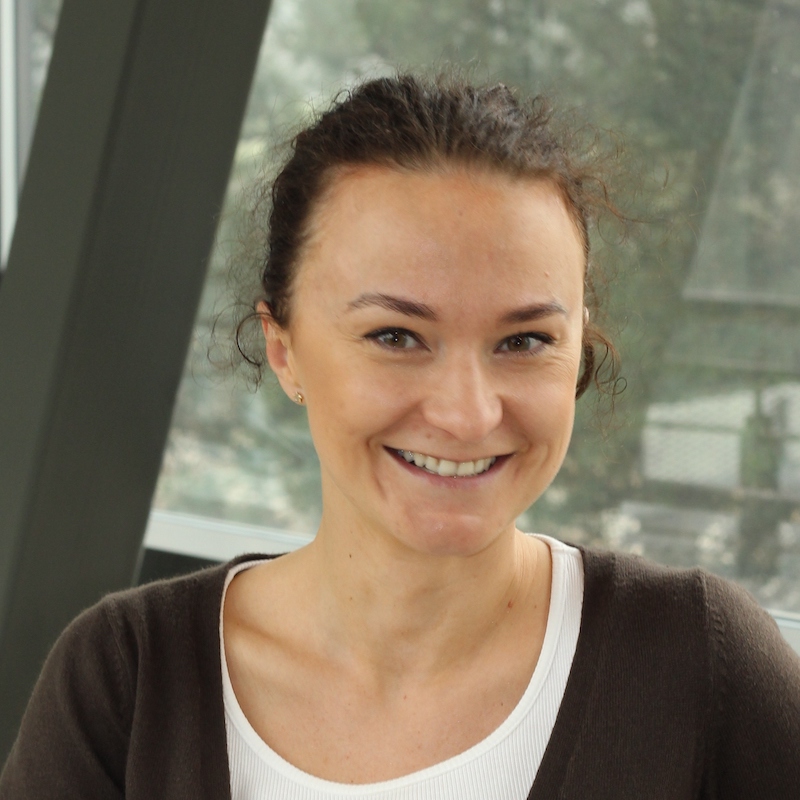
Prof. Yuxi Feng is a Professor at the Department of Experimental Pharmacology, Medical Faculty Mannheim of Heidelberg University. His research focuses on metabolic disorders, particularly diabetic complications such as retinopathy and cardiomyopathy. He investigates mechanisms involving the hexosamine biosynthesis pathway (HBP), O-GlcNAc cycling, and endothelial dysfunction. His work employs in vivo models (e.g., streptozotocin-induced diabetes, high-fat diet models) and in vitro systems (endothelial cells, cardiomyocytes). Research Techniques: Histology, immunoblotting, RNAseq, proteomics, electroretinography Key Models: Mouse diabetic microangiopathy, retinal angiogenesis, hypoxia-induced retinopathy Major interests include HBP activation in endothelial cells, cell-cell interactions in metabolic disorders, and molecular regulation via proteins like VE-cadherin and VEGF receptor 2. His studies aim to identify novel therapeutic strategies for diabetic vascular complications. Publications span topics from O-GlcNAcylation mechanisms to nucleoside diphosphate kinase B (NDPK-B) deficiency models. Collaborations include work on mitophagy in hypoxia and neurovascular unit breakdown in diabetes.
Navpreet Kaur is a Clinical Assistant Professor in the Department of Surgery at the University of Southern California . Her academic profile spans surgical practice, transplantation medicine, and interdisciplinary research. Specializes in hepatobiliary surgery and liver transplantation Conducts research at the intersection of pharmaceutical sciences , materials engineering , and public health Active in clinical and translational research with 25+ peer-reviewed publications Her work includes innovative surgical techniques (e.g., vascular anastomosis), medical polymer applications (pullulan-based formulations), and bioethical studies (anonymous organ donation). Recent publications focus on transplantation outcomes , public health policy , and novel chemical sensors . Despite her biomedical focus, she has also addressed social determinants of health in Indian contexts.
Maria Matilde Soares Duarte Marques is a Full Professor in the Department of Chemical Engineering at the University of Lisbon (Instituto Superior Técnico). Her research focuses on chemical carcinogenesis mechanisms induced by environmental and therapeutic agents, synthesis of DNA/protein adducts, drug design (e.g., anti-HIV agents and selective estrogen receptor modulators), and analytical methods for detecting biomarkers of carcinogenic exposure. She teaches Biomolecule Design, Molecular Design, Bio-, Photo- and Electrocatalysis, Medicinal Chemistry, and Therapeutic Chemistry. Key research interests include understanding bioactivation pathways of drugs (e.g., nevirapine, efavirenz), protein-DNA adduct formation, and drug toxicity mechanisms. Her work spans drug metabolism, immunotherapy strategies (e.g., NKp30 targeting), and the development of 3D in vitro models for toxicity studies. Publications highlight investigations into HIV drug toxicity, carcinogenicity of food additives, antimicrobial metal complexes, and epigenetic modifications by drugs. While no explicit awards are listed, her contributions to IARC carcinogen reviews and collaborative studies with global agencies underscore her impactful research. Labs/Teams: Active in the Center for Structural Chemistry and collaborates with institutions like the International Agency for Research on Cancer (IARC) on carcinogen evaluation projects.
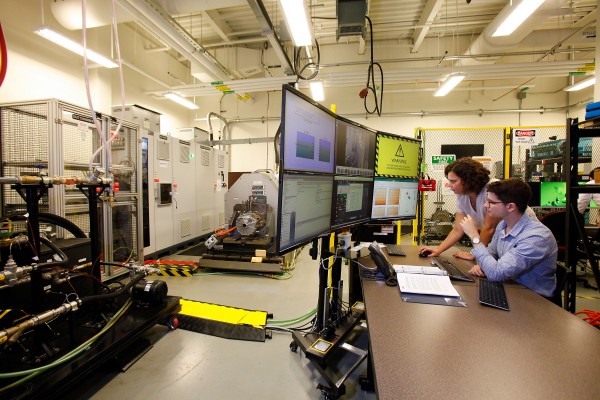
K. W. Michael Siu is a researcher at the University of Windsor, serving as Vice President of Research and Innovation. He is affiliated with the Centre for Hybrid Automotive Research and Green Energy, focusing on electric vehicle technology and green energy systems. His work also extends to proteomics and biomolecular chemistry, including studies on peptide radical cations and targeted protein degradation. He has played an instrumental role in fostering interdisciplinary research collaborations, such as the Entrepreneurship Practice and Innovation Centre (EPICentre). His research interests span environmental chemistry, mass spectrometry, and cancer biomarker discovery. Notable contributions include advancements in phosphoproteome profiling and drug development strategies for cancer therapy. As a leader in research administration, Dr. Siu has overseen initiatives like the Lancer Sport and Recreation Centre and supported academic partnerships, including student exchange programs with institutions like KU Leuven. His interdisciplinary approach bridges engineering, biology, and chemistry, with publications covering topics from automotive innovation to molecular mechanisms in diseases. His work emphasizes sustainable technology and precision medicine, contributing to both academic and industrial advancements.
Carston R Wagner is a Professor and Head of the Department of Medicinal Chemistry at the University of Minnesota, with extensive affiliations in the College of Pharmacy, Cellular Mechanisms of Cancer, Institute for Molecular Virology, and Center for Immunology. He has been a leading figure in medicinal chemistry research since 1986, contributing significantly to drug design, cancer immunotherapy, and antiviral therapies. His research interests include: Medicinal Chemistry and Prodrug Design Nanotechnology-based Drug Delivery (especially Chemically Self-Assembled Nanorings) Immunotherapy and Immune Cell Targeting Antiviral ProTides for Zika and Dengue Molecular Imaging using 19F NMR HINT1 as a therapeutic target in pain and cancer Analysis of his recent publications (2023–2025) reveals a strong focus on multivalent nanorings for targeted cancer therapy, immunogenic cell death, and non-opioid analgesia. His work integrates chemical biology, pharmaceutical sciences, and immunology to develop innovative therapeutic platforms. The use of fluorinated peptides and 19F NMR indicates a growing emphasis on real-time molecular tracking and diagnostics. Scientific funding and recognition include: Principal Investigator on 13 major research grants Funding from NIH (NCI, NIGMS, NIAID), DoD, and Mayo Clinic Projects spanning cancer immunotherapy, antiviral development, and circulating tumor cell analysis Dr. Wagner actively mentors students and researchers, as evidenced by co-authorship on numerous publications. He has led major projects such as the development of AI-designed mini-proteins for immune-mediated cancer eradication and anchimerically activatable ProTides for viral infections. His lab continues to pioneer novel chemical tools for precision medicine. He leads a multidisciplinary research team focused on: Chemically Self-Assembled Nanorings (CSANs) ProTide Antiviral Prodrugs HINT1 Inhibitor Development 19F NMR for Cell-Based Imaging Efficient Capture of Circulating Tumor Cells
Manuel Maria Paz Castañal is a Professor in the Department of Organic Chemistry at the University of Santiago de Compostela's Faculty of Chemistry. As a member of the COBINMA research group and affiliated with the Institute of Materials (iMATUS) and Strategic Grouping in Materials (AEMAT), he specializes in the synthesis of bioactive compounds, drug development, and molecular toxicology of anticancer agents like mitomycins. Education: PhD in Organic Chemistry (1994) from University of Santiago de Compostela Résumé: Thesis on asymmetric synthesis of biologically relevant compounds Research Focus: His work combines organic synthesis with biomedical applications, particularly examining mitomycin C's DNA crosslinking mechanisms and creating nanoparticle-drug conjugates for enhanced cancer therapy. His studies span reaction mechanisms, stereochemical control, and drug-biomolecule interactions. Publication Trends: Recent research highlights mitomycin-DNA adducts, nanoparticle drug delivery systems, and redox activation pathways, with significant contributions to understanding sequence selectivity and stereochemical configurations in DNA damage. Collaborations: Active in interdisciplinary research networks, including Reactivity and Catalysis (ReactyCat) and pharmaceutical R&D (GI-1606) groups.
Paola B. Arimondo is a Professor and research group leader at the Institut Pasteur in Paris, where she heads the Epigenetic Chemical Biology Unit within the Department of Structural Biology and Chemistry. She is also the administrative director of the joint CNRS-Institut Pasteur Research Unit UMR3523 (Chem4Life). Her work bridges chemistry and biology to develop innovative chemical probes and therapeutic strategies targeting epigenetic mechanisms in cancer and infectious diseases. Institution: Institut Pasteur Research Unit: UMR3523 CNRS-Institut Pasteur (Chem4Life) Department: Epigenetic Chemical Biology Unit Leadership: Administrative Director of UMR3523 Teaching: Involved in Master’s programs and the Pasteur-Paris University-Oxford PhD exchange program Her research focuses on epigenetic regulation, particularly DNA and histone methylation. She designs chemical inhibitors and probes to reprogram gene expression in cancer cells and to study host-pathogen interactions. Her interdisciplinary approach integrates medicinal chemistry, biochemistry, and molecular biology. The recent articles highlight a strong trend in targeting epigenetic enzymes like DNMT1 and MBD2, using computational and synthetic methods to develop novel anticancer agents. There is also a focus on chemical probe development for mechanistic studies in epigenetics, with applications in cancer, stem cells, and infectious diseases. Collaborative work spans chemical synthesis, structural studies, and functional genomics. She is actively involved in major collaborative research projects, including the DIM1HEALTH EpiK project on the cytosine code in disease. Her work is supported by Institut Pasteur and regional funding agencies. She mentors students and postdoctoral researchers and collaborates with a wide network of national and international scientists in epigenetics, cancer biology, and infectious diseases. She organizes scientific events and seminars, contributing to the academic community. Her research unit operates advanced facilities for mass spectrometry-based detection of nucleic acid modifications and collaborates with core platforms for high-throughput screening and chemical biology. She is part of a vibrant interdisciplinary environment at Institut Pasteur focused on chemistry for life sciences.
Matt Simon is an Associate Professor in the Department of Molecular Biophysics and Biochemistry at Yale School of Medicine, with affiliations to the Institute for Biomolecular Design & Discovery and the Center for RNA Science and Medicine. He conducts research at Yale's West Campus, focusing on the biochemical mechanisms of gene regulation involving chromatin and RNA biology. PhD in Chemistry, University of California at Berkeley (2006) BA in Biochemistry, Tufts University (1999) His research centers on understanding how chromatin structure and RNA dynamics regulate gene expression. He develops and applies chemical and biochemical tools to probe epigenetic mechanisms, particularly those involving long non-coding RNAs and histone modifications. His lab has pioneered methods such as TimeLapse-seq and STL-seq to study the temporal dynamics of RNA transcription and processing. His recent publications span high-impact journals including Nature , Molecular Cell , and Nucleic Acids Research , with research themes in chromatin modifications, RNA folding, transcriptional regulation, and RNA-protein interactions. These works highlight a consistent focus on the intersection of chemical biology and molecular genetics. Helen Hay Whitney Foundation Post Doctoral Fellowship Matt Simon leads an active research group and collaborates with prominent scientists such as Karla M. Neugebauer and Haifan Lin. His lab is supported by institutional affiliations and likely external grants, though specific funding details are not provided. He is involved in the Yale Combined Program in the Biological and Biomedical Sciences (BBS), contributing to graduate education and training. His lab is based at Yale’s West Campus, where he utilizes advanced biochemical and genomic technologies.
Matthias Dobbelstein is a Professor of Molecular Oncology at the University of Göttingen and Director of the Institute of Molecular Oncology at the University Medical Center Göttingen (UMG). He is also a Fellow at the Max Planck Institute for Multidisciplinary Sciences (MPI-NAT) and a faculty member at the Göttingen Graduate Center for Neurosciences, Biophysics, and Molecular Biosciences (GGNB). His research is conducted within the Göttingen Center of Molecular Biosciences (GZMB) at the Faculty of Medicine, where he leads one of three research groups in the Department of Molecular Oncology alongside Professors Holger Bastians and Ramona Schulz-Heddergott. Professor Dobbelstein received his medical degree (Dr. med.) summa cum laude from Munich University in 1994, with research in Tumor Virology. He completed his habilitation in Virology at Philipps University Marburg in 2002. His educational journey began with studies of Human Medicine at Munich University (LMU) from 1986-1992, during which he received multiple scholarships including the Bayerisches Begabtenförderungsgesetz and the Studienstiftung des deutschen Volkes. His research program focuses on the tumor suppressor p53 and its antagonist MDM2, investigating how these molecular pathways can be targeted to improve cancer therapy. Remarkably, his laboratory discovered that similar therapeutic approaches can be effective against infectious agents, particularly viruses, leading to a significant expansion of their research into antiviral pharmacotherapy, especially against SARS-CoV-2. The group has made important contributions to understanding MDM2's multifaceted roles beyond its regulation of p53, including its functions as a chromatin modifier and enhancer of DNA replication fork progression. Their work on nanobodies for neutralizing SARS-CoV-2 and on nucleoside analogues that interfere with viral replication represents cutting-edge translational research with potential clinical applications. Lecturer of the Year, Molecular Medicine Master Program (2007) Postdoctoral Award for Virus Research, Robert Koch Foundation (1999) Research Award, Hessian Cancer Society (1998) Professor Dobbelstein has established robust mentoring programs for students and early-career researchers. He serves as spokesperson for three Clinician Scientist Colleges funded by the DFG, the Ministry of Science of Lower Saxony, and the Else Kröner-Fresenius Stiftung. He also leads the Promotionskolleg for research projects run by medical students, funded by the EKFS. His laboratory currently includes PhD student Jennifer Jansen, who holds a stipend from the Studienstiftung des deutschen Volkes (2021-2024). His research is supported by multiple substantial grants including projects from the Deutsche Krebshilfe, Volkswagen Stiftung, COFONI (Corona Forschungs Netzwerk Niedersachsen), and the European Regional Development Fund (EFRE). The Dobbelstein lab is part of a larger collaborative network that includes the Max Planck Institute for Multidisciplinary Sciences, the German Primate Research Center, the Institute of Medical Microbiology and Virology at UMG, and the Friedrich Loeffler Institut. They operate within the Department of Molecular Oncology, which comprises three laboratories (Dobbelstein, Bastians, and Schulz-Heddergott labs) with approximately 30 team members across 12 funded projects. Notably, Professor Dobbelstein leads an S3 laboratory for research on SARS-CoV-2 and other infectious pathogens, established with European Regional Development Fund support, which enables research on recombinant pathogens using cell models to test anti-infective therapies up to the stage of clinical application.
Dr Anthony Tighe is a Research Fellow at the Division of Cancer Sciences , University of Manchester, and member of the Manchester Cancer Research Centre. His work focuses on molecular mechanisms in ovarian cancer and chromosome instability. Institution: University of Manchester Academic Rank: Research Fellow Key Collaborations: Manchester Cancer Research Centre Tighe's research spans cancer biology and molecular genetics, emphasizing drug resistance and chromosomal instability in ovarian cancers. Recent studies involve biobank screening, SUMOylation pathways, and DNA repair mechanisms. Article trends show expertise in pharmacological targeting of ovarian cancer cells, with a focus on taxane resistance, replication stress, and synthetic lethality. His work intersects with UN Sustainable Development Goals related to health and well-being. Current affiliations include collaborations with multidisciplinary teams in cancer research. No explicit student advisement or grant information was found in the provided texts.
Associate Professor Zhengrong (Justin) Wu is affiliated with the Department of Biochemistry at The Ohio State University. His research focuses on protein aggregation mechanisms, nucleotide hydrolases, and gene regulation via Gfi-1 transcription factors. He utilizes nuclear magnetic resonance (NMR) and biophysical methods to study molecular structures and dynamics. Research Interests: Unfolding-mediated protein aggregation using gS-crystallin as a model Mechanisms of RCL nucleotide hydrolases in cancer metabolism Protein-DNA interactions in Gfi-1-mediated hematopoietic processes Publications Trends: Over 15 peer-reviewed articles (2003-2011) emphasize structural biology, protein dynamics, and nucleic acid interactions. Recent work explores transient unfolding intermediates and antiapoptotic mechanisms in cancer cells. Lab Activities: Conducts experiments in the Biological Sciences Building, focusing on NMR spectroscopy and biophysical analysis. Collaborates with institutions like NIH and global research groups.
Anna M. Kietrys is an Assistant Professor in the Department of Chemistry at Carnegie Mellon University, with affiliation to the Center for Nucleic Acids Science and Technology. Her research bridges chemical biology and neurodegeneration, focusing on RNA structure-function relationships in cellular signaling and disease progression. Ph.D. in Chemistry/Biochemistry (2013) from Institute of Bioorganic Chemistry Polish Academy of Sciences Postdoctoral Fellow at Stanford University (2015–2019) in the Kool Laboratory Research Associate at Institute of Bioorganic Chemistry (2013–2015) Kietrys' research explores the dynamic RNA world, particularly circular RNAs (circRNAs) and ultra-small RNAs (usRNAs), to uncover their structural and epitranscriptomic profiles. She develops universal acylating reagents using 2'-OH acylation to study RNA interactomes and proposes RNA-based therapeutic approaches for Parkinson's disease. Her work combines chemical, biochemical, and bioinformatics tools to decode RNA-mediated signaling in neurodegeneration. Her recent publications highlight advancements in RNA functionalization, epitranscriptomic mapping, and transcriptome-wide drug interactions. Key trends include reversible RNA acylation for CRISPR control, circRNA structural analysis, and small RNA regulatory roles in aging. Awards include the Kwolek Fellowship and Harrison Legacy Graduate Fellowship. Kwolek Fellowship in Chemistry Edwin N. Lassettre Graduate Travel Award John & Nancy Harrison Legacy Graduate Fellowship Kietrys teaches multidisciplinary courses in Bioorganic Chemistry and Toxicology, integrating organic chemistry with biological applications. Her lab provides hands-on experience in modern biological methods and emphasizes RNA chemistry for therapeutic innovation.
Prof. Dr. Christian Ducho is a Full Professor of Pharmaceutical and Medicinal Chemistry at Saarland University, affiliated with the Faculty of Natural Sciences and Technology and the Department of Pharmaceutical Science. His research group is based in Building C2.3 on the Saarbrücken campus, focusing on the design and synthesis of novel anti-infective agents through interdisciplinary chemical and biochemical approaches. Research Interests: The group specializes in functional natural product chemistry, particularly the synthesis and biosynthesis of nucleoside antibiotics and intermediates involved in bacterial cell wall biosynthesis. Another major focus is the modification and functionalization of nucleic acids as potential therapeutic agents, including backbone engineering and delivery strategies. These efforts integrate synthetic organic chemistry with analytical and biochemical techniques. Publication Trends: Recent publications highlight collaborative work on inhibitors targeting key bacterial enzymes such as MurA and metallo-β-lactamases, novel antivirulence strategies like collagenase inhibition, and innovative drug delivery systems such as muraymycin-siderophore conjugates. These reflect a strong emphasis on combating antibiotic resistance through both traditional and alternative antimicrobial mechanisms. Scientific Awards: Poster Award for Pierre Junghanns at the International Roundtable on Nucleosides, Nucleotides and Nucleic Acids, Stockholm, Sweden Advising and Grants: While specific students and funding sources are not detailed, the active publication record in high-impact journals (e.g., J. Med. Chem., J. Am. Chem. Soc., Chem. Eur. J.) indicates a robust research program supported by grants and collaborative projects. The group engages in extensive interdisciplinary collaborations with research teams across Europe. Labs and Teams: The Ducho group operates within the Pharmaceutical and Medical Chemistry division at Saarland University, maintaining a collaborative and interdisciplinary research environment focused on drug discovery and development. The team regularly contributes to international conferences and joint publications, demonstrating strong integration into the global pharmaceutical sciences community.
Edgar Hartsuiker is a Senior Lecturer in Biomedical Sciences (Cancer Biology) at North Wales Medical School. His research spans multiple disciplines including Cancer Biology, Molecular Biology, and Polymer Science, with a focus on DNA repair mechanisms and targeted cancer therapies. Key research areas: Cancer Biology: Targeting BRCA2-deficient tumors via MRE11 inhibition. Molecular Biology: DNA replication and exonuclease activity in cancer drug resistance. Polymer Science: pH-responsive hyperbranched polymers for drug delivery systems. Genetics: Genetic interaction networks in fission yeast (Schizosaccharomyces pombe). Recent publications highlight trends in synthetic lethality, DNA repair pathways, and polymer-based biomedical applications. Despite extensive project involvement, no specific scientific awards or student advisement details are documented in the provided text.
Martin Pfeiffer is a senior scientist and group leader at the Institute of Biotechnology and Bioprocess Engineering of Graz University of Technology (TU Graz) , Austria. Holding the credentials Dipl.-Ing. Dr.techn. BSc , he combines deep expertise in enzymology, biocatalysis and glycoscience to develop sustainable enzymatic and continuous-flow processes for valuable nucleosides and glycosides. His research addresses fundamental mechanistic questions in sugar-transforming enzymes and translates these insights into practical synthetic cascades. Particular emphases include: Mechanistic enzymology of GDP-fucose synthase, sugar-phosphate phosphatases and dehydrogenases Design of multi-enzyme cascades for C-nucleoside and pseudouridine synthesis Engineering of sucrose phosphorylase and related glycosidases for tailored transglycosylation Continuous microreactor technology and enzyme immobilization for scalable biocatalytic processes Across the last decade his group has published >25 peer-reviewed papers that collectively advance the biocatalytic toolbox for nucleoside and glycoside modification, with a clear trend toward cascade and flow-chemistry solutions that minimize waste and maximize selectivity. Dr. Pfeiffer currently supervises bachelor and master theses at TU Graz and is accessible for consultation during announced office hours at Petersgasse 10-12/I, 8010 Graz.