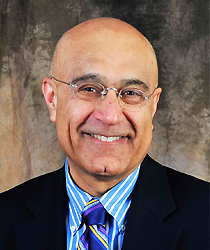
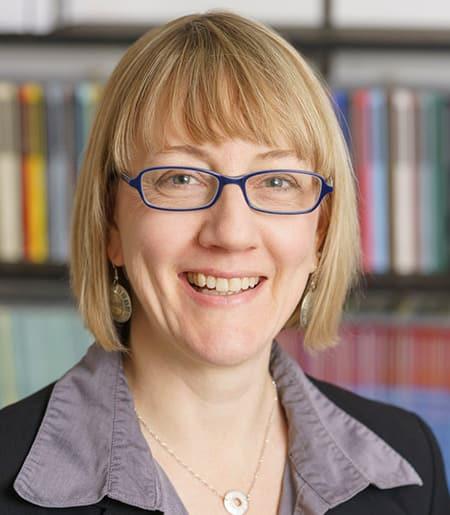
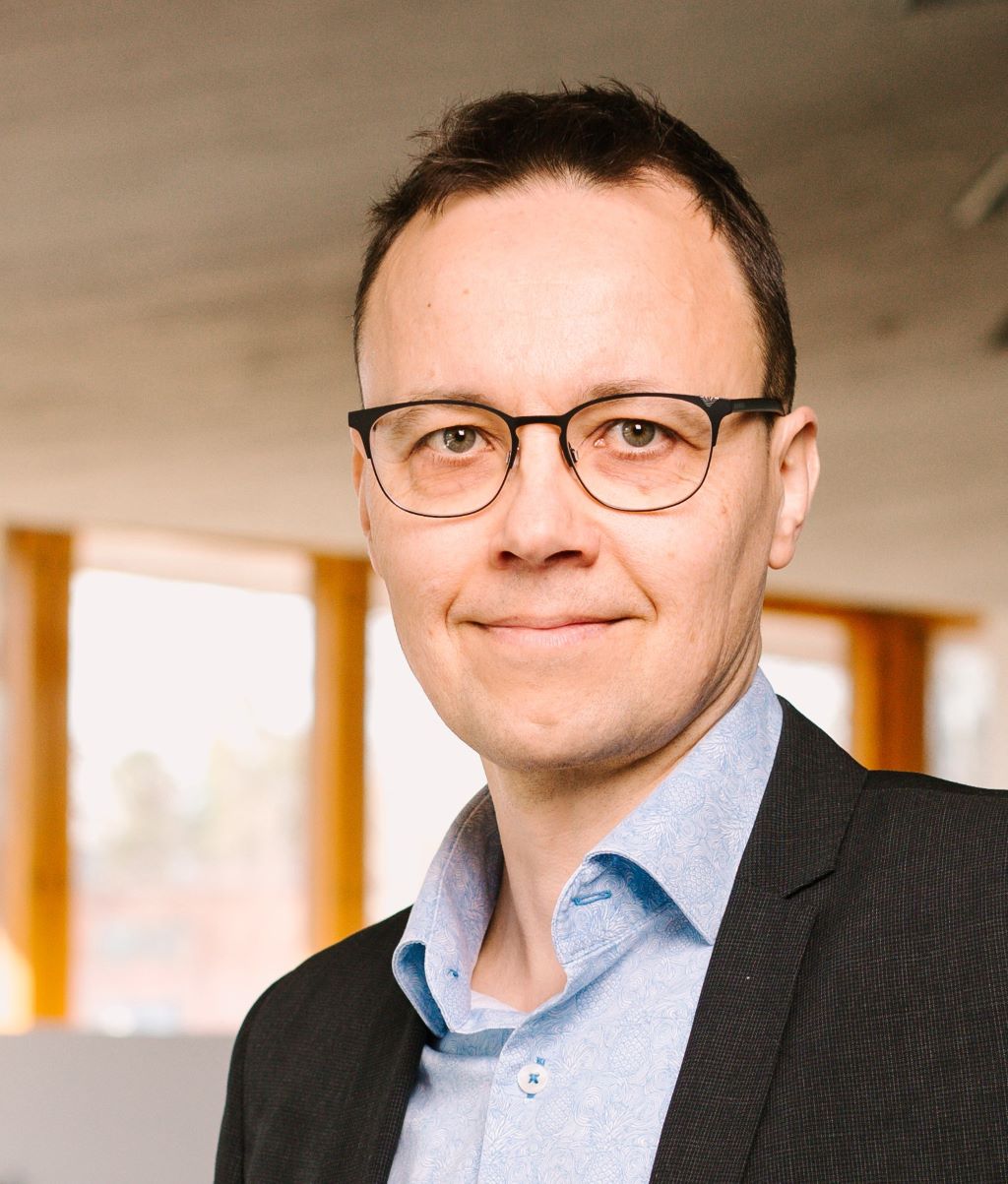
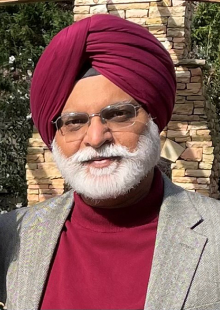
Robert S. Litwak is a Research Professor at the Elliott School of International Affairs (ESIA) at George Washington University. Previously, he served as Senior Vice President and Director of International Security Studies at the Woodrow Wilson International Center for Scholars, and held roles such as Director for Nonproliferation on the National Security Council staff. He is a consultant to Los Alamos National Laboratory and an adjunct professor at Georgetown University’s School of Foreign Service. His research focuses on nuclear proliferation, international security dynamics, and strategic competition among major powers. Education: PhD in Political Science from the London School of Economics and Political Science (LSE), and a BA from Haverford College. His publications analyze nuclear crises involving North Korea, Iran, and the evolving tripolar rivalry between the U.S., Russia, and China. He emphasizes policy frameworks for managing nuclear risks and nonproliferation challenges. Litwak is affiliated with the Council on Foreign Relations and has held visiting fellowships at Harvard, Oxford, and the Russian Academy of Sciences.
Nati Srebro is a Professor at the Toyota Technological Institute at Chicago with a cross-appointment as a Part-Time Professor in the Department of Computer Science and Committee on Computational and Applied Mathematics at the University of Chicago. He earned his PhD from MIT in 2004 and has held previous positions including post-doctoral fellow at the University of Toronto, Visiting Scientist at IBM, and Associate Professor at the Technion. Professor Srebro's research focuses on methodological, statistical and computational aspects of Machine Learning and Optimization. His work spans foundational contributions to learning theory, matrix reconstruction, and optimization techniques. He is particularly known for introducing the use of nuclear norm for machine learning, work on wider Markov networks, and advancing our understanding of the relationship between learning and optimization. His current research interests include understanding deep learning through optimization, distributed and federated learning systems, algorithmic fairness, and practical adaptive data analysis. His publication record shows consistent contributions to core machine learning conferences and workshops, with recent work focusing on symmetric and asymmetric hashing techniques, matrix parameter learning, and optimization methods. The publications demonstrate a strong theoretical foundation with practical applications across various machine learning domains. Professor Srebro has been actively involved in several research programs including the Federated and Collaborative Learning program (Spring 2026, as Visiting Scientist and Program Organizer), Modern Paradigms in Generalization (Fall 2024), and multiple summer clusters on Deep Learning Theory and Fairness. His program participation reflects his leadership in emerging areas of machine learning research. Contact: nati@ttic.edu | (773) 834-7493 | Toyota Technological Institute at Chicago, 6045 S. Kenwood Ave., Chicago, IL 60637
Dr. Kevin Kochersberger is an Associate Professor in the Department of Mechanical Engineering at Virginia Tech , with a career spanning academic research, technical innovation, and educational leadership. His work focuses on autonomous aerial systems , robotic control , and applied aerodynamics , particularly through the Uncrewed Systems Laboratory . Kochersberger's research has pioneered UAV-based radiation detection , 3D terrain mapping , and low-resource drone applications , including establishing the African Drone and Data Academy in Malawi . Education: Ph.D., Mechanical Engineering, Virginia Tech (1994) M.S., Mechanical Engineering, Virginia Tech (1984) B.S., Mechanical Engineering, Virginia Tech (1983) A.S., Engineering Science, Jamestown Community College (1981) Kochersberger's publications demonstrate expertise in UAV path planning , smart material actuation , and radiation source localization , with over $9M in research funding. His scientific awards include AIAA Associate Fellow (2009) and Aviation Week Aerospace Laureate (2003). Notable projects involve helicopter-deployable robotic systems and urban canyon navigation without GPS. Recent articles highlight BVLOS drone simulators , 2.5D terrain mapping , and autonomous negative obstacle traversal , reflecting his focus on real-time adaptive control and heterogeneous robotic systems . He teaches Drone Technology and Flight Operations and Advanced Design Projects , emphasizing student-driven innovation and industry collaboration .
John C. Butler is a Clinical Associate Professor in the Finance Department at the McCombs School of Business, University of Texas at Austin. He holds leadership roles as Academic Director of the Kay Bailey Hutchison Energy Center, Director of the MS Finance Program, and Director of the Energy Management Minor. His academic journey includes a PhD in Management Science and Information Systems from UT Austin (1998) and a BBA from Texas A&M University (1991). His research focuses on applications of decision analysis across domains including operations, finance, and information systems. Key areas include risk analysis, optimization, multi-attribute utility theory, and energy finance. His work integrates theoretical modeling with empirical validation to address complex decision-making challenges in both public and private sectors. Butler's publications demonstrate a consistent focus on decision modeling methodologies, with recent work emphasizing risk quantification and utility theory applications. His articles frequently intersect operations research, behavioral economics, and systems optimization, reflecting interdisciplinary approaches to solving managerial and policy problems. Awards and Honors: MBA Applause Award (2008, 2011) Finalist, INFORMS Franz Edelman Award (2004) INFORMS Decision Analysis Society Practice Award (2000) Fred Moore Teaching Award Dean's Research Fellowship, Ohio State University (2004) Leadership & Advising: Butler has supervised 11 PhD students to completion and secured significant grants including DOE funding for nuclear terrorism risk analysis. He directs multiple energy finance initiatives and serves on editorial boards for Decision Analysis and previously Decision Support Systems . Centers & Programs: As Academic Director of the Kay Bailey Hutchison Energy Center, he leads interdisciplinary energy research. He also developed the Energy Finance concentration and redesigned the MS Finance curriculum to incorporate quantitative energy market analysis.
Christopher Robert Way is an Associate Professor of Government at Cornell University, affiliated with the College of Arts and Sciences. He is a core faculty member of the Institute for European Studies and part of the Reppy Institute for Peace and Conflict Studies, where he contributes to the Peace Studies Minor. His research focuses on comparative political economy, international relations, and nuclear proliferation, with a particular emphasis on the effectiveness of non-proliferation regimes and the political drivers of weapons development. Way's academic interests span international/comparative political economy, the political economy of OECD democracies, and the impact of electoral cycles on policy-making. His work integrates quantitative and qualitative methods to analyze topics such as the relationship between conventional arms transfers and nuclear proliferation, the role of political insecurity in financial market liberalization, and the effects of economic interdependence on military conflict. His recent research on paid sick leave policies and democracy’s role in capitalism reflects his broader engagement with public policy and institutional adaptation. Way has also contributed to debates on nuclear energy as an 'ambiguous technology' and the dynamics of the Nuclear Non-Proliferation Treaty.
Ruth Etzioni is an Affiliate Professor in the Biostatistics Program and Public Health Sciences Division at the Fred Hutchinson Cancer Center. She leads the Etzioni Lab, focusing on cancer screening, early detection, and overdiagnosis analysis. Her work integrates statistical modeling, epidemiology, and clinical research to address critical questions in prostate and breast cancer control. Dr. Etzioni holds the Rosalie & Harold Rea Brown Endowed Chair and has received a $7.4M NIH Outstanding Investigator Award. Education: PhD in Statistics (Carnegie Mellon University, 1990), MS in Statistics (Carnegie Mellon, 1987), BS in Mathematics (University of Cape Town, South Africa). Research interests emphasize biomarkers, clinical trials, and epidemiological methods. She leads the Biostatistics Core for the Pacific Northwest Prostate Cancer SPORE and participates in the Cancer Intervention and Surveillance Modeling Network (CISNET). Her lab develops models to evaluate screening policies, quantify overdiagnosis, and inform healthcare disparities reduction strategies. Key achievements include groundbreaking work on prostate cancer screening's harm-benefit tradeoffs and contributions to multi-cancer early detection (MCED) frameworks. Recent studies address racial disparities in prostate cancer outcomes, metastasis trends, and the clinical utility of novel diagnostics like PSMA PET imaging. Awards include the Brown Endowed Chair (2020), NCI OIA Award (2023), and recognition for advancing cancer data science. Her lab collaborates with institutions globally and mentors students in biostatistics and translational data science.
Mohammad Modarres is the Nicole J. Kim Eminent Professor at the University of Maryland within the A.J. Clark School of Engineering. He serves as Director of the Center for Risk and Reliability (CRR) and is a Professor of Nuclear Engineering in the Department of Mechanical Engineering. Dr. Modarres co-founded the world's first degree-granting graduate curriculum in reliability engineering at the University of Maryland and has established himself as an international expert in reliability and risk analysis. Dr. Modarres received his educational credentials from prestigious institutions: B.S. in Mechanical Engineering from Tehran Polytechnic M.S. in Mechanical Engineering from MIT M.S. and Ph.D. in Nuclear Engineering from MIT Dr. Modarres' research spans multiple critical areas in engineering risk and reliability. His primary interests include probabilistic risk assessment, uncertainty analysis, probabilistic physics of failure, and probabilistic fracture mechanics. His work encompasses both experimental investigations and sophisticated probabilistic model development. He has made significant contributions to materials degradation science, prognosis and health management systems, and nuclear safety analysis. His research bridges theoretical developments with practical applications in complex engineering systems, particularly in nuclear power and aerospace sectors. Analysis of Dr. Modarres' recent publications reveals a strong trend toward integrating advanced data science techniques with traditional reliability engineering. His work increasingly incorporates machine learning, deep learning, and entropy-based approaches to solve complex problems in prognostics and health management. There's a clear focus on multi-unit systems, particularly in nuclear power applications, and a growing emphasis on data-driven methodologies for remaining useful life estimation and failure prediction. His research maintains a strong foundation in probabilistic methods while embracing cutting-edge computational approaches. Dr. Modarres has received numerous prestigious honors and awards throughout his distinguished career: Nicole Y. Kim Eminent Professorship in Engineering Minta Martin Professorship in A.J. Clark School of Engineering University of Maryland Distinguished Scholar-Teacher (2019) Tommy Thompson Award for outstanding lifetime contributions to nuclear safety (American Nuclear Society) Fellow, American Nuclear Society Fellow, Institute of Electrical and Electronics Engineers (IEEE) Life Fellow of IEEE 1996 Maryland Inventor of the Year Award (in Information Sciences) FDA Commissioner Special Citation for Contributions to Risk Assessment Methods (2004) 2008 International Research Leadership Award (Society for Reliability Engineering, Quality and Operations Management) Honorary Doctorate from Universidad Da Vinci de Guatemala As the founding director of the Center for Risk and Reliability, Dr. Modarres has built a world-renowned program that has awarded over 500 Ph.D. and master's degrees. His research has been supported by significant grants from government agencies and industry partners, particularly in nuclear safety, aerospace reliability, and critical infrastructure protection. He has mentored numerous students who have gone on to become leaders in reliability engineering across various industries. His center collaborates extensively with the International Atomic Energy Agency (IAEA) and other international organizations on risk assessment methodologies. The Center for Risk and Reliability (CRR), which Dr. Modarres directs, serves as a hub for multidisciplinary research in risk and reliability engineering. The center has recently renovated its facilities to enhance collaboration among researchers from different engineering disciplines. CRR maintains strong partnerships with industry leaders including Amazon Lab126 (as evidenced by their collaboration on device durability research) and has been instrumental in advancing probabilistic risk assessment tools used in nuclear power plant safety analysis. The center hosts regular seminars, workshops, and international conferences, positioning itself at the forefront of risk and reliability research globally.
Sebastian Pfotenhauer is a Carl von Linde Professor for Innovation Research at Technical University of Munich (TUM) and Deputy Head of the STS Department. He specializes in the societal dimensions of innovation, including governance of emerging technologies, regional innovation cultures, and responsible innovation practices. His work bridges academic research and policy, with leadership roles in major initiatives like the €50M Munich Cluster for the Future of Mobility (MCube) and the EU-funded SCALINGS project on co-creation in innovation. He holds a PhD in Physics from the University of Jena and postdoctoral training at MIT and Harvard. Research interests include innovation policy, science governance, and the interplay between technology and societal change. Notable projects include comparative studies of innovation cultures, governance frameworks for AI and neurotechnology, and global partnerships in science and innovation. He advises governments and international bodies like the OECD and the German Engineers’ Association (VDI). Publications span journals like Research Policy , Social Studies of Science , and Nature Biotechnology , addressing topics from regulatory sandboxes to neurotechnology ethics. Awards include the Leading Technology Policy Fellowship (MIT) and NSF grants for studying complex international partnerships.
Professor Sara B. Pritchard is a leading scholar in environmental science and technology studies (STS) at Cornell University's College of Arts and Sciences. She holds a Ph.D., M.A., and B.A. in History from Stanford University and University of Puget Sound. Her research critically examines light pollution, environmental ethics, and the intersection of technology and nature. Pritchard has received grants from the National Science Foundation and Cornell's Atkinson Center for a Sustainable Future, among others. Her major works include Night as Environment: Light Pollution and the Anthropocene (2024) and Confluence: The Nature of Technology and the Remaking of the Rhône (2011). She co-edited influential volumes such as New Natures: Joining Environmental History with Science and Technology Studies (2013) and pioneered the concept of 'envirotechnical analysis.' Pritchard advises students across disciplines including Anthropology, Asian Studies, and Natural Resources. Her research explores dark histories, nuclear disasters, and sustainable energy transitions. She collaborates with global scholars through special journal issues on topics like climate justice and polar night studies. Pritchard’s work bridges environmental humanities with technological critique, emphasizing interdisciplinary approaches to urgent ecological challenges.
Simo Hostikka is a Professor in the Department of Civil Engineering at Aalto University's School of Engineering. His research focuses on fire safety engineering , utilizing numerical fire simulations to address critical challenges in building and infrastructure safety. Key Expertise: Fire Dynamics Simulator (FDS) development, thermal radiation heat transfer, pyrolysis modeling, fire toxicity calculations, and probabilistic risk analysis. Leadership: Supervises advanced fire safety research and contributes to international fire safety standards. Research Trends: Recent publications emphasize fire toxicity modeling , hydrogen fire safety , radiation heat transfer , and fire retardancy of polymeric materials . His work bridges computational methods with real-world fire safety applications. Scientific Awards: Philip Thomas Medal of Excellence (2008, 2005) Sjölin Award (2012) Interflam Trophy (2007) Harmathy Award (2020, 2019) Dean’s Award for Best MSc Thesis (2020) Best Paper in Rakenteiden Mekaniikka (2009) Advising: Supervised Topi Sikanen, who received the Young Talent Award from the International Water Mist Association.
Susana Mourato is Professor of Environmental Economics at the Department of Geography and Environment at the London School of Economics and Political Science (LSE). She joined LSE in 2008 after ten years at Imperial College London. In 2021, she became the Vice President and Pro-Vice Chancellor (Research) at LSE. She also holds positions as Visiting Reader at Imperial College London and Honorary Senior Fellow at CSERGE (University of East Anglia). Professor Mourato is an expert in environmental economics and the application of economic valuation techniques to measure environmental change and social value. Professor Mourato's research focuses on valuing natural wealth and creating markets for ecosystem services, perceptions and preferences for low-carbon energy technologies, environmental valuation methods and applications, and the relationship between life satisfaction and the environment. Her work spans the fields of environmental economics, wellbeing economics, and behavioral environmental economics. She has conducted extensive research on ecosystem services, wildlife conservation, air and water pollution, chemicals, climate change, low carbon technologies, and cultural heritage, testing and applying economic valuation techniques to these diverse areas. Her recent publications show a strong trend toward integrating behavioral economics with traditional environmental valuation techniques. She has published extensively on the links between subjective wellbeing and environmental quality, as well as the application of economic valuation methods to inform environmental policy. Her work often involves interdisciplinary collaborations across economics, ecology, and social sciences, with significant policy impact through government advisory roles and international organizations. Member of Culture & Heritage Capital Advisory Board (UK Department for Digital, Culture, Media & Sport) Associate of the Grantham Research Institute on Climate Change and the Environment Former Academic Director of LSE Summer School Former Head of Department (2017-2020) Professor Mourato has worked on more than 45 research projects and consultancies for research councils, government, industry, charities, and international organizations. She currently leads projects for the OECD evaluating the impact of chemicals on IQ, for LSE Middle East Centre estimating preferences for climate change policies in the Gulf Region, and for water conservation in Kuwait. Her research has informed policy development in multiple countries and international contexts.
Preet Singh is a Professor and Associate Chair for Graduate Studies in the School of Materials Science and Engineering at Georgia Tech, with affiliations to the College of Engineering. His research focuses on corrosion science, electrochemistry, and environmental degradation of materials, particularly metals and alloys. Prior to joining Georgia Tech in 2003, he was a faculty member at the Institute of Paper Science and Technology (IPST), where he investigated corrosion issues in the pulp and paper industry. Professor Singh's work explores fundamental mechanisms of material degradation in industrial environments, aiming to develop mitigation strategies against environment-induced failures. Key research areas include corrosion fatigue, hydrogen embrittlement, stress corrosion cracking, and oxidation behavior. His group employs experimental approaches to study material reliability under varying chemical and mechanical conditions. Recent publications demonstrate interdisciplinary collaboration across oncology, agriculture, and energy systems, reflecting broad applications of materials science principles. Research trends show increased focus on biomedical materials and sustainable technologies alongside core corrosion studies. Professor Singh advises graduate students including Abdullah Alzubail, Yousif Al Rabie, Sai Shreeya, Yara, and Sean Li. He directs the Corrosion and Materials Reliability Laboratory (CMCRL), which partners with industry to solve practical engineering challenges related to material performance.
Dr. Alain Bonneville is a Lab Fellow and Geophysicist at Pacific Northwest National Laboratory (PNNL) and holds a Courtesy Professor appointment at Oregon State University's College of Earth, Ocean, and Atmospheric Sciences. With extensive experience in geological storage of CO2, geothermal energy, and geophysical monitoring techniques, Dr. Bonneville leads diverse research projects that bridge fundamental science and practical applications for energy and environmental challenges. Dr. Bonneville's educational background includes: PhD in Geophysics from the University of Montpellier, France MS in Petroleum Geophysics from IFP-School, Paris, France BS in Geology from the University of Lyon, France Dr. Bonneville's research spans several critical areas in Earth sciences and energy systems. His work on geothermal energy focuses on super-hot enhanced geothermal systems (EGS), site characterization, monitoring, and stimulation fluids. In geological CO2 storage, he investigates project management, site characterization, numerical modeling, and monitoring methods using potential fields and remote sensing. His expertise in geophysical methods includes heat flow measurements, gravity surveys, muon tomography development for borehole deployment, and remote sensing applications. Additional research areas encompass marine heat flow instrumentation development, thermal monitoring of active volcanoes, and intraplate volcanism studies in the Indian and Pacific Oceans. Dr. Bonneville has received significant recognition for his contributions to science, including: Membership in the Washington State Academy of Sciences Lab Fellow position at Pacific Northwest National Laboratory Executive Committee membership on the U.S. National Risk Assessment Partnership Scientific Committee membership at IFP-Energies Nouvelles, France He also holds two U.S. patents related to electrophilic acid gas-reactive fluids for enhanced fracturing and recovery of energy producing materials. Throughout his career, Dr. Bonneville has led significant research initiatives, including the PNNL Carbon Sequestration Initiative (2009-2013) and the European Marie Curie Research Training Network on Greenhouse Gas Removal (GRASP), which involved 14 academic and industrial institutions across 7 countries and supported 35 PhD students and post-docs. His work on the FutureGen 2.0 project demonstrates his leadership in large-scale carbon storage site characterization and monitoring program design. Dr. Bonneville maintains active collaborations with research teams at PNNL's Environmental Molecular Sciences Laboratory and works closely with Oregon State University's geoscience researchers. His laboratory work focuses on developing novel instrumentation for geophysical monitoring, particularly in the areas of muon tomography for subsurface characterization and thermal monitoring systems for geothermal and carbon storage applications.
Pelin Bolat is an Associate Professor in the Department of Fundamental Sciences at Istanbul Technical University (ITU), College of Maritime Studies. She is actively engaged in maritime cybersecurity, risk assessment, and maritime safety research. Her work is supported by multiple BAP and EU-funded projects, with ongoing research extending into 2025. Her research interests include cybersecurity in maritime navigation systems, dynamic positioning, port state control, and GHG emissions in the maritime sector. She applies advanced methodologies such as fuzzy FUCOM, CORAS framework, and association rule mining to analyze cyber and operational risks. Her recent publications (2023–2025) reflect a strong trend in maritime cybersecurity, focusing on ECDIS, RADAR, ransomware, and cyber hygiene. These works span high-impact journals in maritime engineering and technology, demonstrating interdisciplinary engagement with computer science, safety engineering, and policy analysis. She serves as a principal investigator on several key projects, including cyber risk assessment of bridge navigation equipment and system dynamic modeling of maritime GHG emission measures. She also mentors 15 theses in progress, indicating her active role in student supervision. Her collaborative network includes researchers like Gökhan Kayişoğlu and international partners. While no formal awards are listed, her leadership in EU and BAP projects underscores her academic prominence.
Dr. Nivee Pradip Amin serves as Clinical Assistant Professor of Medicine at Weill Cornell Medical College and Assistant Attending Physician at NewYork-Presbyterian Hospital, holding leadership roles as Associate Director for Consultative Cardiology and Director of the Women's Heart Program & Preventive Cardiology. Her clinical expertise spans general cardiology, preventive cardiology, and echocardiography with focus on high-risk cardiovascular prevention. Her educational credentials include: B.A., B.S. in International Studies and Business from University of Pennsylvania (2002) M.D. from Johns Hopkins University School of Medicine (2007) M.H.S. in Clinical Investigation from Johns Hopkins Bloomberg School of Public Health (2013) Research centers on sex-based disparities in cardiovascular outcomes, women's heart health across the lifespan, and preventive strategies for coronary/valvular disease. She investigates intersections between cardiology and obstetrics/oncology, emphasizing personalized risk assessment and early intervention to improve quality of life. Analysis of her publications reveals consistent focus on women's cardiovascular biomarkers (e.g., breast arterial calcium), obstetric complications as long-term risk factors, and disparities in revascularization outcomes. Her work leverages large-scale database analysis to address gaps in preventive care for high-risk populations including cancer patients and those with cirrhosis. Dr. Amin maintains active board certifications in Internal Medicine, Cardiovascular Diseases, Nuclear Cardiology, and Echocardiography through the American Board of Internal Medicine, and holds professional memberships in the American College of Cardiology, American Society for Preventive Cardiology, and American Heart Association. She provides inpatient consultative care on cardiac telemetry units while leading the Women's Heart Program, which integrates preventive cardiology services with gender-specific treatment protocols. Fluent in Spanish, she emphasizes culturally competent care tailored to individual patient needs across diverse populations.