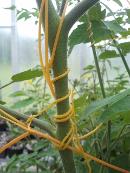
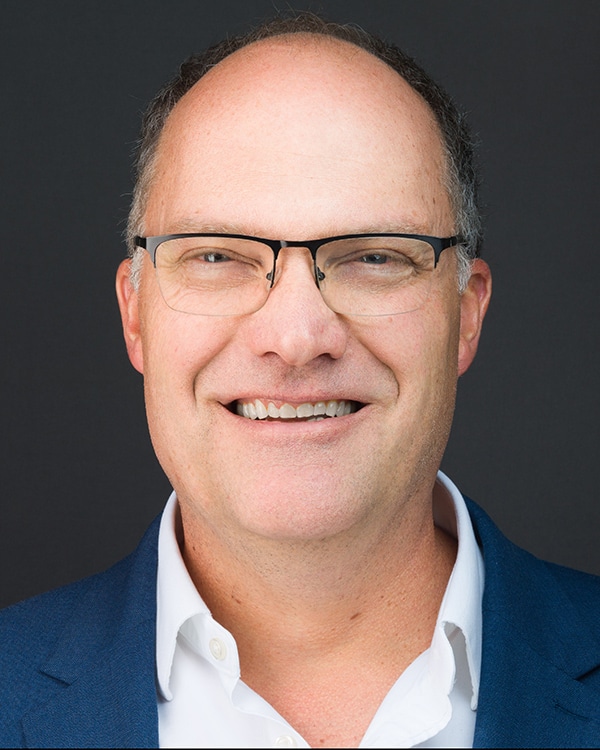
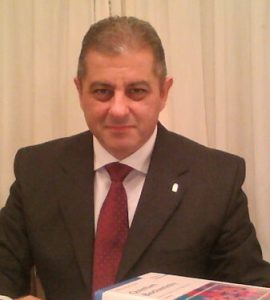
Kirsten Krause is a Professor in Plant Molecular Biology at the Department of Arctic and Marine Biology, UiT The Arctic University of Norway . Her research focuses on molecular mechanisms of plant adaptation, particularly in parasitic plants like Cuscuta , and their interactions with host organisms. She leads the national graduate school PhotosynTech and contributes to sustainable energy research through the Arctic Centre for Sustainable Energy (ARC) . Education: Diploma in Biology (1994, University of Hamburg); PhD (2000, Universities of Cologne/Kiel); Postdoc (2000-2002, University of Arizona) Her work explores: Molecular networks in Arabidopsis thaliana and Cuscuta species Cell wall degrading enzymes and their biotechnological applications Plastid-nuclear communication in plant cells Recent publications analyze host-parasite gene expression dynamics, enzyme specificity in parasitism, and hyperspectral imaging of root systems. She has received a ToppForsk Grant (2016-2021) and leads major national research initiatives. Her teaching includes courses on green biotechnology and microscopic imaging.
Nelson Henricks is a Part-time Instructor in Intermedia (Video, Performance and Electronic Arts) at Concordia University, Montreal. A multidisciplinary artist, musician, writer, and curator, he is internationally recognized for video installations exhibited at institutions including the Museum of Modern Art (New York, 2000), with works held in MoMA, National Gallery of Canada, and Musée d'art contemporain de Montréal collections. His 2022-23 solo exhibition at MAC Montréal confirms ongoing professional activity. Henricks earned his BFA from Concordia University (1994) and PhD from Université du Québec à Montréal (2018), establishing deep academic roots in Montreal's art ecosystem. He has previously taught at McGill University, UQAM, and Université de Montréal, demonstrating extensive pedagogical experience across Quebec's major institutions. His research traverses video art, performance, audio installations, photography, painting, sculpture, and electronic media, with critical investigations into synaesthesia, historical narratives, and labor politics. This interdisciplinary practice consistently challenges perceptual boundaries while engaging with Canadian cultural identity and global media discourse through materially diverse approaches. Analysis of his 1998-2010 publications reveals sustained scholarly engagement with Canadian video art history, perceptual theory (particularly light studies), and critical examinations of artistic peers. His writings form a cohesive body analyzing media art's evolution within North American contexts, emphasizing collaborative practices and institutional critique through essays on figures like Tom Sherman and Steve Reinke. Henricks' contributions have been recognized with significant awards: Bell Canada Award in Video Art (2002) Board of Governors' Alumni Award of Excellence from Alberta College of Art and Design (2005) While no formal advising roles or grant projects are documented, his curatorial work with Perte de Signal and extensive critical writing demonstrate knowledge mobilization through alternative academic channels. His 2010 mid-career retrospective at Leonard & Bina Ellen Gallery and ongoing exhibition history indicate sustained creative output beyond traditional academic metrics. Henricks maintains active connections with Montreal's artist-run centers, particularly through his involvement with Perte de Signal collective, reflecting embeddedness in local creative communities that shape his practice-based research methodology.
Dr. Huw Leggate is a Senior Research Fellow in the School of Physical Sciences at Dublin City University, specializing in plasma physics and fusion energy research. His work focuses on advancing the understanding of plasma behavior in fusion devices such as JET and MAST-U, with particular emphasis on edge plasma dynamics, transport modeling, and ITER-related experiments. He holds a postdoctoral researcher role and contributes to multidisciplinary projects in fusion science. His research interests include plasma surface interactions, impurity transport, and the optimization of fusion reactor components. He has collaborated extensively with international fusion programs, including contributions to JET’s preparation for deuterium-tritium operation and the development of diagnostic tools for edge plasma characterization. His work often intersects with computational plasma physics and the integration of advanced simulation codes (e.g., JOREK, DIVIMP) to model plasma behavior under extreme conditions. Dr. Leggate’s publications reflect a deep engagement with topics such as scrape-off layer filament dynamics, heat transport scaling, and the mitigation of edge localized modes (ELMs). He has also explored the implications of tungsten divertor materials and their degradation under fusion conditions. His research aligns closely with global efforts to achieve practical fusion energy through ITER and DEMO projects. He is affiliated with the Glasnevin Campus at DCU, conducting research in laboratory S120. His contributions to the field include both experimental diagnostics and theoretical modeling, bridging the gap between fundamental plasma physics and applied fusion engineering challenges.
Paul Shambroom is an Associate Professor in the Department of Art at the University of Minnesota. His art and research critically explore American power, culture, and democracy through photography, text, and performance. He investigates themes such as nuclear weapons, small-town governance, post-9/11 security, and historical memory. His work is featured in major institutions like the Whitney Museum of American Art and MoMA, with solo exhibitions spanning decades. Education: BFA in Photography from Minneapolis College of Art and Design (1978). Additional teaching roles include visiting positions at Carleton College and Minneapolis College of Art and Design. Research interests center on visualizing abstract concepts like power, security, and nuclear threat. His projects include the long-term "Nuclear Weapons" series (1992–2001) and the recent "Purpletown" project examining politically divided communities. He employs sourced imagery and performance to transcend traditional documentary methods. Notable awards include a Guggenheim Fellowship (2003), Creative Capital Foundation grant (2001), and Bush Foundation Enduring Vision Award (2010–2012). His work addresses urgent contemporary issues through interdisciplinary approaches, bridging art, politics, and social critique.
Ganjam V. Kalpana is a Professor in the Department of Genetics and holds a joint appointment in the Department of Microbiology & Immunology at Albert Einstein College of Medicine. She is the Mark Trauner Faculty Scholar in Neuro-oncology. Her research focuses on understanding the role of INI1/hSNF5/SMARCB1 in HIV-1 replication and cancer, particularly investigating its role in chromatin remodeling, tumor suppression, and viral integration. She develops novel therapeutic strategies targeting these pathways. Her research interests include molecular genetic analysis of INI1 in HIV latency, cancer biology, and the interplay between viral and cellular transcription. She pioneered the SMIRA assay—a single-cell, single-molecule technique—to study latent HIV reservoirs in collaboration with Dr. Robert Singer. Additionally, her work on INI1's RNA-binding capabilities and its implications for transcriptional regulation bridges viral and cellular biology. Her publications highlight advancements in antiviral therapies, tumor suppression mechanisms, and molecular oncology. Collaborations with international teams have led to discoveries about INI1's nuclear export pathways and their therapeutic potential in cancer. Her contributions span from basic molecular mechanisms to translational clinical applications. Awards and recognitions are not explicitly listed in the provided text. Dr. Kalpana’s lab focuses on translating fundamental discoveries into clinical solutions, including targeting INI1 pathways in cancers and developing RNA-based HIV inhibitors. She maintains active grants and collaborations, though specific grant details are not provided here. Her laboratory is part of the Jack and Pearl Resnick Campus, collaborating extensively in virology and cancer research. Future work emphasizes clinical translation of anti-HIV therapeutics and precision therapies for INI1-deficient tumors.
Victor Giurgiutiu is a Professor of Mechanical Engineering at the University of South Carolina’s Molinaroli College of Engineering and Computing. His research focuses on structural health monitoring (SHM), smart materials, and composite materials, with applications in aerospace and structural engineering. He holds a Ph.D. and B.S. in Aeronautical Engineering from Imperial College London. Giurgiutiu is a Fellow of the Royal Aeronautical Society (RAeS) and the American Society of Mechanical Engineers (ASME), serving as Associate Editor of the Aeronautical Journal. His work emphasizes innovative sensor technologies like piezoelectric wafer active sensors (PWAS) for damage detection and nondestructive evaluation. Recent research highlights include advancements in acoustic emission analysis, AI-driven crack length estimation, and SHM of nuclear dry cask storage systems. He leads the Laboratory of Active Materials and Smart Structures, exploring predictive sensing and multi-physics phenomena in composites. Giurgiutiu’s contributions span over 100 publications, including seminal books like Structural Health Monitoring with Piezoelectric Wafer Active Sensors and Structural Health Monitoring of Aerospace Composites . Education: Ph.D., Aeronautical Engineering, Imperial College London, 1977 B.S., Aeronautical Engineering, Imperial College London, 1972 Research Interests: Giurgiutiu’s work integrates theoretical and experimental approaches to SHM, focusing on composites, piezoelectric sensors, and acoustic emission techniques. Key areas include: Damage detection in aerospace composites Guided wave propagation and imaging Fatigue crack monitoring via AE waveform analysis Smart material systems for structural integrity Nuclear infrastructure SHM Publications Trends: Recent articles emphasize AI integration for damage quantification, advanced sensor arrays, and real-time monitoring systems. Themes include Lamb wave analysis, delamination detection, and radiation-resistant PWAS for nuclear applications. His work bridges fundamental mechanics with practical industrial challenges. Awards: Fellow of RAeS (2016) Fellow of ASME (2018) Advising & Grants: While specific student names are not listed, Giurgiutiu’s research groups collaborate on projects like SHM for nuclear dry casks and aerospace composites. His labs utilize cutting-edge facilities for vibration testing, in-situ microscopy, and AI-driven analysis. Labs & Teams: The Laboratory of Active Materials and Smart Structures (LAMSS) at USC develops novel SHM methodologies. Collaborative projects involve NASA, the U.S. Department of Energy, and industry partners focused on aerospace and energy infrastructure resilience.
Denize C. Favaro is a Research Professor and Director of the Biomolecular Nuclear Magnetic Resonance (NMR) Facility at the City University of New York (CUNY). She holds academic appointments spanning multiple institutions, including the University of São Paulo, Federal University of Minas Gerais (UFMG), and the State University of Campinas (UNICAMP), where she previously served as a professor. Her work focuses on structural and conformational dynamics of proteins, particularly those involved in bacterial resistance and antibiotic development. Education includes a B.S. in Chemistry from the State University of Maringá (2008), a Master’s in Physical Organic Chemistry from UNICAMP (2011), and a Ph.D. in Physical Organic Chemistry from UNICAMP (2014). She completed a sabbatical at McGill University under Prof. Anthony Mittermaier, investigating enzymatic mechanisms using Isothermal Titration Calorimetry (ITC). Her research integrates NMR spectroscopy, structural biology, and biophysical chemistry to study protein dynamics. A recent study (2024) elucidates the mechanism of PASK nuclear translocation, linking metabolic signaling to intramolecular interactions in PAS domains. Dr. Favaro’s lab at CUNY supports researchers through advanced NMR instrumentation and expertise, advancing studies in structural biology and drug discovery. She has contributed to NIH-funded projects and collaborates internationally on protein structure-function relationships.
Kevin H. Gardner is the Einstein Professor of Chemistry and Biochemistry at The City College of New York (CCNY) and founding Director of the Structural Biology Initiative at the CUNY Advanced Science Research Center (ASRC). He holds a Ph.D. in Molecular Biophysics and Biochemistry from Yale University (1995) and conducted postdoctoral research at the University of Toronto. Previously, he was a Professor at UT Southwestern Medical Center (1998–2014) and held the W.W. Caruth Jr. Scholar in Biomedical Research. His research explores how proteins sense environmental changes, with applications in cancer therapy (e.g., Merck’s belzutifan) and biotech tools. Education: B.S. UC Davis (1985–1989), Ph.D. Yale (1995), Postdoc Toronto (1995–1998) Research interests focus on structural biology of environmental-sensing proteins, leveraging interdisciplinary approaches combining biochemistry, biophysics, and engineering. His lab pioneered methods to artificially control protein signaling, leading to novel therapies and tools. Key honors include the Biophysical Society’s 2023 Award for Health and Disease Biophysics, Searle Scholars Award, and GRC Chairs’ Hall of Fame. He co-founded Peloton Therapeutics and Optologix, Inc., and serves on LifeSci NYC’s Advisory Council. His work integrates structural biology techniques like NMR and X-ray crystallography to uncover protein mechanisms, emphasizing translational research.
Dr. Chérif F. Matta is a Professor of Chemistry & Physics at Mount Saint Vincent University (Canada), specializing in theoretical and computational chemistry. His research focuses on quantum biochemistry, electron localization-delocalization matrices (LDMs), and mitochondrial ATP synthase mechanisms. He holds multiple fellowships including FAAAS, FRSB, FInstP, and FRSC. Education: PhD in Chemistry (2002), McMaster University Habilitation à Diriger des Recherches (2009), Université de Lorraine Bachelor of Pharmaceutical Sciences (1987), Alexandria University Postdoctoral training under Nobel laureate John Polanyi and Russell Boyd Research Interests: Quantum chemical topology (QTAIM) Mitochondrial biophysics Diffuse interstellar bands (DIBs) Prebiotic chemistry Quantum crystallography Awards: Over 20 prestigious awards including the John Charles Polanyi Prize 2021 Fellow of the American Association for the Advancement of Science 2016 Lady Davis Visiting Professorship in Israel Professional Service: Tri-Council of Canada member (2018–2022) Chair of Chemical Institute of Canada's accreditation (2021–2024) Guest editor for multiple special journal issues Labs/Teams: Leads the theoretical biophysics and quantum chemistry research group, collaborating globally on mitochondrial function and astrochemical studies.
Julian Mecklenburgh is a Senior Lecturer in the Department of Earth and Environmental Sciences at the University of Manchester. His research focuses on rock deformation mechanisms, fluid flow in geological materials, and shale permeability under varying conditions. He leads projects exploring geothermal energy systems, earthquake mechanics, and microstructural controls on material behavior. His expertise spans structural geology, rock physics, and experimental petrology. He has supervised numerous PhD students and collaborates on initiatives like the Sustainable Futures and Manchester Environmental Research Institute. Notable contributions include studies on pore pressure effects on fault behavior, synchrotron imaging of fracture propagation, and pressure-dependent permeability in mudstones. Dr. Mecklenburgh has received the Jules Braunstein Award (2015). His work integrates field observations, laboratory experiments, and advanced imaging techniques to address challenges in resource extraction, subsurface energy systems, and tectonic processes. He maintains the Rock Deformation Laboratory at Manchester, advancing methodologies in high-pressure rock mechanics.
Dr. Seyedmohammad Ghafoori is affiliated with the Department of Biochemistry and Microbiology at the University of Sydney's Faculty of Science. His research focuses on structural biology, antimicrobial resistance mechanisms, and the application of nanotechnology in medicine. He has contributed to studies on bacterial enzymes, viral proteins, and cancer treatment synergies. Education: PhD (likely in Biochemistry/Microbiology) Affiliations: University of Sydney, Biochemistry and Microbiology Building (G08) His research interests include the structural analysis of proteins involved in drug resistance (e.g., Acinetobacter baumannii enzymes), viral-host interactions (e.g., influenza hemagglutinin), and the development of novel antimicrobial and anticancer agents. Recent work explores the synergy between conventional chemotherapy and natural products like honey bee venom. Key research trends in his articles include: Structural elucidation of enzymes in pathogenic bacteria Antibiotic resistance mechanisms Biosynthesis and applications of silver nanoparticles Molecular basis of viral antigen recognition No scientific awards are explicitly mentioned in the provided texts. His advising and grant activities remain unspecified. Laboratory affiliations or collaborative teams are not detailed in the current data.
Professor Phil McManus is a Professor of Urban and Environmental Geography at the University of Sydney, affiliated with the Sydney Environment Institute. He holds leadership roles including Vice President of the International Geographical Union (2022–2026) and former President of the Geographical Society of NSW and Institute of Australian Geographers. Research Interests : Sustainable cities, human-animal relations (e.g., thoroughbred breeding and urban rewilding), environmental policy, and Chinese tourism. His work intersects urban development, climate change, and social equity. Grants & Projects : Lead researcher on 'Urban Rewilding: Ecologically and Community-informed Futures' (ARC Linkage Project, 2023). Collaborations include rewilding initiatives with Sydney councils and exploring sustainable practices in horse racing via the 'Caring for Thoroughbreds' project. Awards : 2013 GSNSW Fellowship, 2003 Vice-Chancellor’s Teaching Award, and 2002 Science Faculty Teaching Excellence Award. Teaching : Coordinates SUST1001/5001 (Sustainability) and teaches GEOS2121, ENVI2122. Supervises 4 active PhD students and 5 secondary students, with 16 completed PhDs. Media Engagement : Commented on horse racing ethics (SBS, 2024) and urban demographics (Domain, 2019). His work features in outlets like Global Environmental Change and Animals .
Robert J. Goldston is Professor of Astrophysical Sciences at Princeton University and former Director of the Princeton Plasma Physics Laboratory (2009). His research focuses on plasma-material interactions in fusion devices, particularly scrape-off layer physics and divertor detachment using lithium vapor, alongside nuclear nonproliferation technologies. Goldston's plasma physics work includes developing heuristic drift-based models for scrape-off layer widths that accurately predict behavior across multiple tokamaks. His nonproliferation research examines verification methods for disarmament and proliferation risks in fusion-fission hybrid systems. Analysis of publications shows sustained focus on tokamak edge physics, heat transport modeling, and nuclear security policy. Recent work bridges plasma engineering with energy policy, particularly climate change mitigation through nuclear technologies. Scientific Awards: Fellow of the American Physical Society Excellence in Plasma Physics Award Goldston teaches 'Science and Technology of Nuclear Energy: Fission and Fusion' and mentors plasma physics students at Princeton.
Fahim Al-Neshawy is a Staff Scientist at Aalto University's Department of Civil Engineering and Mineral-Based Materials and Mechanics research group. He holds a Doctoral degree in Engineering from Aalto University (2013), a Licentiate from Helsinki University of Technology (2007), and a Master's (1996). His research focuses on concrete durability, non-destructive testing (NDT) methods for nuclear infrastructure, and sustainable construction materials. Key areas include freeze-thaw resistance, carbonation effects, and AI-driven durability assessment. He has contributed to major projects like CONAGE (ageing management of nuclear power plant concrete) and WANDA (non-destructive examination of NPP components). Al-Neshawy has published over 88 peer-reviewed works, including studies on 3D-printed concrete analysis, low-carbon concrete formulations, and corrosion mechanisms in anoxic environments. His work integrates advanced techniques like X-CT scanning and generative adversarial networks. He received the Oskari Vilamo Dissertation Prize (2014) and has actively participated in international conferences, hosting visiting researchers and organizing NDE workshops. His research bridges civil engineering with nuclear safety, environmental sustainability, and digital innovation in construction materials.
Chunnong Zhao is an Associate Professor at the School of Physics, Maths and Computing at The University of Western Australia. His research focuses on experimental gravitational wave physics and precision measurement technologies, particularly addressing high-optical power effects in laser interferometers. He pioneered work on parametric instability mitigation, which was critical for the Advanced LIGO project. His innovations include opto-acoustic parametric amplifiers and optomechanical filters, enabling ultra-sensitive gravitational wave detection. Current projects involve developing optomechanical negative dispersion technology to improve detector sensitivity at high frequencies. Research Interests: Gravitational wave detection technology Optomechanical systems and quantum optomechanics Parametric instability control in interferometers Optical cavity stabilization techniques Laser interferometry applications Binary neutron star merger signal analysis Grants & Projects: Tilt sensors for 6D seismology Australian Partnership in Advanced LIGO+ Quantum Australia Centre Renewable Microgrid Pilot for Gravitational Wave Facilities Led collaborations on Advanced LIGO's parametric instability suppression and developed novel optomechanical devices for next-generation detectors. Current research explores quantum-limited optomechanical sensors and negative dispersion applications in gravitational wave astronomy.