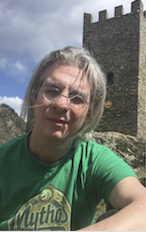
Oskari Ville Pakari is a Lecturer at the School of Basic Sciences, École polytechnique fédérale de Lausanne (EPFL), affiliated with both the Institute of Physics (IPHYS) and the Swiss Plasma Center (SPH-ENS). He contributes to teaching and research, particularly in reactor physics and radiation detection. His research focuses on nuclear reactor diagnostics , gamma noise analysis , and neutron spectroscopy . He actively develops mixed reality visualization tools for radiation detection data and participates in the European CORTEX project for reactor monitoring. Selected publications highlight his work in gamma-ray imaging , neutron noise simulations , and detector system validation using advanced statistical methods like bootstrapping and Welch's technique. Teaching activities include courses on Radiation biology, protection, and applications Radiation and reactor experiments He advises PhD student Saliba Michel and collaborates with international institutions such as CEA, KIT, and LRS (Laboratory of Reactor Physics and Systems Behaviour) at EPFL.
Dr. Richard Y. Zhao is a tenured Professor in the Department of Pathology and Microbiology-Immunology at the University of Maryland School of Medicine. His research combines molecular biology, fission yeast genetics, mammalian biology, and virology to study virus-host interactions, particularly for HIV and Zika virus. He previously held academic positions at Northwestern University and Columbia University and has contributed to over 120 peer-reviewed articles. B.S., China Oceanography University (1981) M.S., Oregon State University (1995) Ph.D., Oregon State University (1991) Postdoctoral Training, Columbia University (1991-1992) Dr. Zhao's research focuses on: Virus-host interactions and pathogenicity High-throughput drug screening for antivirals Role of viral proteins in neuroinflammation and cancer Translational genomics in precision medicine His recent publications highlight SARS-CoV-2 ORF3a, Zika envelope proteins, and HIV protease inhibitors, emphasizing host-pathogen mechanisms across species. He has served on NIH panels and editorial boards for journals like Cell Research and Retrovirology . Scientific awards include: Fellow, American Academy of Microbiology (2019) Bernard L Mirkin Endowed Chair (2001-2004) Honorary Director, Shandong Gallo Institute (2009) Distinguished Service from SCBA (2015) Outstanding Service from CBA-USA (2016) Dr. Zhao also contributes to clinical diagnostics and personalized medicine through molecular testing and pharmacogenetics programs.
Volker J Schmid is a Professor of Bayesian Imaging and Spatial Statistics at the Department of Statistics, Ludwig Maximilian University of Munich. He leads the Bayesian Imaging and Spatial Statistics group and contributes to interdisciplinary initiatives like the Munich Center of Machine Learning. His work bridges statistical theory with applications in medical imaging and biology. PhD in Statistics (2004), LMU Munich Diploma in Statistics (2000), LMU Munich Abitur, Joseph-von-Fraunhofer-Gymnasium Cham (1993) His research focuses on Bayesian computational methods for high-dimensional data, particularly in medical imaging (MRI, DCE-MRI) and biological microscopy (e.g., 3D nuclear architecture analysis via super-resolution microscopy). Key applications include disease mapping , image segmentation , and spatio-temporal modeling . His software tools (e.g., nucim , bioimagetools , BAMP ) enable quantitative analysis in nuclear imaging and age-period-cohort modeling. His 15 most recent publications span Bayesian modeling for medical imaging , spatio-temporal epidemiology , and computational biology . Topics include co-localization metrics in fluorescence microscopy, nuclear architecture analysis, and dynamic Bayesian frameworks for MRI data. Collaborations extend to neuroimaging, oncology, and nuclear biology.
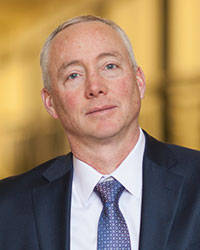
Dennis G. Whyte is the Hitachi America Professor of Engineering at MIT, leading the Plasma Science and Fusion Center (PSFC) and the SPARC fusion project in collaboration with Commonwealth Fusion Systems (CFS). He holds a BEng from the University of Saskatchewan, and an MS and PhD from Université du Québec. His research focuses on magnetic fusion energy, plasma-surface interactions, and accelerator-based material analysis. Notable awards include the Fusion Power Associates Leadership Award (2018) and the Nuclear Fusion Journal Prize. He teaches courses on fusion energy and technology, including 22.62 and 22.63. His work on SPARC aims to achieve net fusion energy through advanced high-field superconducting magnets, a breakthrough validated in 2021 with a 20-tesla magnet demonstration. Research interests span boundary plasma physics in tokamaks, plasma diagnostics, and fusion reactor design. He has pioneered concepts like the ARC power plant and liquid blankets, emerging from student design courses he led. Over 300 publications and interdisciplinary collaborations highlight his contributions to fusion’s practical application. Grants and industry partnerships reflect his push to accelerate fusion energy’s commercialization, positioning SPARC as a pivotal step toward sustainable clean energy. Labs and teams include the PSFC and CFS collaborations, emphasizing rapid experimentation and modular design. His leadership in national and international panels underscores fusion’s global strategic importance. Recent projects include the MIT-CFS collaboration’s 20T magnet milestone, advancing fusion toward grid-readiness by 2025.
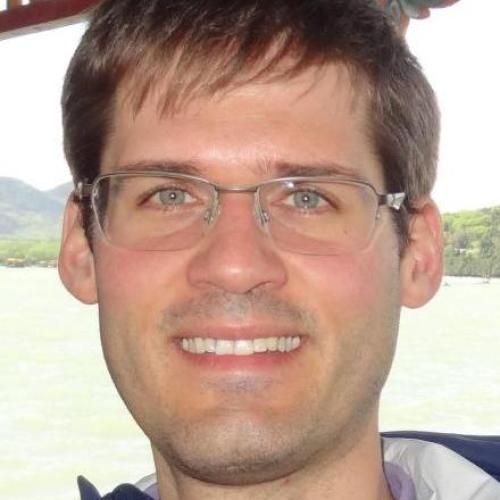
Marko Cetina is an Assistant Professor of Physics and the Department of Electrical and Computer Engineering at Duke University, affiliated with the Duke Quantum Center. He holds a B.S. from the California Institute of Technology (2004) and a Ph.D. from the Massachusetts Institute of Technology (2011). His research focuses on quantum computing, quantum optics, and atomic physics, with particular emphasis on trapped-ion systems, quantum error correction, and quantum simulation. He teaches courses including Atomic Physics and Quantum Optics, Advanced Topics in Physics, and introductory mechanics. His work explores foundational aspects of quantum mechanics and applied technologies for scalable quantum computers. Notable contributions include demonstrating multi-body interactions in trapped ions and advancing measurement-induced quantum phases. His team actively develops fault-tolerant qubit control and novel quantum architectures using cavity-mediated systems. Publications highlight advancements in quantum error correction protocols, lattice gauge theories, and quantum verification protocols. While no explicit awards are listed, his involvement in high-impact studies like the Duke Quantum Center underscores his contributions to the field. Current projects include optimizing stabilizer codes for logical qubit memory and simulating NMR experiments via digital quantum methods. His lab collaborates across disciplines to bridge theoretical quantum mechanics with experimental implementations in trapped-ion platforms.
Professor John Bone is a Personal Chair in the Department of Sociology at the University of Aberdeen, School of Social Science. His work bridges sociology, political economy, neuroscience, and environmental policy, with a strong focus on just transitions, social well-being, and the biosocial impacts of contemporary capitalism. PhD in Sociology, University of Aberdeen (2004) MA Hons in Sociology, University of Aberdeen (1998) John Bone’s research centers on political economy, social and biosocial theory, and energy justice. He has developed an original biosocial framework known as the 'social map' to analyze how human biological capacities interact with social structures, affecting identity, health, and cohesion. His recent book, The Great Decline (2024), critiques the psychological and societal harms of hyper-mediated, neoliberal societies and warns of unpreparedness for AI and climate change. His empirical work examines energy transitions, particularly in Aberdeen, where he leads the Aberdeen Just Transitions Lab. His recent publications span interdisciplinary themes in just transition, climate governance, and social theory. Key trends include the development of metrics for equitable energy transitions, stakeholder engagement in nuclear decommissioning, and the role of deliberative democracy in climate assemblies. His work frequently addresses regional policy, social inequality, and the psychological impacts of economic precarity. Philip Abrams Memorial Prize 2007 (Joint Winner, Best First Book in Sociology) John Bone has supervised numerous PhD students, including David Magee, Karen Lumsden, and Lorna Watson. He has been a co-applicant on major grants such as UKRI’s Just-Systems project (£5.7M) and NIHR’s Aberdeen Health Determinants Research Collaborative (£1.3M). His leadership roles include Head of Department (2013–2019), Social Science Enterprise Champion, and Coordinator of the Aberdeen Just Transitions Lab. He has also served as Chair of the British Sociological Association (2018–2021). He leads the Aberdeen Just Transitions Lab and collaborates with the Aberdeen Health Determinants Research Centre. His research teams engage with policymakers, NGOs, and community groups, including Aberdeen City Council, NHS Grampian, and the Just Transition Commission, to ensure research has real-world impact on policy and social equity.
Keith D. Koper is a Professor in the Department of Geology & Geophysics at the University of Utah and serves as Director of the University of Utah Seismograph Stations (UUSS). He is also the editor-in-chief of The Seismic Record . His work integrates academic research with operational seismic monitoring and public safety initiatives across Utah and the Intermountain West. Education: PhD in Geophysics, Washington University, 1998 BA in Math, Geology, and ISP, Northwestern University, 1993 Dr. Koper's research focuses on array seismology, forensic seismology, deep Earth structure (especially the inner core), earthquake rupture imaging, ambient seismic noise, and seismic hazards in the Intermountain West, including mining-induced and urban earthquakes. His work combines observational seismology with advanced signal processing and machine learning techniques to improve detection, discrimination, and imaging capabilities. He has led or contributed to major projects involving the Wasatch Front, Yellowstone, and regional seismic networks. His recent research emphasizes machine learning for earthquake detection, high-resolution relocation of aftershock sequences (e.g., Magna 2020, Bluffdale 2019), microseism generation in lakes, and fine-scale imaging of the Earth's inner core using seismic reflections. His studies often involve interdisciplinary collaboration, particularly with mining engineering and geodesy. Dr. Koper's research has been consistently funded by federal and state agencies, including the National Science Foundation (NSF), U.S. Geological Survey (USGS), Department of Energy (DOE), Air Force Research Laboratory (AFRL), and the Utah Department of Public Safety. His publications reflect a strong trend toward integrating computational methods with traditional seismological analysis to tackle complex problems in both natural and induced seismicity. Scientific Service and Leadership: Editor-in-Chief, The Seismic Record Director, University of Utah Seismograph Stations Secretary, U.S. Air Force Seismic Review Panel Former Chair and Vice-Chair, Utah Seismic Safety Commission Dr. Koper mentors graduate students in seismology and geophysics, including recent advisees Sean Hutchings and Alysha Armstrong. His research group actively engages in both fundamental and applied seismological research, with strong ties to national labs such as Sandia. The group is involved in deploying portable seismic arrays, analyzing large datasets, and developing new algorithms for event detection and classification. The University of Utah Seismograph Stations, under his leadership, plays a critical role in monitoring seismicity in Utah and Yellowstone, producing real-time earthquake information, ShakeMaps, and public outreach materials. The station also contributes to national and international efforts in nuclear test monitoring and volcanic hazard assessment.
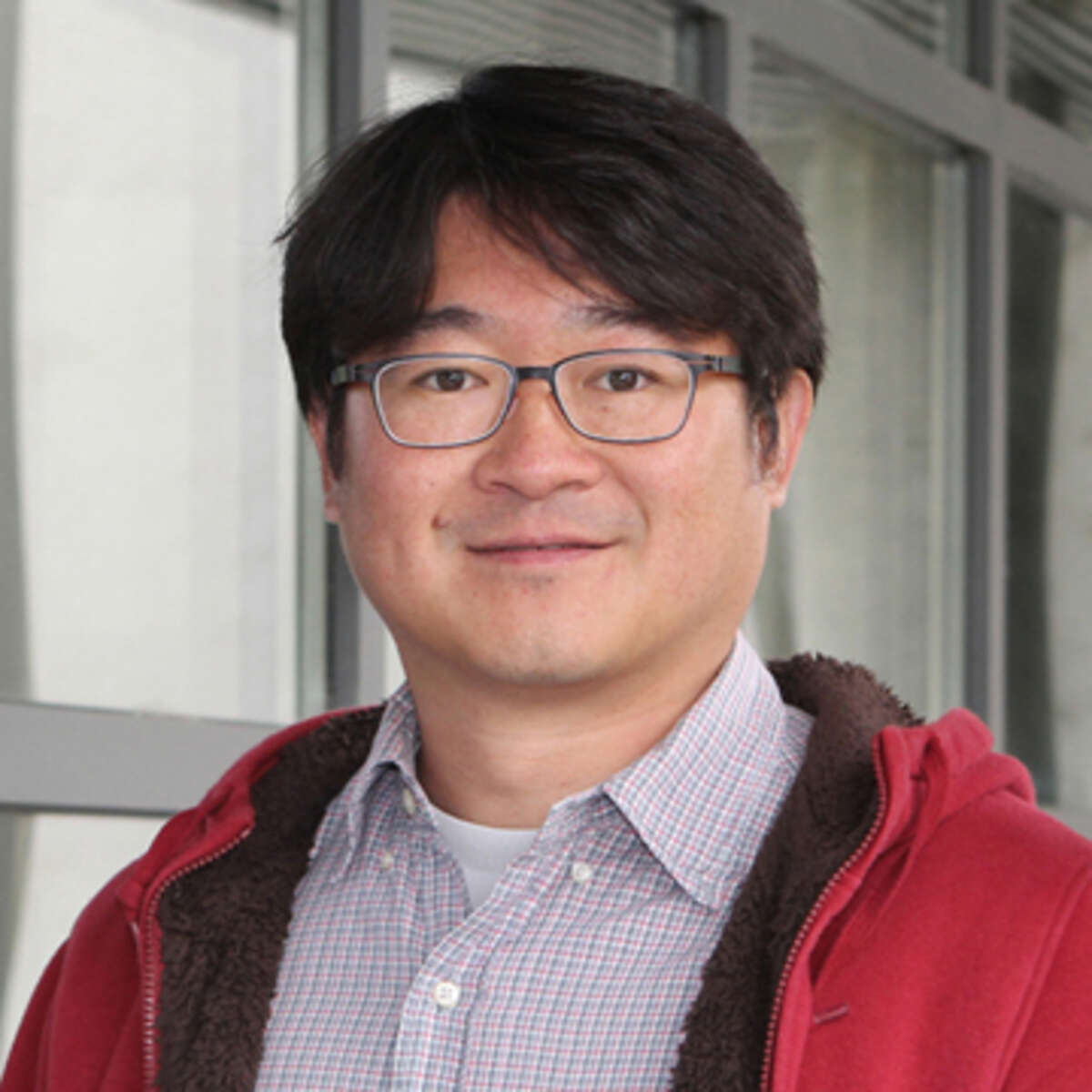
Keisuke Ishihara is an Assistant Professor in the Department of Computational and Systems Biology at the University of Pittsburgh School of Medicine. His research focuses on engineering human brain and cardiac organoids using genetic, chemical, and computational approaches to uncover novel regulatory mechanisms and physical principles underlying tissue development. His lab is located at Biomedical Science Tower 3, with an office in room 10020A. Dr. Ishihara holds a PhD in Systems Biology from Harvard University. His work bridges synthetic biology, developmental biology, and biophysics to address fundamental questions in organogenesis and cellular morphogenesis. Recent research highlights include studies on BMP-mediated neural tube patterning in organoids and the biophysical dynamics of microtubule assemblies in large cells. Publications from his lab emphasize interdisciplinary approaches to understand cell size scaling, mitotic spindle dynamics, and self-organization in synthetic tissues. His team has contributed to advancements in organoid technology, uncovering dormant genetic programs and physical principles governing tissue architecture. Laboratory activities are centered at the University of Pittsburgh, collaborating with the School of Medicine's computational and systems biology initiatives. For more details, visit his lab website linked below.
Prof. Vladimir Spokoiny is a leading figure in stochastic algorithms and nonparametric statistics at the Weierstrass Institute for Applied Analysis and Stochastics (WIAS) and Humboldt University of Berlin . His work bridges mathematical statistics with practical applications in finance, medicine, and machine learning. Born in 1959 in Moscow, USSR PhD from Lomonosov Moscow State University (1988) Habilitation from Humboldt University (1996) Head of WIAS research group since 2000 Professor at Humboldt University since 2002 Spokoiny's research focuses on adaptive nonparametric methods, high-dimensional data analysis, and statistical finance. His innovations in local homogeneity testing and propagation-separation methods have advanced volatility modeling, image analysis, and manifold learning. He employs Bayesian optimization frameworks and stochastic control techniques for financial instrument pricing. Recent scientific contributions include generalized bootstrap procedures for Bures-Wasserstein barycenters (2024), dimension-free Laplace approximation bounds (2023), and structure-adaptive manifold estimation (2022). His 19+ PhD students and editorial roles in top journals like The Annals of Statistics demonstrate sustained academic impact. International Statistical Institute member American Statistical Association fellow Institute of Mathematical Statistics member Bernoulli Society member
Wayne Springer is a Professor in the Department of Physics & Astronomy at the University of Utah, with a career spanning over 25 years. He has been actively involved in experimental particle astrophysics, ultra-high-energy cosmic ray (UHECR) physics, and gamma-ray astronomy. Ph.D. in Physics from University of Maryland (1991) B.S. in Physics from University of Maryland (1985) Postdoctoral training at University of Maryland and University of Alberta His research focuses on particle astrophysics, cosmic ray detection, and gamma-ray astronomy. He has made significant contributions to the development of the HiRes and Telescope Array cosmic ray observatories, as well as the HAWC and SWGO gamma-ray observatories. His recent work includes deployment of the Trinity neutrino detector prototype and serving as SWGO project manager for Chile site infrastructure. Article trends show strong emphasis on TeV gamma-ray observations (HAWC, SWGO), cosmic ray diffusion mechanisms, dark matter searches, and high-energy astrophysical source characterization (pulsars, microquasars, supernova remnants). He has secured multiple NSF grants for particle astrophysics research and leads detector working groups in international collaborations. Professor Springer actively participates in astronomy outreach, co-developing observatories and implementing computational physics teaching tools with Gradescope auto-graders for enhanced pedagogy. His work bridges experimental high-energy physics, detector development, and multiwavelength astrophysical studies.
Gilles Hickson is a Full Professor at the Université de Montréal’s Faculty of Medicine, Department of Pathology and Cell Biology. He is affiliated with the Azrieli Research Center at CHU Sainte-Justine and serves as Deputy Director of Academic Affairs, Co-director of the Microscopy Imaging Platform, and responsible for the Molecular Biology Program. His research focuses on understanding molecular mechanisms of cytokinesis, particularly the transition from contractile rings to midbody rings, and the roles of anillin, septins, and actomyosin dynamics in cell division using Drosophila as a model. His work has implications for cancer biology and drug development. Education: BSc (Manchester), PhD (University of Glasgow), Postdoctoral training (UCSF). Research Interests: Cytokinesis mechanisms, cytoskeletal coordination, cell division errors in cancer, and developmental variations in cytokinesis. His awards include the FRQS Senior Researcher Fellowship and multiple grants from CIHR and NSERC. He supervises graduate students and has mentored over a dozen researchers. His lab employs genetic tools and high-resolution microscopy to dissect cytokinesis machinery. He also contributes to teaching, including courses in molecular medicine and microscopy. Awards: Komen Postdoctoral Fellowship, Leukemia & Lymphoma Special Fellow, Cole Foundation Transition Award. Grants: Ongoing CIHR and NSERC funding (2022–2027) for cytokinesis research. Hickson collaborates with institutions like the CHU Sainte-Justine and leads projects on cytokinesis networks, septin assembly, and actomyosin coordination. His lab is part of the Azrieli Center and the Microscopy Imaging Platform.
Mark Jaccard is a Professor at Simon Fraser University's School of Resource & Environmental Management (REM). He has served as REM's Director and developed the Energy and Materials Research Group (EMRG), Canada's leading applied academic team in energy-economy-emissions (EEE) modeling. His work focuses on assessing climate policies through EEE models like CIMS-Urban, gTech, and CIMS. Developed EEE modeling frameworks for national and provincial climate policy analysis Advises political leaders globally on climate strategy Active media commentator and public speaker on climate economics Research Highlights Specializes in energy system decarbonization pathways Advocates for flexible regulations over carbon pricing Focuses on federal-provincial policy alignment Develops strategies for grid interconnection and energy storage Examines social license for large hydro and nuclear expansion Integrates political feasibility with economic modeling Scientific Contributions Co-developed gTech model with former students Authored The Citizen's Guide to Climate Success (2019) Recipient of Royal Society of Canada fellowship Advises international bodies like IPCC and CCICED
Griseldis Kirsch is a researcher at the School of Languages, Cultures and Linguistics (LAC) at SOAS University of London. Her work focuses on Japanese media and popular culture, with particular emphasis on gender, transnationalism, and identity politics. She has edited and contributed to key publications such as the Handbook of Japanese Media and Popular Culture in Transition (2022) and Assembling Japan: Modernity, Technology and Global Culture (2015). Her research spans visual culture, historical memory, and media's role in constructing national identities. Recent articles examine topics ranging from imperial nostalgia in Japanese television to the representation of cultural otherness and gender dynamics in propaganda films. She has supervised or collaborated on theses exploring single motherhood, anime music, and Korean-Japanese media remakes. Notable trends in her publications include critiques of Japanese nationalism, analysis of transpacific cultural flows, and investigations into minority representations. Her work bridges film studies, anthropology, and cross-cultural communication, often addressing tensions between local and global influences in media. Current affiliations include contributions to the JAPAN DOCUMENTS publication series and ongoing scholarly engagement with Japanese television dramas, anime, and their socio-political implications.
Prof. Dr. Roderick Lim is an Associate Professor at the Biozentrum, University of Basel , where he leads a research group since 2014. His work bridges biophysics, nanotechnology, and molecular biology , focusing on the nuclear pore complex (NPC) and mechanobiology of cells . He develops biomimetic systems for selective molecular transport and ARTIDIS , a nanomechanical tissue diagnostic platform commercialized for breast cancer prognosis . Education : BSc (UNC Chapel Hill), PhD (NUS/IMRE Singapore), Postdoc (Swiss Nanoscience Institute) Positions : Argovia Professor (2014–present), Tenure Track Asst. Prof. (2009–2013), Postdoc (2004–2008) His research on NPC transport selectivity reveals how karyopherins modulate the FG Nup barrier via multivalent interactions, with implications for viral entry and Alzheimer’s disease . His ARTIDIS platform uses atomic force microscopy to detect cancer via tissue softness, linking hypoxia to metastasis . Recent 2025 publications explore bacterial nanoharpoon defense mechanisms and DNA origami-based NPC mimics . Scientific Awards : Pierre-Gilles de Gennes Prize (2008), A*STAR Fellowship (2004) Collaborations : NCCR Molecular Systems Engineering, NanoTera, KTI He mentors PhD students in institutions across Switzerland, Singapore, Sweden, and the UK , with alumni working on polymersome delivery, mechanotransduction, and pathogen transport . His lab pioneered high-speed atomic force microscopy for real-time NPC dynamics and plasmonic nanopores for synthetic biology applications.
Brian Møller Andersen is a Professor in Solid State Physics at the Niels Bohr Institute, University of Copenhagen, where he has maintained continuous academic appointments since completing his PhD. His research spans multiple frontiers of condensed matter physics with significant contributions to superconductivity and magnetism. PhD in Theoretical Physics, University of Copenhagen (2001-2003) PhD studies at Stanford University (2000-2001) MSc in Theoretical Physics, University of Copenhagen (1998-2000) International Exchange at UC Berkeley (1997-1998) BSc in Mathematics and Physics, University of Copenhagen (1994-1997) Andersen's primary research focuses on Superconductivity , particularly high-temperature superconductors where magnetism and superconductivity coexist, and Magnetism in novel quantum materials. His work extends to Quantum Transport phenomena, Ultracold Atoms in optical lattices, Topological Insulators , and Strongly Correlated Systems . Recent publications reveal a growing emphasis on altermagnetism, kagome lattice physics, and topological superconductivity, indicating significant evolution in his research trajectory toward emergent quantum phenomena. Analysis of his 15 most recent publications (2024-2025) shows a clear progression into cutting-edge areas: 60% focus on altermagnetism and novel magnetic states, 40% on unconventional superconductivity in topological materials, and 30% examining quantum confinement effects. His work demonstrates increasing interdisciplinary connections between condensed matter theory, materials science, and quantum information science, with frequent collaborations across Europe and the US. Andersen has received significant research support through prestigious fellowships including the Lundbeck Foundation fellowship (Associate Professor level, 2012-2017) and FNU Steno Stipend (Assistant Professor level, 2009-2013), alongside early career support from the Villum Kann Rasmussen Post. Doc. Stipend. His research group at the Niels Bohr Institute focuses on theoretical modeling of quantum materials, particularly computational approaches to understanding competing orders in correlated electron systems. The group maintains strong connections with experimental teams conducting neutron scattering, STM, and ARPES measurements to validate theoretical predictions.