Southern University of Science and Technology (SUSTech)China
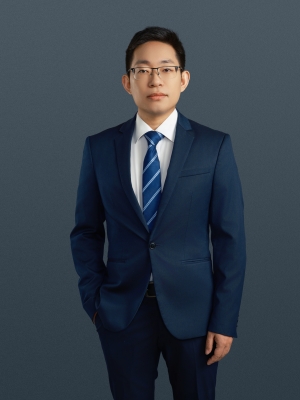
Prof. CHEN Shuming is a Tenured Professor and Doctoral Supervisor at the Department of Electronic and Electrical Engineering , Southern University of Science and Technology (SUSTech) . He has held academic positions since joining SUSTech in 2013 and was promoted to Professor in 2024. Education: PhD in Electronic and Computer Engineering (HKUST, 2012), Master in Optical Engineering (Sun Yat-sen University, 2008), Bachelor in Optoelectronics (South China University of Technology, 2005) Research Focus: Prof. Chen specializes in quantum dot light-emitting diodes (QLEDs) and organic light-emitting diodes (OLEDs) , with expertise in device engineering , device physics , and display/lighting applications . His work includes: Novel device structures (tandem, top-emitting, flexible) Charge transport and exciton dynamics Low-cost fabrication techniques (inkjet printing, laminating) Publication Trends: His recent papers address QLED stability , high-efficiency architectures , and AC-compatible devices , reflecting advancements in quantum dot technology and consumer electronics integration . Scientific Awards: Guangdong Natural Science Award (2024) Shenzhen Youth Science and Technology Award (2017) China Invention Association Innovation Award (2024) International Society for Information Display Outstanding Paper Award (2018) Advising and Grants: Prof. Chen has supervised 6 doctoral students, 5 master's students, and multiple undergraduates. He has led over 10 major projects, including National Natural Science Foundation grants and National Key R&D Program initiatives.
Southern University of Science and Technology (SUSTech)China
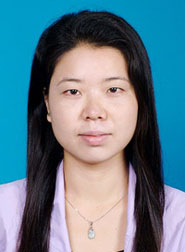
Dr. Qing Guo is an Associate Professor in the Department of Chemistry at South University of Science and Technology (SUSTech), where he joined in April 2019 as a research group leader and doctoral supervisor. His research focuses on fundamental processes of energy-related catalytic reactions, with particular emphasis on surface photocatalysis and reaction mechanisms. Bachelor of Science: University of Science and Technology of China (2007) PhD: University of Chinese Academy of Sciences (2013) Research Assistant/Associate Fellow: Dalian Institute of Chemical Physics, Chinese Academy of Sciences (2013-2019) Associate Professor: SUSTech Department of Chemistry (2019-present) Dr. Guo's research interests center on surface catalysis mechanisms, particularly in energy-related photocatalytic reactions. He develops novel scientific instruments to investigate photocatalytic C-H bond activation of small alkane molecules, carbon chain growth, and the interaction mechanism between metal clusters and substrates. His work spans photocatalytic hydrogen production, alkane activation and conversion, biomass conversion, and single-atom catalysis. His innovative approach combines instrument development with fundamental surface science to address critical challenges in energy conversion. Analysis of Dr. Guo's recent publications reveals a strong focus on titanium dioxide-based photocatalysis, with particular attention to reaction mechanisms at the molecular level. His work systematically investigates the roles of surface oxygen species, photon energy effects, and reaction intermediates in hydrocarbon conversion processes. The research shows an increasing sophistication in both experimental techniques and theoretical understanding, with recent work extending to ammonia synthesis, electrocatalysis, and excitonic effects at molecule/metal oxide interfaces. Dr. Guo leads an active research group that has produced over 80 publications in high-impact journals including J. Am. Chem. Soc., JACS Au, Chem. Sci., and Adv. Mater. His work demonstrates significant contributions to understanding fundamental photocatalytic processes, with potential applications in green energy and sustainable chemical production. Dr. Guo serves as a doctoral supervisor and has mentored numerous graduate students, many of whom appear as co-authors on his publications. His research group has developed several large-scale research instruments, including a surface photochemical kinetics research device, an in situ catalytic mechanism research device, a surface scattering kinetics research device, and a device for preparing controllable size clusters. These instruments have enabled systematic investigation of important energy-related catalytic reactions. Dr. Guo's laboratory focuses on the development and application of advanced surface science techniques to study energy-related catalytic reactions. His team combines experimental surface science approaches with theoretical modeling to gain molecular-level understanding of photocatalytic processes. The group actively recruits postdoctoral researchers and research assistants with backgrounds in vacuum technology, optics, semiconductors, and surface chemistry.
Southern University of Science and Technology (SUSTech)China
Dr. Xiong Yi is an Assistant Professor at the School of System Design and Intelligent Manufacturing (SDIM) at Southern University of Science and Technology (SUSTech) in Shenzhen, China. He leads the Computational Design and Fabrication (CoDeFab) research group, focusing on the integration of computational design methods with advanced manufacturing technologies, particularly in the field of additive manufacturing. Dr. Xiong has established himself as a leading researcher in computational design for additive manufacturing, with a strong international research background spanning Europe and Asia. Dr. Xiong's educational journey includes: Doctor of Science (DSc) in Engineering Design and Production from Aalto University, Finland (2012-2016) Master of Science (MSc) in Machine Automation from Tampere University of Technology, Finland (2010-2012) Bachelor of Engineering (BEng) in Mechanical Engineering from Hubei University of Technology, China (2006-2010) Dr. Xiong's research primarily focuses on computational design and fabrication methodologies, with particular emphasis on design for additive manufacturing (DfAM), intelligent manufacturing systems, and smart materials. His work bridges the gap between theoretical design principles and practical manufacturing constraints, developing novel approaches for the production of complex engineered products. He has pioneered research in continuous fiber-reinforced composite additive manufacturing, developing innovative process planning and optimization techniques that enable the production of high-performance structural components. His research in electrothermally controlled origami and 4D printing of smart materials represents cutting-edge work at the intersection of materials science, mechanical engineering, and computational design. Dr. Xiong's recent publications reveal a strong focus on continuous fiber-reinforced composites, with significant contributions to 4D printing, metamaterials, and intelligent process planning. His work integrates computational design with manufacturing constraints, creating novel approaches for topology optimization, toolpath planning, and structural design that consider both performance requirements and manufacturability limitations. The research demonstrates increasing sophistication in materials science applications, particularly in programmable materials and multi-functional structures. Dr. Xiong has received multiple prestigious awards for his research contributions, including: Best Presentation Award at the 24th Chinese Conference on Mechanisms and Machine Science (IFToMM CCMMS2024) Best Presentation Award at the International Conference on Frontiers of Additive Manufacturing Research (RAAM 2024) Best Paper Award at the International Conference on Design for 3D Printing (ICD3DP 2023) PhD Scholarship from Aalto University (2016) Research Travel Grant from the International Association for Vehicle System Dynamics (IAVSD) (2013) National Scholarship from the Ministry of Education (2008) As a dedicated educator and mentor, Dr. Xiong serves as a PhD supervisor at SUSTech and has successfully guided students who have gone on to pursue advanced studies and careers at prestigious institutions including Hong Kong Polytechnic University, Beihang University, DJI Innovations, and Singapore's A*STAR research institute. His research is supported by multiple competitive grants, including key projects from the National Key R&D Program of China, the National Natural Science Foundation of China, and provincial and municipal funding agencies. Dr. Xiong also serves on the editorial board of the Journal of Engineering Design and as a guest editor for Composites Communications, contributing to the advancement of his field through scholarly service. Dr. Xiong leads the CoDeFab research group, which maintains a strong collaborative culture focused on 'design leading manufacturing, manufacturing driving design, and digital-intelligent integration.' The group has developed several advanced manufacturing platforms, including multi-axis continuous fiber-reinforced composite additive manufacturing systems, smart composite additive manufacturing platforms, and multifunctional soft matter open manufacturing platforms. With a focus on practical applications and innovation, the CoDeFab group actively collaborates with industry partners and has established a joint laboratory to bridge academic research with industrial implementation.
Southern University of Science and Technology (SUSTech)China
Professor Chen Lang is a faculty member in the Department of Physics at Southern University of Science and Technology (SUSTech), where he serves as Vice-chair of the Department. He has made significant contributions to the field of complex functional oxides and multiferroic materials. Professor Chen received his Ph.D. in Materials Science from the University of Maryland in 2005, following an M.S. in Condensed Matter Physics from the Institute of Physics, Beijing (2000) and a B.S. in Physical Electronics from Fudan University (1997). Prior to joining SUSTech in 2013, he served as an Assistant Professor at Nanyang Technological University, Singapore (2006-2013) and completed a postdoctoral fellowship at CNRS, France (2005-2006). Professor Chen's research primarily focuses on multiferroic complex oxides , strain and domain engineering , and emergent materials and metamaterials . He has made groundbreaking contributions to understanding the nonlinear piezoresponse of ferroelectric thin films and elucidating ferroelastic domain dynamics. His work on low symmetry phases, domain structures, and in-plane polarization rotation in epitaxial BiFeO3 thin film systems has been particularly influential. Analysis of Professor Chen's recent publications reveals a strong focus on multiferroic materials, complex oxides, and strain engineering. His work spans from fundamental studies of domain structures and phase transitions to applied research on novel materials with exceptional electromagnetic and mechanical properties. A notable trend in his recent work is the exploration of high-entropy oxides and their unique magnetic and mechanical properties. Pengcheng Scholar, Shenzhen Municipality Shenzhen Municipal Government's Peacock Program B category Shenzhen local-level leading talent Navigation Talent B category Nanyue Excellent Teacher Shenzhen Excellent Teacher SUSTech Outstanding Young Scholar SUSTech Excellent Service Award Professor Chen has published over 140 journal papers in prestigious journals including Nature Materials, Physical Review Letters, Advanced Materials, and Nature Communications. His work has been cited over 4,500 times with an h-index of 36. He has secured more than 30 million yuan in research funding, including 7 national-level projects and 7 provincial/municipal-level projects. He serves as a reviewer for numerous prestigious journals such as Advanced Materials and Applied Physics Letters. Professor Chen leads an active research group at SUSTech focusing on complex functional oxides and multiferroic materials. His team employs advanced techniques for materials synthesis and characterization to explore novel electromagnetic and mechanical properties in thin film systems. The group has made significant contributions to understanding domain dynamics, strain effects, and phase transitions in functional oxide materials.
Southern University of Science and Technology (SUSTech)China
Peng Chen is an Associate Professor at the Shenzhen-Hong Kong Institute of Microelectronics, Southern University of Science and Technology, Shenzhen, China. He has served in this position since December 2022, following his role as an Assistant Professor from September 2021 to December 2022 at the same institution. Educational Background: Ph.D. (2010-2016), Institute of Physics, Chinese Academy of Sciences, China Bachelor (2006-2010), Department of Physics, Northwestern University, China Dr. Chen's research focuses on developing high-performance two-dimensional semiconductor information devices and integration technologies for the post-Moore era. His work spans the development of new materials, novel device principles, and high-performance integrated circuits based on 2D electronic devices. By exploring the fundamental physics of 2D materials and their heterostructures, his research aims to overcome the performance limitations of conventional micro- and nanoelectronic devices and circuits. His publication record demonstrates expertise across multiple domains of 2D materials research, with particular emphasis on transition metal dichalcogenides like WS2 and WSe2. His work spans from fundamental material synthesis to device physics and practical applications in electronics and optoelectronics, reflected in publications in high-impact journals including Nature, Science, and Nature Materials. Scientific Awards: National High-level Young Talent Program (2022) Shenzhen High-level Talent Program (2021) First Prize of Science and Technology Award of China Materials Research Society (2020) Director Scholarship of Institute of Physics, Chinese Academy of Sciences (2015, 2013) Three Good Students of Chinese Academy of Sciences (2014, 2013) Dr. Chen serves as a Doctoral Supervisor with an impressive publication record of over 40 papers in top international journals, including 2 Nature, 1 Science, and 1 Nature Materials papers. His work has been cited over 4,000 times with an H-index of 29. He has secured funding through the National Natural Science Foundation of China's High-level Young Talent Program, a general program, and projects from the Shenzhen Municipal Science and Technology Innovation Commission. He actively serves as a reviewer for multiple journals and as a fund reviewer. Dr. Chen leads a research group focused on high-performance and new principle logic and sensing devices, exploring applications in next-generation information and life health technologies. The group maintains a strong academic atmosphere and welcomes postdoctoral fellows and graduate students with backgrounds in microelectronics, physics, materials science, and biology.
Southern University of Science and Technology (SUSTech)China
HUANG Li is an Associate Professor in the Department of Physics at Southern University of Science and Technology (SUSTech) , where she has been since September 2019. She joined SUSTech in February 2013 as an Assistant Professor, advancing to her current rank. Her research focuses on quantum materials , novel energy materials , nonequilibrium phase selectivity , and surface/interfacial phenomena using first-principles computational methods and theoretical models . Educational Background: Ph.D. in Physics, Fudan University (2006) M.Sc. in Physics, Xiangtan University (2002) B.A. in Physics, Xiangtan University (1999) Research Interests span quantum materials (e.g., Moire superconductors , topological insulators ), novel energy materials (e.g., thermoelectrics , supercapacitors ), and surface/interfacial dynamics. Her recent work emphasizes two-dimensional systems , spin-valley-layer coupling , and nonequilibrium phase transitions in van der Waals heterostructures and metal-organic frameworks . Publications highlight her expertise in ab initio molecular dynamics , density functional theory , and quantum transport . Key trends include Moiré engineering in twisted bilayers, strain-tunable magnetism , and ferroelectricity in layered materials. Scientific Awards and Grants include leadership roles in projects funded by the National Natural Science Foundation of China and Shenzhen Science & Technology Commission . Notable grants address quantum state control in Moiré superlattices , nonlinear Hall effects , and thermoelectric performance enhancement . Professional Experience: Postdoctoral Research Associate at Ames Laboratory (2008–2012) Joint Postdoc at Georgia Institute of Technology & Ames Laboratory (2006–2008) Visiting Scholar at Harvard University & Oak Ridge National Laboratory (2004–2006)
Southern University of Science and Technology (SUSTech)China
Hui Li serves as Chair Professor in the Department of Materials Science and Engineering at South University of Science and Technology of China (SUSTech), a position she has held since October 2015. She concurrently holds adjunct appointments as Extraordinary Professor at North-West University of South Africa and Adjunct Professor at the University of British Columbia. Her academic foundation includes: PhD in Electrochemical Engineering from the University of British Columbia (2006) MSc in Chemical Engineering from Tsinghua University (1990) BSc in Chemical Engineering from Tsinghua University (1987) Prof. Li's research program centers on electrochemical energy conversion with emphasis on hydrogen technologies. Her work spans fundamental electrocatalysis to commercial fuel cell systems, specifically targeting: PEM fuel cell materials and failure analysis Hydrogen production via water electrolysis Novel membrane development for fuel cells Electrochemical synthesis of ammonia and fuels Recent publications reveal a strategic focus on replacing precious metals in catalysts while enhancing durability of hydrogen energy systems. Her team pioneers nanomaterial engineering for oxygen reduction/evolution reactions and develops standardized testing protocols for industrial deployment. Recognition includes: SUSTech Distinguished Scholars award Level A designation in Shenzhen's High-Caliber Personnel Peacock Plan She leads major collaborative initiatives with the US Department of Energy, German Aerospace Center (DLR), and industry partners including Ballard and Hydrogenics. Her Shenzhen Key Laboratory of Hydrogen Energy drives R&D in membrane electrode assemblies and bipolar plate manufacturing. The laboratory maintains active partnerships with national research councils and global energy corporations to accelerate hydrogen technology commercialization.
Southern University of Science and Technology (SUSTech)China
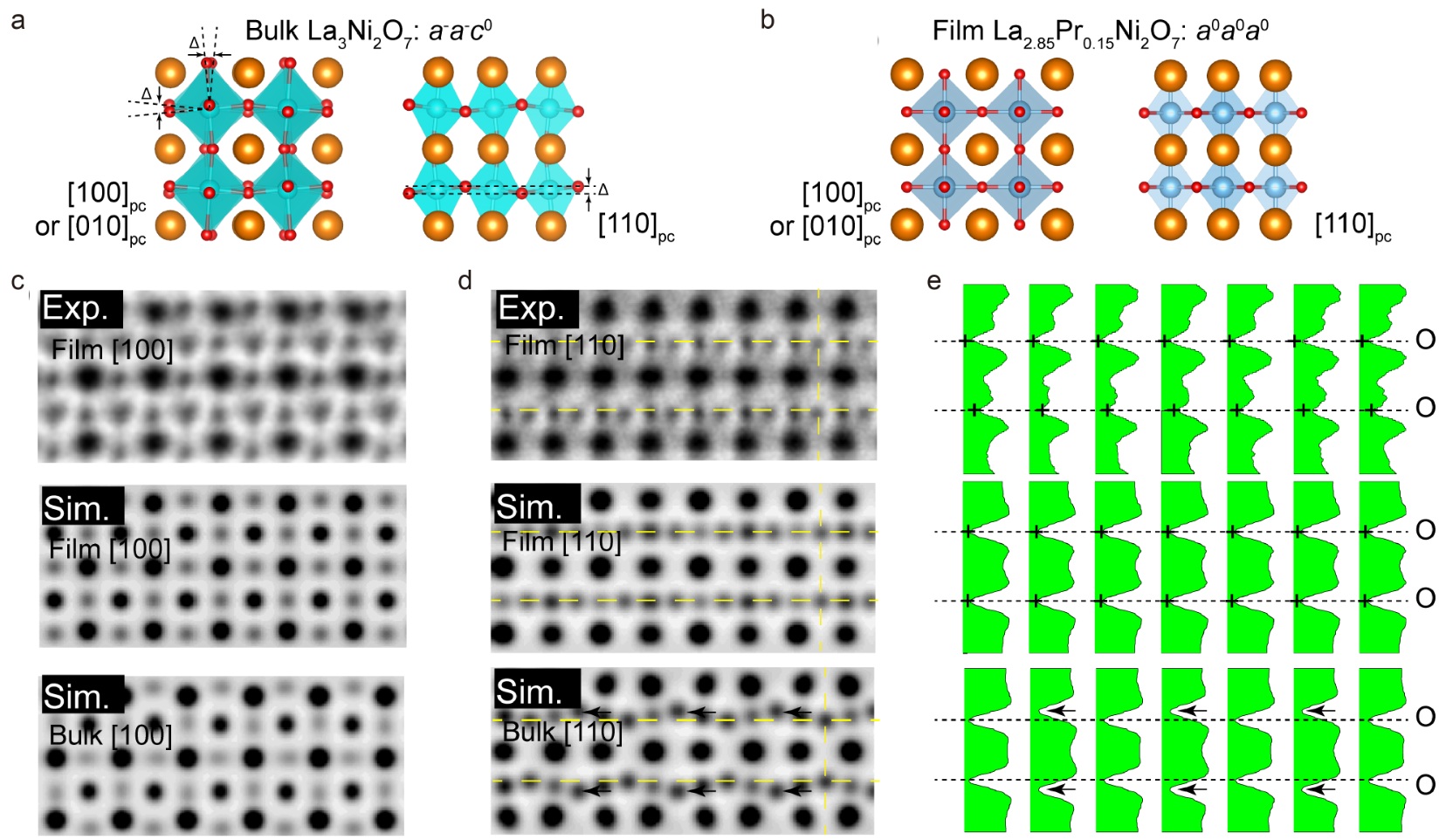
Prof. Junhao Lin is a tenured Full Professor at the Department of Physics, Southern University of Science and Technology (SUSTech). With a dual background in experimental and theoretical physics, he specializes in atomic-scale characterization of 2D materials, combining aberration-corrected STEM, EELS spectroscopy, and density functional theory calculations to study defect-structure-property relationships. Ph.D. (2015) from Vanderbilt University Postdoctoral work at National Advanced Institute of Science and Technology (Japan) under Kazu Suenaga Research Interests : Atomic-scale defect engineering in 2D materials In-situ high-resolution electron microscopy under external stimuli High-energy-resolution EELS for optical property characterization Quantum material structure-property correlations Publication Trends : Over 130 high-impact publications (Nature, Science, PRL) focusing on 2D material defects, phase transitions, and atomic engineering. Recent works explore nickelate superconductivity, magnetic phenomena in topological materials, and energy storage applications. Scientific Recognition : MIT Technology Review TR35 China (2021, Visionary category) Elsevier 2024 Highly Cited Researcher (China) Multiple international conference awards 8+ million RMB investment in glove-box interconnected lab systems Lab Overview : The Advanced Low-Dimensional Materials Laboratory at SUSTech (10+ members) integrates atomic-resolution STEM, in-situ TEM, and computational modeling. Collaborations span Oak Ridge National Lab, Peking University, and Singaporean/Japanese institutions.
Xiang Wang serves as an Associate Professor in the Department of Chemistry at Xiamen University's College of Chemistry and Chemical Engineering, maintaining his office in Room 434 of the Chemical Building since 2020. His research program bridges experimental nanoscience and electrochemistry with strong institutional ties to Xiamen University's PCOSS research group. His academic journey began with BS (2007) and PhD (2013) degrees from Xiamen University, followed by research assistantship (2014-2016) and postdoctoral training (2016-2020) at the same institution. This continuous affiliation demonstrates deep integration within Xiamen's chemical research ecosystem. Dr. Wang's research centers on advanced nanoscale spectroscopic techniques , particularly Tip-enhanced Raman spectroscopy (TERS) and Surface-enhanced Raman spectroscopy (SERS) . His work explores Nano-optics , Nanospectroelectrochemistry , and Nanoscale in-situ characterization to investigate 2D materials, electrocatalytic processes, and biomolecular structures at unprecedented resolution. This interdisciplinary approach merges physical chemistry with materials engineering to solve fundamental interface science problems. Analysis of his 2019-2024 publications reveals dominant themes in nanoscale characterization of 2D materials (particularly MoS 2 ), electrocatalyst evolution monitoring , and novel spectroelectrochemical methodologies . His work consistently appears in high-impact journals including Nature Catalysis , Chemical Society Reviews , and Advanced Materials , demonstrating significant contributions to nanospectroscopy and materials characterization fields.
Prof. Hu Peng is a Professor and Doctoral Supervisor at the School of Chemistry, Sun Yat-sen University. He holds a PhD in Organic Chemistry from the Chinese Academy of Sciences (2011) and conducted postdoctoral research at the Weizmann Institute of Science (supervisor: David Milstein) and Technical University of Munich (supervisor: Thorsten Bach). His work focuses on catalytic mechanisms, photothermal radical reactions, clean energy catalysts, and small molecule activation. Key achievements include developing novel photocatalytic C-H functionalization methods and plastic degradation technologies. Recognized with awards like the Alexander von Humboldt Fellowship (2014) and Top Ten Emerging Technologists in China (2024), Hu Peng leads a research group advancing sustainable chemical methodologies. His lab's activities include collaborations in green organic chemistry, energy materials, and catalytic systems. Education: B.Sc. (2006, Hubei University), Ph.D. (2011, Chinese Academy of Sciences). Positions: Humboldt Scholar (2014-2016), Sun Yat-sen University Hundred Talents Program recipient. Research projects include National Natural Science Foundation grants and Guangdong provincial initiatives. Current group activities emphasize metal-organic intermediates, clean energy systems, and cross-disciplinary chemical methods. Publications highlight innovations in photocatalysis, C-H bond activation, and sustainable materials. Recent work includes selective plastic degradation using iron catalysts and asymmetric spirocyclobutane synthesis via cage-confined reactions.
Yun-Hua LI is an Associate Professor at the School of Chemistry and Chemical Engineering, Xiamen University, China. Her research focuses on heterogeneous catalysis, energy, and environmental chemical engineering, with significant contributions to catalyst design and green chemistry. Education: PhD in Chemical Technology (Green Chemistry), Tianjin University (2004-2007) MSc in Chemical Technology, Tianjin University (2001-2004) BSc in Marine Science and Engineering, Tianjin University of Science and Technology (1997-2001) Postdoctoral training, Tianjin University (2007-2009) Visiting Scholar, University of British Columbia (2013-2014) Research Interests: Her work centers on heterogeneous catalysis for sustainable energy and environmental applications. Key areas include: Design of novel catalysts for syngas conversion and bio-oil upgrading Hydrodeoxygenation of phenolic compounds using nickel phosphide-based catalysts CO2 capture and utilization through advanced materials Hydrogen production via sodium borohydride hydrolysis Her research integrates experimental synthesis with computational studies (DFT-D) to understand surface phenomena. Publication Trends: From 2013-2018, her 12 selected publications showcase a consistent focus on: Catalyst development for energy conversion (syngas to methane/alcohols) Hydrodeoxygenation of bio-oil model compounds Advanced characterization of catalysts (Ni2P, Ru-based systems) Notable contributions include 3D-printed hierarchical monoliths and ZIF-derived carbon supports. Contact: Email: yunhuali@xmu.edu.cn Phone: +86-18650101063 Address: College of Chemistry and Chemical Engineering, Xiamen University, Fujian 361005, China
Liu Yuping is a Lecturer at the Department of Civil Engineering, School of Civil Engineering and Water Resources, Shandong University, where she has taught since 2003. Her academic expertise focuses on concrete durability under extreme environmental conditions and structural stability analysis of high-rise buildings. She holds a PhD in Geotechnical Engineering from Shandong University and has 15+ years of experience in civil engineering research. PhD (Geotechnical Engineering, Shandong University, 2008-2012) Master (Architecture and Environmental Engineering, Chang'an University, 2000-2003) Bachelor (Industrial and Civil Engineering, Xi'an University of Technology, 1995-1999) Her research explores concrete damage mechanisms under environmental stressors like freeze-thaw cycles , seawater corrosion , and ice loads . She specializes in vibration response analysis of tall structures and has developed novel energy dissipation devices for seismic and environmental load mitigation. Her work spans structural simulation , patent design , and construction safety evaluation . Recent publications include 2017 patents on multi-stage vibration reduction systems and a SCI-indexed paper on seismic control of transmission towers. Earlier work (2011) investigated concrete-ice interactions and geotechnical reinforcement . Her 2015 study on vertical structure dynamics remains influential. Third Prize in National Civil Engineering Multimedia Teaching (2007) Shandong University 'March 8th Red Flag Bearer' (2008) She has participated in 10 major research projects (including NSFC grants) and 5 teaching reforms. Her patents address structural resilience in extreme conditions, while textbooks cover risk management and environmental economics in engineering.
Southern University of Science and Technology (SUSTech)China
Dr. CHEN Xiaolong is an Associate Professor and Doctoral Supervisor in the Department of Electrical and Electronic Engineering at Southern University of Science and Technology (SUSTech) since May 2024, having previously served as Assistant Professor from 2018-2024. His office is located in Engineering Building 223 (South Tower) at SUSTech's campus in Shenzhen, China. Dr. Chen earned his Ph.D. in Physics from Hong Kong University of Science and Technology (2010-2014) and completed his undergraduate studies in the Special Class for Gifted Young at University of Science and Technology of China. Prior to joining SUSTech, he held postdoctoral positions at Yale University (2016-2018) and University of Cambridge (2015-2016). His research focuses on pioneering work with two-dimensional materials, particularly in the areas of black phosphorus transistors, photodetectors, and light-emitting devices. Dr. Chen's work spans several key domains including miniaturized spectrometers, bulk photovoltaic effects, and infrared optoelectronics. His research has led to groundbreaking advances in single-detector-based on-chip spectrometers, polarizers, and black phosphorus mid-infrared optoelectronic devices. Analysis of his recent publications reveals a strong emphasis on van der Waals heterostructures, particularly with black phosphorus variants, for infrared detection and energy harvesting applications. His work demonstrates consistent innovation in developing novel photoelectric effects and constructing functional optoelectronic devices with new principles and mechanisms. 2022 Shenzhen Ten Excellent Young Teachers 2022 IEEE ICOCN Young Scientist Award 2019 Premier Award, the Fourth SUSTech Teaching Competition for Young Teachers 2019 Shenzhen High-level Talents 2023 & 2024 SUSTech Outstanding Doctoral Dissertation Supervisor Awards Dr. Chen actively supervises graduate students, with multiple doctoral candidates under his guidance as evidenced by his Outstanding Dissertation Supervisor awards. His research group maintains active recruitment for postdoctoral researchers and graduate students, with annual openings for 1-2 master's students (50,000 RMB scholarship) and 1-2 doctoral students (100,000 RMB scholarship). The group maintains a dedicated website for sharing research protocols and findings. His laboratory focuses on low-dimensional materials research, particularly exploring novel photoelectric effects and constructing functional optoelectronic devices. The research group maintains strong collaborations with other institutions as evidenced by co-authorships with researchers from Yale, Cambridge, and other international universities.
Southern University of Science and Technology (SUSTech)China
Huang Boyuan serves as an Associate Professor and Doctoral Supervisor in the Department of Materials Science and Engineering at Southern University of Science and Technology (SUSTech). His research group operates within the Guangdong Provincial Key Laboratory of Information Functional Oxide Materials and Devices, utilizing advanced facilities including AFM, PLD, ALD, CVD, SHG, semiconductor analyzers, and cleanroom lithography equipment. Education: Ph.D. in Mechanical Engineering, University of Washington (2016-2020) B.S. in Physics, Nanjing University (2012-2016) Huang's research focuses on developing cutting-edge characterization techniques, particularly artificial intelligence atomic force microscopy (AI-AFM) and mechanically gated transistors (MGT). His work bridges materials science, nanotechnology, and artificial intelligence to investigate nanoscale multi-field coupling mechanisms in semiconductor materials. The research group actively explores two-dimensional thin film materials, experimental mechanics, and energy material interfaces, with particular emphasis on data-driven approaches to material characterization. Huang's publication portfolio demonstrates consistent high-impact output across materials science and nanotechnology domains, with increasing emphasis on AI-integrated characterization methods. His recent work shows strong interdisciplinary connections between materials physics, machine learning, and semiconductor device engineering, reflecting the growing importance of data science in advanced material characterization. Scientific Recognition: R&D 100 Awards Finalist (2020) Shenzhen Natural Science Award (2021) Shenzhen Overseas High-level Talent (2020) National Excellent Self-financed Overseas Student Scholarship (2020) Featured in MIT Technology Review Huang has successfully secured funding for eight research projects, including the NSFC Original Exploration Plan project and Major Research Plan Integration Project. His research group actively mentors graduate students and postdoctoral fellows, with several students receiving prestigious awards and scholarships. The team maintains strong industry connections, with two authorized patents achieving technology transfer. The research group operates within state-of-the-art facilities at SUSTech, maintaining collaborative relationships with national research initiatives including the National Major Scientific Research Instrument Development Projects. Current recruitment efforts focus on doctoral candidates and research assistants specializing in two-dimensional thin film materials, experimental mechanics, and energy material interface studies.
Lan Sun is an Associate Professor in the Department of Chemistry at Xiamen University's College of Chemistry and Chemical Engineering, where she has held a faculty position since 2004 following her postdoctoral fellowship at the same institution. Her research focuses on advanced nanomaterials for energy and environmental applications. Education: Bachelor of Science, Nanjing University of Science and Technology (1987) Master of Metal Research, Chinese Academy of Sciences (1990) Doctor of Tsinghua University (2001) Postdoctoral Fellow, Xiamen University (2002-2004) Research Expertise: Dr. Sun specializes in Nanomaterials , Electrochemical Nanocomposites , and Environmental Applications , with significant contributions to Functional Materials and Energy Storage systems. Her work centers on designing nanometer-scale functional materials for high specific capacity aluminum electrolytic capacitors and anode foils, employing electrochemical methods to develop novel nanocomposites for sustainable energy solutions. Publication Trends: Analysis of her 2015-2019 publications reveals a concentrated focus on titanium dioxide nanotube arrays modified with catalytic nanoparticles (perovskites, CdS, Bi 2 MoO 6 ). These studies consistently target enhanced visible-light photoelectrocatalysis for solar hydrogen generation and environmental remediation, demonstrating interdisciplinary integration of materials science, electrochemistry, and environmental engineering. Collaborative Networks: She maintains extensive research collaborations with Xiamen University colleagues including Changjian Lin and international partners, as evidenced by multi-institutional co-authorship across her publication portfolio in high-impact materials science journals.