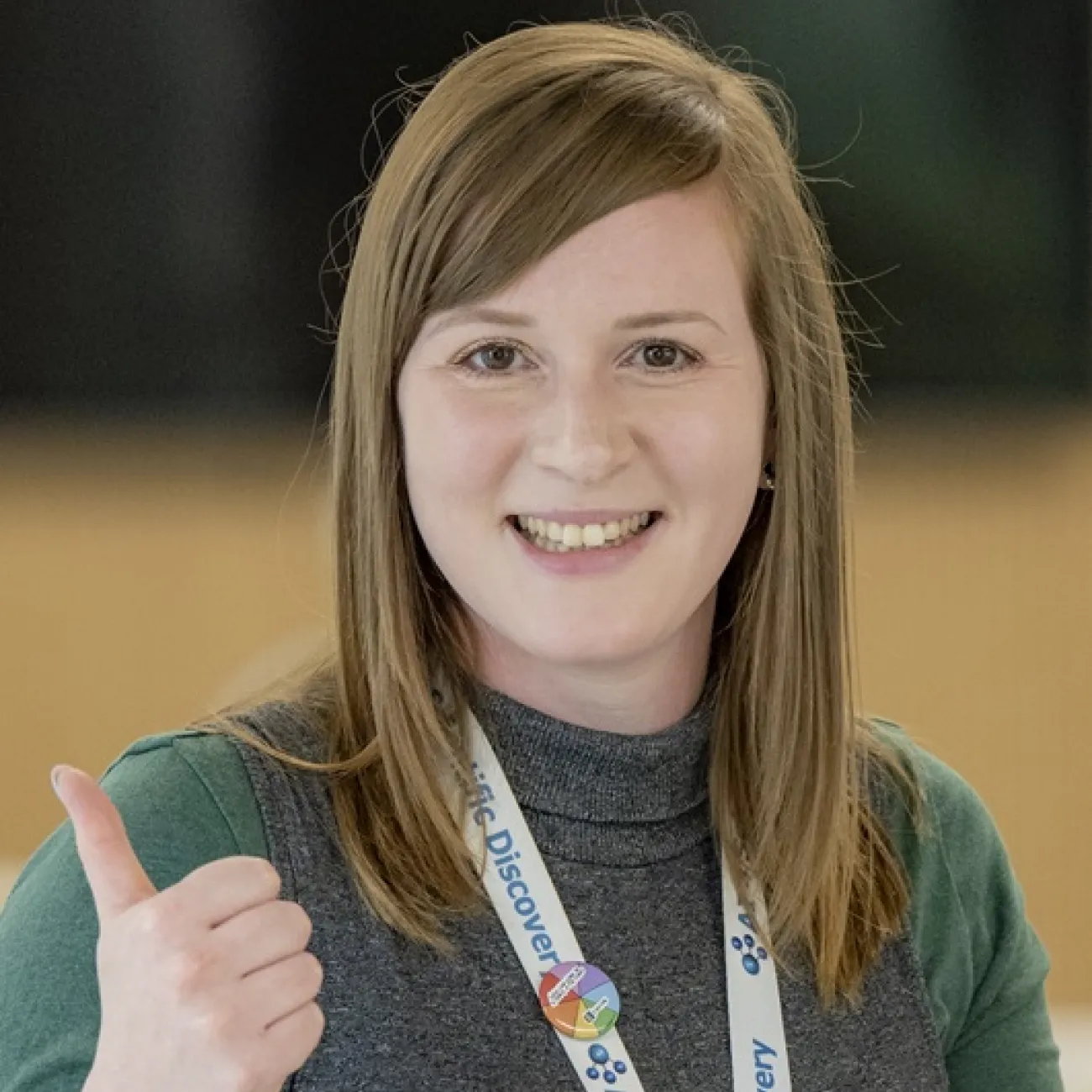
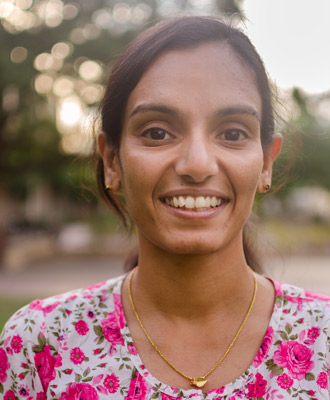
Dr. Samantha Pearman-Kanza is a Principal Enterprise Fellow at the University of Southampton , specializing in the application of Semantic Web technologies and Artificial Intelligence to scientific domains. She leads the Careers and Skills for Data-driven Research (CaSDaR) project and serves as the Pathfinder Lead for Process Recording in the Physical Sciences Data Infrastructure (PSDI) initiative. Her work bridges computer science with chemistry , agriculture , and social sciences to enhance digital research environments. Research Focus: Digitisation of scientific research and knowledge management Development of electronic lab notebooks and smart laboratories Integration of IoT devices in scientific workflows Ontologies and linked data for cross-domain interoperability Ethical AI applications in food supply chains and education Key Achievements: Published interdisciplinary work in Science, Technology, & Human Values and the Journal of Cheminformatics Contributed to AI4Green4Students, advancing sustainable chemistry education through digital tools Collaborated on zombie cheminformatics projects for legacy data conversion Contact: S.Pearman-Kanza@soton.ac.uk
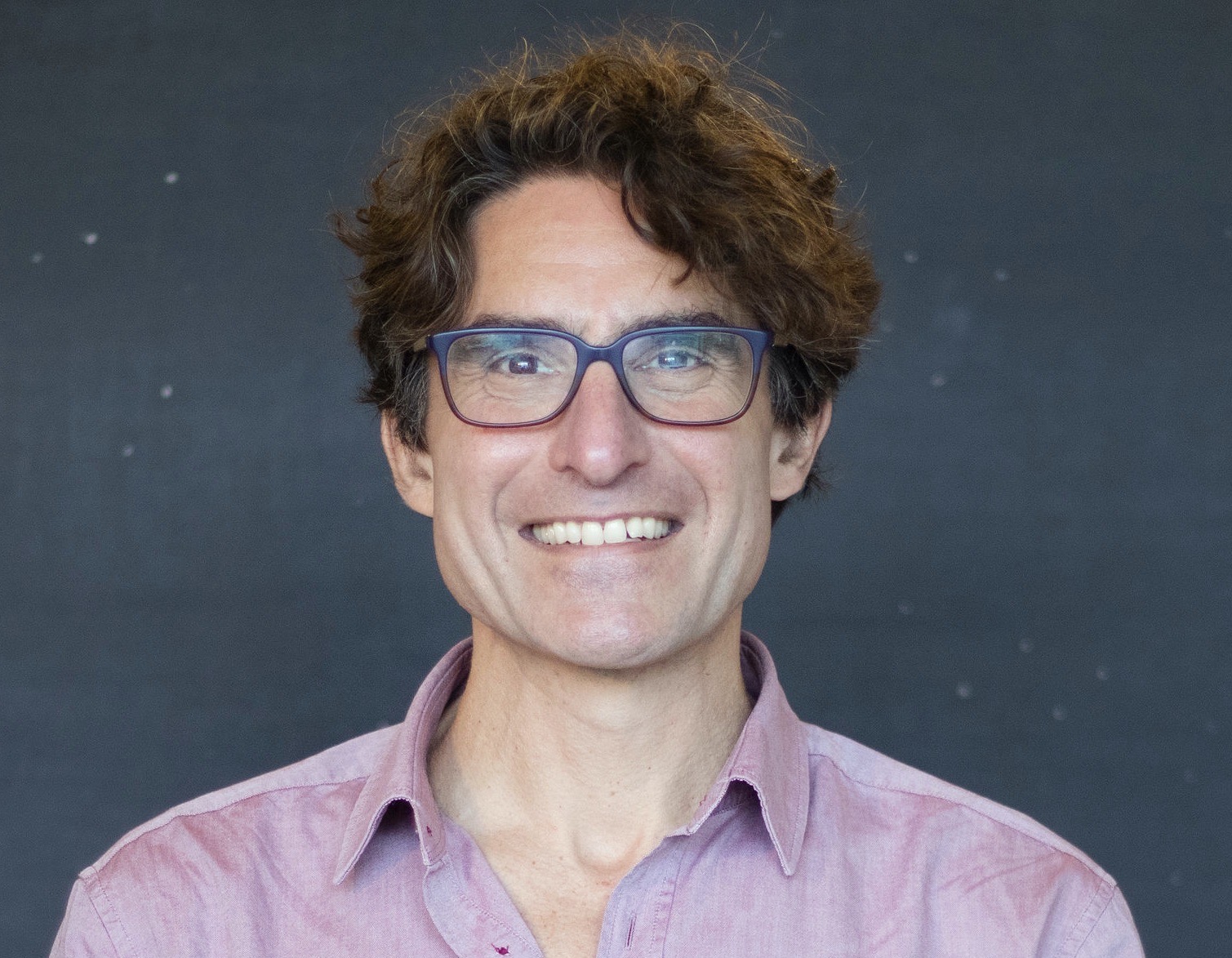
Nathan Taback is a Professor, Teaching Stream in the Department of Statistical Sciences at the University of Toronto. He currently serves as the Associate Chair, Undergraduate Programs (Statistics) and as a Special Advisor to the Dean of Arts and Science on Computational and Data Science Education. His work bridges statistics, data science, and interdisciplinary applications in medicine, public health, and education. His research interests focus on data science and statistics pedagogy , communicating data effectively , and the application of computational and data science methods across disciplines . He is particularly interested in educational interventions, experiential learning, and improving statistical literacy in the data science ecosystem. His work often involves collaborations with medical researchers in oncology, palliative care, and public health. The most recent publications reflect a strong trend in applied data science , particularly in healthcare and medical decision-making . Articles span topics such as machine learning for palliative care allocation, equity in sports analytics, reproducible research tools like multiverse, and educational nudges in statistics learning. His work consistently integrates statistical rigor with real-world impact, especially in clinical and educational settings. Founding member of Insecurity Insight Past-president of the Data Science and Analytics Section of the Statistical Society of Canada Nathan Taback has advised numerous students and collaborators in medical and data science research, particularly in oncology, palliative care, and public health. His projects often involve large-scale data analysis, educational interventions, and policy-relevant findings. While specific grant details are not listed, his extensive collaborative work suggests significant involvement in funded interdisciplinary research. He plays a key leadership role in shaping statistics and data science education at the University of Toronto. He is actively involved in academic and public service, including leadership in professional societies and contributions to global human security through data-driven analysis of violence against aid workers and refugees via Insecurity Insight.
David Broadhurst is Professor of Data Science & Biostatistics at Edith Cowan University's School of Science. With a background in Electronic Engineering, Medical Informatics, and Metabolomics, he has over 20 years of experience in systems biology, machine learning, and translational medicine. His career spans institutions including the University of Wales, University of Manchester, Cork University Maternity Hospital, and University of Alberta. His educational credentials include a PhD in Metabolic Profiling from Wales (1998), MSc in Medical Informatics from England (1993), and BEng in Electronic Engineering from England (1992). Research interests focus on integrative metabolomics and computational biology. Key themes include multi-omics data fusion, personalized population stratification through evolutionary computation, artificial neural networks for biomarker discovery, and data visualization techniques. Recent projects address precision medicine applications in pregnancy disorders, respiratory conditions, and critical care. The 15 most recent publications highlight metabolomic approaches to precision medicine, asthma phenotyping, probiotic therapy validation, and methodological advancements in LC-MS and NMR metabolomics. Articles emphasize interdisciplinary collaboration, clinical translation, and machine learning integration for multi-omic analysis. As Director of the International Metabolomics Society, he leads community initiatives for metabolomic epidemiology standards and quality assurance protocols. Supervision roles include PhD and Master's students in metabolomic profiling of gut microbiome and kidney disease biomarkers. Research funding encompasses grants for asthma prediction systems (2023-2025), prostate cancer microbiome studies (2018-2024), and infrastructure development for metabolic phenotyping. His work bridges computational methods with clinical applications across maternal health, respiratory disease, and critical care medicine.
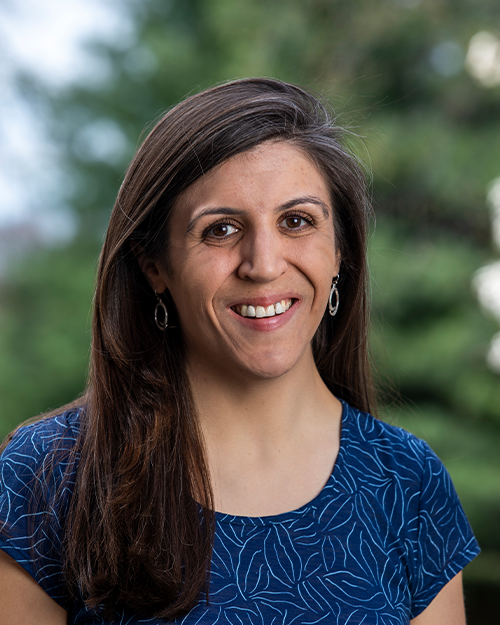
Prof. Dr. Jan-Dierk Grunwaldt is a Full Professor and Director at the Institute of Technical Chemistry and Polymer Chemistry , Faculty for Chemistry and Applied Biosciences, Karlsruhe Institute of Technology (KIT). His research focuses on heterogeneous catalysis , operando spectroscopy , in situ characterization using synchrotron radiation (PETRA III, ESRF, BESSY, etc.), and sustainable chemical processes like power-to-X and emission control. He has pioneered the use of HERFD-XAS , XES , and synchrotron-based tomography for catalyst analysis. A former Haldor Topsøe Chair at DTU and Privatdozent at ETH Zurich, he bridges industrial and academic catalysis research. Research Interests: Heterogeneous Catalysis : Methane oxidation, methanol synthesis, and CO₂ conversion. Operando Spectroscopy : Real-time tracking of catalyst structural changes using XANES, EXAFS, and X-ray tomography. Sustainable Chemistry : Power-to-X, chemical energy storage, and bio-derived monomers. Catalyst Preparation : Flame spray pyrolysis and single-atom catalysts. Scientific Awards : Recipient of the Dale Sayers Award (2006), Jochen Block Prize (2006), and Karl Winnacker Scholarship (2007). He also earned a Silver Medal at the 1988 International Chemistry Olympiad. Academic Leadership : Serves on international committees including the Photon Science Committee at DESY and Executive Board of GECATS . He co-developed standards for Electronic Laboratory Notebooks in photon/neutron communities.
Hongyu Zhang is a Lecturer in the Department of Earth, Geographic, and Climate Sciences at the University of Massachusetts Amherst, where he contributes to the Geographic Information Science and Technology (GIST) program. He is based at the Mount Ida Campus and is actively engaged in research and teaching at the intersection of geography, technology, and ethics. Education: PhD in Geography, McGill University, 2024 MSc in Geography, Western University, 2017 Bachelor of Environmental Studies (BES) in Geomatics, University of Waterloo, 2015 (with minor in Computer Science and Diploma of Excellence in GIS) Hongyu's research focuses on geoprivacy , GeoAI , and the ethical dimensions of spatial data . He investigates how individuals disclose location information on social media, particularly in Chinese digital environments like Weibo, using mixed methods to understand the sociotechnical dynamics of privacy. His work aims to promote responsible spatial data science by bridging GIScience with human behavior and digital ethics. His recent publications and open-source contributions reflect a strong trend in social media analysis , geoprivacy discourse , and computational ethics . He develops tools and datasets to analyze privacy-related language and behavior online, with a focus on Chinese platforms. His work also extends to GIS education , where he emphasizes project-based learning to improve student employability in geospatial fields. Scientific Contributions: Development of lexicons for analyzing geoprivacy in Chinese social media Creation of datasets on microblog content and user comments Open educational resources in data science and GIS Research on algorithmic price discrimination and digital surveillance Hongyu is committed to open science and student mentorship. While no formal list of advisees is available, his teaching and project-based approach suggest active engagement with students. He has no listed scientific awards, but his research output and GitHub activity indicate a growing scholarly presence in geospatial ethics and digital society. He maintains an active research website and GitHub profile, where he shares code, datasets, and educational materials, reflecting a transparent and collaborative research philosophy.
Ian Arawjo is an Assistant Professor at the Université de Montréal in the Department of Computer Science and Operations Research (DIRO), affiliated with Mila – Quebec AI Institute. He leads the Montreal HCI group, focusing on human-centered AI, prompt engineering, and LLM evaluation. His work bridges programming, AI, and HCI, emphasizing tools like ChainForge for visual prompt design. He holds a PhD from Cornell University in Information Science, advised by Tapan Parikh. Research interests include AI-driven tools for design, LLM evaluation methodologies, and multimodal programming interfaces. Notable projects include ChainForge, EvalGen for evaluation criteria generation, and disaster early warning systems funded by CRSNG and MITACS. His work has won awards at top conferences like CHI, CSCW, and UIST. Education: PhD in Information Science (Cornell University), MS/BS in Computation Arts and Computer Science (Concordia University). Active in teaching and mentoring, currently recruiting PhD students for HCI/AI research. Professional activities include conference organizing (e.g., Dynamic Abstractions workshop), industry collaborations, and open-source contributions.
Chelsea Andrews is a Research Assistant Professor at the Center for Engineering Education and Outreach (CEEO) at Tufts University. Her research focuses on students’ engagement in engineering design, particularly in K-8 education, emphasizing community-connected curricula and sociotechnical reasoning. She teaches undergraduate engineering courses and works with pre- and in-service K-12 teachers to develop effective instructional strategies. Education: PhD in Engineering Education, Tufts University (2017) MS in Civil & Environmental Engineering, MIT (2012) BS in Ocean Engineering, Texas A&M University (2008) Research Interests: Dr. Andrews investigates how students construct engineering knowledge through design failures, digital tools for engineering notebooks, and sociotechnical reasoning in K-16 education. Her work emphasizes equity, sustainability, and the integration of science and engineering in curricula. Recent efforts focus on revising curricula to enhance equity and incorporating computational modeling in teacher training. Publications: Her work spans topics like failure analysis in elementary design tasks, digital tools for disciplinary discourse, and teacher professional development strategies. Key themes include curriculum innovation, hands-on learning, and the role of failure in fostering creativity. Labs/Teams: Active in the CEEO, she collaborates on projects advancing engineering education through community partnerships and technology integration.
Juan Carlos Farah is a Researcher at the École Polytechnique Fédérale de Lausanne (EPFL), holding dual appointments in the Fondation Bertarelli Chair in Neuroprosthétique Cognitive (School of Life Sciences/SV) and the SCI-STI-DG group (School of Engineering/STI). His work bridges neuroscience, artificial intelligence, and educational technology, focusing on innovative applications of AI in learning environments and neuroprosthetics research. Research Interests: Farah’s research spans educational chatbot design, AI-enhanced learning analytics, neuroprosthetic systems, and the ethical integration of technology in education. He has pioneered frameworks for task-oriented conversational agents, blockchain-based learning trace repositories, and gamified computational thinking tools. Key Projects: He contributed to the Graasp Desktop initiative for underconnected African schools and developed the TRACE model for educational chatbots. His work on code review notebooks and bot-mediated software engineering education has influenced pedagogical practices globally. Awards & Recognition: No specific awards listed, but his publications reflect high-impact contributions to IEEE, ACM, and Elsevier journals/conferences. Active in global initiatives like UNESCO’s Unequal World Conference on education equity. Technical Expertise: Proficient in Python, JavaScript, and AI toolkits. Specializes in building scalable educational platforms, learning analytics pipelines, and neuroimaging analysis for cognitive studies.
Chandni U is a Researcher in the Department of Physics at the Indian Institute of Science, Bangalore. She earned her PhD from the same institution in 2012 and is an alumni of the IQIM postdoctoral program in physics. Her research focuses on fundamental properties of graphene, particularly electron movement and correlation effects in two-dimensional materials. PhD in Physics (2012), Indian Institute of Science, Bangalore Postdoctoral Scholar in Physics, IQIM (Caltech) Her research explores electron interactions in graphene, a material with exceptional electrical and mechanical properties. This work bridges quantum physics and nanotechnology, examining correlated electron phenomena in 2D systems. Outside research, Chandni actively participates in education initiatives for underprivileged children through programs like Notebook Drive and has contributed to lab-on-a-chip diagnostic projects funded by the Indian government and Bill & Melinda Gates Foundation. She also engages with Caltech OASIS, hikes, reads contemporary fiction, and enjoys cooking Indian and Italian cuisine.
Emmanuel BRUNO serves as a Lecturer at the University of Toulon (UTLN) and conducts research at LIS (UMR 7020) within the R2I team on the Toulon campus. His academic profile combines teaching excellence in software development with active research in data systems. His research focuses on data management and information retrieval systems, with current specialization in emotion and sentiment analysis. He investigates human-LLM interactions for solving complex problems in sensitive data management contexts. His technical expertise spans Java ecosystem development, collaborative application building using Agile methodologies, and continuous integration pipelines. Teaching materials developed by Dr. BRUNO include comprehensive notebooks on mobile development frameworks, particularly Android development with Kotlin and JetPack Compose. His course portfolio covers M1 S1 - Dev. OO Collab - Java+Git, M1 S2 - Advanced Dev. - JPA, REST, Containers, M2 S1 - Expert Dev. - Application Servers, PO43 - POO, PM44 - Mobile Dev, and LP-ECMN - Intro. Web. Devel. His research team at LIS (UMR 7020) focuses on practical implementations of data systems with emphasis on privacy-preserving techniques. The R2I team's work bridges theoretical research with industrial application requirements in data-sensitive domains.
Roland Tormey is a Senior Scientist and Head of Service at the Teaching Support Centre (CAPE) within the School of Humanities and Social Sciences (CDH-SHS) at EPFL. His work focuses on engineering education, with emphasis on diversity, equity, and the role of emotion in learning. He has co-authored Facilitating Experiential Learning in Higher Education (2021) and co-edited The Routledge International Handbook of Engineering Ethics Education (2025). Education Doctorate in Sociology, Trinity College Dublin (1999) Postgraduate Certificate in Environmental & Development Education, London South Bank University (2000) B.Sc. in Mathematics & Statistics, The Open University (2024) B.Soc.Sc. in Sociology & Social Administration, University College Dublin (1992) Roland's research spans emotional dynamics in engineering education , ethics pedagogy , and experiential learning . He explores how emotions influence team projects, ethical reasoning, and curriculum design. His work integrates sociology and educational science to address equity in STEM. Recent Publications analyze emotional labor in student teams, compassion in ethics cases, and learning analytics tools for Jupyter Notebooks. He has contributed to frameworks for ethical digital tool design and interdisciplinary sustainability education. Teaching Leadership includes courses like Ethics for Life Sciences Engineers and Science & Engineering Teaching & Learning . He manages EPFL's Teaching Support Centre, which develops pedagogical strategies for STEM educators.
Hari Sundaram is a Professor in the Computer Science Department at the University of Illinois at Urbana-Champaign with affiliate appointments in the Charles H. Sandage Department of Advertising, the Institute for Communication Research, and the Center for Social & Behavioral Science. His academic journey includes positions as Associate Professor at the University of Illinois (2014-2021) and Arizona State University (2002-2014), where he also served as Associate Director of the Arts, Media and Engineering program (2012-2009). Dr. Sundaram's educational background includes a Ph.D. in Electrical Engineering from Columbia University (2002), an M.S. in Electrical Engineering from Stony Brook University (1995), and a B.Tech in Electrical Engineering from the Indian Institute of Technology, Delhi (1993). His research, conducted through the Crowd Dynamics Lab, focuses on designing computational systems that empower individuals to make better decisions. His work spans Applied Machine Learning (particularly recommender systems), Network Science (studying how platform rules induce strategic behavior), Human-Computer Interaction (developing systems to elicit truthful preferences), and Mechanism Design (creating rules to incentivize pro-social behavior). His research has significant implications for understanding fairness and discrimination in online markets. Dr. Sundaram's work has been recognized with numerous awards including multiple Best Paper Awards from ACM CSCW (2023), Best Article Award from the Journal of Interactive Advertising (2020), ACM Distinguished Member (2019), IEEE Senior Member (2019), and several IBM Faculty Awards. He has also been consistently recognized for teaching excellence, receiving the "Teacher Ranked as Excellent" award multiple times. As leader of the Crowd Dynamics Lab, Dr. Sundaram oversees research that bridges computer science with social sciences, focusing on how computational systems can enhance human decision-making while addressing fairness concerns. His work has practical applications in online marketplaces, social media platforms, and educational technologies.
Dr. Monica Ionita-Scholz is a climate researcher at the Alfred Wegener Institute, Helmholtz Centre for Polar and Marine Research , specializing in paleoclimatology, climate dynamics, and extreme weather events. Her work bridges historical climate data analysis with modern machine learning techniques to understand European climate variability. Affiliation: Dynamics of the Paleoclimate Team, AWI Research Interests: Focuses on reconstructing climate indices using oxygen isotopes from tree rings and ice cores, analyzing drought and heatwave patterns, and modeling the impact of ocean-atmosphere interactions on European climate extremes. Key methodologies include statistical climate analysis, proxy data validation, and hybrid machine learning models. Scientific Contributions: Recent publications address Atlantic Meridional Overturning Circulation (AMOC) dynamics, drought risk in Eastern Europe, and extreme event attribution. She utilizes repositories like PANGAEA for data sharing and collaborates on Arctic climate projects. Infrastructure & Tools: Active in developing data workflows for climate modeling, including programmatic access to FAIR data and virtual environments like Jupyter Notebooks. Her work connects paleoclimate archives with contemporary climate risk management strategies.
Sriram Sankaranarayanan is a Professor in the Department of Computer Science at the University of Colorado Boulder and also serves as Associate Dean for Digital Education in the College of Engineering and Applied Science. Since joining the faculty in 2009, he has built an internationally recognized research program that blends programming languages, formal methods, and control theory to reason about cyber-physical systems. Education: Ph.D. in Computer Science, Stanford University, 2005 (advisers Zohar Manna & Henny Sipma) B.Tech., Indian Institute of Technology Kharagpur (President’s Gold Medal, 2000) Research Interests: Prof. Sankaranarayanan’s work centers on hybrid dynamical systems —models that capture discrete software interacting with continuous physical environments—and on developing formal-methods techniques for their verification, control, and synthesis. Specific themes include control-barrier & Lyapunov function synthesis, neural-network verification, stochastic-game models for human-autonomy interaction, and physics-informed machine learning. Application domains range from autonomous robotics and surgical-task planning to safety-critical medical devices such as the artificial pancreas. Recent Publication Trends (2024-2025): His latest papers advance safe control synthesis (successive control barrier functions, piecewise-affine Lyapunov functions) and trustworthy AI (Taylor-model enhanced physics-informed neural networks), while also exploring game-theoretic anticipation for robotic systems interacting with uncertain human operators. Honors & Awards: NSF CAREER Award (2009) Siebel Scholar (2005) President’s Gold Medal, IIT Kharagpur (2000) CU Boulder Dean’s Award for Outstanding Junior Faculty (2012) CU Boulder Outstanding Teaching Award (2014) CU Boulder Provost’s Faculty Achievement Award (2014) Coursera Outstanding Innovation Award (2022) Student Advising & Grants: He has mentored numerous PhD students; recent graduates include Dr. Emily Jensen, Dr. Monal Narasimhamurthy, and Dr. Kandai Watanabe (2024). His group regularly publishes at top venues such as HSCC, POPL, PLDI, CAV, and WAFR, supported by NSF, NIH, and industry grants. Group & Teaching: Prof. Sankaranarayanan leads activities within the Programming Languages & Verification group and teaches graduate and undergraduate courses on programming languages, algorithms, optimization, and formal methods. He is active in conference organization (e.g., PC Chair VMCAI 2025) and maintains open-source courseware and research notebooks on GitHub.
Dr. Mamta Amrute is an Associate Professor and Principal Investigator at the Institute of Molecular and Cell Physiology, Hannover Medical School (MHH), where she has led her research group since 2017. Her academic journey includes a PhD from MHH (2003-2006), postdoctoral research at MHH (2012-2016), and at the prestigious Medical Research Council-Laboratory of Molecular Biology in Cambridge, UK (2008-2011). Her research program focuses on single-molecule biophysics of molecular motor proteins , with particular emphasis on understanding how mutations in cardiac myosin lead to hypertrophic cardiomyopathy (HCM), a condition affecting approximately 1 in 200 individuals worldwide. The lab employs advanced techniques including Total Internal Reflection Fluorescence Microscopy, optical trapping, and zero-mode waveguides to investigate fundamental motor protein mechanisms. Analysis of recent publications reveals three major research trajectories: 1) Detailed characterization of cardiac and skeletal myosin isoforms at the single-molecule level, 2) Investigation of epigenetic regulation in muscle physiology and atrophy, and 3) Development of computational tools for biochemical research. This work has significant implications for understanding and potentially treating heart disease and muscle wasting conditions. Dr. Amrute's research is supported by multiple funding sources including the Deutsche Forschungsgemeinschaft (DFG), Fritz Thyssen Foundation, and MHH's early career research grant program (HilF). She supervises a diverse team of doctoral students and postdoctoral researchers, providing training in advanced biophysical techniques. The Amrute-Nayak Research Group maintains an extensive international collaboration network spanning institutions in the UK, USA, Japan, Italy, Sweden, and Australia, facilitating cross-disciplinary approaches to studying molecular motors and muscle diseases. Her work bridges fundamental biophysics with clinical applications in cardiology and muscle physiology.