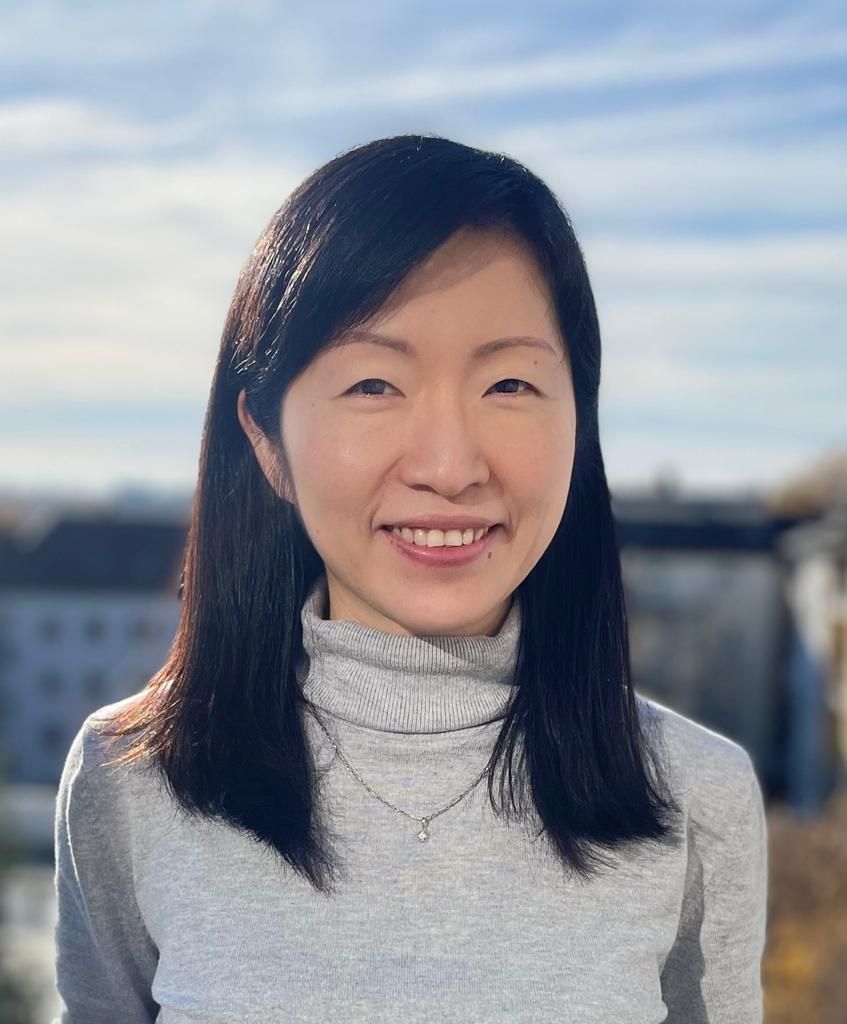
Ala Trusina is an Associate Professor at the Niels Bohr Institute , University of Copenhagen , specializing in Biocomplexity and Biophysics . Her research integrates coarse-grained modeling to study complex biological systems. Key Research Areas Stress Response Systems (diabetes, aging, cancer, inflammation) Stem Cell Differentiation (cell fate coordination, reversibility of states) Complex Systems (species coexistence, epidemics, CRISPR-phage interactions) Methodologies Theoretical: Agent-based modeling, in-silico simulations Experimental: Quantitative single-cell imaging, RNA/protein profiling Collaborations Joshua Brickman (ES cells), Anne Grapin-Botton (pancreas), Feroz Papa (diabetes), Else Kai Hoffman (p53 dynamics) Thomas Mandrup-Poulsen (inflammation), Savas Tay (spatio-temporal regulation) Teaching Physics of Molecular Diseases Numerical Methods in Physics
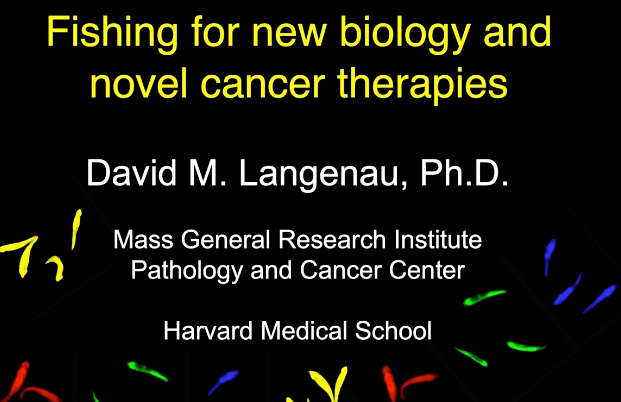
David M. Langenau is a Professor of Pathology at Harvard Medical School and Director of Research Education at Mass General Brigham Pathology . His work focuses on elucidating molecular mechanisms of relapse in pediatric sarcomas and leukemias using zebrafish models, human cell lines, and patient-derived xenografts. Institutional Affiliations : Harvard Medical School, Mass General Brigham, Krantz Family Center for Cancer Research, Harvard Stem Cell Institute Research Themes : Tumor relapse biology, cancer stem cells, oncogenic pathways, zebrafish avatars, drug discovery Langenau's research has identified novel combination therapies (e.g., Olaparib-Temozolomide for RMS) and uncovered evolutionarily conserved oncogenic drivers in T-ALL. His team's work bridges zebrafish genetics and clinical translation, including the first zebrafish-origin clinical trial for pediatric cancer. Selected Research Trends : Recent publications highlight single-cell transcriptomics in RMS, checkpoint pathways in immunotherapy, and PI3K-AKT-mTOR signaling in T-ALL. These studies integrate bioinformatics, functional assays, and clinical data. Grants and Collaborations : His laboratory receives over $19 million annually in research funding and collaborates with institutions like Dana-Farber Cancer Institute and MGH Pathology Service .
Dr. Yulia Nefedova is an Associate Professor in the Molecular and Cellular Oncogenesis Program at The Wistar Institute's Ellen and Ronald Caplan Cancer Center. She joined Wistar in 2013 as an assistant professor in the Tumor Microenvironment and Metastasis program, was promoted to associate professor in the Immunology, Microenvironment and Metastasis Program in 2017, and transitioned to her current position in the Molecular and Cellular Oncogenesis Program in 2024. Dr. Nefedova's research focuses on understanding molecular mechanisms by which the bone marrow microenvironment promotes tumor survival and progression, with particular emphasis on multiple myeloma. Her laboratory investigates how interactions between bone marrow neutrophils and multiple myeloma cells promote disease progression and chemoresistance, with specific interest in neutrophil extracellular traps (NETs) and the S100A9 protein. Analysis of her 15 most recent publications reveals a consistent focus on neutrophil biology within the tumor microenvironment, particularly their role in promoting cancer progression and therapy resistance. Her work spans immunology, cancer biology, and molecular oncology with increasing emphasis on therapeutic targeting of neutrophil-mediated processes. Dr. Nefedova's laboratory includes Research Assistant Melissa Haddadi and Lab Assistants Hsuan-Yu Lin and Hannah Lee. She maintains active collaborations with prominent researchers including Dr. Dmitry Gabrilovich, as evidenced by their frequent co-authorship.
Professor Pipsa Saharinen is a faculty member at the University of Helsinki, affiliated with the Department of Biochemistry and Developmental Biology within the Faculty of Medicine . Her research focuses on vascular biology, lymphatic system dynamics, and cancer therapy, particularly investigating mechanisms regulating endothelial cell behavior and vascular integrity. She holds grants from the Sigrid Jusélius Foundation, Cancer Foundation (Syöpäsäätiö), and the Academy of Finland, supporting projects like Biological Barrier Mechanics and Disease and Translational Cancer Medicine Program . Her work includes collaborations in the Helsinki In Vivo Animal Imaging Platform , enhancing translational research capabilities. Her scientific contributions span over 75 publications, emphasizing vascular mechanotransduction, lymphangiogenesis, and targeted therapies for metastatic cancers. Key findings include cytoskeletal regulation in lymphatic endothelium resilience and the protective role of Pim3 kinase in vascular barriers. Awards: Pfizer Scholar in Cancer Research (2001), Best Biomedical Thesis (2004) Supervised: Postdoctoral researchers (e.g., Anne Pink, Elina Kiss) and doctoral candidates in biomedical and integrative life sciences. Current research explores molecular mechanisms underlying vascular barrier function and metastasis, with clinical implications for cancer treatment and lymphatic disorders.
Dr. Michael G. Turner is a Professor and Chair in the Department of Criminal Justice and Criminology at the University of North Carolina at Charlotte. He holds a Ph.D. (2000) from the University of Cincinnati, along with M.S. (1994) and B.S. (1991) degrees from the same institution and Bowling Green State University. His research focuses on three core areas: testing criminological theories (particularly self-control development), analyzing campus-related risky behaviors (e.g., sexual victimization and binge drinking), and studying resiliency mechanisms against delinquency. Recent work includes a U.S. Department of Education grant for an intervention to reduce binge drinking on campuses. His scholarly contributions span over two decades, with a strong emphasis on longitudinal data analysis using the National Longitudinal Survey of Youth. Education: Ph.D. in Criminology, University of Cincinnati (2000) M.S. in Criminal Justice, University of Cincinnati (1994) B.S. in Psychology, Bowling Green State University (1991) Research Interests: Self-control theory: exploring developmental sources and life-course stability Rational Choice perspectives on cheating behaviors among college students Sexual victimization prevalence and intervention strategies on campuses Resiliency pathways influenced by racial/sex disparities in protective factors Grants and Interventions: U.S. Department of Education grant for binge drinking reduction programs Longitudinal studies funded via grants to analyze self-control and desistance Labs/Teams: No specific lab or team name mentioned, though his work involves collaborative research networks focused on criminological theory and applied interventions.
Dr. Lu Lin is an Assistant Professor in the Department of Neurology - Neurophysiology at Baylor College of Medicine. His primary clinical and research interests focus on epilepsy, women's health, critical care EEG monitoring, and drug-resistant epilepsy management. He holds certifications in Epilepsy, Clinical Neurophysiology, and Neurology from the American Board of Psychiatry and Neurology. Dr. Lin's educational background includes an MD from Peking University Health Science Center and a PhD from the University of Texas Southwestern Medical Center. His clinical training includes residencies at UT Southwestern and fellowships at Harvard Medical School affiliates in neurology and clinical neurophysiology. His research explores EEG abnormalities in critical care settings, mechanisms of drug-resistant epilepsy, and molecular aspects of genetic disorders like Rothmund-Thomson syndrome. Notable recent work includes studies on EEG biomarkers in severe neurological conditions and iPSC modeling of genetic diseases. Dr. Lin is an active member of professional organizations including the American Academy of Neurology and American Epilepsy Society. His work bridges clinical neurophysiology with translational research in genetic disorders and neurological complications of systemic illnesses.
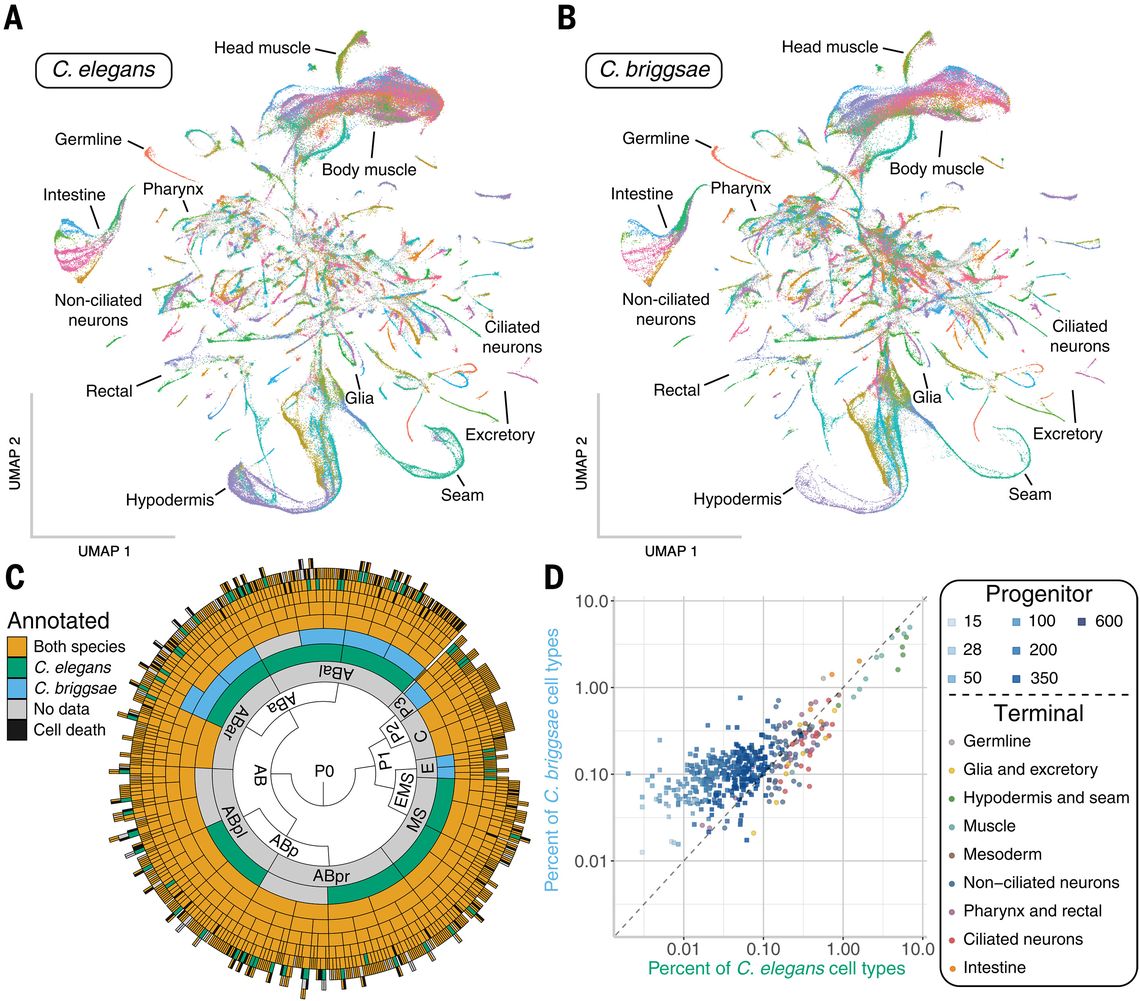
John Isaac Murray is a Professor of Genetics at the Perelman School of Medicine, University of Pennsylvania. His laboratory focuses on understanding how genomes orchestrate animal development at single cell resolution using the nematode worm Caenorhabditis elegans as a model organism. Dr. Murray's research integrates powerful imaging-based experiments with genomics and computational tools to determine gene expression patterns across entire embryos at single cell resolution. Dr. Murray received his B.S. in Civil Engineering with a minor in Biology from Carnegie Mellon University in 1999, followed by a Ph.D. in Genetics from Stanford University in 2004. He completed his post-graduate training as a Senior Fellow in Genome Sciences at the University of Washington from 2003 to 2009, working in the laboratory of Robert Waterston. Dr. Murray's research interests span developmental biology, genomics, and gene regulation. His laboratory has developed innovative lineage tracing methods that allow quantitative determination of gene expression at single cell and approximately 1-minute temporal resolution for essentially all embryonic cells. Current research focuses on three main areas: (1) improved technology for lineage tracing and expression mapping in developing embryos, (2) mechanisms ensuring robust development across environmental conditions, and (3) defining mechanisms of context specificity in developmental gene regulation. His work has revealed how transcription factors and signaling pathways regulate developmental gene expression, with implications for understanding cancer and other human diseases. Dr. Murray's laboratory has produced significant publications in high-impact journals including Science, Genome Research, and Genetics. His recent work has focused on single-cell resolution analysis of embryonic gene expression evolution, mRNA decay dynamics in developing embryos, and comprehensive mechanisms of lineage specification in C. elegans . His research employs cutting-edge techniques including live-cell imaging, single-cell RNA sequencing, and computational analysis to build comprehensive molecular atlases of embryonic development across multiple species. Large CRL, et al. (2025). Lineage-resolved analysis of embryonic gene expression evolution in C. elegans and C. briggsae. Science. Peng F & Murray JI (2024). A spatiotemporally resolved atlas of mRNA decay in the C. elegans embryo. Genome Research. Liu J & Murray JI (2023). Mechanisms of lineage specification in Caenorhabditis elegans. Genetics. Dr. Murray has mentored numerous students and postdoctoral fellows who have gone on to successful careers, including Dr. Felicia Peng who recently completed her PhD in his laboratory, Dr. Priya Sivaramakrishnan who now leads her own laboratory at the Children's Hospital of Philadelphia, and Dr. Amanda Zacharias who is an Assistant Professor at Cincinnati Children's Hospital Medical Center. His laboratory is affiliated with several graduate programs at Penn including Biomedical Graduate Studies, Cell and Molecular Biology, Genomics and Computational Biology, Biochemistry and Molecular Biophysics, and Bioengineering. The Murray laboratory maintains active collaborations with other research groups and has contributed to studies on chromatin regulation, neuronal development, and cuticle formation in C. elegans . Dr. Murray's work continues to advance our understanding of how genomes control the complex process of animal development at unprecedented resolution.
Dr. Nadia Ameen is a Professor of Pediatrics (Gastroenterology) and Cellular and Molecular Physiology at Yale University School of Medicine. As an NIH-funded physician-scientist with over two decades of laboratory leadership, she investigates mechanisms of diarrheal diseases with focus on CFTR chloride channel regulation in genetic and non-genetic intestinal disorders including Cystic Fibrosis. Her research spans trafficking mechanisms, kinase signaling pathways, and translational applications for drug therapies like Linaclotide and Lubiprostone. MBBS from University of West Indies (1985) Her research program combines: CFTR trafficking regulation Microvillus Inclusion Disease (MVID) pathogenesis SGK1 kinase signaling effects Neuropod cell biology Translational organoid models Pediatric gut health promotion Key contributions include: Discovery of CFTR trafficking mechanisms Identification of BEST4+ neuropod cells Development of humanized mouse models Elucidation of stress-induced signaling pathways Advancement of nutritional interventions for children Scientific recognition includes the 2020 NASPGHAN Award for Study of Disorders Associated with Carbohydrate Malabsorption. She leads the Ameen Lab at The Anlyan Center (300 Cedar Street, New Haven) and participates in the Discovery to Cure Internship program.
Dr. Phyllis Fung-Yi Cheung is a researcher at the German Cancer Consortium (DKTK), Partner Site Essen/Düsseldorf, affiliated with University Hospital Essen. Her work focuses on spatiotemporal tumor heterogeneity and therapy-induced dynamics in the tumor microenvironment (TME), particularly in solid cancers like pancreatic and hepatocellular carcinoma. Research Interests : Therapy-induced dynamics in tumor microenvironment Spatial multi-omic analysis of cancer-associated fibroblasts Translational applications for drug resistance in solid tumors Publication Trends : Her research spans drug resistance mechanisms, cancer immunology, and TME interactions. Key areas include pancreatic cancer, hepatocellular carcinoma, fibroblast activation, and immune evasion strategies using progranulin and MHCI regulation. Scientific Awards : AIO Science Award 2022 Labs & Collaborations : Leads the DKTK research group on spatiotemporal tumor heterogeneity, collaborating across institutions to integrate dynamic and spatial heterogeneity studies for precision oncology.
Gürkan Bebek is an Assistant Professor at Case Western Reserve University with cross-departmental affiliations: Department of Nutrition, School of Medicine Center for Proteomics and Bioinformatics, School of Medicine Department of Computer and Data Sciences, Case School of Engineering Gürkan Bebek specializes in bioinformatics analysis of complex biological networks, focusing on precision medicine for cancer and systems biology of Alzheimer's disease. His research explores Shared mechanisms in COPD and lung cancer Causal regulatory network inference Functional subgraph mining in cancer Proteomic differences in Alzheimer's progression Notch signaling in glioma stem cells as reflected in his publications spanning 2007-2025. Key collaborative networks include Alzheimer's disease proteomics with Miyagi Lab Glioblastoma research with Yu/Man/Bao teams Breast cancer metastasis studies with Keri Lab Network biology methodologies with Chance/Koyutürk groups
Professor Leonie Young holds a Professorship in the Department of Surgery at the Royal College of Surgeons in Ireland (RCSI), based at York House in Dublin. Her academic career includes roles as Associate Professor (2011–2018) and Professor (2018–present). Her research focuses on uncovering mechanisms of endocrine therapy resistance in breast cancer, particularly involving Steroid Receptor Coactivator (SRC) proteins and metastasis to the brain. She leads the Endocrine Oncology Research Group, leveraging primary patient-derived cell cultures and clinical datasets to identify predictive markers and therapeutic targets. Research Interests: Prof. Young’s work spans breast cancer biology, endocrine resistance, translational oncology, and targeted therapies for metastatic disease. Her group employs high-throughput methods, molecular modeling, and spatial genomics to study SRC-mediated resistance pathways. Current projects include the GeTTMet initiative addressing brain metastasis through genomic adaptations. Grants & Collaborations: She has secured funding from institutions like Science Foundation Ireland, Breast Cancer Ireland, and the EU. Notable grants include the GeTTMet program (2024–2028) targeting brain metastasis via genomic approaches. Her lab collaborates on projects like the OECI Comprehensive Cancer Centre and AICRIstart precision medicine initiatives. Labs & Teams: Leads the Endocrine Oncology Research Group at RCSI, focusing on translational research to bridge molecular insights with clinical applications. The group investigates nuclear receptor interactions, tumor heterogeneity, and novel therapeutic strategies.
Valerie Kouskoff is a Reader in the Division of Developmental Biology and Medicine at the University of Manchester, UK (2016–present). Previously, she held roles including Group Leader at the CRUK Manchester Institute (2003–2016) and Assistant Professor at Mount Sinai School of Medicine, New York (2002–2003). She earned her PhD from Louis Pasteur University, Strasbourg, France (1988–1994). Her research focuses on understanding hematopoietic stem cell (HSC) development during embryogenesis, particularly the endothelial-to-hematopoietic transition and genetic/epigenetic mechanisms regulating blood cell specification. Key areas include the role of transcription factors (RUNX1, SOX7, GFI1), hemogenic endothelium differentiation, and therapeutic applications of stem cell engineering. Her work contributes to UN Sustainable Development Goals related to health and regenerative medicine. Recent articles highlight advancements in AML treatment via KAT6A inhibitors, CD82’s role in blood specification, and SOX7-dependent lymphatic patterning. Collaborations span institutions like the Manchester Regenerative Medicine Network and Christabel Pankhurst Institute. She has supervised 8 research projects and published over 100 peer-reviewed articles. Her studies explore genomic instability in cancer, reprogramming fibroblasts to hematopoietic cells, and the interplay between vascular and blood development.
Dr. Arnaud Augert is an Assistant Professor in the Department of Pathology at Yale School of Medicine, with a primary affiliation in the Genomics program. He leads the Augert Lab, focusing on dissecting transcriptional and epigenetic mechanisms in cancer, particularly small cell lung cancer (SCLC). His research integrates cell biology, genetics, and molecular biology to identify novel therapeutic strategies. Education: Dr. Augert holds a PhD in Molecular & Cellular Biology from the Pasteur Institute/Université de Sciences et Techniques de Lille (USTL), an MPhil in Cellular Biology & Physiology from USTL, and a BS in Cellular Biology from the University of Valencia. Research Interests: Dr. Augert’s work centers on understanding tumor suppressor networks, SCLC pathogenesis, and therapeutic targets such as MAX, NOTCH, and epigenetic regulators. His lab explores mechanisms of transcriptional addiction, metabolic rewiring, and cellular senescence in cancer progression. Publications: His research has been featured in top journals like Cancer Cell , Cancer Discovery , and Science Signaling , highlighting breakthroughs in SCLC biology and therapeutic approaches. Recent work includes studies on MAX inactivation, NOTCH inhibition, and epigenetic drivers of cancer. Scientific Awards: ATIP-AVENIR program UALC/LCRF grant Yale Cancer Center K12 Calabresi Immuno-Oncology Training Program Advising & Mentorship: Dr. Augert has mentored numerous trainees, including undergraduates, graduate students, and postdoctoral fellows. Current lab members include Yale BBS graduate students (Danny Gallant, Mileena Nguyen) and postdoctoral researchers (Bomiao Hu, Aoqun Song). Lab Activities: The Augert Lab is part of Yale Cancer Center and collaborates with interdisciplinary teams in Computational Biology, Molecular Medicine, and Pharmacology. They aim to bridge basic science discoveries with translational oncology.
Mette Nyegaard is a Professor in the Department of Health Science and Technology at Aalborg University, within The Faculty of Medicine. Her research focuses on genetics and genomics, with over 25 years of expertise linking genetic variation to phenotypes in both rare and common complex diseases. She has a strong interest in gender medicine and women’s reproductive health, particularly leading Denmark’s contribution to the largest genome-wide association analysis of endometriosis. Nyegaard has held external positions, including Associate Professor roles at Aarhus University and Senior Scientist at Aarhus University Hospital. Education: PhD in Human Genetics, University of Southern Denmark (2003) MSc in Chemistry-Biotechnology, Aarhus University (1997) Research Interests: Nyegaard’s work spans genetics, genomics, GWAS, endometriosis, coronary artery disease, and personalized medicine. Her research emphasizes translating genetic insights into clinical applications, such as polygenic risk scores and biomarker development. She collaborates internationally, with projects addressing calmodulinopathies, cardiovascular genetics, and reproductive health. Projects & Grants: Lead PI on projects like 'Understanding the Genetic Architecture of Common Complex Diseases' and 'FEMaLe: Finding Endometriosis Using Machine Learning.' Co-Investigator in studies like 'The Deadly, the Deleterious, and the Dangerous – Decoding the Differential Pathogenicity among CALM1, CALM2, and CALM3.' Labs/Teams: Nyegaard’s work is part of interdisciplinary teams at Aalborg University and collaborating institutions, focusing on genomic medicine, endometriosis, and cardiovascular genomics. She contributes to initiatives like Neuroboost and the International Calmodulinopathy Registry.
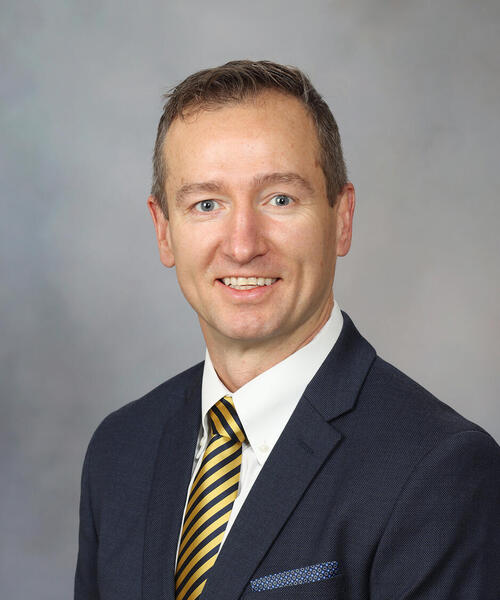
Eric W. Klee, Ph.D., is a Professor of Biomedical Informatics at Mayo Clinic, leading translational research in omics data integration and precision medicine. He holds key roles including Scientific Director of Research Data and Digital Innovation, Enterprise Co-Leader of Cancer Informatics & Data Science at the Mayo Clinic Comprehensive Cancer Center, and Director of Digital Omics in the Center for Individualized Medicine. His work focuses on rare disease diagnosis, genomic data infrastructure, and machine learning applications in healthcare. Education: Ph.D. in Health Informatics, University of Minnesota MS in Health Informatics, University of Minnesota BS in Electrical Engineering, Iowa State University Research Interests: Dr. Klee’s research integrates multi-omics profiling, AI-driven analytics, and cloud-based platforms to advance diagnostics and treatment for rare genetic disorders. He leads initiatives like RADIaNT (RNA sequencing for rare diseases), SAVI (automated variant interpretation), and RENEW (continuous genomic data reanalysis). His work bridges lab discoveries with clinical practice, emphasizing precision medicine and scalable genomic solutions. Publications Trends: His recent work highlights RNA-based diagnostics, AI in variant prioritization, and infrastructure for population-level genomic screening. Key areas include drug repositioning for tobacco dependence and molecular mechanisms of Mendelian diseases. Awards: Research Award from the Minnesota Partnership for Biotechnology and Medical Genomics (2023) Advising & Grants: Leads the Mayo Clinic’s Digital Omics initiative and co-leads cancer informatics efforts. His lab collaborates on NIH-funded studies and industry partnerships to translate genomic insights into clinical tools. Labs/Teams: Directs the Advanced Diagnostics Laboratory’s bioinformatics team and chairs the Undiagnosed Diseases Network International board, fostering global rare disease research collaboration.