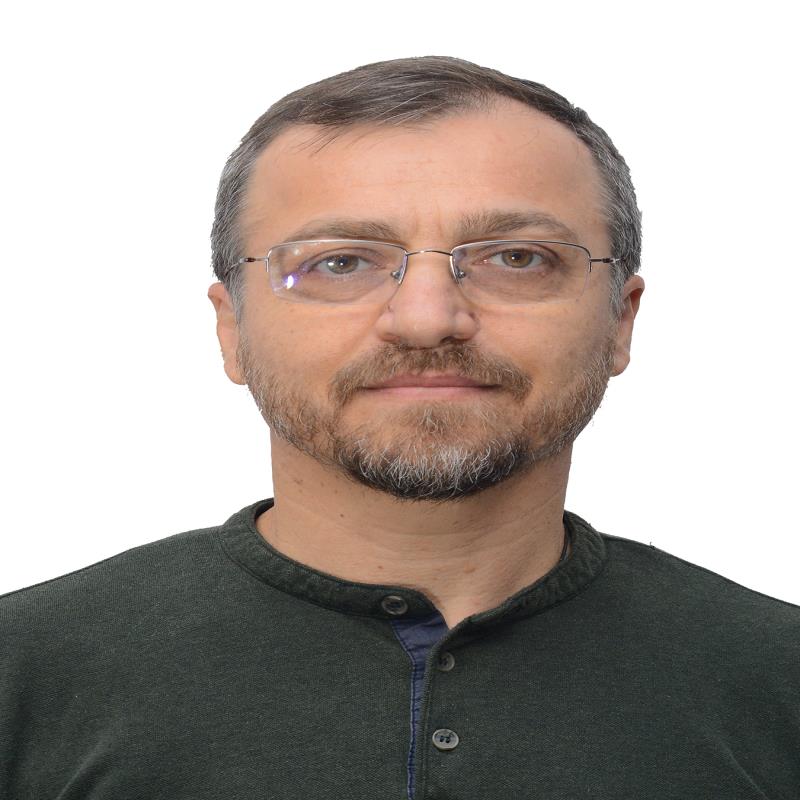
Wei WuView profile
Professor
Wei Wu is a Professor in the Department of Psychology at Indiana University, specializing in quantitative methodology for psychological research. His work bridges clinical applications with advanced statistical techniques, particularly in longitudinal study designs. His academic credentials include: Ph.D. in Quantitative Psychology from Arizona State University (2008) M.S. in Personality Psychology from East China Normal University (2003) B.Ed. in Special Education from East China Normal University (1997) Professor Wu's research focuses on developing and refining statistical methods for psychological inquiry, with emphasis on missing data handling, growth curve modeling, and model fit evaluation. His clinical psychology background informs applications in educational and developmental contexts, particularly regarding grade retention effects. Methodological rigor defines his contributions, advancing best practices for longitudinal data analysis in social sciences. Analysis of his publication record reveals consistent innovation in missing data techniques and experimental design optimization. His work demonstrates increasing sophistication in planned missing data approaches, with growing emphasis on computational efficiency and real-world applicability across psychology subfields. Recent publications integrate SEM and multilevel frameworks to solve complex modeling challenges. Professor Wu has secured substantial research funding through competitive grants: NSF grant ($422,900, 2011-2016) as PI for planned missing data designs in longitudinal research NIH grant ($1.7M, 2010-2014) as Statistical Consultant for resilience determinants study PCORI grant ($1.5M, 2013-2016) as Statistical Consultant for burnout impact research New Faculty General Fund ($8,000, 2010-2013) for model fit evaluation methods NICHD grant (2004-2008) as Research Assistant for grade retention study He actively mentors graduate researchers, with documented advisees including A. I. Carroll, P-Y. Chen, F. Jia, R. Kinai, F. Gu, P. R. Miller, and P. Pornprasermanit across multiple publications. While no formal lab structure is specified, his extensive grant collaborations indicate active participation in interdisciplinary research networks focused on methodological advancement.