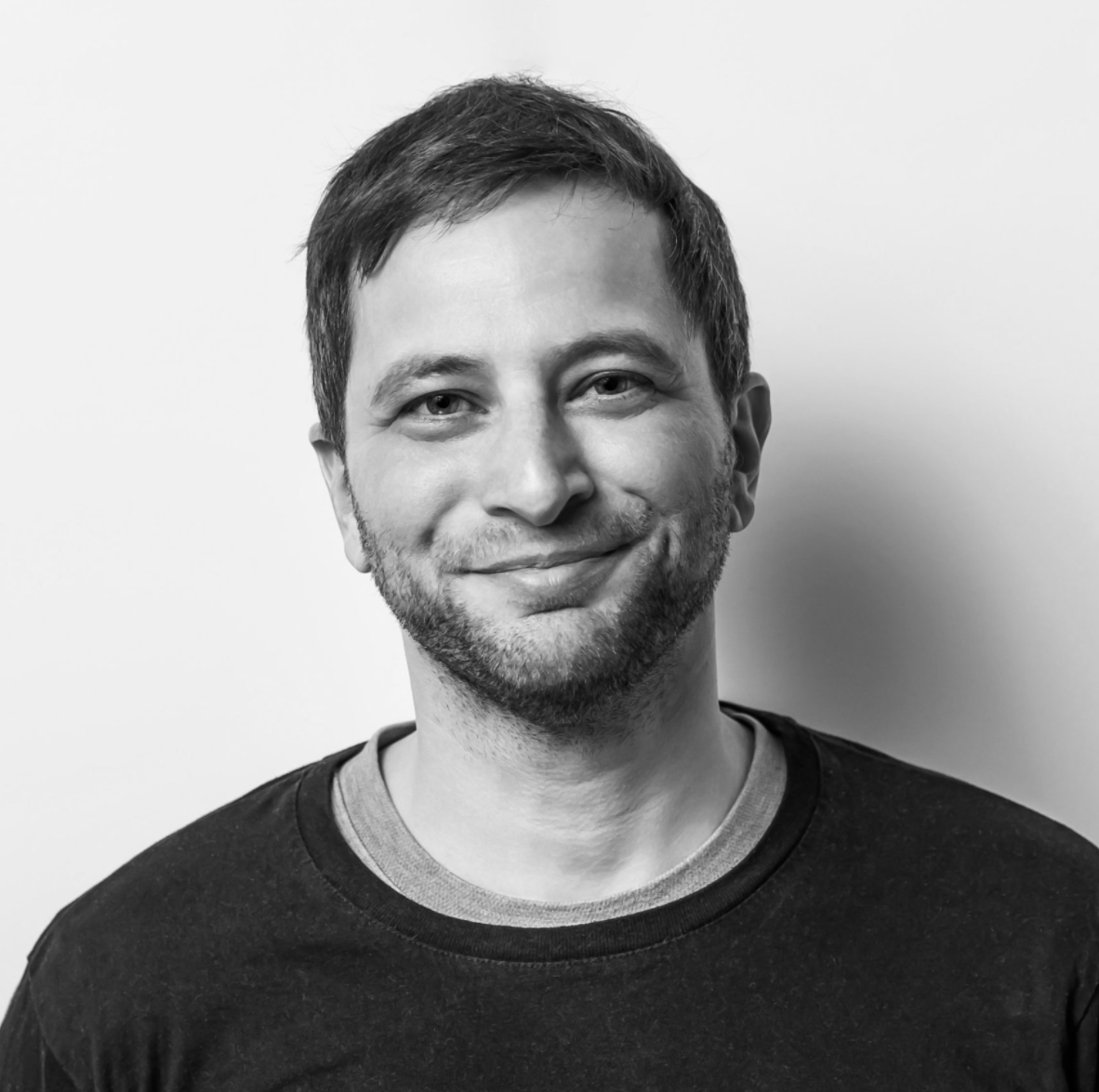
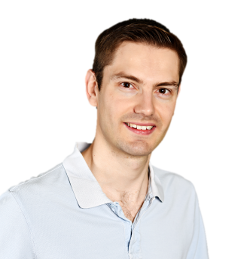
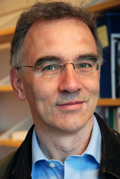
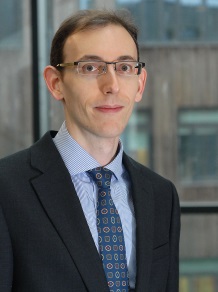
Ilkka Ahola-Luttila works as a Lecturer at the University of Helsinki , affiliated with the Faculty of Education . He serves at Helsinki Normal Lyceum Middle School and Upper Secondary School , where he holds multiple roles including Vice Principal and Teaching Practice Supervisor. Primary role: Lecturer in Mother Tongue and Literature Administrative role: Vice Principal Supervisory role: Teaching Practice Supervisor His professional focus lies in language education and pedagogical development, with particular emphasis on Finnish language instruction and teacher training frameworks.
Prof. Dr. Alan Akbik is a Professor at the Humboldt University of Berlin , leading the Chair of Machine Learning within the Institute of Computer Science . His research focuses on Natural Language Processing (NLP) and the development of open-source tools like Flair NLP . Research Interests: LLM architecture, knowledge distillation, zero-shot evaluation, named entity recognition, synthetic data analysis, and model robustness. Articles Trends: Recent work spans NLP tasks (entity disambiguation, fact learning), LLM applications (code generation for 3D geometry), and benchmarking tools (MastermindEval, LM-Pub-Quiz). Grants: Funded by BMBF for industry collaboration, EXIST startup grant for FactorizeBio , and IBB Forschungstransfer project. Lab Members: New PhD student Piet Wagner (2025) and researcher Pieter Delobelle (2024), focusing on German/Dutch LLMs.
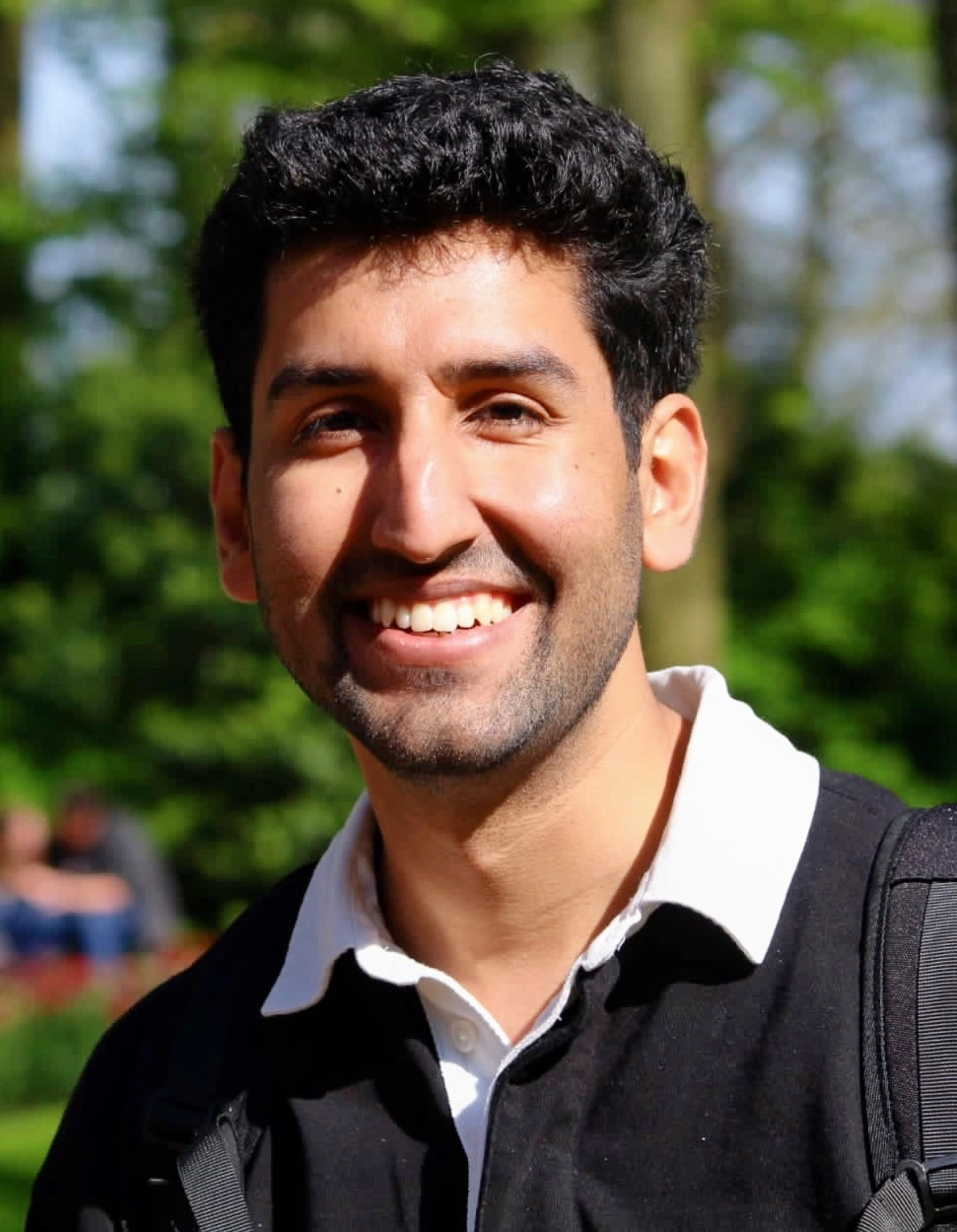
Ujjwal Sharma is a Post-Doctoral Researcher at the University of Amsterdam , working at the Research Center for Sustainable Investments and Insurance (a joint center with ASR Nederland). His research focuses on building AI systems for business applications, particularly analyzing abstract themes in large-scale multimodal data. Key Contributions: Co-created Exquisitor, a visual search system for millions of images/videos; developed AI techniques for analyzing restaurant review images and corporate sustainability messaging. Research Interests: His work spans artificial intelligence, business analytics, and multimodal data analysis. He specializes in end-to-end AI pipelines from data wrangling to production deployment. Notable Projects: drone-recon: 3D model reconstruction from monocular images nlp-mm: Image captioning using recurrent units generative_models: Implementation of Naive Bayes and VAE for MNIST dataset Technical Expertise: TensorFlow, Python, C++, GPU/OpenMP programming, VAEs, multimodal systems, and production-scale deployments.
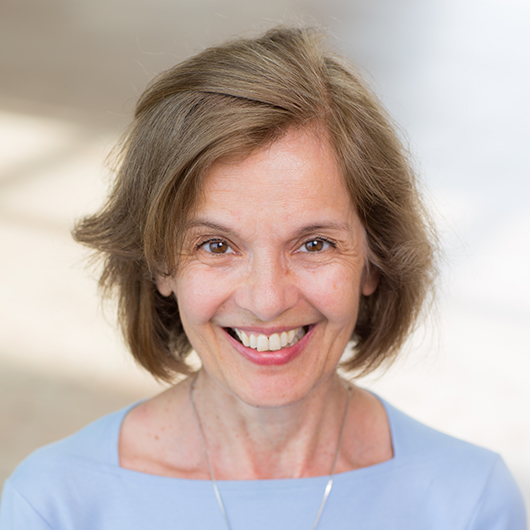
Şaziye Betül Özateş is an Assistant Professor at the Institute for Data Science and Artificial Intelligence at Boğaziçi University, specializing in Natural Language Processing (NLP) and Machine Learning. She holds a BSc, MSc, and PhD in Computer Engineering from Boğaziçi University, where she was advised by Dr. Arzucan Özgür and Dr. Tunga Güngör. Previously, she was a researcher at the University of Stuttgart’s Institute of Natural Language Processing and a post-doctoral fellow at KUIS AI Center focusing on procedural language learning from natural instructions. Her research interests include natural language processing, computational linguistics, syntactic analysis, and deep learning. She has developed several influential resources, including the BOUN Treebank (9,761 syntactically annotated Turkish sentences), IMST Treebank, and PUD Treebank. Her tools such as BOUN-Pars (a Turkish dependency parser) and the semi-supervised deep dependency parser support morphological and dependency analysis for agglutinative and code-switched languages. Her recent work focuses on historical Turkish NLP, Ottoman Turkish corpus construction, and multilingual BERT-based dependency parsing. She has contributed to code-switching NLP, semi-supervised learning techniques, and sentence similarity kernels for summarization. Her publications span 2016–2025, emphasizing treebanking, parsing optimization, and low-resource language challenges. Key projects include the NakbaTR dataset for Turkish NER, Arabic calligraphy text extraction, and dementia caregiver detection via social media analysis. Her work bridges theoretical linguistics with practical tools, making Turkish NLP resources accessible for global research.
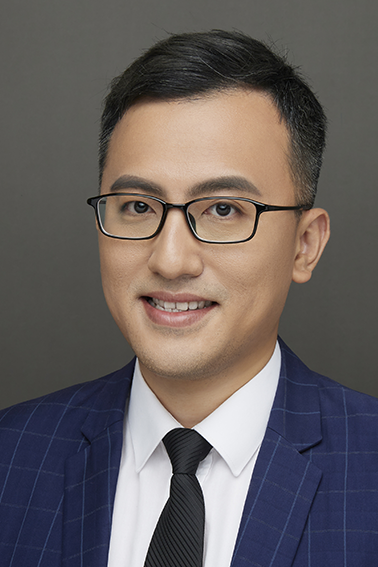
Dr. Chi-Ning Chang is an Assistant Professor in the Department of Foundations of Education at Virginia Commonwealth University (VCU), specializing in quantitative methods, mentoring in higher education, and STEM education. He holds a Ph.D. in Educational Psychology from Texas A&M University, an M.Ed. in Sociology of Education from National Taiwan Normal University, and a B.Ed. in Curriculum and Instruction from National Pingtung University of Education. His research focuses on multilevel structural equation modeling, pandemic impact analysis, and STEM graduate education. Notable projects include leading the NSF-funded Electronic Mentoring to Address Challenges in Engineering Graduate Programs During the COVID-19 Pandemic (NSF-DGE-2031069). Dr. Chang has received awards such as the Distinguished Honor Graduate Award (2020) and Emerging Scholar Award (2015) from Texas A&M University. His work spans over 50 peer-reviewed articles, addressing topics like mentoring support in STEM, telemedicine barriers, and pediatric healthcare outcomes.
Marieke Kuijjer is a Group Leader at the Norwegian Centre for Molecular Bioscience and Medicine, University of Oslo, leading the Computational Biology and Systems Medicine Group. Her academic focus spans gene regulatory networks, cancer genomics, bioinformatics, and systems medicine. She holds a PhD from Leiden University Medical Center (2013) and postdoctoral experience at Harvard and Dana-Farber Cancer Institute (2013–2018). Her research integrates multi-omics data to predict cancer outcomes and develops computational tools for gene network analysis. Key awards include the Charles A. King Postdoctoral Fellowship and National Cancer Institute grants. She has authored over 50 peer-reviewed articles, emphasizing tumor microenvironment dynamics, sarcoma genomics, and machine learning in immunology. Her work bridges computational methods with clinical applications, such as creating digital twins for cancer patients and improving bioinformatics software quality through collaboration. Current initiatives include studying osteosarcoma progression through longitudinal genomic analysis and leveraging single-cell transcriptomics for population-level gene regulatory insights. She collaborates internationally, including in the Fight Osteosarcoma and Euro Ewing consortia, advancing sample collection standards for rare cancers.
Dr Jennifer Mankin (she/they) serves as Senior Lecturer in Psychology at the University of Sussex's School of Psychology. She also holds the position of Deputy Director of Student Experience for Accessibility (DDoSE-A), where she advocates for accessibility provisions and reduces administrative burdens for students with disabilities. Education: PhD in Psychology, University of Sussex (2014-2017) Master's in Psychology of Language, University of Edinburgh (2013) Undergraduate major in Linguistics, Western Washington University Dr Mankin's research focuses on the processing and storage of words, primarily investigated through the color responses of individuals with grapheme-color synaesthesia for letters and words. Her work bridges cognitive psychology, linguistics, and perception studies, with particular emphasis on how synaesthetic experiences can illuminate normal language processing mechanisms. She has published multiple peer-reviewed articles exploring letter-word associations, compound word processing, and the theoretical implications of synaesthesia for linguistic theory. Her scholarly contributions demonstrate consistent focus on synaesthesia as a window into cognitive processing, with publications spanning cognitive neuroscience, psycholinguistics, and perceptual psychology. The publications reveal increasing sophistication in methodology and theoretical framing over time, with recent work calling for reform in how language is understood through synaesthetic experiences. As an educator, Dr Mankin has significantly contributed to curriculum development and teaching in research methods and statistics. She has co-created and led core modules including 'Discovering Statistics' (2016-2023) and 'Analysing Data' (2019-present), with a focus on helping students develop critical thinking and problem-solving skills. She has also developed publicly available R training materials for faculty at r-training.netlify.app and maintains student drop-in sessions through calendly.com/dr-mankin. Dr Mankin actively participates in university governance as a member of the Academic Advisory Group for Sussex and the Academic Advisory Group for APP Evaluations (since November 2023), demonstrating ongoing institutional engagement beyond her teaching and research responsibilities.
Rob van der Goot is an Associate Professor in Data Science at the IT University of Copenhagen. His affiliations include the NLPnorth group and the Pattern Recognition Revisited lab . His research focuses on Natural Language Processing (NLP), with emphasis on language modeling, lexical normalization, and computational job market analysis. Key contributions include the development of the EEVEE annotation tool, studies on language model biases, and cross-lingual parsing techniques. He has received prestigious awards such as the Best Paper Award at W-NUT 2022 and the Outstanding Paper Award at EACL 2021 . His work spans projects like the Pioneer Centre for Artificial Intelligence (funded by the Danish National Research Foundation) and Multi-Task Sequence Labeling Under Adverse Conditions (funded by Amazon). His research also intersects with societal impacts, addressing bias in AI systems and improving NLP tools for under-resourced languages. Media engagements include discussions on AI adoption in Danish municipalities and business applications. His publications (48+) span topics from domain adaptation to large language model evaluation, emphasizing practical NLP solutions and reproducible research practices.
Mireille Babineau is a part-time Assistant Professor, Teaching Stream in the Department of Psychology at the University of Toronto (St. George campus). She holds a Ph.D. and Psy.D. from the Université du Québec à Montréal (2016) and completed postdoctoral research at the École Normale Supérieure in Paris under Anne Christophe, supported by a Marie Skłodowska-Curie fellowship. Her research focuses on early language acquisition mechanisms, particularly how children learn novel words through syntactic and prosodic cues. She also practices as a child psychologist at Possibilities Clinic, specializing in neurodevelopmental disorders and early childhood. Education: Ph.D./Psy.D., Université du Québec à Montréal (2016) Postdoctoral Fellowship, École Normale Supérieure (Paris, 2016–2020) Undergraduate Degree, Université de Moncton (Psychology) Research Interests: Language acquisition, bilingualism's impact on cognitive development, syntactic bootstrapping, prosody's role in word learning, and neurodevelopmental disorders in early childhood. Awards: Marie Skłodowska-Curie Individual Fellowship (EU, 2018–2020) Fyssen Foundation Postdoctoral Grant (2016) SSHRC Insight Development Grant (current funding) Grants & Projects: Leads the SASC project (ERC Horizon 2020-funded), investigating synergies between syntactic and semantic acquisition. Collaborates on the ManyBabies 5 project, a large-scale study on infant cognition. Labs/Teams: Directs the Babineau Lab at U of T (collaborating with institutions in Paris, Vancouver, and Toronto), focusing on language acquisition and neurodevelopmental research. Lab members include undergraduates and graduate students working on bilingualism, moral development, and speech impairments.
Chandra Kambhamettu is a Professor in the Department of Computer and Information Sciences at the University of Delaware, and Director of the Video/Image Modeling and Synthesis (VIMS) Lab. His research focuses on computer vision, robotics, and autonomous systems with applications in biomedical imaging, remote sensing, and multimedia analysis. Education: PhD in Computer Science and Engineering from the University of South Florida (1991-1994), M.S. in Computer Science and Engineering from the same institution (1989-1991), and B.S. from Osmania University (1985-1989). Research Themes: His work spans salient object detection, 3D point cloud analysis, thermal imaging, and biomedical applications such as sickle cell retinopathy detection. Recent projects include deep learning frameworks for SAR imagery analysis, autonomous systems for polar environments, and medical image segmentation. Publications: Recent articles emphasize advancements in neural network architectures (e.g., SODAWideNet++), thermal material classification, and Arctic sea ice motion estimation. Themes include fusion of RGB-IR imagery, salient object detection without pre-training, and transformer-based models. Labs and Teams: Leads the VIMS Lab, which develops cutting-edge solutions for video modeling, image synthesis, and multispectral data analysis.
Beverly A. Wright is a Professor in the Department of Communication Sciences & Disorders at Northwestern University’s School of Communication. Her research focuses on auditory learning mechanisms, perceptual development, and their implications for clinical disorders. She holds a PhD in Experimental Psychology from the University of Texas at Austin and a BS in English and Linguistics from Indiana University. Key research interests include how auditory learning principles apply to normal adults and populations with hearing loss, language disorders, or reading impairments. Her lab explores how exposure to stimuli and task practice enhance perceptual skills, with applications to clinical training strategies. Recent work highlights neural plasticity in auditory processing, non-sensory influences on learning (e.g., reward signals), and age-related changes in perceptual abilities. Awards include the Clarence Simon Award for Teaching (2007, 2017) and Fellow of the Acoustical Society of America (2003). She teaches courses such as Psychoacoustics (CSD 306), Scientific Writing (CSD 412), and Scientific Thinking (CSD 550-1). Her lab collaborates on projects like perceptual training for auditory disorders and developmental studies of sensory processing.
Alexander Schwing is an Associate Professor in the Department of Electrical and Computer Engineering at the University of Illinois at Urbana-Champaign (UIUC), with affiliations to the Coordinated Science Laboratory and the Computer Science Department. His research focuses on machine learning, computer vision, and structured prediction, emphasizing algorithms for deep networks, multivariate distributions, and 3D scene understanding. He has held postdoctoral positions at the University of Toronto and completed his PhD at ETH Zurich. Educations: PhD in Computer Science (ETH Zurich, 2014) Diploma in Electrical Engineering & IT (Technical University of Munich, 2010) Research interests include generative modeling, embodied agents, video segmentation, and reinforcement learning. He has developed influential frameworks like XMem for video object segmentation and MaskRNN for instance-level tracking. His work emphasizes reproducibility and open-source releases. Key awards include the NSF CAREER Award, Amazon Research Award, and NVIDIA GPU donations. He has advised over 25 students, many of whom have pursued roles at top tech firms and academia. Current research explores structured prediction, multi-agent systems, and 3D reconstruction. His labs collaborate with industries like Samsung and Adobe, and he teaches courses on machine learning and pattern recognition.
Christian-Emil Smith Ore is an Associate Professor and head of the Unit for Digital Documentation (EDD) at the University of Oslo. With 25+ years in digital humanities, he focuses on cultural heritage documentation, lexicography, and electronic text editions. His work emphasizes standards like TEI for text encoding and CIDOC-CRM for data interchange to enable cross-disciplinary research integration. Research interests span: Digital methods for cultural heritage preservation Lexicographic research and corpus linguistics Semantic modeling of historical texts Development of digital infrastructures for humanities research Cross-institutional data interoperability Publications from 2017-2024 demonstrate consistent focus on lexicographic innovation, archaeological data modeling, and digital preservation. Key thematic clusters include: Evolution of Norwegian lexicography and language standardization Semantic frameworks for cultural heritage data integration Digital tools for historical text analysis and dictionary development Professional leadership includes: Co-founding the Medieval Nordic Text Archive (menota.org) Chairing Digital Humanities in Nordic countries (DHN) Co-chairing TEI ontology SIG Leading conceptual modeling for Archaeological Digital Excavation Documentation (ADED) infrastructure
Dr. Patrik Huber is a Research Fellow affiliated with the Department of Computer Science at the University of York and a Visiting Academic Researcher at the Centre for Vision, Speech and Signal Processing at the University of Surrey. His research focuses on Computer Vision, Computer Graphics, and Machine Learning, with specialization in statistical 3D face models and metrically accurate 3D avatars from 2D inputs. He earned his PhD in Computer Vision from the University of Surrey and MSc in Computer Science from the University of Basel. His research integrates classical computer vision techniques with deep learning approaches. Recent publication trends show strong emphasis on 3D face reconstruction, generative models for facial synthesis, neural surface reconstruction, and applications in biometric security. He founded 4dface Ltd, specializing in professional 3D face modeling solutions. As Principal Investigator, Dr. Huber leads projects on neural implicit representations and multimodal face generation. His work involves significant industry collaboration and technology transfer through his startup venture.
Ruth Wodak is Emeritus Distinguished Professor and co-founder of Critical Discourse Studies, specializing in identity politics, far-right populism, and historical memory. Her Discourse-Historical Approach integrates linguistics, ethnography, and political science. Research focuses on: Discursive construction of national/European identities Normalization of far-right rhetoric in media and politics Antisemitism and exclusionary discourses Crisis communication during COVID-19 Award-winning books include 'The Politics of Fear' (2021) analyzing far-right discourse normalization and 'Identity Politics Past and Present' (2022) examining Austrian identity construction. She received the Bruno Kreisky Prize for life achievements (2021) and two honorary doctorates. She established the Discourse, Politics, Identity Research Centre and has led EU-funded projects on migration discourses. Currently analyzes 'politics of emotion' and crisis communication at Central European University.