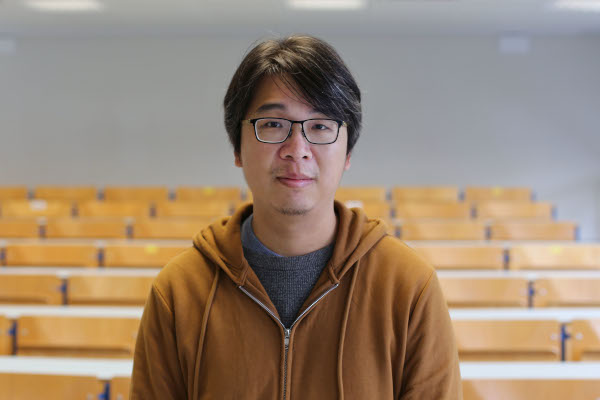
Guoyuan Li is a Professor at the Department of Ocean Operations and Civil Engineering, Faculty of Engineering, Norwegian University of Science and Technology (NTNU), Ålesund Campus. His work bridges digitalization , artificial intelligence , and maritime engineering , focusing on ship maneuvering, robotics, and human-machine interaction. Ph.D. in Computer Science, University of Hamburg (2013) M.S. & B.S. in Computer Science, Chongqing University (2009 & 2006) Research Interests: Digital twin systems for ships, adaptive locomotion control in bio-inspired robotics, trajectory prediction for marine vessels, and human visual attention analysis in maritime operations. He integrates machine learning and physics-based models to enhance safety and efficiency in marine environments. Publications highlight trends in ship motion prediction , collision avoidance , and environmental disturbance modeling , with applications in digital twin technology and remote control centers . His work spans IEEE and Springer journals. Awards include multiple Best Paper Awards at IEEE conferences (2024-2014). He serves as Associate Editor for IEEE Journal of Oceanic Engineering and IEEE Transactions on Intelligent Transportation Systems . Projects include EU’s RoboSapiens (robot adaptation), Digital Twin for Green Ship Operations (Norway), and AuReCo (remote control systems). He collaborates with the Intelligent Systems Lab at NTNU.
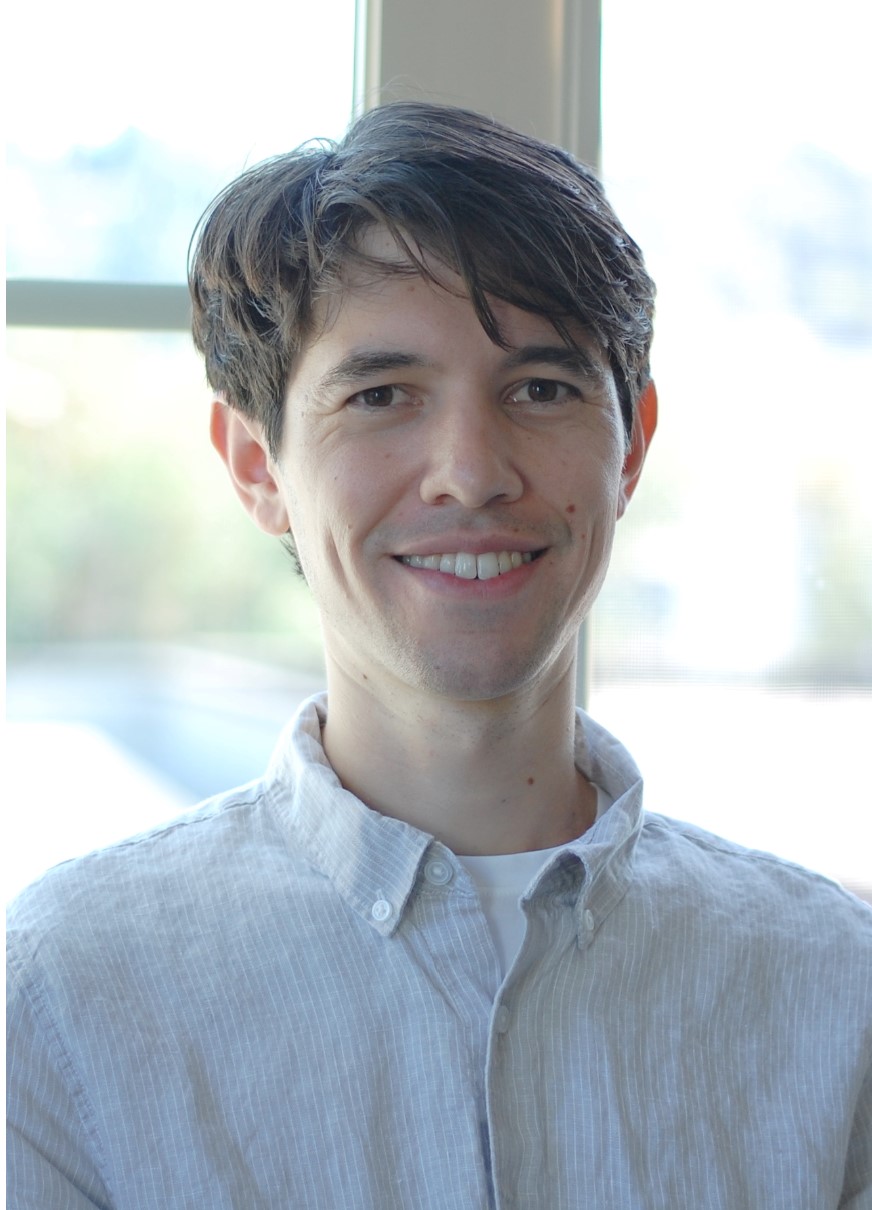
Dr. Andrew Hoyle is a Senior Lecturer in the Department of Computing Science and Mathematics at the University of Stirling's Faculty of Natural Sciences. With a PhD in Mathematical Biology from the University of Liverpool (2005) and prior BSc in Mathematics (1999-2002), he has held academic positions since 2006 at Stirling. BSc Mathematics, University of Liverpool (2002) PhD Mathematical Biology, University of Liverpool (2006) His research focuses on mathematical modeling of biological systems through three main projects: Optimizing antibiotic dosage regimens to combat aquatic bacterial resistance using computational optimization and laboratory experiments Modeling the long-term impact of Gyrodactylus salaris on UK Atlantic salmon populations, including evolutionary trade-offs between immunity and life-history traits Investigating the evolution of host immune range through adaptive dynamics to understand cross-strain immunity patterns His 15 most recent publications span Mathematical Biology , Evolutionary Ecology , and Computational Immunology , with key subfields including: Antibiotic resistance dynamics in aquaculture Salmon parasite population recovery Multi-scale biological process algebra Predator-mediated pathogen exclusion Evolutionary chaos in ecological systems Dr. Hoyle has secured multiple grants including: £96,000 CEFAS/Stirling grant (2013-2017) on aquatic antibiotic resistance £60,000 SRUC/Stirling grant (2015-2019) on salmonid disease control £400 Carnegie grant (2010) on resistance evolution £90,000 DEFRA/CEFAS grant (2009-2013) on parasite impacts He supervises PhD students working on: Mathematical disease quantification in aquaculture Antibiotic resistance control in fish pathogens Multi-scale integration modeling of marine physiology Evolutionary mating behavior Population disease control in patchy environments
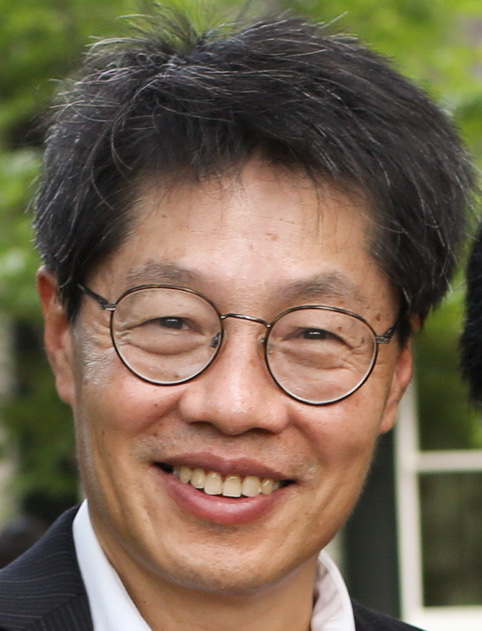
Professor Fuwen Yang is a leading academic at Griffith University's School of Engineering and Built Environment, specializing in Electrical and Electronic Engineering. With expertise in microgrid control, networked control systems, and renewable energy integration, he leads the Smart Energy Systems Group at the Institute for Intelligent and Integrated Systems. His research focuses on optimizing distributed energy resources and enhancing grid resilience through advanced control strategies. Current research aligns with Australian net-zero emissions goals Secured significant grants including ARC Discovery and Linkage projects Supervises 23 PhD and 35 Master's students Recent publications highlight innovations in virtual inertia control, digital twin frameworks, and data-driven predictive control. His work has earned global recognition, including the Stanford Top 2% Researchers list and Fellowships from Engineers Australia. Professor Yang's editorial roles include Associate Editor for IEEE Transactions on Industrial Informatics and other prominent journals. Acted as Chief Investigator on 8 major funded projects Contributed to Sustainable Development Goals 7 (Affordable Energy) and 9 (Infrastructure Innovation)
Yajuan Guan is an Associate Professor at Aalborg University's Faculty of Engineering and Science, specializing in Electric Power Systems and Microgrids. Her research focuses on advanced control strategies for renewable energy systems and grid-forming inverters. Education: PhD in Electrical Engineering (2016), Aalborg University, thesis: "Novel Control Strategies for Parallel-Connected Inverters in AC Microgrids" Research Interests: Microgrid stability and control Grid-forming wind power plants Smart grid technologies Renewable energy integration Power quality improvement Cyber-physical energy systems Article Trends: Recent publications emphasize large-scale wind power plant dynamics, fractional-order control for grid-forming converters, resilience in microgrid systems under climate crises, and thermal optimization for energy storage. Professional Activities: Conference speaker at Mission Innovation - Green Energy Community Webinar (2021) Chair of IEEE ECCE ASIA 2020 Special Session Editorial work for "IoT and Energy Internet" special issue (2018-2019)
Dries Peumans serves as a Research Fellow at the Department of Electronics and Informatics within the Faculty of Engineering at Vrije Universiteit Brussel (VUB), Belgium. His research spans RF engineering, microwave systems, and nonlinear signal processing with significant contributions to measurement instrumentation and 6G technology development. Based at the Pleinlaan 2 campus in Brussels, he maintains an active research profile with an h-index of 139 according to institutional metrics. Peumans' research focuses on RF/microwave systems engineering and nonlinear distortion analysis , particularly in power amplifiers and time-varying systems. His work integrates intelligent instrumentation techniques using reinforcement learning and big data approaches to reduce measurement complexity. Key application areas include 6G communications, beamforming transmitters, and EMI shielding materials. His fingerprint analysis reveals dominant expertise in frequency response (100%), power amplifiers (58%), and nonlinear distortion (47%). Recent publications demonstrate strong trends in real-time signal processing for 5G/6G systems, with particular emphasis on digital predistortion techniques using ROVA modeling. His 2025-2024 output shows increasing diversification into materials science (EMI shielding composites) and geophysical applications (lava lake thermal sensing), while maintaining core expertise in RF measurement optimization and time-varying system modeling. Scientific contributions include: Development of scalable models for linear periodic time-varying (LPTV) systems Innovations in power sweep stitching for modulated RF experiments Compact impedance sensors for 24-31GHz beamforming transmitters Equivalent modeling of multilayered conductive composites Peumans actively supervises doctoral research, notably guiding Amedeo Varano's work on ROVA modeling applications. His current projects include OZR4181 (Reducing measurement complexity through intelligent instrumentation, 2023-2027) and SRP78 (Center for Model-Based Systems Improvement, 2022-2027), which integrate photonics, reinforcement learning, and transceiver design. He participates in the FOD168 initiative for 6G leadership development and maintains collaborations across European research institutions through the VUB's Center for Model-Based Systems Improvement. His laboratory work centers on advanced RF measurement systems, with emphasis on time-domain characterization of nonlinear systems and development of intelligent instrumentation frameworks. Current team projects focus on scaling LPTV modeling techniques to incorporate system parameter variations, enabling predictive design of rotating mechanical systems and electronic oscillators.
Péter Stumpf is an Associate Professor at the Budapest University of Technology and Economics (BME), affiliated with the Department of Automation and Applied Informatics. His research focuses on advanced control systems, power electronics, and machine learning applications in electrical drives. Contact Information: • Office: Building Q.B114, 1117 Budapest, Magyar tudósok krt. 2. Hungary • Phone: +36 (1) 463-2870 • Email: Stumpf.Peter@aut.bme.hu His recent work explores predictive control methods, including Model Predictive Control (MPC) and Reinforcement Learning (RL), applied to permanent magnet synchronous motors, grid-side converters, and high-speed drives. He has developed novel algorithms for optimal current computation, weighting factor assignment, and harmonics compensation. Key research trends include: Integration of machine learning in control systems Optimization of power electronics for renewable energy Advanced modulation techniques in motor drives Compensation of nonlinear effects in high-speed systems
Dr. Mingzhou Yin is a postdoctoral researcher at the Institute of Automatic Control within the Faculty of Electrical Engineering and Computer Science at Leibniz University Hannover, where he has been working since August 2024. He received his Doctor of Sciences degree from ETH Zurich in 2024 under the supervision of Prof. Roy S. Smith, with a dissertation titled 'Regularized and Nonparametric Approaches in System Identification and Data-Driven Control.' His research interests span data-based modeling and control, sparse learning theory, system identification using subspace and regularized methods, model predictive control, and periodic system theory. Dr. Yin has developed innovative approaches in low-rank matrix regression, Gaussian process-based control of nonlinear systems, and closed-loop identification frameworks. His work bridges theoretical advances with practical applications in energy-flexible buildings and aerospace systems. Dr. Yin has received significant recognition including the IEEE Control Systems Society Swiss Chapter Young Author Best Journal Paper Award and the Systems Identification and Adaptive Control Technical Committee Outstanding Student Paper Prize in 2023. His publications in IEEE Control Systems Letters, Automatica, and other top journals demonstrate his contributions to data-driven control theory. IEEE Control Systems Society Swiss Chapter Young Author Best Journal Paper Award (2023) Systems Identification and Adaptive Control Technical Committee Outstanding Student Paper Prize (2023) As an educator, Dr. Yin has supervised numerous student projects on data-driven predictive control, sparse learning algorithms, and closed-loop identification of networked systems. His teaching includes 'Data- and Learning-Based Control' exercises and previous TA roles for 'Robust Control and Convex Optimisation' and 'System Identification' courses.
Manuel Jesus Lopez Sanchez is a tenured professor at the University of Cádiz, Spain, affiliated with the College of Engineering and the Department of Automatic Engineering, Electronics, Computer Architecture, and Networks. His work focuses on Systems Engineering and Automation, with expertise in Nonlinear Dynamics, Cyber-Physical Systems, Robust Control , and Advanced Process Control . He has developed control methodologies for chaotic systems, marine applications, and real-time simulation environments. Education: PhD in Systems Engineering (1999) - University of Cádiz PhD in Systems Engineering (1995) - University of Sevilla His research spans multiple domains including chaos control , marine automation , and real-time systems . Key contributions include H∞ controller designs for aircraft , adaptive ship stabilization systems , and open-source hard real-time environments . Article trends show sustained focus on robust control algorithms (7/15 articles), chaotic system stabilization (5/15 articles), and maritime automation (6/15 articles) since the 1990s. He has collaborated on numerous projects, including the development of the ControlAvH software for controller design and the EPESC real-time simulation system. His work integrates nonlinear control theory with practical hardware implementations , often through experimental validation using physical systems like chaotic circuits and marine vessels.
Dr. Andrew Sen is an Assistant Professor in the Department of Civil, Construction and Environmental Engineering at Marquette University's College of Engineering. Based in Milwaukee, Wisconsin, he specializes in structural engineering with a focus on earthquake-resistant design and steel structures. Educational Background: Ph.D. in Civil Engineering (2018) - University of Washington at Seattle M.S. in Civil Engineering (2014) - University of Washington at Seattle B.S. in Civil Engineering (2012) - North Carolina State University at Raleigh Research Focus: Dr. Sen's research expertise encompasses several critical areas in structural engineering, particularly in structural steel components and systems where he investigates the behavior of steel structures under extreme loading conditions. His work in natural hazards engineering addresses the critical need for resilient infrastructure in earthquake-prone regions. He has made significant contributions to repair and retrofit of existing structures , developing innovative methods to enhance the seismic performance of aging infrastructure. His expertise in large-scale experimentation allows for validation of theoretical models through physical testing, while his work on nonlinear structural analysis methods provides advanced computational tools for predicting structural behavior under seismic loading. Teaching Contributions: Dr. Sen teaches several key courses in structural engineering including Structural Analysis (CEEN 3410), Structural Steel Design (CEEN 3430), Advanced Structural Steel Design (CEEN 4431/5431), and Earthquake Engineering (CEEN 6425). Research Publications: His extensive publication record demonstrates a clear focus on seismic performance of steel structures, particularly in chevron-configured concentrically braced frames. His work spans from fundamental research on nonlinear modeling to practical applications in seismic design and assessment of existing structures. Recent publications show his expanding interests in bridge engineering and flood impact assessment, indicating a broadening of his research scope to address multiple natural hazards.
Dr. Yan Chen is an Associate Professor in Engineering at The Polytechnic School, Arizona State University (ASU), where he founded and directs the Dynamic Systems and Control Laboratory (DSCL). His academic journey includes a Ph.D. in Mechanical Engineering from The Ohio State University (2013), an M.S. in Mechanical Engineering from Rice University (2009), and dual M.S. and B.S. degrees in Control Science and Engineering (with honors) from Harbin Institute of Technology, China (2006, 2004). Ph.D., Mechanical Engineering, The Ohio State University, 2013 M.S., Mechanical Engineering, Rice University, 2009 M.S., Control Science and Engineering (Honors), Harbin Institute of Technology, China, 2006 B.S., Control Science and Engineering (Honors), Harbin Institute of Technology, China, 2004 Dr. Chen's research spans multiple critical areas in modern vehicle technology, with primary focus on design, modeling, estimation, control, optimization, and safety of dynamic systems. His work specifically targets connected and automated ground vehicles, electric/hybrid vehicles, multi-agent mobile systems, energy systems, and mechatronic applications. Recent research has emphasized tire blowout modeling and control, vehicle safety systems, and flocking control for multi-vehicle coordination. His laboratory actively develops innovative control frameworks that integrate machine learning with traditional control methods to enhance vehicle safety and performance. Analysis of Dr. Chen's recent publications (2023-2025) reveals a strong emphasis on safety-critical control systems for automated vehicles, particularly focusing on tire blowout scenarios, vehicle flocking behavior, and multi-agent coordination. His work increasingly integrates learning-based approaches with traditional control theory, demonstrating a shift toward more adaptive and robust control frameworks. The research spans both theoretical developments in control theory and practical applications in automotive systems, with growing attention to satellite-based localization and energy management for electric vehicles. 2020 SAE Ralph R. Teetor Educational Award 2019 DSCC Automotive and Transportation Systems Best Paper Award NSF-PFI grant on Development and Integration of Tire Blowout Modeling and Control in Advanced Driver Assistance Systems (2024) Dr. Chen has successfully advised multiple graduate students, including recent PhD graduate Dr. Ao Li who joined General Motors. His research has been generously funded by major federal agencies including NSF, DOE, ONR, and ACA, as well as industrial partners such as General Motors, Intel, SRP, and MathWorks. Current research projects focus on tire blowout modeling, vehicle safety systems, and automated vehicle coordination. He serves as Associate Editor for several prestigious journals including IFAC Mechatronics and IEEE Transactions on Vehicular Technology, and chairs the ASME Automotive and Transportation Systems Technical Committee. The Dynamic Systems and Control Laboratory (DSCL) at ASU is a thriving research environment focused on cutting-edge vehicle control systems. The lab actively recruits 1-2 PhD students annually with strong backgrounds in vehicle dynamics, control theory, and optimization. Current research directions include tire blowout modeling, vehicle safety systems, multi-agent coordination (flocking control), and energy optimization for electric vehicles. The lab maintains strong industry connections, particularly with automotive companies like General Motors, ensuring research relevance to real-world applications.
Dr. Siva Vanapalli is a Professor at Texas Tech University's Department of Chemical Engineering, holding the Bryan Pearce Bagley Regents Chair in Engineering. His research integrates microfluidics, biophysics, and healthspan studies in the C. elegans model organism, with applications in cancer diagnostics and space biology. Education : PhD (University of Michigan, 2006), MSc (Penn State, 2001), BTech (IIT Kharagpur, 1998) Key Research Areas : Microfluidic device development, tumor cell mechanics, aging research, and C. elegans phenotyping Commercialization : Holds patents in cancer cell detection and aging assays Recent publications demonstrate his leadership in microfluidic cancer diagnostics, aging pathways, and spaceflight biomedical research. His lab has produced 18+ peer-reviewed works since 2018, including 4 in 2023 alone. Notable awards include the 2020 Regents Chair distinction and multiple President's Awards for research excellence and commercialization. Dr. Vanapalli's group has mentored 8 graduate students to completion, with recent graduates like Leila Alizadeh (2020 PhD) and Shamim Ahmed (2020 PhD) making significant contributions to cancer cell mechanics and C. elegans aging studies. The lab maintains active collaborations with NASA for space biology experiments and the Benian Lab for muscle research.
Dr. Fırat Soner Alıcı is an Assistant Professor in the Department of Civil Engineering at Başkent University, Ankara, Türkiye. His academic career focuses on earthquake engineering and structural dynamics, with a particular emphasis on seismic assessment, energy dissipation mechanisms, and advanced analytical methods like generalized pushover analysis. PhD in Civil Engineering, Middle East Technical University (2019) MSc in Civil Engineering, Middle East Technical University (2012) BSc in Civil Engineering, Middle East Technical University (2009) Dr. Alıcı’s research spans several key areas in seismic engineering, including: Energy-based seismic design and analysis Pushover analysis for torsionally coupled systems Damping spectra and inelastic deformation estimation Seismic performance of critical infrastructure Viscous damping efficiency in earthquake response reduction Numerical simulation of protective structures His publications reflect a strong focus on both theoretical and applied earthquake engineering, covering: Input energy prediction models Viscous damping systems Hysteretic energy distribution Post-earthquake structural evaluations Generalized force vector applications Seismic isolation technologies Dr. Alıcı has received the TDMD 2021 Research Incentive Award from Türkiye Deprem Mühendisliği Derneği. His research has been supported by multiple grants as both principal investigator and researcher. He actively contributes to the academic community as a reviewer for Bulletin of the Seismological Society of America and Seismological Research Letters (2024). His work addresses critical infrastructure resilience, with applications in healthcare facilities and power substation equipment.
Jian-Guo Liu is a Professor of Mathematics and Physics at Duke University, with primary affiliations in the Departments of Mathematics and Physics. His research encompasses applied mathematics, partial differential equations, kinetic theory, computational fluid dynamics, and stochastic algorithms. Professor Liu's work bridges theoretical modeling and numerical methods, particularly in complex systems involving nonlinear dynamics, fluid behavior, and emergent phenomena. Research interests focus on multiscale modeling of physical systems, including stochastic processes in chemical reactions, fluid-structure interactions, and materials science. Recent publications demonstrate strong emphasis on mathematical foundations of biological and physical systems, with recurring themes in Fokker-Planck dynamics, mean-field games, tumor growth modeling, and computational methods for interfacial phenomena. Publications showcase consistent focus on analytical and numerical solutions to high-dimensional problems, with applications ranging from medical imaging to electrochemistry. The work exhibits advanced techniques in asymptotic analysis, stochastic approximations, and geometric evolution equations.
Nita Bharti is an Associate Professor of Biology at the Pennsylvania State University , affiliated with the Center for Infectious Disease Dynamics . She investigates interactions between human behavior, pathogens, and environmental factors to inform public health strategies. Her research spans Epidemiology, Ecology, Anthropology , focusing on disease transmission dynamics and intervention effectiveness . Major scientific awards include the Lloyd Huck Early Career Professorship NSF Dynamics of Coupled Natural Human Systems grant Health and Environment Seed Grant She has pioneered innovative approaches like Mapping mobile phone data with satellite imagery for population tracking Quantifying seasonal population fluctuations via satellite Developing open-access satellite platforms for public health
J. Hellendoorn is a Professor in Mechanical Engineering at Delft University of Technology (TU Delft), specializing in control systems , engineering education , and spatial-temporal modeling . Active in research since 2013, they have contributed to transforming engineering curricula for resilient engineers and advancing lane detection technologies using deep learning. Key Research Areas: Engineering Education Reform, Autonomous Vehicle Control, Spatial-Temporal Attention Models Collaborations: European Society for Engineering Education (SEFI), IEEE Transactions Recent work includes developing robust lane detection systems with neural networks and reshaping biomedical curricula to enhance student socialization. Their research emphasizes sustainability and innovative educational frameworks , while technical contributions span vehicle dynamics and control systems. Hellendoorn's outputs include 198 research publications , with notable 2024 work on learning ecosystems and datasets for spatial-temporal deep learning models. They actively engage in editorial roles for journals like Computers in Industry and have presented at conferences since 2013.