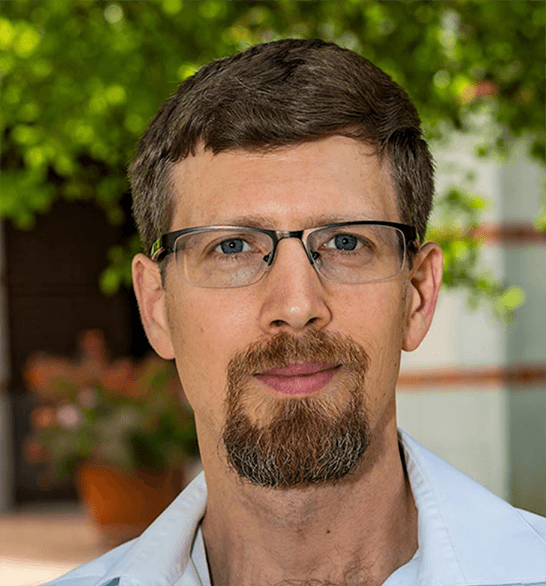
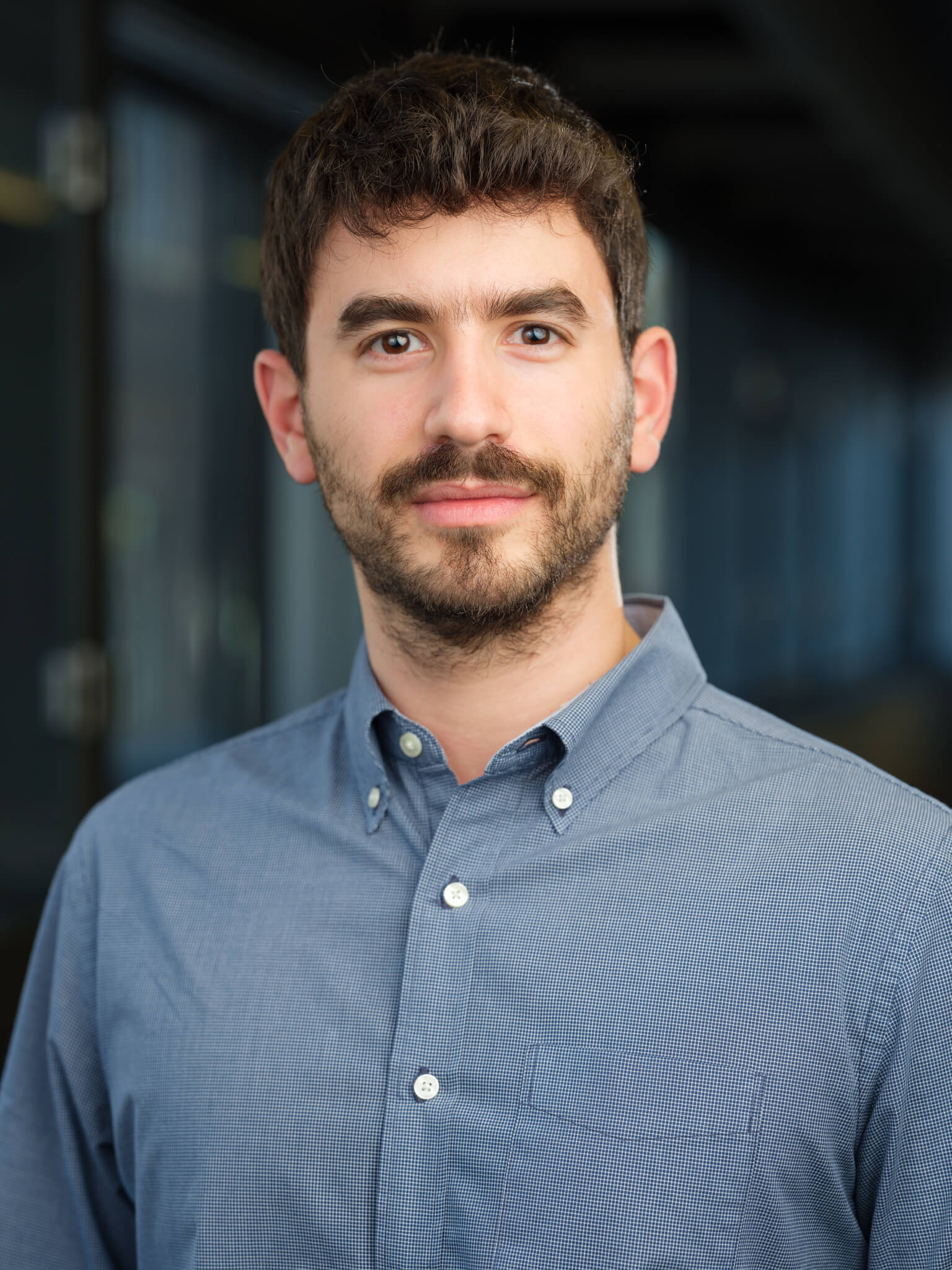
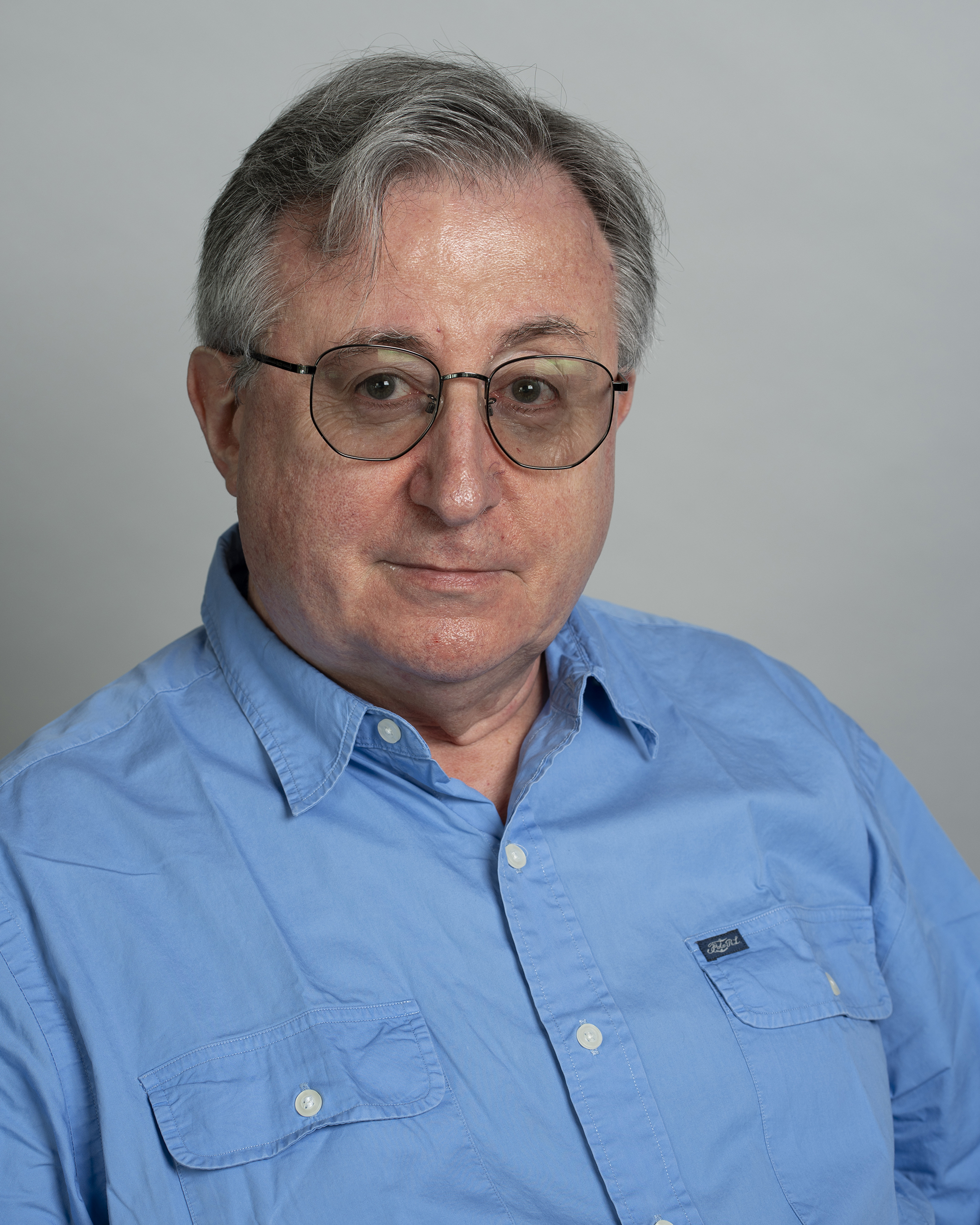
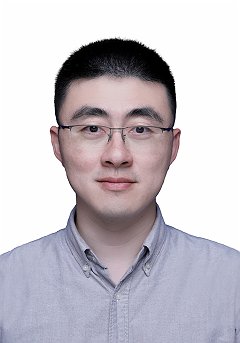
Wouter Kouw is an Assistant Professor at the Electrical Engineering department of Eindhoven University of Technology (TU/e) , leading the Bayesian Intelligent Autonomous Systems lab. With a dual PhD in Computer Science (2018, TU Delft) and MSc in Neuroscience (2013, Maastricht University) , he bridges neurobiology and artificial intelligence through variational Bayesian inference and active inference frameworks. Research Focus : Probabilistic machine learning systems using message passing algorithms on factor graphs , applied to mobile robotics and adaptive control Key Projects : CONTACT-AI (contact-rich robot navigation), FEP-walker (active inference-based locomotion), and BayesBrain (hybrid neuro-in-silico computing) His work spans nonlinear system identification , uncertainty quantification , and sensor modeling , with recent publications in IEEE Transactions , Entropy , and Communications in Computer and Information Science . Awards include the Niels Stensen Fellowship (2017) and TU/e Team Science Award nomination (2023) . Collaborations extend to institutions in Germany, USA, and Denmark, with teaching responsibilities in Bayesian Machine Learning and Neuro Computation .
Matthew Brake is an Associate Professor of Mechanical Engineering at Rice University's George R. Brown School of Engineering, where he has been a faculty member since 2016. He leads the Tribomechadynamics Lab, which focuses on the confluence of structural dynamics, contact mechanics, and tribology to predict the response of assembled structures during the design stage and optimize interfacial components. Dr. Brake completed his entire academic training at Carnegie Mellon University, earning B.S. (2002), M.S. (2004), and Ph.D. (2007) degrees in Mechanical Engineering. Prior to joining Rice, he worked for nine years at Sandia National Laboratories. Ph.D., Mechanical Engineering, Carnegie Mellon University, 2007 M.S., Mechanical Engineering, Carnegie Mellon University, 2004 B.S., Mechanical Engineering, Carnegie Mellon University, 2002 His research spans multiple disciplines within mechanical engineering, with a particular focus on understanding interfaces across length scales from nano to macro. His work bridges theoretical foundations with practical applications in aerospace, defense, and automotive industries, addressing constitutive modeling for impact dynamics, joint mechanics, and the application of additive manufacturing for system-level assemblies. Dr. Brake has established himself as a leader in his field through significant contributions to nonlinear dynamics and joint mechanics, evident in his book 'The Mechanics of Jointed Structures' published by Springer and his founding of the Nonlinear Mechanics and Dynamics (NOMAD) Institute. Scientific Awards and Honors Future Energy Leaders Program, CERAWeek (2020) Favorite Teacher Honor, Will Rice College, Rice University (2019) The 2018 C. D. Mote Jr., Early Career Award The 2012 Presidential Early Career Award for Scientists and Engineers (PECASE) (awarded in 2014) ASME Fellow (2019) As a Fellow of the American Society of Mechanical Engineers since 2019, Dr. Brake has held several leadership positions including Executive Director of the ASME Research Committee on Mechanics of Jointed Structures, Vice Chair of the SEM Technical Division for Nonlinear Structures and Systems, and Vice Paper Solicitation Chair for the STLE Contact Mechanics Committee. He has also been a visiting academic at the University of Oxford and taught as an adjunct professor at the University of New Mexico. His Tribomechadynamics Lab hosts both graduate and undergraduate researchers as well as the Nonlinear Dynamics of Coupled Structures and Interfaces (ND-CSI) Summer Research Program, fostering the next generation of mechanical engineers and researchers in this specialized field.
Benoit Chachuat serves as an Adjunct Assistant Professor in the Department of Chemical Engineering at McMaster University. His academic appointment reflects his active engagement in research and scholarly activities within the field of process systems engineering, with particular emphasis on optimization, sustainability, and environmental assessment of chemical processes. Dr. Chachuat's research interests span across multiple domains of chemical engineering with a strong focus on process systems engineering. His work integrates advanced mathematical modeling, optimization techniques, and environmental considerations to address challenges in sustainable energy systems, chemical process design, and bioprocess engineering. Key research areas include real-time optimization, life cycle assessment, sustainable aviation fuels, carbon utilization technologies, and the application of machine learning to industrial process monitoring and control. His research demonstrates a consistent commitment to developing methodologies that balance economic viability with environmental sustainability in chemical engineering applications. Analysis of his recent scholarly output reveals a clear trend toward sustainability-focused research, particularly in sustainable aviation fuels, waste-to-chemicals conversion, and carbon utilization technologies. His work increasingly incorporates environmental life cycle assessment alongside techno-economic analysis, reflecting the growing importance of holistic sustainability metrics in process design. The integration of machine learning tools for process monitoring and control represents another significant trend in his recent publications, demonstrating adaptation to emerging technologies in industrial applications. Dr. Chachuat's scholarly activity demonstrates substantial impact across the chemical engineering community, with numerous publications in high-impact journals and conference proceedings. His research has been referenced in patents, policy sources, and news outlets, indicating practical relevance beyond academic circles. The breadth of his work spans from fundamental mathematical methods in optimization to applied environmental assessments of emerging technologies. His research collaborations extend across multiple domains, including sustainable energy systems, biopharmaceutical manufacturing, and environmental process engineering. Recent work has particularly focused on pandemic-response vaccine manufacturing and supply chain resilience, highlighting the adaptability of process systems engineering methodologies to address urgent global challenges. While specific grant information isn't detailed in the provided text, the scope and impact of his research suggest substantial external funding support.
Anis Yazidi is an Associate Professor at the Department of Informatics, Faculty of Mathematics and Natural Sciences, University of Oslo, where he leads research in the Research Group for Digital Signal Processing and Image Analysis. His academic profile demonstrates significant contributions to artificial intelligence, machine learning, and signal processing with over 50 publications between 2021-2025 in high-impact venues including IEEE Transactions, Frontiers journals, and AAAI proceedings. Professor Yazidi's research spans multiple interconnected domains with particular emphasis on Tsetlin Machines, deep learning for medical applications, and signal processing theory. His work bridges theoretical foundations with practical implementations, developing novel frameworks like DREAMS for EEG analysis with model card reporting and interpretable methods for ECG classification. His contributions to learning automata theory, particularly in convergence analysis of Tsetlin-based algorithms, represent significant theoretical advances. The research portfolio also extends to cybersecurity applications of AI for IoT protection, agricultural technology for plant disease detection, and renewable energy modeling for wind-speed statistics. Yazidi's publication record reveals a strong interdisciplinary approach, with collaborations across computer science, neuroscience, medical diagnostics, and engineering disciplines. His recent work shows increasing focus on trustworthy AI systems, ethical considerations in medical applications, and specialized neural architectures tailored for specific data modalities including EEG, ECG, and eye-tracking data. The research demonstrates both theoretical rigor in algorithm development and practical implementation for real-world problems. Professor Yazidi maintains an active collaboration network with researchers across the Department of Informatics at UiO, particularly with Pedro Lind, Hugo Lewi Hammer, and Paal Engelstad, while also engaging in international collaborations. His work contributes significantly to both the theoretical foundations of learning systems and their practical implementation in diverse application domains from healthcare to renewable energy.
Jörg Raisch is a Professor of Control Systems at the Technische Universität Berlin since March 2006. He previously held positions at Otto-von-Guericke University Magdeburg and the Max Planck Institute for Dynamics of Complex Technical Systems. His research focuses on hybrid and hierarchical control systems , distributed consensus-based control , and control of time-dependent event-discrete systems using tropical algebras. Alma Mater: University of Stuttgart (Technical Cybernetics), UMIST Manchester (Control Systems) Postdoctoral work: University of Toronto (Systems Control Group) His work spans applications in process technology , medical systems , and energy technology . Recent publications emphasize max-plus algebra , P-time event graphs , and over-the-air consensus in clustered networks. He has served on editorial boards of journals like Automatica and Discrete Event Dynamic Systems , and led the IFAC Technical Committee TC1.3 on Discrete Event and Hybrid Systems from 2017-2020. Awards: DFG fellowship for habilitation
Dr. Anastasios Tsiamis is a Lecturer at the Department of Information Technology and Electrical Engineering at ETH Zürich, working in the Automatic Control Laboratory (Professur Control and Computation). His research focuses on the intersection of control theory and machine learning, specifically investigating how system theoretic properties affect the statistical difficulty of learning in system identification, online estimation, and control. Dr. Tsiamis received his Diploma (MEng, five-year degree) in Electrical and Computer Engineering from the National Technical University of Athens (NTUA). He completed his Ph.D. in Electrical and Systems Engineering at the University of Pennsylvania under Professor George Pappas, following graduate research with Professor Petros Maragos and undergraduate work with Professor Kostas J. Kyriakopoulos at NTUA. His primary research areas include Statistical Learning and Control, Data-Driven Control, Online Learning, Risk-Aware Control, and Security and Privacy in Networked Control Systems. Dr. Tsiamis has made significant contributions to understanding the fundamental statistical limits of learning in control systems, particularly focusing on sample complexity. His work on risk-aware optimization develops algorithms that safeguard against catastrophic events while maintaining good average performance, and his security research addresses eavesdropping attacks in remote estimation and motion planning. Analysis of Dr. Tsiamis's recent publications reveals a strong focus on data-driven approaches to control theory with emphasis on distributionally robust methods, risk-aware optimization, and finite sample guarantees. His work bridges theoretical foundations with practical applications across system identification, online learning, and adaptive control, providing rigorous non-asymptotic guarantees for learning-based control algorithms. Dr. Tsiamis has received several notable research recognitions: Best student paper award at IEEE 61th Conference on Decision and Control (2022) Spotlight Presentation at 41st International Conference on Machine Learning (2024) Finalist for best student paper award at American Control Conference (2019) Finalist for young author prize at IFAC World Congress (2017) Oral presentation at 2nd L4DC Conference (2020) Dr. Tsiamis teaches Linear System Theory (227-0225-00L) at ETH Zürich and collaborates extensively with Professor John Lygeros, Professor Manfred Morari, and researchers from the University of Pennsylvania. His publication record demonstrates strong collaborative research across multiple institutions while advancing theoretical foundations of learning-based control. As an active member of the Automatic Control Laboratory at ETH Zürich, Dr. Tsiamis contributes to advancing control systems science through rigorous mathematical analysis and innovative algorithmic development, with applications spanning robotics, energy systems, and networked control.
Sebastian Reich is a Professor of Numerical Analysis at the University of Potsdam and holds an honorary Visiting Professorship at Imperial College London . He leads the Chair of Numerical Mathematics and serves as Editor-in-Chief of the SIAM/ASA Journal on Uncertainty Quantification since 2021. Research Interests Numerical methods for Hamiltonian systems Data assimilation in geoscience Stochastic particle filters Bayesian inference algorithms Molecular dynamics simulation Multi-scale modeling Collaborative Projects : Principal Investigator and former Speaker (2017-2024) of SFB 1294 Data Assimilation , a DFG-funded Collaborative Research Center Active participant in SFB 1114 Scaling Cascades in Complex Systems at Freie Universität Berlin Books Authored : Probabilistic Forecasting and Bayesian Data Assimilation (Cambridge UP, 2015) Simulating Hamiltonian Mechanics (Cambridge UP, 2005) Technical Contributions : Development of symplectic integration methods Innovations in ensemble Kalman filtering Regularization approaches for geophysical models Stochastic algorithms for molecular simulations
Boris Galperin is an Associate Professor at the College of Marine Science , University of South Florida , specializing in Physical Oceanography , Geophysical Fluid Dynamics , and Turbulence Theory . His research explores turbulent flows in planetary systems, atmospheric circulations, and zonal jet dynamics. Education: Ph.D. in Physics, Technion-Israel Institute of Technology (1982) Contact: bgalperin@usf.edu Galperin's research focuses on: Zonostrophic turbulence in planetary and oceanic systems Rossby wave interactions and zonon wave packets Quasi-Normal Scale Elimination (QNSE) turbulence modeling Energy transfer mechanisms in rotating and stratified flows Planetary jet systems observed on Jupiter Applications to weather prediction (WRF implementation) His publications reveal trends in: Multi-scale turbulence analysis Wave-turbulence duality Comparative studies across Earth, gas giants, and astrophysical systems Experimental validation with numerical simulations Development of statistical closure theories Galperin serves as a guest editor for the commemorative Atmosphere special issue dedicated to the legacy of Jackson Rea Herring, reflecting his deep involvement in turbulence research. His work bridges laboratory experiments, planetary observations, and atmospheric/oceanic modeling.
Rainer Martin is a Professor of Information Technology and Communication Acoustics at Ruhr-Universität Bochum, where he has been affiliated since 2003. He served as Dean of the Faculty of Electrical Engineering and Information Sciences from 2007 to 2009. He holds a Dipl.-Ing. and Dr.-Ing. from RWTH Aachen University and an M.S.E.E. from Georgia Institute of Technology. His research focuses on signal processing, machine learning, and acoustic systems for voice communication, hearing instruments, and human-machine interfaces. Key areas include speech enhancement, noise reduction, binaural processing, cochlear implant optimization, and acoustic sensor networks. His work integrates deep learning with traditional signal processing for real-world applications. Recent publications emphasize neural networks for noise control, hearing aid algorithms, radar interference mitigation, and auditory perception modeling. Trends show strong convergence of machine learning with acoustic engineering, particularly in low-power embedded systems and healthcare applications. Awards: Fellow of the IEEE He leads projects on acoustic sensor networks, automotive radar, and hearing technology, collaborating with industry partners. His lab develops algorithms for hearing aids, cochlear implants, and robust communication systems, with patents spanning noise reduction, echo control, and speech enhancement.
Piotr Derugo is a researcher at the Department of Electrical Machines, Drives and Measurements within the Faculty of Electrical Engineering at Wrocław University of Science and Technology. His work focuses on advanced control systems for electric drives, integrating fuzzy logic, neural networks, and Petri net methodologies. He maintains an active research program in adaptive control and optimization. Specializes in neuro-fuzzy PID controllers Investigates Petri net applications in drive control Develops low-computational cost fuzzy algorithms Researches torsional vibration damping techniques Recent publications demonstrate his expertise in disturbance observers, hybrid neural networks, and AI-driven control systems for electric drives. While no formal awards are highlighted in this profile, his contributions to nonlinear control systems and adaptive algorithms remain significant. Contact: piotr.derugo@pwr.edu.pl | Office hours: Tuesdays & Fridays 11.00-13.00
Lei Bu is a Professor and Vice Dean of the Software Institute at Nanjing University, China. He has been with Nanjing University since 2010, progressing from Assistant Professor to his current position. His academic career includes a visiting position at Microsoft Research Asia through their StarTrack Program from 2014-2015. Professor Bu received his B.Sc. and Ph.D. degrees in Computer Science from Nanjing University, with additional research experience at Carnegie Mellon University and University of Texas at Dallas during his doctoral studies. His academic journey shows steady progression through the ranks at his alma mater. Lei Bu's research primarily focuses on software verification, testing, and analysis, with particular expertise in model checking, bounded model checking, formal methods, and cyber-physical systems. His work spans theoretical foundations to practical applications in safety-critical systems. Recent publications demonstrate growing interest in integrating machine learning techniques with traditional formal methods, as seen in works like SpecGen that leverage large language models for program specification generation. His research outputs show a consistent focus on verification techniques for complex systems, particularly addressing challenges in hybrid systems, cyber-physical systems, and IoT applications. Professor Bu has developed several verification tools including BACH (Bounded Reachability Checker for Linear Hybrid Automata) and BRICK (Bounded Reachability Checker of Numerically-Intensive C Code), which have been used in international verification competitions. 2023: Zhongchuang Software Talent Award 2022: CCF-IEEE CS Young Computer Scientist Award 2020: The Outstanding Teachers of Computing in Higher Education Award Program 2019: NASAC Young Software Innovation Award 2016: Young Talent Development Program 2014: StarTrack Program Visiting Young Faculty 2007: Full Scholarship under the State Scholarship Fund Professor Bu serves as a Principal Investigator on multiple significant research projects funded by the Natural Science Foundation of China, including a Key Program grant (2023-2027) on dynamic adjustment-control-fault tolerance theory. He has also advised numerous students and taught courses including Formal Languages and Automata, Theoretical Foundation of Software Engineering, and Preliminary Introduction to the Theory of Computation. His laboratory work focuses on developing practical verification tools for industrial applications in cyber-physical and IoT systems.
Deborah Levin is a Professor in the Department of Aerospace Engineering at the University of Illinois at Urbana-Champaign (UIUC), holding this position since August 2014. Previously, she served as a Professor at The Pennsylvania State University (2007–2014) and an Associate Professor there (2000–2007). Earlier roles include Research Professor and Lecturer at George Washington University (1998–2000) and Research Staff Member at the Institute for Defense Analyses (1979–1998). Her education includes a PhD in Chemistry from Caltech (1979) and a BS in Chemistry from SUNY Stony Brook (1974). Her research focuses on hypersonics, computational fluid dynamics, combustion, and molecular dynamics. Key areas include radiation modeling in hypersonic flows, direct simulation Monte Carlo (DSMC) methods, and plasma physics. She explores phenomena like shock-layer radiation, nonequilibrium flows, and ion thruster plume dynamics. Her work bridges microscale processes (e.g., molecular dynamics) with macroscale fluid dynamics, addressing challenges in aerospace propulsion and thermal protection systems. Recent studies involve kinetic modeling of ion beam neutralization, particulate behavior in high-speed flows, and carbon sputtering in electric propulsion testing. Her publications span journals like Physics of Fluids , Journal of Propulsion and Power , and AIAA Journal , with a focus on advancing predictive capabilities for aerodynamic heating and plasma-material interactions. Levin’s research has been presented at conferences such as the International Symposium on Rarefied Gas Dynamics and the International Electric Propulsion Conference. Her contributions include developing hybrid models for multiscale flows and advancing computational tools for rarefied gas dynamics.
Adilson E. Motter is the Charles E. and Emma H. Morrison Professor of Physics and Astronomy at Northwestern University, directing the Center for Network Dynamics (CND). He holds affiliations with interdisciplinary institutes such as the Northwestern Institute on Complex Systems (NICO) and the Institute for Quantum Information Research and Engineering (INQUIRE). His research focuses on complex systems and networks, leveraging statistical physics, nonlinear dynamics, and machine learning to study phenomena like cascading failures, synchronization, and network control. Dr. Motter earned his PhD from the University of Campinas (UNICAMP), Brazil, in 2002. His work bridges theoretical physics with applications in biomedical research, renewable energy, and materials science. Notable contributions include studies on microfluidic networks exhibiting Braess’s paradox, quantum network control, and transfer learning for cell reprogramming. Awards and Honors Alfred P. Sloan Research Fellowship (2009) Fellow of the American Physical Society (2013) NSF CAREER Award (2011) Fellow of the Network Science Society (2020) Senior Scientific Award, Complex Systems Society (2022) Research Themes His group investigates cascading dynamics, network controllability, symmetry phenomena, and quantum networks. Recent work explores applications in smart grids, microfluidics, and biomedical interventions. The lab emphasizes interdisciplinary collaboration, addressing challenges like power grid stability and disease treatment via network science. Grants and Leadership Motter has secured major grants and leads initiatives such as the NSF-Simons NITMB. He advises postdocs and students on topics ranging from metamaterials to machine learning in biomedicine. His group’s outreach includes public lectures and educational videos explaining complex systems concepts.
Kalil Erazo is an Assistant Teaching Professor in the Department of Civil and Environmental Engineering at Rice University. His research focuses on structural health monitoring (SHM) for resilient civil infrastructure, particularly in regions prone to natural hazards. Erazo emphasizes integrating stochastic methods, Bayesian estimation, and advanced sensor technologies to assess structural integrity and predict performance under extreme events. Education: Postdoctoral Scholar, Rice University (2015-2016) Ph.D. in Civil and Environmental Engineering, University of Vermont (2015) M.S. in Civil and Environmental Engineering (Fulbright Fellow), Georgia Tech (2012) B.S. in Civil Engineering, Instituto Tecnológico de Santo Domingo (2009) Research Interests: Erazo’s work bridges theory and practice in resilient infrastructure design. Key areas include SHM for historic structures (e.g., UNESCO’s Colonial City of Santo Domingo), stochastic modeling for uncertainty quantification, Bayesian methods for nonlinear systems, and post-disaster decision-making frameworks. He advocates for integrating computational tools with physical infrastructure to enhance safety and sustainability. Research Group: The Structural Monitoring for Resilient and Sustainable Infrastructure group addresses National Academy of Engineering Grand Challenges by developing cyber-physical systems that monitor infrastructure health and predict performance under hazards like hurricanes and earthquakes. Outputs include sensor-based frameworks, digital twin technologies, and risk-assessment protocols.
Diangelakis Nikolaos is an Assistant Professor at the School of Chemical and Environmental Engineering, Technical University of Crete. His research focuses on advanced control strategies, optimization, and their integration within process systems engineering, particularly in pharmaceutical manufacturing and energy systems. He specializes in model predictive control (MPC), multi-parametric programming, and the unification of process design, scheduling, and control. Academic Role: Assistant Professor Department: Chemical and Environmental Engineering Institution: Technical University of Crete His work emphasizes data-driven methods and robust optimization, with applications in pharmaceutical processes, evaporation systems, and combined heat and power (CHP) systems. He has developed frameworks like PAROC for integrated optimization and control, bridging theoretical advancements with industrial applications. Key research themes include explicit model predictive control algorithms, multi-scale energy systems engineering, and the integration of design, scheduling, and control through multiparametric programming. His publications highlight contributions to MPC strategies for rotary tablet presses, robust optimization techniques, and the design of operable process intensification systems. Diangelakis collaborates on frameworks such as PAROC, which unifies process optimization and control. His research also addresses process operability and resilience, with applications to batch reactors and CHP systems. He advocates for the 'Grand Unification' of process design, scheduling, and control to enhance industrial efficiency and sustainability.