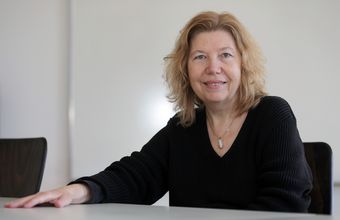
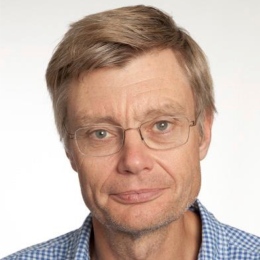
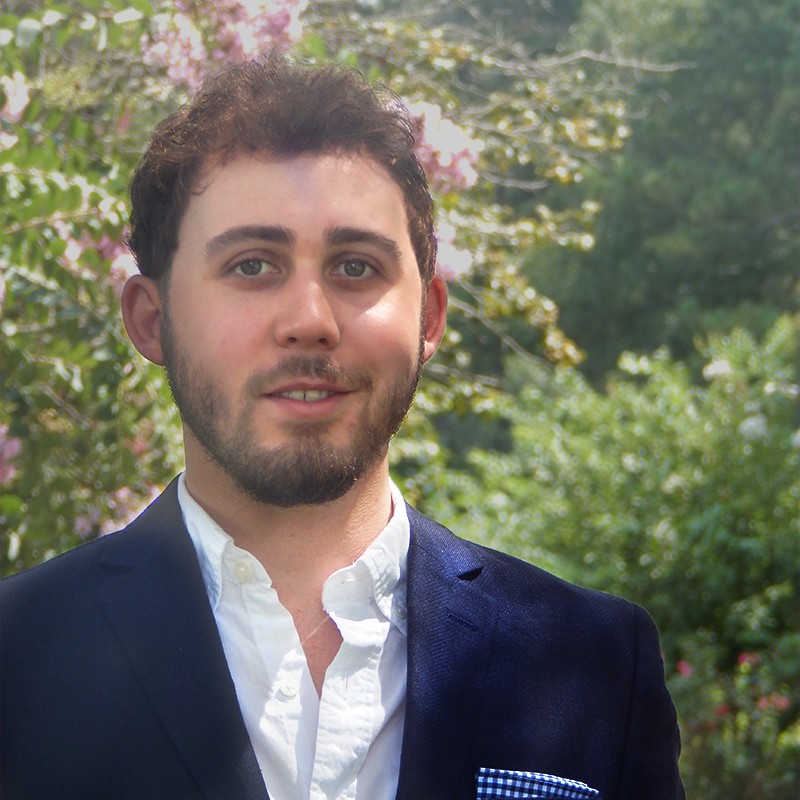
Jutta Kunz is a Professor of Theoretical Physics at the University of Oldenburg, holding this position since 1993 with primary research in gravity and relativistic astrophysics. She currently chairs the DFG Research Training Group 'Models of Gravity', emphasizing gender equality and attracting international early-career researchers. Her core research interests include: Gravity theory and relativistic astrophysics Black hole and neutron star dynamics Wormhole physics and hypothetical objects Field theory applications Analysis of the provided Google Scholar articles (2020-2025) reveals a distinct ecological research focus on biodiversity-stability relationships, disturbance responses, and nutrient cycling—contrasting sharply with her institutional physics profile. This discrepancy suggests potential data contamination or undisclosed interdisciplinary work, though no institutional text references ecological research. As chair of the Research Training Group, she mentors graduate students globally in gravity modeling while leading an active research group. Her team prioritizes gender equality in recruitment and collaborates internationally on gravitational models.
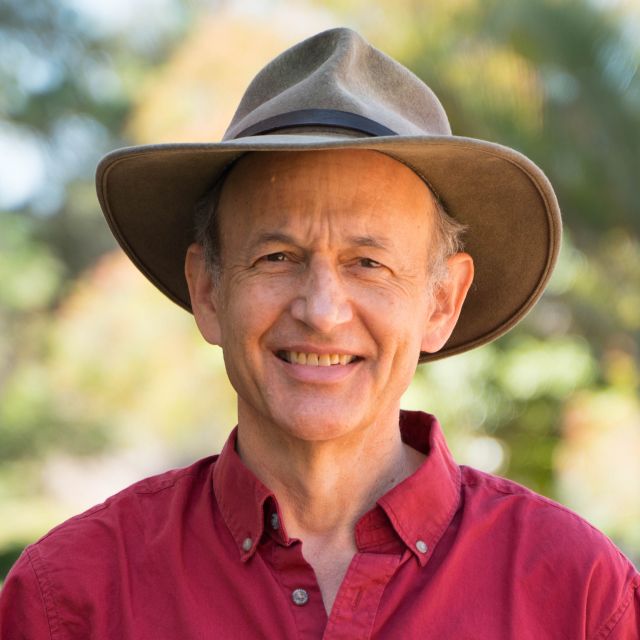
Mark Sherwin is a Professor of Physics and Director of the Institute for Terahertz Science and Technology at the University of California, Santa Barbara (UCSB) . His research focuses on experimental condensed matter physics using terahertz (THz) free-electron lasers (FELs) for quantum control and spectroscopy. He has mentored over 30 graduate students and holds Fellowships from the American Physical Society and the Alfred P. Sloan Memorial Fellowship . Harvard College BA (1981) UC Berkeley PhD (1988) Research Areas : Quantum coherence in spin systems Terahertz-driven electron-hole recollisions High-field electron paramagnetic resonance (EPR) Quantum dot and nanostructure dynamics Nonlinear optics in semiconductors Charge-density-wave materials Scientific Awards : Fellow, American Physical Society Alfred P. Sloan Memorial Fellowship Collaborations include NASA’s Jet Propulsion Laboratory, small companies for THz modulation, and Prof. Songi Han (UCSB Chemistry/Biochemistry). His group designs custom apparatus with Dr. Nikolay Agladze and develops THz detectors/mixers.
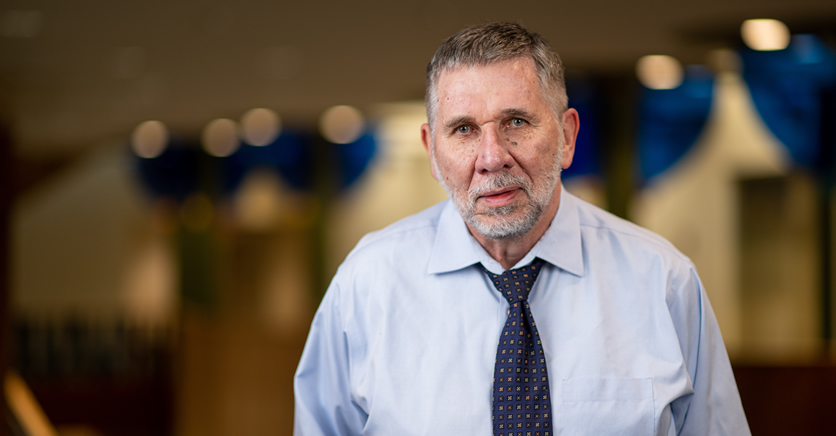
Andrzej T Galecki is a Research Professor in both the Department of Internal Medicine, Geriatric and Palliative Medicine and the Department of Biostatistics at the University of Michigan. He serves as the Director of the Design, Data and Biostatistics Core of the Older Americans Independence Center at the University of Michigan. His academic credentials include an MD from the Medical Academy of Warsaw (1981), a PhD from the Institute of Mother and Child Care in Warsaw (1987), and an MS in Applied Mathematics from the Technical University of Warsaw (1977). Dr. Galecki's research focuses on the application of modern statistical methods to studies in geriatrics and gerontology. His expertise spans nonlinear mixed effects models, population pharmacokinetics and pharmacodynamics analysis, modeling of covariance structure in longitudinal data analysis, and generalized linear models for categorical data. He has developed computational methods for analyzing correlated and overdispersed data, with applications across pharmacokinetic and pharmacodynamic studies, longitudinal research, survey sampling, and genetic studies. His work with mixed-effects models has led to significant methodological advancements, including extensions that allow between-subject variation to be modeled as mixtures of underlying distributions. He developed the SAS/IML NLMEM for computational methods in PK/PD population studies and contributed to the implementation of covariance structure modeling in PROC MIXED. His recent publications demonstrate a strong focus on aging research, particularly examining cognitive impairment in older adults, kidney function in diabetes, and interventions in nursing home settings. His work often involves complex statistical modeling of longitudinal data and has been applied to important clinical questions in geriatrics and chronic disease management. Dr. Galecki has published influential methodological books including 'Linear Mixed-Effects Models Using R. A Step-by-Step Approach' (2013) and the third edition of 'Linear Mixed Models: A Practical Guide Using Statistical Software' (2022), which have become standard references in the field. As Director of the Design, Data and Biostatistics Core of the Older Americans Independence Center, Dr. Galecki leads a team providing statistical expertise for aging research. His work involves both methodological development and collaborative research across multiple disciplines, particularly in geriatrics, diabetes, and kidney disease. Through his leadership, he has secured NIH funding for multiple projects focused on aging and independence in older adults. His research has been widely cited and has influenced statistical practice in biomedical research, particularly in the analysis of longitudinal data in geriatric and clinical studies.
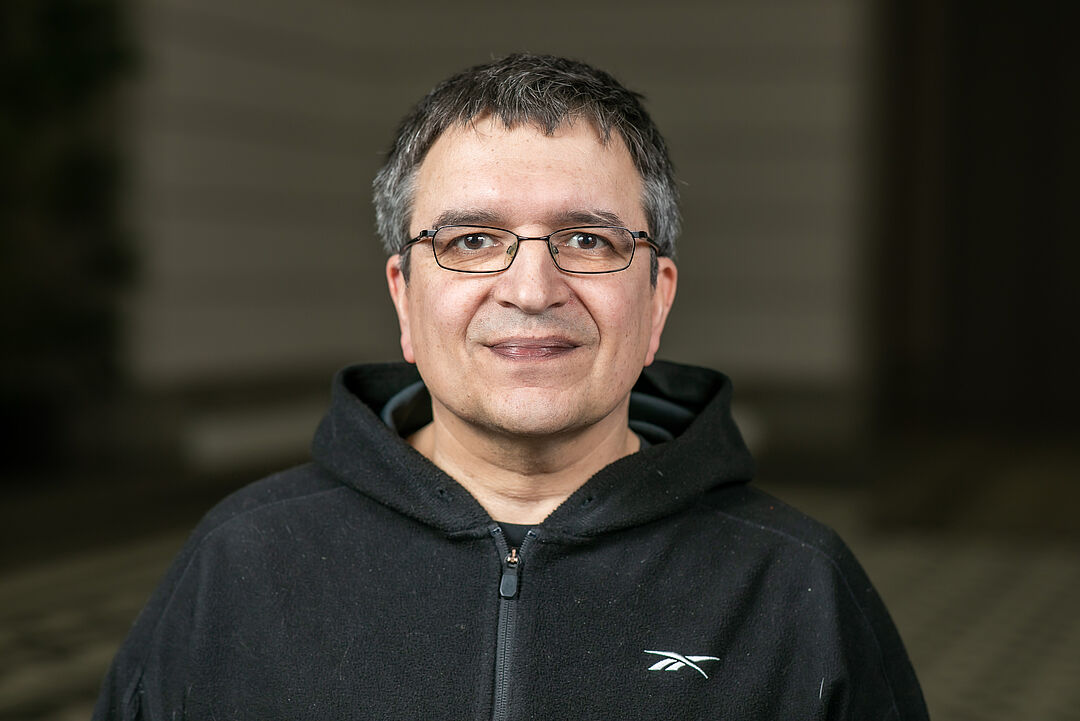
Michael Karow is a Researcher at the Institute of Mathematics , Technical University of Berlin , affiliated with the Faculty II - Mathematics and Natural Sciences . His research focuses on Numerical Linear Algebra , Control Theory , and Matrix Perturbation , with specific interests in Pseudospectra , Stability Radii , and Structured Eigenvalue Problems . Educational background includes a Ph.D. (2003) from the University of Bremen, titled " Geometry of Spectral Value Sets ," and a Habilitation (2009) at TU Berlin. His work spans collaborations with institutions like IIT Guwahati, EPFL Lausanne, and SUNY Utica. His research involves stabilizing discrete-time linear systems via matrix factorizations, structured matrix pencils with no spillover effects, and backward error analysis for palindromic polynomials. Publications highlight applications in finite element model updating , eigenvalue sensitivity , and geometric matrix theory . Teaching includes courses like Numerical Mathematics 1 for Engineering , Differential Equations and Numerics , and Calculus of Variations . He has led workshops in India, Italy, and the U.S., focusing on numerical methods and control theory.
Jonas Nycander is a Professor of Physical Oceanography at Stockholm University's Department of Meteorology (MISU), where he has worked since 2000. His research spans multiple oceanographic domains with a particular focus on physical ocean processes and their connections to climate systems. Dr. Nycander's research interests encompass several critical areas of ocean science. His work on tidal-driven internal waves examines energy transfer mechanisms in the ocean. He investigates ocean circulation dynamics by projecting flows onto different coordinates to determine mechanical versus thermal driving forces. A significant portion of his research focuses on the nonlinear equation of state of seawater and its impact on global water mass distribution. Additionally, he explores the ocean carbon system's role in atmospheric CO 2 concentration during ice ages, the direct effects of carbon dioxide on vegetation, and climate economics. His recent publications demonstrate a strong focus on ocean circulation dynamics, particularly overturning circulation and tidal energy conversion. His work shows increasing sophistication in modeling techniques and data integration, with recent papers incorporating Argo float data and advanced ocean modeling. The research spans from theoretical frameworks examining wave propagation and energy conversion to applied studies on climate impacts and carbon cycling. A consistent thread through his work is the examination of how physical processes drive larger climate systems. Dr. Nycander has been actively involved with multiple research groups at MISU, including those focused on circulation and the land-ocean-atmosphere connection, the North Atlantic and Arctic Ocean, and the Oceanography of the Baltic Sea. His work appears to involve both theoretical modeling and analysis of observational data, suggesting a comprehensive approach to physical oceanography research. He has also collaborated on research related to stratospheric thermodynamic cycles, indicating interdisciplinary reach beyond traditional oceanography.
Geah Pressgrove is a Professor of Public Relations at West Virginia University's College of Creative Arts and Media and Reed School of Media and Communications, where she teaches advertising/public relations courses and advises the award-winning WVU PRSSA chapter. Her work bridges academic theory and professional practice through 15+ years of agency and freelance experience with nonprofits, corporations, and government entities. Pressgrove's educational background includes: Bachelor's in Advertising, Western Kentucky University Master's in Integrated Communications, University of South Carolina Ph.D. in Mass Communications, University of South Carolina Her research centers on organization-public relationship dynamics, specifically examining how communication variables influence relationship quality, behavioral outcomes, and loyalty in nonprofit, corporate social responsibility, community, and political contexts. She focuses on developing robust measurement frameworks for relationship cultivation strategies, with particular emphasis on stewardship theory and its practical applications across diverse sectors. Analysis of her recent publications reveals consistent exploration of stewardship in public relations, relationship management in nonprofit contexts, and innovative pedagogical approaches. Her work demonstrates growing interdisciplinary connections between public relations, health communication, arts management, and political communication, often employing mixed-methods to address real-world challenges in donor retention, spokesperson credibility, and digital advocacy effectiveness. As an educator and practitioner, Pressgrove integrates extensive professional experience—working with foundations, healthcare organizations, and political campaigns—into her teaching and mentoring. Her leadership of the PRSSA chapter provides students with hands-on industry engagement while advancing public relations education through curriculum development focused on creativity and strategic communication.
Sergejus Balčiūnas is an Associate Professor and Senior Researcher at Vilnius University's Institute of Applied Electrodynamics and Telecommunications. With a Doctorate degree in Physics, he has established himself as a prominent researcher in solid state physics and materials science, focusing on dielectric and impedance spectroscopy of advanced materials. His research interests span multiple domains of condensed matter physics, with particular emphasis on dielectric/impedance spectroscopy, phase transitions, ferroelectrics, piezoelectrics, and pyroelectrics . He has made significant contributions to the understanding of hybrid perovskites, metal-organic frameworks (MOFs), and functional composite materials , exploring their fundamental properties and potential applications in energy harvesting, sensing, and optoelectronics. His work often combines experimental techniques with theoretical modeling to unravel complex phenomena in these materials. Analysis of his recent publications reveals a strong focus on mixed-cation perovskites and their phase behavior, with particular attention to how cation engineering affects structural transitions and dielectric response. His research on metal-organic frameworks has uncovered important insights into dipolar dynamics and atmospheric effects, while his work on nanocomposites has advanced understanding of electromechanical coupling in polymer-based energy harvesting systems. His scientific achievements have been recognized with several prestigious awards including the Vilnius University Rector Award for scientific work (2021), the best dissertation award from the Lithuanian President (2021), and the best young researcher award from the Lithuanian Academy of Sciences (2020). Dr. Balčiūnas maintains active collaborations with researchers across Europe and has contributed to numerous international projects focused on advanced materials characterization. His work is frequently published in high-impact journals, demonstrating the significance and quality of his research in the field of condensed matter physics and materials science.
Dr. Vytautas Jukna is a Professor and Senior Researcher at the Laser Research Center (LRC) , Vilnius University. His work focuses on nonlinear optics , laser-matter interaction , and ultrashort pulse propagation . Active in supercontinuum generation , filamentation , and conical wave physics Led 6 projects funded by the Research Council of Lithuania (2010–2022) and the European Regional Development Fund Supervised 12+ students (BSc/MSc/PhD) at Vilnius University and Ecole Polytechnique Research Interests: His work bridges fundamental nonlinear optical phenomena and applied laser processing. Key areas include terahertz structured light , high-precision micromachining , and numerical modeling of filamentation . Publication Trends: Recent articles emphasize nonparaxial beam shaping , supercontinuum in solid-state media , and surface roughness control via femtosecond lasers. Collaborations span materials science, quantum optics, and biomedical applications. Awards: Best PhD Thesis in Physics, Lithuania (2012) Teaching & Leadership: Teaches Laser-matter interaction and Optical information processing . Chairs the Laser Physics and Optical Technology Master's Program Committee and serves on thesis defense panels.
Patrik Ščajev is a Senior Researcher at the Institute of Photonics and Nanotechnology , Vilnius University. His work focuses on semiconductor characterization using advanced optical techniques like pump-probe spectroscopy, photoconductivity, and photoluminescence. Key research areas include: Germanium-tin compounds for infrared applications Perovskite semiconductors for photovoltaic and optoelectronic devices Laser material processing and optical fiber characterization He has led multiple EU-funded projects such as: STRAPER : Spectrally and Temporally Resolved Absorption and Photoluminescence Electro-optic Recorder GeSen : GeSn-based photodetector development Ščajev has supervised 1 PhD student and 3 master's/bachelor's theses. His recent publications emphasize: Carrier dynamics in novel semiconductors Optical parametric generation systems Advanced laser processing techniques
Virgilijus Vaičaitis is a Professor and Chief Researcher at the Laser Research Center of Vilnius University's Faculty of Physics, Department of Quantum Electronics. His research focuses on advanced laser physics and nonlinear optical phenomena, with particular expertise in ultrashort laser pulses, terahertz radiation generation and detection, and laser-created air plasma. Dr. Vaičaitis has led multiple significant research projects including those funded by the Lithuanian Research Council S-MIP-19-46 (2019-2022), EU Framework Programs LASERLAB-Europe IV (2015-2019) and LASERLAB-Europe III (2012-2015), and a NATO-sponsored project between Vilnius, Rochester and Maryland universities (2004-2007). His work has resulted in publications in high-impact journals such as Nature Physics, Physical Review Letters, and Applied Physics Letters. His research spans ultrashort laser pulses , nonlinear optical phenomena , terahertz radiation generation and detection , and laser-created air plasma . His publications reveal a strong focus on developing novel methods for terahertz generation and plasma characterization, with applications in spectroscopy, material analysis, and ultrafast phenomena investigation. The research demonstrates expertise in both theoretical modeling and experimental implementation of complex laser systems. Vilnius University Rectors prize for scientific achievements (2022) Dr. Vaičaitis serves as a reviewer for journals including "Optics Letters," "Optics Express," "Applied Optics," "Optics Communications," and the "Lithuanian Journal of Physics." He is an expert for the Agency for Science, Innovation and Technology (Lithuania), Lithuanian Business Support Agency, and the Department of Research and Development of the Ministry of Education, Youth and Sports of Czech Republic. He has supervised doctoral students Kęstutis Steponkevičius (thesis on "Third harmonic generation and six-wave mixing of femtosecond laser pulses in air") and Danas Buožius (working on "THz radiation generation in air"). Additionally, he has mentored over 15 master's and bachelor's students and reviewed approximately 20 student theses. Dr. Vaičaitis actively participates in international conferences, having delivered invited presentations at "The Extreme Light Infrastructure User Meeting" (2024), "2nd International Congress and Expo on Optics, Photonics and Lasers" (EUROPL2024, 2024), and various International Conferences "Foundations & Advances in Nonlinear Science." His science popularization efforts include articles in media outlets explaining complex physics concepts to the general public, such as "850 mln. eurų itin galingiems lazeriams: kam reikalinga ekstremalios šviesos infrastruktūra Europoje?" (2023) and "Nuo vandens lašo iki šiuolaikinės lazerių fizikos" (2016).
Robert Haller is a Professor in the Faculty of Mathematics at Darmstadt University of Technology, where he specializes in analysis with a focus on partial differential equations and operator theory. His teaching portfolio includes core courses such as Analysis I and Mathematics for Civil Engineering, with upcoming courses scheduled for Winter semester 2025/26. Professor Haller's academic journey includes a PhD thesis titled "Methoden der Banachraum-wertigen Analysis und Anwendungen auf parabolische Probleme" (2004) and a Habilitation "Lp-Regularity Theory for Linear Elliptic and Parabolic Equations" (2008), both completed at TU Darmstadt. His educational background demonstrates deep expertise in mathematical analysis and its applications to parabolic problems. His research program centers on regularity theory for elliptic and parabolic partial differential equations, with particular emphasis on maximal parabolic regularity, divergence form operators with mixed boundary conditions, and non-smooth coefficients and domains. He has made significant contributions to the Kato square root problem and related areas in harmonic analysis and operator theory. His work bridges theoretical mathematics with practical applications in physics and engineering, particularly in areas like sea ice modeling and wave propagation. Analysis of his recent publications reveals a consistent research trajectory focused on boundary value problems and operator theory in non-smooth settings. His work spans pure mathematical theory to applications in climate science, with a recurring theme of establishing regularity properties for solutions to partial differential equations under challenging conditions. Professor Haller actively contributes to the academic community through organizing the International Internet Seminar (ISem27/28) on Harmonic Analysis Techniques for Elliptic Operators, where he serves as a virtual lecturer alongside other leading mathematicians. This seminar provides a platform for master's students, PhD candidates, and post-docs to engage with cutting-edge techniques in harmonic analysis. His research collaborations include prominent mathematicians such as S. Bechtel, R.M. Brown, P. Tolksdorf, H. Meinlschmidt, and J. Rehberg, resulting in publications in prestigious journals including Journal of Evolution Equations, Advances in Mathematics, and Annales de l'Institut Fourier. These collaborations demonstrate his integration within the international mathematical community and his leadership in advancing the field of PDE analysis.
David C. Richardson is a Professor in the Biology Department at State University of New York at New Paltz, where he conducts research on aquatic ecosystems with a focus on lake and pond ecology. His work spans multiple dimensions of freshwater science including biogeochemistry, climate change impacts, ice phenology, and ecosystem metabolism. Richardson leads research projects examining how climate change affects winter conditions in lakes and the subsequent implications for ecosystem functioning. His research interests center on aquatic ecosystem ecology, with specific expertise in lake biogeochemistry, climate change impacts on freshwater systems, invasive species, ice phenology, and the distinction between ponds and lakes. Richardson has developed a functional definition to distinguish ponds from lakes, addressing a long-standing question in limnology. His work often examines how shorter winters and changing ice cover affect lake metabolism, greenhouse gas emissions, and phytoplankton dynamics. Climate change impacts on lake ice phenology and duration Biogeochemical functioning of shallow waterbodies as freshwater hotspots Under-ice ecosystem processes during winter Classification systems for ponds and lakes based on functional characteristics Nutrient dynamics and phytoplankton responses in freshwater ecosystems Richardson's recent publications show a strong focus on winter limnology, with multiple studies examining how changing ice cover affects lake thermal dynamics and ecosystem metabolism. His research demonstrates that ice cover variability does not significantly affect annual metabolism estimates in reservoirs, while shorter ice seasons fundamentally alter under-ice thermal dynamics. He has also documented how shallow waterbodies function as biogeochemical hotspots with high primary production. 5-year $2.5 million National Science Foundation research grant for 'On thin ice- implications of shorter winters for the future of freshwater phytoplankton phenology and function' (Thin Ice Project) Collaborative research with institutions including Cornell University, University of Colorado Boulder, University of Missouri, and University of Vermont Richardson actively mentors undergraduate students in research, with documented success stories like Heather Wander who presented at national meetings. His lab has produced educational materials including a documentary on algal growth in freshwater lakes. He collaborates extensively through networks like the Global Lake Ecological Observatory Network (GLEON) and leads multi-institutional research projects examining climate change impacts on freshwater systems across North America and globally.
Eugene Demidenko, PhD, is a Professor with multiple appointments at Dartmouth College, holding positions in Biomedical Data Science, Community and Family Medicine, Mathematics, and Engineering at the Geisel School of Medicine. His academic career spans several decades with significant contributions to statistical methodology and applications. Dr. Demidenko earned his PhD from the Central Economics-Mathematics Institute of Academy of Sciences in 1975 and an MSD from Moscow Pedagogical University in 1971. His educational background laid the foundation for his interdisciplinary approach to statistics and data science. His research focuses on developing exact optimal statistical inference methods for small samples, challenging traditional approaches that rely on asymptotic approximations. Dr. Demidenko's work bridges theoretical statistics with practical applications in biomedical research, epidemiology, and engineering. He has pioneered the M-statistics framework, which combines maximum concentration (MC) and mode (MO) approaches under a single methodological umbrella. His research extends to statistical analysis of images, tumor regrowth modeling, ill-posed inverse problems, and optimal portfolio allocation. Dr. Demidenko's publications demonstrate a consistent focus on improving statistical methodology across diverse fields. His work shows particular strength in developing exact inference procedures that avoid the limitations of traditional methods when sample sizes are small. The progression from his earlier work on mixed models to his recent M-statistics framework reveals an evolving research trajectory focused on addressing fundamental limitations in statistical practice. Ziegel Book Award in Statistics 2022 for "M-statistics: Optimal Statistical Inference for a Small Sample" Ranked among Top 2% World scientists according to Stanford University database Dr. Demidenko teaches a range of courses including QBS 124 (Advanced Biomedical Data Science), QBS 180 (Data Visualization), QBS 177 (Methods of Statistical Learning for Big Data), and mathematics courses on probability and statistical inference. While specific grant information isn't detailed in the provided text, his research output suggests substantial funding support for his methodological developments and applications. His work has significant implications for biomedical research where small sample sizes are common. His laboratory and research team focus on developing and implementing novel statistical methodologies, with a GitHub presence showing active development of R code for statistical methods. This computational approach enables practical implementation of his theoretical advances for researchers across disciplines.
Christopher Rackauckas is a Research Affiliate and Co-PI of the Julia Lab at the Massachusetts Institute of Technology. He serves as Director of Modeling and Simulation at Julia Computing and Lead Developer of the SciML Open Source Software Organization. His work bridges Scientific Machine Learning (SciML) with high-performance computing, focusing on accelerating differential equation solvers, pharmacometric modeling, and integrating mechanistic models with machine learning. PhD in Mathematics from University of California, Irvine Undergraduate at Oberlin College His research spans computational biology, pharmacometrics, quantitative systems pharmacology, and GPU-accelerated computing. He developed the Pumas platform for personalized medicine and the DifferentialEquations.jl solver suite. Key awards include the ISoP Emerging Scientist Award, ACoP 2020 Quality Award, and Ford Predoctoral Fellowship. Collaborations include Moderna and Pfizer for drug development acceleration. Scientific Excellence Award (US Air Force AI Accelerator) IEEE-HPEC Outstanding Paper Award Kovalevsky Outstanding Ph.D. Thesis Award He teaches the MIT course 18.337 Parallel Computing and Scientific Machine Learning and contributes to open-source scientific software in Julia.
Trenton Mize is an Associate Professor in the Department of Sociology at Purdue University, specializing in social psychology and methodological innovation. He holds a Ph.D. and M.A. in Sociology, an M.S. in Applied Statistics, and a B.A. in Sociology and B.S. in Psychology from Indiana University and the University of Georgia, respectively. Education: Ph.D. in Sociology (Indiana University) M.S. in Applied Statistics (Indiana University) M.A. in Sociology (Indiana University) B.A. in Sociology & B.S. in Psychology (University of Georgia) His research combines social psychological theories of status, identity, and stereotyping with methodological advancements in categorical data modeling and experimental design. Key themes include gender and sexuality dynamics, parental leave policy evaluation, mental illness stigma, and statistical tool development. Recent publications focus on gendered parental leave perceptions, sexual identity discrepancies, and Stata-based methodological tools for social scientists. He actively promotes open science by sharing research data, code, and materials. Mize contributes to graduate education through the Advanced Methodologies at Purdue (AMAP) initiative, developing new courses and leading short workshops on advanced statistical techniques. He joined Purdue in 2017 and has published 12 peer-reviewed articles, one book chapter, and one undergraduate research journal piece.