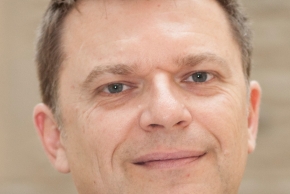
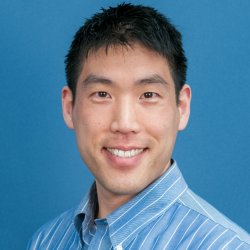
François Lagugné-Labarthet is a Professor in the Department of Chemistry at Western University (London, Canada) and the Scientific Director of the university's Nanofabrication Facility. He specializes in nanoscale spectroscopy, particularly Tip-Enhanced Raman Spectroscopy (TERS), and applies this expertise to study 2D materials, biomaterials, and nanomaterials. His research integrates advanced optical techniques with machine learning for data analysis. He has held a Canada Research Chair in Nanoscience (2008–2018) and earned the CNRS Bronze Medal (2004) for his work on polymers and nonlinear optics. Education: PhD in Physical Chemistry (1998, Bordeaux), Postdoc at Queen's University and UC Berkeley. Facilities: Leads the Nanofabrication Facility, an open-user platform for nanoscale science training. Research Focus: TERS, SERS, plasmonics, and nanomaterial characterization. Current projects include 2D material analysis (e.g., transition metal dichalcogenides) and drug detection using gold-patterned surfaces. Collaborates with industry partners like SCATR Inc. on opioid detection technologies. Key Techniques: AFM, Raman microscopy, nanoimprint lithography. Students & Alumni: Mentored over 40 graduate/undergraduate researchers and postdocs, many now in academia and industry. Awards: CNRS Bronze Medal (2004). Grants & Collaboration: Leveraged funding for nanoscience research; active in cross-disciplinary projects with materials science and biomedical applications.
Professor Senthil Murugan Ganapathy is a Professor at the Optoelectronics Research Centre (ORC) at the University of Southampton, where he serves as Head of the Integrated Photonic Devices Group and Deputy Head of School (ORC) - Education. He also holds an Adjunct Professor position at the Indian Institute of Technology - Madras, Chennai, India. His research focuses on integrated photonic devices for biomedical and environmental applications, with particular expertise in Mid-IR materials and devices for point-of-care diagnostics. Professor Ganapathy received his Ph.D. in Photonic Materials in 2001 from the Indian Institute of Science, Bangalore. Following his doctorate, he completed post-doctoral fellowships at the University of Bordeaux, France (2001-2005) and Toyota Technological Institute, Japan (2001-2005) before joining the University of Southampton in April 2005. His research spans photonic materials to photonic systems, with current focus on Mid-IR/high-contrast materials and devices for biomedical sensing , on-chip spectroscopy , on-chip nanoscopy , environmental monitoring , and optical communication applications . He has made pioneering contributions in the field of novel optical microresonators and established a major Mid-IR characterization facility worth approximately £1M, which is unique for waveguide spectroscopy in the 2-13 μm spectral region. Recent publications demonstrate a strong trend toward biomedical applications of photonics, particularly in point-of-care diagnostics for conditions like neonatal respiratory distress syndrome. His work increasingly integrates photonics with data science approaches to enhance diagnostic capabilities, with multiple publications on liposome analysis, biomarker detection, and on-chip spectroscopy systems. Notable recognitions include: Dean's Award for 2012/2013 for "Outstanding Contributions in Teaching" for MSc (Photonic Technologies) Fellow of The Higher Education Academy of the UK Professor Ganapathy actively mentors the next generation of photonics researchers, currently supervising six PhD students. He has secured over £8 million in research funding as Principal Investigator and Co-Investigator, supporting projects including "MISSION (Mid-Infrared Silicon Photonic Sensors for Healthcare and Environmental Monitoring)" funded by EPSRC. His research group includes Dr. Aneesh Vincent Veluthandath and Dr. Waseem Ahmed, working collaboratively on cutting-edge photonic device development. He leads the Integrated Photonic Devices Group at the ORC, which operates the major Mid-IR characterization facility and has developed rapid bedside tests for diagnosing neonatal respiratory distress syndrome in premature babies, as featured in news outlets like News Medical and The Engineer.
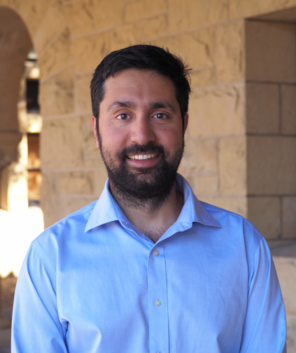
Amir Safavi-Naeini is an Associate Professor of Applied Physics at Stanford University's School of Humanities and Sciences, with a courtesy appointment in Electrical Engineering. He leads the Laboratory for Integrated Nano-Quantum Systems (LINQS), focusing on chip-scale quantum technologies at the intersection of photonics, optomechanics, and nanofabrication. Ph.D., California Institute of Technology, Applied Physics (2013) B.ASc., University of Waterloo, Electrical Engineering (2008) His research centers on quantum acoustics , optomechanical transduction , and microwave-to-optical conversion , aiming to create scalable quantum devices for sensing and communication. Recent work includes developing 2D optomechanical crystals, vacuum beam guides for quantum networks, and programmable microwave delay lines. Scientific Awards 2022 Moore Inventor Fellowship ($825,000 over 3 years) He has supervised doctoral students including Sultan Malik, Felix Mayor, Wentao Jiang, and Oliver Hitchcock, while collaborating with Caltech's Michael Roukes on quantum mass spectrometry systems. His lab acknowledges funding from NSF (CAREER, MOLINO), DARPA, DOE (Q-NEXT), NIH, Moore Foundation, Packard Foundation, and industry partners like AWS and NTT. LINQS Lab develops lithium niobate photonic circuits for quantum applications, with expertise in cryogenic optomechanics, parametric amplification, and nonlinear optical processes. Current projects include protein identification chips, quantum acoustic processors, and ultra-broadband mid-infrared generation.
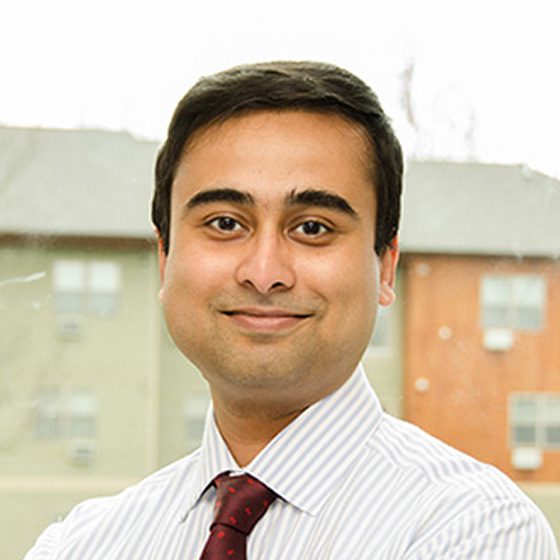
Hari Nair is an Assistant Professor in the Department of Materials Science and Engineering at Cornell University, part of the College of Engineering. His research focuses on the synthesis and characterization of complex oxide thin films using molecular beam epitaxy (MBE), with applications in power electronics, quantum materials, and optoelectronics. B.Tech. in Engineering Physics, Indian Institute of Technology Madras, 2006 M.S. in Electrical and Computer Engineering, The University of Texas at Austin, 2008 Ph.D. in Electrical and Computer Engineering, The University of Texas at Austin, 2013 His research interests lie at the intersection of semiconductor physics, materials synthesis, and advanced functional materials. He specializes in epitaxial strain engineering, heterostructure design, and the control of electronic and magnetic properties in oxide thin films. His vision is to leverage novel materials to enable revolutionary advances in electronic and optoelectronic devices. Analysis of his recent publications reveals a strong focus on β-Ga₂O₃ for high-power devices and ruthenate-based quantum materials such as Sr₂RuO₄ and SrRuO₃. His work spans ultra-wide bandgap semiconductors, strain-engineered phase transitions, superconductivity, and spin-orbit phenomena. Techniques include MBE growth, THz spectroscopy, and advanced electron microscopy. Notable scientific awards include: Student Paper Award, Device Research Conference (DRC), 2013 The Ben Streetman Prize for Outstanding Research in Electronic and Photonic Materials and Devices, 2013 Student Paper Award, Electronics Materials Conference (EMC), 2012 Hari Nair has advised several graduate students and postdoctoral researchers, though specific names are not listed in the provided text. His work has been supported by grants from federal agencies and institutional programs focused on advanced materials and quantum science. He is actively involved in collaborative research through centers and labs at Cornell, particularly those related to materials synthesis and characterization. He leads a research group focused on the growth and study of epitaxial thin films, working closely with the D.G. Schlom group and other collaborators in the Kavli Institute at Cornell. His lab utilizes state-of-the-art MBE systems and advanced characterization tools for probing electronic, magnetic, and structural properties at the nanoscale.
William Wadsworth is Professor of Physics at the University of Bath, affiliated with the Centre for Photonics and Photonic Materials. His research focuses on photonic crystal fibres (PCFs) and hollow-core fibre technologies, with applications spanning quantum information, medical imaging, and fundamental metrology. Research Expertise Professor Wadsworth designs and fabricates microstructured optical fibres enabling unprecedented light control. His work centers on: Development of hollow-core anti-resonant fibres for deep ultraviolet guidance Supercontinuum generation across UV-to-infrared spectra Medical applications including UV light therapies and malaria diagnostics Quantum optical systems using alkali-metal vapours in fibres Research Impact His recent publications (2024-2025) demonstrate cutting-edge advances in hollow-core fibre technology for deep-UV applications and medical diagnostics. Key trends include resonance-free supercontinuum generation, integration of AI with photonics for malaria detection, and novel fibre designs enabling quantum applications. These innovations directly support UN Sustainable Development Goals in health and clean energy. Grants and Supervision Professor Wadsworth leads 24 research projects including: U-Care (2021-2026): Deep Ultraviolet Light Therapies (EPSRC) International Collaboration Awards (2020-2023): Clean Air (Royal Society) Plasmon-Enhanced Alkali-metal Vapours (2017): Quantum optical applications He has supervised 18 doctoral students and currently accepts new PhD candidates in photonics and fibre optics. Research Environment As core faculty in Bath's Centre for Photonics and Photonic Materials, he collaborates internationally with institutions in quantum optics, air pollution analysis, and medical instrumentation, maintaining active partnerships across Europe and Asia.
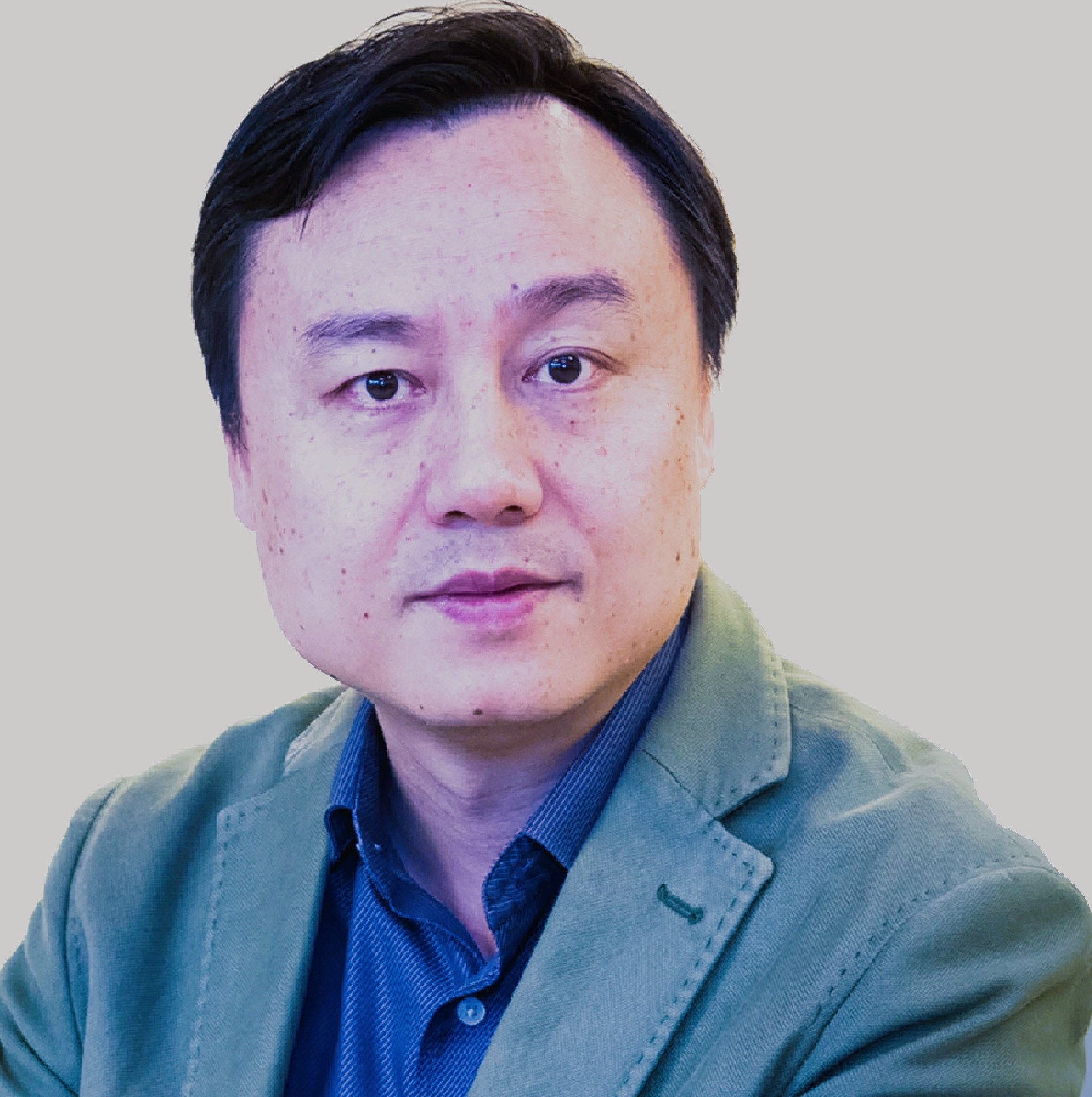
Professor Liu Xiaogang is a Distinguished Professor in the Department of Chemistry at the National University of Singapore (NUS). He holds a B. Eng from Beijing Technology and Business University, M.Sc. and Ph.D. degrees in Chemistry from East Carolina University and Northwestern University (USA), respectively, and completed postdoctoral research at MIT. His research focuses on supramolecular coordination chemistry, catalysis, chemical sensors, optogenetics, photon upconversion, and X-ray photonics. Key achievements include pioneering work on metal-organic complexes for optoelectronics and developing advanced X-ray scintillators for medical imaging. Education: B. Eng, Beijing Technology and Business University, China M.Sc. Chemistry, East Carolina University, USA Ph.D. Chemistry, Northwestern University, USA Postdoctoral Associate, Massachusetts Institute of Technology, USA Research Highlights: Professor Liu’s lab has produced groundbreaking advancements in luminescent materials, including directive giant upconversion via supercritical bound states and real-time single-proton counting scintillators. His work bridges chemistry, materials science, and biomedical applications, with notable contributions to photon upconversion, X-ray imaging technologies, and nanotheranostics. Awards: RSC Centenary Prize (2024) President’s Science Award (2016) Advising & Grants: As Principal Investigator of the Liu Lab at NUS, he oversees a dynamic research group focused on cutting-edge nanomaterials and their applications in healthcare and photonics. His grants include support for projects on X-ray luminescence imaging and optogenetic tools. Labs & Teams: The Liu Lab operates within NUS’s Department of Chemistry, collaborating with interdisciplinary teams to advance materials innovation for biomedical and environmental challenges.
Dr. Youngchan Kim is a Lecturer in Quantum Biology at the University of Surrey , serving as Director of the Quantum Biology Doctoral Training Centre (QB-DTC). He is affiliated with multiple departments including the School of Biosciences, Advanced Technology Institute, and Quantum Sciences Group. PhD in Physics (2011), Korea Advanced Institute of Science and Technology MSc in Physics (2008), KAIST BSc in Physics (2006), Chung-Ang University Graduate Certificate in Learning and Teaching (2022), Advance HE His research focuses on quantum phenomena in biological systems at physiological temperatures, particularly using femtosecond optical spectroscopy and genetically engineered fluorescent proteins to explore evolutionary adaptations and develop quantum-bio-inspired technologies like room-temperature single-photon sources. The 15 most recent publications span quantum biology, biophotonics, and optical spectroscopy, with particular emphasis on quantum coherence in biological systems , terahertz birefringence , fluorescent protein dynamics , and biomedical imaging innovations . These works demonstrate his interdisciplinary approach bridging physics, biology, and medical applications. As QB-DTC Director, he leads transdisciplinary initiatives fostering collaboration between quantum physics and biosciences. His technical expertise includes time-correlated single-photon counting , common-path interferometry , and ultrafast fluorescence depolarization techniques.
Dr. Alexandre Mermillod-Blondin is a Principal Investigator heading a DFG-funded project on 'Micromachining with few-cycle pulses' at the Max Born Institute. His research focuses on fundamental laser-matter interactions and direct laser writing of 3D micro-optical systems in transparent materials. Key investigations include plasma formation mechanisms in dielectrics, relaxation dynamics, and applications in photonic device fabrication. His group utilizes phase-contrast microscopy and time-resolved techniques to characterize ultrafast processes.
Brian Ingalls is a Professor in the Department of Applied Mathematics and cross-appointed to Biology at the University of Waterloo. His research applies mathematical and control-theoretic approaches to biological systems, including genetic regulatory networks, microbial communities, and cellular metabolism. Institutional Affiliation: Faculty of Mathematics, University of Waterloo Contact: bingalls@uwaterloo.ca His work focuses on systems biology and synthetic biology , particularly sensitivity analysis of biochemical networks, optimal experimental design, and mathematical modeling of cellular processes. Research funding comes from NSERC and CIHR . Notable contributions include the textbook Mathematical Modeling in Systems Biology (MIT Press, 2013) and the Ingalls Quantitative Cell Biology Lab , which investigates intracellular and intercellular network dynamics through computational and experimental methods. Key Collaborations: iGEM Waterloo, Chemical Engineering, and international synthetic biology networks Advising: Mentored 15+ graduate students and postdocs across applied math, biology, and engineering fields
Timothy J. Muldoon is a Professor in the Department of Biomedical Engineering at the University of Arkansas, where he has been since 2012. He holds joint appointments in the (ENGR)-Engineering and (BMEG)-Biomedical Engineering programs. B.S. in Biomedical Engineering from Johns Hopkins University (2002) Ph.D. in Bioengineering from Rice University (2009) M.D. from Baylor College of Medicine (2010) Dr. Muldoon leads the Translational Biophotonics and Imaging Laboratory, focusing on multimodal microendoscopy , multiphoton imaging , and light sheet microscopy for cancer detection and treatment monitoring. His work bridges optical spectroscopy , nanotechnology , and microfluidics to develop novel diagnostic tools. Current research includes optical methods for assessing chemoradiotherapy response in colorectal cancer, metabolic imaging of tumor organoids , and point-of-care blood analysis systems . His publications (30+ peer-reviewed articles) and NIH-funded projects demonstrate clinical translation of optical biopsy technologies. National Institutes of Health Academic Research Enhancement Award (R15) - Cancer Imaging NIH Early Career Reviewer Program (2016) Burroughs Wellcome Collaborative Research Grant (2012) Dr. Muldoon teaches advanced courses in Biomedical Microscopy (BMEG 5504) and Biomedical Instrumentation (BMEG 2904), emphasizing optical techniques and physiological measurements . He has received multiple teaching and service awards at the University of Arkansas.
Paul M Thibado is a Professor in the Department of Physics within the College of Arts & Sciences at the University of Arkansas. With over 100 refereed publications and 51 patents worldwide, his work focuses on cutting-edge research in graphene physics and energy harvesting technology. He has secured over $12 million in external research funding from sources including NSF, DoD, and the Walton Foundation, with current support from the WoodNext Foundation. Education: Ph.D. in Physics, 1994, University of Pennsylvania, Philadelphia, PA B.S. in Physics, 1990, San Diego State University, San Diego, CA B.S. in Mathematics, 1990, San Diego State University, San Diego, CA Professor Thibado's primary research focuses on the physical properties of novel two-dimensional systems, particularly pristine freestanding graphene and chemically-functionalized graphene. His work investigates electronic, mechanical, electromechanical, spin-dependent tunneling, and transport properties. A significant portion of his recent research centers on developing multimodal energy harvesting technology using graphene, with power sources including kinetic, solar, thermal, ambient radiation, acoustic, and nonlinear thermal energy. His groundbreaking discovery that thermal fluctuations in graphene can be harnessed to generate usable electrical power represents a paradigm shift in nanoscale energy generation. Analysis of his recent publications (2023-2025) reveals a clear progression from fundamental studies of graphene properties to the development of functional energy harvesting devices. Key research themes include spectrum analysis of thermally driven curvature inversion in graphene ripples, transient thermal energy harvesting at single temperatures using nonlinearity, and creating arrays of graphene solar cells on silicon wafers. His work demonstrates how Brownian motion in two-dimensional materials can be converted into electrical energy through innovative device architectures. Scientific Awards: Senior Member of the National Academy of Inventors NSF CAREER Awardee ONR award recipient NSF MRSEC funding NSF FRG funding NSF MRI funding NSF REU funding NSF-EM funding NRC Post-doctoral Fellow, Naval Research Laboratory (1994-96) Master Researcher Award, Fulbright College (2014) Professor Thibado has successfully mentored numerous students and postdocs, including Dr. Vince LaBella who was elected APS Fellow for clicker development work. His research has been supported by over $12 million in external funding from diverse sources. His laboratory combines advanced scanning tunneling microscopy techniques with electrical measurements to study and harness the unique properties of two-dimensional materials. Future work appears directed toward scaling up graphene energy harvesting technology for practical applications and commercialization, with several patents recently granted for energy harvesting devices and sensors.
Sapun Parekh is an Associate Professor in the Department of Biomedical Engineering at the University of Texas at Austin, supported by the Cockrell Family Fellowship. His research focuses on developing label-free imaging and analytical tools using nonlinear chemical microscopy to diagnose pathologies such as type 2 diabetes. The Parekh Lab, operating at UT Austin and the Max Planck Institute, investigates molecular basis of pathology, microscopy instrumentation, and mechano-chemical coupling in cancer. Key research areas include chemical and nonlinear microscopy, molecular physics of biomaterials, and imaging molecular structure under mechanical deformation. Recent work emphasizes biomolecular condensates, blood clot mechanics, and metabolic defense mechanisms in cancer cells. The lab actively recruits graduate students and postdoctoral researchers in topics like nonlinear microscopy and neurodegeneration imaging. Notable students include Jacob, Sam, Nick, and Advika, who have passed exams or defended theses. Collaborations with institutions like Brown University and EMBL advance interdisciplinary projects. The lab’s innovations bridge fundamental biophysics with clinical applications, emphasizing inclusion and innovation. Education Background: Not explicitly stated in provided texts. Affiliations: UT Austin Biomedical Engineering, Max Planck Institute. Research interests span imaging technologies, biomaterials, and disease mechanisms, with recent articles addressing biomolecular condensates, clot mechanics, and nanotechnology. The lab’s work is published in high-impact journals, reflecting its commitment to advancing biomedical diagnostics and therapies.
Prof. Dr. Michael Horn-von Hoegen is a full professor in the Faculty of Physics at the University of Duisburg-Essen , Germany. His research focuses on ultrafast structural dynamics , surface physics , and 2D materials , particularly using electron diffraction and plasmonic imaging techniques. He leads the Horn-von Hoegen Group , which plays a central role in the Collaborative Research Center CRC 1242 Non-Equilibrium Dynamics of Condensed Matter in the Time Domain , where his team investigates driven phase transitions and phonon systems with sub-femtosecond temporal resolution. Location: Office Window MF260, Faculty of Physics, Lotharstr. 1-21, 47057 Duisburg Contact: Tel. +49 (203) 379 1439 | Fax +49 (203) 379 1555 His research spans ultrafast electron diffraction of photo-induced phase transitions in atomic wires and topological materials , with recent breakthroughs on Kibble-Zurek dynamics in the Si(001) surface and chiral plasmon polaritons . The group’s 15 most recent publications (2025-2022) address phenomena such as negative thermal expansion in 2D materials , electron-phonon coupling in Pb/Si heterostructures , and quantum pathway analysis in Bismuth films . These works are categorized under disciplines like Condensed Matter Physics , Nanooptics , and Ultrafast Dynamics , with subfields including Ising Model Transitions , Plasmon Focusing , and Time-Resolved Diffraction . Prof. Horn-von Hoegen serves as DFG Liaison Officer for the University of Duisburg-Essen, providing guidance on Deutsche Forschungsgemeinschaft (DFG) proposals . His group has mentored notable researchers including Dr. Simon Sindermann (postdoc at IBM), Dr. Anja Hanisch-Blicharski (Leopoldina Fellow), Dr. Hichem Hattab (Leopoldina Fellowship), and Dr. Marin Petrovic (Humboldt Fellow). The group’s laboratory facilities include advanced ultrafast electron diffraction and photoemission microscopy systems, enabling studies of atomic-scale processes such as molecular dynamics simulations of laser-excited surfaces and domain wall motion in Si(553)-Au systems .
Janet Sheung is an Assistant Professor of Physics at Scripps College, specializing in biophysical systems and cytoskeletal dynamics. She teaches courses such as Principles of Physics, Electronics Laboratory, and Senior Thesis in Physics/Biophysics. Her research focuses on the interplay between molecular motors, cytoskeletal networks, and active matter, with a particular emphasis on mechanical properties, transport phenomena, and microscopy innovations. Dr. Sheung's work explores how motor proteins like kinesin and myosin drive structural and mechanical changes in cytoskeletal composites, influencing DNA transport, phase separation, and stress propagation. She has pioneered customizable light-sheet microscopy techniques for visualizing these systems in vivo. Her studies integrate experimental and theoretical approaches to understand non-equilibrium dynamics in biological materials. Her articles highlight themes of motor competition, topological effects on DNA transport, and the design of advanced imaging tools. While no awards are explicitly listed, her contributions to biophysics and microscopy instrumentation are evident in her publication record. Advising and grant details are not provided in the available text, but her teaching and research roles suggest active involvement in student mentorship.
Oskar Hallatschek is an Associate Professor and McAdams Chair in the Department of Physics and Integrative Biology at the University of California, Berkeley. His research focuses on biological physics and evolutionary dynamics, particularly how collective patterns emerge from heterogeneous microbial populations. He leads the Hallatschek Lab, which maintains collaborations with institutions like the University of Leipzig. Research Emphasis: Microbial systems, population genetics, non-equilibrium statistical physics, evolutionary adaptation, and mechanical interactions in cellular populations. Publications span journals like Nature , PNAS , and Science , with recent work on allele surfing, jamming in microbial colonies, and long-range dispersal effects. Grants: Supported by NIH and NSF, as indicated by institutional logos in the lab web presence.