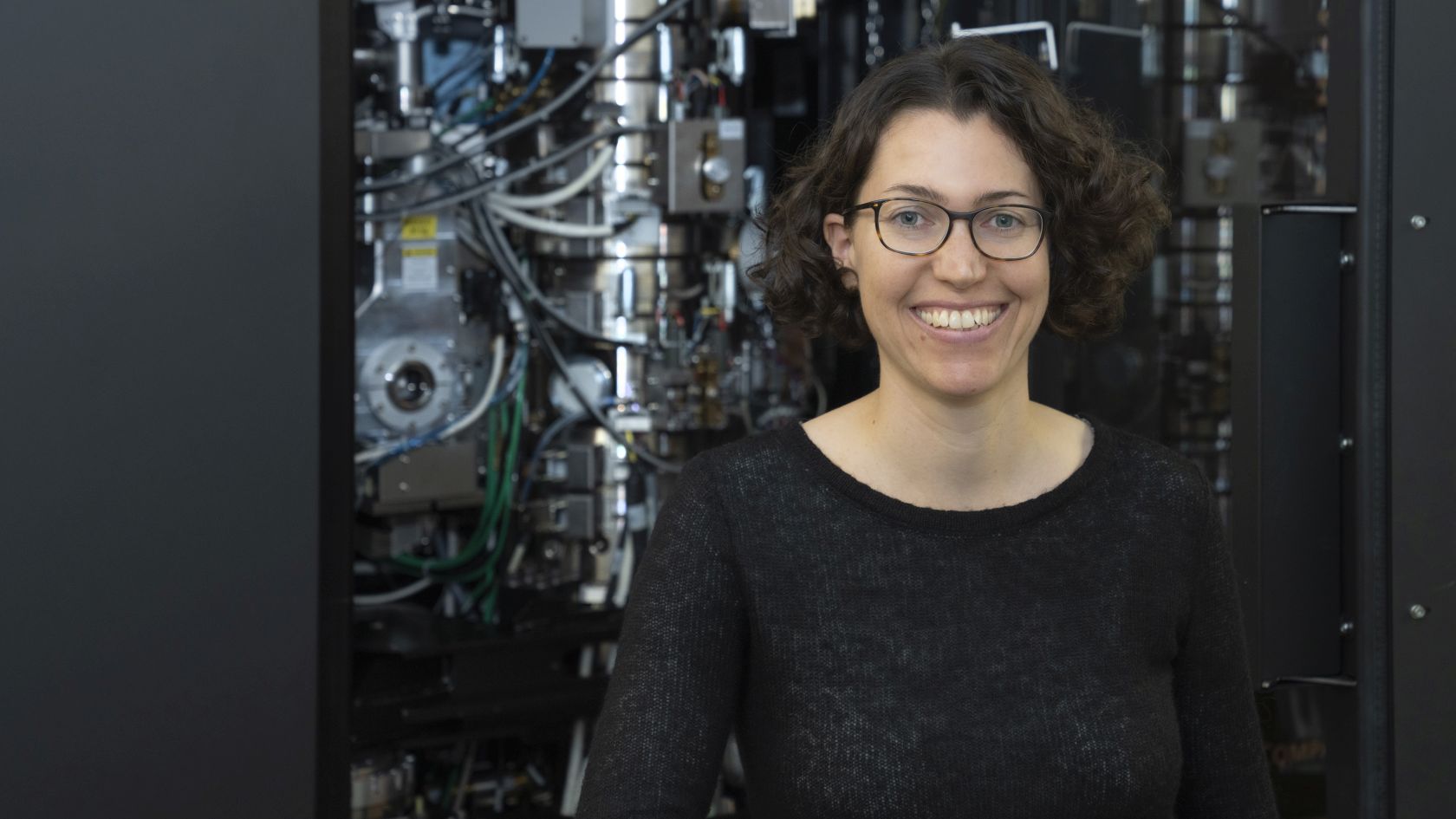
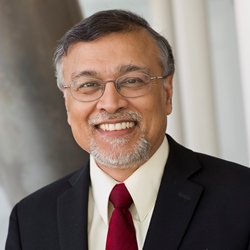
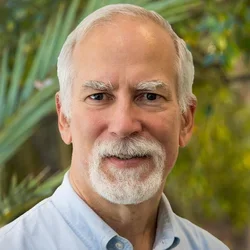
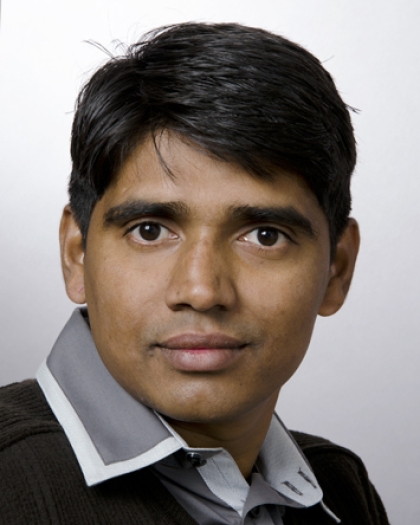
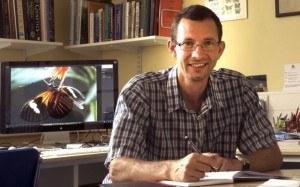
Prof. Manuela Schmidt is a faculty member at the University of Vienna, affiliated with the Faculty of Life Sciences and the Department of Pharmaceutical Sciences. Her research focuses on modern systems biology pain research and biomedical applications, primarily conducted in her laboratory. She supervises Master's theses with limited availability, requiring applications between January 1–31, 2025, and coordinates both experimental and literature-based thesis opportunities. Her work spans bioinformatics, computational biology, and phylogenetics, with significant contributions to maximum likelihood phylogenetic methods and software development (e.g., IQ-TREE). Research trends include evolutionary biology, molecular biology, and applications of machine learning in phylogenetic analysis. Additional interests involve environmental microbiology and developmental genetics. For contact, email manuela_schmidt@univie.ac.at. Her lab is located at UZA II, Josef-Holaubek-Platz 2, A-1090 Vienna, Austria (phone: +43-1-4277-55301).
Prof. Susanne Kassube is an SNSF Assistant Professor in the Department of Biochemistry at the University of Zurich, affiliated with the Faculty of Science. Her research focuses on the molecular mechanisms of Fe-S protein biogenesis and DNA repair enzymes, employing structural biology techniques such as cryo-electron microscopy and X-ray crystallography alongside biochemical and biophysical methods. She holds a Ph.D. in Biophysics from the University of California, Berkeley (2013), and completed postdoctoral training at the Friedrich Miescher Institute for Biomedical Research in Basel (2014–2020). Education: Diploma (M.Sc.) in Biology, University of Heidelberg, Germany (2008) Ph.D. in Biophysics, University of California, Berkeley, USA (2013) Research Interests: Fe-S cluster assembly and dysfunction in human diseases Mechanisms of DNA repair proteins Structural biology of large macromolecular machines Her work integrates structural and functional studies to elucidate how Fe-S clusters regulate cellular processes like DNA repair and oxidative stress response. Awards: SNSF PRIMA Grant (2021) EMBO Long-Term Postdoctoral Fellowship (2015) Boehringer Ingelheim Fonds PhD Fellowship (2010) Advising & Grants: Advises PhD students (Roberta Cadei, Keshav Goyal, Steffen Winkler) and a Master’s student (Anna von Wyss). Recipient of the SNSF PRIMA Grant supporting her research into Fe-S protein biogenesis. Labs/Teams: The Kassube Group at the University of Zurich focuses on structural and biochemical studies of Fe-S proteins and DNA repair mechanisms. Team members include lab technicians and technical staff.
Alessandra Rogato is a Senior Researcher at the National Research Council of Italy (CNR) Institute of Biosciences and BioResources in Naples. She is affiliated with the Department of Integrative Marine Ecology at Stazione Zoologica Anton Dohrn and holds qualifications for Associate Professor positions in two Italian academic sectors. Her academic journey includes a PhD in Advanced Biology (2007) and a Master's in Biotechnological Science (2002) from the University of Naples Federico II. She has conducted research at institutions such as Weizmann Institute of Science, Sorbonne Université, and University of Freiburg. Rogato's research focuses on molecular mechanisms enabling photosynthetic organisms to adapt to variable environments, particularly nitrogen handling in marine diatoms and legume plants. Her work explores light sensing, nutrient transporters, and the biotechnological applications of diatom silica cell walls (frustules). Her 15 most recent publications span marine biology, synthetic biology, nanotechnology, and plant physiology, with key contributions to diatom nitrogen transporters (diNPFs), frustule light manipulation, and legume symbiotic processes. These works reflect collaborations with institutions across Europe and the U.S. Scientific Awards: AXA Research Fund Post-Doctoral Fellowship, Poster Prize at 8th European Phycological Congress (2023), EMBO Poster Prize (2009) She has supervised seven graduate students (six Master's, one PhD) and contributed to editorial boards and grant review panels for NSF, ANR, and Italian universities. Rogato actively participates in European Biotech Week lectures and organizes scientific workshops like 'Bringing Maths to Life'.
Danielle Weaver is a Researcher at the University of Manchester within the Division of Immunology, Immunity to Infection and Respiratory Medicine . Her work focuses on mycobiome analysis, fungal infections, and transcriptomics, contributing to UN Sustainable Development Goals related to global health challenges. She has co-developed novel diagnostics for fungal infections and investigated the role of RNA interference in fungal pathogenesis. Education & Research: Dr. Weaver holds a PhD in Microbiology from the University of Manchester (2018), focusing on N-linked glycosylation in Campylobacter species. Her research integrates next-generation sequencing (NGS), metagenomics, and transcriptomics to study microbial communities in respiratory diseases and infectious pathogens. Research Themes: Mycobiome dynamics in critically ill patients (e.g., post-COVID-19) Functional genomics of Aspergillus fumigatus RNAi pathways Bacterial glycosylation as a target for diagnostic tools Collaborations & Impact: Her work bridges fundamental research and clinical applications, with studies published in BMC Microbiology , RNA , and Frontiers in Microbiology . She collaborates internationally on fungal diagnostics and respiratory infection mechanisms.
Michele Vitolo is an Assistant Professor in the Department of Pharmacology & Physiology at the University of Maryland School of Medicine. Her research focuses on understanding the molecular mechanisms of breast cancer metastasis, particularly the role of PTEN loss and microtentacle formation in tumor progression. She has developed innovative models and assays to study cytoskeletal dynamics and signaling pathways in cancer cells. University of Maryland Baltimore (PhD, 2004) Franklin and Marshall College (BS, 1995) Dr. Vitolo's research investigates how tumor suppressor gene inactivation affects cancer cell behavior. Key areas include: PTEN loss-induced microtentacle formation Interplay between PI3K and Ras/MAPK pathways Calcium signaling in metastatic processes Epigenetic regulation of cytoskeletal networks Development of novel cell tracking methodologies Identification of therapeutic targets for metastatic disease Her work has been recognized through the NCI Mentored Scientist Research Award. Dr. Vitolo has authored numerous publications examining: Cytoskeletal alterations in detached cancer cells Role of tubulin modifications in metastasis Signaling mechanisms promoting tumor cell reattachment Therapeutic approaches targeting microtentacle formation
Marisa S. Bartolomei , PhD, is a Perelman Professor of Cell and Developmental Biology and Professor of Genetics at the University of Pennsylvania Perelman School of Medicine . She serves as Director of the IRM Program in Reproductive Medicine and Co-Director of the Epigenetics Institute . Education: B.S. in Biochemistry from the University of Maryland (1982), Ph.D. in Biochemistry from Johns Hopkins University (1987) under Dr. Jeffry Corden, and postdoctoral work in Molecular Biology at Princeton University with Dr. Shirley Tilghman (1988-1993). Her research focuses on genomic imprinting and X inactivation in mice, exploring mechanisms of allelic expression, DNA methylation, and environmental impacts via Assisted Reproductive Technologies (ART) and endocrine disruptors . Key projects include analyzing mutations at imprinted loci, noncoding RNAs at the H19/Igf2 locus, and DNA methylation reprogramming in germ cells. Publications (15 most recent) span epigenetics, developmental biology, and environmental impacts on gene regulation. Notable trends include studies on TET proteins , CTCF insulator function , and ART-induced placental defects . Her work intersects with reproductive medicine and environmental health. Scientific Awards: None explicitly listed in the provided text. She mentors graduate students and postdoctoral fellows, with lab personnel including Aimee Juan, YeeHoon Foong, Joanne Thorvaldsen, and Rexxi Prasasya. Her lab employs mouse models to study epigenetic mechanisms, with collaborations across institutions like Duke University and the NIEHS TaRGET II Consortium.
Mehdi Damaghi, PhD is an Assistant Professor in the Department of Pathology at the Renaissance School of Medicine, Stony Brook University, and a faculty member at the Stony Brook Cancer Center. His research focuses on understanding cancer through ecological-evolutionary principles, with particular emphasis on breast and ovarian cancers. Dr. Damaghi received his BSc in Cell & Molecular Biology-Genetics from Chamran University in Iran (1998-2002), his MSc in Biochemistry from Tarbiat Modares University in Iran (2002-2005), and his PhD in Cell Biology and Genetics from the Max Planck Institute in Dresden, Germany (2008-2012). He completed postdoctoral training at the Moffitt Cancer Center (2012-2017) and served as a Research Scientist (2017-2021) and Instructor (2021) there before joining Stony Brook University. Dr. Damaghi's research applies ecological and evolutionary principles to understand cancer initiation, progression, and metastasis. His lab investigates how tumor cells adapt to variable microenvironments, leading to metabolic reprogramming linked to epigenetics and transcription factors. He studies the interplay between tumor cells and their microenvironment, which drives genotypic heterogeneity and phenotypic plasticity. His work integrates single-cell multi-omics approaches (genome, epigenome, transcriptome, proteome, and metabolome) with pathomics analysis to capture cancer cell heterogeneity in their natural context. An analysis of Dr. Damaghi's recent publications reveals a strong focus on cancer metabolism, particularly how tumor acidosis and hypoxia influence cancer progression and treatment resistance. His work bridges evolutionary biology with cancer research, examining how selective pressures in the tumor microenvironment drive adaptive changes in cancer cells. Key themes include metabolic reprogramming, lysosomal function in acidic environments, and the application of ecological principles to improve cancer treatment strategies, especially for breast and ovarian cancers. NIH/NCI U01CA261841-01 as PI: "Ecology and Evolution of Breast Cancer" (2021-2026) NIH/NCI R01CA249016-01 as Co-PI: "Radiomics and Pathomics to Predict Progress of DCIS Lesion" (2021-2026) Dr. Damaghi actively mentors students and researchers, with openings available for MSc, PhD, MD/PhD, and postdoctoral positions in his lab. His lab, the Damaghi Research Lab, focuses on four main projects: 1) Ecology and Evolution of Breast Carcinogenesis, 2) Metabolic phenotypes in DCIS to stratify disease progression, 3) Co-evolution of tumor and stroma in breast cancer, and 4) Evolution of resistant phenotype to PARPi in ovarian cancer.
Professor Paul Riley is a leading academic in cardiovascular development and regenerative medicine. He holds roles as Professorial Fellow in Medicine at Jesus College, British Heart Foundation Professor of Regenerative Medicine, and Chair of Development and Cell Biology at the University of Oxford's Department of Physiology, Anatomy and Genetics. He also directs the Institute of Developmental & Regenerative Medicine. His research focuses on cardiac regeneration, lymphatic vasculature, and macrophage biology, with a particular interest in translating developmental mechanisms to adult heart repair. Paul has received prestigious awards, including the European Society of Cardiology's Outstanding Achievement Award (2008) and Fellowship of the Academy of Medical Sciences (2014). Education: BSc Zoology (Leeds, 1987-1990); PhD Zoology (UCL, 1992-1995) Positions: Postdoctoral training at Mount Sinai Hospital (Toronto) and Oxford, followed by roles at UCL-Institute of Child Health before moving to Oxford in 2011. His research interests include transcriptional control of heart development, congenital heart disease modeling, and stem cell-derived cardiac repair. He teaches undergraduate and postgraduate courses at Oxford and UCL, covering topics like cardiovascular development and stem cell biology. His lab investigates epicardial progenitor cells, cardiac lymphatics, and macrophage interactions in regeneration. Scientific achievements include discovering epicardial cell potential for heart regeneration and elucidating lymphatic roles in post-injury repair. His work bridges basic science and clinical applications, aiming to develop novel regenerative therapies for heart disease.
Jonathan Henninger is an Assistant Professor in the Department of Biological Sciences at Carnegie Mellon University (CMU), part of the Mellon College of Science. His research focuses on RNA's role in regulating gene expression and cell fate through molecular biology, soft-matter physics, and super-resolution imaging approaches. The Henninger Lab investigates RNA's interactions with proteins and condensates to uncover mechanisms underlying gene control and disease. Education: Ph.D. in Developmental and Regenerative Biology from Harvard University, followed by postdoctoral training at the Whitehead Institute for Biomedical Research, MIT. Key research interests include RNA-mediated transcriptional regulation, nuclear condensates, RNA structure-function relationships, and the development of RNA-based therapies. The lab combines experimental and computational methods to study how RNA defects contribute to human diseases like cancer and neurodevelopmental disorders. Recent work includes identifying how RNA synthesis patterns nuclear condensates and discovering roles for rRNA G-quadruplexes in nucleolar protein condensation. The lab received a Kaufman Foundation New Investigator Grant to explore RNA's role in directing transcription. Advising and grants: Jonathan mentors a diverse team of PhD, Master’s, and undergraduate students. Notable advisees include Haoran Wang, Lydia Phillips, and Arth Banka. Current projects involve synthetic transcriptional condensates and bioinformatic discovery of RNA regulatory elements. Labs and collaborations: The lab is equipped with state-of-the-art microscopy (e.g., Zeiss Lattice SIM 5) and collaborates with groups at CMU, Pitt, and NYU. Regular scientific events include the Steel City Condensate Club Symposium.
Dr. Mriganka Sur is the Newton Professor of Neuroscience and Director of the Simons Center for the Social Brain at MIT. He previously served as head of the MIT Department of Brain and Cognitive Sciences for 15 years. His research focuses on the organization, plasticity, and dynamics of the cerebral cortex, employing experimental and theoretical approaches. Key areas include synaptic plasticity mechanisms, cortical circuit development, and neurodevelopmental disorders like Rett syndrome. His lab pioneered imaging techniques to study intact brain circuits and identified gene networks underlying cortical plasticity. Education: B.Tech. in Electrical Engineering from the Indian Institute of Technology, Kanpur (1978), and PhD in Electrical Engineering from Vanderbilt University (1983). Research interests span cortical circuit dynamics, neuromodulation (e.g., noradrenaline signaling), astrocyte-neuron interactions, and translational strategies for neurodevelopmental disorders. Recent work includes discoveries on astrocyte roles in synaptic refinement and the therapeutic potential of IGF-1 for Rett syndrome. Major awards include the Krieg Cortical Discoverer Prize, Royal Society Fellowship, and multiple NIH grants. He has mentored over 80 doctoral students and postdoctoral fellows, recognized for teaching and mentoring excellence. His lab is funded by NIH BRAIN Initiative, Simons Foundation, and other institutions. Labs/Teams: Sur Lab (MIT) focuses on cortical circuits and Rett syndrome mechanisms. He directs the Simons Center for the Social Brain, advancing social neuroscience research.
Stephen C. Cannon, MD, PhD, is a Professor in the Department of Physiology at the David Geffen School of Medicine at UCLA. He holds academic appointments in Physiology and Molecular and Medical Pharmacology. His primary research focuses on ion channelopathies of skeletal muscle, investigating how ion channel mutations cause diseases such as periodic paralysis and myotonia. He has held leadership roles, including Chair of Physiology at UCLA and Associate Dean at UT Southwestern Medical Center. Education: B.S. and M.S. in Mechanical Engineering (Washington University, 1980), Medical Scientist Training Program at Johns Hopkins (MD and PhD). Residency at Massachusetts General Hospital and postdoctoral training with David Corey. Faculty positions at Harvard Medical School, UT Southwestern, and UCLA since 2015. Research Interests: Molecular mechanisms of ion channel mutations in muscle diseases, computational modeling of muscle excitability, and pre-clinical therapeutic strategies. Key discoveries include sodium channel defects in periodic paralysis and gating pore currents in calcium channels. Current projects explore exercise-induced triggers for periodic paralysis attacks. Awards: Over 20 awards, including the Biophysical Society Award (2022), MERIT Award (NIH, 2009), and multiple endowed chairs in neurology and neuromuscular disease. Lab: The Cannon Lab at UCLA focuses on ion channel dysfunction and develops mouse models to study disease mechanisms. Collaborations include translational research on drug repurposing for periodic paralysis treatment.
Sudarshan Shantinath Patil is a Researcher and Head Engineer at the Department of Biomedicine, University of Bergen. He holds roles as Lecturer in courses such as FARM301A (protein production), FARM150 (membrane transport), and neuroscience courses (BMED340/BMED320). His research focuses on synaptic plasticity, mRNA translation regulation, protein interactions (e.g., Arc, Annexin A2), and neurodegenerative mechanisms. He has supervised multiple Master’s theses and contributed to studies on dopamine production, neurogenesis, and drug candidate screening using cell models. Patil’s work integrates molecular biology, neuroscience, and translational research. Key contributions include elucidating roles of Arc protein in LTP, Annexin family RNA-binding traits, and the influence of metabolic pathways on neural function. His research groups include Neurotargeting and Basic & Translational Neuroscience. He has over 20 peer-reviewed publications, with recent work emphasizing translational control mechanisms in the dentate gyrus and novel natural compounds’ therapeutic potential. Awards: None explicitly listed. Grants: Multiple projects funded by the Research Council of Norway (e.g., projects 204861, 249951, 259939). His lab collaborates internationally, with studies involving Alzheimer’s models, antidepressant mechanisms, and shift work impacts on brain plasticity.
Jonathan Hall is an Assistant Professor in the Department of Biological Sciences at North Carolina State University. He joined NC State in 2021 as part of the Chancellor’s Faculty Excellence Program in Environmental Health Science and is affiliated with the Center for Human Health and the Environment and the Genetics and Genomics Initiative. B.S. in Biochemistry, Michigan State University Ph.D. in Biochemistry and Biophysics, University of North Carolina at Chapel Hill Hall’s research investigates gene and signaling pathways that determine skin cancer susceptibility, focusing on cellular responses to DNA damage from UVB radiation, tumor stress, and infection. His work explores how epidermal cells balance survival and programmed cell death through interactions between C/EBPβ, p53, and type I interferon pathways. Recent publications highlight his work on transcriptional regulation (C/EBPβ, C/EBPα), DNA damage checkpoints, and environmental stress responses in skin and lung systems. Articles span topics from telomere architecture to exposome-wide association studies. NIEHS Ruth L. Kirschstein Fellowship recipient Hall’s lab employs molecular/cellular systems and genetically engineered mouse models to study mechanisms of skin cancer development. His research bridges environmental health science with fundamental molecular genetics and tumor biology.
Chris Jiggins is a Professor at the Department of Zoology, University of Cambridge. His research focuses on the genomic study of insect evolution and diversification, with particular emphasis on biodiversity origins and sustainable agriculture through pest management. He collaborates with institutions like Bayer, Better Origin, and Brazilian researchers under Prof. Alberto Soares. Research Areas: Genomics of crop pests, black soldier fly domestication, butterfly chemical defenses, speciation genomics, and environmental adaptation. Collaborations: Works with Better Origin (Cambridge), Prof. Florian Holfelder (Department of Biochemistry), and Brazilian research groups. Publications highlight his work in Lepidoptera genomics , mimicry mechanisms , chromosomal rearrangements , and genetic improvement of insects . While no formal awards are listed, his projects address critical issues like food security and sustainable waste management. He supervises doctoral students under the Cambridge NERC Doctoral Landscape Awards (DLA) program.
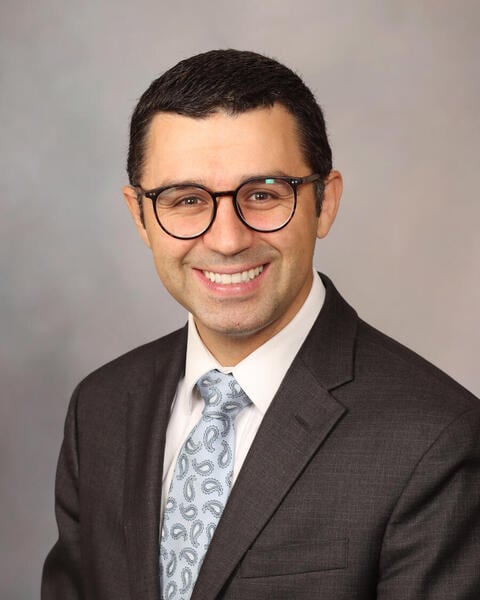
Miguel T. Teixeira, M.D., is a Physician Scientist at the Mayo Clinic College of Medicine , specializing in Anesthesiology and Critical Care Medicine . He serves in the Division of Critical Care and provides anesthesia for Neurosurgery and Interventional Radiology . Education : MD from University of Utah (2014), BS in Physiology (Brigham Young University, 2010), Internal Medicine and Anesthesiology Residencies at Mayo Clinic (2017-2020), Critical Care Fellowship at Stanford (2021). His research interests span mitochondrial dynamics , telomere biology , and anesthetic optimization for complex cases. Recent publications focus on: Novel anesthetic agents like remimazolam Mitochondrial structural adaptations in critical care Genetic mechanisms in cellular aging Transplantation anesthesia protocols Scientific Awards : 2025 Distinguished Clinician Award 2019 Distinguished Resident Award He contributes to hospital administration and professional societies , including the European Society of Anaesthesiology and Intensive Care (since 2025) and Collegium Aesculapium Foundation (since 2020).