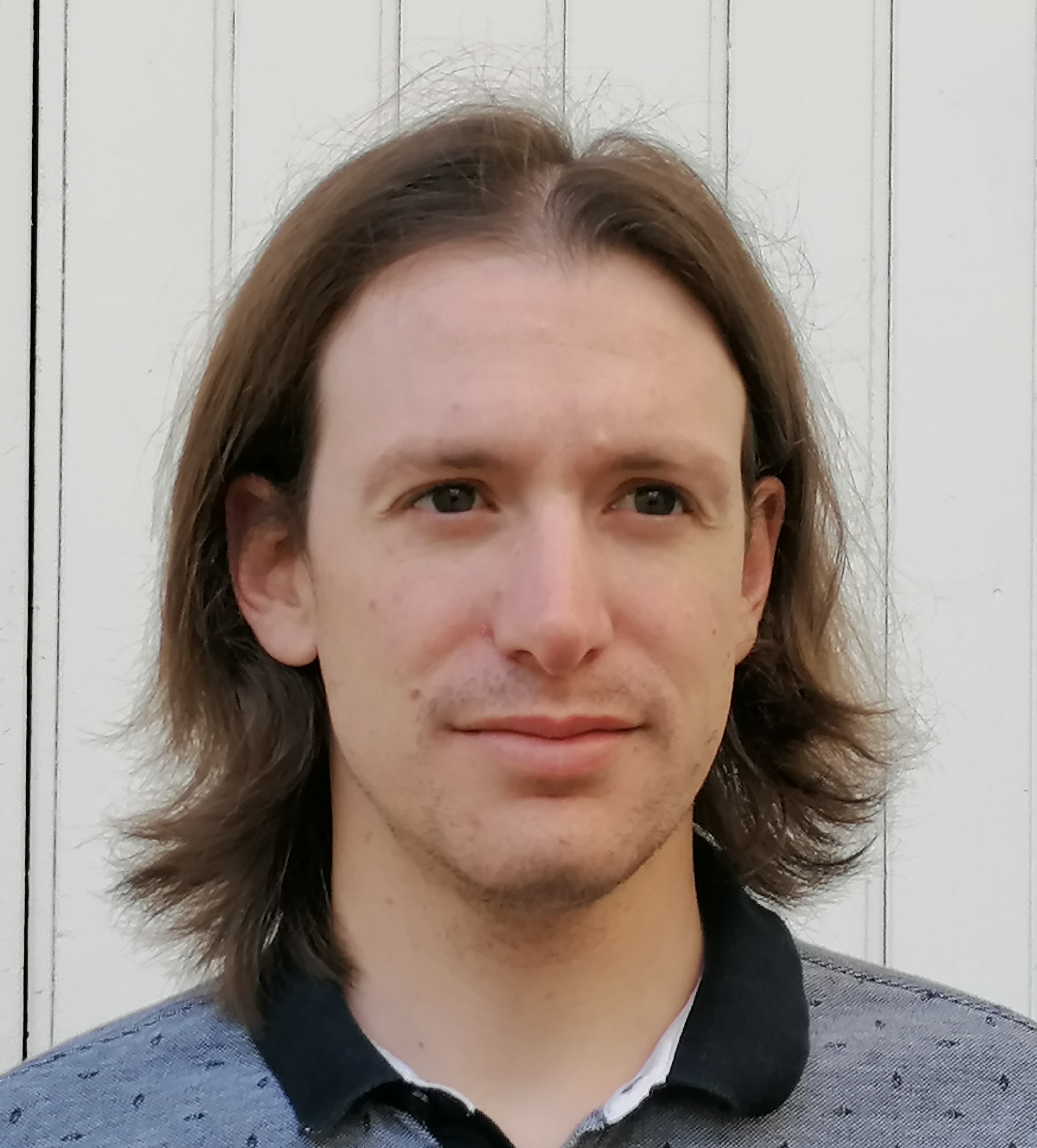
Marzia Angela Cremona is an Associate Professor in the Department of Operations and Decision Systems at Université Laval, with an adjunct role as Adjunct Assistant Professor in the Department of Statistics at Pennsylvania State University. She holds a Ph.D. in Mathematical Models and Methods in Engineering from Politecnico di Milano (2016), and prior roles include postdoctoral research at PSU and a visiting professorship. Her research focuses on statistical learning, functional data analysis, and computational biology, with applications in genomics, healthcare, and social sciences. Key affiliations include CHU de Québec – Université Laval Research Center, Université Laval’s Big Data Research Center, and CIRRELT. She develops methodologies for analyzing high-dimensional data, such as FunBIalign for functional motif discovery and amplitude-invariant techniques. Recent work includes applications in diabetes management, stock market patterns, and pandemic analysis. Her interdisciplinary collaborations span biomedical and social sciences, leveraging advanced statistical tools to address complex data challenges in healthcare, finance, and genomics.
Glenda Caldwell is a Professor in the Design Department within the Creative Industries Faculty at Queensland University of Technology (QUT), with an extensive research portfolio spanning media architecture, human-robot interaction, and radical placemaking. Her academic career shows consistent productivity with 139 publications from 1999 to forthcoming 2025 works, demonstrating sustained research leadership in interdisciplinary domains that bridge technology, urban design, and community engagement. Dr. Caldwell completed her PhD by Publication at QUT in 2016 titled 'Media architecture: Facilitating the co-creation of place,' establishing her foundational work in digital placemaking. Her educational trajectory shows progression from early architectural design education to interdisciplinary research that increasingly incorporates robotics and healthcare applications. She has developed significant expertise in both theoretical frameworks and practical implementations of media architecture through projects like the InstaBooth. Caldwell's research program centers on how digital technologies transform urban experiences and healthcare environments. Her work explores media architecture as a tool for community empowerment, human-robot collaboration in surgical and aged care settings, and participatory design approaches for sustainable communities. She has pioneered 'radical placemaking' frameworks that use digitally situated narratives to address social inequalities and has increasingly incorporated 'more-than-human' perspectives that examine urban ecosystems beyond human-centric viewpoints. Analysis of her 15 most recent publications (2024-2025) reveals three dominant research trajectories: 1) Human-robot interaction in healthcare (particularly surgical robotics and aged care), 2) Radical placemaking through community-driven digital narratives, and 3) More-than-human approaches to urban technology that consider ecological and multispecies perspectives. Her work demonstrates strong methodological diversity, employing co-design, qualitative analysis, and scoping reviews across these domains. Dr. Caldwell has received significant recognition through high-impact publications in top venues including ACM/IEEE HRI conferences, Urban Planning journal, and Scientific Reports. Her work on the InstaBooth methodology has influenced community engagement practices in urban design, while her recent healthcare robotics research is contributing to improved human factors in surgical and aged care settings. She actively supervises and collaborates with numerous researchers across disciplines, including notable work with PhD candidates Waldemar Jenek and Kavita Gonsalves. Caldwell has secured research funding for projects examining human-robot collaboration in healthcare settings and community-based media architecture initiatives, though specific grant details aren't documented in her publication record. Her research is connected to QUT's Human-Robot Interaction Lab and Media Architecture Research Group, where she contributes to developing frameworks for ethical and effective technology deployment in healthcare and urban contexts. Caldwell's current work focuses on future directions including multispecies storytelling in precarious times, systemic impacts of rehabilitation robots, and pandemic-responsive urban design approaches that address contemporary social challenges.
Jens Oluf Andersen is a Professor in the Department of Physics at the Norwegian University of Science and Technology (NTNU). His research focuses on quantum chromodynamics (QCD) at extreme conditions, including finite temperature/density systems, Bose-Einstein condensation, and renormalization group methods. He has contributed to understanding pion condensation, color superconductivity, and effective field theory applications in dense quark matter. Key research interests include: Quantum Chromodynamics (finite temperature/density), Cold Bose/Fermi gases, Chiral Perturbation Theory, and the interplay between magnetic fields and QCD phase transitions. His work bridges theoretical models with lattice QCD data, particularly in inverse magnetic catalysis and phase diagram validation. Publications span high-impact journals like Physical Review D and Journal of High Energy Physics , emphasizing non-perturbative methods and effective field theory. Collaborations involve institutions globally, addressing topics from quark-gluon plasma dynamics to cosmological inflation models. Students supervised include Vegard Undheim (MSc 2021), Lars Husdal (PhD 2017), and others in theoretical physics.
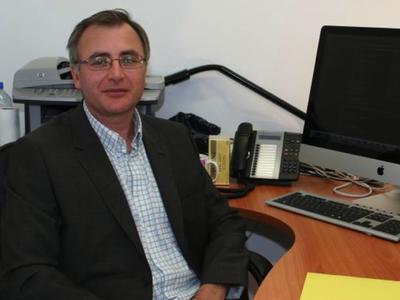
David Lando is a Professor of Finance at Copenhagen Business School, affiliated with the Department of Finance and the Center for Big Data in Finance (BIGFI). He holds a Master’s degree in Mathematics-Economics from the University of Copenhagen and a PhD in Statistics from Cornell University. His research focuses on credit risk modeling, financial risk management, derivatives markets, and corporate capital structure. He authored a seminal monograph on credit risk modeling (Princeton University Press) and has published in top journals like Econometrica and the Journal of Financial Economics. Education: MSc (Math-Econ, U Copenhagen), PhD (Statistics, Cornell) Roles: Former Director of the Center for Financial Frictions (2012–2022), former Chairman of Denmark’s Financial Supervisory Authority (2018–2020), current board member of pension fund P+ His research explores liquidity dynamics in credit markets, sovereign debt relief impacts, and systemic risk. Recent work analyzes emerging market credit spreads post-debt relief and bank equity risk. His articles often bridge theoretical models with empirical validation, emphasizing practical applications for regulators and practitioners. Awards: Best Paper on Quantitative Investments (2006) He advised PhD/Master’s students and consulted for institutions like Danmarks Skibskredit and Shell. His teaching includes advanced credit risk courses, and he maintains an active role in policy through board memberships and regulatory advising. Lando leads research initiatives at CBS and collaborates with international institutions, contributing to both academic discourse and real-world financial policy.
Aymeric Dieuleveut is a Professor in Statistics and Learning at École Polytechnique, France, affiliated with the Center for Applied Mathematics (CMAP). His research focuses on federated learning, optimization, stochastic approximation, and high-dimensional statistics. He holds a Ph.D. from the Sierra Team at DI/ENS Paris and conducted postdoctoral research at EPFL. Dieuleveut has advised numerous PhD students and contributes to impactful projects like the REDEEM PEPR initiative. His work bridges theoretical foundations and practical applications, including privacy-preserving techniques and scalable kernel methods. Education: Ph.D. in Machine Learning, École Normale Supérieure (Paris), 2014 Master's in Mathematics, Probability & Statistics, Université Paris-Sud, 2014 Graduate from École Normale Supérieure de Paris (Ulm), 2014 Research & Teaching: Develops algorithms for federated learning, distributed optimization, and missing data imputation. Teaches courses on optimization, machine learning, and statistics at École Polytechnique. Organizes workshops at Applied Machine Learning Days and collaborates with industry partners like Accenture. Key Projects: PI of the REDEEM PEPR project on decentralized optimization. Co-developer of PEPit, a Python tool for worst-case optimization analysis. Contributions to FLamby, a federated learning benchmark dataset.
Bruno Portier is a Professor in the Department of Mathematical Engineering at INSA Rouen. His research focuses on nonlinear time series, parametric/non-parametric statistics, and air pollution analysis, with industrial collaborations like Air Normand and ATMO Normandie. He has supervised PhD student D. Brazey (CIFRE) and contributed to projects such as the PEPS Labex AMIES grant (2019) on connected objects. Research interests span statistical methodologies for environmental applications, including pollution forecasting and source apportionment. His work combines theoretical developments (e.g., error density estimation in functional models) with practical implementations in engineering and environmental domains. Recent publications emphasize statistical control systems (e.g., Durbin-Watson tests for ARX processes) and interdisciplinary applications like head detection in depth imagery. Administrative roles include membership on the INSA Rouen Board of Directors and the Quality Commission.
Assoc. Prof. Dr. Yavuz Selim Güçlü is affiliated with the Civil Engineering Department at Istanbul Technical University. His academic roles include Associate Professor since 2021 and prior positions at Istanbul Civilization University. He holds a PhD in Hydraulic and Water Resources Engineering from Istanbul Technical University (2017). His research focuses on Coastal Sciences and Engineering, Hydrology, and Numerical Modeling, with emphasis on trend analysis methods in hydrological and climatic data. Key contributions include developing innovative statistical approaches like the Innovative Trend Analysis (ITA) and triangular methodologies for analyzing environmental datasets. His work addresses climate change impacts on water resources, extreme weather patterns, and solar energy modeling. Notable awards include the Young Scientist Local Administrations Award (2016) and recognition as an Outstanding Reviewer for Elsevier journals (2015). Research spans hydrological drought assessment in the Euphrates Basin, spatiotemporal drought analysis in Mediterranean regions, and solar irradiation estimation using models like OrtLin. His expertise bridges statistical innovation, environmental engineering, and climate science applications.
John Rothen (known as Jack) is a Biostatistician at the COPPER Center within the Yale School of Medicine . Prior to this role, he worked as a Data Scientist and Biostatistician in Healthcare and Aerospace. He holds a B.S. in Applied Mathematics and Statistics and an M.S. in Biostatistics , both from the University of Connecticut. His research focuses on Survival Analysis , Non-parametric Methods , Epidemiology , and Machine Learning . Beyond academia, he engages with linguistics and chess. His notable 2023 publication in Archives of Public Health explores community-based interventions to improve healthcare value for underserved populations. This work aligns with his broader interest in applying statistical methods to address public health disparities. Affiliated with the COPPER Center, John contributes to interdisciplinary projects at the intersection of biostatistics and clinical medicine.
Jean-Dominique Gallezot is a Research Scientist in the Department of Radiology & Biomedical Imaging at Yale School of Medicine . His work spans brain imaging , molecular imaging , and positron emission tomography (PET) with a focus on data analysis and whole-body imaging . Doctor of Philosophy (PhD) in Neuroscience from Université Pierre et Marie Curie (2006) Master of Science (MS) in Neuroscience from Université Pierre et Marie Curie (2002) Master of Engineering (ME) in Digital Telecommunications from École Supérieure d'Électricité (2002) Bachelor of Science (BS) in Physics from École Polytechnique (2000) Jean-Dominique’s research centers on neuroimaging and radiotracer development , particularly for studying dopamine receptors , neurotransmitter activity , and brain metabolism . His work leverages PET and SPECT to explore conditions like alcohol use disorder , parkinson’s disease , and frontotemporal dementia . Recent publications highlight his contributions to dynamic PET denoising using deep learning , test-retest reproducibility of novel radioligands, and kinetic modeling for drug interactions. Collaborations include key figures like Richard Carson and Nabeel Nabulsi , with co-authors across neuroscience , radiology , and pharmacology . His research integrates biomedical data science and computational imaging to advance quantitative analysis in PET studies. No scientific awards are explicitly mentioned in the provided texts.
Theofanis Sapatinas is a Professor in the Department of Mathematics and Statistics at the University of Cyprus, within the School of Natural and Applied Sciences. He has maintained this position since 2010, following his progression from Assistant Professor (2001-2005) to Associate Professor (2005-2010) at the same institution. His educational background includes: BSc in Mathematics (1989) from the Department of Mathematics, University of Athens, Greece MSc in Statistics (1991) from the Department of Probability and Statistics, University of Sheffield, United Kingdom PhD in Statistics (1994) from the Department of Probability and Statistics, University of Sheffield, United Kingdom Professor Sapatinas has established himself as a leading researcher in several specialized areas of statistics. His primary research interests focus on Functional Data Analysis and Functional Time Series Analysis , where he has made significant contributions to methodological development and theoretical understanding. He has also conducted important work in Signal Detection and Goodness-of-Fit Checks in Ill-Positioned Inverse Problems , addressing challenging statistical problems where traditional methods fail. His research extends to Non-Parametric Regression techniques, particularly through wavelet-based approaches, and the theoretical investigation of Characteristics and Structural Properties of Probability Theoretical Distributions . Much of his work bridges theoretical statistics with practical applications, especially in signal processing and time series forecasting. Analysis of Professor Sapatinas' publication record reveals a consistent focus on functional data analysis, wavelet methods, and inverse problems. His research trajectory shows an evolution from foundational theoretical work on probability distributions to increasingly sophisticated applications in functional time series and signal detection. A notable pattern is his extensive collaboration with researchers across Europe, particularly in Greece, France, and the UK. His work frequently appears in top-tier statistics journals including Annals of Statistics, Biometrika, and Journal of the Royal Statistical Society. Over time, there's been a clear shift toward more applied problems while maintaining strong theoretical underpinnings, with recent work focusing on bootstrap methods for functional data and practical implementations in fields like power systems forecasting. Professor Sapatinas has held postdoctoral positions at the University of Exeter (1993-1996) and the University of Bristol (1996-1998), followed by a Lecturer position at the University of Kent at Canterbury (1998-2000) before joining the University of Cyprus. His research has been supported through various academic appointments and collaborations across European institutions, though specific grant information is not detailed in the available materials. As a professor, he has likely supervised numerous graduate students, though specific names are not provided in the current information.
Marcus A Brubaker is an Associate Professor of Computer Science at York University in Toronto and a Faculty Affiliate at the Vector Institute. He also serves as a Status-only Professor at the University of Toronto and conducts research consulting for Samsung AI Centre and Borealis AI in Toronto. His work focuses on interdisciplinary applications of machine learning, computer vision, and statistics, particularly in computational biology, medical imaging, and sensor systems. Brubaker's research interests include developing novel algorithms for 3D reconstruction (e.g., neural radiance fields), cryo-electron microscopy (Cryo-EM) analysis, noise modeling, and generative models. He has contributed significantly to methods like dynamic normalizing flows for stochastic processes, geometry-aware diffusion models, and text-guided image editing techniques. His work bridges theoretical machine learning with practical applications in bioimaging and computer graphics. His publications span over two decades, with recent trends emphasizing Bayesian methods, efficient neural network architectures, and multi-view scene understanding. Brubaker collaborates extensively with industry partners (e.g., Samsung AI) and academic institutions to advance AI-driven solutions in microscopy, image processing, and 3D modeling. Brubaker’s research has led to impactful tools like cryoSPARC for Cryo-EM structure determination and Wavelet Flow for high-resolution image analysis. He actively engages in academic outreach, as evidenced by his participation at ICCV2023 and mentorship of early-career researchers.
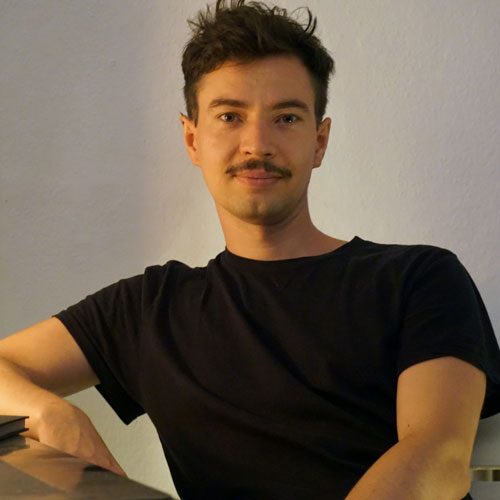
Dr. Sumit Joshi is a Postdoctoral Research Assistant at the University of Oxford's Department of Engineering Science, located at Keble Triangle. His research focuses on optical diagnostic techniques for fluid mechanics, particularly sprays and combustion systems. He holds a BTech from COEP Technological University (2012), a PhD from Indian Institute of Technology Madras (upgraded from Master's), and worked as a Research Associate at Loughborough University (2022). His research interests include developing laser-based methods such as high-speed imaging, PIV, LIF, and ERLIF for spray analysis. He also explores novel techniques for gas mixing and combustion studies. He is part of the Thermal Propulsion Systems research group at Oxford. Dr. Joshi has published extensively on droplet breakup mechanisms, liquid properties, and cross-flow dynamics, with recent work emphasizing experimental and analytical approaches. He received the ISHMT Best PhD Thesis Award in 2023. His contributions bridge fundamental fluid mechanics with applied engineering challenges in propulsion and energy systems.
Dr. Eric Brachmann is a Researcher at Heidelberg University 's Visual Learning Lab (since 2017) and a Guest at Leibniz University Hannover (since 2019). He earned his Dr. rer. nat. in 2018 from TU Dresden (summa cum laude), preceded by a Diplom in media computer science (2012) and studies (2006–2012) at TU Dresden. Doctorate: TU Dresden (2018, summa cum laude) Diplom: TU Dresden (2012, passed with distinction) Education: Media and computer science (2006–2012) His research focuses on Computer Vision and Machine Learning , particularly 6D object pose estimation , camera localization , and neural-guided optimization . His work bridges classical geometric methods (e.g., RANSAC) with modern deep learning techniques, including differentiable optimization and reinforcement learning for pose estimation. His publications emphasize end-to-end learning , robust model fitting , and RGB-D image analysis , with applications in robotics and 3D scene understanding. Key contributions include DSAC, CONSAC, and neural extensions of RANSAC for efficient hypothesis sampling. 2018 : GI Dissertation Award nomination 2014 : ACCV Honorable Mention Demo Award 2012 : Enno Heidebroek Award for top graduate 2008–2012 : German National Academic Foundation scholarship 2008 : IBM Award for intermediate diploma As a co-organizer of ICCV and ECCV workshops, Eric drives collaboration in visual localization and 6D pose estimation . He has reviewed for CVPR, ICCV, NeurIPS, and TPAMI, earning recognition as an Outstanding Reviewer (CVPR 19, NeurIPS 19). He has held industry roles at IBM (2010–2011) and T-Systems (2008–2009). At TU Dresden and Heidelberg, he taught courses on computer vision and 3D world reconstruction , supervised theses, and developed practical seminars.
Dr. Ian McIntosh is a Senior Lecturer in the Department of Mathematics at the University of York. He holds a PhD from Imperial College London and has held academic positions at institutions including the Universities of Cambridge, Newcastle, Bath, and the University of Massachusetts Amherst. His research focuses on differential geometry, particularly minimal surfaces, harmonic maps, and Higgs bundles, with applications to non-compact Lie groups and hyperbolic geometry. He is part of the Geometry and Analysis Research Group. Education : Bachelor's degree from Monash University, Australia PhD from Imperial College London Research Interests : Dr. McIntosh studies geometric structures on surfaces, including minimal surfaces in hyperbolic spaces and their connections to Higgs bundles. His work integrates differential geometry with algebraic methods, exploring topics such as equivariant minimal surfaces, spectral data, and representation theory of surface groups into Lie groups like SU(n,1). He investigates the geometric Toda equations and their role in integrable systems. Advising and Grants : Currently supervising PhD student Cordelia Webb (cw1953@york.ac.uk). His research has been supported by projects exploring parametrization of surface group representations via minimal surface theory. He organizes academic events like the 2024 'Algebraic and Analytic Methods in Gauge Theory' conference. Professional Activities : Active in peer review, invited talks, and visiting scholar roles, such as at the University of Illinois at Chicago (May 2024). His work bridges pure geometry with applications in mathematical physics and algebraic structures.
Dr. Andrew Cunningham is a Senior Lecturer at the University of South Australia's UniSA STEM division and co-director of the Wearable Computer Lab within the Australian Research Centre for Interactive and Virtual Environments (IVE). His research focuses on human-computer interaction, immersive analytics, and data visualization through virtual/augmented reality technologies. Current Research Degree Coordinator at UniSA (2025) Led commercialization of LogAR and CADET tools Recipient of AIIA iAward and multiple CHI accolades His work bridges theoretical and applied research with projects involving: Immersive analytics for metabolic pathway visualization (with CSIRO) ImAxes - a VR system for multivariate data exploration VR-based training tools for mill safety (MillSkillsVR) and drill rigs (RoXplorer) Deceptive design patterns in digital interfaces Parametric architectural design interfaces in VR Recent publications demonstrate expertise in: Encoding data into physical properties (roughness, spatial features) Collaborative VR data analysis frameworks Immersive storytelling techniques Human factors in AR/VR environments Scientific awards include: 2025 CHI Best Paper Honourable Mention 2024 MinEx CRC Technology Award 2024 CHI Best Paper Honourable Mention South Australian AIIA iAward (2016) Dr. Cunningham supervises PhD students and contributes to: Game design course instruction ARC grants DP220101595 Open-source toolkit development (CADET)