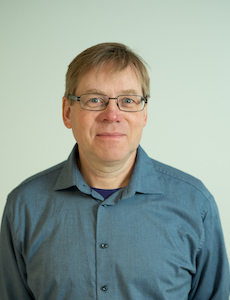
Dr. Lucas Pahl is a Lecturer in Economics at the University of Sheffield, School of Economics since 2024. His research specializes in mathematical game theory, particularly in equilibrium refinements, fixed point theory, and real algebraic geometry. He holds a PhD in Economics from the University of Rochester, an MSc in Mathematics from IMPA (Brazil), and a BSc in Social Sciences from the University of São Paulo. Previous positions: Postdoctoral Scholar at Hausdorff Institute for Mathematics and Institute for Microeconomics, University of Bonn His research interests include advanced topics like fixed point theory applications in game theory, algebraic topology intersections with economic models, and equilibrium refinement methodologies. Recent work explores information spillover in zero-sum games and polytope-form game structures. Key publications focus on O’Neill’s theorem extensions, sustainable equilibria analysis, and finite characterizations of perfect equilibria. He serves as a reviewer for top journals including Econometrica and Games and Economic Behavior. No scientific awards explicitly mentioned. His advisory and grant activities remain unspecified in current records. Labs/teams: No lab affiliations explicitly stated in provided information.
Alexander Wendt is the Mershon Professor of International Security and Professor of Political Science at The Ohio State University. He holds a PhD from the University of Minnesota (1989) and has taught at Yale University, Dartmouth College, and the University of Chicago before joining OSU in 2004. His work is foundational to constructivism in international relations, notably through his 1992 article Anarchy is What States Make of It and his 1999 book Social Theory of International Politics , which earned the Best Book of the Decade Award (2006). He is widely recognized, including as the most influential IR scholar over 20 years (TRIP Survey, 2017) and recipient of the 2023 Johan Skytte Prize for advancing constructivism with Martha Finnemore. Wendt’s research bridges philosophy and social science, exploring quantum theory’s implications for decision-making and social science in works like Quantum Mind and Social Science (2015). His current projects include a book on UAP and human security, responding to the Pentagon’s 2021 confirmation of UAP as a threat. His career spans theoretical innovations in agency-structure interactions, norms, and sovereignty, with a focus on redefining international relations through interdisciplinary lenses. Awards include the prestigious Skytte Prize (2023) and sustained recognition for transforming constructivism into a leading paradigm. His work challenges classical social science frameworks, proposing quantum theory as a revolutionary baseline for understanding human cognition and societal systems.
Zach Shahn is an Assistant Professor in the Department of Epidemiology and Biostatistics at the CUNY School of Public Health. He holds a PhD in Statistics from Columbia University and a BA in Mathematics from Stanford University. His research focuses on causal inference methods applied to healthcare data, particularly time-varying treatment effects and critical care applications. He has conducted postdoctoral work at Harvard School of Public Health and previously worked at IBM Research in Healthcare and Life Sciences. Education: PhD in Statistics and Probability, Columbia University BA in Mathematics, Stanford University Research interests include developing causal inference frameworks for evaluating treatment efficacy in dynamic healthcare settings, with a focus on critical care outcomes and methodological innovations. Recent work explores applications of causal diagrams, instrumental variables, and machine learning in healthcare decision-making. His studies often involve large-scale healthcare datasets to assess interventions' real-world impacts. Key trends in his articles include advancements in causal effect estimation under complex treatment regimes, bias analysis in observational studies, and methodological contributions to difference-in-differences and N-of-1 trial designs. His work bridges statistical theory with practical healthcare challenges, emphasizing reproducibility and policy relevance. No scientific awards are listed, though his contributions to causal inference methodologies are notable in academic circles. He has advised on healthcare data projects and published extensively without explicitly listed grants. His professional network includes collaborations with institutions like Harvard and IBM. He is affiliated with CUNY's public health programs and actively engages in academic discourse via Twitter and LinkedIn. His lab or team details are not explicitly mentioned in available materials.
Jens Groth is an Honorary Professor at the Department of Computer Science, University College London (UCL), and serves as Chief Scientist at Nexus. His primary research focuses on cryptography, with an emphasis on cryptographic protocols, zero-knowledge proofs, and privacy-preserving technologies. Groth has contributed significantly to advancements in digital signatures, homomorphic encryption, and secure multi-party computation. He holds a leadership role as Program Chair for the 15th IMA International Conference on Cryptography and Coding (2015) and has been a key figure in shaping modern cryptographic standards. His work often bridges theoretical foundations with practical implementations, emphasizing efficiency and security. Groth's research interests include but are not limited to: cryptographic protocol design, lattice-based cryptography, and the application of zero-knowledge proofs in real-world systems such as blockchain and voting systems. His publications span venues like CRYPTO, EUROCRYPT, and ASIACRYPT, reflecting his impact on the field. Notably, he advocates for open access to research and has contributed to strategies ensuring conferences adopt de facto open-access policies. His current focus at Nexus centers on verifiable computation and distributed cryptographic systems.
Scientia Professor Gary Froyland is a Professor at the University of New South Wales (UNSW), affiliated with the School of Mathematics & Statistics. He leads the ARC Laureate Centre for Dynamical Systems and Data and holds an Einstein Visiting Fellowship from the Einstein Foundation Berlin. His academic credentials include a BSc (Hons 1, Medal) in Pure and Applied Mathematics from the University of Queensland and a PhD in Mathematics from the University of Western Australia. Professor Froyland's research spans two primary domains: dynamical systems and optimization. In dynamical systems, he investigates the interplay of probability and geometry in nonlinear and chaotic systems, employing tools from ergodic theory, functional analysis, and differential geometry. His work extends to applications in oceanography, atmospheric science, and granular flows. In optimization, he focuses on decision-making in complex systems with uncertain information, developing novel approaches in mathematical programming that have been applied to mining, logistics, and medical treatment planning. His recent publications demonstrate a strong focus on coherent structures in dynamical systems, linear response theory, and applications to geophysical phenomena. The research shows increasing interdisciplinary collaboration, particularly with climate scientists and data analysts, reflecting a trend toward applying advanced mathematical techniques to real-world problems in environmental science and engineering. J.D. Crawford Prize (2025) Elected Member of the Academy of Europe / Academia Europaea (2024) ARC Laureate Fellow (2024-2029) Fellow of the Society for Industrial and Applied Mathematics (SIAM) (2021) Fellow of the Australian Academy of Science (2020) Vice-Chancellor's Award for Teaching Excellence - Postgraduate Research Supervision (2015) Professor Froyland actively supervises PhD and honors students, with current advisees including Kevin Felipe Kühl Oliveira, Nicholas Peters, and Kathrin Völkner. His research is supported by multiple grants, including an ARC Laureate Fellowship (2024-2029) for "Breakthrough mathematics for dynamical systems and data," an Einstein Visiting Fellowship (2022-2026), and several ARC Discovery Projects. His work has practical applications in climate science, mining optimization, and medical treatment planning, particularly in radiotherapy. He leads the ARC Laureate Centre for Dynamical Systems and Data, which brings together researchers to develop new mathematical approaches for analyzing complex dynamical systems. The center focuses on creating methods to identify coherent structures in spatiotemporal data, with applications spanning environmental science, social science, health science, and engineering.
Yasushi Sakurai is a Professor in the Department of Translational Datability at Osaka University's Institute of Scientific and Industrial Research, co-leading the Sakurai and Matsubara Laboratory within the Center for Industrial Science and AI. His research mission focuses on transforming society through real-time prediction of natural and social phenomena using large-scale data analytics, with emphasis on practical technological implementation. His research spans time-series big data analysis, dynamic learning systems, and real-time information provision. Key areas include tensor stream mining, EEG-based healthcare applications, cybersecurity anomaly detection, and multi-omics cancer subtyping. The lab specializes in developing deployable technologies that optimize social activities through predictive modeling of evolving data streams. Recent publications (2023-2025) reveal concentrated innovation in time-series data stream processing, with dominant themes in tensor analytics, frequency-domain forecasting, and causal modeling. His team produces high-impact work accepted at premier AI venues (ICLR, AAAI, KDD, WWW), consistently featuring oral presentations that highlight technical novelty and societal relevance. Scientific Awards: FY2024 Minister of Education, Culture, Sports, Science and Technology Award for Science and Technology (Research Category) for dynamic learning and real-time data stream analysis Professor Sakurai mentors graduate students including Naoki Chihara (DEIM2024 Outstanding Paper Award winner), Yuka Tamura (DEIM2024 Student Presentation Award winner), and Ren Fujiwara. His lab maintains active industry-academia partnerships focused on practical technology deployment, with research directly addressing real-world challenges in healthcare monitoring and cybersecurity. The Sakurai and Matsubara Laboratory operates as a dynamic research unit within Osaka University's Center for Industrial Science and AI, structured around specialized teams for tensor stream analysis, medical data mining, and network dynamics. Current projects emphasize real-time prediction systems with immediate societal applications, supported by strong industry collaboration frameworks.
Dr. Hongtu Zhu is the Kenan Distinguished Professor of Biostatistics, Statistics, Radiology, Computer Science, and Genetics at the University of North Carolina at Chapel Hill (UNC). He holds affiliations with the Gillings School of Global Public Health and leads the Biostatistics and Imaging Genomics Analysis Lab. His expertise spans statistical learning, medical imaging, AI, and big data integration, with a focus on precision medicine and biomedicine. Dr. Zhu earned his PhD in Statistics from The Chinese University of Hong Kong (2000) and has held prior roles including DiDi Fellow/Chief Scientist (2018-2020) and Bao-Shan Jing Endowed Professor at MD Anderson Cancer Center (2016-2018). He has published over 345 peer-reviewed articles in top-tier journals like Nature, Science, and JASA, and actively contributes to editorial roles including Coordinating Editor of JASA. His research interests include neuroimaging analysis, knowledge graphs, and AI applications in healthcare. Notable awards include the COPSS Snedecor Award (2025), IEEE Fellowship (2025), and IMS Medallion (2027). He has mentored over 80 PhD students/postdoctoral fellows and serves on NIH grant review panels and professional organizations like the ASA's Section on Statistics in Imaging. Key Contributions: Imaging genomics, brain connectivity studies, ridesharing market optimization, medical AI frameworks Lab Innovations: Brain Imaging Genetics Knowledge Portal, Biomedical Knowledge Graph Interface Teaching: Advanced biostatistics courses (Generalized Linear Models, Deep Learning in Biomedicine) Recent work explores causal inference in healthcare, X chromosome's role in neurobiology, and AI ethics in medical vision-language models. His interdisciplinary projects bridge statistics, computer science, and clinical practice to address complex biomedical challenges.
Aviad Levis is an Assistant Professor at the University of Toronto's Department of Computer Science, starting July 2024. He is affiliated with the Dunlap Astronomical Data Science and Technology Group (DADDAA) and collaborates with the Toronto Computational Imaging Group alongside Kyros Kutulakos and David Lindell. Previously, he was a postdoctoral researcher at Caltech's Computing + Mathematical Sciences department under Katherine Bouman, working with the Event Horizon Telescope (EHT) collaboration. PhD in Electrical Engineering from the Technion (supervised by Yoav Schechner) Research focuses on computational imaging tools at the intersection of AI and physics Develops algorithms for 3D tomography in both cloud physics and black hole imaging Recipient of ERC Synergy grant for CloudCT space mission His research spans two major domains: Computational Climate Imaging through cloud tomography to improve climate models, and Black Hole Imaging with the EHT collaboration. He pioneered methodologies for 3D cloud structure recovery using scattered sunlight and contributes to dynamic 3D reconstructions of black hole environments. Current interests include non-linear inverse problems, equation discovery from data, and ML-accelerated scientific simulations. Recent publications highlight advancements in atmospheric tomography and black hole emission modeling. His work on CloudCT involves coordinated nano-satellites for 3D cloud imaging, while EHT contributions include first images of Sagittarius A* (2022) and ongoing development of algorithms for 3D structure recovery. The ERC Synergy grant underscores his impact on climate imaging technology. Personal Website Work Email
Raquel Urtasun is a Full Professor in the Department of Computer Science at the University of Toronto and a co-founder of the Vector Institute for AI. She is also the Founder and CEO of Waabi, an autonomous vehicle company. Previously, she was Chief Scientist and Head of R&D at Uber ATG (2017–2021) and held faculty positions at the Toyota Technological Institute at Chicago (TTIC) and as a visiting professor at ETH Zurich. Her research spans machine learning, computer vision, robotics, and AI with a strong focus on autonomous driving and 3D perception. Education: Bachelor's degree, Universidad Pública de Navarra, 2000 Ph.D., Computer Science, École Polytechnique Fédérale de Lausanne (EPFL), 2006 Postdoctoral studies, MIT and UC Berkeley Raquel Urtasun's research focuses on developing AI systems for self-driving cars, emphasizing efficient perception using minimal sensors. Her work includes 3D scene understanding, stereo vision, optical flow, semantic segmentation, and object detection. She has developed the KITTI benchmark suite, widely used in autonomous driving research. Her lab is an NVIDIA NVAIL lab, reflecting its leadership in AI innovation. Her recent publications show a consistent trend in deep learning for visual perception, particularly in stereo matching, optical flow, 3D object detection, and semantic segmentation. These works integrate deep neural networks with structured models like CRFs and MRFs, pushing the boundaries of accuracy and efficiency in scene understanding for autonomous systems. Scientific Awards: NSERC E.W.R. Steacie Fellowship NVIDIA Pioneers of AI Award Google Faculty Research Awards (multiple) Amazon Faculty Research Award Connaught New Researcher Award Fallona Family Research Award Best Paper Runner Up at CVPR 2013 and 2017 UPNA Alumni Award Chatelaine 2018 Woman of the Year Adweek 2018 Toronto's Top Influencers Urtasun has advised numerous PhD and Master’s students, many of whom now hold faculty or research scientist positions at institutions like UIUC, NYU, UBC, MIT, and companies including Google, Amazon, NVIDIA, and Apple. She has secured significant research grants from NSERC, Google, Amazon, and NVIDIA. Her leadership extends to organizing workshops and serving as Area Chair and Program Chair at top conferences like CVPR, ICML, and NeurIPS. Labs and Teams: She leads a research group at the University of Toronto focused on AI for autonomous systems. Her team has been recognized as an NVIDIA NVAIL lab, and she continues to mentor students and postdocs working on cutting-edge problems in robotics and machine learning, both at UofT and through her company Waabi.
Professor Emilio Artacho is a faculty member in the Department of Physics at the University of Cambridge, based at the Cavendish Laboratory. He transitioned from the Department of Earth Sciences in 2011, where he was granted a Professorship in 2006. His research focuses on computational simulations of non-equilibrium processes in condensed matter, particularly using first-principles molecular dynamics and density-functional theory. He co-developed the SIESTA program for linear-scaling electronic structure calculations, widely utilized in computational materials science. Artacho’s work spans far-from-equilibrium phenomena in irradiated matter, multiferroics, nanoconfined water systems, and surface chemistry. His contributions include studies of electronic stopping power in materials, 2D electron gas formation at ferroelectric interfaces, and the structural dynamics of water under confinement. His academic roles include adjunct positions at Ikerbasque (Nanogune, Spain) and visiting professorships at institutions like the University of California, Berkeley, and École Normale Supérieure de Lyon. Research interests are anchored in theoretical condensed matter physics, with applications to nanomaterials, radiation effects, and interfacial phenomena. His computational methods bridge quantum mechanics and classical dynamics, enabling insights into complex systems like proton-irradiated solar cells and confined water films.
Jens S. Andersen is a Professor in the Department of Biochemistry and Molecular Biology at the University of Southern Denmark, where he leads research in Biomedical Mass Spectrometry and Systems Biology. His work is centered on the development and application of quantitative mass spectrometry and microscopy-based proteomics to study human cell biology, particularly the structure and function of organelles such as centrosomes, cilia, autophagosomes, and mitochondria. His research focuses on determining the protein composition and dynamic properties of cellular organelles, the roles of specific protein groups, and their contributions to biological processes and diseases. He investigates cell signaling mediated by post-translational modifications, especially within the DNA damage response, autophagy, and immune systems. His lab, the Jens S. Andersen Lab, is part of the Research Section of Biomedical Mass Spectrometry. The analysis of his recent publications reveals a strong interdisciplinary trend combining proteomics, structural biology, and cell signaling. His work spans cilia biology, RNA metabolism, DNA repair, and cancer mechanisms, with frequent use of advanced techniques like mass spectrometry, CRISPR, and live-cell imaging. The integration of systems biology approaches is evident across his research outputs. Professor, Department of Biochemistry and Molecular Biology, University of Southern Denmark Head of Research, Biomedical Mass Spectrometry and Systems Biology Principal Investigator, Jens S. Andersen Lab ORCID: 0000-0002-6091-140X While no specific scientific awards are mentioned in the provided texts, his extensive publication record in high-impact journals such as Science , Nature Communications , Molecular Cell , and EMBO Journal reflects significant scholarly contributions. He has supervised research projects and collaborated widely across Europe, though specific names of students are not listed. His research is supported by multiple ongoing projects, reflecting sustained funding and academic leadership. The Jens S. Andersen Lab operates at the intersection of proteomics and cell biology, contributing to fundamental understanding of organelle dynamics and disease mechanisms. The lab's work is highly collaborative, involving partnerships with groups in structural biology, RNA research, and cancer biology.
Per Christian Hansen is a Professor at the Department of Applied Mathematics and Computer Science (DTU Compute), Technical University of Denmark (DTU), where he leads the Section for Scientific Computing. He is a VILLUM Investigator and heads the CUQI (Computational Uncertainty Quantification for Inverse Problems) research initiative, aiming to develop accessible computational platforms for uncertainty quantification in inverse problems. His expertise lies in numerical analysis, numerical linear algebra, iterative reconstruction methods, and computational inverse problems, with applications in tomography, signal analysis, and plasma physics. His research integrates theoretical analysis—such as perturbation and convergence analysis—with the development of robust, adaptive, and efficient computational methods. He has co-authored five books, over 100 scientific papers, and several widely used MATLAB software packages, including IR Tools and Regularization Tools. His recent work (2023–2025) emphasizes uncertainty quantification, Bayesian inversion, and high-dimensional tomography in fusion plasmas, reflecting a strong trend toward probabilistic and robust modeling in inverse problems. He is a SIAM Fellow (2015) for his contributions to computational methods for rank-deficient and discrete ill-posed problems and regularization techniques. His scientific leadership is evident in both theoretical advances and practical software implementations. He actively collaborates across disciplines, particularly in nuclear fusion and medical imaging, and continues to supervise PhD students and publish in top-tier journals such as Inverse Problems , SIAM Journal on Scientific Computing , and Nuclear Fusion . SIAM Fellow (2015) VILLUM Investigator He advises PhD and Master’s students in computational mathematics and inverse problems, and his research is supported by major grants, including the VILLUM Investigator award. He leads the CUQI team, which develops open-source tools for non-experts to apply uncertainty quantification in inverse problems. His lab focuses on creating modeling frameworks that bridge theory, computation, and real-world applications in materials science, imaging, and plasma diagnostics.
Prashant Mehta is a Professor of Mechanical Science and Engineering at the University of Illinois at Urbana-Champaign , affiliated with the Coordinated Science Laboratory . His research focuses on controlled interacting particle systems and machine learning applications , particularly in human activity recognition using motion sensors. Education: Ph.D. in Mathematics, Cornell University (2004) M.S. in Electrical & Computer Engineering, University of Massachusetts Amherst (1996) B.E. in Electrical & Electronics Engineering, Birla Institute of Technology & Sciences (1993) Mehta's work has pioneered the feedback particle filter (FPF) algorithm for nonlinear estimation, applied in robotic systems and gesture recognition. His research spans control of combustion instabilities in jet engines, mean-field games , and dynamical systems in aerospace engineering. His publications emphasize nonlinear control theory and stochastic filtering , with recent trends in sensor data pattern recognition and cyber-physical systems . He has received multiple scientific awards , including the MURI award for the Cyberoctopus project and Excellence in Undergraduate Advising Awards . Scientific Honors: MURI Award (2019) for Cyberoctopus Excellence in Undergraduate Advising (2010, 2008) Outstanding Teaching Assistant Award (1994) Senior Member, IEEE Control Systems Society Member, ASME Energy Systems Subcommittee Member, SIAM Dynamical Systems Group Mehta has supervised students like Jin Kim (IEEE CDC Best Student Paper, 2019) and co-founded the startup Rithmio , acquired by Bosch Sensortec . His laboratory develops gesture-detection filters for applications in soft robotics and human-machine interfaces .
Mark Trodden is the Dean of the School of Arts & Sciences and Thomas S. Gates Jr. Professor of Physics and Astronomy at the University of Pennsylvania. He previously served as the Fay R. and Eugene L. Langberg Professor of Physics, Department Chair, and Co-Director of the Center for Particle Cosmology. His career includes faculty roles at Syracuse University (2000–2009) and visiting positions at Case Western Reserve University and Cornell University. Ph.D. and M.Sc. in Physics, Brown University (1992–1995) Advanced Study in Mathematics, University of Cambridge (1990–1991) M.A. in Mathematics, University of Cambridge (1987–1990) Trodden’s research focuses on the intersection of cosmology and particle physics, addressing fundamental questions such as the nature of dark energy, dark matter, the baryon asymmetry of the universe, inflation, and modified gravity theories. His work explores how cosmological data can constrain physics beyond the Standard Model and general relativity. His publications span topics like dark energy models , inflationary spacetimes , topological defects , and BPS states in supersymmetric theories , reflecting his expertise in connecting high-energy physics to cosmological observations. At Penn, Trodden has held editorial roles for journals like Physics Letters B and Journal of Cosmology and Astroparticle Physics , and has contributed to collaborative workshops advancing cosmology and particle physics.
Chris De Sa is an Associate Professor in the Department of Computer Science at Cornell University, affiliated with the Cornell Machine Learning Group and leading the Relax ML Lab. His research focuses on algorithmic, software, and hardware techniques for high-performance machine learning, particularly relaxed-consistency stochastic algorithms like asynchronous and low-precision stochastic gradient descent (SGD). He earned his Ph.D. from Stanford University under advisors Kunle Olukotun and Chris Ré. His work emphasizes constructing efficient, parallel, and distributed machine learning frameworks for deep learning and data analytics. Education: Ph.D. in Computer Science, Stanford University (2017) Research Interests: Algorithmic techniques for scalable ML, quantization, distributed optimization, hyperbolic geometry in ML, and reliable measurement of ML systems. His group develops frameworks for efficient inference/training and explores the intersection of ML with domains like agriculture and plant science through courses like PLSCI 7202. Recent Highlights: DARPA YFA Grant (2024), NSF CAREER Award, Google Research Scholar Award, and multiple best paper recognitions. Key contributions include QuIP quantization methods, Coneheads attention mechanisms, and theoretical advances in decentralized training. Awards: NSF CAREER Award DARPA YFA Grant (2024) Google Research Scholar Award Mr. & Mrs. Richard F. Tucker Teaching Award Grants & Advising: Advises 8 Ph.D. students (including Ruqi Zhang, Yucheng Lu, A. Feder Cooper) and holds leadership roles in MLSys conferences. Active in grant-funded research (e.g., NSF Robust Intelligence). Labs/Teams: Leads the Relax ML Lab and participates in Cornell’s Institute for Digital Agriculture (CIDA).