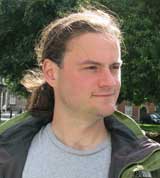
Dr. Patrick O'Donoghue is an Associate Professor and Canada Research Chair in Chemical Biology at Western University's Department of Biochemistry, Faculty of Science. His research focuses on proteome diversity mechanisms through protein modifications and mistranslation, with implications for cancer and neurodegenerative diseases. Education: Ph.D. from University of Illinois, Postdoctoral training at Yale University Research highlights include pioneering genetic code expansion techniques for programmed protein modifications in human cells and developing fluorescent reporters to visualize translation errors. His work connects protein synthesis fidelity to disease pathways through tRNA mutant studies. Scientific Contributions: 2024 Mechanisms and Delivery of tRNA Therapeutics review in Chemical Reviews 2023 HARS Disease Therapeutics in Genes (Basel) 2022 Expanding Codon Size in eLife 2021 Fluorescent Mistranslation Reporters in Cells Contact: Office in Medical Sciences Building Room 388, Phone: 519.850.2373, Email: patrick.odonoghue@uwo.ca
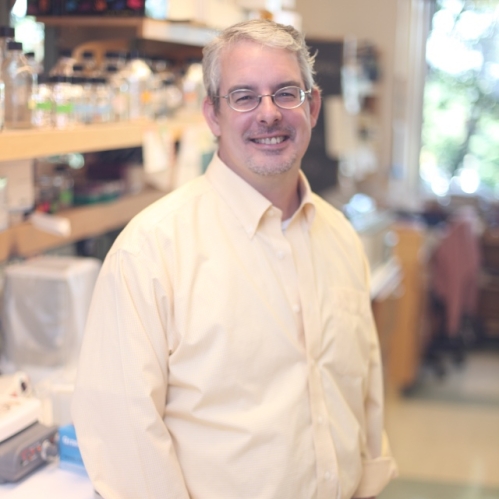
James Millonig is an Associate Professor in the Department of Neuroscience and Cell Biology at Rutgers University, where he also serves as the Senior Associate Dean for the Rutgers School of Graduate Studies. He is affiliated with the Center for Advanced Biotechnology and Medicine (CABM) and Robert Wood Johnson Medical School. His research focuses on understanding dorsal central nervous system (CNS) development, particularly through the integration of mouse genetics with neuroanatomy. His lab investigates how signaling centers like the roof plate coordinate CNS development through secreted factors such as Bone Morphogenetic Proteins (BMPs). A significant portion of his work examines the role of transcription factors like Lmx1a and Engrailed-2 in neural development and their potential connections to autism spectrum disorder (ASD). Dr. Millonig's recent publications demonstrate a continued focus on neurodevelopmental disorders, particularly autism spectrum disorder. His work spans from basic developmental neuroscience examining dorsal CNS formation to translational research using patient-derived neural progenitor cells. His laboratory has made significant contributions to understanding how genetic variations affect early brain development in ASD, with recent studies analyzing brain stem cells from ASD patients to identify irregularities in very early brain development. Autism Research Program (ARP) Idea Development Award from Department of Defense (2022) Standing appointment as a member of the National Institute of General Medical Sciences (NIGMS) Training and Workforce Development Subcommittee C (2020) Dr. Millonig has secured multiple federal grants, including an ongoing project titled "Investigation of Professional Coaching as an Intervention to Support the Success of URG Biomedical Ph.D. Students" (2023-2026) funded by the National Institute of General Medical Sciences. He has served as Principal Investigator for projects including "A Mouse Knock-In Model for ENGRAILED 2 Autism Susceptibility" funded by the National Institute of Mental Health and has been Co-Principal Investigator on the "IMSD at Rutgers - New Brunswick" project. The Millonig Lab maintains an active research program with several graduate students and research associates. Current lab members include Stuart Cattel (Graduate Student) and Arif S W Kusuma (Graduate Fellow), with Paul Matteson serving as Research Associate I. The lab has previously trained Marcos Ayala-Rivera, Tomas Kasza, and Monal Mehta, demonstrating a strong commitment to mentoring the next generation of scientists in neuroscience and developmental biology.
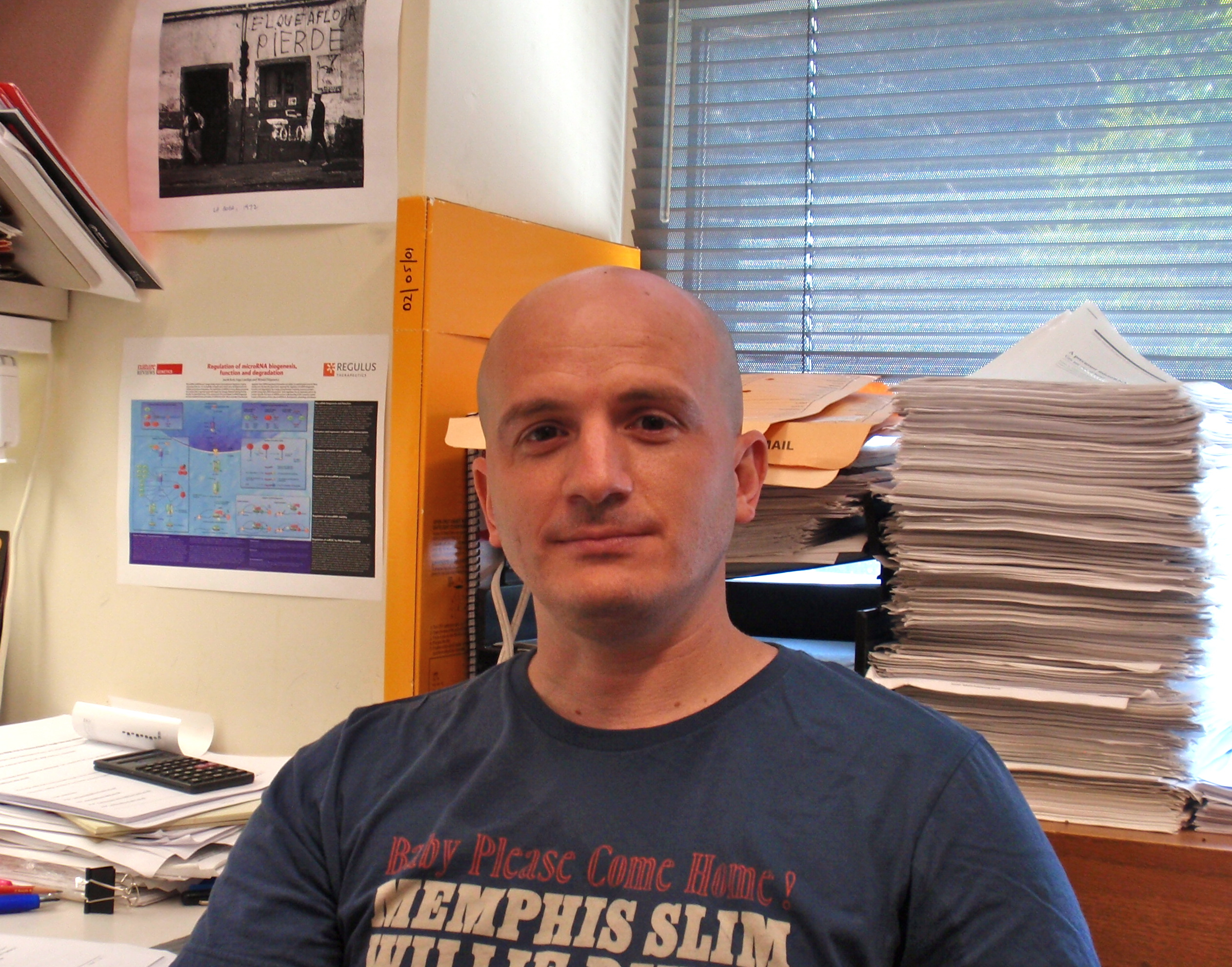
Demian Cazalla is an Associate Professor in the Department of Biochemistry at the University of Utah, focusing on the functional roles of non-coding RNAs (ncRNAs) in gene expression regulation. He is affiliated with the Molecular Biology Program and Biological Chemistry Program, contributing to interdisciplinary research in RNA biology. Education: M.Sc., University of Buenos Aires, Argentina Ph.D., Open University/MRC Human Genetics Unit, Edinburgh, Scotland Dr. Cazalla's research investigates how ncRNAs, particularly those expressed by oncogenic herpesviruses like Herpesvirus saimiri (HVS), regulate gene expression. His lab explores the structural and molecular mechanisms of viral ncRNAs (HSURs), their interactions with host miRNAs, and their role in viral oncogenesis through miRNA degradation and mRNA targeting. Current projects involve biochemical analysis of RNA-protein complexes and high-throughput sequencing to identify RNA targets. His recent publications highlight viral miRNA biogenesis pathways, ncRNA structural dynamics, and RNA-based regulatory networks. The work spans molecular virology, RNA biochemistry, and gene expression control in complex organisms.
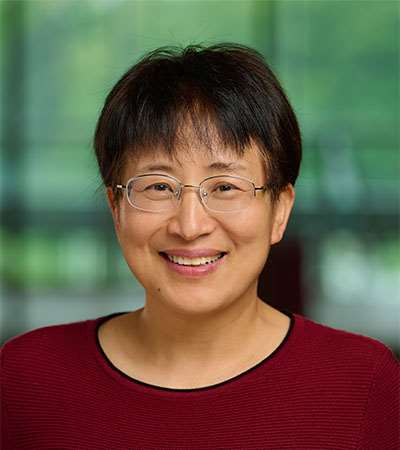
Xiaowen Bai, MD, PhD, is a Professor in the Department of Cell Biology, Neurobiology and Anatomy at the Medical College of Wisconsin. His research focuses on leveraging stem cells to model neurodegenerative diseases and cardiac disorders, with a particular emphasis on non-coding RNAs, mitochondria, and environmental stressors like anesthetics and alcohol. He holds a leadership role as Executive Director of Hematology at the World Federation of Chinese Medicine Societies (WFCMS). Education: MD, Shanxi Medical University (1993) PhD, Beijing University Stem Cell Center (2004) Postdoctoral Training, University of Texas MD Anderson Cancer Center (2007) Research Interests: Neurodegeneration mechanisms involving microRNAs, lncRNAs, and mitochondrial dysfunction Stem cell-based therapies for myocardial regeneration Diabetic cardiomyopathy pathogenesis and cardioprotection 3D organoid models for studying anesthetic and alcohol neurotoxicity Recent Work: Recent publications emphasize translational studies using human-induced pluripotent stem cell (iPSC)-derived models to investigate alcohol-induced brain injury, anesthetic neurotoxicity, and cardiac fibrosis. His lab also explores immunomodulatory pathways and redox signaling in inflammatory diseases. Labs/Teams: The Bai Lab develops novel in vitro models for disease modeling and drug testing, focusing on cerebral organoids and cardiac organoids to bridge basic research and clinical applications.
Tao Wu is an Assistant Professor in the Department of Molecular and Human Genetics at Baylor College of Medicine in Houston, TX. His research focuses on deciphering epigenetic mechanisms underlying cancer therapeutic resistance, particularly exploring DNA modifications like N6-methyladenine (6mA) and their roles in glioblastoma and other cancers. He employs advanced genomic technologies such as SMRT-ChIP and single-cell sequencing to study epigenetic regulators and their functional implications. Dr. Wu received his PhD from the University of Chinese Academy of Sciences (2008) and completed postdoctoral training at the Yale Stem Cell Center. His work integrates systems biology, genomics, and biochemistry to identify novel epigenetic drug targets. Key discoveries include identifying ALKBH1 as a 6mA demethylase and revealing 6mA’s role in hypoxia response pathways linked to drug resistance in glioblastoma. His research interests emphasize understanding dynamic epigenetic regulation in cancer, with projects focused on: Elucidating driver epigenetic mutations in cancer progression Developing therapies to overcome treatment resistance via epigenetic modulation Characterizing novel DNA modifications (e.g., 6mA) and their regulatory mechanisms Recent work highlights the lab’s focus on single-molecule sequencing and CRISPR-based screening to uncover epigenetic pathways in cancer models. Funding support includes grants from the Cancer Prevention Research Institute of Texas (CPRIT).
Sonia Navas-Martin is a Professor in the Department of Microbiology & Immunology at Drexel University College of Medicine. She holds a PhD from Universidad Autónoma de Madrid (1997). Her research focuses on innate immunity mechanisms during viral infections and neurodegenerative diseases, with emphasis on CNS pathologies and cellular senescence. Education: PhD in Microbiology & Immunology, Universidad Autónoma de Madrid (1997) Research Interests: Dr. Navas-Martin investigates how innate immune pathways contribute to immunopathology in viral infections (e.g., coronaviruses), neuroinflammation, and neurodegenerative diseases like Alzheimer’s. Her work combines molecular biology, immunology, and animal models to identify therapeutic targets. Key areas include: Microglial responses to viral pathogens Role of non-coding RNAs (e.g., miRNAs) in immune regulation Cellular senescence in HIV-associated neurocognitive disorders Cross-talk between TLR signaling and viral replication Publications: Her recent work includes studies on SARS-CoV-2 antiviral strategies, microglial antiviral mechanisms, and HIV-HCV co-infection dynamics. The articles reflect a focus on innate immunity modulation, viral pathogenesis, and translational therapies. Awards: Curator, American Society for Microbiology’s COVID-19 Research Registry Grants & Mentorship: She oversees an NIH-funded neuroimmunology graduate position and mentors students in scientific excellence. Her lab is known for collaborative, open research environments fostering innovation. Labs & Teams: Active in the Institute for Molecular Medicine & Infectious Disease at Drexel, collaborating on coronavirus immunology and SARS-CoV-2 therapeutic development. Her research integrates virology, immunology, and neurobiology to address critical gaps in understanding viral CNS pathogenesis.
Guy Joos is a Full Professor of Medicine at the Faculty of Medicine and Health Sciences, Ghent University , Head of the Department of Respiratory Medicine at Ghent University Hospital, and serves as Director of Research (Vice-Dean) at Ghent University since 2017. His academic career spans over three decades, with key roles including Chair of the Department of Internal Medicine (2014-2018) and ongoing leadership in respiratory research since 1999. Born in Ostend, Belgium (1956) M.D. and Ph.D. from Ghent University Board-certified in Internal and Pulmonary Medicine Prof Joos specializes in translational and clinical research on asthma and COPD , focusing on airway immunology, pharmacology, and pollution effects. His work at the Translational Lab for Obstructive Pulmonary Diseases has produced over 250 peer-reviewed publications with an h-index of 53. His research explores indirect bronchial provocation, miRNA expression in asthma subtypes, and ChemR23 signaling in pollutant-induced inflammation. Recent publications highlight interactions between innate lymphoid cells , TH2 responses , and air pollution . He has led pivotal clinical trials like the AZISAST study on macrolides in non-eosinophilic asthma. Fellow of European Respiratory Society (2014) Honorary Member of Lithuanian Society of Pulmonology (2012) Royal Academy of Medicine prizes (2004, 1995, 1988) Prof Joos has supervised 16 Ph.D. students since 1998, contributed to guidelines like the ERS Task Force on Indirect Challenges , and held editorial roles at journals including Respiratory Research and American Journal of Respiratory and Critical Care Medicine . He served as President of the European Respiratory Society (2016-2017) and the Belgian Thoracic Society (2010-2012).
Lill-Tove Rasmussen Busund is a Professor and Consultant Pathologist at the Department of Medical Biology, UiT The Arctic University of Norway. Her research focuses on translational cancer studies with emphasis on cancer biomarkers in tissue and blood, combining molecular biology with artificial intelligence applications in pathology. She leads the Translational Cancer Research Group (TCRG) and contributes to projects like the TNM-Immune Cell Score Trial and AI–Pathology initiatives. Role: Professor/Consultant Pathologist University: UiT The Arctic University of Norway Department: Department of Medical Biology Email: lill.tove.rasmussen.busund@uit.no Rasmussen Busund's work spans epidemiological cancer research , multi-omic data integration , and machine learning applications for cancer diagnostics. She develops prognostic and predictive biomarkers using population-based cohorts like the NOWAC study, with particular attention to hormone-dependent cancers and immune microenvironment analysis . Recent publications highlight her expertise in digital pathology and AI-driven tumor classification , including studies on microRNA expression patterns in breast and colon cancer, immune cell score development for NSCLC, and computational approaches to lymphocytic infiltration assessment. Her research directly impacts precision oncology and immunotherapy response prediction . She contributes to teaching as leader of the Musculoskeletal System course at the Medical School, and maintains active participation in scientific knowledge migration projects like the transition to the National Science Archive (NVA). Her ORCID identifier is 0000-0001-8235-6163 .
Camille Berthelot is a Principal Investigator and head of the Comparative Functional Genomics research group at the Institut Pasteur in Paris, France. Her work lies at the intersection of evolutionary biology, genomics, and reproductive physiology, with a focus on understanding how genomic changes drive evolutionary innovations in vertebrates, particularly the evolution of menstruation in primates. Her research leverages cutting-edge technologies including single-cell RNA sequencing, organoid models, and computational frameworks to compare gene expression and regulation across species such as humans, macaques, and mice. She investigates how evolutionary changes in gene function contribute to novel traits and how these relate to diseases like endometriosis. A major focus is the use of menstrual fluid as a non-invasive biomarker source for endometriosis, a direction highlighted in her systematic review published in Reproductive Biology and Endocrinology . Her recent publications span high-impact journals such as Science , Genome Research , and Nature Ecology & Evolution , covering topics from teleost fish phylogeny to regulatory evolution in mole-rats. These works reveal a consistent trend in using comparative genomics to decode deep evolutionary questions, often in collaboration with institutions like QMUL and INSERM. ERC Starting Grant (EVOMENS) – Decoding the genetics of menstruation evolution in primates Collaborative project on hypoxia adaptation in mole-rats Development of bioinformatics tools like FINSURF for non-coding variant classification She actively mentors a team of postdocs, PhD students, and master’s interns, including Claire Lavergne, Leo Zeitler, and Eulalie Liorzou. Former members such as Malgorzata Gazda and Axelle Brulport have gone on to independent academic positions, reflecting her role in training next-generation scientists. Camille Berthelot returned from maternity leave in June 2024 and remains actively engaged in research, publication, and team leadership at the Institut Pasteur.
Norman Van Rhijn is a Wellcome Trust Early Career Fellow at the University of Manchester's Division of Evolution, Infection and Genomics. His research focuses on microbial evolution with specific emphasis on fungal pathogens, particularly Aspergillus fumigatus . He leads work on antimicrobial resistance (AMR), climate change impacts on fungal diseases, and genetic tools for non-model organisms. He holds affiliations with MERman (Microbial Evolution Research Manchster) and the Manchester Fungal Infection Group (MFIG). Education: BSc Biology (Leiden University), MSc Medical Mycology (University of Manchester), PhD in Molecular Biology (University of Manchester). Research highlights include developing CRISPR-based genome editing methodologies, studying fungal adaptation to environmental pressures, and investigating dual-use fungicides. His work contributes to UN Sustainable Development Goals related to health and environmental sustainability. Award: Wellcome Trust Early Career Fellowship. Labs/Teams: PI in the MFIG project, editorial board member for mBio , and active in professional societies including the Microbiology Society and British Society for Medical Mycology.
Shelley L. Berger is the Daniel S. Och University Professor at the University of Pennsylvania, holding a "Penn Integrates Knowledge" Presidential Appointment. She serves as Director of the Epigenetics Institute at the Perelman School of Medicine and is Co-Director of the Tumor Biology Program at the Abramson Cancer Center. Her academic appointments span multiple departments including Cell and Developmental Biology, Biology, and Genetics. Dr. Berger earned her B.S. in Biology from the University of Michigan, Ann Arbor in 1982, followed by a Ph.D. in Cell & Molecular Biology from the same institution in 1987. Her distinguished career has led to her current position as a University Professor, one of the highest academic honors at the University of Pennsylvania. Dr. Berger's research focuses on epigenetics and chromatin structure/function in genomic regulation, with particular interest in post-translational modifications of histones and transcription factors. Her laboratory investigates how DNA-packaging structures are manipulated during genomic processes, with applications to understanding cancer, neurodegeneration, and other diseases. Her work spans multiple biological contexts including: Chromatin regulation of transcription Neuroepigenetics and memory formation Behavioral epigenetics in social insects Chromatin regulation in aging and senescence Cancer epigenetics and tumor suppressor mechanisms Analysis of Dr. Berger's recent publications reveals a strong focus on the intersection of epigenetics with aging, cancer, and neurobiology. Her work demonstrates how histone modifications and chromatin remodeling influence cellular senescence, with implications for age-related diseases including Alzheimer's. She has also pioneered research on epigenetic mechanisms in social behavior using ant models, and in T cell exhaustion relevant to cancer immunotherapy. A unifying theme across her publications is the role of specific histone modifications and chromatin regulators in controlling gene expression programs in diverse biological contexts. Dr. Berger has received numerous honors including her appointment as a Daniel S. Och University Professor and a "Penn Integrates Knowledge" Presidential Appointment, recognizing her exceptional interdisciplinary contributions to science. These prestigious appointments reflect her significant impact on the fields of epigenetics and chromatin biology. Dr. Berger mentors a vibrant research team consisting of multiple postdoctoral researchers, graduate students, and research specialists. Her laboratory, part of the Epigenetics Institute at Penn, investigates fundamental mechanisms of chromatin regulation with implications for human health and disease. Current research directions include exploring how epigenetic mechanisms control aging processes, cancer development, and social behavior in model organisms. Dr. Berger collaborates extensively with other leading researchers, including Carl June (pioneer of CAR T cell therapy) and John Wherry (expert in T cell exhaustion), to translate basic epigenetic discoveries into potential therapeutic applications. The Berger Lab operates within the Smilow Center for Translational Research at the University of Pennsylvania. The lab employs a multidisciplinary approach combining molecular biology, genomics, bioinformatics, and model organism studies to investigate chromatin regulation. Current research foci include epigenetic mechanisms in aging and senescence, cancer epigenetics, neuroepigenetics, and behavioral epigenetics in social insects.
Jinchuan Xing is a Professor at Rutgers, The State University of New Jersey, where he leads the Xing Lab of Genomics. His research focuses on human genomic variation, mobile DNA elements, evolutionary and population genetics, and their implications for human disease. He integrates computational and experimental methods to study genome-wide variation, with applications in disease gene identification and genomic technology development. His research interests include: Mobile DNA element biology Human demographic history and population diversity Disease gene identification using whole-exome and whole-genome sequencing High-altitude adaptation genetics Transposable element regulation and expression piRNA and small RNA pathways His recent publications highlight a strong trend in reproductive genomics, particularly in identifying genetic risk factors for embryo aneuploidy in IVF patients, using advanced sequencing technologies. Other work spans evolutionary genomics in diverse species (bats, moths, Drosophila), structural variation in neurodevelopmental disorders, and proteogenomic discovery. His lab actively develops and applies bioinformatic tools for variant analysis and gene prioritization. Scientific awards and honors are not explicitly mentioned in the provided text. Jinchuan Xing advises several graduate students, including Nan Wang, Siqi, Ellie Lu, and Tongji Xing. His lab has received significant funding, including an R01 grant from NICHD on aneuploidy risk, a grant from the Center for Human Evolutionary Studies, and a Life Sciences Alliance Pilot Seed Funding grant in collaboration with the Department of Statistics. These grants support research in fertility genomics, disease gene discovery, and genomic tool development. The Xing Lab of Genomics is an active research group conducting interdisciplinary studies combining genomics, bioinformatics, and molecular biology. The lab welcomes new members regularly, including master’s and PhD students, and collaborates across departments. Current projects include understanding the genetic basis of meiosis, fertility, and high-altitude adaptation, as well as developing Markovian gene networks for disease gene discovery.
Sabah Hussain, MD, PhD, is Distinguished James McGill Professor in the Department of Medicine, Faculty of Medicine and Health Sciences at McGill University and Senior Scientist in the Translational Research in Respiratory Diseases Program of the Research Institute of the McGill University Health Centre (RI-MUHC, Glen site). She leads an integrated bench-to-bedside program focused on skeletal-muscle wasting, autophagy, and angiogenesis. Education & Training: MD – University of Baghdad, 1978 PhD (Physiology) – McGill University, 1989 Research Focus: Dr Hussain’s laboratory investigates the molecular machinery governing skeletal-muscle mass in health and disease. Using transgenic models of angiopoietin signaling, sepsis, COPD and mechanical ventilation, her team has dissected how autophagy, mitophagy and proteasomal pathways drive diaphragmatic and locomotor muscle atrophy. A second axis of work explores gene-therapy delivery of angiopoietins to accelerate muscle regeneration after injury or in Duchenne Muscular Dystrophy models. More recently, her group is mapping epigenetic regulators—microRNAs and long non-coding RNAs—that fine-tune these degradative pathways. Scientific Awards & Funding: Distinguished James McGill Professorship CIHR Project Grant – Fall 2024 competition NSERC Discovery Grant – 2024 competition Advising & Mentorship: Dr Hussain mentors graduate students, post-doctoral fellows and clinical research trainees. Sami Sedraoui, a PDF in her group, received the April 2025 Relève-Étoile Jacques-Genest Award from CIHR. Laboratory & Affiliations: Her laboratory is located in the Meakins-Christie Laboratories, RI-MUHC Block E, Glen site (1001 Decarie Blvd, Montréal). The group is embedded within the Centre for Translational Biology and benefits from the RI-MUHC Technology Platforms including Proteomics, Small-Animal Imaging and Molecular Imaging Services.
Prof. Dr. Sven-Erik Behrens serves as a Professor in the Department of Microbial Biotechnology at the Faculty of Natural Sciences I of Martin Luther University Halle-Wittenberg. He is affiliated with the Protein Research Center 'Charles Tanford' and maintains an active research program focused on RNA biology, molecular virology, and biotechnological applications. His primary research interests encompass RNA-based plant protection strategies, viral replication mechanisms (particularly for flaviviruses and plant viruses), and innovative vaccine development using Kluyveromyces lactis yeast expression systems. Behrens' work investigates fundamental RNA-protein interactions, RNA chaperone activities, and the molecular basis of antiviral defense mechanisms in plants. His laboratory explores how RNA accessibility influences viral replication and how this knowledge can be harnessed for developing novel RNA-based antiviral strategies. Analysis of his recent publications (2021-2025) reveals a clear research trajectory focused on identifying accessible RNA sites for targeted antiviral applications, optimizing yeast-based vaccine platforms for both plant and animal pathogens, and investigating the role of non-coding RNAs in plant development and stress responses. His work spans multiple disciplines including plant virology, medical virology, and microbial biotechnology, demonstrating translational research from basic molecular mechanisms to practical applications. Prof. Behrens leads research in the Department of Microbial Biotechnology, collaborating with various groups working on plant-pathogen interactions and vaccine development. His laboratory employs advanced techniques including RNA structure probing, fluorescence-based assays for RNA chaperone activity, and plant in vitro systems for studying viral replication. The research demonstrates significant potential for developing novel approaches to combat viral diseases in both agricultural and medical contexts.
Professor Dimitris Lagos is a faculty member at the Hull York Medical School under the University of York . He holds the role of Professor of Immunology and serves as the Director of Research , leading the Departmental Research Committee. His academic career includes prior appointments as Lecturer , Senior Lecturer , and Reader at Hull York Medical School. Professor Lagos' research focuses on RNA Biology and RNA Medicine , specifically investigating RNA-driven immune gene regulation in infection and cancer. His group explores transcriptome instability in cancer, sexual dimorphism in lymphocytes, and circulating non-coding RNAs as disease biomarkers. He utilizes advanced transcriptomics platforms like long-read RNA sequencing and spatial omics for discovery, with pharmacological RNA targeting as a therapeutic strategy. His recent publications highlight trends in immune checkpoint regulation (e.g., PD-L1, IDO1), Cancer Immunology , and RNA-based biomarkers for disease prognosis. He leads the MANIFEST immuno-oncology consortium and collaborates with Oxford Nanopore Technologies . His group has historically spearheaded molecular pathology themes in global infectious disease consortia, including the UK Coronavirus Immunology Consortium . Professor Lagos is funded by Cancer Research UK and UKRI (MRC and BBSRC). He supervises postgraduate students Mags Gwynne , Ali Deghany , Charlotte Booth , and Molly Cartwright . His work bridges gene regulation , RNA Medicine , and Immunology , emphasizing translational applications.