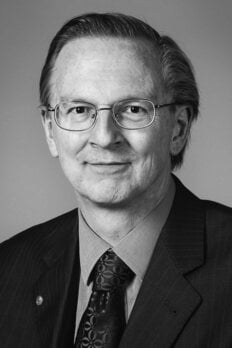
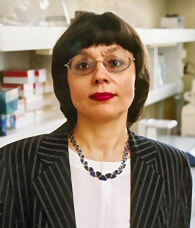
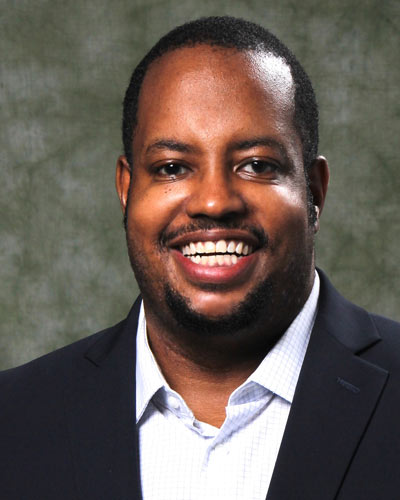
Dr. William Brittain is an Associate Professor of Organic Chemistry at Durham University, specializing in asymmetric catalysis, organofluorine chemistry, and peptide synthesis. His research focuses on developing novel synthetic methodologies and reagents for catalysis and bioconjugation. Education: MSc (University of Birmingham, 2013); PhD (University of Birmingham, 2018, under Prof. John Fossey and Dr. Ben Buckley) Research Interests: Asymmetric catalysis (particularly copper-catalyzed azide-alkyne cycloadditions) Organofluorine chemistry (including perfluoroaryl reagents and SF5-containing compounds) Peptide synthesis and modification (via pentafluoropyridine-mediated reactions) Biosynthetic pathway elucidation Scientific Contributions: His recent work explores fluorination's impact on electronic properties, asymmetric triazole formation, and the use of novel reagents like HFO-1234yf for trifluoromethyl synthesis. Publications span high-impact journals including Nature Communications and Chemistry - A European Journal . Awards: Leverhulme Early Career Fellowship (2020) Supervision: Mentoring 8 research students including Chloe Shilling, Jia Luo, and Josh Rawlinson.
Peter Sander is a Full Professor at the University of Zurich , leading the Institute of Medical Microbiology 's research group focused on Mycobacterium tuberculosis and Mycobacterium abscessus . His research spans virulence mechanisms, lipoprotein biogenesis, vaccine innovation, and antibiotic resistance. Key research areas include Posttranslational modification of mycobacterial lipoproteins Drug susceptibility and resistance mechanisms RNA metabolism as antibiotic target Recent publications highlight advancements in 3',6'-disubstituted spectinomycins for efflux resistance, Fidaxomicin derivatives with enhanced activity, and Mycobacterium abscessus resistance gene characterization. Collaborations span institutions in Switzerland, France, Italy, and the U.S. Scientific honors include the Young Investigator Award from the German Society for Hygiene and Microbiology (2002). Supported by grants from the Swiss National Science Foundation, European Commission, and industry partners. Students mentored include Ph.D. candidates at the University of Zurich. His lab investigates lipoprotein synthesis pathways and host immunity interactions , with implications for tuberculosis and nontuberculous mycobacteria therapies.
Dr. Yvonne Mast is a researcher at the University of Tübingen within the Faculty of Science and Interfaculty Institute of Microbiology and Infection Medicine . Her work focuses on regulatory mechanisms in antibiotic-producing Streptomyces species, particularly investigating the biosynthesis of phosphinothricin-tripeptide (PTT) and pristinamycin . She explores evolutionary pathways of secondary metabolite synthesis and develops bioinformatic tools like SPIRE for identifying IRE sequences in bacterial genomes. Specializes in Streptomyces molecular biology Develops sustainable antibiotic production methods Conducts proteomic and genomic analyses Research Highlights : Elucidated PTT biosynthesis as model for non-ribosomal peptide evolution Characterized pristinamycin's 210kb gene supercluster Studied aconitase's dual regulatory role in Streptomyces Participates in Baden-Württemberg Stiftung resistance-breaking antibiotic project Her scientific awards include recognition in the Science2Start 2016 competition for D-phenylglycine production innovation. Current projects involve exploiting underexplored translation inhibitors and isolating novel Indonesian actinomycetes . She supervises 5 PhD students and 2 bachelor students while maintaining collaborations with AG Stegmann and University Stuttgart .
Professor Hai Deng holds a Personal Chair in the School of Natural and Computing Sciences at the University of Aberdeen, UK. His research focuses on natural product biosynthesis, particularly the discovery of novel metabolites and their enzymatic mechanisms. Key areas include dehydroamino acids, bacterial genomics, and the application of enzymes in drug discovery. He leads research groups exploring natural products from marine and terrestrial microorganisms, with a focus on antimicrobial agents, fluorinated compounds, and bioactive peptides. Education: Ph.D. in Chemistry from the University of Wales Swansea (1999–2002). Postdoctoral research at the University of St Andrews (2002–2008). Academic roles at the University of Aberdeen since 2008, progressing from Lecturer to Senior Lecturer (2014), Reader (2018), and Personal Chair (2022). Research interests span bioactive natural products, enzyme engineering, and metabolic pathway elucidation. Collaborations include institutions in Ghana, China, Portugal, and the UK. Funded by UKRI, Leverhulme Trust, Royal Society, and others. Teaching responsibilities include courses on natural products chemistry and biosciences. Labs/Teams: Leads projects in the Aberdeen Institute of Data Science and collaborates with the Marine Biodiscovery and Heterogeneous Catalysis groups. Research emphasizes translating enzymatic discoveries into pharmaceutical and industrial applications.
Dr. Laurent Trembleau is a Senior Lecturer at the University of Aberdeen, affiliated with the School of Natural and Computing Sciences. He holds a PhD in Chemistry from the Université Catholique de Louvain (Belgium) and has conducted postdoctoral research at institutions including the Scripps Research Institute (USA). His research focuses on peptide synthesis methodologies, supramolecular chemistry (organocatalysts and anion-binding foldamers), and medicinal chemistry targeting protein-protein interactions and drug discovery. He leads projects on EGFR/CDK2 dual inhibitors and macrocyclic drugs, supported by grants from the European Commission and Scottish Enterprise. Education: Bachelor’s: Institut Universitaire de Technologie, Orléans, France (Fine Chemistry) Master’s: Institut National des Sciences Appliquées, Rouen, France (Chemistry) PhD: Université Catholique de Louvain, Belgium (Organic Chemistry) Research Interests: Development of synthetic methodologies for peptides, organocatalyst design, drug discovery for cancer therapy, and anion-binding foldamers. Collaborations include Professors Marcel Jaspars and Jim Naismith on macrocycle-based therapeutics. Teaching: Courses in Organic and Biological Chemistry, including CM1022, CM2512, and Honours Chemistry modules. Over 50 peer-reviewed publications since 2003, with recent work on indole-based inhibitors and ribosomally synthesized peptides.
Jack W. Szostak is a University Professor in the Department of Genetics at the University of Chicago and an Investigator at the Howard Hughes Medical Institute. Previously, he was a long-standing professor at Harvard Medical School and Massachusetts General Hospital. He was awarded the 2009 Nobel Prize in Physiology or Medicine for his groundbreaking work on telomeres and telomerase, conducted in collaboration with Elizabeth Blackburn and Carol W. Greider. He earned his B.Sc. in Cell Biology from McGill University and his Ph.D. in Biochemistry from Cornell University. His early research focused on yeast genetics, recombination, and telomere biology, laying the foundation for understanding cellular aging and cancer. He later pioneered in vitro selection methods to evolve functional RNA and proteins, contributing significantly to the RNA world hypothesis. His current research centers on the origin of life, particularly the development of self-replicating protocells. His lab explores prebiotic chemistry, membrane biophysics, and non-enzymatic genetic replication, aiming to reconstruct the transition from chemistry to biology. His work integrates synthetic biology, systems chemistry, and evolutionary biochemistry. Analysis of his recent publications reveals a strong focus on prebiotic nucleotide synthesis, template-directed RNA copying, protocell growth and division, and the engineering of self-replicating systems. His research consistently bridges molecular biology, chemistry, and evolutionary theory to address fundamental questions about life’s origins. Nobel Prize in Physiology or Medicine (2009) Albert Lasker Award for Basic Medical Research (1998) Canada Gairdner International Award (2005) Elected to the National Academy of Sciences (1998) Howard Hughes Medical Institute Investigator (1998–2022) Szostak has mentored numerous prominent scientists, including Jennifer Doudna, Andrew Murray, and David Bartel. His lab has been supported by HHMI funding and has produced transformative work across genetics, RNA biology, and origins of life research. He co-founded a biotechnology startup to translate evolved proteins into therapeutic applications, one of which is now in clinical trials. He leads an active research laboratory focused on building synthetic protocells capable of growth, division, and evolution. His team investigates fatty acid membranes, nucleotide chemistry, and coupled replication systems, operating at the intersection of chemistry, biology, and engineering.
Saswati Biswas serves as a Research Assistant Professor in the Department of Microbiology, Molecular Genetics and Immunology at the University of Kansas Medical Center's School of Medicine. With over 15 years of experience in molecular microbiology, she specializes in antimicrobial research with particular focus on lantibiotics and bacterial resistance mechanisms. Dr. Biswas earned her M.Sc. in Physics from Banaras Hindu University in India and completed her Ph.D. in Microbiology at the University of Kansas Medical Center. Her research spans bacterial genetics, molecular mechanisms of antimicrobial resistance, and probiotic applications in oral health. Her research interests center on understanding antimicrobial resistance mechanisms, particularly focusing on lantibiotics like Smb and their interactions with streptococci. She has made significant contributions to identifying the first lantibiotic receptor and characterizing immunity proteins. More recently, her work has expanded to investigating Lactobacillus rhamnosus LRB as a potential probiotic and vaccine delivery vehicle, with emphasis on its genome structure, stress tolerance, and antibacterial properties against oral pathogens. Analysis of her publication trends reveals a consistent focus on molecular mechanisms of bacterial resistance, with recent work emphasizing genome sequencing, probiotic applications, and lantibiotic engineering. Her research bridges basic microbiology with potential clinical applications in oral health and microbiome management. Dr. Biswas has extensive experience mentoring researchers and collaborating on grant-funded projects within the Department of Microbiology, Molecular Genetics and Immunology, which conducts high-impact human health research focused on infection and immunity. Her laboratory maintains expertise in molecular microbiology, protein chemistry, and genomic research with specialized capabilities in handling both naturally competent and non-competent streptococci.
Dr. Patrick Caffrey serves as an Assistant Professor in the School of Biomolecular and Biomedical Science at University College Dublin, with a continuous academic appointment since July 1995. His research focuses on engineering polyene macrolide antibiotics, particularly amphotericin B analogues, through genetic manipulation of Streptomyces nodosus and related bacteria. His research interests center on biosynthesis of polyene antibiotics derived from bacterial and fungal natural products, with emphasis on genetic manipulation of secondary metabolic pathways. Caffrey's work targets engineered biosynthesis of less toxic polyene analogues through polyketide synthase modification, glycosylation engineering, and late-stage oxidative modifications. Key projects include development of 16-descarboxyl-16-methyl amphotericin B and disaccharide-modified polyenes with improved therapeutic indices. Analysis of recent publications reveals consistent innovation in polyene engineering, with 2022-2024 work focusing on structural characterization of biosynthetic enzymes, biomimetic purification methods, and glycoengineering of novel analogues. His research combines structural biology, synthetic biology, and pharmaceutical chemistry to address toxicity limitations in antifungal therapy. Scholarship (2003-2006) Caffrey actively mentors through module coordination in Microbial Physiology, Molecular Genetics and Biotechnology, and Natural Product Synthesis. His research program has secured grants supporting metabolic engineering of antibiotic-producing bacteria. Current work involves optimizing polyene glycosylation and developing biomimetic polymers for analogue purification, with applications against fungal infections, leishmaniasis, and prion diseases. His laboratory maintains focus on Streptomyces genetics and polyketide biochemistry, collaborating with structural biologists and pharmaceutical chemists to translate engineered biosynthesis into therapeutic candidates.
Olga A. Dontsova is a Full Professor at the Faculty of Chemistry, Moscow State University, where she heads the Chair of Chemistry of Natural Compounds. She also leads the Division of RNA Structure and Function at the Belozersky Institute of Physico-Chemical Biology (MSU) and directs the Laboratory of Nucleoprotein Chemistry. Her career at MSU spans over 40 years, progressing from PhD trainee to full professorship with continuous research leadership roles since 1991. Her research focuses on molecular mechanisms in ribonucleoprotein complexes with emphasis on: RNA structure-function relationships and modification enzymes Translation machinery and ribosomal dynamics Transfer-messenger RNA interactions Telomerase function in cancer Chemical biology approaches to study nucleic acid complexes She developed innovative strategies combining biochemical, genetic, and chemical methods to study ribosomal function and RNA modifications. Professor Dontsova's publications demonstrate consistent focus on RNA biology, ribosome function, and enzyme characterization. Recent work (2009-2013) emphasizes RNA modification enzymes, translation mechanisms, and telomerase characterization, often using E. coli and yeast models with structural and functional approaches. Scientific Honors: Member, Academia Europaea (2014) Corresponding Member, Russian Academy of Sciences (2006) European Academy Award for Young Scientists (1994) She has supervised 21 PhD students and secured funding from international grants (HHMI, HFSP, CRDF) and Russian foundations. As Head of the Biology Panel at the Russian Scientific Foundation, she influences national research priorities. She teaches lecture courses at MSU and serves on editorial boards for Biochimie and other journals.
Alex Caspar Faesen is a Researcher at the University of Göttingen , specializing in Molecular Biology , Biochemistry , and Autophagy . His work focuses on fundamental cellular processes including protein quality control, translation regulation, and DNA damage repair. Key research areas: Autophagy, Ubiquitination, Ribosome Function, DNA Repair, Reproductive Aging His supervised theses (2022–2024) reveal expertise in: Mechanistic analysis of autophagy initiation Non-canonical ubiquitination pathways RNA modifications in translation regulation Metabolic dependencies in lymphoma cells TRIP13's role in DNA repair EF-P in polyPro synthesis and drug design These works demonstrate a strong focus on biochemical mechanisms with applications in cancer biology, aging, and microbial systems.
Manuela Tosin is an Associate Professor of Organic Chemistry at the University of Warwick, specializing in chemical biology and natural product biosynthesis. She leads the Organic Chemistry Teaching Section and is affiliated with the Royal Society of Chemistry (RSC) and American Chemical Society (ACS), particularly within the RSC Chemical Biology and Bioorganic Group. PhD in Chemistry (2004) from University College Dublin with Royal Irish Academy Prize Postdoctoral experience at University of Cambridge (Marie Curie Fellow) and University College Dublin Her research focuses on developing chemical probes and tools to study: Mechanisms of natural product biosynthesis (polyketides, nonribosomal peptides) Engineering microbial factories for novel antibiotics/anticancer agents Glycosyltransferase enzyme function and biocatalysis applications Design of small-molecule inhibitors targeting disease-associated processes Recent publications emphasize chemical probe applications for pathway analysis, VIP articles in Angewandte Chemie and ChemBioChem, and interdisciplinary approaches combining synthetic chemistry with structural biology and molecular biology. Scientific awards include the Royal Irish Academy Prize for Young Chemists 2004. She supervises PhD students on topics spanning bacterial glycosyltransferases, chemo-enzymatic catalysis, and lipid biosynthesis in Rhodococcus.
Shin Suzuki serves as an Assistant Professor at Waseda University's Faculty of Science and Engineering, affiliated with the Waseda Research Institute for Science and Engineering. His research focuses on applied biochemistry with emphasis on enzymatic synthesis methodologies for polyamides and amide compounds. Dr. Suzuki's primary research domain centers on adenylation enzyme engineering for amide bond formation, particularly in synthesizing D-amino acid containing dipeptides and polyamino acids. His work explores enzyme substrate specificity across L/D-amino acids and aromatic compounds, while developing ATP regeneration systems to enhance process efficiency. Key methodologies include exploiting adenylation enzymes from Brevibacillus parabrevis , Bacillus licheniformis , and Bacillus subtilis strains for controlled polymerization. Analysis of his 2017-2019 projects reveals a consistent trajectory in enzymatic amide synthesis, evolving from fundamental polyamide formation to complex D-amino acid dipeptide production and ATP-coupled systems. The research demonstrates progressive expansion of substrate scope (14 amino acid variants, 15 benzoic acid derivatives) and increasing sophistication in reaction engineering, particularly through pyruvate phosphate dikinase-mediated ATP recycling.
Tony Davis is an Assistant Professor in the Department of Pharmaceutical Sciences at Binghamton University's School of Pharmacy and Pharmaceutical Sciences. His research focuses on natural products biosynthesis, infectious diseases, neurological disorders, and drug discovery. He holds a PhD in Pharmacology from Cornell University and completed postdoctoral training at UC San Diego under Michael Burkart, funded by an NIH-NIGMS IRACDA fellowship. Education: PhD in Pharmacology, Cornell University (2020) BS in Biochemistry, Xavier University of Louisiana Postdoctoral Fellowship, University of California, San Diego Research Interests: Explores molecular mechanisms of natural product biosynthesis, particularly focusing on methyltransferases and nonribosomal peptide synthetases. His NIH-funded work investigates substrate recognition in enzymes with applications to drug discovery and biocatalysis. Current projects include developing therapeutic compounds for infections, cancer, and neurological conditions. Publications: Recent work includes groundbreaking studies on fatty acid biosynthesis mechanisms, protein-protein interactions in metabolic pathways, and application of SuFEx probes for biochemical visualization. His articles bridge structural biology with chemical synthesis to advance medicinal chemistry. Awards: NIH K99/R00 Pathway to Independence Award UCSD Chancellor’s Award for Postdoctoral Excellence IRACDA Postdoctoral Fellowship Grants: Current funding from NIH K99/R00 supports his work on methyltransferase enzyme studies. His research integrates synthetic chemistry, biochemistry, and structural biology to address unmet clinical needs. Labs/Teams: Leads a lab focused on interdisciplinary approaches to drug discovery, combining computational modeling with experimental biochemical techniques.
Dr. Huimin Zhao is the Steven L. Miller Chair Professor in the Department of Chemical and Biomolecular Engineering at the University of Illinois at Urbana-Champaign, with affiliate appointments in Chemistry, Biochemistry, and Bioengineering. He directs multiple NSF-funded institutes, including the AI Institute for Molecule Synthesis and the Global Center for Reliable and Scalable Biofoundries, and serves as Editor-in-Chief of ACS Synthetic Biology . A Nobel Prize-associated researcher, he earned his Ph.D. at Caltech under Dr. Frances Arnold and held a project leadership role at Dow Chemical before joining UIUC in 2000. B.S., Biology, University of Science and Technology of China (1992) Ph.D., Chemistry, California Institute of Technology (1998) Dr. Zhao pioneers synthetic biology, machine learning, and automation to engineer proteins, pathways, and genomes for biotechnology and medicine. His research spans foundational tool development (StEP recombination, DNA Assembler, CRISPR/Cas9 methods), industrial biotechnology breakthroughs (cellulosic ethanol, organic acid production in Issatchenkia orientalis ), and mammalian synthetic biology innovations (TALEN-based gene therapy systems). His iBioFAB platform integrates robotics with computational design for scalable bioengineering. Recent publications emphasize hybrid catalytic systems combining photocatalysis with enzymatic reactions, AI-driven biosystems design, and genome-scale engineering in non-model organisms. His work reduces industrial processing costs and environmental impacts through acid-tolerant yeast strains for sustainable chemical production, with techno-economic analyses showing potential 90% carbon emission reductions. NSF CAREER Award Guggenheim Fellowship ACS Marvin Johnson Award AIChE Daniel I.C. Wang Award SIMB Charles Scott Award Emeritus Editor-in-Chief, ACS Synthetic Biology Dr. Zhao has mentored 38 former graduate students and postdocs who became professors or principal investigators globally. His lab collaborates across disciplines, with recent projects integrating plant biotechnology ( Sorghum , Miscanthus ), microbial engineering ( Saccharomyces , Yarrowia ), and computational biology. Current initiatives focus on CRISPR-COPIES for genome editing, AI-enhanced protein engineering, and sustainable biorefinery systems for biofuels and biochemicals.
Mohammad R. Seyedsayamdost is a Professor of Chemistry and Molecular Biology at Princeton University, affiliated with the Frick Chemistry Laboratory. His research focuses on understanding bacterial interactions through small molecule chemistry, with emphasis on natural product discovery, enzymology, and microbial communication. He leads the 'Mo Lab,' which explores how bacteria use small molecules to compete, collaborate, and adapt in complex environments. His work integrates metabolomics and genetic approaches to activate silent biosynthetic gene clusters, uncovering novel antibiotics and bioactive compounds. Notable contributions include discoveries in selenium-containing metabolites (ovoselenol), radical SAM enzyme mechanisms, and synthetic lethality strategies against antibiotic-resistant pathogens. Key Awards: MacArthur Fellow (2020), NIH New Innovator Award (2015), NSF CAREER Award (2019) Labs/Teams: Mo Lab (Chemistry & Molecular Biology) Recent research highlights include drug combinations targeting melioidosis and Clostridium difficile, as well as elucidating bacterial responses to environmental stressors like iron limitation. His studies bridge fundamental chemical biology with translational applications in drug discovery and microbial ecology.