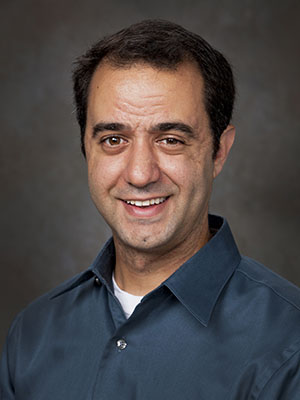
Bobak Mortazavi is an Associate Professor in the Department of Computer Science & Engineering at Texas A&M University. His research focuses on medical analytics, machine learning, wearable sensors, and cyber-physical systems. He leads interdisciplinary projects in healthcare technology, including AI-driven diagnostics and predictive modeling for cardiovascular diseases. He has received notable awards such as the Best Demonstration Award at IEEE EMBS 2012 and the Best Paper Award at the Fourth International Conference on Data Analytics 2015. His work bridges machine learning with clinical applications, emphasizing practical solutions for healthcare challenges. Recent research includes developing AI tools for aortic stenosis detection, electrolyte estimation via ECG, and real-time patient monitoring systems. He collaborates with industry and academic partners to advance telemedicine and wearable health technologies. Key contributions include the SMART-LV project for smartphone-based cardiac diagnostics and the ArterialNet framework for blood pressure reconstruction using wearable sensors. His work is published in top journals like IEEE Journal of Biomedical and Health Informatics and Elsevier's Pervasive and Mobile Computing.
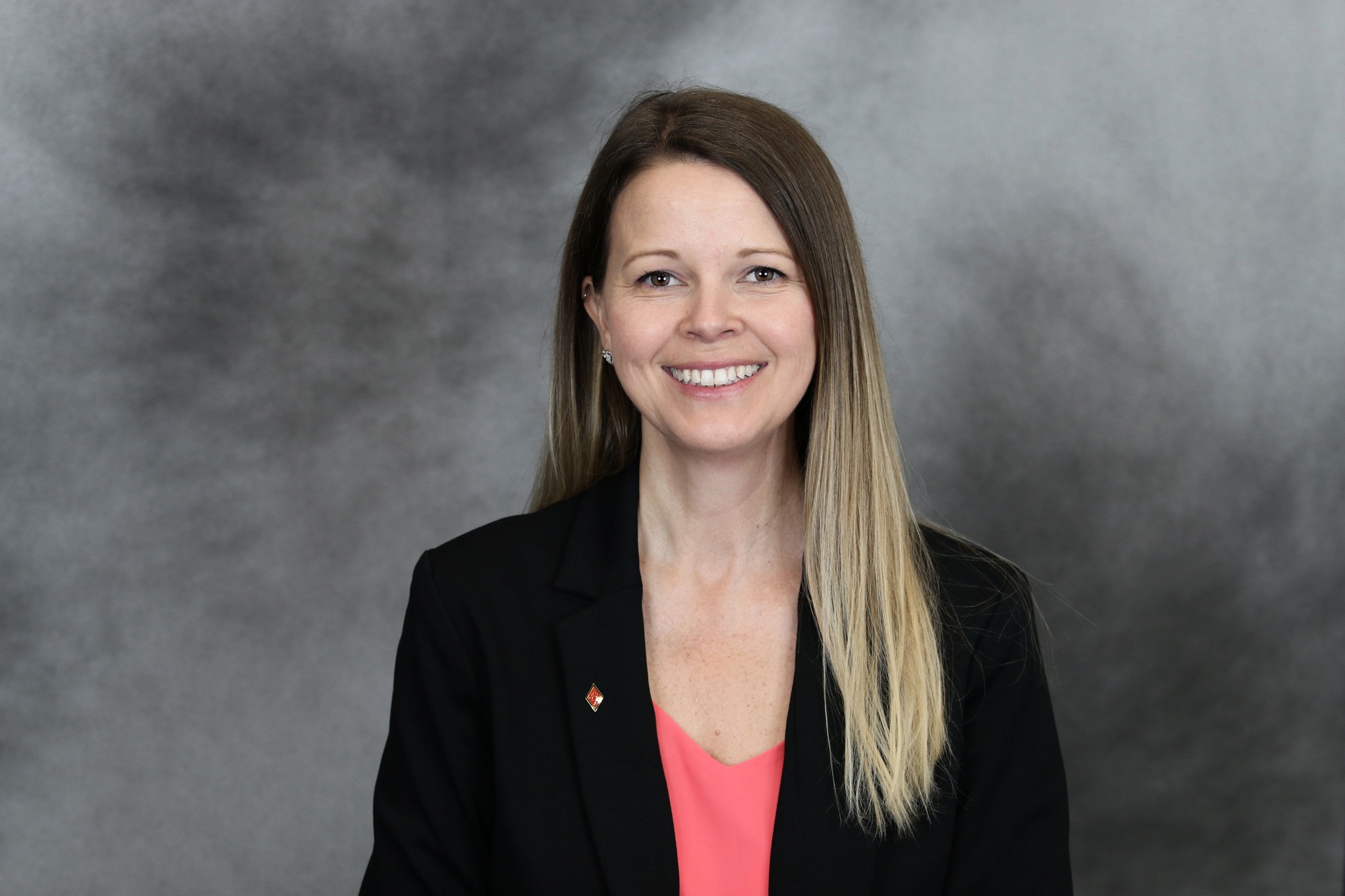
Jillian Bohlen is an Associate Professor at the University of Georgia within the College of Agricultural & Environmental Sciences , specifically the Department of Animal and Dairy Science . Her work focuses on dairy cattle reproduction, teaching, and youth development in agricultural sciences. Education: B.S. in Dairy Science, University of Georgia (2003) M.S. in Dairy Science, University of Georgia (2005) Ph.D. in Animal Sciences, Clemson University (2012) Dr. Bohlen's research emphasizes applied reproduction in cattle , including synchronization techniques, ultrasound applications in reproductive programs, and embryo competency. She integrates students into all research projects despite lacking a formal research appointment. Her teaching interests span dairy cattle production , reproductive management , and contemporary agricultural issues , with courses like ADSC 3620 (Dairy Cattle Production), ADSC 4010 (Issues in Animal Agriculture), and ADSC 4410 (Applied Reproductive Management). Scientific awards include: Student Career Success Influencer Award (2024) Russell Award for Excellence in Undergraduate Teaching (2023) UGA Creative Teaching Award (2022) CAES Early Career Teaching Award (2022) Hoard's Dairyman Youth Development Award (2021) Larry Benyshek Teaching Award (2017) She actively promotes agricultural education through programs like the Commercial Heifer Project , Dairy Cattle Judging , and Dairy Quiz Bowl . Additionally, she participates in funded projects related to methane emissions , heat stress mitigation , and antibiotic alternatives in dairy farming.
Frank L. Hammond III serves as Assistant Professor at Georgia Tech's Woodruff School of Mechanical Engineering since April 2015, directing the Adaptation Robotic Manipulation (ARM) Laboratory. A Carnegie Mellon PhD graduate, he previously held postdoctoral positions at MIT and Harvard as a Ford Fellow. His interdisciplinary work bridges mechanical engineering, biomedical applications, and computational design. Education Ph.D. in Mechanical Engineering, Carnegie Mellon University M.S. in Mechanical Engineering, University of Pennsylvania M.S. in Electrical Engineering, University of Pennsylvania B.S. in Electrical Engineering & Biomedical Engineering, Drexel University Hammond's research pioneers adaptive robotic manipulation (ARM) systems that operate in unstructured human environments through bioinspired computational design. His lab develops xenomorphic (non-biomorphic) robots using soft pneumatic actuation, flexible electronics, and machine learning to achieve biological-level versatility. Key application domains include wearable human augmentation devices , haptic-enabled surgical teleoperation , and autonomous soft platforms for medical and industrial use. The ARM methodology integrates empirical biomechanics characterization with simulation-driven optimization and rapid prototyping. Analysis of his 15 most recent publications (2023-2025) reveals three dominant trends: (1) Medical rehabilitation breakthroughs through intention-driven exoskeletons with soft bioelectronics, (2) Novel locomotion strategies for soft robots in complex environments (sand, water, cluttered spaces), and (3) Advanced haptic feedback systems leveraging multimodal sensory substitution for proprioceptive restoration. These works consistently bridge biomechanics, control theory, and human factors. Awards Ford Postdoctoral Research Fellowship at Harvard School of Engineering Hammond actively mentors graduate researchers including PhD candidates Lucas Tiziani (soft actuators) and Bangyuan Liu (earthworm robotics), and Master's student Alex Hart (pediatric haptics). His lab secures research funding for projects like tunable mechanical interfaces for neuropathy treatment and cognition-focused wearable devices, with strong industry and clinical partnerships evident in co-authored medical device publications. The ARM Lab maintains robust collaborations across Georgia Tech's robotics, neuroscience, and biomedical engineering communities. The Adaptation Robotic Manipulation Laboratory operates from Whitaker Building Room 4102, housing specialized facilities for soft robot fabrication (3D printing, shape deposition manufacturing) and biomechanics testing. Current projects include pediatric haptic feedback displays, biomimetic swimming robots, and kirigami-skinned earthworm robots for subsurface locomotion. The lab emphasizes translational research with multiple pending medical device patents and active participation in K-12 STEM outreach programs.
Melody Alsaker is an Associate Professor in the Department of Mathematics at Gonzaga University, where she has held this position since January 2016. Her research focuses on medical imaging and applied inverse problems, particularly in the field of electrical impedance tomography (EIT). She specializes in mathematical modeling, algorithm design, and biomedical image processing, with applications in pulmonary and thoracic imaging. Her work emphasizes improving EIT reconstruction techniques using the D-bar method, incorporating spatial priors, and developing real-time solutions for clinical applications. Notable contributions include the ACE1 EIT system for thoracic imaging and studies on stroke classification, air trapping in lungs, and surrogate measures of pulmonary function in children with cystic fibrosis. Alsaker's research bridges mathematics and engineering, addressing challenges in medical imaging accuracy and computational efficiency. Her collaborations span disciplines, including biomedical engineering, respiratory physiology, and clinical medicine.
Massimo Mischi is a Full Professor at the Faculty of Electrical Engineering of the Eindhoven University of Technology (TU/e) and chairs the Signal Processing Systems (SPS) Division , the largest division at TU/e with over 250 researchers. He founded the Biomedical Diagnostics (BM/d) Lab in 2012, which now includes 180 researchers and clinical/industrial advisors, focusing on biomedical signal processing for diagnostics and monitoring.
Craig H. Meyer is a Professor in Biomedical Engineering and Radiology & Medical Imaging at the University of Virginia. He holds a Ph.D. from Stanford University and leads the Rapid MRI Research Group, focusing on developing advanced MRI techniques for cardiovascular disease, neural disorders, and pediatrics. His work integrates physics, signal processing, and machine learning to improve MRI acquisition and processing speed. Education: Ph.D. in Biomedical Engineering, Stanford University. Research Interests: Medical and Molecular Imaging, Signal and Image Processing, Biomedical Data Sciences, Biomechanics, and Cardiovascular Engineering. His innovations include fast spiral imaging, conjugate phase reconstruction, and machine learning-enhanced MRI denoising. Awards: Notably includes the Dean’s Award for Excellence in Team Science (2014), Fellowships from NAI (2021), AIMBE (2015), and ISMRM (2013). He also authored two landmark MRI papers recognized as pivotal in the field. Teaching: Courses include BME 6310 (Computation and Modeling in Biomedical Engineering) and BME 8782 (Magnetic Resonance Imaging). He emphasizes translational research, with applications in clinical MRI advancements and collaborative interdisciplinary projects. Labs/Groups: Rapid MRI Research Group focuses on cutting-edge MRI technologies, including real-time cardiac imaging and artifact reduction through deep learning.
Professor David Clifton is the Royal Academy of Engineering Chair of Clinical Machine Learning at the University of Oxford’s Institute of Biomedical Engineering. He leads the Computational Health Informatics (CHI) Lab, focusing on AI-driven healthcare solutions with a strong emphasis on translational research in low- and middle-income countries (LMICs). His work spans digital health technologies, medical imaging analysis, and AI ethics. Clifton holds multiple fellowships, including from the Alan Turing Institute and Fudan University. Key affiliations include co-directorship of the Oxford-CityU Centre for Cardiovascular Engineering and involvement in the Wellcome Trust’s Flagship Centre in Vietnam. His research has been commercialized through spinouts like OBS Medical and Oxehealth. Notable projects include AI tools for non-invasive vital sign monitoring and pandemic response strategies using audio-based health data. Clifton’s awards include the IEEE Early Career Award (2022) and the Vice-Chancellor’s Innovation Prize. His lab’s Suzhou branch focuses on open-source digital health research using public datasets. Current research themes include multimodal data integration, generative AI in healthcare, and equitable AI deployment across global health systems.
Anne Holland is Professor of Physiotherapy and Head of Respiratory Research at Monash University and Alfred Health in Melbourne, Australia. She is an NHMRC Leadership Fellow (2021–2025) and a Chief Investigator for the NHMRC Centre of Research Excellence in Pulmonary Fibrosis and the NHMRC Centre of Research Excellence in Treatable Traits. Her research focuses on supportive therapies for chronic respiratory diseases, particularly COPD and pulmonary fibrosis, with a strong emphasis on pulmonary rehabilitation, telerehabilitation, and ambulatory oxygen therapy. Her research interests include: Respiratory physiotherapy Pulmonary rehabilitation (home-based and low-cost models) Access to care for chronic lung disease Telerehabilitation and digital health Symptom management in interstitial lung disease Exercise training and physical activity promotion Her recent publications focus on symptom management, digital self-management tools, treatable traits models, and clinical trials in pulmonary fibrosis and COPD. The body of work reflects a strong trend toward patient-centered, accessible, and evidence-based interventions that improve quality of life and clinical outcomes in chronic respiratory conditions. Her major scientific awards include: Society Medal, Thoracic Society of Australia and New Zealand (2021) European Respiratory Society Gold Medal for Allied Health Professionals (2022) NHMRC Investigator Fellow (Leadership 1) (2021) Fellow, Thoracic Society of Australia and New Zealand (2019) American Thoracic Society Pulmonary Rehabilitation Assembly Award (2016) Anne Holland supervises PhD students and is actively involved in advising and grant leadership. She is the Primary Chief Investigator on major trials such as the PERFORM trial and the TAPPET trial, and she leads a multinational ambulatory oxygen trial for fibrotic lung disease. Her work is supported by NHMRC and international collaborations. She is also President of the Thoracic Society of Australia and New Zealand, reflecting her leadership in the field. Anne leads the Holland Respiratory Care Research Group at Monash, which focuses on innovative models of care delivery, validation of remote monitoring tools, and improving patient self-management in chronic lung disease. The team collaborates widely across Australia and internationally, particularly in trials involving pulmonary rehabilitation and treatable traits.
Nicolas Gaspard is an Assistant Professor at Yale School of Medicine, specializing in neurology and critical care neurophysiology. His research focuses on epilepsy, particularly status epilepticus, NORSE/FIRES syndromes, and EEG monitoring in acute neurological conditions. He leads studies on therapeutic interventions (e.g., electrical stimulation, neuroprotective agents) and outcome prediction in cardiac arrest and epilepsy patients. Collaborations include teams at Yale and international institutions, with a focus on translational research and clinical practice improvements. Education: PhD from Université Libre de Bruxelles (2009). Research interests include neurocritical care, cortico-cortical connectivity, and optimizing EEG protocols in intensive care settings. His work bridges clinical practice and advanced neurophysiological techniques, aiming to improve patient outcomes in severe neurological emergencies. Key contributions include studies on single-pulse electrical stimulation reducing seizures and the role of sodium DL-3-ß-hydroxybutyrate in neuroprotection post-cardiac arrest. Publications (2023–2025) emphasize epilepsy syndromes, critical care EEG applications, and multicenter studies on treatment adherence and long-term outcomes. His team actively engages in NORSE/FIRES registry analyses to characterize disease progression and communication trends. Grants and funding details are not explicitly listed, but his research aligns with Yale’s focus on translational neurology.
Christian J. Hochstim, MD, PhD, is a Clinical Assistant Professor of Otolaryngology at the University of Southern California. His clinical expertise includes complex airway disorders, pediatric tracheostomy management, and vocal cord paralysis. He completed a pediatric otolaryngology fellowship at Stanford University and earned his PhD in developmental biology at Caltech. His research focuses on regenerative medicine strategies for airway reconstruction and preventing stenosis, leveraging stem cell technology. Dr. Hochstim’s education includes a dual MD/PhD, with postdoctoral training in head and neck cancer at Stanford. His research bridges developmental biology and clinical otolaryngology, addressing challenges in airway reconstruction and pediatric surgical outcomes. His clinical interests span aerodigestive disorders, obstructive sleep apnea, and cochlear implantation. He has published extensively on pediatric tracheostomy quality of life, biofilm-associated stenosis, and disparities in healthcare access. Notable studies include repurposing evolutionary gill gene programs for outer ear development and evaluating opioid-free anesthesia in OSA surgery. Key contributions include analyzing prognostic factors in pediatric fungal rhinosinusitis and investigating respiratory risks in endoscopic procedures. His work emphasizes translational research with clinical impact, particularly in underserved pediatric populations.
Jan Olav Høgetveit is an Associate Professor in the Department of Physics at the University of Oslo (UiO), within the Faculty of Mathematics and Natural Sciences. He also serves as Head of Research & Development in the Department of Biomedical and Clinical Engineering at Rikshospitalet, Norway’s national hospital. His work bridges physics and clinical practice, focusing on medical instrumentation. Education: Bachelor of Electronic Engineering (Technical Cybernetics), Oslo University College, 1993 Master of Electronics, University of Oslo (Department of Physics), 1997 Ph.D. in Physics (Technology Applications for Medical Devices), University of Oslo, 2008 Research Interests: Høgetveit specializes in biomedical instrumentation and clinical engineering, particularly in surgical technology and wireless communication impacts on medical devices. His work addresses challenges like real-time physiological monitoring during heart-lung machine use, non-invasive blood glucose detection, and bioimpedance-based viability assessment of organs. He emphasizes interdisciplinary collaboration between engineering and medicine to enhance patient safety and surgical outcomes. Scientific Contributions: His research trends span bioimpedance applications in ischemia/reperfusion injury, machine learning for surgical decision support, and electrosurgery safety. He has explored ventilator optimization during pandemics and implant-related thermal risks. Contributions highlight both hardware development (e.g., optically isolated current sources) and software innovations (e.g., neural networks for viability prediction). Awards: No scientific awards explicitly mentioned in the text. Advising & Grants: Høgetveit received a 1998–2001 research council scholarship. As Head of R&D since 2001, he oversees translational projects. No formal advisees/students listed, though he collaborates extensively with teams on device development and clinical trials. Labs & Teams: Affiliated with UiO’s Department of Physics and Rikshospitalet’s Biomedical and Clinical Engineering department. Active in the Electronics research group at UiO. Engages with multidisciplinary teams addressing surgical instrumentation and physiological monitoring challenges.
Professor Alistair McEwan, affiliated with the University of Sydney's School of Biomedical Engineering, specializes in biomedical devices and instrumentation for neurological and cardiovascular diagnostics. As the Cerebral Palsy Chair of Technology and Engineering and Associate Head (External Engagement), he focuses on low-cost medical solutions for resource-limited settings, including neonatal care and stroke detection. His research bridges biophysics and clinical translation, with applications in electrical impedance tomography, wearable sensors, and neuroprosthetics. PhD from University of Oxford Member of the Sydney Nano Institute, Brain and Mind Centre, and Charles Perkins Centre His work explores how tissue electrical properties can enhance understanding of neural signaling and implant design. Clinical collaborators include the Bill & Melinda Gates Foundation for newborn nutrition monitoring. Recent projects involve AI-assisted critical care modeling, bionic devices for stress measurement, and adaptive control systems for neonatal resuscitation equipment.
Juan Rojas, MD, MS is an Assistant Professor in the Department of Internal Medicine at Rush Medical College. He holds multiple leadership roles including Associate Chief Medical Information Officer and Director of the Rush Health Equity Analytics Studio. He is also the Associate Program Director for the Clinical Informatics Fellowship. His research focuses on critical care medicine, healthcare informatics, and machine learning applications in healthcare. Dr. Rojas leads the Rush Health Equity Analytics Studio, addressing disparities through data-driven solutions. He is a key contributor to the Common Longitudinal ICU Data Format (CLIF) initiative, advancing multi-institutional critical care research. His work emphasizes standardizing ICU-to-ward handoffs via tools like the ICU-PAUSE framework, improving communication and patient outcomes. His research spans ventilator management, sepsis protocols, and AI-driven predictive models for ICU readmissions and discharge planning. Collaborations across institutions highlight his commitment to evidence-based practices in critical care and health equity. He has also explored the impact of cultural factors, such as patient language preferences, on sedation practices in intensive care settings. Dr. Rojas has led quality improvement projects to enhance resident education and patient care in pulmonary and critical care fellowships. His contributions to national surveys on AI adoption in healthcare provide insights into health system priorities and challenges. His work continues to bridge clinical practice, technology, and health equity in critical care environments.
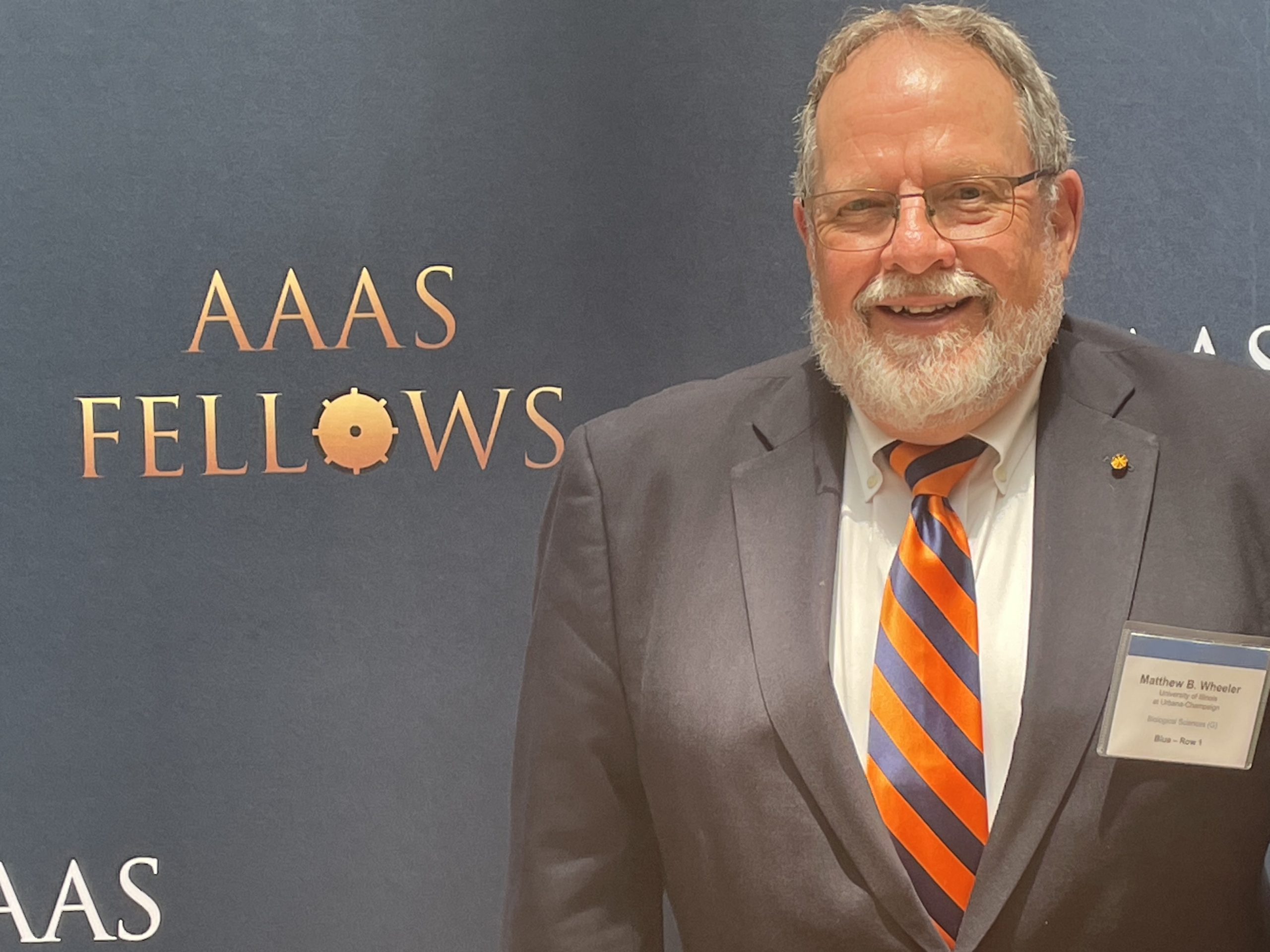
Matthew B. Wheeler is a Professor in the Department of Animal Sciences at the University of Illinois Urbana-Champaign, with additional affiliations at the Beckman Institute for Advanced Science and Technology, the Carl R. Woese Institute for Genomic Biology, the Carle Illinois College of Medicine, The Grainger College of Engineering, and the College of Veterinary Medicine. His research focuses on enhancing global food supply and animal agriculture through biotechnology, particularly in livestock reproduction and genetics. Wheeler's work has significant implications for both animal and human health, addressing hunger and malnutrition while developing better models for studying disease. Wheeler's research interests center on reproductive biology, transgenic animal technology, and embryo engineering. He has pioneered work in developing transgenic livestock for improved food production and biomedical applications. His current projects include creating transgenic cattle that produce human insulin in their milk as a more efficient production method for diabetes treatment, and developing tropical-adapted dairy cattle through strategic crossbreeding of Gyr and Jersey cattle to improve milk production in Tanzania. His laboratory has also made significant advances in microfluidic technologies for assisted reproduction, including the development of 3D imaging techniques for embryo evaluation. Wheeler's recent publications demonstrate a strong focus on practical applications of reproductive technologies in both developed and developing contexts. His work spans transgenic animal production, embryo imaging and selection, stem cell research, and tropical-adapted cattle development. The trend shows increasing emphasis on translational research that addresses global food security challenges while maintaining scientific rigor in reproductive biology. Among his notable scientific achievements, Wheeler was named a 2024 Fellow of the American Association for the Advancement of Science (AAAS) for 'distinguished contributions to the field of reproductive biology, particularly the use of transgenic and other biotechnological approaches to improve livestock and animal models of human disease.' He also received the 2024 Campus Award for Excellence in Graduate Student Mentoring at the University of Illinois. As a dedicated mentor, Wheeler has supervised numerous graduate students who have gone on to successful careers in academia and industry. His research has been supported by various funding sources including the USDA National Institute of Food and Agriculture, the National Science Foundation, and international collaborators. Wheeler leads significant international projects, most notably the Tanzania Tropical Adapted Cattle Project aimed at improving food security in the Global South through advanced reproductive technologies. Wheeler directs laboratory facilities focused on reproductive biotechnology and transgenic animal research. His team works across multiple species including cattle, swine, and deer, developing innovative approaches to embryo production, stem cell research, and genetic improvement of livestock. Current projects include developing a 100-head herd of transgenic cattle that could potentially produce all the insulin needed for the United States, and creating high-milk-yield cattle adapted to tropical climates that could transform dairy production in developing countries.
Assoc. Prof. ALİ AKDOĞAN is an Associate Professor in the Department of Anesthesiology and Reanimation at Karadeniz Technical University Medical Faculty, where he has served since 2015 (promoted to Associate Professor in 2022). His academic journey began with undergraduate medical education at Dokuz Eylul University (2001-2008), followed by specialization in Anesthesiology and Reanimation at Karadeniz Technical University (2009-2015). Dr. Akdoğan's research spans multiple areas of anesthesiology with particular focus on: Advanced airway management techniques Critical care medicine and postoperative complications Regional anesthesia methods Special populations (geriatric, pediatric, cardiac patients) Novel monitoring techniques including optic nerve sheath diameter measurement His extensive publication record (over 100 publications) demonstrates consistent contributions to anesthesiology literature, with recent work examining fluid management in thoracic surgery, emergence agitation in ophthalmic procedures, and innovative approaches to pain management in cardiac surgery. His research often bridges clinical practice with physiological monitoring to improve patient outcomes. Scientific recognition includes: First place in the 2016 National Congress Oral Presentation Competition Second place in the 2021 National Congress Oral Presentation Competition Award for research on thoracic epidural analgesia versus dexmedetomidin infusion in coronary artery bypass surgery (2013) As an active educator, Dr. Akdoğan has supervised 9 thesis students while maintaining clinical responsibilities. His professional memberships include the Turkish Society of Anesthesiology and Reanimation (since 2011), Turkish Intensive Care Association (since 2013), and Clinical Toxicology Association (since 2011). His work demonstrates commitment to advancing anesthesiology through research, education, and clinical practice.