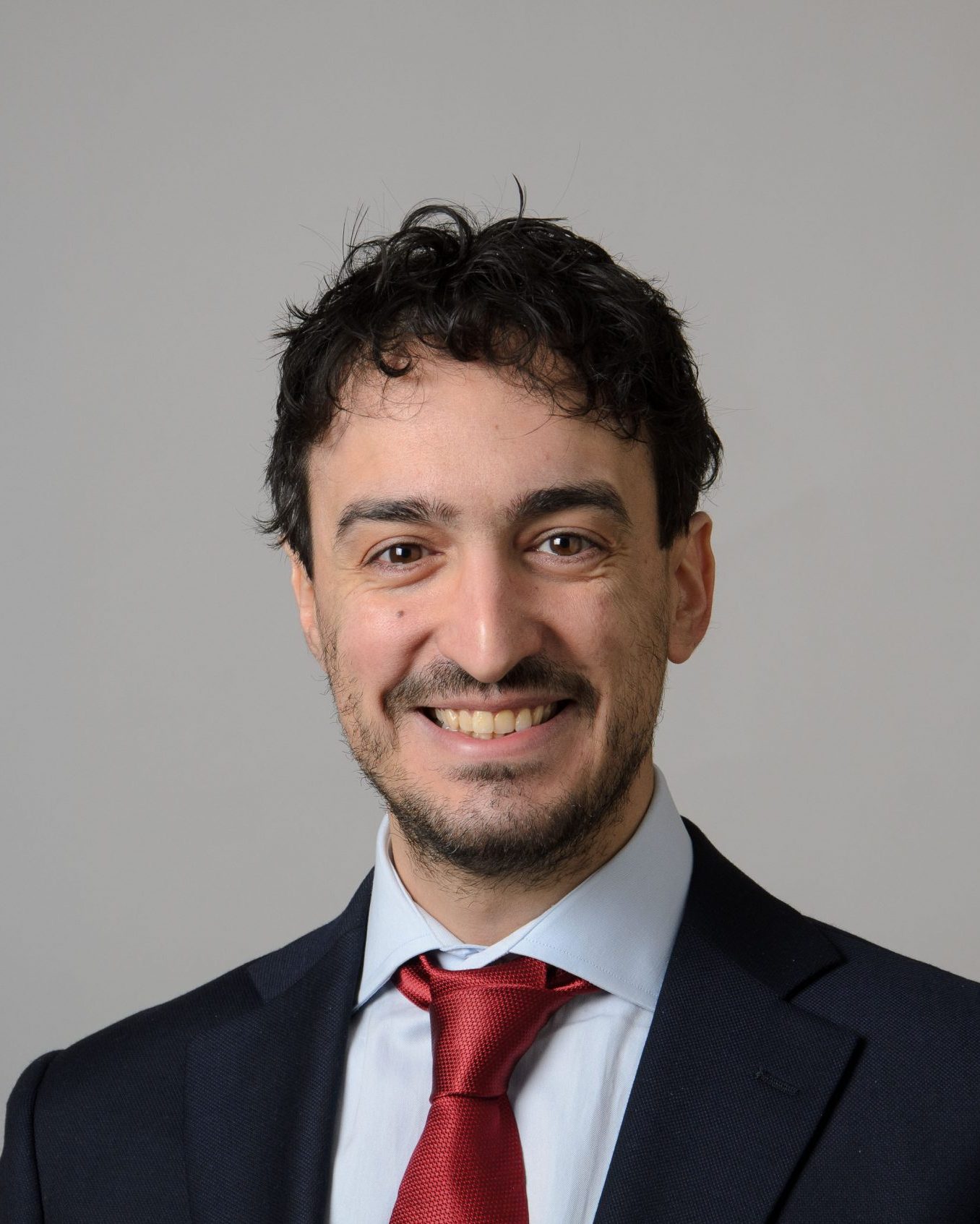
Jure DemšarView profile
Assistant Professor
Jure Demšar, PhD , is an Assistant Professor at the Faculty of Computer and Information Science , University of Ljubljana . He conducts interdisciplinary research bridging neuroinformatics, collective behaviour, and game development, while actively collaborating with leading institutions worldwide. Education & Academic Journey: PhD studies supported by the prestigious “Inovativna shema” scholarship for promising doctoral researchers. Research visits: three months at Newcastle University (Game Lab & Institute of Neuroscience), three months at University of Groningen (Prof. Charlotte K. Hemelrijk’s lab), one month at University of Houston (Computer Graphics and Interactive Media Lab). Research Interests: Dr. Demšar’s work converges on four core themes: Neuroinformatics & Neuroimaging: development of scalable platforms for multimodal neuroimaging data processing (Qu|Nex, autohrf, bayes4psy R packages). Collective Behaviour & Modeling: adaptive agent-based simulations of predator–prey interactions and flocking, evolution of composite tactics. Computational Psychiatry: mapping brain–behavior relationships along the psychosis and mood spectra, placebo vs. drug neural signatures. Game Development & Personalization: generating personalized game content, GPU-accelerated Bayesian modeling, and recommender systems. Scientific Awards & Recognition: Faculty Award for Outstanding Pedagogic Work, 2017/2018 Faculty Award for Outstanding Research Achievements, 2017 Inovativna shema scholarship for promising PhD students Collaborations & Funding: Dr. Demšar has established long-standing collaborations with: Washington University in St. Louis (Connectome Coordination Facility) – Human Connectome Project Yale University (Anticevic Lab) – Qu|Nex platform Harvard University (Applied Neuroimaging Statistics Laboratory) Internal University of Ljubljana partners: Faculty of Arts, Faculty of Medicine, Faculty of Sport Laboratory & Team: He leads the Bayesian Statistics Project Laboratory , where he mentors students and drives open-source tool development for Bayesian data analysis and neuroimaging workflows.