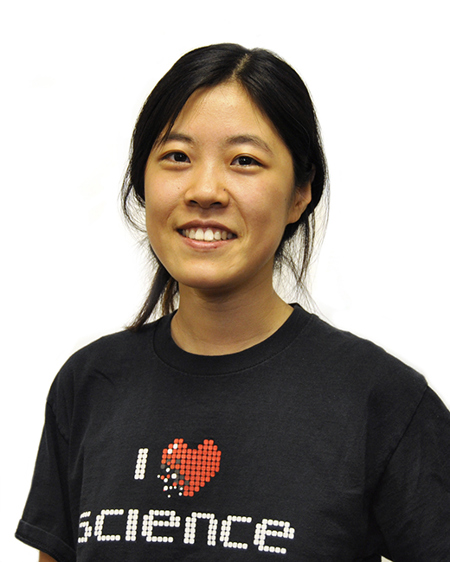
Robert J Zatorre is a cognitive neuroscientist at the Montreal Neurological Institute (MNI) of McGill University . He earned his PhD in experimental psychology from Brown University in 1981 under Peter Eimas and completed postdoctoral research at MNI with Brenda Milner. His work focuses on the neural mechanisms underlying auditory perception, music cognition, and brain plasticity, utilizing techniques such as fMRI and non-invasive brain stimulation. Key Research Areas : Neural substrates of auditory processing, dopamine’s role in musical reward, congenital amusia, and sensory-motor learning. Recent publications highlight his expertise in decoding brain activity related to developmental disorders, auditory perception, and the neural basis of musical reward. He actively contributes to journals like Frontiers in Neuroscience and Proceedings of the National Academy of Sciences as an editor and reviewer. Editorial Roles : Chief Editor for Auditory Cognitive Neuroscience, Frontiers in Neuroscience Guest Associate Editor for Frontiers in Systems Neuroscience and Frontiers in Human Neuroscience
Professor Charlotte Stagg is based at the Nuffield Department of Clinical Neurosciences (NDCN) within the University of Oxford . She serves as Associate Director of the Oxford Centre for Integrative Neuroimaging and holds a Beale Fellow in Medicine position at St Hilda's College. Her research focuses on the physiological mechanisms of motor learning and stroke recovery, utilizing multimodal neuroimaging and brain stimulation techniques. Research Interests : GABA signaling, neuroplasticity, transcranial ultrasound, stroke neurorehabilitation Techniques : 7T MRI, MEG, non-invasive brain stimulation, neurochemistry Selected Scientific Awards : Wellcome Trust Senior Research Fellow Beale Fellow in Medicine, St Hilda's College Collaborations : Leads the Physiological Neuroimaging Group (PiNG), part of the Neuroplastics Collaborative Network with groups led by Heidi Johansen-Berg and Jacinta O'Shea. Current advisees include DPhil student Birtan Demirel and visiting researchers from HEC Montréal and The University of Manchester.
Mengsen Zhang is an Assistant Professor at Michigan State University (MSU) in the Department of Computational Mathematics, Science and Engineering and the Neuroscience Program. She bridges complex systems science, neuroscience, computational mathematics, and topological data analysis (TDA) to study brain dynamics and coordination mechanisms across scales. Education: B.S. in Psychology and Pharmaceutical Sciences (Peking University); M.S. in Criminology (University of Pennsylvania); Ph.D. in Complex Systems and Brain Sciences (Florida Atlantic University, with Drs. Emmanuelle Tognoli and J. A. Scott Kelso). Postdoctoral Training: Stanford University (with Dr. Manish Saggar) and University of North Carolina at Chapel Hill (with Dr. Flavio Frohlich). Her research focuses on the intersection of topological data analysis and dynamical systems, particularly in understanding brain oscillations, neural networks, and social coordination dynamics. She explores how third-party interventions can stabilize or disrupt coordination in biological and social systems, using both empirical and theoretical approaches. Her recent publications (2022–2025) highlight applications of transcranial alternating current stimulation (tACS) in psychiatric disorders, metastability in brain dynamics, and novel computational methods for analyzing neural and behavioral data. These works span neuroscience, psychiatry, and computational modeling. She teaches courses such as CMSE 381: Fundamentals of Data Science Methods (MSU) and STT 381: Fundamentals of Data Science Methods, integrating computational tools into academic training.
Prof. Dr. Agnes Flöel serves as a Professor and Group Leader at the Department of Neurology, Faculty of Medicine, University of Greifswald. Her research integrates clinical neurology with advanced neuroscience methodologies to address cognitive decline and recovery mechanisms. Her core research domains include: Healthy aging and age-related cognitive impairment Post-stroke neurorehabilitation for speech and motor function recovery Vascular dementia and Alzheimer's disease pathophysiology Neuronal correlates of learning using fMRI, structural MRI, and EEG Pharmacological interventions (dopaminergic/serotonergic agents) Non-invasive brain stimulation (TMS, tDCS) and lifestyle modifications Her work emphasizes genetic interactions with therapeutic responses, driving clinical studies that translate neuroscientific findings into targeted rehabilitation strategies for neurological disorders.
Dr. Boubker Zaaimi is a Lecturer in Neuroscience at Aston University, affiliated with the School of Life & Health Sciences under the College of Health and Life Sciences. His 15+ years of experience focus on implanting electrodes in animal models (rodents to primates) to study brain activity modulation, particularly in stroke and epilepsy contexts. He specializes in brain-machine interfaces, optogenetics, and closed-loop protocols to regulate neural activity. Key projects include the CANDO project (Newcastle University) and collaborations with DARPA and industry partners like Autifony Therapeutics. His research uses magnetoencephalography (MEG) to advance human brain activity recording and modulation techniques. Employment History: Multiple postdoctoral roles at Newcastle University, Northwestern University, and City College, NY, culminating in his current faculty position. Research Interests: Optogenetic control, neural dynamics in primates, spinal cord plasticity, and neuromodulation therapies. His work bridges basic science and clinical applications, with recent focus on non-invasive neurostimulation (e.g., brain-responsive music) and closed-loop systems for epilepsy management. Over 19 peer-reviewed articles highlight his contributions to understanding neural pathways and developing therapeutic interventions.
Mathew Yarossi is an Assistant Professor at Northeastern University with a joint appointment in the College of Engineering (Electrical and Computer Engineering) and Bouvé College of Health Sciences (Physical Therapy, Movement, and Rehabilitation Sciences). He holds a PhD from Rutgers University (2017) and joined Northeastern in 2022. Research Focus: His work bridges movement neuroscience, clinical research, and engineering, with emphasis on AI-driven solutions for rehabilitation. Key areas include physiological signal processing, neuromuscular control, and human-robot interaction. His NSF-funded project on dyadic object handover with robots highlights his interdisciplinary approach. Publications: Recent work explores VR-based interventions, EMG-driven prosthetics, and computational modeling of transcranial stimulation. His 2025 patent on virtual reality experiment design underscores his translational impact. Awards: Holds a patent for VR experiment systems (2025). Advising & Grants: Mentors students in PEAK Experiences programs and collaborates with the U.S. Army on AI applications in combat systems. His lab is part of the Institute for Experiential AI.
Heidi Johansen-Berg is Pro-Vice Chancellor (Strategic Initiatives) at the University of Oxford and Associate Head (Research and Innovation) in the Medical Sciences Division. She holds a Professorship in Cognitive Neuroscience and a Wellcome Principal Research Fellowship at the Nuffield Department of Clinical Neurosciences, where she leads the Plasticity Group at the Oxford Centre for Functional MRI of the Brain (FMRIB). Her research centers on neuroplasticity mechanisms in the sensorimotor system, with emphasis on white matter plasticity, activity-dependent myelination, and implications for stroke rehabilitation and age-related brain decline. She integrates multimodal neuroimaging with behavioral studies to investigate how the brain adapts to learning, experience, and damage, translating findings into therapeutic interventions for neurological conditions. Recent publications reveal strong thematic trends in sleep-motor interactions post-stroke, exercise-induced neuroprotection in aging and adolescence, and experience-dependent white matter remodeling. Her work demonstrates how physical activity modulates brain structure-function relationships across the lifespan, with direct applications for neurorehabilitation protocols. Scientific recognition includes: Fellow of the Royal Society (FRS) Fellow of the Academy of Medical Sciences (FMedSci) Wellcome Principal Research Fellowship Professor Johansen-Berg directs the WIN Plasticity Group and co-leads the WIN Neuroplastics Network and Oxford University Centre for Integrative Neuroimaging (OxCIN). Her research program drives translational initiatives in stroke recovery and brain health maintenance, with ongoing projects examining digital sleep therapies, myelin dynamics, and exercise neuroscience through large-scale clinical trials and advanced imaging methodologies.
Dubravko Kicic is a Ph.D. Visitor (Faculty) at the Department of Neuroscience and Biomedical Engineering at Aalto University, specializing in advanced brain stimulation techniques and neuroengineering. His work primarily focuses on transcranial magnetic stimulation systems and their clinical applications. Education: Doctoral degree in Engineering and Technology from Helsinki University of Technology (awarded October 20, 2009) Master's degree in Engineering and Technology from Helsinki University of Technology (awarded June 14, 2005) Kicic's research centers on non-invasive brain stimulation technologies, particularly transcranial magnetic stimulation (TMS). His work spans neuroscience, biomedical engineering, and clinical applications for treating neurological and psychiatric conditions. He investigates how to optimize brain stimulation targeting, develop multi-locus TMS systems, and create robotic platforms for precise stimulation delivery. His fingerprint includes expertise in Transcranial Magnetic Stimulation, Behavioral Addiction, Magnetoencephalography, Neuromodulation, Pulse Rate analysis, and Signal Space engineering. Recent publications demonstrate a clear trend toward developing more precise and effective brain stimulation systems. Kicic's work focuses on multi-locus TMS for simultaneous stimulation of multiple brain areas, robotic targeting systems for improved accuracy, and real-time identification of brain states to optimize stimulation timing. His research bridges engineering innovation with clinical neuroscience applications, particularly for depression and pain treatment. Kicic has supervised at least one thesis and has been involved in media coverage regarding how magnetic brain stimulation can help patients with depression and pain. His collaborative work shows extensive international connections in the neuroscience and biomedical engineering fields. His research contributes to UN Sustainable Development Goals related to good health and well-being through developing advanced neurotechnologies for clinical applications.
Professor Francois Ladouceur is a distinguished academic at the University of New South Wales (UNSW), where he serves in the Faculty of Engineering, specifically within the School of Electrical Engineering and Telecommunications. With a career spanning over three decades, Professor Ladouceur has established himself as a leading expert in photonics, optical engineering, and neural interfaces. His educational background includes: Ph.D. in Optical Communication from The Australian National University (1992) Masters in Solid State Physics from École Polytechnique, Montréal, Canada (1987) B. Eng. in Engineering Physics from École Polytechnique, Montréal, Canada (1985) Professor Ladouceur's research spans several cutting-edge areas in photonics and optical engineering. His work focuses on integrated optics, silica and diamond-based photonics, optical sensing networks, and photonics-based brain/machine interfaces. He has made significant contributions to both fundamental waveguide theory and applied integrated optics, introducing innovative approaches to waveguide path design that have improved the size and ease of design of integrated optics devices. His recent work has particularly emphasized the development of liquid crystal-based optical electrodes for neural interfacing and brain/machine interfaces. Analysis of his recent publications reveals a strong trend toward biomedical applications of photonics, particularly in neural interfaces and optrode technology. His research has evolved from fundamental optical engineering to practical applications in healthcare, with a focus on developing novel optical sensing technologies for electrophysiological measurements. The interdisciplinary nature of his work combines optical engineering, materials science, and biomedical engineering to create innovative solutions for neural interfacing. Professor Ladouceur has secured significant research funding through multiple prestigious grants: ARC Discovery (DP200102825): "A Multi-Optrode Array for Closed-Loop Bionics" ($495k) NHMRC Ideas Grant (APP2002282): "Re-engineering the Future of Electrophysiological Measurements" ($732k) ARC Discovery 2016 (DP160104625): "Design of an optrode for next generation brain-machine interfaces" ($457.6k) CRC Project 2016: "High performance optical telemetry system for ocean monitoring" ($1,014,320) US Office of Naval Research: "Multi-Optrode Array for Neural Interfacing" (US$360,000) Professor Ladouceur has extensive experience in translating research into practical applications, having founded Bandwidth Foundry Pty Ltd after raising approximately $20 million from private and public sources. His work bridges the gap between academic research and commercial applications, with a particular focus on developing novel hybrid opto-electronics devices from initial design through to commercial realization. He collaborates extensively with researchers across disciplines, particularly with Professor Nigel Lovell and other colleagues in biomedical engineering. His laboratory focuses on developing optical technologies for neural interfaces, with current projects including multi-optrode arrays for brain-machine interfaces, optical telemetry systems for various sensing applications, and diamond-based photonic structures. The research group maintains strong connections with industry partners and defense organizations, applying photonics solutions to real-world problems in healthcare, mining safety, and ocean monitoring.
Allon Guez is a Professor in the Department of Electrical and Computer Engineering at Drexel University. His research focuses on control systems, robotics, artificial intelligence, medical robotics, and automated decision making. He actively bridges academia and industry through high-tech entrepreneurship. Education PhD in Electrical Engineering, University of Florida MS in Electrical Engineering, University of Florida MBA in Finance, Drexel University BS in Electrical Engineering, Technion - Israel Institute of Technology His research portfolio spans medical robotics, automated decision making systems, and advanced control algorithms. Key areas include wearable safety devices, radiation control in imaging systems, and closed-loop brain stimulation technologies. Notable contributions include founding ControlRad (radiation reduction systems) and GraceFall (fall detection technology). His work demonstrates a strong emphasis on translating academic research into commercial medical devices. Recent publications highlight innovations in: Fetal brainwave monitoring Postural disturbance detection Seizure prediction algorithms Magnetic microrobotics Dynamic CT collimation Cardiac tissue modeling
Xiaobo Li is a Professor in the Department of Bio-Medical Engineering at New Jersey Institute of Technology. Holding a Ph.D. in Computer Aided Geometric Design from the University of Birmingham and a B.S. in Automation from Nanjing University of Aeronautics, their research bridges computational methods with neuroimaging and psychiatric disorder analysis. Ph.D., University of Birmingham (Computer Aided Geometric Design, 2004) B.S., Nanjing University of Aeronautics (Automation, 1999) Dr. Li’s work focuses on applying machine learning and graph theory to understand brain network abnormalities in conditions like ADHD , schizophrenia , and traumatic brain injury . Their studies analyze structural-functional connectivity , reward processing , and gut-brain axis interactions using fMRI , fNIRS , and diffusion tensor imaging . Recent publications highlight their development of tools like the GAT-FD MATLAB toolbox for brain network analysis and their exploration of multimodal MRI in schizophrenia diagnosis. They also investigate the neurobiological effects of photobiomodulation and vision therapy interventions.
Christian Grefkes-Hermann serves as Professor of Neurology at Goethe University Frankfurt's Faculty of Medicine, based at University Hospital Frankfurt's Center of Neurology and Neurosurgery. His research targets stroke-induced brain network disruptions and develops novel rehabilitation strategies using non-invasive brain stimulation to restore motor function. His work focuses on neural plasticity, brain connectivity, and stroke rehabilitation through multimodal approaches including structural/functional MRI, EEG, transcranial magnetic stimulation (TMS), and machine learning. He investigates how interhemispheric network reorganization enables functional recovery and develops biomarkers for personalized rehabilitation protocols. Analysis of his publication history reveals an evolution from foundational studies on crossmodal processing (2002) to clinical applications in stroke recovery, with recent work emphasizing individualized biomarkers and frontoparietal connectivity as predictors of motor recovery. This trajectory demonstrates a consistent translation of basic neuroscience into clinical neurorehabilitation. Professor Grefkes-Hermann leads a research team within the Center of Neurology and Neurosurgery dedicated to bridging neural network science with practical rehabilitation solutions for stroke survivors, addressing Germany's challenge of 200,000 annual stroke cases where over 50% experience permanent disability.
Dawson Kidgell is an Associate Professor in the Department of Physiotherapy at Monash University, Faculty of Medicine. He is an active researcher and PhD supervisor with a strong focus on the neurophysiology of exercise, particularly neuroplasticity and motor cortex responses to strength training and non-invasive brain stimulation techniques such as Transcranial Magnetic Stimulation (TMS) and transcranial direct current stimulation (tDCS). His research interests include understanding how the nervous system adapts to exercise, rehabilitation, and neuromodulation. He employs advanced electrophysiological methods—TMS, tDCS, EMG, and spinal reflex testing—to explore corticospinal excitability, intracortical inhibition, and motor learning. His work has significant implications for sports science, rehabilitation of neuromuscular injuries, and aging populations. Recent publications (2020–2024) highlight a strong trend in systematic reviews and meta-analyses on tDCS, corticospinal responses to training, and clinical applications in tendinopathy, concussion, and aging. His research frequently investigates bilateral transfer, cross-education of strength, and the neural mechanisms underlying rehabilitation interventions. Scientific Awards: University of Jyväskylä Visiting Fellow grant (2023) Research Funding and Supervision: Associate Professor Kidgell has secured over $2.5 million in research funding. He has successfully supervised 11 PhD students to completion and currently mentors 5 additional PhD candidates. His research projects include NHMRC-funded studies on neurophysiological markers of balance and equipment grants for advanced neurostimulation tools. Laboratories and Research Teams: His work is conducted within neurophysiology and exercise neuroscience labs at Monash, often in collaboration with interdisciplinary teams focusing on motor control, rehabilitation, and sports medicine.
Surjo R. Soekadar is the Einstein Professor of Clinical Neurotechnology at Charité – University Medicine Berlin. He leads the Clinical Neurotechnology Laboratory , which focuses on developing noninvasive neurotechnologies for treating neurological and psychiatric disorders through closed-loop brain stimulation and advanced brain-machine interfaces (BCI/BMI). His work integrates real-time EEG/MEG monitoring with electromagnetic stimulation to modulate pathological brain oscillations and enhance neuroplasticity in conditions like stroke, spinal cord injury, and psychiatric disorders. Education : Studied medicine in Mainz, Heidelberg, and Baltimore Clinical Training : Residency in Psychiatry and Psychotherapy at University of Tübingen Academic Journey : 2008-2011 Research Fellow at NINDS (USA); 2017 Venia Legendi at University of Tübingen; 2018 First Professor of Clinical Neurotechnology in Germany His research interests span: • Closed-loop neurostimulation combining real-time brain state monitoring with targeted intervention • Next-generation BCI using optically pumped magnetometers (OPM) for mobile MEG recordings • Neurorehabilitation through exoskeleton control and sensory feedback • Neurophysiological modeling of entropy measures and phase flows Recent publications highlight: • Adaptive deep brain stimulation protocols • Real-time phase-sensitive tACS applications • OPM-based BCI innovations • Stroke recovery mechanisms through corticospinal tract analysis Scientific recognition includes: International BCI Research Award BIOMAG Award NARSAD Young Investigator Award Funded by the European Research Council (ERC) , his lab trains doctoral students like David Haslacher (EEG/MEG integration), Khaled Nasr (multicoil TMS optimization), and Annalisa Colucci (entropy-driven BCI development). The team also explores quantum AI applications in clinical decision-making and bidirectional BCI systems using OPM and tES.
Alexey Evgenievich Osadchiy is a Professor at the National Research University Higher School of Economics (HSE University), where he serves as Director of the Center for Bioelectric Interfaces at the Institute of Cognitive Neuroscience. He has been working at HSE since 2013 with 21 years of scientific and teaching experience. His academic appointments include Professor at the Faculty of Computer Science in the Department of Data Analysis and Artificial Intelligence. 2023 - Doctor of Science: National Research University Higher School of Economics 2003 - PhD: University of Southern California, specialty "Physical and Mathematical Sciences" and "Neurobiology" 1997 - Specialty: Bauman Moscow State Technical University, major in Autonomous Information and Control Systems Professor Osadchiy's research focuses on digital signal processing, magnetoencephalography (MEG), electroencephalography, inverse problems, synchronization, non-invasive detection, and brain mapping. His work bridges neuroscience, computer science, and medical applications, with particular emphasis on brain-computer interfaces, neurofeedback systems, and precision medicine applications for neurological disorders. He has pioneered methods for real-time brain activity monitoring and developed novel approaches for functional connectivity estimation in neural networks. His recent publications demonstrate a strong trend toward developing hardware-enabled low-latency systems for brain-state dependent stimulation, improving MEG technology with optically pumped magnetometers, and advancing speech mapping techniques for neurosurgical applications. His work increasingly integrates AI and deep learning approaches with traditional neuroimaging techniques to create more precise and accessible brain measurement and modulation systems. Scientific Awards and Recognition HSE University "Recognition - 10 Years of Successful Work" Medal (July 2025) Letter of Gratitude from the Higher School of Economics (September 2021) Letter of Gratitude from the Faculty of Computer Science at HSE (August 2018) Allowance for defending a doctoral dissertation (2023–2026) Bonuses for publications in international peer-reviewed journals (2015–2029) Professor Osadchiy has successfully advised numerous graduate students and doctoral candidates, with eight dissertation research projects currently under his supervision. His research has been supported by significant grants including a Russian Ministry of Education and Science contract for "System for registration and decoding of human brain bioelectric activity" (2014-2017), RFBR grants for "New non-invasive experimental-mathematical paradigm for preoperative magnetoencephalographic mapping of speech cortex" (14-02-00917, 16-04-01863), and projects on "Endogenous enhancement of brain-computer interface efficiency." As Director of the Center for Bioelectric Interfaces at the Institute of Cognitive Neuroscience, Professor Osadchiy leads a multidisciplinary team working on cutting-edge neurotechnology. His center collaborates with the Federal Brain and Neural Technology Centre at the Federal Medical and Biological Agency, where they established the Laboratory of Medical Neural Interfaces and Artificial Intelligence for Clinical Applications. The center is actively involved in developing brain-computer interfaces for rehabilitation, particularly for stroke patients and those with locomotor function disorders, and has created Russia's first neurointerface for controlling exoskeletons using imagined lower limb movements.