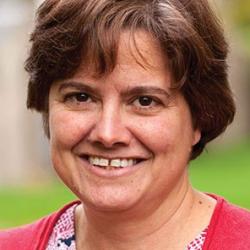
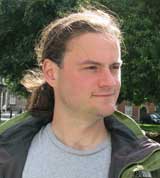
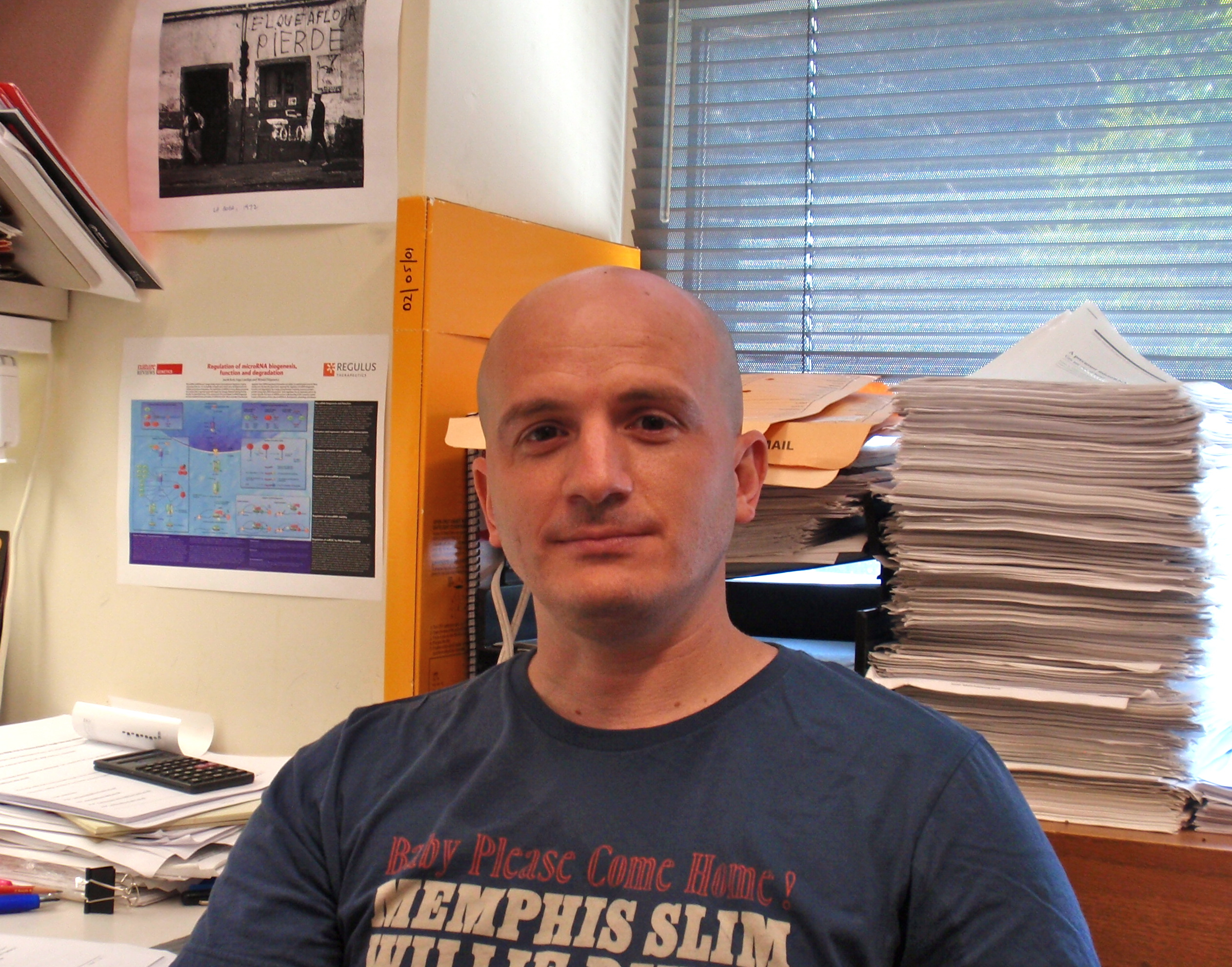
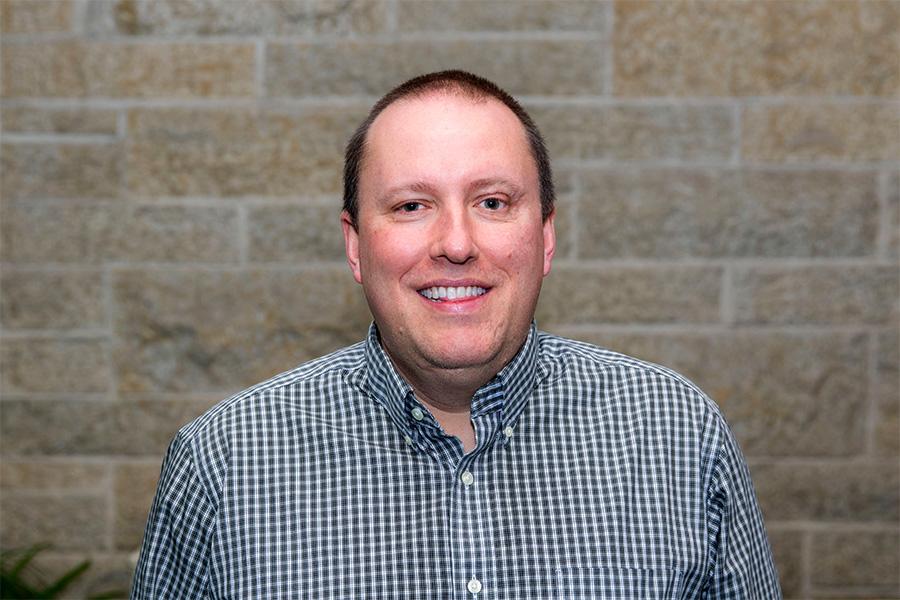
David Agard is a Professor in the Department of Biochemistry and Biophysics at the University of California San Francisco (UCSF), where he leads a research group focused on uncovering the structural basis of biological function at the molecular and cellular levels. His lab specializes in advanced cryo-electron microscopy (cryo-EM) and fluorescence light microscopy, developing novel imaging technologies to study dynamic cellular processes. His research interests span structural biology , molecular chaperone function (particularly Hsp90 and its role in disease), microtubule nucleation , centrosome and cilium structure , and the structure of phage-encoded tubulins . He is deeply involved in methodological innovations in cryo-EM data processing , including deconvolution, heterogeneous reconstruction, and tomography, enabling atomic-level insights into complex biological systems. Recent publications highlight his lab’s work on the structural mechanisms of Hsp90-client regulation, microtubule organization, phage nucleus formation, and high-resolution imaging techniques using functionalized graphene-oxide grids. His work increasingly integrates AI-driven structural modeling and in situ approaches to understand macromolecular complexes in their native cellular context. Dr. Agard has made seminal contributions to understanding the ATPase cycle of Hsp90, the architecture of the gamma-tubulin complex, and the structural dynamics of viral and cellular tubulins. His research bridges biochemistry, biophysics, and cell biology, with implications for cancer, neurodegeneration, and antimicrobial strategies.
Pietro Spanu is a Professor of Molecular Plant Pathology at the Department of Life Sciences, Imperial College London, within the Faculty of Natural Sciences. His work focuses on understanding plant-pathogen interactions, particularly the genomics and molecular mechanisms of powdery mildews. He leads research into how pathogens manipulate host cellular processes and evade immune responses. Key affiliations include the Agri Futures Lab, Fungal Science Network, and Microbiome Network. His research interests span the genomics of powdery mildews, effector proteins, and host-pathogen communication via extracellular vesicles. He employs cutting-edge techniques like AI-guided discovery and transcriptomics to study pathogen virulence and host defense. Recent work highlights effector interference with endosomal complexes, RNA fragment roles in cross-kingdom signaling, and evolutionary dynamics of plant pathogens. Spanu’s contributions include groundbreaking studies on barley and wheat powdery mildews, revealing mechanisms behind fungal adaptation and virulence. His lab integrates molecular genetics, genomics, and computational biology to address agricultural challenges like crop disease resistance and food security. Collaborations span microbiome networks and interdisciplinary platforms like the Industrial Biotechnology Hub.
Melissa J. Moore, PhD, is Professor at the University of Massachusetts Chan Medical School, where she holds the Eleanor Eustis Farrington Chair of Cancer Research and serves in the RNA Therapeutics Institute. She also holds appointments in the T. H. Chan School of Medicine (Department of Chemical Biology) and the Morningside Graduate School of Biomedical Sciences (Departments of Biochemistry & Molecular Biotechnology, Interdisciplinary Graduate Program, and Translational Science). Additional affiliations include campus-wide programs in Bioinformatics & Integrative Biology and Chemical Biology. Education: BS in Chemistry/Biology, College of William and Mary PhD in Biological Chemistry, Massachusetts Institute of Technology Research Focus: Melissa Moore’s laboratory investigates post-transcriptional gene regulation in eukaryotes, with emphasis on three interconnected themes: (1) spliceosome structure and catalytic mechanism, (2) nuclear-to-cytoplasmic control of mRNA metabolism, and (3) quality control and clearance of defective ribosomal and messenger RNAs. The group combines biochemistry, single-molecule biophysics, RNA structural biology, and cell biology to dissect these processes at molecular and systems levels. Scientific Awards & Honors: Eleanor Eustis Farrington Chair of Cancer Research Funding & Collaborations: Work is supported by grants from the National Institutes of Health and involves ongoing collaborations with investigators at Brandeis University, MIT, University of Rochester, and other institutions. Rotation projects for graduate students are available in all active research areas. Laboratory & Team: The Moore laboratory is located in the RNA Therapeutics Institute at UMass Chan Medical School, 364 Plantation Street, Worcester, MA. The team employs state-of-the-art single-molecule imaging, mass spectrometry, and high-throughput sequencing to advance understanding of RNA biology and to translate insights into therapeutic RNA technologies.
Julie Ahringer is Professor of Genetics and Genomics at the University of Cambridge and Director of the Wellcome Trust/Cancer Research UK Gurdon Institute. She leads a research group investigating chromatin structure and gene regulation using C. elegans as a model system. Her work integrates genomics, super-resolution microscopy, and computational approaches to understand epigenetic controls in development and disease. She holds fellowships from the Royal Society (FRS) and Academy of Medical Sciences (FMedSci). Research Focus: Her laboratory studies chromatin regulation mechanisms including heterochromatin formation, Polycomb domain function, genome architecture, and enhancer/promoter interactions. Key approaches include single-cell multiomics, high-throughput genomics, and super-resolution microscopy to analyze developmental trajectories. Research areas span: H3K27me3 domain formation and Polycomb repression Constitutive heterochromatin organization Regulatory element characterization 3D genome architecture via ARC-C technology Single-cell resolution developmental mapping Awards & Honors: Fellow of the Royal Society (FRS) Fellow of the Academy of Medical Sciences (FMedSci) Wellcome Senior Research Fellowship Academic Leadership: She mentors PhD students and postdoctoral researchers, with funding from Wellcome, MRC, and CRUK. Her lab develops open-source bioinformatics tools (VplotR, periodicDNA) and maintains the genome-wide C. elegans RNAi feeding library. Lab & Collaborations: The Ahringer Lab is based at the Gurdon Institute and collaborates widely on chromatin dynamics, nuclear organization, and developmental genomics projects across model organisms.
Dr. Patrick O'Donoghue is an Associate Professor and Canada Research Chair in Chemical Biology at Western University's Department of Biochemistry, Faculty of Science. His research focuses on proteome diversity mechanisms through protein modifications and mistranslation, with implications for cancer and neurodegenerative diseases. Education: Ph.D. from University of Illinois, Postdoctoral training at Yale University Research highlights include pioneering genetic code expansion techniques for programmed protein modifications in human cells and developing fluorescent reporters to visualize translation errors. His work connects protein synthesis fidelity to disease pathways through tRNA mutant studies. Scientific Contributions: 2024 Mechanisms and Delivery of tRNA Therapeutics review in Chemical Reviews 2023 HARS Disease Therapeutics in Genes (Basel) 2022 Expanding Codon Size in eLife 2021 Fluorescent Mistranslation Reporters in Cells Contact: Office in Medical Sciences Building Room 388, Phone: 519.850.2373, Email: patrick.odonoghue@uwo.ca
Demian Cazalla is an Associate Professor in the Department of Biochemistry at the University of Utah, focusing on the functional roles of non-coding RNAs (ncRNAs) in gene expression regulation. He is affiliated with the Molecular Biology Program and Biological Chemistry Program, contributing to interdisciplinary research in RNA biology. Education: M.Sc., University of Buenos Aires, Argentina Ph.D., Open University/MRC Human Genetics Unit, Edinburgh, Scotland Dr. Cazalla's research investigates how ncRNAs, particularly those expressed by oncogenic herpesviruses like Herpesvirus saimiri (HVS), regulate gene expression. His lab explores the structural and molecular mechanisms of viral ncRNAs (HSURs), their interactions with host miRNAs, and their role in viral oncogenesis through miRNA degradation and mRNA targeting. Current projects involve biochemical analysis of RNA-protein complexes and high-throughput sequencing to identify RNA targets. His recent publications highlight viral miRNA biogenesis pathways, ncRNA structural dynamics, and RNA-based regulatory networks. The work spans molecular virology, RNA biochemistry, and gene expression control in complex organisms.
Sonia Navas-Martin is a Professor in the Department of Microbiology & Immunology at Drexel University College of Medicine. She holds a PhD from Universidad Autónoma de Madrid (1997). Her research focuses on innate immunity mechanisms during viral infections and neurodegenerative diseases, with emphasis on CNS pathologies and cellular senescence. Education: PhD in Microbiology & Immunology, Universidad Autónoma de Madrid (1997) Research Interests: Dr. Navas-Martin investigates how innate immune pathways contribute to immunopathology in viral infections (e.g., coronaviruses), neuroinflammation, and neurodegenerative diseases like Alzheimer’s. Her work combines molecular biology, immunology, and animal models to identify therapeutic targets. Key areas include: Microglial responses to viral pathogens Role of non-coding RNAs (e.g., miRNAs) in immune regulation Cellular senescence in HIV-associated neurocognitive disorders Cross-talk between TLR signaling and viral replication Publications: Her recent work includes studies on SARS-CoV-2 antiviral strategies, microglial antiviral mechanisms, and HIV-HCV co-infection dynamics. The articles reflect a focus on innate immunity modulation, viral pathogenesis, and translational therapies. Awards: Curator, American Society for Microbiology’s COVID-19 Research Registry Grants & Mentorship: She oversees an NIH-funded neuroimmunology graduate position and mentors students in scientific excellence. Her lab is known for collaborative, open research environments fostering innovation. Labs & Teams: Active in the Institute for Molecular Medicine & Infectious Disease at Drexel, collaborating on coronavirus immunology and SARS-CoV-2 therapeutic development. Her research integrates virology, immunology, and neurobiology to address critical gaps in understanding viral CNS pathogenesis.
Camille Berthelot is a Principal Investigator and head of the Comparative Functional Genomics research group at the Institut Pasteur in Paris, France. Her work lies at the intersection of evolutionary biology, genomics, and reproductive physiology, with a focus on understanding how genomic changes drive evolutionary innovations in vertebrates, particularly the evolution of menstruation in primates. Her research leverages cutting-edge technologies including single-cell RNA sequencing, organoid models, and computational frameworks to compare gene expression and regulation across species such as humans, macaques, and mice. She investigates how evolutionary changes in gene function contribute to novel traits and how these relate to diseases like endometriosis. A major focus is the use of menstrual fluid as a non-invasive biomarker source for endometriosis, a direction highlighted in her systematic review published in Reproductive Biology and Endocrinology . Her recent publications span high-impact journals such as Science , Genome Research , and Nature Ecology & Evolution , covering topics from teleost fish phylogeny to regulatory evolution in mole-rats. These works reveal a consistent trend in using comparative genomics to decode deep evolutionary questions, often in collaboration with institutions like QMUL and INSERM. ERC Starting Grant (EVOMENS) – Decoding the genetics of menstruation evolution in primates Collaborative project on hypoxia adaptation in mole-rats Development of bioinformatics tools like FINSURF for non-coding variant classification She actively mentors a team of postdocs, PhD students, and master’s interns, including Claire Lavergne, Leo Zeitler, and Eulalie Liorzou. Former members such as Malgorzata Gazda and Axelle Brulport have gone on to independent academic positions, reflecting her role in training next-generation scientists. Camille Berthelot returned from maternity leave in June 2024 and remains actively engaged in research, publication, and team leadership at the Institut Pasteur.
Norman Van Rhijn is a Wellcome Trust Early Career Fellow at the University of Manchester's Division of Evolution, Infection and Genomics. His research focuses on microbial evolution with specific emphasis on fungal pathogens, particularly Aspergillus fumigatus . He leads work on antimicrobial resistance (AMR), climate change impacts on fungal diseases, and genetic tools for non-model organisms. He holds affiliations with MERman (Microbial Evolution Research Manchster) and the Manchester Fungal Infection Group (MFIG). Education: BSc Biology (Leiden University), MSc Medical Mycology (University of Manchester), PhD in Molecular Biology (University of Manchester). Research highlights include developing CRISPR-based genome editing methodologies, studying fungal adaptation to environmental pressures, and investigating dual-use fungicides. His work contributes to UN Sustainable Development Goals related to health and environmental sustainability. Award: Wellcome Trust Early Career Fellowship. Labs/Teams: PI in the MFIG project, editorial board member for mBio , and active in professional societies including the Microbiology Society and British Society for Medical Mycology.
Shelley L. Berger is the Daniel S. Och University Professor at the University of Pennsylvania, holding a "Penn Integrates Knowledge" Presidential Appointment. She serves as Director of the Epigenetics Institute at the Perelman School of Medicine and is Co-Director of the Tumor Biology Program at the Abramson Cancer Center. Her academic appointments span multiple departments including Cell and Developmental Biology, Biology, and Genetics. Dr. Berger earned her B.S. in Biology from the University of Michigan, Ann Arbor in 1982, followed by a Ph.D. in Cell & Molecular Biology from the same institution in 1987. Her distinguished career has led to her current position as a University Professor, one of the highest academic honors at the University of Pennsylvania. Dr. Berger's research focuses on epigenetics and chromatin structure/function in genomic regulation, with particular interest in post-translational modifications of histones and transcription factors. Her laboratory investigates how DNA-packaging structures are manipulated during genomic processes, with applications to understanding cancer, neurodegeneration, and other diseases. Her work spans multiple biological contexts including: Chromatin regulation of transcription Neuroepigenetics and memory formation Behavioral epigenetics in social insects Chromatin regulation in aging and senescence Cancer epigenetics and tumor suppressor mechanisms Analysis of Dr. Berger's recent publications reveals a strong focus on the intersection of epigenetics with aging, cancer, and neurobiology. Her work demonstrates how histone modifications and chromatin remodeling influence cellular senescence, with implications for age-related diseases including Alzheimer's. She has also pioneered research on epigenetic mechanisms in social behavior using ant models, and in T cell exhaustion relevant to cancer immunotherapy. A unifying theme across her publications is the role of specific histone modifications and chromatin regulators in controlling gene expression programs in diverse biological contexts. Dr. Berger has received numerous honors including her appointment as a Daniel S. Och University Professor and a "Penn Integrates Knowledge" Presidential Appointment, recognizing her exceptional interdisciplinary contributions to science. These prestigious appointments reflect her significant impact on the fields of epigenetics and chromatin biology. Dr. Berger mentors a vibrant research team consisting of multiple postdoctoral researchers, graduate students, and research specialists. Her laboratory, part of the Epigenetics Institute at Penn, investigates fundamental mechanisms of chromatin regulation with implications for human health and disease. Current research directions include exploring how epigenetic mechanisms control aging processes, cancer development, and social behavior in model organisms. Dr. Berger collaborates extensively with other leading researchers, including Carl June (pioneer of CAR T cell therapy) and John Wherry (expert in T cell exhaustion), to translate basic epigenetic discoveries into potential therapeutic applications. The Berger Lab operates within the Smilow Center for Translational Research at the University of Pennsylvania. The lab employs a multidisciplinary approach combining molecular biology, genomics, bioinformatics, and model organism studies to investigate chromatin regulation. Current research foci include epigenetic mechanisms in aging and senescence, cancer epigenetics, neuroepigenetics, and behavioral epigenetics in social insects.
Associate Professor Timothy Bredy is a leading figure in cognitive neuroepigenetics at the Queensland Brain Institute (QBI) , focusing on how epigenetic modifications and RNA dynamics regulate fear-related memory and psychiatric disorders like PTSD. His research explores the interplay between environmental experiences and genomic activity, particularly through non-coding RNA and DNA methylation. University: University of Queensland School: Faculty of Health, Medicine and Behavioural Sciences Role: Professorial Research Fellow and Group Leader Research Interests span epigenetic mechanisms in memory formation, RNA modifications in synaptic plasticity, and therapeutic applications for anxiety disorders. He pioneered discoveries linking dynamic DNA structures (e.g., G-quadruplexes) and RNA methylation to memory stability. Recent Work includes studies on RNA-based therapeutics, stress-induced epigenetic inheritance, and synaptic long noncoding RNA activity. His scientific awards encompass NHMRC and ARC grants for neuroepigenetics research. Key Collaborators: Paul Marshall, Esmi Zajaczkowski Labs: Bredy Laboratory at QBI
Jinchuan Xing is a Professor at Rutgers, The State University of New Jersey, where he leads the Xing Lab of Genomics. His research focuses on human genomic variation, mobile DNA elements, evolutionary and population genetics, and their implications for human disease. He integrates computational and experimental methods to study genome-wide variation, with applications in disease gene identification and genomic technology development. His research interests include: Mobile DNA element biology Human demographic history and population diversity Disease gene identification using whole-exome and whole-genome sequencing High-altitude adaptation genetics Transposable element regulation and expression piRNA and small RNA pathways His recent publications highlight a strong trend in reproductive genomics, particularly in identifying genetic risk factors for embryo aneuploidy in IVF patients, using advanced sequencing technologies. Other work spans evolutionary genomics in diverse species (bats, moths, Drosophila), structural variation in neurodevelopmental disorders, and proteogenomic discovery. His lab actively develops and applies bioinformatic tools for variant analysis and gene prioritization. Scientific awards and honors are not explicitly mentioned in the provided text. Jinchuan Xing advises several graduate students, including Nan Wang, Siqi, Ellie Lu, and Tongji Xing. His lab has received significant funding, including an R01 grant from NICHD on aneuploidy risk, a grant from the Center for Human Evolutionary Studies, and a Life Sciences Alliance Pilot Seed Funding grant in collaboration with the Department of Statistics. These grants support research in fertility genomics, disease gene discovery, and genomic tool development. The Xing Lab of Genomics is an active research group conducting interdisciplinary studies combining genomics, bioinformatics, and molecular biology. The lab welcomes new members regularly, including master’s and PhD students, and collaborates across departments. Current projects include understanding the genetic basis of meiosis, fertility, and high-altitude adaptation, as well as developing Markovian gene networks for disease gene discovery.
Sean McKenna is a Professor and Associate Dean (Programs) in the Department of Chemistry at the University of Manitoba, Faculty of Science. His research focuses on RNA-protein interactions in biological systems, combining biochemistry, structural biology, and molecular biology. He leads the McKenna Lab, investigating non-coding RNA roles in cancer and immune responses to viral infections. Key projects include studying BC200 long non-coding RNA in tumors and the regulation of 2'-5'-oligoadenylate synthetases in viral defense. His work is supported by grants from NSERC and CIHR. McKenna has supervised over 50 students and postdocs, many now in academic and industry roles. He co-launched White Otter Biotech, advancing environmental DNA/RNA monitoring. His lab recently renovated, now housing collaborations with the Ripstein group. Education: PhD (Biochemistry, University of Alberta), Postdoc (Stanford University), BSc (Queen's University). Awards include NSERC Discovery Grants, CIHR funding, and early-career accolades. Research spans RNA dynamics, cancer biology, and viral immunology. Research Highlights: Non-coding RNA BC200’s role in tumor proliferation 2'-5'-OAS enzymes in antiviral immunity SRP9/SRP14 regulation of Alu RNA Recent Publications: Over 70 articles, including work on Alu RNA mechanisms (RNA Biology, 2024) and BC200 processing (RNA Journal, 2024). Awards: NSERC (2024), CIHR (2020), Jamieson Scholarship (2021). Lab & Collaborations: McKenna-Ripstein lab merger (2024), White Otter Biotech (DNA/RNA biodiversity tech).
Xiaonan ZHANG is an Associate Professor in the Faculty of Science and Technology at the University of Canberra, leading the Hepatitis B Virus (HBV) Group within the Centre for Research into Therapeutic Solutions. He holds a PhD from Fudan University (2012) and previously worked at the Shanghai Public Health Clinical Centre until 2021. His research focuses on HBV molecular pathogenesis, therapeutic vaccine development, and next-generation sequencing applications in viral infections. His work has advanced understanding of HBV’s clinical outcomes, including the discovery of Capsid-Antibody-Complexes (CACs) and their role in pathogenesis. Collaborations span institutions like the Peter Doherty Institute, University of Queensland, and international partners such as Fudan University and University of Duisburg-Essen. Key projects include: Development of therapeutic mRNA vaccines for chronic HBV Clinical evaluation of CAC assays in HBV/HIV co-infections Metagenomic sequencing for pathogen identification Research interests emphasize translational medicine, with contributions to H7N9 influenza and SARS-CoV-2 studies during the pandemic. His team pioneered real-world analyses of viral and host factors in COVID-19 outcomes. Current focus includes liver-resident immune cell dynamics and novel diagnostic assays for HBV nucleic acids. Publications highlight innovations in HBV cccDNA tracking, immune complex mechanisms, and exosome-mediated signaling. No scientific awards were explicitly listed in the provided texts. Xiaonan actively collaborates on grants and supervises PhD students, advancing interdisciplinary approaches to viral diseases.
Hani Goodarzi, PhD , is an Associate Professor in the Department of Biochemistry and Biophysics at the University of California, San Francisco (UCSF), with dual affiliation to the Arc Institute and Helen Diller Cancer Center. His laboratory employs a systems biological framework integrating computational and experimental approaches to investigate metastatic progression in cancer and neurodegenerative diseases. Princeton University PhD in Quantitative & Computational Biology Postdoctoral Fellow, Rockefeller University (Cancer Systems Biology) NIH R01 Grants (2016–2026) Research Themes : Machine learning for in silico functional genomics Evolutionary dynamics of oncRNA regulatory modules in cancer Post-transcriptional control via tiRNA fragments and RNA methylation RNA structural element discovery using pyPAGE algorithms Scientific Recognition : Vilcek Prize for Creative Promise (2022) NIH K99/R00 Award (2015) Tri-Institutional Breakout Prize (2014) Blavatnik Regional Award (2015) Laboratory Impact : Developed Deep Generative AI for early-stage lung cancer detection Identified ENPP1 as innate immune checkpoint in breast cancer Created pyPAGE framework for gene-set enrichment analysis