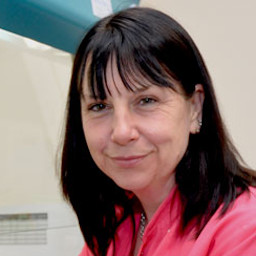
Professor Susan Brooks is a faculty member at Oxford Brookes University in the School of Biological and Medical Sciences . Her research focuses on glycobiology , cancer progression , and the role of extracellular vesicles in metastasis. Professor of Cell Biology Director of Researcher Development Focus on breast and ovarian cancer Specialized in glycosylation mechanisms Research Interests : Dr. Brooks' work explores how aberrant glycosylation of proteins and glycans influences cancer cell behavior, including metastasis and drug resistance . Her recent studies examine extracellular vesicles as diagnostic tools and therapeutic targets. Article Trends : Over 25 years, Dr. Brooks has published 15+ articles on glycosylation patterns in breast and ovarian cancer. Key areas include lectin binding , miRNA regulation , and radiation-induced metastatic changes . Her work bridges cell biology and clinical applications .
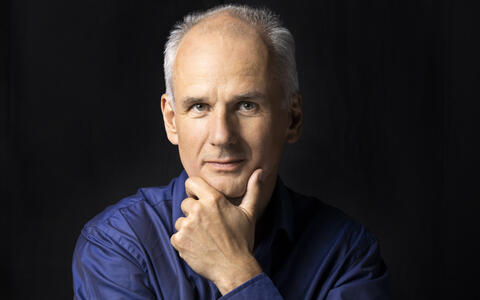
Nikolaus Rajewsky is a leading Professor at the Max Delbrück Center for Molecular Medicine (MDC) and Charité – Universitätsmedizin Berlin , where he founded and directs the Berlin Institute for Medical Systems Biology (BIMSB) . His lab integrates experimental (biochemistry, molecular biology) and computational (bioinformatics, physics) approaches to study RNA regulation in gene expression , with applications to developmental biology, regeneration, neurodegenerative diseases, and cancer . Using model systems like C. elegans , planaria, and human brain organoids, his team pioneers cutting-edge methods such as MirDeep , DistMap , and FLAM-seq for RNA analysis. His research focuses on single-cell transcriptomics , spatial RNA sequencing , and circular RNA (circRNA) regulation , revealing novel roles for circRNAs like CDR1as in neuropsychiatric disorders. Recent work includes 3D tumor microenvironment mapping and computational modeling of RNA metabolism in diseases. Scientific Awards : Gottfried Wilhelm Leibniz Prize (2012) EMBO Membership (2010) Honorary PhD, Sapienza University of Rome (2014) Berlin Science Award (2009) His team's recent articles highlight breakthroughs in 3D spatial transcriptomics , circRNA degradation mechanisms , and mitochondrial disease modeling using human brain organoids. The lab actively collaborates with clinical partners across Charité and European institutions, driving the LifeTime initiative for cell-based interceptive medicine.
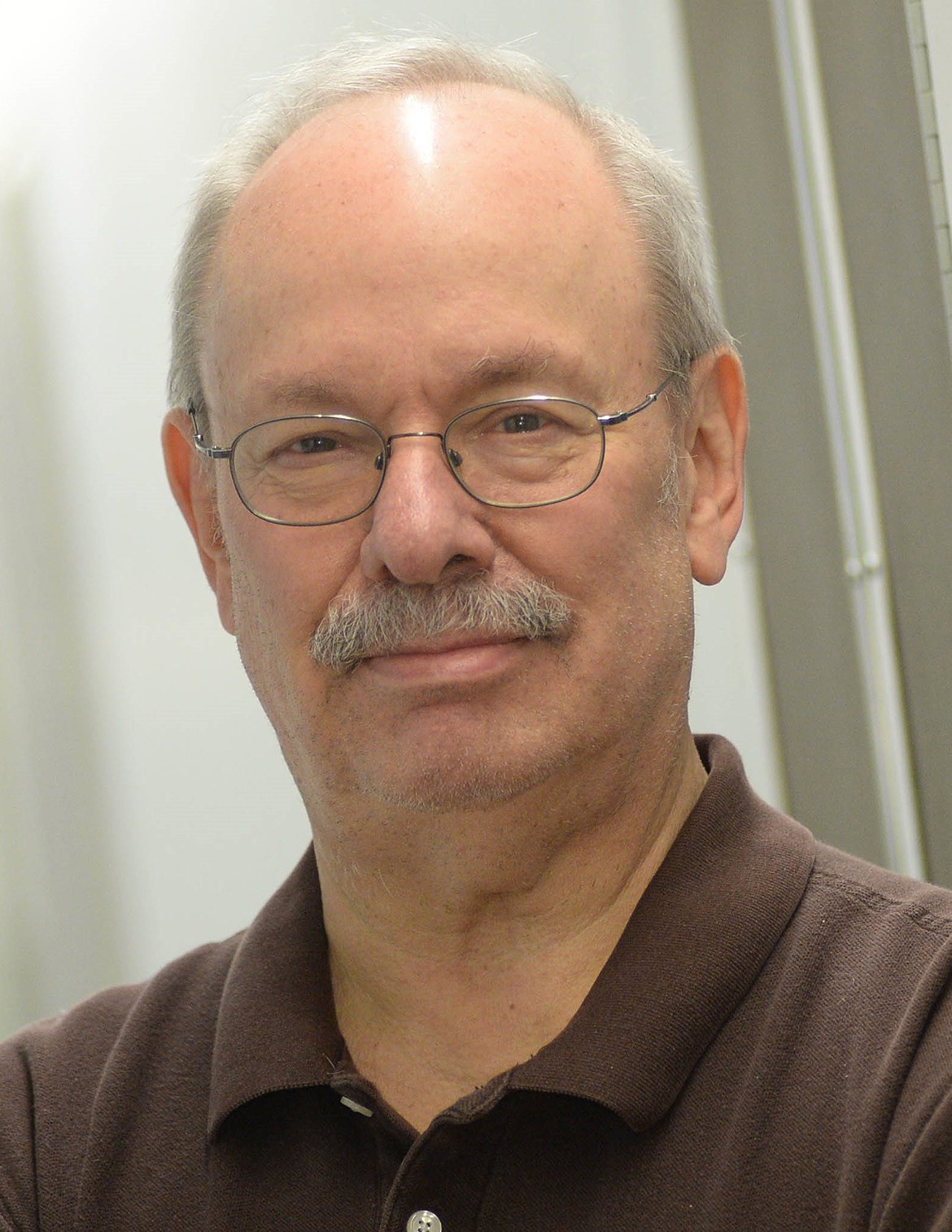
Norbert O. Reich is a Distinguished Professor in the Department of Chemistry & Biochemistry at the University of California, Santa Barbara (UCSB), affiliated with the College of Letters and Science. He joined UCSB in 1987 after completing his Ph.D. at UCSF in 1984 and an NIH postdoctoral fellowship there. His research focuses on enzyme mechanisms, particularly DNA methylation and telomerase, with applications in antibiotic and cancer therapy design. He also develops innovative chemical biology tools, including gold nanoshell-based drug delivery systems and fluorescence-based protein tracking methods. Education: Ph.D. in Chemistry from UCSF (1984). Awards: Regent's Junior Faculty Fellowship (1987), American Cancer Society Faculty Research Award (1991), UC President's Award for Excellence in Undergraduate Research (1994). Research Interests: Epigenetic regulation via DNA methylation in bacteria and mammals Enzyme mechanisms of DNA methyltransferases (e.g., DNMT3A, CcrM) Design of therapeutic inhibitors targeting epigenetic enzymes Light-controlled delivery of proteins/RNA via gold nanoshells Protein-DNA interaction analysis using microfluidic arrays Awards and Recognition: His honors reflect contributions to both research and education, emphasizing his dual impact in science and teaching. Lab and Collaborations: Leads the Reich Lab, collaborating with researchers like Tom Pettus (UCSB) and Erkki Ruoslahti. Projects include antibiotic development, cancer epigenetics, and nanotechnology-driven drug delivery. Future Work: Expanding applications of nanoshell technology for targeted gene silencing and exploring allosteric inhibitors of DNMT3A for cancer treatment.
James Manley is the Julian Clarence Levi Professor of the Life Sciences at Columbia University, with extensive research in gene expression regulation. His work spans transcription, RNA splicing, and polyadenylation mechanisms in human cells, connecting these processes to neurodegenerative diseases (ALS/FTD) and cancers. Affiliation: Columbia University, Department of Biological Sciences Contact: jlm2@columbia.edu Research Interests: Dr. Manley's laboratory investigates nuclear processes including: Transcriptional control via RNA polymerase II CTD modifications Alternative splicing regulation by hnRNP and SR proteins Polyadenylation dynamics in cell cycle and differentiation Disease mechanisms in spliceosome mutations (SF3B1, SRSF2) RNA-protein interactions in stress responses Publication Trends: Recent work focuses on disease-associated mutations affecting RNA processing, non-canonical RNA functions, and immune regulation via polyadenylation. Articles span molecular oncology, neurodegeneration, and RNA surveillance mechanisms. Scientific Recognition: Member, American Academy of Arts & Sciences Member, National Academy of Sciences Key Collaborations: Studies involve interdisciplinary work with neurology, cancer biology, and immunology teams. His lab employs biochemical assays, structural analysis, and genetic models to dissect RNA processing pathways.
Guillaume Chanfreau is a Professor in the Department of Chemistry and Biochemistry within the College of Letters and Science at the University of California Los Angeles (UCLA). His research focuses on fundamental mechanisms of RNA metabolism, with particular emphasis on RNA splicing, decay pathways, and ribonuclease functions. His work spans molecular biology, biochemistry, and genetics, utilizing yeast as a primary model organism to investigate conserved RNA processing mechanisms. Professor Chanfreau's research interests center on understanding how RNA processing pathways regulate gene expression. His work examines transcription termination, RNA splicing fidelity, RNA decay mechanisms, and the role of ribonucleases in cellular RNA homeostasis. He investigates how these processes are interconnected and how they respond to cellular stress conditions. His laboratory has made significant contributions to understanding how RNA quality control mechanisms prevent the accumulation of aberrant transcripts and maintain cellular health. Analysis of Chanfreau's recent publications (2020-2025) reveals a strong focus on RNA splicing mechanisms, RNA decay pathways, and ribonuclease functions. His work frequently employs yeast genetics combined with advanced RNA sequencing techniques. A notable trend is the increasing use of long-read sequencing technologies to analyze RNA isoforms and decay intermediates. His research consistently bridges fundamental molecular mechanisms with potential implications for understanding human diseases related to RNA processing defects. Professor Chanfreau has been continuously funded by the National Institutes of Health, with his current grant R35GM130370 (2019-2023) titled 'The Control of Gene Expression by Eukaryotic Ribonucleases' and previous long-term funding through R01GM061518 (2000-2019). His research program has supported numerous graduate students and postdoctoral researchers who have contributed to his extensive publication record spanning over two decades.
Prof. Valentina Boeva is an Assistant Professor at the Department of Computer Science, ETH Zürich, specializing in biomedical informatics. Her research focuses on integrating machine learning and computational methods to address challenges in genomics, oncology, and precision medicine. She holds a position in the Professur für Biomedizininformatik (Biomedical Informatics) and is based at CAB G32.2, Universitätstrasse 6, Zürich, Switzerland. Her work emphasizes applications such as cancer biomarker discovery, tumor heterogeneity analysis, and epigenetic profiling. She teaches courses including Machine Learning Seminar, Data Science Lab, and Machine Learning for Genomics. Her research group develops computational tools like CDState and UniversalEPI to decode complex biological systems. She actively publishes in top-tier journals, with recent work on exosome-driven diagnostics and chromatin interaction modeling. Her scientific contributions span methodologies for single-cell data analysis, survival modeling, and drug response prediction. She collaborates across disciplines to bridge computational science with clinical applications in cancer research.
Nadya Dimitrova is an Assistant Professor in the Department of Molecular, Cellular, and Developmental Biology at Yale University, affiliated with the Yale School of Medicine. She holds secondary appointments in Genetics and is a member of multiple interdisciplinary centers, including the Center for RNA Science and Medicine. Her research focuses on long non-coding RNAs (lncRNAs) and their roles in cancer biology, particularly in tumor suppression and oncogenesis. Dimitrova earned her Sc.B. in Biochemistry from Brown University (2002), a Ph.D. from The Rockefeller University (2009), and completed postdoctoral training at MIT's Koch Institute. Notable awards include the HHMI Predoctoral Fellowship, Damon Runyon Postdoctoral Fellowship, and the 2023 Yale Cancer Center Class of '61 Award. Her lab explores lncRNA mechanisms using genomic and genetic tools, aiming to uncover their roles in cancer pathways. Recent work highlights lncRNAs' roles in metastasis, cardiac hypertrophy, and p53 signaling. Collaborations with researchers like Antariksh Tyagi and Clara Liao drive translational insights into RNA-based therapies. Education: Sc.B., Brown University (2002); Ph.D., The Rockefeller University (2009). Research interests include lncRNA regulation, cancer transcriptomics, and RNA-driven disease mechanisms. Her lab integrates systems biology approaches to dissect lncRNA functions in health and disease.
Wilfried Haerty is a Senior Group Leader in Evolutionary Genomics at the University of East Anglia (UEA), affiliated with the School of Biological Sciences and the Norwich Institute for Healthy Aging. He also holds an external position as Senior Group Leader at the Earlham Institute since December 2015, reflecting his significant role in genomics research. Institution: University of East Anglia School: School of Biological Sciences External Affiliation: Earlham Institute Position: Senior Group Leader His academic background includes a Doctor of Science from Université de Paris, awarded in 2004, based on research into reproductive isolation in Drosophila melanogaster . Dr. Haerty's research focuses on evolutionary and comparative genomics, particularly the characterization of functional non-coding sequences and long non-coding RNAs in mammalian and human genomes. He investigates evolutionary constraints and selection pressures using population-level sequence variation data. His work integrates computational and genomic approaches to understand genome evolution across species. The recent trends in his publications highlight a strong focus on genome evolution, including hybridization in cichlid fishes, NUMT dynamics in mammals, fission yeast phylogenetics, avian developmental genomics, and evolutionary behavioral responses. These reflect interdisciplinary research spanning molecular evolution, genomics, developmental biology, and ecology. No scientific awards are explicitly mentioned in the provided text. There is no mention of student advising or research grants in the available information. However, his leadership role as a Group Leader suggests involvement in mentoring researchers and managing research projects. His collaborations span multiple institutions and countries, as indicated by co-authorship on recent studies. Dr. Haerty is associated with research teams at both the University of East Anglia and the Earlham Institute, particularly within genomics and evolutionary biology groups. His work is part of broader collaborative networks in evolutionary genomics and healthy aging, including the Norwich Institute for Healthy Aging.
James Smith is an Associate Professor and scientific group leader at Norwich Medical School, University of East Anglia, UK, where he leads research in pluripotent stem cells and cardiovascular disease. He is a member of the Metabolic Health and Cardiovascular and Metabolic Health research groups. Education: PhD in Mesenchymal Stem Cells and Extracellular Matrix, University of Birmingham Post-doctoral training in automated manufacture of human pluripotent stem cells, University of Nottingham His research focuses on using CRISPR gene editing and human induced pluripotent stem cells (hiPSCs) to model and investigate cardiovascular diseases. Key areas include the role of snoRNAs in heart development and disease, cardiomyocyte maturation, and inflammatory responses following cardiac interventions. He established his independent research group at UEA in 2019. The recent publications reflect a strong trend in molecular and cellular cardiology, particularly in non-coding RNA biology, extracellular matrix interactions, and stem cell-based disease modeling. His work bridges basic science with clinical implications, especially in hypertrophic cardiomyopathy and post-intervention inflammation. Scientific Funding & Projects: Identifying novel SNORD116 targets and signalling pathways – Foundation for Prader-Willi Research (2025–2026) Do snoRNAs govern genotype-phenotype interactions in hypertrophic cardiomyopathy? – British Heart Foundation (2023–2027) Dupuytren’s Disease: Genetic variants and cellular phenotype – Action Arthritis (2026–2029) Investigating cardiomyocyte communication in hypertrophic cardiomyopathy – Academy of Medical Sciences (2020–2022) He advises graduate students and early-career researchers in his lab, though specific names are not listed. He has secured competitive grants from major funding bodies and maintains an active laboratory focused on translational cardiovascular research. His work contributes to the UN Sustainable Development Goal 3: Good Health and Well-being. He is based at the Bob Champion Research & Education Building and maintains a lab website at https://www.smithlabuea.com/ .
Jeff De Jong is an Associate Professor in the Department of Biological Sciences at the School of Natural Sciences and Mathematics, University of Texas at Dallas , where he has been a faculty member since 1995, rising from Assistant to Associate Professor in 2001. His research investigates the molecular mechanisms of gene regulation, particularly in germ cells. Research Interests: Specialized transcription machinery in germ cells vs. somatic cells Function and regulation of the germ cell-specific transcription factor ALF Core promoter dynamics and transcription initiation Interactions between TFIIA, TBP, and TFIID complexes Potential roles of non-coding RNAs, including piRNAs, in germ cell gene expression Developmental transitions in gene expression during gametogenesis and early embryogenesis The published articles show a consistent focus on germ cell-specific transcription , particularly the ALF factor, its promoter regulation, structural properties, and functional compensation for somatic factors. The work spans model organisms like Xenopus and mouse, utilizing biochemical, molecular, and genetic approaches. Research trends emphasize the evolutionary divergence of transcriptional machinery in reproductive tissues and its implications for fertility and development. Scientific Awards: No awards listed in the provided text. Advising and Teaching: Dr. De Jong has mentored multiple Ph.D. students and postdoctoral researchers, including SangHyun Lee, Ashok Upadhyaya, SangYoon Han, MinJung Kim, Dan Li, Dr. Xiao-li Wang, and Dr. Wensheng Xie. He teaches key courses such as Biochemistry II, Genetics, Molecular Genetics, and Modern Biochemistry II, contributing significantly to both undergraduate and graduate education. Labs and Research Teams: His laboratory has been actively engaged in studying the molecular basis of germ cell transcription, maintaining a research team focused on gene regulation mechanisms. The group has produced a body of work published in high-impact journals, indicating a sustained and productive research program.
Tommy Lundberg is a Senior Lecturer and Docent in Physiology at Karolinska Institutet. He works at the Department of Laboratory Medicine, Division of Clinical Physiology. His email address is tommy.lundberg@ki.se, and his postal address is H5 Laboratoriomedicin, H5 Klinisk Fysiologi Gustafsson, 141 52 Huddinge. Lundberg is affiliated with the university library and has held positions since 2022. Research Interests: Lundberg's research focuses on skeletal muscle mass and function adaptation, particularly in athletic performance, disease contexts, aging, and transgender individuals undergoing hormone therapy. He investigates molecular, metabolic, morphological, and functional responses to resistance and aerobic exercises. His work also explores biological maturity selection biases in youth sports, bio-banding applications in soccer and ice hockey, and the impact of anti-inflammatory drugs on muscle hypertrophy. Article Trends: Lundberg's recent publications (2025–2024) cover topics like sex differences in disc golf, muscle atrophy in space exposome, longitudinal hormone therapy effects in transgender individuals, and bio-banding in youth sports. Earlier works delve into molecular pathways in muscle hypertrophy, concurrent training effects, mitochondrial function, and imaging techniques (CT/MRI) for muscle assessment. Scientific Recognition: Most prominent young researcher in Sport Science, Swedish Central Association for Sport Promotion (SCIF), 2017 Teaching and Editorial Roles: Lundberg teaches human physiology and sports science in nursing, physiotherapy, and biomedical analytics programs. He leads a contract education course in advanced exercise physiology and contributes to a PhD course on scientific writing. He is an Associate Editor for Frontiers in Physiology - Exercise Physiology (2022) and a member of the editorial board for Translational Exercise Biomedicine (2024). Collaborations and Expertise: He collaborates with the Swedish Football Association and Swedish Ice Hockey Association on bio-banding studies. Lundberg served as an invited speaker at the ACSM Annual Meeting (2024) on transgender athletes and as an expert panelist for World Rugby's transgender workshop (2020). His supervision includes Andrea Tryfonos (2021) and thesis evaluations at Mid Sweden University and Linköping University.
Dr. Hajk-Georg Drost is a Senior Lecturer and Principal Investigator in the Division of Computational Biology at the University of Dundee's School of Life Sciences. He leads the Digital Biology Group, focusing on integrating machine learning and high-performance computing with biological research to advance healthcare innovation. Previously, he established a Computational Biology group at the Max Planck Institute for Biology Tübingen (2019-2024) and conducted postdoctoral research at the University of Cambridge's Sainsbury Laboratory. His research explores: Evolutionary transcriptomics and phylotranscriptomic patterns across species Machine learning applications in genomics and proteomics Development of bioinformatics tools (DIAMOND, myTAI) for tree-of-life scale analyses Gene regulatory networks and transposable element dynamics His publications demonstrate a consistent focus on evolutionary constraints in development, with recent work expanding into single-cell resolution analyses of developmental diseases. Awards include: Royal Society Wolfson Fellowship (2024) Fellow, Cambridge Philosophical Society Postdoctoral Affiliate, Trinity College Cambridge He currently supervises PhD students including Stefan Manolache and leads projects funded by the Royal Society and others, focusing on protein alignment infrastructure and developmental disease research. His lab develops open-source software for genomic analyses and maintains active collaborations across Europe.
Pavel P. Kuksa is a Research Assistant Professor in the Department of Pathology and Laboratory Medicine, specializing in bioinformatics, computer science, and functional genomics. His work focuses on high-throughput sequencing analysis, chromatin interaction data, and developing scalable software platforms for genomics research.
Zhiwei Ye is an Associate Professor in the Department of Pharmacology & Immunology at the College of Medicine, Medical University of South Carolina. His research focuses on redox biology, cancer mechanisms, and drug metabolism with a particular emphasis on mitochondrial function, oxidative stress, and therapeutic resistance. He holds a PhD in Pharmaceutical Science from Katholieke Universiteit Leuven (Belgium, 2009) and prior degrees from Zhejiang University (China). PhD in Pharmaceutical Science, 2009 – Katholieke Universiteit Leuven, Belgium Master in Pharmaceutical Science, 2005 – Katholieke Universiteit Leuven, Belgium Master in Medicine, 2003 – Zhejiang University, China B.S. in Pharmacy, 2000 – Zhejiang University, China Dr. Ye’s research explores how redox regulation impacts cancer progression, drug resistance, and metabolic disorders. His work integrates enzymology (e.g., GSTP, PDI), mitochondrial dynamics, and zebrafish models to study mechanisms like S-glutathionylation, VDAC targeting, and drug-transporter interactions. Recent studies highlight novel therapeutic strategies for hepatocellular carcinoma, melanoma, and myeloma through modulation of redox pathways. Publications emphasize translational research bridging basic biology and clinical applications, including drug development (e.g., Telintra) and understanding treatment resistance in malignancies. His work also addresses metabolic disease mechanisms, such as hepatic steatosis and drug-induced renal toxicity. No scientific awards explicitly mentioned in provided texts. Active in grant-funded research areas like cancer biology and redox signaling. Collaborates on projects involving drug-transporter profiling in hepatocytes and cellular stress responses.
Dr. Ramanjulu Sunkar is a Regents Professor in the Department of Biochemistry & Molecular Biology at Oklahoma State University. He leads research on epigenetic and small RNA mechanisms in plant stress responses, focusing on gene regulation under drought, heat, and abiotic stresses. His work integrates genomic tools like ChIP, RNA sequencing, and CRISPR/Cas9 to study stress tolerance in crops. Education: B.Sc. (Sri Venkateswara University), M.Sc. and Ph.D. (Sri Krishnadevaraya University, India), followed by postdoctoral research at the Weizmann Institute (Israel), University of Bonn (Germany), and UC Riverside (USA). He joined Oklahoma State University in 2006, becoming Professor in 2016 and Regents Professor in 2024. Research Interests: Epigenetic modifications (DNA methylation, histone changes), microRNA-guided gene regulation, plant stress memory, and translational control mechanisms. His lab uses model systems like Arabidopsis, rice, and sorghum to study adaptive responses to environmental challenges. Grants: Over 15 grants, including USDA-funded projects on microRNA roles in photosynthesis, epigenetic control of drought tolerance, and systems genetics in rice. NSF-EPSCoR support for bioenergy research. Teaching: Courses include 'Plant Biochemistry,' 'Epigenetics,' and graduate supervision through research credits. Developed new courses on plant stress biology and molecular techniques. Labs/Teams: Leads a research group focused on epigenomics and RNA regulation in plants. Collaborates internationally on projects like the Arabidopsis transcriptome and stress memory mechanisms.