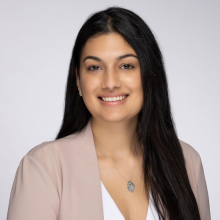
Nina Milutin is a professional researcher at the Ruđer Bošković Institute, working within the Division of Molecular Medicine under the Laboratory of Molecular Virology and Bacteriology. She holds a PhD in Natural Sciences (Biology, Biochemistry, and Molecular Biology) from the University of Zagreb (2012) and a BSc in Biology (Molecular Biology) from the University of Zagreb (1999). Specializes in epigenetic mechanisms, Human Papillomavirus (HPV) research, and molecular diagnostics of cervical/oral cancers Key research focus: DNA methylation profiles in HPV-associated cancers and oral mucosal lesions Publications & Research Trends: Her work bridges molecular virology, epigenetics, and clinical oncology, with a strong emphasis on HPV's role in cervical and head/neck cancers. Recent studies explore mass cytometry for biomarker discovery, sex hormone receptor interactions, and post-vaccination HPV surveillance. Methodological Expertise: Includes PCR, RFLP, DNA sequencing, line probe assays, and methylation profiling via Infinium MethylationEPIC BeadChip.
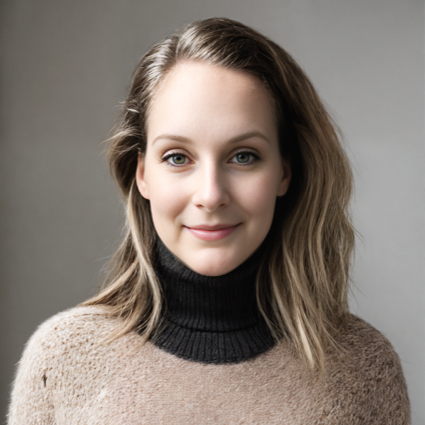
Maja Sabol is a Senior Research Associate at the Ruđer Bošković Institute in Zagreb, Croatia, working within the Division of Molecular Medicine, Laboratory for Hereditary Cancer. Her research focuses on the Hedgehog signaling pathway, particularly in ovarian cancer and other malignancies, with expertise in gene editing and molecular oncology. Dr. Sabol received her graduate education in molecular biology from the University of Zagreb's Faculty of Science (1999-2004), followed by postgraduate studies in molecular and cell biology at the same institution (2005-2010). She also completed specialist studies in project management from the accredited private college "Baltazar Adam Krčelić" (2009-2013), which is equivalent to an MBA. Her primary research interests span multiple areas of cancer biology, with a strong focus on the Hedgehog-Gli signaling pathway and its role in various cancers. She investigates how this pathway interacts with other signaling mechanisms like estrogen receptor signaling in breast cancer, and how it contributes to tumor progression in ovarian cancer, melanoma, and head and neck cancers. Her work also explores gene editing approaches, DNA damage response mechanisms, and the development of 3D in vitro cancer models to better understand tumor biology and therapeutic resistance. Analysis of Dr. Sabol's recent publications reveals a consistent focus on the Hedgehog-Gli signaling pathway across multiple cancer types. Her work examines both canonical and non-canonical activation mechanisms of this pathway, with particular attention to GLI transcription factors and their target genes. A significant portion of her research investigates therapeutic targeting of this pathway using compounds like GANT-61 and cyclopamine, while also exploring mechanisms of resistance that develop in cancer cells. Her more recent work has expanded into 3D cancer models and the interplay between Hedgehog signaling and other pathways like MAPK in driving therapeutic resistance. Rector's award from the University of Zagreb in academic year 2002/2003 Best poster award (3rd place) at the IV Croatian Conference on Human Genetics, Malinska, Croatia 2007 Best poster award at the Rudjer Boskovic Institute ZS3V festival ("Znanstveni susreti treće vrste") in the "Human – From Cell to Organism" topic Dr. Sabol has served as a teaching assistant in various graduate and postgraduate courses at multiple institutions including the University of Rijeka, University of Applied Health Studies, University of Zagreb, and University of Dubrovnik. Her teaching has focused on signaling pathways, recombinant DNA methodology, and molecular oncology. She has been principal investigator on research projects funded by the Croatian Science Foundation, including the 2019-2022 project "Differential regulation of the GLI code in BRAF/NRAS driven tumors" (IP-01-2018-4889). Dr. Sabol works within the Laboratory for Hereditary Cancer at the Ruđer Bošković Institute, where she collaborates with researchers including Sonja Levanat, Vesna Musani, Petar Ozretić, and Diana Trnski. Her laboratory work involves molecular techniques to study cancer signaling pathways, with a focus on the Hedgehog-Gli pathway across multiple cancer types. Recent work has expanded into developing 3D in vitro cancer models to better understand tumor-stroma interactions and therapeutic resistance mechanisms.
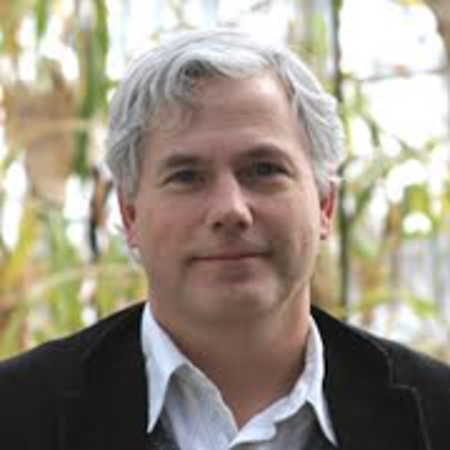
Dr. Prasanth Puthanveetil , Associate Professor of Pharmacology at Midwestern University, focuses on cardiovascular science and metabolic signaling under stress conditions. His affiliations span the College of Graduate Studies, College of Pharmacy, and Chicago College of Osteopathic Medicine. Ph.D., University of British Columbia (2012) M.Sc., University of British Columbia (2008) Postdoctoral training at University of Michigan–Ann Arbor and Western University His research investigates glucocorticoid-induced cardiac metabolic dysregulation and FoxO1 signaling in cardiometabolic diseases. Key projects include: Mechanisms of glucocorticoid activation of FoxO1-PDK4 pathways in cardiac glycogen accumulation Role of FoxO1-iNOS-CD36 axis in lipid-induced oxidative stress and mitochondrial dysfunction Potential of miR-133a and flavonoids (apigenin/chrysin) as cardiorenal therapeutics Recent publications highlight metabolomics-driven drug discovery and PARP1-FoxO1 interplay in SARS-CoV-2 pathophysiology. Teaching activities include directing Pharmacology II courses (PHARD 0585, 0595, 0995) and mentoring student research through IL-MABS/MBS programs. Recognized by Faculty of 1000 Prime and invited to write reviews in Cardiovascular Research .
Prof. Uğur GEZER is a Professor and Head of Department at Istanbul University's Oncology Institute, Department of Oncology. He has been with the institution since 2000, progressing from Instructor to Associate Professor and finally to Professor in 2012. His research focuses on molecular oncology with emphasis on cancer biomarker discovery using circulating tumor DNA, epigenetic modifications, and non-coding RNAs. Prof. GEZER received his undergraduate degree from Hacettepe University in Turkey (1988-1992), followed by postgraduate studies at Universitaet Kaiserslautern in Germany (1993-1996), and completed his doctorate at Ruprecht-Karls-Universitaet Heidelberg, Germany (1996-2000). His primary research interests include: Molecular mechanisms of cancer development and progression Circulating tumor DNA and liquid biopsy approaches Epigenetic modifications in cancer, particularly histone methylation Long non-coding RNAs in prostate and breast cancer Biomarker discovery for early detection and treatment monitoring Cancer genomics and repetitive elements in cell-free DNA Analysis of Prof. GEZER's recent publications reveals a strong focus on developing novel cancer biomarkers based on circulating nucleic acids. His work particularly emphasizes satellite DNA repeats, histone modifications, and long non-coding RNAs as potential diagnostic and prognostic tools. A significant portion of his research investigates prostate cancer mechanisms and biomarkers, with growing interest in breast cancer and colorectal cancer applications. Prof. GEZER has supervised numerous graduate students through their thesis work, with a focus on cancer molecular biology topics. His research has been supported by multiple projects from Higher Education Institutions, focusing on prostate cancer, breast cancer, and circulating biomarkers. His laboratory specializes in molecular techniques for analyzing circulating nucleic acids, histone modifications, and non-coding RNA expression, with applications in prostate cancer, breast cancer, and colorectal cancer research.
Jasmin Chahal is an Assistant Professor in the Department of Microbiology and Immunology at McGill University , specializing in teaching-focused academic roles. Her work bridges Molecular Biology research with innovative Science Education initiatives. Dr. Chahal earned her Ph.D. in Microbiology & Immunology (MIMM) from McGill University in 2020 under Dr. Selena Sagan, focusing on Hepatitis C virus (HCV) interactions with the liver-specific microRNA miR-122 . She previously completed her undergraduate studies in the same department at McGill. Research interests: RNA structure , microRNA-virus interactions , and science education pedagogy . Key contributions: Implementation of the SEA-PHAGES program into undergraduate courses (MIMM 390/391) and development of CURE-based lab courses . Selected awards include the 2024 Faculty Innovation Award , 2020 SALTISE Student Award , and multiple McGill-based fellowships (MedStar, Wilfred Yaphe, Gerald Clavet). She actively participated in the Let’s Talk Science Outreach program and enrolled in the American Society for Microbiology Teaching Certificate .
Mayada Elsabbagh, PhD, is a Senior Scientist at the Research Institute of the McGill University Health Centre (RI-MUHC) and an Associate Professor in the Department of Neurology and Neurosurgery, Faculty of Medicine and Health Sciences, McGill University. She leads research in autism and developmental disorders through the Child Health and Human Development Program at RI-MUHC. Senior Scientist, RI-MUHC Associate Professor, McGill University Director, Transforming Autism Care Consortium Her research focuses on early brain function markers for autism, developmental pathways, and knowledge translation. She works on accelerating scientific discoveries into community impact, with global initiatives in low- and middle-income countries. Recent publications address autism genetics, caregiver training programs, neuroimaging in infants, and cross-national health policies. Articles span 2025-2023, emphasizing genomic studies, early intervention frameworks, and emotional-behavioral comorbidity.
Dr. Tamas Korcsmaros is an Associate Professor in Intestinal Epithelial Biology at the Department of Metabolism, Digestion and Reproduction , Faculty of Medicine, Imperial College London . He specializes in systems biology approaches to study gut signaling networks, host-microbe interactions, and precision medicine applications in inflammatory bowel disease (IBD). Korcsmaros leads the NIHR Imperial BRC Organoid Facility , advancing patient-specific multi-omics research for complex diseases. Education: MSc in Biochemistry, Eötvös Loránd University, Budapest His research focuses on: Computational and experimental analysis of intestinal signaling networks Autophagy regulation in health and disease Host-microbe interactions using organoid models Precision medicine for IBD through multi-omics integration Development of bioinformatics tools ( SignaLink , MicrobioLink , AutophagyNet ) Key trends in his recent publications include: Microbiome-metabolome interactions in IBD Computational modeling of cytokine networks Precision targeting of autophagy pathways Microbiome perturbation safety assessments Organoid-based immune interaction studies Non-coding SNP analysis for disease stratification Scientific Awards BBSRC Fellowship (Norwich Research Park, 2014) Coordinated innovation grants for NavigOmiX software development (£1.3M funding) Co-founder of a network pharmacology company with Harvard and Notre Dame scientists Teaching and Leadership: Korcsmaros established bioinformatics courses for Master students and computational biology training for PhD students. He serves as Chairman of the Research Student Foundation , supporting Eastern European science students.
Jessica Osterhout is an Assistant Professor of Neurobiology at the University of Utah, where she investigates the molecular, cellular, and circuit mechanisms underlying sickness symptoms and immune-brain communication. Her research focuses on neural circuits controlling sickness behavior, utilizing advanced behavioral analyses, single-cell transcriptomics, and genetic/viral tools. Education: B.S. from University of Oregon Ph.D. from University of California, San Diego Her work examines how the brain senses systemic immune responses and modulates neural circuits to generate stereotyped sickness behaviors such as fever, fatigue, and appetite changes. Recent studies highlight preoptic neuronal populations and molecular mechanisms in immune-brain interaction. Selected Publications: Spanning developmental neurobiology (2002-2015) and sickness behavior neuroscience (2017-2025), with recent works focusing on preoptic circuits, immune-brain signaling, and sickness-induced hyperalgesia. Lab Environment: Prioritizes diversity, collaboration, and mentorship. Seeks students with scientific curiosity, organizational skills, and effective communication abilities.
Jaroslav Zak is an Assistant Professor in the Department of Radiation Oncology at the University of California, San Diego, with an adjunct role in Internal Medicine. His research spans cancer biology, immunology, and virology, focusing on molecular mechanisms in oncogenesis, immune modulation during infections, and rare genetic disorders. Primary Affiliation: Department of Radiation Oncology, UCSD Adjunct Affiliation: Department of Internal Medicine, UCSD Education: DPhil, University of Oxford PhD, Scripps Research MSc, University of Cambridge BA, University of Cambridge Research Interests: Jaroslav Zak investigates the role of ASPP proteins in cancer suppression, immune regulation in viral infections, and genetic causes of developmental disorders. His work includes drug discovery for reversing T-cell exhaustion and improving cancer immunotherapy through JAK inhibition. Recent Publication Trends: His 2024-2023 studies highlight advances in SARS-CoV-2 treatment (PI3Kγ inhibition), Hodgkin lymphoma immunotherapy (JAK inhibitors), and rare disease genomics (structural variants in KMT2E). Earlier works focus on epithelial plasticity, viral persistence, and ASPP2 deficiency in developmental syndromes. Labs & Collaborations: Zak collaborates with teams at UCSD, Scripps Research, and the University of Cambridge, working alongside researchers like John Teijaro and J. Michael Varner on projects spanning cancer, immunology, and rare diseases.
Dr. Qi Chen is an Adjunct Associate Professor at the University of California, Riverside and joined the University of Utah School of Medicine in 2023. His research bridges molecular biology and epigenetic inheritance , focusing on how paternal health influences offspring via sperm RNA modifications . Education : MD (Chongqing Medical University), PhD (Institute of Zoology, Chinese Academy of Sciences) Dr. Chen pioneered the discovery of tRNA-derived small RNAs (tsRNAs) and rRNA-derived small RNAs (rsRNAs) as epigenetic carriers in intergenerational disease transmission . His work demonstrates how paternal diet, toxin exposure, and metabolic conditions alter RNA profiles to affect offspring health via RNA structural modifications . Recent publications (2025-2023) highlight his innovations in PANDORA-seq and MLC-seq technologies for RNA analysis, revealing novel roles for mitochondrial tsRNAs in Alzheimer's, RNA-TLR interactions in inflammation, and RNA decapping enzymes in immune signaling. Scientific Awards Keynote Lecture at EMGS 2024 George E. Seidel Jr. Keynote (IETS 2023) Highly Cited Researcher (2019) Chinese Academy of Sciences Fellowship (2013) His lab develops tools like SPORTS1.0 and PANDORA-seq to decode the 'sperm RNA code' and explore RNA structural memory propagation through biomolecular condensates . Current NIH/NICHD R01 funding supports ongoing investigations into RNA modification-mediated epigenetic inheritance .
Thuy Anh Bui is a Senior Research Fellow at the University of New South Wales, Faculty of Medicine, specializing in clinical rehabilitation and translational research. Originally from Vietnam, she completed her BSc and PhD in Physiology at the University of Manchester before transitioning from laboratory-based cardiovascular and cancer gene therapy research into clinical applications. Her current work bridges laboratory innovation with practical healthcare solutions, particularly for hip fracture patients in culturally diverse communities. Her research interests focus on clinical rehabilitation , musculoskeletal diseases , and health service research for culturally and linguistically diverse populations. She has published in high-impact journals including Nature Communications, Lancet eBiomedicine, and Advanced Functional Materials, demonstrating expertise that spans from basic science to clinical implementation. Her recent work shows a clear trajectory from cardiovascular and cancer gene therapy toward rehabilitation research, particularly in home-based care models. Bui leads the 'Rehabilitation in the Home' (RITH4Hips) randomized controlled trial, which received a $493,233 HCF Health Services Research Grant. This work builds on her previous success as project manager for the Hospital in the Home for Hip Fracture project at Liverpool Hospital, which was named a 2025 SWSLHD Quality Awards Finalist for Health Research. SWSLHD Quality Awards Finalists in Health Research, 2025 President's Doctoral Scholar Award, University of Manchester, UK, 2014-2018 Award for Excellence, Faculty of Life Sciences, University of Manchester, UK 2014 Outstanding Achievement Award, Faculty of Life Sciences, University of Manchester, UK, 2012 Silver Medal - 21st International Biology Olympiad 2010 First Prize - National Biology Olympiad, Vietnam 2010 As a supervisor, Bui is available to mentor ILP, Honours, Master, and PhD students in clinical trials for rehabilitation and musculoskeletal health, health service research for diverse populations, and translational research. Her community engagement work focuses on South West Sydney's culturally diverse communities, ensuring research addresses real-world healthcare disparities. She holds a Graduate Certificate in Higher Education Teaching and Learning from University of Technology Sydney, enhancing her capacity to develop future researchers.
David Segal, Ph.D., Professor at the University of California, Davis Department of Biochemistry and Molecular Medicine, leads groundbreaking research in programmable DNA/RNA-binding platforms for genetic and epigenetic therapies. His work addresses neurologic disorders through Angelman syndrome and Huntington's disease models, employing Zinc fingers , TALEs , and CRISPR/Cas systems to engineer precise gene regulation without double-strand breaks. Research Pillars: Genome Engineering: Developing programmable transcription factors and nucleases Epigenetic Editing: Exploring histone/DNA methylation dynamics Neurogenetic Therapeutics: Brain-targeted delivery via AAV, nanoparticles, stem cells As a key member of the NIH Somatic Cell Genome Editing (SCGE) consortium and collaborator with the Innovative Genomics Institute , his lab creates molecular probes for live-cell gene edit detection while investigating fundamental questions about epigenetic persistence mechanisms.
Dr. Jerry Malayer is a Professor and the McCasland Chair in the Department of Physiological Sciences at Oklahoma State University's College of Veterinary Medicine. He also serves as the Associate Dean for Research & Graduate Education in the College of Veterinary Medicine. With over 25 years of experience in academic veterinary medicine, including 20 years in administration of multidisciplinary research and training programs, Dr. Malayer is a prominent figure in veterinary biomedical research. He holds additional appointments as an Adjunct Professor in Biochemistry and Molecular Biology at Oklahoma State University and serves in various advisory capacities at the state and national levels. Dr. Malayer earned his PhD in Animal Science from the University of Florida (1986-1990), an MS in Animal Science from Purdue University (1983-1986), and a BS in Agriculture from Purdue University (1975-1979). Following his doctoral studies, he completed postdoctoral training in Biochemistry at the University of Wisconsin (1990-1994), specializing in Steroid Hormone Receptor research under the supervision of Gorski. Dr. Malayer's research focuses on four primary areas: 1) the role of steroid hormones and their receptors in the control of gene expression; 2) gene expression profiling; 3) molecular approaches for diagnosis, mitigation and therapeutics for bacterial pathogens; and 4) host-pathogen interaction. His work spans biochemistry, cell biology, and animal molecular biology, with particular emphasis on physiological sciences relevant to veterinary medicine. Dr. Malayer has published over 70 peer-reviewed research articles, demonstrating expertise in areas ranging from bacterial pathogenesis to cancer immunotherapy and viral infections. Analysis of Dr. Malayer's recent publications reveals a strong trend toward translational research with clinical applications, particularly in the areas of pathogen detection, host immune responses to infections, and novel therapeutic approaches using focused ultrasound technology. His work increasingly integrates molecular biology with immunology and biomedical engineering to develop innovative diagnostic and therapeutic strategies for both human and animal health. Dr. Malayer holds the prestigious McCasland Chair position at Oklahoma State University College of Veterinary Medicine, an appointment he has held since January 2016. This endowed chair recognizes his significant contributions to veterinary research and education. With extensive experience in academic mentoring, Dr. Malayer has served as principal advisor for a dozen PhD graduates and has been a committee member for dozens more students across multiple departments and disciplines. His research program has been supported by numerous grants from federal agencies including the National Institutes of Health, the United States Department of Agriculture, and Lawrence Livermore National Laboratory. Current funding includes projects on bacterial pathogen detection, focused ultrasound applications in cancer immunotherapy, and livestock disease prevention. Dr. Malayer is actively involved in several research centers and advisory boards, including the Oklahoma Center for Respiratory and Infectious Disease at Oklahoma State University, the Oklahoma Nathan Shock Center on Aging at the Oklahoma University Health Sciences Center, and the Scientific Steering Committee for the Oklahoma Center for Adult Stem Cell Research. His administrative roles extend to state-level service as a member of the Oklahoma Science and Innovation Council (advisory to the Governor) and the Health Research Committee of the Oklahoma Center for the Advancement of Science and Technology.
Erich Grotewold is a Professor at Michigan State University in the Department of Biochemistry & Molecular Biology , affiliated with the Molecular Plant Sciences Program and Genetics & Genome Sciences Program . Previously, he held roles at The Ohio State University , including Director of the Arabidopsis Biological Resource Center and leadership in the Center for Applied Plant Sciences . Ph.D. in Chemistry (1988), M.Sc. in Chemistry (1985) from University of Buenos Aires His research focuses on plant gene regulation , biosynthesis of flavonoids and phenolic compounds , and regulatory networks in crops like maize and camelina. The lab maintains databases AGRIS , GRASSIUS , and CamRegBase for comparative genomics. Recent publications emphasize transcription factor networks , metabolic engineering , and non-coding RNA in biofuel crops. Awards include Fellow of AAAS (2009) and OSU Dean's Award for Undergraduate Mentoring (2006) . Lab Members : Mentions multiple postdocs (Nathan Catlin, Yingni Xiao), graduate students (Ronnie Dewberry, Lina), and undergraduates (Luke Benedict) Collaborations : International partnerships including Guangdong Academy of Agricultural Sciences Technologies developed include high-throughput phenolic quantification protocols and multi-omic integration methods for gene network analysis. The lab actively participates in conferences like the International Camelina Conference and uses advanced tools such as fluorescence lifetime microscopy for anthocyanin imaging.
Nikolay G. Kolev is a Research Scientist in the Department of Epidemiology of Microbial Diseases at the Yale School of Public Health. He earned his PhD in Biochemistry from the University of Notre Dame and completed postdoctoral training at Yale University. His research focuses on molecular mechanisms governing the development of Trypanosoma brucei , the parasite causing African sleeping sickness. Key interests include RNA metabolism, antigenic variation, gene expression regulation, and transcriptional activation. He collaborates with Dr. Christian Tschudi to study parasite adaptation and host transmission dynamics. His recent publications highlight advancements in RNA-binding protein functions, transcriptome profiling, and mechanisms of parasitic gene regulation. Trends in his work span parasitology, molecular biology, and RNA biology, with specific subfields like VSG expression, snoRNA biogenesis, and vector-borne transmission. Scientific Awards Molecular, Cellular and Immunoparasitology Scientific Award (2009) from the American Society of Tropical Medicine and Hygiene Kolev's contributions include methodological innovations in RNA-Seq and RNAi plasmid design, alongside foundational discoveries in Trypanosoma developmental biology. His work bridges molecular parasitology and public health, targeting neglected tropical diseases through mechanistic insights.