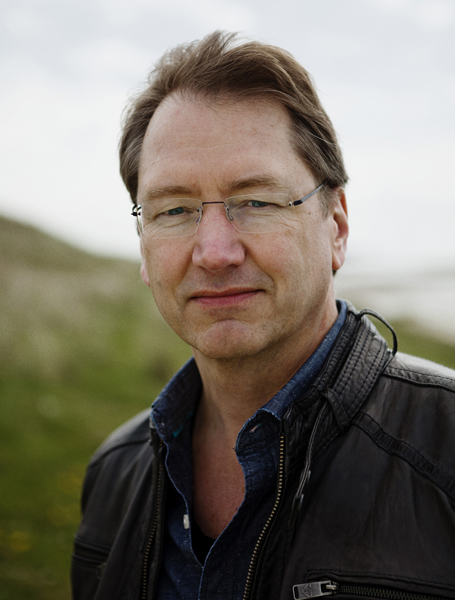
J. S. Sinninghe Damsté is a Professor of Organic Geochemistry at Utrecht University and a Senior Scientist at the NIOZ Royal Netherlands Institute for Sea Research. His research bridges biology, geology, and chemistry, focusing on microbial ecology, paleoclimate proxies, and lipid biomarkers. He pioneered techniques like the TEX86 sea surface temperature proxy and MAT index for continental paleothermometry. Education: PhD in Organic Geochemistry from TU Delft (1988), specializing in organically-bound sulfur in the geosphere. Key roles include department headships at NIOZ and leadership in major grants like ERC Advanced Research Grants (2008, 2016) and Dutch Gravitation Awards (2013). Research highlights include discovering archaeal nitrification, tetraether/ladderane lipids, and biomarkers for Thaumarchaeota. His work has transformed understanding of oceanic nitrogen cycles and diatom evolution. Awards include the Heineken Prize (2014) and Treibs Medal (2005). Advising: Supervised PhD students such as Wuchter C., Abbas B., and Witkowski C.R., contributing to studies on archaeal nitrification and paleoclimatic CO2 trends. Grants include €28M for the Netherlands Earth System Science Centre. Labs/Teams: Leads the Marine Microbiology & Biogeochemistry group at NIOZ, integrating lipidomics with environmental and evolutionary studies.
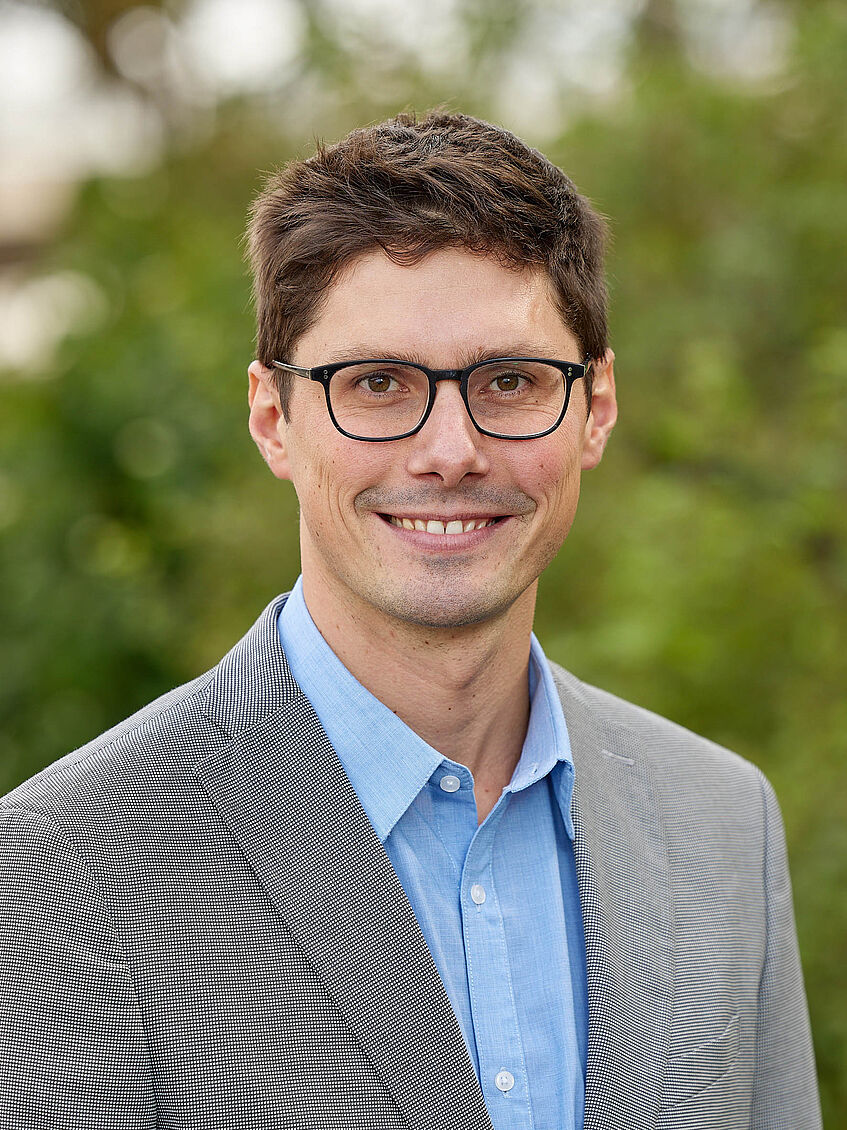
Michael Zumstein is an Assistant Professor for Biotransformation at the Centre for Microbiology and Environmental Systems Science, Department of Environmental Geosciences, University of Vienna. His research group investigates the biotransformation and biodegradation of anthropogenic organic chemicals in natural and engineered environments, combining techniques from environmental analytical chemistry and molecular biology. His research focuses on: Water-soluble polymers important for home and personal care products Biomolecules as alternatives to conventional pharmaceuticals and pesticides Enzymatic processes in wastewater systems Development of biodegradable chemicals Professor Zumstein leads multiple research projects including: Cluster of Excellence: Microbiomes Drive Planetary Health Biodegradation of Water-Soluble Polymers in Engineered and Natural Aquatic Environments (collaboration with BASF SE) Exploring Extracellular Enzymes from Wastewater Microbial Communities Biotransformation of Biopesticides in Agricultural Soils He has received the Ambizione Fellowship from the Swiss National Science Foundation to investigate peptide-based antibiotics in wastewater systems. His research group includes several PhD students and researchers working on environmental biotechnology projects.
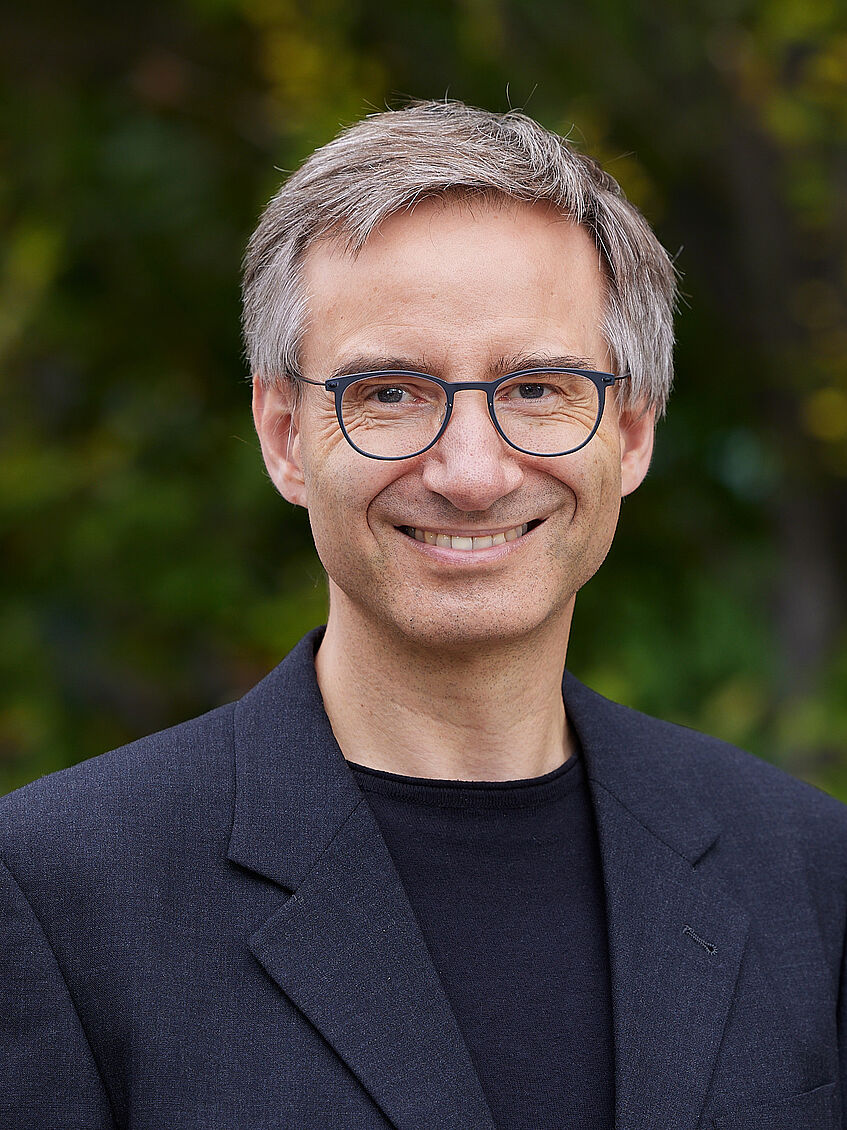
Melina Kerou is a Researcher in the Department of Functional and Evolutionary Ecology within the Faculty of Life Sciences at the University of Vienna. Her work focuses on archaeal ecology, particularly ammonia-oxidizing archaea and their role in nitrogen cycling processes. She actively contributes to multiple research projects including AOP (Ammonia Oxidation Process in Archaea), ACTIONr (Reducing Reactive Nitrogen Losses), and TACKLE (TACK Superphylum Evolution), with funding extending through 2027. Her research interests center on microbial ecology, specifically ammonia-oxidizing archaea physiology, nitrification processes, soil microbiome dynamics, and sustainable agricultural applications. Kerou investigates how microbial communities influence nitrogen cycling in various environments, with particular emphasis on biological nitrification inhibition in agricultural systems. Her work bridges fundamental microbial ecology with practical applications for sustainable food production and environmental protection, contributing to UN Sustainable Development Goals related to life below water and responsible consumption. Recent publications demonstrate her focus on archaeal carbon metabolism, wheat root exudate chemistry, and laboratory sustainability practices. Kerou actively participates in scientific discourse through conference presentations, workshop panels on biological nitrification inhibition, and media engagements promoting sustainable research practices. She contributes to initiatives like Green Labs Austria and participates in European networks focused on sustainable life science research infrastructure. Kerou's collaborative approach is evident in her extensive network of co-investigators across multiple institutions. Her research activities include field studies in diverse environments from agricultural soils to French Guiana's caiman habitats, examining microbiome contributions to environmental processes. She also engages in science communication through radio appearances and public discussions about extremophiles and sustainable research practices.
University of Natural Resources and Life Sciences ViennaAustria
Christoph Rosinger is a researcher at the Institute of Agronomy (iPBAU) within the University of Natural Resources and Life Sciences, Vienna (BOKU). His work focuses on soil microbiology, conservation farming, and carbon-nutrient dynamics in agricultural and forest soils. Research Themes: Soil organic carbon stabilization, microbial community responses to amendments, and agricultural pollution mitigation using struvite/zeolites Methodologies: On-farm studies, multi-model simulations, and biogeochemical stoichiometry analysis Publication Trends emphasize microbial pathways in carbon sequestration, amendment effects on nutrient cycling, and seasonal soil processes. Recent work explores AI vs. process-based modeling for SOC prediction and volcanic ash pedogenesis. Earlier studies address subtropical soil nutrient limitations and post-disturbance fungal dynamics.
Joana Séneca Cardoso Da Silva is a researcher affiliated with the Centre for Microbiology and Environmental Systems Science at the Department of Microbiology and Ecosystem Science. Her work spans microbial ecology, nitrogen cycling, and environmental systems science, with a focus on symbiont dynamics and organic matter decomposition. She contributes to research aligned with UN Sustainable Development Goals related to climate action and life on land. Education: Lic. Mestr., PhD Research Interests : Joana investigates microbial processes in both environmental and human health contexts. Key areas include: Nitrogen cycling and nitrification in subarctic ecosystems Gut microbiota interactions in inflammatory diseases Impact of dietary oxidized lipids on metabolic disorders Post-COVID syndrome and gastrointestinal barrier integrity Publications (Selected Trends): Her recent work examines microbial responses to climate change, lipid metabolism disruptions in mice, and microbiome dynamics in post-COVID fatigue patients. Scientific Activities: Joana has presented at major conferences, including the EGU 2023 and the University of Porto, Spain . Her contributions include invited talks on microbial decomposition and climate impacts.
Jaap Sinninghe Damsté is a Professor of Organic Geochemistry at Utrecht University and a Senior Scientist at the Department of Marine Microbiology and Biogeochemistry, NIOZ Royal Netherlands Institute for Sea Research. He has held these positions since 2009 and 2018 respectively, and previously served as Head of Department at NIOZ from 2003-2015 and as Professor of Molecular Palaeontology at Utrecht University from 2004-2009. Dr. Sinninghe Damsté received his PhD in organic geochemistry in 1988 from the Technical University of Delft, where he studied the origin of organically-bound sulfur in the geosphere. His research demonstrated that early diagenetic reactions of inorganic sulfur and organic matter, rather than biogenic organic sulfur in biomass, was the source for fossil organic sulfur. His research focuses on the interface of biology, geology and chemistry, with three main areas of investigation: Intact polar and core membrane lipids of archaea, bacteria and algae using novel analytical approaches and their application in microbial ecology Development of proxies based on organic compounds for paleoclimate studies Application of organic proxies in palaeoenvironmental and palaeoclimatic reconstruction of the past 200 million years Throughout his career, Dr. Sinninghe Damsté has developed several novel analytical methods that led to the recognition of new classes of biomarkers, such as tetraether lipids and ladderane lipids. His identification of crenarchaeol as a specific biomarker for Thaumarchaeota revolutionized understanding of ocean nitrification processes. He has also developed important paleoenvironmental reconstruction tools including TEX86 (for sea surface temperature), BIT index (for soil organic carbon input in marine sediments), and MAT index (for mean annual air temperature). His scientific contributions have been widely recognized through numerous prestigious awards: 2020: Membership of Academia Europaea 2016: ERC Advanced Research Grant (2.5 M€) and Membership of Koninklijke Hollandsche Maatschappij der Wetenschappen 2014, 2016, 2018: ISI Highly Cited Researcher in Geosciences 2014: Dr. A.H. Heineken prize for Environmental Sciences 2013: Co-applicant of Gravitation Award (23 M€) for the Soehngen Institute of Anaerobic Microbiology and Main applicant of Gravitation Award (28 M€) for the Netherlands Earth System Science Centre 2008: ERC Advanced Research Grant (2.5 M€) 2007: Vernadsky Medal from the European Geosciences Union 2005: Treibs Medal for lifetime achievements and Membership of Royal Netherlands Academy of Arts and Sciences 2004: Spinoza award (1.5 M€) and ISI Highly Cited Researcher status 1993: First Schenck Award and PIONIER-award (0.9 M€) 1988: Best paper award from the American Geochemical Society Dr. Sinninghe Damsté has secured significant research funding throughout his career, including multiple ERC Advanced Grants and large Gravitation Awards from the Dutch Ministry of Science and Education. His work has established him as a leading figure in organic geochemistry and paleoclimate research, with his biomarker development and application fundamentally changing how scientists reconstruct past environmental conditions. His research group at NIOZ has been instrumental in advancing the understanding of microbial ecology through lipid biomarkers, particularly in marine environments. The group's work on Thaumarchaeota and anammox bacteria has provided critical insights into ocean nitrogen cycling processes.
Holger Daims is Professor and Deputy Head of the Department of Microbiology and Ecosystem Science at the University of Vienna, and Deputy Head of the Division of Microbial Ecology. His research investigates microorganisms driving the nitrogen cycle, especially nitrite-oxidizing bacteria (NOB) and complete ammonia oxidizers (comammox). Research combines molecular, omics, and physiological techniques to study nitrification in natural and engineered ecosystems. Key topics include comammox biology, NOB diversity and niche partitioning, microscopy/image analysis (developed daime software), NOB ecophysiology, and microbe-microbe interactions in biofilms. Applications target improved wastewater treatment, agriculture management, and greenhouse gas mitigation. Publications reveal novel metabolic capabilities of nitrifiers, including atmospheric hydrogen consumption, growth on unconventional substrates, and adaptations to extreme pH/salinity. Recent work explores marine nitrifier diversity, symbiotic relationships, and genomic evolution of nitrogen-cycling microorganisms.
Michael Wagner is Vice Director of the Centre for Microbiology and Environmental Systems Science at the University of Vienna and Director of the FWF Cluster of Excellence 'Microbiomes Drive Planetary Health'. His research focuses on nitrifying microorganisms, microbial ecology, and the role of microbiomes in environmental and human health. Wagner's group has discovered novel nitrifiers like complete ammonia oxidizers (comammox) and archaeal nitrifiers, revealing unexpected physiological traits. He pioneers single-cell tools for environmental microbiology and studies wastewater and sponge microbiomes. Articles span antibiotic resistance in wastewater, gut microbiome-drug interactions, climate mobility, and microbial niche specialization. Recent work emphasizes interdisciplinary approaches linking microbiology to planetary health challenges. Awards include the FWF Wittgenstein Award (Austria's highest science prize), Jim Tiedje Award, and Schrödinger Prize for groundbreaking contributions to microbial ecology. He leads international collaborations and supervises doctoral researchers in microbiology, ecology, and environmental science.
Logan Hodgskiss (BSc, MSc, PhD) is a researcher at the University of Vienna's Faculty of Life Sciences within the Functional and Evolutionary Ecology department. His work bridges microbial ecology, soil science, and sustainable agriculture through investigations of ammonia-oxidizing archaea and their environmental interactions. Research focuses on ammonia-oxidizing archaea across multiple dimensions: their biofilm formation mechanisms, antibiotic sensitivity profiles, and interactions with plant root exudates. Key themes include: Nitrogen cycling in agricultural ecosystems Archaeal adaptations to environmental stressors Biological nitrification inhibition via plant metabolites Carbon-nitrogen metabolic coupling in extremophiles His publication trends reveal intensifying focus on applied environmental microbiology since 2020, with recent work connecting fundamental archaeal physiology to agricultural sustainability challenges. The 2023-2025 publications particularly emphasize translational applications for nitrogen management. Award recognition includes: Frontiers in Microbiology 2023 Outstanding Article (2024) Active leadership in major collaborative projects drives his research program: AOP: Ammonia Oxidation Process in Archaea (2023-2027) ACTIONr: Research Action Network for Reducing Reactive Nitrogen Losses (2022-2025) Archaea on Skin project (2018-2022) These involve cross-institutional teams across Europe studying archaeal roles in nitrogen cycling. His laboratory work integrates metagenomics , metabolomics , and physiological assays to characterize archaeal communities, with recent expansion into plant-microbe interactions through wheat root exudate studies.
Marta Estrada is a Professor at the Marine Sciences Institute (ICM) of the Spanish National Research Council (CSIC). Her career spans over four decades, with roles including Research Professor (1984–2016) and Director of the ICM (1995–1997). She holds degrees in Biology (1968), Medicine & Surgery (1970), and a Ph.D. in Biology (1976) from the University of Barcelona. Her research focuses on marine phytoplankton ecology, pelagic ecosystem dynamics, and physical-biological interactions in oceans globally. Estrada has led numerous projects funded by Spain’s Ministry of Education and Science and EU collaborations. She is a member of prestigious academies, including the Royal Academy of Physical, Mathematics and Natural Sciences of Madrid, and serves as Spain’s representative to the Scientific Committee on Oceanic Research (SCOR). Awards include the Narcís Monturiol Medal (1995) and Cross of Sant Jordi (2004). Her work encompasses over 200 scientific publications and extensive fieldwork, including global oceanographic cruises. Key research themes include phytoplankton diversity, primary production variability, and the impacts of environmental changes on marine systems.
Anton Van Boxtel is Assistant Professor for Biotransformation at the University of Vienna's Centre for Microbiology and Environmental Systems Science. His research investigates enzymatic degradation of anthropogenic chemicals in natural and engineered systems, combining environmental chemistry and molecular biology approaches. His current focus includes biodegradation of water-soluble polymers (used in personal care products) and peptide-based antibiotics. He leads a research partnership with BASF SE and holds an SNSF Ambizione Fellowship studying antibiotic biotransformation in wastewater systems.
Thilo Hofmann is a full Professor at the University of Vienna, affiliated with the Department of Environmental Geosciences and Department of Analytical Chemistry. He leads multiple research initiatives including the Research Platform Plastics in the Environment and Society and the Environment and Climate Research Hub. Academic Leadership: Head roles in plastics research and environmental climate hubs Teaching: Offers courses in biogeochemistry, environmental chemistry, and geosciences Labs: Focus on nanoparticle interactions, contaminant transport, and microplastics His research spans environmental geochemistry, nanoparticle dynamics, and pollutant behavior in ecosystems. He investigates microplastic impacts on food safety, tire-wear contaminants, and nanoparticle interactions in soils and aquatic systems. Recent publications analyze nanoplastics' role in contaminant transport, chemical leaching from plastics, and metal-pollutant interactions in marine and terrestrial environments.
Andrew Giguere is a researcher affiliated with the Centre for Microbiology and Environmental Systems Science and the Department of Microbiology and Ecosystem Science. His work focuses on microbial processes in environmental systems, particularly nitrification, ammonia oxidation, and soil microbial communities. Research Interests: Microbial ecology, nitrification dynamics, soil microbiology, and sustainable environmental systems. Publications: Active contributor to journals like Nature , FEMS Microbiology Ecology , and Communications Biology , with recent studies on guanidine metabolism, nitrification inhibitors, and plant-microbe interactions. Activities: Invited speaker at conferences including EGU 2024, BET 2024, and ICON 8 (2023). SDG Contributions: Aligns with UN Sustainable Development Goals related to sustainable agriculture and life below water.
Dr. Katharina Kitzinger is an Assistant Professor in the Department of Microbiology and Ecosystem Science , affiliated with the Centre for Microbiology and Environmental Systems Science . She leads the "Recycling versus loss in the marine nitrogen cycle: controls, feedbacks, and the impact of expanding low oxygen regions (RECLESS)" project (2025–2031), addressing nitrogen dynamics in marine ecosystems. Her research focuses on microbial ecology, nitrification processes, and symbiotic relationships in marine environments. Key areas include nitrifying bacteria in marine sponges , wastewater microbiology , and nutrient cycling in extreme environments , such as the Greenland Ice Sheet. She employs advanced techniques like single-cell imaging and stable isotope probing to study microbial communities and their roles in global biogeochemical cycles. Kitzinger has published in top journals including Nature Communications and The ISME Journal , with recent work highlighting symbiont lineage inheritance in marine sponges and microalgal nutrient uptake mechanisms. She actively presents on topics like "Metabolic interactions in marine AOA-sponge symbioses" and "Urea fuels open ocean nitrification" , engaging both scientific and public audiences. Her interdisciplinary research bridges microbiology, environmental science, and engineering, with a focus on sustainable solutions for climate and water challenges. Current projects investigate how expanding low-oxygen ocean zones impact nitrogen recycling, contributing to UN Sustainable Development Goals related to climate action and marine conservation.
Prof. Markus Krüger is a Professor at the Institute for Materials Testing and Building Materials Technology (TVFA) at TU Graz, Austria. His research focuses on sustainable materials, structural health monitoring, and non-destructive testing in civil engineering. He leads projects on eco-friendly concrete formulations, clinker reduction in binders, and sensor networks for infrastructure monitoring. His work emphasizes environmental compatibility and performance optimization, including collaborations with Austrian Federal Railways (OEBB) on climate-resilient infrastructure. Key research areas include materials science, concrete technology, and environmental engineering. He has organized major conferences like Beton Graz, fostering interdisciplinary dialogue in construction materials. His recent publications address nitrification processes in groundwater, interoperable structural monitoring systems, and advanced testing methods for cementitious materials. Prof. Krüger’s contributions span academic and applied domains, with a focus on integrating sustainable practices into construction and monitoring technologies. He holds leadership roles in the Institute Board and is actively involved in advancing practical applications of research through initiatives like the RDM Marketplace pilot project.