Jung Han is the William A. Norton Professor of Electrical & Computer Engineering at Yale University, affiliated with the School of Engineering & Applied Science. He holds a Ph.D. from Purdue University and leads the Optoelectronics Materials and Devices Group, focusing on interdisciplinary research in III-nitride semiconductors, optoelectronics, and power electronics. His work bridges fundamental materials science with practical applications in solid-state lighting, energy harvesting, and next-generation electronics. Research interests include wide-bandgap semiconductor materials (e.g., GaN), nanoscale device fabrication, and epitaxial growth techniques. He pioneered nanoporous GaN distributed Bragg reflectors (DBRs) for high-efficiency LEDs and lasers, as well as selective-area growth methods for power electronics. His lab explores green energy technologies, flexible electronics, and hybrid organic-inorganic semiconductors. Publications emphasize advancements in GaN-based vertical-cavity surface-emitting lasers (VCSELs), SWIR detectors, and micro-LED displays. Recent work addresses challenges in defect control, scalability of III-nitride devices, and integration with emerging materials. His group collaborates across engineering, applied physics, and chemistry to advance sustainable energy and high-performance optoelectronics. Notable contributions include wafer-level integrated white-LEDs with quantum dots, damage-free in-situ GaN etching via TBCl, and stacking-fault-free GaN growth on foreign substrates. His research has been recognized in high-impact journals like Advanced Materials and Applied Physics Letters .
Jakoah Brgoch is an Assistant Professor in the Department of Chemistry at the University of Houston. His research focuses on leveraging machine learning to design inorganic compounds for applications in LED-based lighting and superhard materials. Key areas include phosphor development, sparse data handling, and predicting material formation. He leads the Brgoch Group, which emphasizes interdisciplinary approaches combining computational modeling and experimental synthesis. Research interests span luminescent materials, crystal chemistry, and defect engineering, with a particular emphasis on optimizing phosphors for solid-state lighting and high-performance materials under extreme conditions. His work bridges data science and traditional materials discovery to accelerate innovation in optoelectronics and mechanical materials. Recent publications highlight advancements in cyan-emitting nitridation processes, machine learning-guided phosphor discovery, and understanding oxidation resistance in silicides. His team has developed novel phosphors like Na2CaZr2Ge3O12:Cr³⁺ for NIR bioimaging and explored luminescent properties of Sr-based solid solutions. Active in translational research, Dr. Brgoch collaborates on applications like smartphone-readable diagnostic platforms using nanophosphors and point-of-care testing. His lab emphasizes open science practices and has pioneered methods like Single-crystal automated refinement (SCAR) for structural determination.
David A. Muller serves as the Samuel B. Eckert Professor of Engineering in the School of Applied and Engineering Physics at Cornell University and co-directs the Kavli Institute at Cornell for Nanoscale Science. His research group focuses on developing quantitative electron microscopy methods to understand materials properties at the atomic scale, with particular emphasis on sustainable energy applications and quantum materials. Muller's laboratory utilizes some of the world's highest resolution electron microscopes housed in specially designed, environmentally isolated rooms. Muller received his undergraduate education at the University of Sydney and earned his Ph.D. in Physics from Cornell University in 1996. Between 1997 and 2003, he was a member of the technical staff at Bell Laboratories, where he applied his expertise in imaging single atoms and atomic-scale spectroscopy to determine the physical limits of transistor miniaturization. In 2003, he returned to Cornell as a faculty member, where he has since established himself as a leader in advanced electron microscopy techniques. Muller's research spans multiple frontiers in materials science, with particular focus on understanding how electronic-structure changes at the atomic scale control macroscopic behavior in diverse systems like turbine blades, fuel cells, and transistors. His current work emphasizes the physics of renewable energy materials, atomic-scale control of materials to create electronic phases that cannot exist in bulk, and developing hardware and algorithms for 'big data' acquisition from high-bandwidth pixelated electron microscope detectors. His group's work bridges theoretical physics and experimental techniques, requiring researchers who can think in both real and reciprocal space while considering both fundamental principles and practical applications. Analysis of Muller's recent publications reveals a strong trend toward advancing electron ptychography and 4D-STEM techniques for atomic-scale imaging. His group has pioneered methods for 3D atomic-scale metrology, strain mapping, and imaging of radiation-sensitive materials. The research spans applications from semiconductor technology to quantum materials and energy storage systems, demonstrating the versatility of his microscopy approaches across multiple scientific domains. Top 100 Young Innovator by Tech Review Magazine (2003) Burton Medal from Microscopy Society of America (2006) Ernst Ruska Prize of German Society for Electron Microscopy (2021) John Cowley Medal from International Federation of Societies for Microscopy (2023) Fellow of American Physical Society Fellow of American Association for the Advancement of Science Fellow of Microscopy Society of America Muller has mentored an extensive group of students and postdocs who have gone on to successful careers in academia and industry. His former students hold faculty positions at institutions including Rice University, University of Southern California, Seoul National University, Colorado School of Mines, and the University of Michigan, among others. His research has been supported by substantial grants, including a $22.5M NSF grant that accelerates materials discovery. The Muller lab maintains close collaborations with the Kavli Institute at Cornell and PARADIM (Platform for the Accelerated Realization, Analysis, and Discovery of Interface Materials). The Muller lab operates at the forefront of electron microscopy, housing specialized instrumentation including high-resolution transmission electron microscopes in environmentally isolated rooms. The group collaborates extensively with other research teams at Cornell and worldwide, focusing on understanding materials atom by atom. Current research directions include applying machine learning to electron microscopy data analysis, developing cryogenic techniques for studying low-melting-point materials, and exploring quantum phenomena in engineered materials systems.
University of California , Santa Barbara (UCSB)United States
James S. Speck is the Seoul Viosys Professor of Solid State Lighting in the Department of Materials at the University of California, Santa Barbara (UCSB), within the College of Engineering. His research focuses on the materials science of wide bandgap semiconductors such as GaN and β-Ga₂O₃, emphasizing epitaxial growth, defect engineering, and device applications. He holds over 725 publications and has co-founded Soraa, a company commercializing GaN-based lighting technologies. Education: Sc.D. in Materials Science (MIT), S.M. in Metallurgy (MIT), B.Sc.Eng (University of Michigan). Research Interests: GaN-based semiconductors, nitride materials, epitaxial growth mechanisms, nonpolar/semipolar GaN, and β-Ga₂O₃. His work addresses threading dislocations, defect dynamics, and optoelectronic device performance. Awards: IEEE Photonics Society Aron Kressel Award, APS Fellowship, MRS Fellowship, and multiple best paper awards. Key Contributions: Pioneered MBE growth of GaN, developed V-defect engineering for LEDs, and advanced β-Ga₂O₃ research. Collaborates on Soraa’s high-brightness LED technologies. Lab/Teams: The Speck Group studies GaN heterostructures, defect mitigation, and wide bandgap semiconductor applications. Recent work includes V-defect-controlled LEDs and β-Ga₂O₃ etching techniques.
Dr. Hongxing Jiang is a Professor at the Whitacre College of Engineering, Texas Tech University, affiliated with the Department of Electrical & Computer Engineering. He holds the Edward E. Whitacre Jr. Chair and co-directs the Center for Nanophotonics. PhD in Physics, Syracuse University (1986) MS in Physics, Syracuse University (1983) BS in Physics, Fudan University (1981) His research focuses on III-Nitride semiconductors (BN, AlN, GaN, InN) for optoelectronics , photonics , and radiation detection . Key areas include solid-state lighting , energy-conversion devices , MOCVD growth , and micro-emitter arrays . Recent publications highlight advancements in h-BN quasi-bulk crystals , fast neutron detectors , and wide bandgap materials . Themes span crystal growth optimization , doping techniques , and optical characterization . National Academy of Inventors Fellow (2018) American Association for the Advancement of Science Fellow (2016) International Society for Optics and Photonics Fellow (2015) Optica Fellow (2014) American Physical Society Fellow (2010) China-U.S. Physics Examination and Application Fellow (1981) As co-director of the Center for Nanophotonics, Jiang leads research in semiconductor materials for high-energy lasers and neutron detection , emphasizing scalable growth methods like hydride vapor-phase epitaxy .
University of Illinois Urbana-ChampaignUnited States
John M. Dallesasse is the Gregory E. Stillman Professor of Electrical and Computer Engineering at the University of Illinois at Urbana-Champaign, where he also serves as Associate Dean for Facilities and Capital Planning. He holds dual roles in academia and industry leadership, with prior experience as CTO, Vice President, and co-founder of Skorpios Technologies. His expertise spans optoelectronics, semiconductor materials, and photonic integration. Dallesasse earned his B.S., M.S., and Ph.D. from UIUC ECE in 1985, 1987, and 1991, respectively. His research focuses on III-V semiconductors, heterogeneous integration, quantum cascade lasers, and silicon photonics. He has pioneered innovations like III-V oxidation and the transistor-injected quantum cascade laser. Education: Ph.D., Electrical and Computer Engineering, UIUC, 1991 M.S., Electrical and Computer Engineering, UIUC, 1987 B.S., Electrical and Computer Engineering, UIUC, 1985 Research Interests: Compound semiconductor materials and devices Heterogeneous integration and wafer bonding Quantum cascade lasers and transistor lasers Photonic integration and silicon photonics III-Nitride devices and optoelectronics Awards: IEEE Fellow (2015) Optica Fellow (2013) Dean’s Award for Excellence in Research (2016) Advising and Labs: Leads the Advanced Semiconductor Device and Integration Laboratory Mentors undergraduate researchers in semiconductor innovation and photonics
Ye (Sarah) Sun is an Associate Professor in the Department of Mechanical Engineering at the University of Virginia (UVA), part of the School of Engineering and Applied Science. She joined UVA in 2021 after serving as an Associate Professor at Michigan Technological University. Her work focuses on wearable sensors, robotics, smart health systems, and cyber-physical systems. She leads the WEARLab research group. Education: Ph.D. in Electrical Engineering from Case Western Reserve University (2021), B.S. in Instrumentation Engineering from Tianjin University (not specified). Research interests include wearable electronics, health monitoring, and human-technology interaction. Her interdisciplinary approach integrates engineering innovations with healthcare applications. Notable projects involve self-powered triboelectric sensors and optical fiber-based health monitoring systems. Recent publications highlight advancements in photodiode technologies for high-frequency applications, including millimeter-wave generation and photonic integrated circuits. Awards include the NSF CAREER Award (2018) and NSF BRITE Award (2022). She has organized major conferences and holds editorial roles in health technology journals. Grants include NSF funding for cyber-physical systems and smart health initiatives. Her lab collaborates on projects involving wearable robotics and connected health solutions, with a focus on real-world applications in healthcare and IoT.
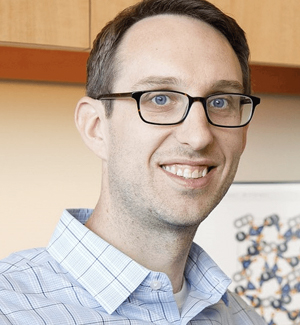
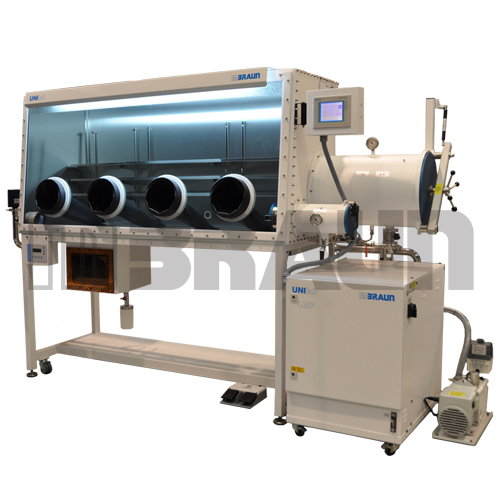
Dr. Likun Zhu is a Professor of Mechanical Engineering at Purdue University's School of Mechanical Engineering in Indianapolis. His research focuses on advanced battery technologies, including lithium-ion and solid-state batteries, with an emphasis on in situ and operando characterization, modeling, and micro/nano fabrication. Dr. Zhu's work addresses critical challenges in battery energy density, safety, and longevity through innovative materials and manufacturing processes. Education: Ph.D. Mechanical Engineering, University of Maryland (2006); M.S./B.S., Tsinghua University (2001/1998). His lab is affiliated with the Birck Nanotechnology Center and equipped with advanced facilities such as gloveboxes, electrochemical analyzers, and microscopy systems. Recent milestones include securing an NSF grant for solid-state battery research (2023) and advising over 30 graduate students. Research Interests: Solid-state batteries, micro/nano fabrication, operando characterization, and sustainable energy materials. His group develops novel electrode materials and designs for high-performance batteries, leveraging cutting-edge in situ techniques to study dynamic processes during cycling. Grants & Awards: NSF grant (2023) for solid-state battery research. Advising: Notable students include Hua Wang (Ph.D. 2024), Xintong Li, and Tianyi Li. Collaborations include work with Professors Hazim El-Mounayri and Andres Tovar on Bayesian optimization of battery materials. Labs & Facilities: The lab, located at ET 118, houses equipment like Arbin battery cyclers, FIB-SEM systems, and Comsol Multiphysics software. Dr. Zhu teaches courses including ME 330 (Dynamic Systems), ME 509 (Fluid Mechanics), and ME 597 (Renewable Energy).
Tongcang Li is a Professor of Electrical and Computer Engineering and Physics at Purdue University, affiliated with the Elmore Family School of Electrical and Computer Engineering and the Department of Physics and Astronomy. He holds joint appointments at the Birck Nanotechnology Center and the Purdue Quantum Science and Engineering Institute. His research focuses on quantum photonics, optomechanics, and quantum sensing, with breakthroughs in levitated nanoscale systems and Casimir effects. Education: PhD, The University of Texas at Austin, 2011 BS, University of Science and Technology of China, 2004 Research Interests: Spin qubits in 2D materials (e.g., hexagonal boron nitride) Levitated optomechanics for quantum control and sensing Casimir interactions and vacuum friction Quantum transducers and optically trapped nanoparticles Notable Achievements: 2018: One of 10 APS Physics Highlights of the Year for GHz rotation of levitated nanoparticles 2022: Featured in Optics & Photonics News' 'Optics in 2022' for on-chip optical levitation with metalenses Grants & Funding: Supported by NSF, DOE, Gordon and Betty Moore Foundation, Toyota, ONR, DARPA, Sandia National Laboratories, and Los Alamos National Laboratory. Labs/Teams: Leads the Quantum Sensing and Optomechanics Laboratory at Purdue, advancing quantum sensing and quantum information processing technologies.
Dr. Zhe Cheng is an Associate Professor in the Department of Mechanical Engineering at Colorado State University, part of the Walter Scott, Jr. College of Engineering. Prior to this, he held tenured positions at Florida International University (2013–2024) and was a research investigator at DuPont (2008–2013). His research focuses on advanced ceramic materials for energy applications, including solid oxide fuel cells (SOFCs), photovoltaics, and high-temperature ceramics. He holds a Ph.D. (2008), M.S. (2004), and B.S. (2001) in Materials Science & Engineering from Georgia Tech and Tsinghua University. Education: Ph.D., Materials Science & Engineering, Georgia Institute of Technology (2008) M.S., Materials Science & Engineering, Georgia Institute of Technology (2004) B.S., Materials Science & Engineering, Tsinghua University (2001) Research Interests: Dr. Cheng specializes in novel synthesis and processing of high-temperature ceramics, including high-entropy nitrides, and their applications in energy conversion systems. His work emphasizes in situ characterization techniques to understand material behavior under operational conditions. Key areas include SOFC cathodes, proton-conducting electrolytes, and wearable sensor technologies. Publications & Awards: With over 5,284 citations and an h-index of 27, his work spans 44 peer-reviewed articles. Notable awards include the NSF CAREER Award (2019) and the American Ceramic Society Ross Coffin Purdy Award (2010). His research has been funded by NSF, DOE, and NASA. Advising & Grants: Dr. Cheng has advised numerous graduate students and secured $2.3 million in research funding. Key grants include DOE projects on additive manufacturing for plasma-facing materials and NSF support for SOFC hydrogen electrode fundamentals. Labs & Teams: He leads research in advanced ceramics and electrochemical systems at CSU, fostering interdisciplinary collaborations in materials science and energy engineering.
Amy C. Foster is an Associate Professor in the Department of Electrical and Computer Engineering at Johns Hopkins University, affiliated with the Whiting School of Engineering. She leads the Integrated Photonics Laboratory, focusing on nanoscale design of silicon-based photonic devices for optical communication systems and security applications. Her work emphasizes CMOS-compatible fabrication techniques for integrated photonic devices with applications in sensing, imaging, and high-speed processing. Education: BS (Electrical Engineering, University at Buffalo, 2003); MS & PhD (Electrical and Computer Engineering, Cornell University, 2007 & 2009) Postdoctoral Research: Cornell University (2009–2010) Professional Roles: Associate Editor of Optics Express (OSA), Chair of OSA Frontiers in Optics Committee, IEEE Photonics Conference Committee Member Her research interests center on silicon photonics, nonlinear optics, and photonic physical unclonable functions (PUFs). Key areas include developing secure authentication systems using chaotic microcavities, optimizing high-index materials like NbTiOx for visible light photonics, and advancing integrated photonic interconnects for multi-layer systems. Recent work explores machine learning-resistant PUFs and parametric nonlinear effects in sputtered metal oxides. Foster's publications highlight advancements in optical frequency combs, autofluorescence analysis of waveguides, and GHz-rate optical parametric amplifiers. Her lab’s innovations address challenges in quantum photonics, secure communications, and ultra-low-power signal processing. Awards: 2016 Johns Hopkins Catalyst Award, 2012 DARPA Young Faculty Award Grants: IARPA, NSF, APL, DARPA Her lab develops cutting-edge photonic devices for applications in space communications, neural stimulation, and security. Current projects aim to enhance multi-layer photonic integration and leverage nonlinear effects for novel signal processing architectures.
A.T. Charlie Johnson serves as the Rebecca W. Bushnell Professor of Physics and Astronomy at the University of Pennsylvania's School of Arts & Sciences, where he has been a standing faculty member since 1994. His research program focuses on nanoscale systems and has established him as a leading figure in condensed matter physics, earning recognition from major scientific societies. His educational foundation includes: Ph.D. in Physics from Harvard University (1990) B.S. in Physics from Stanford University (1984) Professor Johnson's research centers on the development and application of atomic-layer nanomaterials, particularly graphene and transition metal dichalcogenides , for fundamental studies of transport phenomena and practical biosensor applications. His group employs advanced nanofabrication techniques at Penn's Singh Center for Nanotechnology to create devices that leverage biological molecules for chemical recognition in disease diagnosis, security screening, and environmental monitoring. This work bridges condensed matter physics with biomedical engineering , yielding innovative solutions for real-world detection challenges. Analysis of his 2023-2025 publications reveals three dominant research thrusts: (1) scalable graphene-based biosensor development for medical diagnostics, (2) exploration of quantum phenomena like Klein tunneling in novel nanoelectromechanical systems, and (3) interdisciplinary applications spanning oncology, planetary science, and fetal medicine. His work consistently emphasizes materials synthesis , device integration , and practical translation of nanoscale phenomena. His scientific contributions have been recognized with prestigious honors: Defense Science Study Group Fellow (2018-2019) Fellow of the American Association for the Advancement of Science (2017) Fellow of the American Physical Society (2011) Lindback Foundation Award for Distinguished Teaching (2003) David and Lucille Packard Foundation Fellowship (1994-1999) As an educator, Professor Johnson has mentored numerous graduate students and postdoctoral researchers, with notable alumni like Michael Biercuk (founder of Q-CTRL). His research has been supported through significant leadership roles including Director of the Nano/Bio Interface Center (2014-2017) and Packard Fellowship funding, enabling sustained innovation in nanotechnology. His group actively collaborates across disciplines to advance both fundamental understanding and practical applications of nanomaterials. Based at the Singh Center for Nanotechnology, Johnson leads a dynamic research team utilizing state-of-the-art facilities for nanofabrication and characterization. His laboratory maintains strong campus collaborations through secondary appointments in Electrical and Systems Engineering and Materials Science and Engineering, fostering an interdisciplinary environment for developing next-generation nanoscale devices.
Robert M. Weikle, II is a Professor in the Charles L. Brown Department of Electrical and Computer Engineering at the University of Virginia, with a courtesy appointment in the Department of Physics. He earned his B.S. from Rice University (1986), M.S. (1987), and Ph.D. (1992) in Electrical Engineering from Caltech, followed by postdoctoral work at Chalmers University of Technology (1992). His research focuses on millimeter-wave and terahertz electronics , applied electromagnetics, integrated antennas, low-noise sensors, and heterogeneous integration of compound semiconductors. His work bridges electronics and photonics for spectrum access, with applications in astronomy, spectroscopy, and metrology. He has published extensively on micromachined silicon substrates, superconducting materials, and emerging technologies. Scientific Awards: IEEE Microwave Prize (1993) David A. Harrison III Award (1999) University of Virginia All-University Outstanding Teaching Award (2000) Edlich-Henderson Innovator of the Year (2016) Fulbright Scholar (2001) As Chief Technology Officer and co-founder of Dominion Microprobes, Inc., he commercializes micromachined wafer probes for high-frequency metrology. His lab, located in E220 Thornton Hall and the Jesse W. Beams Physics Building, has produced 15+ recent publications on submillimeter-wave devices, THz probes, and calibration techniques.
Charles Winter is a Professor in the Department of Chemistry at Wayne State University, affiliated with the College of Liberal Arts and Sciences. His research focuses on synthetic organometallic/inorganic chemistry, materials chemistry, nanoparticles, and thin film growth via atomic layer deposition (ALD) and chemical vapor deposition (CVD). He leads the Winter Group, collaborating with institutions like Helsinki University of Technology and Duke University. Education: B.S. from Hope College (1982), Ph.D. in Chemistry from University of Minnesota (1986), followed by an NIH postdoctoral fellowship at University of Utah (1986–1988). Research interests include precursor development for ALD of metal oxides/nitrides, surface chemistry of nanoparticles (e.g., silicon nanocrystals), and energetic materials using nitrogen-rich ligands. Recent work explores metastable materials synthesis via ALD and thermal stability of strontium/barium/lanthanide complexes. Key collaborations include ALD experiments with Prof. Lauri Niinistö in Finland and engineering partnerships for silicon nanoparticle applications. Students participate in internships and cross-institutional projects. Courses taught include Advanced Inorganic Chemistry (CHM 7010), Organometallic Chemistry (CHM 6090/7090), and seminars in Inorganic Chemistry (CHM 8820).
Xiaoqing Pan is a Professor and Henry Samueli Endowed Chair in Engineering at the University of California, Irvine, with dual appointments in the Department of Materials Science and Engineering and the Department of Physics and Astronomy. He serves as Director of the Irvine Materials Research Institute (IMRI) and the Center for Complex and Active Materials (NSF MRSEC). A renowned electron microscopy expert, Pan has developed advanced transmission electron microscopy (TEM) techniques for atomic-scale material characterization. Ph.D., Universität des Saarlandes, Germany (1991) His research focuses on atomic-scale structure-property relationships in oxide heterostructures, ferroelectrics, nanocatalysts, and 2D functional materials. Pan leads development of novel 4D-STEM and momentum-resolved vibrational electron microscopy methods to study single-atom catalysts and complex oxides. With over 400 high-impact publications in Nature , Science , and Nature Materials , his work has been recognized by major fellowships and awards from the American Ceramic Society, American Physical Society, and National Science Foundation. Pan's recent work includes: Atomic-scale analysis of grain boundary phonon anisotropy Advances in FeSe/SrTiO 3 interface electron-phonon coupling Plastic waste upcycling through carbon intermediate interception Control of metal-support interactions in photocatalysts Strain engineering in high-entropy oxide films His laboratory at UCI represents the forefront of materials characterization technology development.