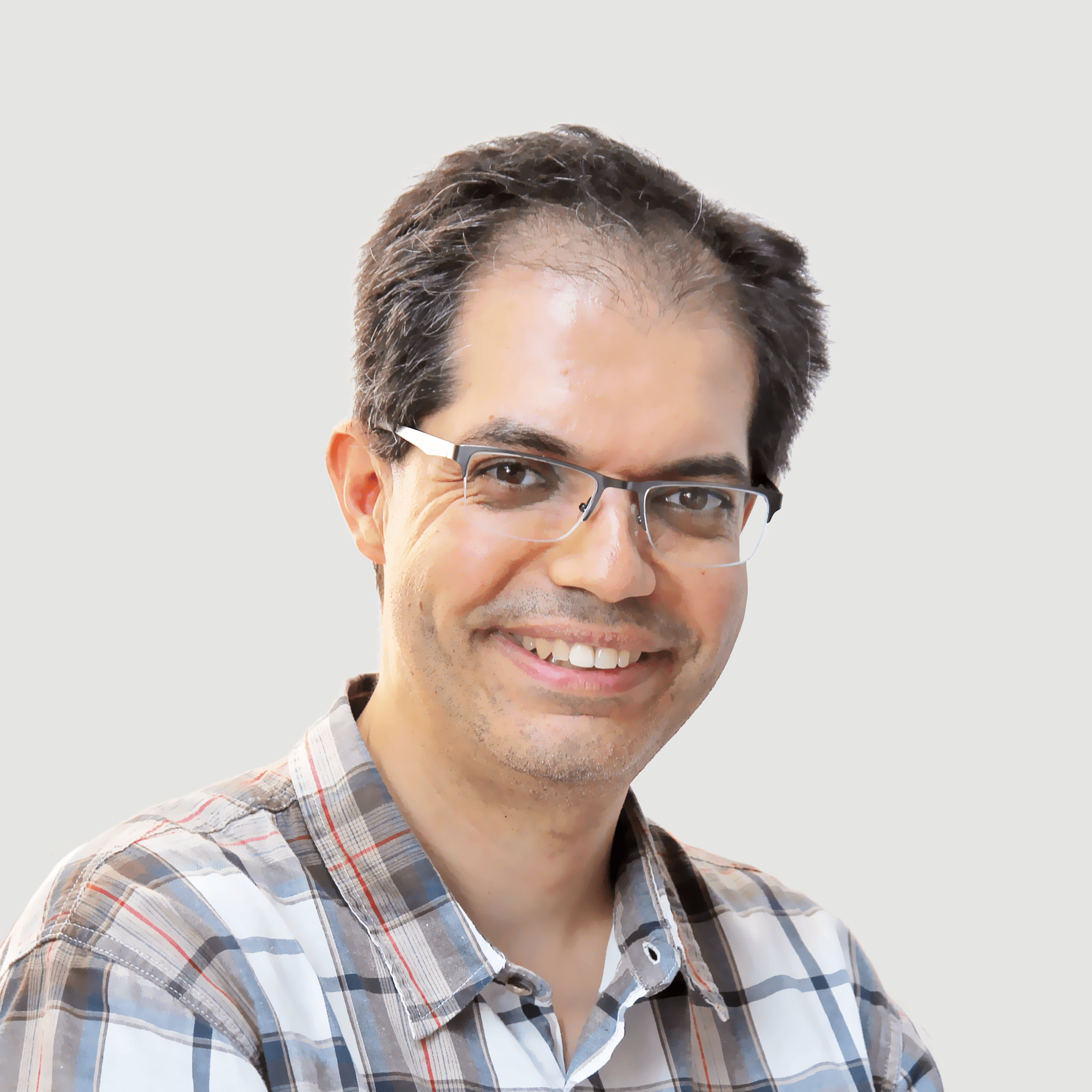
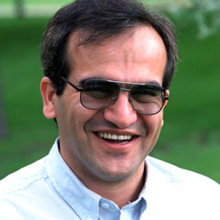
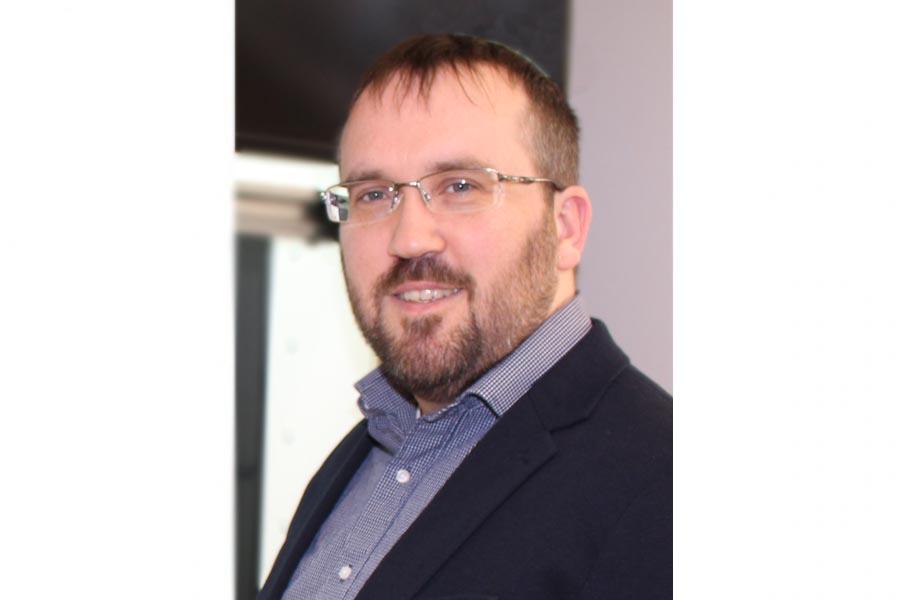
Pascal Poupart is a Professor and Canada CIFAR AI Chair at the Vector Institute, affiliated with the David R. Cheriton School of Computer Science at the University of Waterloo. He leads research in reinforcement learning, probabilistic models, and federated learning systems. Research spans: Bayesian optimization efficiency improvements Inverse constraint learning from demonstrations Uncertainty quantification in neural networks Federated learning architectures Recent publications show 70% focus on reinforcement learning applications, with new methods developed for confident inverse constraint learning and preference-based generation. Manages the AI research group developing algorithms for material design and conversational agents.
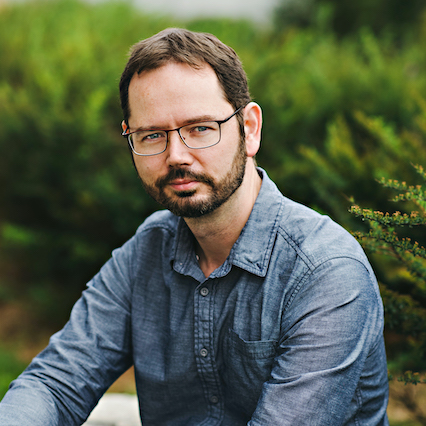
Tim G. J. Rudner is an Assistant Professor in the Department of Statistical Sciences at the University of Toronto, a Faculty Member at the Vector Institute, and a Title A Fellow at Trinity College, University of Cambridge. He was previously an Assistant Professor and Faculty Fellow at New York University. University: University of Toronto School: Faculty of Arts and Science Department: Department of Statistical Sciences Affiliation: Vector Institute, Trinity College (Cambridge) He holds a PhD in Computer Science and an MSc in Statistics from the University of Oxford, where he was advised by Yee Whye Teh and Yarin Gal, and a BS in Applied Mathematics and Economics from Yale University. PhD: Computer Science, University of Oxford MSc: Statistics, University of Oxford BS: Applied Mathematics and Economics, Yale University His research focuses on building robust, transparent, and trustworthy machine learning systems, particularly for high-stakes applications. He develops probabilistic models that improve generalization under distribution shifts, provide reliable uncertainty estimates, and enable fair and interpretable predictions. His work spans generative models, large language models, healthcare, and biomedical discovery. The recent publications highlight a strong trend toward function-space modeling, Bayesian regularization, and AI safety. Tim's work emphasizes principled uncertainty quantification, robustness to subpopulation and semantic shifts, and the development of frameworks for AI governance and specification. His research bridges theoretical advances with real-world applications, especially in safety-critical domains like medicine and defense. Tim has received numerous accolades including being named a Rhodes Scholar, Qualcomm Innovation Fellow, and 2024 Rising Star in Generative AI. He was awarded a $700,000 Foundational Research Grant and a $30,000 Apple Seed Grant for improving LLM trustworthiness. Rhodes Scholar Qualcomm Innovation Fellow AISTATS Notable Paper Award (2024) Outstanding Paper Award, ICLR GenAI4DM Workshop (2024) Apple Seed Grant ($30,000) Foundational Research Grant ($700,000) NeurIPS Spotlight Talk 2024 Rising Star in Generative AI He actively mentors students, particularly first-generation and low-income scholars, and has contributed to major policy frameworks including the OECD AI Classification Framework and a series of CSET issue briefs on AI safety. His work demonstrates a strong commitment to responsible AI development, combining technical rigor with societal impact. Tim leads research efforts at the intersection of machine learning theory and practical deployment, with ongoing projects in generative modeling, reliable LLMs, and AI governance. His lab produces high-impact work regularly published at top-tier conferences such as NeurIPS, ICML, and AISTATS.
Dr. Shyh-Dar Li is a Professor and Tong Louie Chair in Pharmaceutical Sciences at the University of British Columbia's Faculty of Pharmaceutical Sciences, where he also serves as Chair of Nanomedicine and Chemical Biology. With a BSc in pharmacy from National Taiwan University (1998) and PhD in pharmaceutical sciences from UNC Chapel Hill (2008), followed by postdoctoral training at UC San Diego's Moores Cancer Center (2009), Dr. Li has established himself as a leading researcher in advanced drug delivery systems. His research focuses on developing innovative nanomedicine platforms for targeted delivery of biological therapeutics including peptides, proteins, antibodies, and nucleic acids. Dr. Li's laboratory has pioneered several novel drug delivery approaches, particularly in lipid-based nanoparticles, phospholipid-free vesicles, and polymer systems for cancer immunotherapy, pain management, and protein delivery. His work bridges fundamental nanotechnology with translational applications for difficult-to-treat diseases. Analysis of his recent publications reveals a strong emphasis on tumor microenvironment modulation, endosomal escape mechanisms for nucleic acid delivery, and non-invasive delivery routes for protein therapeutics. His research demonstrates increasing sophistication in nanocarrier engineering, with recent work incorporating machine learning approaches to optimize nanoparticle design and expanding into immunomodulatory therapies that harness the body's immune system to fight cancer. Scientific Recognition: 2014 AFPC New Investigator Award 2013 AAPS New Investigator Award in Pharmaceutics and Pharmaceutical Technologies 2013 CIHR New Investigator Award 2013 CSPS Early Career Award 2012 Prostate Cancer Foundation Young Investigator Award Dr. Li's research program has been consistently supported by major Canadian funding agencies including CIHR, NSERC, and MITACS. He actively collaborates across disciplines and accepts graduate students into his research program, focusing on cutting-edge approaches to overcome biological barriers in drug delivery. His laboratory, the Laboratory of Targeted Drug Delivery and Nanomedicine, serves as a hub for innovation in pharmaceutical nanotechnology.
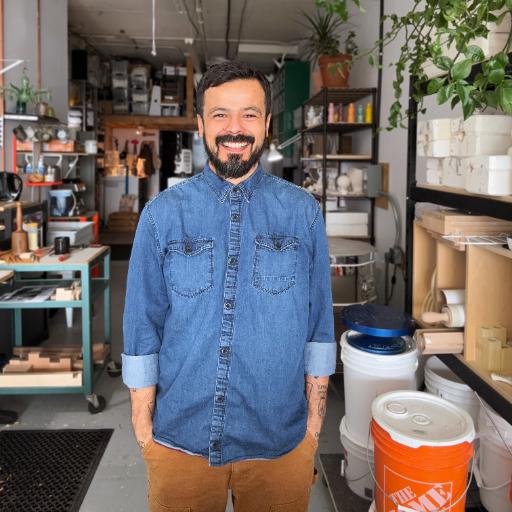
Juan Ortiz-Apuy is a Canadian-Costa Rican artist and Assistant Professor in the Department of Studio Arts at Concordia University . His practice critically examines intersections of commodity fetishism , object-oriented ontology , and post-colonialism through installations addressing sustainability and environmental exploitation . He has exhibited internationally in institutions such as Les Abattoirs Museum (France) and MASS MoCA (USA). MFA, NSCAD University (2011) PG Dip, The Glasgow School of Art (2009) BFA, Concordia University (2008) His research investigates material cultures and ecological impacts of consumerism, employing found objects, 3D animation, and industrial materials. Key projects include Tropicana (2020), which critiques tropicality commodification, and La Guaria Morada (2019), exploring Costa Rican identity through environmental systems. Best International Representation (2024) by AICA, Costa Rican Chapter Grants from Canada Council for the Arts, Conseil des arts et lettres du Québec, and SSHRC Ortiz-Apuy has participated in residencies at MASS MoCA and Guldagergaard Ceramic Research Center . His work has been reviewed in Canadian Art , MOMUS , and local Montreal publications.
Mark Crowley is an Associate Professor in the Department of Electrical and Computer Engineering at the University of Waterloo, with a cross-appointment in the Cheriton School of Computer Science. He is a member of the Waterloo Artificial Intelligence Institute (WAII) and the Waterloo Institute for Complexity and Innovation (WICI), and serves as National Secretary of the Canadian Artificial Intelligence Association (CAIAC). His educational background includes a Ph.D. and M.Sc. in Computer Science from the University of British Columbia, where he worked in the Laboratory for Computational Intelligence, and a B.A. in Computer Science from York University. He completed a postdoctoral fellowship at Oregon State University working with Tom Dietterich's machine learning group. Crowley's research focuses on developing dependable and transparent algorithms to augment human decision-making in complex domains with multiple agents, spatial structure, or uncertainty. His work spans Reinforcement Learning , Deep Learning , Ensemble Methods , and Manifold Learning . He frequently collaborates with researchers in applied fields including Computational Sustainability, Sustainable Forest Management, Autonomous Driving, Medical Imaging, and Material Design. His research is motivated by both theoretical opportunities and real-world challenges such as forest fire management, automotive applications, and medical imaging. His recent publications demonstrate a strong focus on addressing challenges in reinforcement learning, particularly around observation costs, multi-agent systems, and causal representation learning. His work on ChemGymRL provides a significant contribution to digital chemistry and material design through reinforcement learning frameworks. The textbook Elements of Dimensionality Reduction and Manifold Learning represents a major contribution to the theoretical foundations of machine learning. Crowley actively supervises graduate students, with recent thesis completions including Shayan Shirahmadi Gale Bagi (PhD, Feb 2025) and Oleksandra Nahorna (MASc, Dec 2024). His lab, UWECEML (Waterloo ECE Machine Learning Lab), focuses on developing new algorithms at the intersection of Machine Learning, Optimization, and Probabilistic Modeling. He teaches courses including ECE 457C (Reinforcement Learning), ECE 657A (Data & Knowledge Modelling & Analysis), and ECE 457B (Fundamentals of Computational Intelligence). His blog Computationally Thinking explores AI, machine learning, and the societal impact of these technologies.
Min Hu is an Assistant Professor in the Department of Economics, Philosophy, and Political Science at the University of British Columbia, Okanagan Campus. He holds an adjunct position at Dalhousie University's School of Health Administration. His primary research focuses on Health Economics, Applied Microeconomics, and Labour Economics, with an emphasis on vulnerable populations in Canada, Indigenous health, income inequalities, and cancer economics. He teaches courses in Microeconomics, Health Economics, and Statistics. Education: PhD in Economics (2019), Dalhousie University; Postdoctoral Fellowship in Health Economics (2019–2020), Dalhousie University. Previous degrees include an M.A. (2014–2016) and B.A. in Economics from Dalhousie University. Research interests include the socio-economic determinants of health disparities, particularly among Indigenous peoples and immigrants, and the economic impacts of cancer-related policies. He employs applied econometric methods to analyze labor market outcomes and social policy effectiveness. His recent articles explore sustainable biomass utilization, energy policies, and environmental engineering innovations. Key themes include biomass supply chain optimization, CO₂ reduction strategies, and waste-to-energy technologies. Scientific Awards: Recipient of SSHRC New Frontiers Grant (2023–2026), CIHR Team Grant (2024–2026), and multiple UBC startup grants. His work is supported by SSHRC, CRDCN, and Indigenous Services Canada. He advises students in Economics and Global Studies (IGS) programs. Grants and funding span health economics, Indigenous well-being, and sustainable energy systems. Collaborations include interdisciplinary teams in health administration and environmental policy. Labs/Teams: Engaged with UBC's Okanagan Sustainability Initiatives and Dalhousie's Health Economics Research Group. Affiliated with professional organizations like the American Economic Association and Canadian Health Economics Study Group.
Tina Dacin is a Professor of Strategy and Organizational Behavior at the Smith School of Business, Queen's University, Canada. She holds the Stephen J.R. Smith Chair and serves as Director of the Community Impact Research Program. Her roles include former Director of the Smith School’s Centre for Social Impact, former University Senate member, and former Chair of the Principal’s Innovation Fund Committee. She co-founded the Community of Social Innovation Chair and holds affiliations with the Academy of Management and Informs. Education: Ph.D. (1993) in Business Administration from the University of Toronto and M.A. in Psychology from the University of New Brunswick. Research focuses on cultural heritage, social innovation/entrepreneurship, strategic alliances, and globalization. Key themes include custodianship, tradition preservation, place-making, and institutional dynamics. Recent work explores craft-based ventures, place-sensitive organizational practices, and institutional renewal in crises like the Detroit water wars. Awards: None explicitly listed, though her chair position reflects academic distinction. Teaching includes courses on global social impact and analytics/ethics policy. Labs/Teams: Leadership in the Community Impact Research Program and the Scotiabank Centre for Customer Analytics.
Bliss Cua Lim is a Professor at the Cinema Studies Institute, University of Toronto, specializing in Philippine cinema, film archiving, and queer theory. She is the author of The Archival Afterlives of Philippine Cinema (2024) and Translating Time: Cinema, the Fantastic, and Temporal Critique (2009), which was a John Hope Franklin Book Prize recipient. Education: PhD in Cinema Studies, New York University; BA in English, University of the Philippines, Diliman Her research explores intersections of cinema, folklore, and political histories, with a focus on archival fragility, transnational horror genres, and camp aesthetics in Southeast Asian media. Recent work analyzes the crisis of state-run film archives and the role of folklore in queer transmedia storytelling. Key trends in her publications include: Queering the Filipinx Zombie Movie (2025) and Cosmopolitan Animisms (2022), which examine genre hybridity and postcolonial spectralities. Her 2013 writings on Philippine archival advocacy and 2015 essays on queer aswang narratives highlight institutional and cultural challenges in media preservation. Scientific Awards: Selected John Hope Franklin Book Prize (2009) Lim serves on the Editorial Collective of Camera Obscura and the Advisory Board of Plaridel: A Philippine Journal of Communication . Her teaching includes courses on Queer Asian Cinemas, Sound and Animation, and Film Cultures II.
Abbas Milani is a tenured Professor of Mechanical Engineering at the University of British Columbia's Okanagan campus, where he holds the Tier 1 Principal's Research Chair in Sustainable & Smart Manufacturing and serves as Director of the Materials and Manufacturing Research Institute (MMRI). He also serves as Technical Director of the Composites Research Network (CRN), Lead of the Canadian-International Biocomposites Research Network, and leads multiple major initiatives including the UBC-Pacific Economic Development Canada-Advancing Circular Economy (ACE) program and the UBC-NRC IRAP National Circular Economy CtO Program. Dr. Milani's primary research focuses on advanced modeling, simulation, and multi-criteria design optimization of composite and biocomposite materials, structures, and manufacturing processes. His expertise spans Textile Composites/Biocomposites, Materials Constitutive Relations, Finite Element Modeling, Robust Inverse Methods, Material Selection for End-of-Life Design Strategies, Multiple Criteria Decision Making, and Industry 5.0 applications. His interdisciplinary research bridges mechanical engineering, sustainable materials science, and smart manufacturing technologies. Analysis of his recent publication record reveals a strong emphasis on sustainable materials development, with particular focus on biocomposites, life cycle assessment methodologies, and optimization of manufacturing processes. His work integrates computational modeling with experimental validation across diverse application areas including medical devices, sustainable packaging, and circular economy strategies. The publications demonstrate increasing integration of artificial intelligence and machine learning approaches with traditional engineering methods. 2015 UBC Okanagan Researcher of the Year Award Killam Faculty Research Award (2016) Inducted into Royal Society of Canada - College of New Scholars (2020) Gold Medal Service Contribution Award by Academics World Reviewer Contribution Award by ASM International Multiple teaching excellence awards from UBC Dr. Milani has successfully mentored over 100 students and postdoctoral fellows who have secured positions in both industry and academia. His research program has been supported by more than $15 million in funding from government and industrial organizations. He leads the NSERC CREATE in Immersive Technologies (CITech) program and co-leads the Advanced Materials and Fabrication Core Competency within the Survive and Thrive Applied Research (STAR) program, demonstrating his commitment to training the next generation of engineers and advancing applied research.
Martin Willis Monroe is an Assistant Professor in the Department of Classics and Ancient History at the University of New Brunswick. His research focuses on the ancient Middle East, particularly cuneiform cultures, with an emphasis on the history of scholarly knowledge in Babylonian and Assyrian societies. He specializes in Mesopotamian astronomy and astrology, as well as quantitative approaches to historical data. Dr. Monroe holds a PhD in Assyriology from Brown University (2016), an MPhil and BA in Ancient Near Eastern Studies from the School of Oriental and African Studies (2008, 2007). Previously, he served as a postdoctoral fellow and research associate at the University of British Columbia (2016–2023). His current projects include the publication of his Hellenistic astrology research under contract with Brill, titled Celestial Schemata: A Series of Astrological Tables from Seleucid Babylonia , and his role as associate director of the Database of Religious History , a global initiative to quantitatively analyze religious and cultural data. He has contributed to excavations at the Neo-Assyrian site of Tušhan in southeastern Turkey and advocates for responsible qualitative-to-quantitative data conversion in historical scholarship. Dr. Monroe’s research bridges traditional philological approaches with digital humanities, focusing on topics such as cuneiform astral diagrams, the intersection of ‘scientific’ and ‘religious’ texts in antiquity, and the application of computational methods to undeciphered scripts. He teaches courses on ancient civilizations, Near Eastern history, and archaeology.
Masoud Asgharian is a Professor in the Department of Mathematics and Statistics at McGill University. His research focuses on survival analysis, changepoint problems, nonparametric Bayesian methods, and data envelopment analysis. He has contributed to influential studies on dementia survival rates, censored data methodologies, and statistical efficiency measures. His work bridges biostatistics and operations research, with applications in public health and medical sciences. Key contributions include methodologies for prevalent cohort survival analysis, input relaxation efficiency measures in stochastic DEA, and causal inference techniques. Asgharian has collaborated extensively with researchers in epidemiology and biomedical engineering, as evidenced by his co-authored publications on topics ranging from tooth enamel properties to low-precision neural network quantization. His research has been published in high-impact journals such as New England Journal of Medicine , Journal of the American Statistical Association , and Biometrics . Current affiliations include leadership roles in statistical research at McGill, with ongoing projects in computational statistics and healthcare analytics.
Richard Simon is an Associate Professor in the Department of Civil, Geological and Mining Engineering at Polytechnique Montréal. He holds leadership roles as Publications Director of his department and Administrative Director of the Institute for Research in Mining and Environment (IRME) UQAT-Polytechnique. His educational background includes a B.Eng. and M.Sc.A. from Polytechnique Montréal and a Ph.D. from McGill University. Dr. Simon teaches courses including Introduction to Mine Operations, Underground Mining, and Rock Mechanics I. His research focuses on rock mechanics, numerical modeling, mining engineering, and geotechnical applications in mining environments. His extensive publication record demonstrates consistent focus on numerical modeling of rock behavior, mine stability analysis, and backfill mechanics. Recent work emphasizes computational geomechanics applications in mining operations, including stress analysis in backfilled stopes, slope stability in open pits, and optimization of mining layouts. Environmental aspects of mining, particularly contaminant transport in fractured rock, also feature prominently. Dr. Simon has supervised 6 doctoral and 8 master's students working on topics ranging from numerical seismic assessment in mines to rock fracture mechanics. He secured significant research funding including $900,000 (2017) for a metals circular economy project and led three new IRME research initiatives (2015). He directs research activities at IRME UQAT-Polytechnique and collaborates extensively within the mining geomechanics research community. His expertise is regularly featured in media outlets including La Presse+ and Les Affaires.
Geoff Pleiss is an Assistant Professor in the Department of Statistics at the University of British Columbia (UBC), affiliated with CAIDA's AIM-SI cluster. He is also a Canada CIFAR AI Chair and faculty member at the Vector Institute. His research bridges deep learning and probabilistic modeling, focusing on uncertainty quantification, Bayesian optimization, Gaussian processes, and ensemble methods. Pleiss earned his PhD in Computer Science from Cornell University (2020), followed by a postdoc at Columbia University. He holds multiple awards, including the AISTATS Top Reviewer and NeurIPS recognitions. His work emphasizes scalable algorithms and open-source contributions, such as the GPyTorch library. Pleiss advises students in Computer Science and Statistics, including Donney Fan (PhD), Tim G. Zhou (MSc), and others. He teaches advanced courses like STAT 547U (Deep Learning Theory) and STAT 520P (Bayesian Optimization). Grants include NSERC Discovery and New Frontiers in Research funding. Pleiss collaborates on interdisciplinary projects, such as astrophysical discovery via machine learning, and actively participates in academic service and outreach. Education: PhD in Computer Science, Cornell University (2020) MSc in Computer Science, Cornell University (2018) BSc in Engineering (Computing with Applied Mathematics), Olin College (2013) Key Research Themes: Uncertainty-aware decision-making with neural networks Scalable Gaussian processes and Bayesian optimization Ensemble methods and their theoretical limitations Recent Grants: NSERC Discovery Grant (2024) New Frontiers in Research Fund (2025, co-PI) His publications span foundational theory to applied machine learning, with over 14,500 citations. He actively mentors students through research internships and advises on open-source software development. Pleiss frequently presents at top conferences and collaborates with industry partners like Microsoft and ASAPP.
David Chester Upham is an Assistant Professor in the Department of Chemical & Biological Engineering within the Faculty of Applied Science at the University of British Columbia (UBC). He leads the Upham Lab, which focuses on developing catalysts and processes for sustainable energy production, greenhouse gas mitigation, and CO 2 -free chemical conversion. Dr. Upham received his education from prestigious institutions: Postdoctoral Scholar, Stanford University (2019) Ph.D., University of California Santa Barbara (2017) B.Eng., McGill University (2010) Dr. Upham's research focuses on heterogeneous catalysis for sustainable energy applications. His work centers on developing catalysts and processes that enable CO 2 -free production of chemicals, power, and materials. He specializes in liquid heterogeneous catalysts , particularly molten metal alloys, for methane conversion, CO 2 utilization, and hydrogen production. His lab employs advanced techniques including operando IR spectroscopy, pulsed and transient analysis of reaction mechanisms, isotopic labeling studies, and in-situ X-ray absorption spectroscopy. A key aspect of his research is understanding how liquid heterogeneous catalysts behave under reaction conditions, with applications in methane pyrolysis, dry reforming, and carbon fiber synthesis. Analysis of Dr. Upham's recent publications reveals a strong focus on CO 2 mitigation and clean energy production . His work spans multiple domains including methane conversion technologies, CO 2 -to-fuels processes, and carbon-negative fuel production. A significant portion of his research investigates molten metal catalysts for methane pyrolysis and dry reforming, with applications in hydrogen production and carbon capture. His publications demonstrate an interdisciplinary approach combining chemical engineering, materials science, and environmental engineering to address climate change challenges through innovative catalytic processes. Dr. Upham actively mentors a diverse group of graduate students and researchers. His lab currently includes multiple PhD and MASc students working on various aspects of catalysis and clean energy: PhD Students: Mark Tabbara, Genpei Cai, Natascha Miederhoff MASc Students: Michael Byun, Sawyer d'Entremont, Rami Jubeili, Wyatt Schnare Postdoctoral researcher: Sonit Balyan Multiple undergraduate and visiting students from institutions worldwide The Upham Lab operates within UBC's Catalysis Labs, utilizing advanced experimental techniques to study reaction mechanisms and develop new catalysts. The lab's research has significant implications for decarbonizing the energy and chemical sectors, with potential applications in hydrogen production, carbon fiber manufacturing, and CO 2 -to-fuels technologies.
Geoffrey Tranmer is a Tenured Associate Professor in the College of Pharmacy at the University of Manitoba. His research integrates medicinal chemistry, drug discovery, and synthetic organic methodologies, with a focus on flow chemistry and targeted cancer therapies. NSERC Post-Doctoral Fellow, University of Cambridge Post-Doctoral Fellow, Princeton University PhD in Organic Chemistry, University of Guelph BSc (Hons) in Chemistry, Brock University His research explores: Development of flow chemistry techniques to enhance synthetic organic methods Lead generation and optimization in drug discovery Bioconjugation strategies for chemical biology applications Targeted cancer therapies leveraging hypoxia-activated prodrugs Recent publications highlight his work in neurodegenerative disease drug design, biomarker discovery, and sustainable synthesis technologies. Scientific Awards CIHR Project Grant (2024-2029) NSERC Discovery Grant (2023-2028) CIHR Bridge Grant (2022) NSERC Alliance Grant (2020) NSERC Engage Grant (2017) Research Manitoba New Investigator Operating Grant (2017) Dr. Tranmer's industrial experience at Merck Frosst and academic leadership at Manitoba position him uniquely to bridge chemistry-biology-industry collaborations. His lab actively trains graduate students in cutting-edge synthesis platforms.