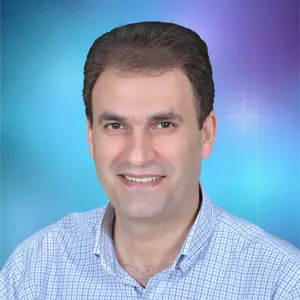
Antonio RIBBA is a Full Professor of Economic Policy at the Department of Economics 'Marco Biagi', University of Modena and Reggio Emilia. His research focuses on macroeconomic policy analysis, structural VAR modeling, and the effects of monetary/fiscal policies on inflation, unemployment, and business cycles. He teaches courses on public policy analysis, financial scenarios, and macroeconomic policies. Research interests include monetary policy transmission mechanisms, fiscal multipliers in Eurozone economies, oil price shocks, and the long-run relationship between inflation and unemployment. His work employs advanced econometric techniques like structural VARs to disentangle the impacts of supply and demand shocks. Recent publications analyze fiscal dominance in the US, oil price effects on Eurozone small economies, and unemployment responses to policy shocks in peripheral Euro-area countries. He collaborates with scholars like Cavallo and Dallari on topics such as Eurozone inflation dynamics and policy spillovers.
Maria Paula Meneses is a Mozambican academic and coordinating researcher at the Centre for Social Studies (CES) at the University of Coimbra, where she serves as Principal Investigator and Senior Researcher. Her academic journey began with secondary education in Maputo, followed by a Master's in History from the University of Saint Petersburg (Russia), and culminated with a PhD in Anthropology from Rutgers University (USA) in 1999. She currently leads the research line 'Europe and the Global South: Heritage and Dialogues' at CES and is a core member of the working group on Epistemologies of the South. Her research interests span postcolonial studies, legal pluralism, epistemologies of the South, colonial and post-colonial history, anthropology, and African studies. Meneses has conducted extensive research on the relationships between knowledge, power, and societies, with particular focus on those who have suffered the violence of the colonial encounter. She has led numerous research projects including 'Revolutionary Pedagogies? History of education projects in Angola and Mozambique (1960-1980)' and 'RegRural - Regulate the Colonial Rural: War Village in Late Portuguese Colonialism.' Her recent publications demonstrate a consistent focus on decolonial approaches, memory studies, and knowledge production from the Global South perspective. Analyzing her 15 most recent articles reveals a thematic concentration on epistemic justice, legal pluralism in postcolonial contexts, women's roles in liberation struggles, and the intersection of traditional and scientific knowledge systems. Her work consistently challenges Eurocentric frameworks and advocates for the recognition of diverse knowledge systems. Co-coordinator of the international course 'Epistemologies of the South' (CLACSO-CES) Member of the Southern Epistemologies Network Active participant in CODESRIA (Council for the Development of Social Science Research in Africa) Principal Investigator for multiple FCT-funded research projects Meneses has supervised numerous doctoral and master's students, served on dissertation juries, and taught in various doctoral programs including the Postcolonialisms and Global Citizenship program. Her teaching extends internationally, including guest lectures at Eduardo Mondlane University in Mozambique. She has also contributed to significant research initiatives such as the 'Diagnostic Study on the Justice System of Timor-Leste' and the 'ALCORA' project on new perspectives on the Colonial War. Her institutional affiliations include the American Anthropological Association, International Association of Social Sciences and Humanities in Portuguese Language, and Collective for the Renewal of Africa (CORA). Meneses maintains an active research presence across multiple continents, reflecting her commitment to transnational scholarly dialogue and the promotion of Global South perspectives in academia.
Dr. Kimberly Maute is an Honorary Fellow at the School of Earth, Atmospheric and Life Sciences (SEALS) at the University of Wollongong, Australia, a position she has held since 2023. She also maintains a professional affiliation with the New South Wales Government Environment Department, as indicated by her work email address. Her research spans multiple ecological disciplines with a particular focus on wildlife conservation and the impacts of human activities on native fauna. Dr. Maute's research interests encompass a diverse range of topics critical to contemporary conservation biology. She specializes in bird conservation and ecophysiology , with particular attention to the impacts of pesticides on native fauna . Her work includes significant research on how locust control practices affect Australian wildlife, investigations into disease ecology in urban environments, and studies of animal responses to environmental stressors including drought. Her research often bridges fundamental ecological research with practical conservation management applications. Analysis of Dr. Maute's publication record reveals a consistent focus on the intersection of human activities and wildlife conservation. Her work spans avian ecology, ecotoxicology, disease ecology, and conservation physiology, with particular emphasis on Australian native species. She frequently employs field-based approaches to study how wildlife responds to anthropogenic stressors including pesticides, urbanization, and climate-related challenges such as drought. Her research has direct policy implications, particularly regarding pesticide use and wildlife management practices. Dr. Maute has received funding for several significant research projects: AI/IoT-powered Dashboard for Environmental Management at Tram Chim National Park (2021) Assessing the impact of reducing food waste on antimicrobial resistance in scavenging wildlife (2021) Impact of Bacterial Pathogens on Breeding Success of Silver Gulls on Five Islands, NSW (2017) Conservation management of granivorous birds in the tropical savannas (2009) Dr. Maute is actively involved in research supervision, currently mentoring PhD students and having previously supervised both PhD and Master's research projects. Her supervision topics align with her research interests, focusing on bird conservation, disease ecology, pesticide impacts on reptiles and invertebrates, and conservation of threatened species. She has supervised research on topics including the impact of sublethal pesticide exposure on bearded dragons, scavenging behavior in silver gulls, and disease transmission in wombat populations.
Brendan Dooley is a Professor of Renaissance Studies at University College Cork (UCC), Ireland. He holds additional roles, including Adjunct Professor of History at Jacobs University Bremen and served as Distinguished Visiting Professor of Italian at the University of Virginia. His academic journey includes positions at Harvard University, Notre Dame, and the Medici Archive Project in Florence. He earned his PhD in History from the University of Chicago in 1986. Education: PhD in History, University of Chicago, 1986 Research Interests: Dooley specializes in Renaissance Studies, with a focus on cultural history, knowledge transmission, digital humanities, and media history. His work explores topics such as book history, the history of education, and the intersections of science, religion, and politics in early modern Europe. Awards and Grants: 2019 Irish Research Council Advanced Laureate Award (EUR 1 million) 2010 PRTLI Grant (EUR 1.6 million) 2009 Distinguished Visiting Professorship, University of Virginia 1994 Rome Prize, American Academy in Rome Extensive fellowships from institutions including the Institute for Advanced Study (Princeton) and the Fulbright Commission Grants and Projects: He leads the EURONEWS project on early modern newsletters and co-founded UCC’s Digital Arts and Humanities program. His research spans the history of communication, cultural transitions, and interdisciplinary digital humanities. Labs/Teams: Active in the Digital Arts and Humanities program at UCC, fostering transdisciplinary collaboration and innovation in humanities research.
Marcelle Freiman is an Associate Professor in the School of Humanities at Macquarie University, Australia. Her research focuses on Creative Writing pedagogy, theory, and practice, with specialties in ekphrasis, cognition in creative processes, and postcolonial creativity. She has published extensively in journals like TEXT , AXON , and New Writing , and authored three poetry collections: Spirit Level (2021), White Lines (Vertical) (2010), and Monkey's Wedding (1995). Her work has been recognized with awards including the ASAL Mary Gilmore Award (Highly Commended) and a shortlisting for the Newcastle Poetry Prize (2021). Freiman has supervised 14 PhD and 6 MRes theses, with two recent doctoral works receiving Vice-Chancellor's Commendations. She has led research projects like Transformations of Writing: A Cognitive Approach to Creative Writing Process, Practice, and Technologies (2015) and Creative Writing, Literature, Cognition: Analysing Jean Rhys’ Writing Practices (2019). Her interdisciplinary work bridges creative practice with cognitive theory, examining how extended mind frameworks apply to writing processes. Key research areas include the intersection of poetry and visual art (ekphrasis), postcolonial creativity, and the evolution of the sonnet form. She actively publishes in literary journals globally and has contributed book chapters to volumes such as the Cambridge Guide to the Sonnet . Current projects explore distributed cognition in creative processes and the role of material objects (e.g., Patrick White’s briefcase) in shaping literary practices.
Deborah Loewenberg Ball is the Jessie Jean Storey-Fry Distinguished University Professor of Education at the Marsal Family School of Education, an Arthur F. Thurnau Professor, and a Research Professor at the Survey Research Center within the Institute for Social Research at the University of Michigan. She also directs TeachingWorks , a program focused on defining and supporting effective teaching practices for educators. Ball began her career as an elementary school teacher, teaching for over 15 years, and continues to engage in summer teaching at the Elementary Mathematics Laboratory (EML), a space for observing and analyzing teaching dynamics. Her educational background includes a doctoral degree in mathematics education from Michigan State University (1988), where her work emphasized the interplay between teacher knowledge and classroom practice. She has held significant leadership roles, including serving as dean of the University of Michigan School of Education (2005–2016), president of the American Educational Research Association (2017–2018), and currently as a member of the National Science Board and the Mathematical Sciences Research Institute Board of Trustees. Ball’s research interests center on the practice of teaching , particularly in elementary mathematics, and its role in fostering student agency, equity, and collective learning. She explores how teachers’ decisions in 'discretionary spaces'—moments where they choose instructional approaches—impact educational justice and student outcomes. Key themes include leveraging curricula to support marginalized students, measuring teacher knowledge (e.g., Mathematical Knowledge for Teaching), and redesigning teacher education to prioritize practice-based learning. Her recent articles and projects highlight the importance of formative assessments for teacher candidates, equitable discussion practices, and the influence of discretionary spaces in instruction. Ball has also contributed to state-level initiatives, such as the New York State Education Department’s numeracy briefs, which synthesize research for educators. Her scientific awards include prestigious recognitions like her election to the American Academy of Arts and Sciences (2014) and National Academy of Education (2007), along with fellowships from the American Mathematical Society and the American Educational Research Association. Ball’s advising and grant work emphasize practical, scalable solutions for teacher education. Major grants include projects to support multilingual early mathematics learners, pandemic-era teacher professional development, and strategies for implementing practice-based education. She emphasizes collaboration across disciplines and institutions to address systemic inequities in education. The Elementary Mathematics Laboratory (EML) serves as a central hub for her work, blending research and practice to model effective teaching and engage stakeholders in dialogue about educational justice.
Professor Inbal Arnon leads the Language Learning and Processing Lab at the Hebrew University of Jerusalem , focusing on how language knowledge emerges through cognitive mechanisms in first and second language acquisition. Her research bridges Cognitive Science , Linguistics , and Psychology , with a special emphasis on statistical learning, Zipfian distributions, and multiword units. Current projects include funded studies on learnability advantages of Zipfian distributions in language Investigations into cross-species communication through whale song analysis Developmental trajectories of statistical learning in children Her methodological approach combines computational modeling, experimental studies, and corpus analysis. Arnon’s work has been highlighted in Science , The New York Times , and Haaretz , with a particular focus on how cognitive biases shape language structure over time. The lab maintains a diversity commitment to recruit underrepresented groups in sciences and hosts a public-facing research space at the Bloomfield Science Museum . Arnon’s team actively explores cultural transmission mechanisms and language evolution through interdisciplinary collaborations.
Professor Danture Wickramasinghe is a distinguished academic and Chair in Accounting at the Adam Smith Business School, University of Glasgow. His career spans over 42 years, with prior roles including Chair in Management Accounting at Hull University Business School and Dean of the Faculty of Management & Finance at the University of Colombo. He holds honorary professorships in Sri Lanka, Malaysia, and Indonesia. His research focuses on accounting, governance, and accountability in the Global South, particularly examining management accounting controls, development programs, and sustainability. Notable contributions include over 50 publications in top journals like Accounting, Organizations and Society and Critical Perspectives on Accounting , and co-authoring landmark books such as Management Accounting Change: Approaches and Perspectives . Professor Wickramasinghe currently supervises PhD students at Glasgow on topics like governance and sustainability. He collaborates internationally with institutions like Paris Dauphine University and leads projects on SDG implementation and public sector accountability with organizations like the World Bank. His editorial roles include Accounting, Auditing and Accountability Journal and Critical Perspectives on Accounting .
Rajendra Bahadur Shahi PhD is a researcher at the Faculty of Medicine and Pharmacy, Vrije Universiteit Brussel (VUB), located at Pleinlaan 2, 1050 Brussel, Belgium. With an active research career spanning from 2012 to the present, he has established himself as a significant contributor to cancer genetics research with 11 research outputs documented in institutional records and an h-index reflecting substantial scholarly impact. Dr. Shahi's research primarily focuses on cancer genetics, particularly in the areas of breast and lung cancer predisposition. His work centers on identifying genetic variants that predispose individuals to cancer, with special attention to BRCA1/2-negative familial cases. Using advanced genomic techniques like whole-exome sequencing and next-generation sequencing (NGS), he investigates cancer-associated genes and their mutations to better understand hereditary cancer syndromes and develop improved diagnostic approaches. Analysis of Dr. Shahi's publication record reveals a clear progression from methodological development in NGS approaches toward increasingly sophisticated applications in clinical oncology. His research has evolved from foundational work on sequencing technologies to direct clinical applications in cancer predisposition and targeted therapies, particularly in breast and lung cancer. The integration of genomic data with clinical phenotypes represents a consistent theme throughout his scholarly output. European Association for Cancer Research (EACR) travel fellowship (2012) Organization of the European Cancer Institute (OECI) award (2013) Organization of the European Cancer Institute's (OECI) Award (2011) PhD Scholarship (2011) Prijs Kankeronderzoek (2016) Dr. Shahi has been actively involved in presenting his research at numerous international conferences and workshops, demonstrating his commitment to advancing knowledge in cancer genomics. His scholarly work has garnered attention across multiple platforms, with significant readership on Mendeley and coverage in news outlets, indicating the relevance and impact of his research. He has also contributed to datasets that support reproducible research in cancer genetics. Through his presentations and publications, Dr. Shahi has established himself as a contributor to the cancer research community, particularly in the application of genomic technologies to understand hereditary cancer predisposition. His work bridges basic genomic research with clinical applications, focusing on translating genetic findings into improved cancer risk assessment and potential therapeutic strategies.
Martin Andersen is an Associate Professor with the Water Research Laboratory and School of Civil and Environmental Engineering at the University of New South Wales (UNSW). His research focuses on hydrogeology, groundwater dynamics, and surface water-groundwater interactions, with particular emphasis on coastal zone processes and reactive flow and transport modeling. Dr. Andersen's research interests span several critical areas in hydrogeology and environmental science. His work on reactive flow and transport modeling examines how chemical reactions affect water movement through geological formations. He investigates geochemical processes and groundwater dynamics in coastal zones, which is crucial for understanding saltwater intrusion and managing coastal aquifers. His research on surface water-groundwater interactions helps inform sustainable water resource management, particularly in Australia's diverse hydrological environments. Andersen has made significant contributions to understanding how climate variability affects groundwater recharge processes and the implications for water security in arid and semi-arid regions. Analysis of Dr. Andersen's recent publications reveals a strong focus on understanding complex hydrological systems through innovative methodologies. His work spans multiple disciplines including hydrogeology, climate science, biogeochemistry, and computational modeling. A key trend in his research is the investigation of groundwater dynamics in various environmental contexts - from arid zone aquifers to coastal wetlands and fractured rock systems. He employs diverse approaches including field monitoring networks, laboratory experiments, statistical modeling, and paleoclimate reconstructions to address pressing water resource challenges. His research has significant implications for sustainable groundwater management, climate adaptation strategies, and ecosystem conservation. Dr. Andersen is actively involved in several research teams and laboratories. As an Associate Director in the School of Civil and Environmental Engineering at UNSW, he contributes to the Water Research Laboratory's mission of advancing water science and engineering. His work often involves interdisciplinary collaborations across hydrology, geology, environmental science, and climate research. Through his leadership in establishing monitoring networks and conducting field experiments, he has helped build valuable infrastructure for ongoing water research in Australia.
Zachary Turpin is an Associate Professor in the English Department at the University of Idaho, affiliated with the College of Letters, Arts and Social Sciences. His research focuses on 19th-century periodical culture, digital humanities, textual recovery, and the history of epistemology and sciences. He is renowned for rediscovering lost works by Walt Whitman and other American authors, including Whitman’s novella *Life and Adventures of Jack Engle* (1852) and wellness manifesto *Manly Health and Training* (1858). Turpin’s work often involves collaborative archival research to uncover unaccounted-for writings by figures like Rebecca Harding Davis, Emma Lazarus, and Paul Laurence Dunbar. Education: Ph.D., English Language and Literature, University of Houston (2017) M.A., English Literature, College of Charleston and The Citadel (2007) B.A., English Literature, New York University (2004) Research Interests: Turpin’s work bridges traditional literary scholarship and digital methods. He explores how periodicals shaped 19th-century literary culture, emphasizing textual recovery and the intersection of science and literature. His projects include editing Whitman’s journalism and compiling *Radicals: Audacious Writings by American Women, 1830–1930*, which recovers feminist voices. Publications Trends: His articles and books focus on recovering lost texts, analyzing authorial networks, and contextualizing works within broader historical frameworks. Recent projects highlight Whitman’s New Orleans period and interdisciplinary approaches to Melville’s philosophical influences. Awards: He has received prestigious fellowships such as the Kluge Fellowship (Library of Congress, 2017–18) and Peterson Fellowship (American Antiquarian Society, 2020–21), alongside teaching awards and grants supporting digital scholarship. Teaching & Advising: Turpin teaches courses on American literature, archival methods, and Whitman/Melville studies. His advising emphasizes hands-on archival research, reflected in student projects and collaborative publications. Labs/Teams: While no formal lab is mentioned, his work involves collaborations with institutions like the Library of Congress and digital humanities initiatives at the University of Idaho.
Professor Michael Schillig is a Professor of Law at The Dickson Poon School of Law, King’s College London. He joined King’s in 2007 after serving as the DAAD Lecturer in Law at the University of Sheffield. He holds an LLB from the University of Erlangen-Nuremberg, an LLM from King’s College London, and a PhD from Humboldt University Berlin. He has been a Visiting Scholar at the University of California, Berkeley, and UCLA. His research focuses on transnational, European, and comparative private and commercial law, with emphasis on contract law, corporate law, and corporate insolvency. He is co-authoring a book on Comparative Company Law (Oxford University Press) and has published extensively on topics such as blockchain technology’s legal implications, EU banking resolution frameworks, and post-Brexit legal challenges. Professor Schillig has secured grants including a British Academy Mid-Career Fellowship (2019) for his project on blockchain solutions to the Too-Big-To-Fail problem. He teaches undergraduate and postgraduate courses on financial law, corporate restructuring, and consumer protection. His work frequently addresses the intersection of technology and law, particularly in financial markets. Education: PhD, Humboldt University Berlin LLM, King’s College London LLB, University of Erlangen-Nuremberg Awards: British Academy Mid-Career Fellowship (2019) Key Projects: FinWork Futures : Investigating financial work and new technologies Co-authoring Comparative Company Law with Carsten Gerner-Beuerle Labs/Teams: Active in Technology, Ethics, Law and Society (TELOS) initiatives
Karthik Bhat is an Assistant Professor in the Department of Information Science at Drexel University's College of Computing & Informatics (CCI). His research focuses on how emerging technologies can enhance healthcare and care work, particularly examining sociocultural and socioeconomic factors influencing technology adoption in healthcare systems. He holds a PhD in Human-Centered Computing from Georgia Institute of Technology and a B.Tech in Information Technology from NITK Surathkal, India. His research interests include Human-Centered AI, care work dynamics, and the role of technology in global health contexts (ICTD). Notable awards include Best Paper and Honorable Mention at the ACM CSCW conference. He currently mentors undergraduate and graduate students at Drexel but is not accepting new PhD students at this time. Dr. Bhat's work bridges HCI, AI ethics, and healthcare innovation, with recent publications exploring hybrid telemedicine workflows, family caregiving roles, and privacy practices in aging households. His lab investigates technology's role in improving equitable access to healthcare services while addressing systemic barriers through participatory design approaches. Key Research Themes: Care Work, Telemedicine, HCI for Healthcare, Sociocultural Technology Design Awards: CSCW Best Paper (2023), CSCW Honorable Mention (2023) Education: PhD Georgia Tech (202?), B.Tech NITK (20?) Lab Focus: Technology Mediation in Care Systems, Health Equity through Design
Stuart Shields is a Reader in Politics at the University of Manchester's School of Social Sciences, Department of Politics. He completed his PhD at Aberystwyth University in 2002 and joined Manchester in 2003. He serves on the editorial board of New Perspectives journal and is an editor for the Lynne Rienner Advances in International Political Economy series. His extensive academic network includes previous roles as founding secretary of the Critical Political Economy Research Network of the European Sociological Association and convenor of the BISA International Political Economy working group. PhD: Aberystwyth University, Department of International Politics (2002) Current Position: Reader in Politics, University of Manchester Visiting Positions: University of Wroclaw, Vrije Universiteit Amsterdam, Centre for Global Political Economy (Prague) Dr Shields' research focuses on critical approaches to International Political Economy with particular emphasis on Eastern Europe and post-communist transitions. His work examines how neoliberalism was configured in Poland after 1989 and explores why resistance to neoliberalism in Eastern Europe often takes populist, right-wing, and nationalist forms. He is currently investigating regional development banks, particularly the European Bank for Reconstruction and Development, and their role in advising post-communist governments. His research also addresses the relationship between neoliberalism and populism, with specific attention to Poland's PiS government and its 500+ child benefit policy as a form of state social policy intervention. His scholarly output reveals a strong focus on International Political Economy, with recurring themes of hegemony, post-communist transition, and the political dimensions of economic policy. Recent publications demonstrate his growing interest in institutional complexes around global governance and the role of regional development banks in shaping economic policy in transitioning economies. His work bridges theoretical frameworks with empirical studies of specific national contexts, particularly in Eastern Europe. Shortlisted for 2013 BISA IPEG book prize Nominated for Aquila Polonica Prize for best English-language article on Polish studies British Academy/Leverhulme Foundation funding for Foundations and Frontiers in International Political Economy project Dr Shields has supervised numerous PhD students whose work spans diverse topics including post-communist transitions, global governance, and political economy. Many of his former students now hold academic positions at institutions worldwide. His current research projects include a political economy of the EBRD, analysis of populist resistance to neoliberalism in Poland, and a British Academy-funded project exploring the construction of International Political Economy as an academic discipline. He teaches undergraduate courses on The Politics of the Global Economy and International Political Economy, as well as a postgraduate course on Critical Approaches to International Political Economy.
Assoc. Prof. Nusret YILMAZ, affiliated with Iğdır University's Faculty of Science and Letters, Department of Modern Turkish Literature, is a prominent scholar focusing on Turkish literary criticism, poetry analysis, and thematic studies. His work bridges philosophical inquiry with socio-cultural contexts, particularly in modern and contemporary Turkish literature. Doctorate (2013-2017): Atatürk University, Institute of Turkish Studies, New Turkish Literature Master (2011-2013): Caucasus University, Social Sciences, New Turkish Literature Bachelor (1992-1996): Atatürk University, Faculty of Kazım Karabekir Education, Turkish Language and Literature Teaching His research spans phenomenological criticism, archetypal imagery, and metaphysical themes in Turkish poetry and novels. Articles highlight his exploration of socio-political narratives, historical contexts, and interdisciplinary methodologies like semiotics and feminist critique. He has analyzed works by poets such as İlhan Berk, Ahmet Muhip Dıranas, and Cahit Koysak, emphasizing symbolic representation and cultural discourse. TAKDİR BELGESİ (2020) from Iğdır University for academic contributions He has supervised master's theses on authors like Refik Durbaş, Gülten Dayıoğlu, and Alper Akçam, reflecting his mentorship in Turkish literary studies. His administrative role as Deputy Dean at Iğdır University (2018-2019) underscores his institutional engagement.